Amami Cruise Port: Subtropical UNESCO Island, Japan
Amami Ōshima is a slow, nature-first port with subtropical forest, mangrove channels, beaches, and distinctive craft around Naze. Your exact Naze berth matters, so choose one island direction and leave a generous return margin.
Choose north, south, or Naze
A southbound day centers on Sumiyō mangrove kayaking, while a northbound loop pairs Amami Park, Tomori Beach, and Ayamaru Cape. Kinsakubaru needs an approved guide and controlled access, so it should be booked as its own forest outing rather than added casually.
Ask a guide or taxi for pickup at the exact quay, drive time, activity duration, and return to the port 60 to 90 minutes before all aboard. Local buses can work for Naze, but their limited frequency makes them fragile for remote nature sites.
Best first visit: Reserve mangrove kayaking with transportation if mobility and weather suit.
Best easy day: Pair Naze food and craft with Ohama Seaside Park by taxi.
Best beach day: Choose a north-island loop and obey posted swimming, current, and weather warnings at Tomori Beach.
My quick take
This is a relaxed, do-it-yourself kind of port rather than a big-ticket one. If I only had a few hours, I would pick one nature experience and leave a generous buffer to get back to the ship.
If your sailing also calls at Kobe, Amami will feel refreshingly quiet after the mainland cities. It rewards travelers who like nature and craft over big attractions.
My honest advice is to reserve any guided nature experience before you sail. Advance booking lets you confirm transportation, access rules, language support, and the operator’s weather policy.
The quick facts
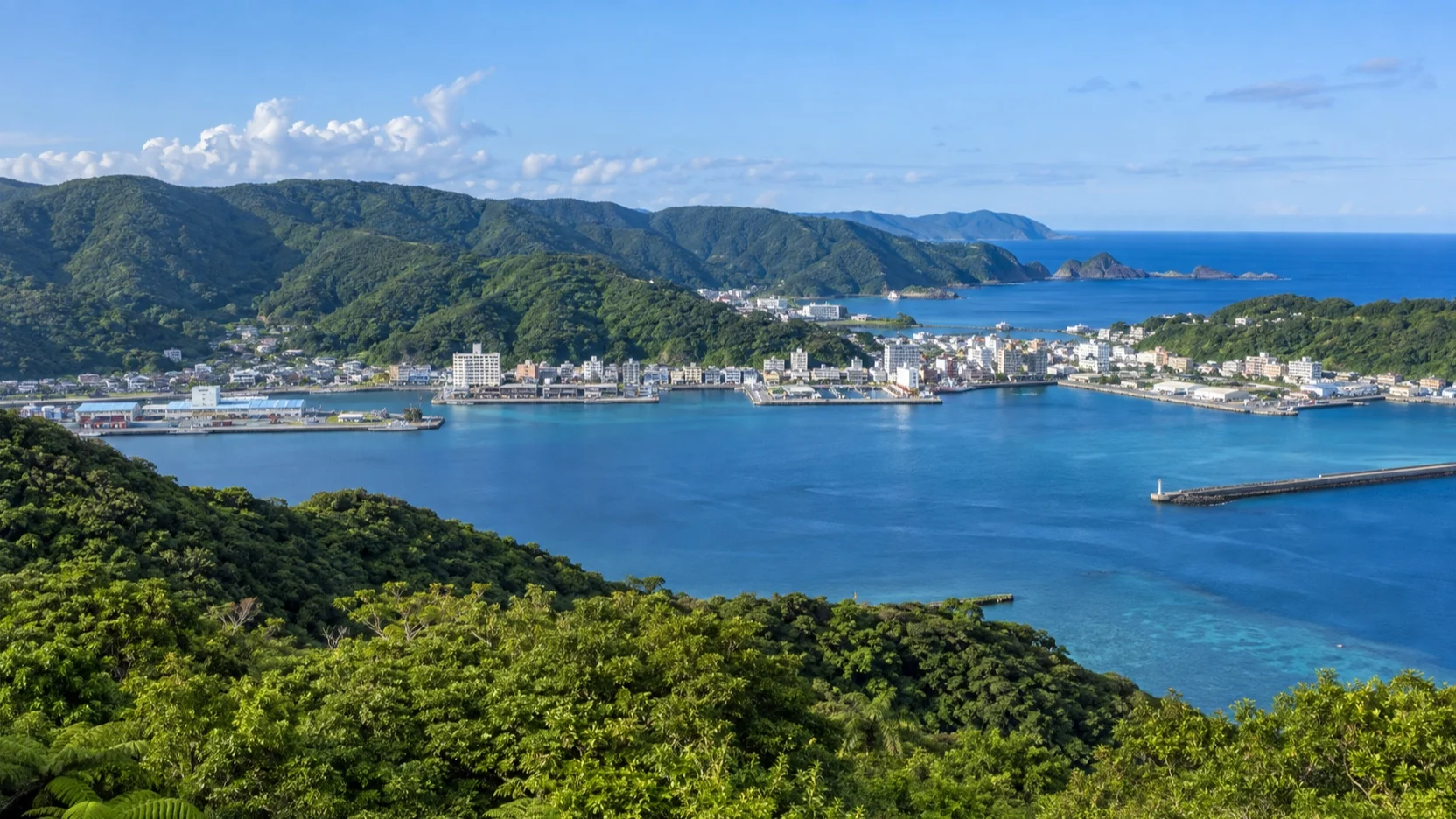
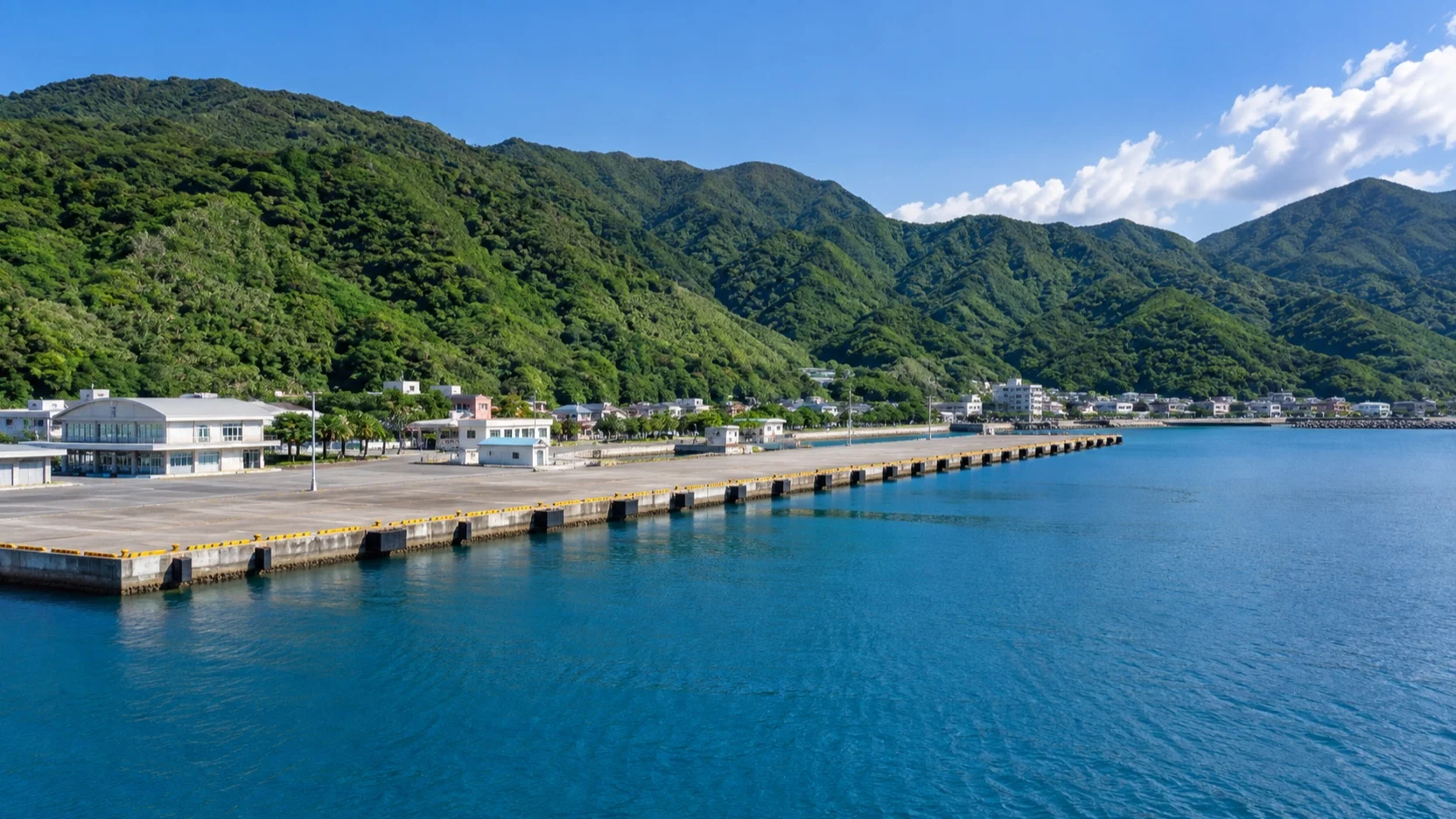
- Where you land: Naze Port on Amami Ōshima. The harbor has multiple working berths, so use the ship’s daily program for the exact gangway and passenger route.
- Dock or tender: Cruise ships commonly berth alongside at Naze, but local conditions and port operations can change the plan.
- Into town: Your distance from central Naze depends on the assigned quay. Confirm any shuttle stop and return point before leaving the pier.
- Currency and language: Japanese yen and Japanese, with limited English outside the main visitor sites.
- Time zone: Japan Standard Time, UTC+9.
- Call reliability: Tropical weather, wind, and sea conditions can alter calls, especially during typhoon season.
- Best first visit: Choose one island sector, such as the Sumiyō mangroves to the south or the airport-area coast to the north.
- Return margin: Plan to reach the ship’s assigned gangway well before all aboard, with extra time for island traffic.
How I would confirm my own terminal
Naze is a working harbor with ferry traffic, so the cruise berths get signposted the morning you arrive. The night before, I would check the daily program for your berth and for any town shuttle.
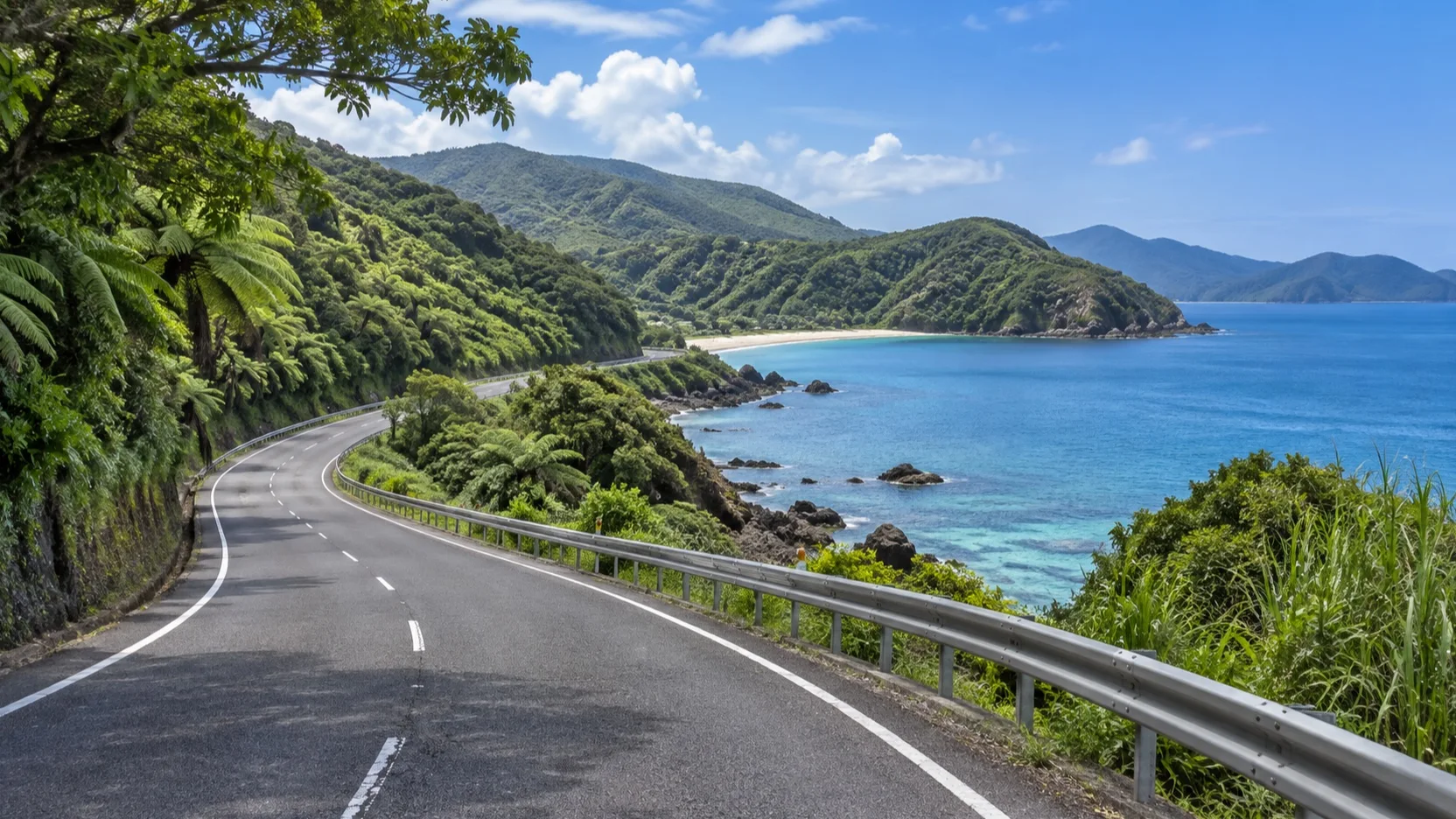
For orientation, Naze is on the northwest coast, the mangroves are south, and the airport-area beaches and parks are north. Amami Airport is roughly a 45- to 60-minute drive from Naze, so north and south should not be combined on a normal call.
Getting around
Walking in Naze
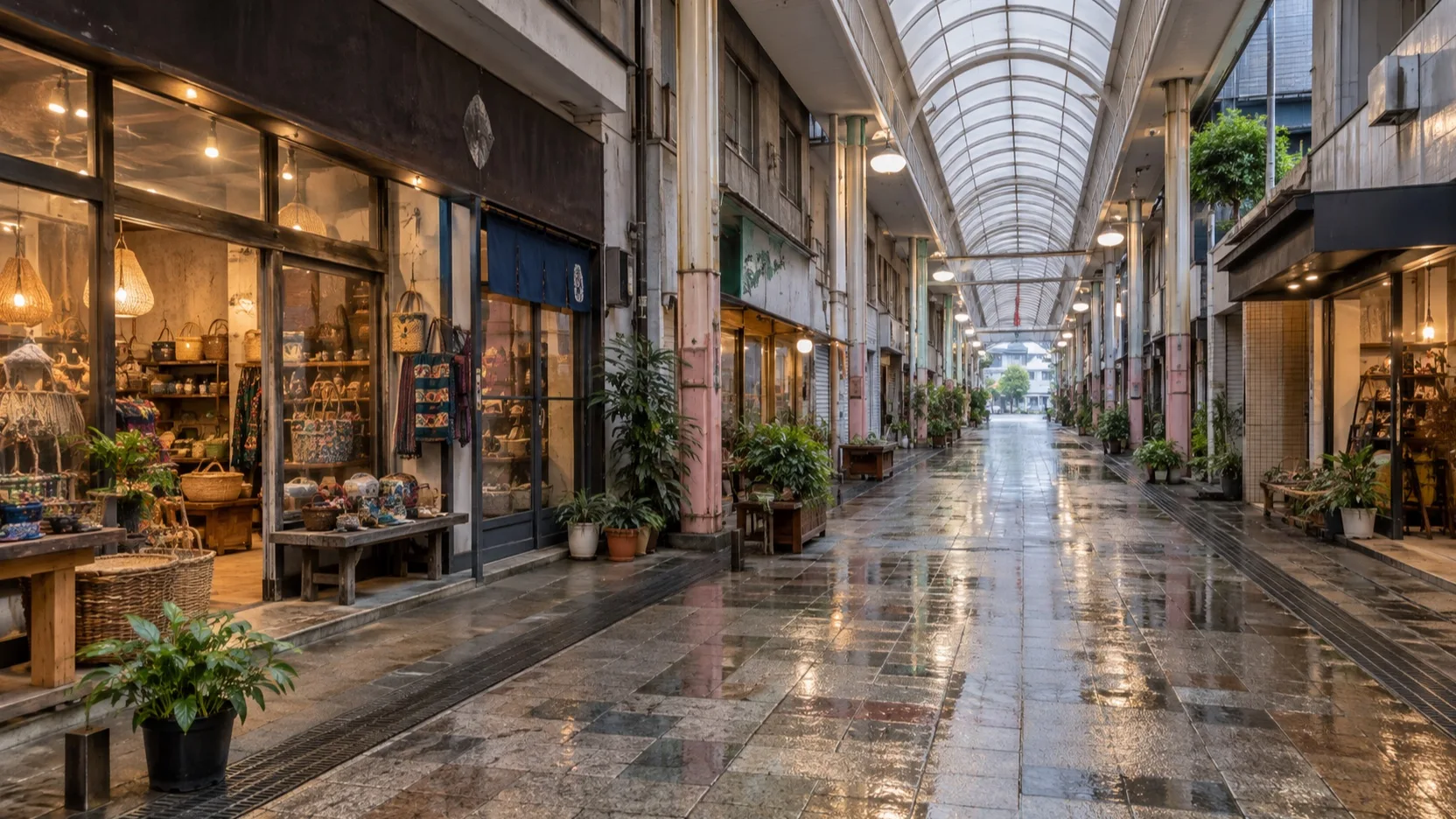
Central Naze has shopping streets, cafés, local food, and small cultural stops, but the useful walking distance depends on your assigned berth. Harbor roads and sidewalks can narrow, so use marked crossings and follow any passenger routing.
Local bus
Local buses connect Naze with other parts of the island, including the airport corridor. Service is not frequent enough to improvise a remote cruise-day trip, so confirm the current timetable, stop name, payment method, and return journey first.
Taxi or reserved driver
A taxi or reserved driver is the most flexible choice for one compact island loop. Agree on the route, waiting time, fare basis, and port return before setting out.
Rental car
A compact car can work well for one island sector, but reserve it before sailing and allow time to collect and return it. Bring the license documents Japan requires for your home country, carry your physical license and passport, and remember that traffic keeps left.
One planning note that saves stress: pick your transport around the single experience you care about most. If it is the mangroves, I would pre-arrange a taxi or tour transfer rather than gamble on the bus schedule.
The stops I would actually spend time on
I would rather do a few things well than sprint through a long list. Here are the named places you can realistically reach on a port day, each with the catch worth knowing.
Mangrove kayaking at Sumiyō
Guided canoe trips in the Sumiyō mangroves are my top nature choice for a first visit. Reserve the activity and transportation together when possible, then reconfirm the session length, meeting point, clothing advice, and weather policy.
Amamigunto National Park
The official national park guide describes a protected landscape of mountains, lowlands, forests, coasts, and endemic species. The UNESCO property consists of selected subtropical rainforest areas on four islands, rather than all of Amami Ōshima.
The endangered Amami rabbit is nocturnal, so a daytime sighting should never be the basis of a port-day plan. Stay on authorized routes, never pursue wildlife, and follow guide instructions around sensitive habitat.
Kinsakubaru Forest
Kinsakubaru offers a close look at Amami’s subtropical forest, but access is controlled and guided arrangements should be made before the cruise. Confirm the current operator requirements, vehicle conditions, walking demands, and return timing rather than treating it as a casual add-on.
Tomori Beach
Tomori Beach is a pale-sand stop near the airport and fits naturally into a north-island drive. Check posted conditions before swimming because attractive water can still carry currents, wind, or storm-related hazards.
Ohama Seaside Park
Ohama Seaside Park is the more practical coastal choice from Naze when time is limited. Confirm opening conditions for any facilities you need, and keep the taxi return or pickup clear.
Ōshima Tsumugi craft
Ōshima Tsumugi is Amami’s signature textile tradition, with intricate silk work connected to local dyeing and weaving. The official Kagoshima tourism guide explains the craft, while a workshop or clearly labeled local piece adds context that an anonymous souvenir cannot.
Tanaka Isson Memorial Museum of Art
The museum at Amami Park focuses on Tanaka Isson’s vivid images of the island’s subtropical plants and birds. Its airport-area location makes it a sensible partner for Tomori Beach or Ayamaru Cape, subject to current opening hours.
Ayamaru Cape
Ayamaru Cape offers broad ocean views and open coastal scenery near the island’s north end. Add it only to a northbound plan, because the mangroves lie in the opposite direction.
A rainy-day Naze plan
Central Naze is the practical fallback when weather weakens a beach or nature plan. Focus on covered shopping streets, local food, textile culture, and whatever museum or workshop hours are confirmed for the day.
How I would plan the day
3 hours (stay close): Walk or grab a taxi into central Naze for the arcades and the Amami City Museum, then add Ohama Seaside Park by taxi. I would aim to be back at the pier at least 60 minutes before all-aboard.
5 hours (one signature experience): Prebook a mangrove kayak session with transportation, then return toward Naze for lunch or a short coastal stop. Build in a meaningful traffic cushion because the southbound drive and activity check-in both consume time.
8 hours (north-island loop): With a rental car or a chartered taxi, combine Amami Park, Tomori Beach, and Ayamaru Cape. Keep 60 to 90 minutes of buffer for the return, and you will have a wonderful day.
Whichever plan you pick, the golden rule is drive time. The south-side mangroves and the north-side beaches pull in opposite directions, so I would commit to one side and not try to do both.
A realistic word on accessibility
I will only tell you what I can reasonably stand behind, because access varies by ship, berth, and conditions. Cruise ships commonly use an alongside berth at Naze, which can make getting ashore simpler than a tender call.
That said, the gangway angle changes with the tide and your ship, so ask your cruise line about the gangway at Naze if step-free access is essential. Central Naze’s arcades are mostly flat, though some older shops have a step.
Two honest caveats round it out. The Kinsakubaru forest needs a guide vehicle on rough terrain, and mangrove docks can be uneven, so ask the operator about assisted transfers before you book.
When to go, and the weather
Amami is subtropical and beautifully lush, so it stays green and warm for much of the year. The most comfortable stretches tend to be spring and fall.
Summer is hot, humid, and typhoon-prone, and sea conditions can shuffle itineraries and tours around. If a typhoon is anywhere in the forecast, keep your independent plans flexible and lean toward town options you can reach on foot.
The warm water does mean a long swimming season, which is part of the island’s appeal. Even so, I would treat any independent tour as weather-dependent and keep a town-based plan B in my back pocket.
Quick answers
Do ships tender at Amami?
Ships normally berth alongside at Naze, but confirm the exact quay and any shuttle in the daily program.
If I only do one thing, what should it be?
Choose a prebooked mangrove kayak at Kuroshio-no-Mori in Sumiyō, with drive time and port return built into the reservation.
Can I just walk into Kinsakubaru forest?
No, controlled access requires an approved guide and advance arrangement, so book it before sailing.
Is Amami a good beach port?
Yes, choose north-coast Tomori for a full scenic loop or closer Ohama Seaside Park for an easier Naze day.
How Amami compares to other Japan ports
Amami is the slow, nature-first counterpoint to Japan’s marquee stops. If your itinerary also visits Naha, expect more castle culture and city walking there, while Amami leans into forest and mangrove.
For more island days in the same style, the Ishigaki and Miyakojima ports scratch a similar beach-and-drive itch. You can also line up the whole route on my wider Japan cruise ports guide.
My bottom line is simple. Amami is a port to slow down for, so pick one wild thing, book it early, and let the island do the rest.
How this guide was researched: Unless a first-hand visit is explicitly identified above, this guide is based on independent research using official port, tourism, transit, government, and attraction sources where available. Logistics and time-sensitive details were reviewed in September 2026; see our Editorial Policy.