Akaroa Cruise Port: A Tender-Port Day Guide
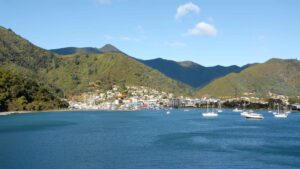
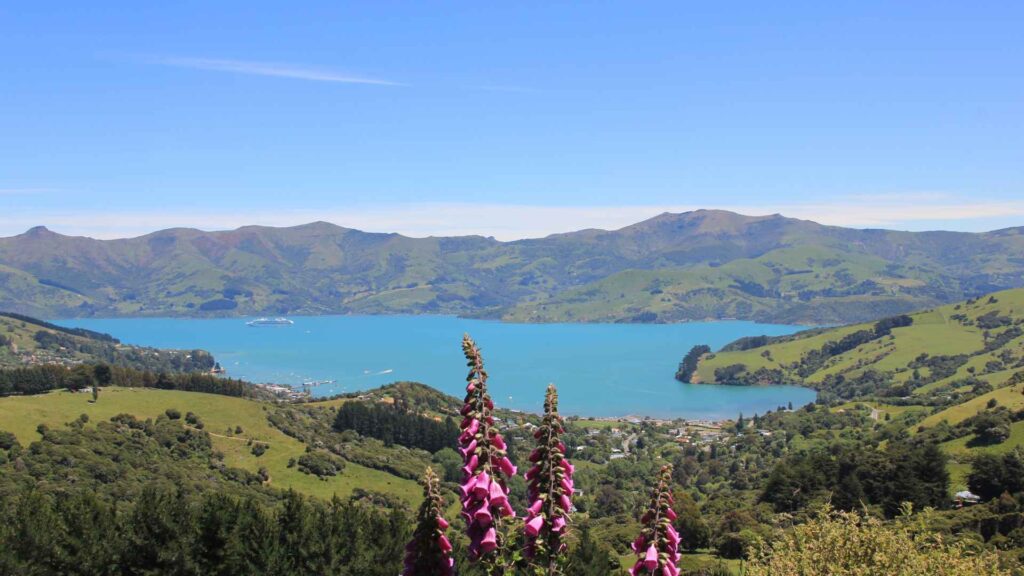
Akaroa is a tender port wrapped around a volcanic harbor on New Zealand’s Banks Peninsula. The village is small enough for an easy waterfront day, while wildlife cruises, hillside views, and layers of Māori, French, and British history give it far more character than its size suggests.
Christchurch is possible from Akaroa, but the long, winding road makes it a separate strategy rather than an add-on. Travelers who stay local get a calmer day and avoid spending several valuable hours inside a vehicle.
My quick take
I would choose Akaroa itself unless Christchurch is a must-see and the ship offers a cruise-timed transfer. A harbor nature cruise, the museum, a slow village walk, and one good meal create a more distinctive port day with much less risk.
This is also a call where weather makes the final decision. Wind and swell can delay tenders or cancel small-boat trips, so keep a village plan ready and never book two tightly timed experiences back to back.
The Quick Facts
- Akaroa has no large cruise berth, so ships that call here anchor and transfer guests ashore by tender.
- The operating tender wharf can change with harbor arrangements, and the ship will announce the correct landing point.
- Central Akaroa is walkable, though slopes, wharf ramps, and some older properties create accessibility barriers.
- Harbor wildlife cruises are the signature local excursion, with routes and sightings controlled by conditions and animal behavior.
- Christchurch requires a long road transfer across Banks Peninsula and should be attempted only on a sufficiently long call.
- The currency is the New Zealand dollar, and cards are widely useful in visitor-facing businesses.
- English and te reo Māori are official languages, while French names reflect part of Akaroa’s colonial history.
- Follow ship time and return early because tender queues and sea conditions can alter the transfer.
Most large ships visiting the Christchurch region now use the dedicated cruise berth at Lyttelton rather than Akaroa. Confirm that your itinerary specifically names Akaroa before using any tender, transfer, or walking advice on this page.
How the Akaroa tender works
Ships anchor in Akaroa Harbour and use their own tenders or contracted boats to move passengers ashore. The ride, loading process, queue, and landing point vary by vessel and harbor conditions, so your daily program is the authority for that call.
Tender boarding usually involves steps and moving between vessels, which can be challenging in swell. The captain may suspend the operation when wind or water makes the transfer unsafe, even if the village looks sunny from the ship.
Photograph the posted last-tender time and identify the return queue before walking away from the wharf. If you have an independent tour, tell the operator your ship name and all-aboard time, then insist on a finish with a genuine cushion.
What the landing area feels like
Akaroa’s waterfront begins close to the usual tender facilities, but wharf works or operational needs can change the exact first steps. Follow signs and crew directions rather than walking through fenced or working areas to reach a pin saved from an older visit.
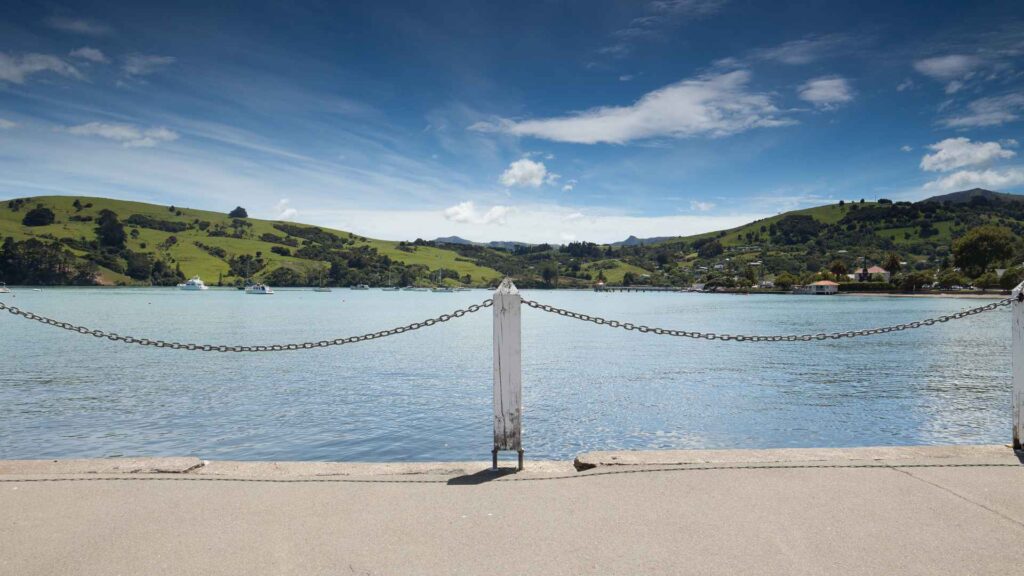
The village spreads along the shore, with cafes, shops, historic buildings, gardens, and views appearing quickly. You do not need a shuttle for a local day if you are comfortable walking, though a taxi or arranged vehicle helps with hills and points farther around the peninsula.
Getting around Akaroa and Banks Peninsula
Walking is the best way to explore central Akaroa because distances between the waterfront, museum, churches, and shops are modest. Comfortable shoes still matter, since grades, older paths, grass, and uneven edges can be harder than a flat street map suggests.
Taxis and local tours can reach crater-rim views, bays, and rural stops, but capacity may be limited on a ship day. Reserve ahead, agree on the route and return time, and confirm whether the vehicle can handle your mobility equipment.
Do not assume a hop-on shuttle appears for every ship. Akaroa’s cruise calls vary in size and frequency, so transport advertised for one date may not exist on another.
A harbor nature cruise
A boat trip is the signature Akaroa experience because the harbor’s wildlife and volcanic landscape make more sense from the water. Operators adjust routes for wind, swell, animal location, and safety, which means two cruises on consecutive days may look different.
The New Zealand Department of Conservation describes Hector’s dolphins as endemic and mostly found around the South Island. They are wild, nationally vulnerable animals, so sightings and close approaches should never be sold as guarantees.
Ask whether your trip is sightseeing only or includes an in-water activity. Swimming operations depend on current permits, wildlife rules, conditions, and the dolphins themselves, and the responsible outcome may be watching from the boat.
A windproof layer is useful even on a warm day because spray and boat speed cool the air quickly. Secure hats and phones, use the supplied life jacket as directed, and tell the crew before departure if you are prone to seasickness.
Wildlife etiquette
Never touch, feed, chase, or attempt to direct a dolphin, seal, penguin, or seabird. A permitted operator should control vessel speed and distance, brief passengers, and abandon an encounter when the animal’s behavior or the conditions require it.
Photographs are best taken without flash and without leaning beyond the safe rail. If wildlife remains distant, enjoy the harbor geology and coastline rather than pressuring the skipper to pursue it.
What to see in Akaroa village
Akaroa Museum
Akaroa Museum provides the clearest introduction to the peninsula’s Māori history, European settlement, maritime connections, and community life. Check the current opening hours through Christchurch City Council or the museum before shaping a short tender day around an indoor visit.
The museum works especially well near the beginning of a self-guided walk because it gives context to street names and historic buildings. Allow more time if a temporary exhibition connects with your interests.
French and British colonial traces
Akaroa’s French street names and heritage buildings reflect the arrival of French settlers in 1840, while British sovereignty and colonial administration shaped what followed. The story is more nuanced than calling the village simply French, which is why local interpretation matters.
Long before European settlement, Māori communities lived in and traveled through the peninsula. Use local names and cultural sites respectfully, and choose interpretation that includes Ngāi Tahu history rather than beginning the story in the nineteenth century.
The waterfront and lighthouse
A waterfront walk gives continuous harbor views and several natural places to stop. Akaroa’s restored lighthouse is a local landmark, but it should not be confused with the operational history of the more remote Akaroa Heads light.
Check whether the building itself is open if going inside matters to you. The exterior and shore setting remain worthwhile even when access is limited.
The Giant’s House
The Giant’s House is a privately operated mosaic garden on a hillside above the village. Its color and sculptural detail are very different from the harbor, making it a good choice for travelers who prefer art and gardens to another boat.
Opening, admission, reservations, slopes, and steps should be checked directly before visiting. The climb can be demanding, so use local transport if you want to save energy for the rest of the day.
Crater-rim and peninsula views
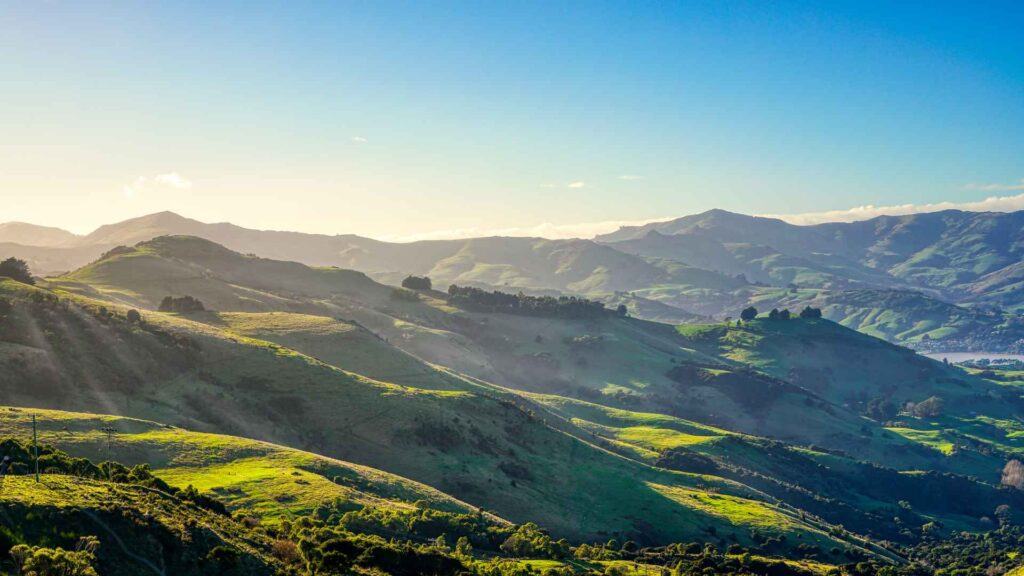
Banks Peninsula was formed by volcanic activity, and higher roads reveal the shape of the harbor dramatically. A guided drive can provide viewpoints without committing to Christchurch, though narrow, winding roads and weather still affect the pace.
Choose a driver who understands the ship’s tender deadline and local road conditions. Do not build a route around an exact photo stop if fog or wind makes another viewpoint safer.
Three realistic port-day plans
A short call
Stay in the village and choose either the museum or a waterfront walk with time for a cafe. A short harbor cruise can work if it is specifically scheduled around the ship, but leave Christchurch out of the plan.
A half day
Combine one wildlife cruise with one or two village stops, provided the boat returns comfortably before the tender deadline. If the outbound tender is delayed, drop the optional hillside stop rather than compressing every activity.
A full day
Choose between a cruise-timed Christchurch excursion and a deeper Banks Peninsula day. Trying to add both a city transfer and a fixed Akaroa boat departure creates unnecessary risk and too much time watching the clock.
The Christchurch decision
Christchurch lies across Banks Peninsula by a scenic but winding road, and the transfer commonly consumes a substantial part of the call. Traffic, road works, weather, and slow vehicles can extend the journey, so use current local estimates rather than treating an advertised duration as a promise.
A ship excursion offers the strongest coordination with tender operations. An independent transfer can work on a long call, but it needs port-call cancellation terms, a conservative turnaround time, and a driver who monitors the ship.
In the central city, choose no more than two priorities, such as the Botanic Gardens, Quake City, the Avon River, or the evolving rebuild precincts. Canterbury Museum’s main Rolleston Avenue building has been under major redevelopment, so check which museum spaces are actually operating on your date.
The International Antarctic Centre is near Christchurch Airport rather than inside the downtown walking loop. Treat it as an alternative to central sightseeing, not a quick add-on between the city and Akaroa.
Food, shopping, and local manners
Akaroa’s cafes and restaurants can be busy when a ship is anchored in the harbor. If lunch matters, eat earlier than the main rush or make a reservation that can be adjusted if tendering begins late.
Seafood, local produce, and baked goods are natural choices, but menus and opening days change seasonally. Tell staff about the ship deadline before ordering a leisurely meal and allow time to settle the bill.
Buy crafts from local makers when possible and ask before photographing people, homes, or cultural material. Akaroa is a living community, not a film set arranged around each tender arrival.
Accessibility
The ship decides whether a passenger and mobility device can transfer safely to the tender under the day’s conditions. Ask the cruise line about steps, manual lifting, device dimensions, storage, weight limits, and whether independent boarding is required.
Parts of Akaroa’s central waterfront are relatively gentle, but wharf ramps, curb transitions, older buildings, gardens, beaches, and boats have different barriers. Request exact details from each attraction or operator instead of relying on a broad accessible label.
For Christchurch, accessible transport needs advance booking because the road trip is long and a last-minute suitable vehicle may not be available. Confirm restroom access, transfer support, and the amount of walking built into the excursion.
Weather and what to pack
Akaroa’s cruise season usually falls across the Southern Hemisphere’s spring, summer, and early fall. A warm forecast in Christchurch does not guarantee calm or equally warm conditions on an exposed harbor boat.
Bring layers, a windproof and water-resistant shell, sunscreen, sunglasses, and a secure hat. Wear shoes with grip for the tender and wharf, then carry water if your day includes a hillside walk.
Wind and swell can cancel both tender service and independent nature trips. Avoid invented cancellation odds and accept that a safe village day may replace the plan you imagined from home.
Entry, biosecurity, and declarations
Most travelers need either an NZeTA or an appropriate visa, depending on passport and circumstances. Immigration New Zealand’s official NZeTA guidance specifically addresses cruise passengers and explains how requirements depend on the traveler.
Everyone entering New Zealand must complete the New Zealand Traveller Declaration process that applies to their arrival. Use the official system and the timing stated for travelers arriving by sea rather than a third-party form.
New Zealand biosecurity rules are strict because imported food, plant material, animal products, and soil can threaten agriculture and ecosystems. Declare anything you are unsure about and clean mud from footwear and outdoor equipment before arrival.
Money, language, and connectivity
The New Zealand dollar is the local currency, while contactless cards are useful at many businesses. Carry a backup payment method because small operators, markets, and temporary connectivity issues can limit electronic transactions.
English is widely spoken, and te reo Māori names and greetings are part of New Zealand life. French street names reflect Akaroa’s colonial layer but do not make French the everyday visitor language.
Mobile reception around the village is generally more useful than it may be on the open water or remote peninsula roads. Download tickets and maps before leaving the ship, then save the port-agent or ship emergency contact.
Frequently asked questions
Is Akaroa still a cruise port?
Yes, Akaroa can receive scheduled cruise calls, particularly smaller or specialty vessels, but most large Christchurch calls now use Lyttelton. Check that your itinerary names Akaroa and then follow the ship’s tender instructions.
Can I walk from the tender into town?
Yes, central Akaroa is walkable from the operating landing for most guests. The exact first route depends on which wharf is used, and mobility barriers vary.
Are dolphin sightings guaranteed?
No, Hector’s dolphins are wild and no responsible operator can promise an encounter. Book for the harbor scenery and naturalist experience, then treat a sighting as a privilege.
Can I swim with dolphins?
Permitted operators may offer in-water experiences when regulations, conditions, and animal behavior allow. Confirm the current permit and rules, and be comfortable with the possibility that the trip becomes viewing only.
Can I visit Christchurch from Akaroa?
Yes, but only on a long enough call with transport designed around the tender schedule. Choose a few city priorities and begin the return far earlier than you would for a local Akaroa day.
What if the harbor cruise is canceled?
Use the museum, waterfront, historic buildings, Giant’s House, or a locally arranged peninsula drive as alternatives. Do not replace one canceled boat with an unvetted operator willing to depart in questionable conditions.
How Akaroa compares with other South Island ports
Lyttelton provides much easier access to Christchurch because ships berth closer to the city, while Akaroa offers a prettier village and more immediate harbor character. The right choice depends on whether you value the city transfer or the peninsula itself.
Dunedin combines wildlife excursions with a larger historic city, and Picton provides access to the Marlborough Sounds and wine country. Akaroa feels smaller and more intimate than either, with tender logistics playing a bigger role in the day.
For broader planning, use our guides to Dunedin, Picton, and New Zealand cruise ports. Matching one strong experience to each call usually creates a better itinerary than repeating long road tours.
The bottom line
Akaroa is at its best when you let the harbor and village set the pace. Book one well-timed wildlife experience or explore locally, keep a weatherproof alternative, and leave Christchurch for a day with enough hours to enjoy it properly.
The tender is the constraint that should shape every decision. Once the return margin is protected, Akaroa becomes one of New Zealand’s most relaxed and characterful small-port days.
This guide was last reviewed on September 11, 2026. Tender wharves, wildlife operations, attraction hours, road conditions, and entry rules can change, so confirm final details with your cruise line and official providers.