Fremantle Cruise Port: Victoria Quay, Prison and Perth
Fremantle is one of those rare cruise ports where the port city is not merely the route to the headline destination. Your ship arrives beside a walkable historic center filled with convict history, maritime museums, markets, cafés, and the salty energy of a working harbor.
Perth is easy to reach by train and Rottnest Island is tantalizingly close by ferry, but neither should be an automatic choice. Fremantle itself can fill a port day beautifully, with far less risk and far more time to wander.
Fremantle cruise port quick facts
- Country: Australia
- State: Western Australia
- Port area: Victoria Quay in Fremantle’s Inner Harbour
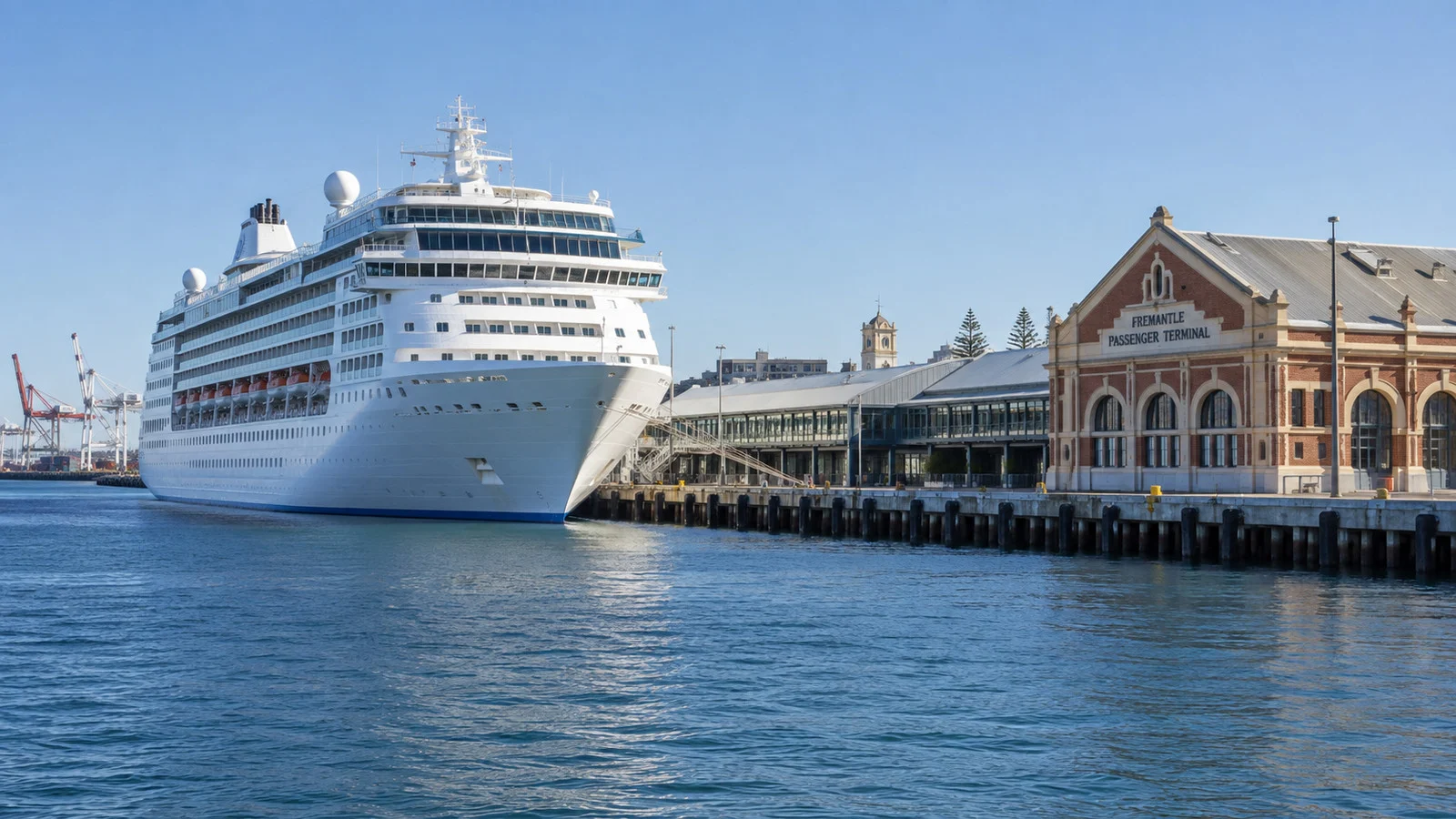
- Passenger facility: Fremantle Passenger Terminal
- Dock or tender: Cruise ships normally berth alongside, subject to the day’s port plan
- City access: Central Fremantle is walkable from the terminal area
- Rail: Fremantle Station connects with Perth on the Transperth network
- Currency: Australian dollar
- Best local sights: Fremantle Prison, WA Maritime Museum, WA Shipwrecks Museum, and the historic West End
- Longer outing: Rottnest Island or Perth, chosen according to call length
Quick take
Stay in Fremantle if your call is short, if you dislike schedule pressure, or if Australian maritime and convict history interests you. The city gives you a complete day without needing to gamble on a distant return.
Choose Rottnest only when the ferry timetable leaves a generous buffer, and choose Perth when you have a specific city experience in mind. Going to Perth simply because the itinerary prints its name can mean leaving the most atmospheric place right beside the ship.
Where cruise ships dock
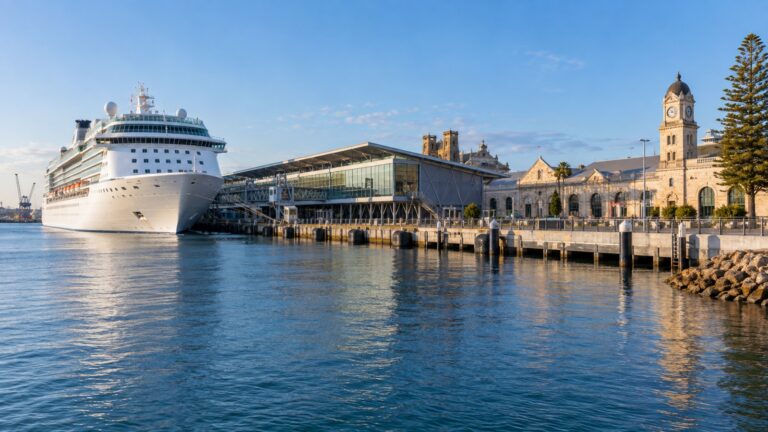
The Fremantle Passenger Terminal stands on Victoria Quay in the Inner Harbour. Fremantle Ports describes the terminal as roughly 800 meters from the city center, which makes this a genuinely convenient large-ship arrival.
Cruise vessels normally berth alongside rather than use tenders, but the assigned berth, gangway, and pedestrian exit can vary. Follow the ship’s instructions and the marked route through the working port instead of cutting across railway lines or operational space.
The terminal is a functional port building, not a full resort-style complex. Expect basic arrival services to depend on the particular call, and organize anything essential before leaving the ship.
Walking out of Victoria Quay
Once clear of the controlled quay, Fremantle Station and the waterfront museum precinct help you orient yourself. The central streets begin beyond the station, while the Maritime Museum sits on Victoria Quay itself.
Ask the terminal team which gate will remain open for returning passengers. A photo of the entrance, berth sign, and all-aboard notice is a small precaution that prevents confusion after a long day.
Getting around Fremantle
The historic center is compact enough for most visitors to explore on foot. The main challenge is not distance but fitting museum hours, timed tours, food, and a possible train or ferry into the ship’s schedule.
Transperth runs trains and buses across the metropolitan area, and Fremantle Station is close to the port. Use the official journey planner on the day because maintenance, events, and service changes can alter the easiest route.
Taxis and rideshares are practical for attractions outside the center or for travelers conserving their steps. Confirm your pickup point, since vehicles may not be allowed to meet you beside the gangway.
Fremantle or Perth?
Fremantle and Perth are distinct cities connected by the Fremantle rail line. Perth offers major-city shopping, galleries, parks, riverfront spaces, and easy onward access, while Fremantle delivers a denser historic and maritime experience.
If you go to Perth, choose one compact area instead of crossing the metropolitan region. Elizabeth Quay and the central cultural district are different directions, and adding Kings Park can stretch a short visit.
Check the return train before you leave Fremantle and allow for a service disruption. The port gates, walk from the station, and terminal security all sit between your arriving train and the ship.
For a first call, Fremantle is usually the stronger default. It feels specific to the port, while a rushed Perth visit can become more transit than discovery.
Best things to do in Fremantle
Tour Fremantle Prison
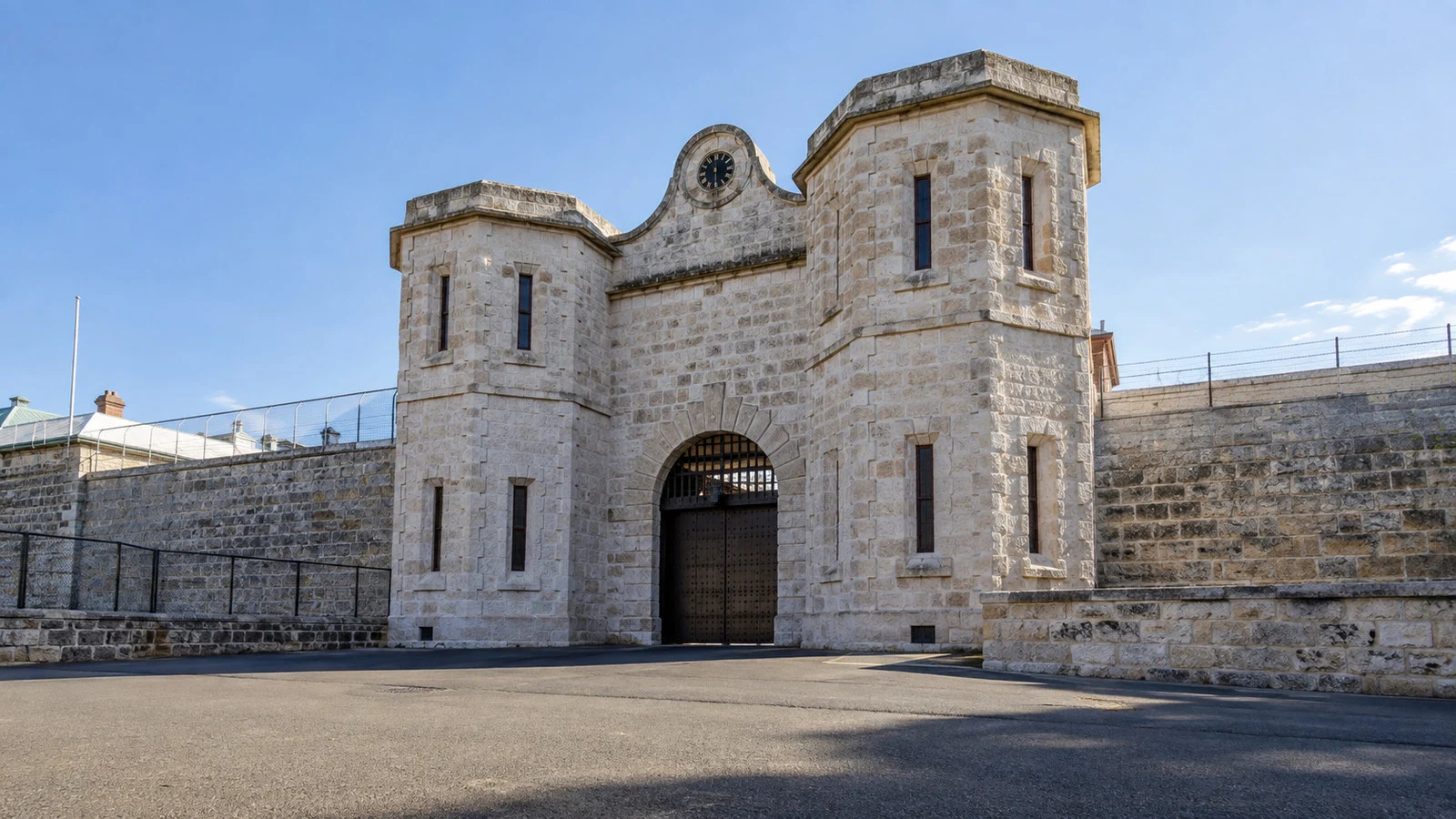
Fremantle Prison is part of the UNESCO-listed Australian Convict Sites and the strongest single attraction in town. Its cell blocks, yards, tunnels, and later prison history reveal a complex story that is difficult to understand from the exterior alone.
Different guided experiences cover different parts of the site and require different amounts of time or physical effort. Check the official Fremantle Prison website, reserve a suitable tour, and read the access requirements before committing.
Timed entry makes tender-style improvisation unnecessary here, since the ship is normally alongside. Still, do not select a late tour that finishes close to all-aboard, and allow time to walk back through the port gate.
Visit the WA Maritime Museum
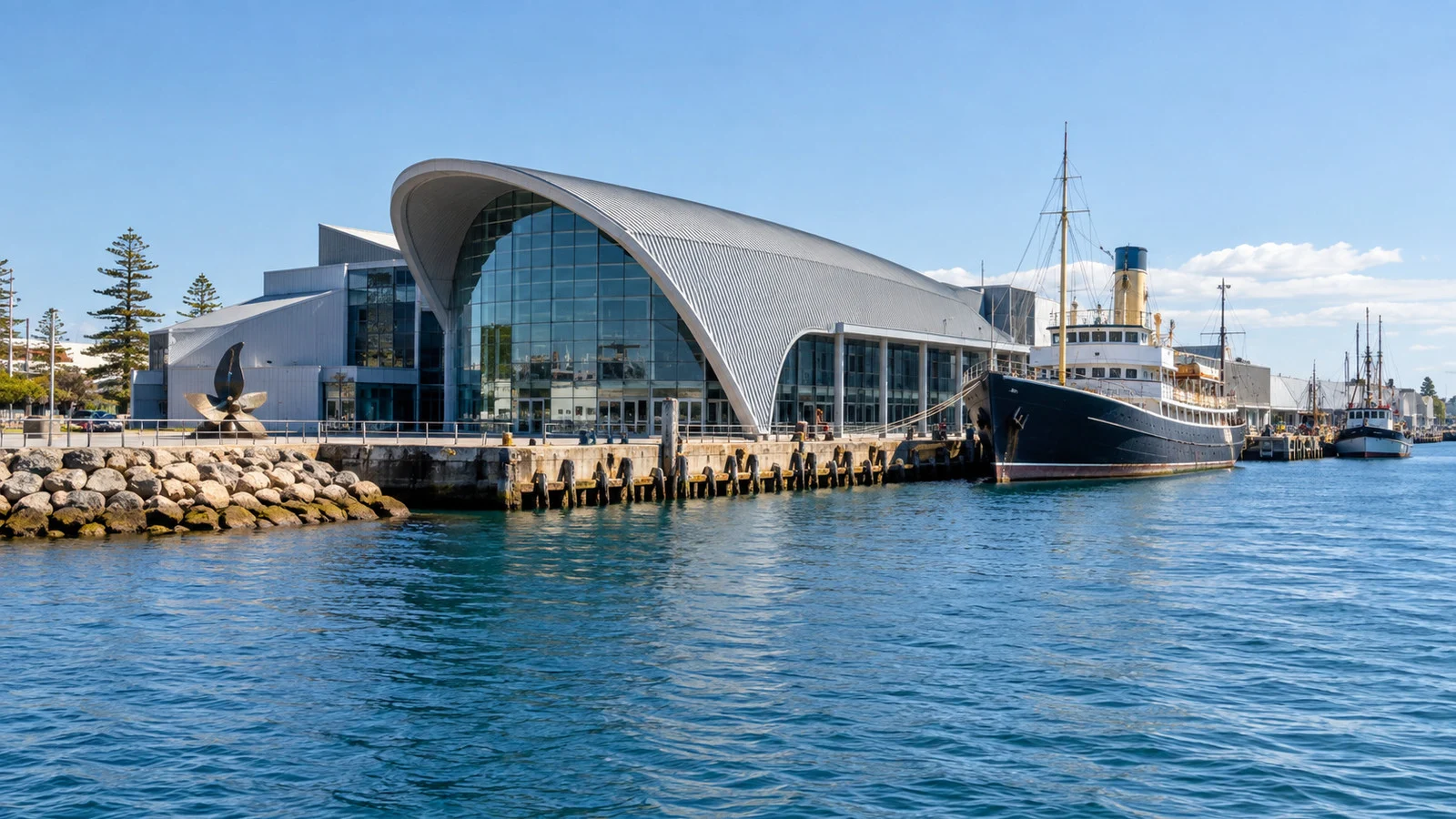
The WA Maritime Museum sits on Victoria Quay and makes a natural first or final stop. Its collections cover Western Australia’s sailing, commercial, naval, and maritime adventure stories, including the America’s Cup yacht Australia II.
The museum’s official visitor page posts current hours, admission, exhibitions, and access details. General galleries are accessible by ramps and elevators, while tours aboard HMAS Ovens are not accessible to people with disabilities.
The submarine is a separate, confined-space experience with its own booking conditions. Read the physical requirements and choose a time that still leaves room for the rest of your day.
Explore the WA Shipwrecks Museum
The WA Shipwrecks Museum occupies historic Commissariat buildings on Cliff Street in the West End. It focuses on maritime archaeology, early European encounters, trade, shipwreck conservation, and Western Australia’s dangerous coast.
General admission is currently free, with donations welcomed, though special programs may cost extra. Verify the latest details on the official museum page before arrival.
The museum states that its public spaces are fully accessible, with ramp and elevator access. It also notes that luggage storage is not available, useful to know if Fremantle is the beginning or end of your cruise.
Walk the historic West End
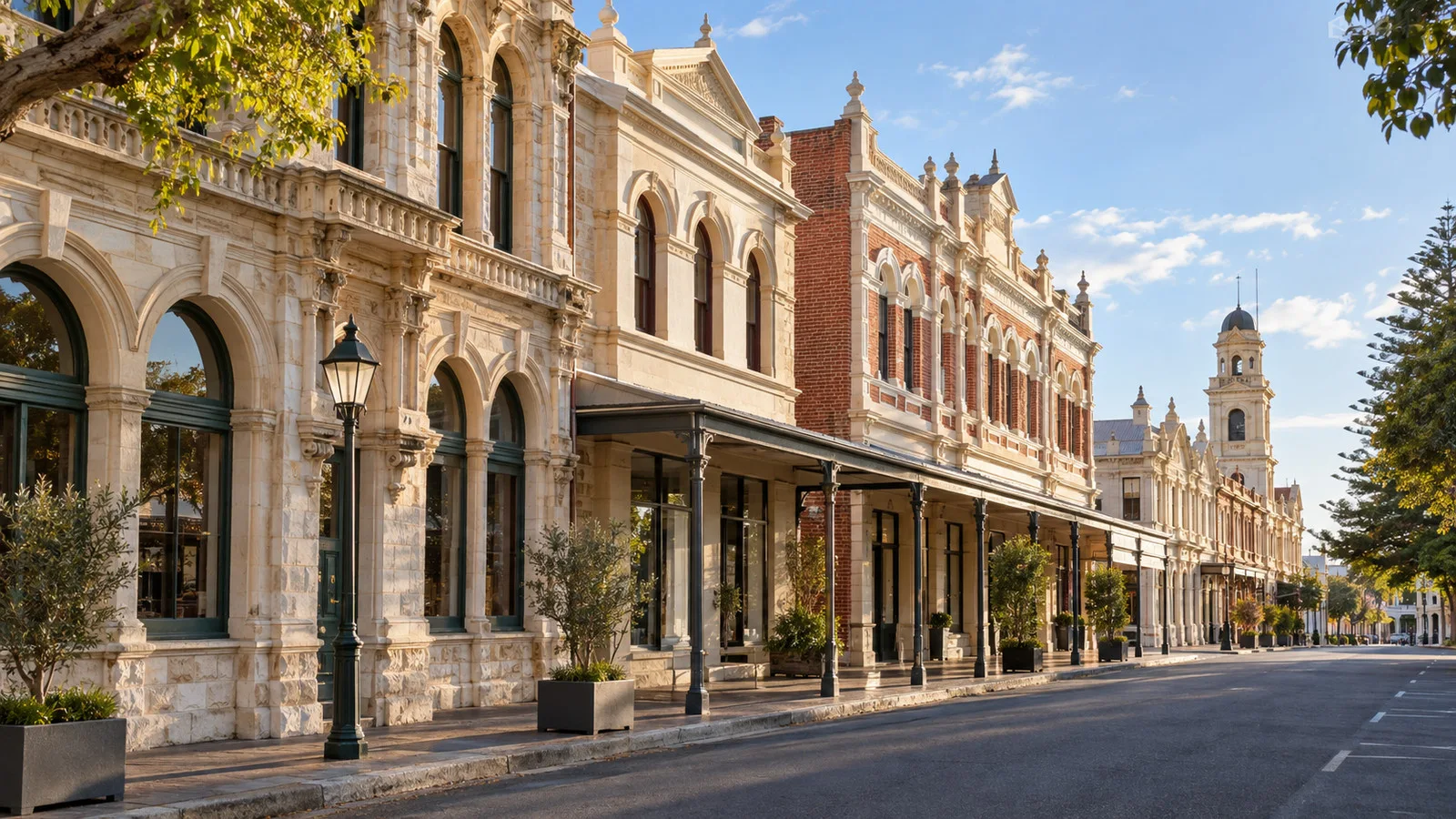
Fremantle’s West End rewards slow looking rather than a checklist. Gold-rush-era buildings, warehouses, hotels, university spaces, and the Round House sit within a compact street grid leading toward the sea.
The Round House is the oldest surviving public building in Western Australia and stands above Bathers Beach. Volunteer access and opening arrangements can change, so enjoy the precinct even if the interior is unavailable.
Browse Fremantle Markets
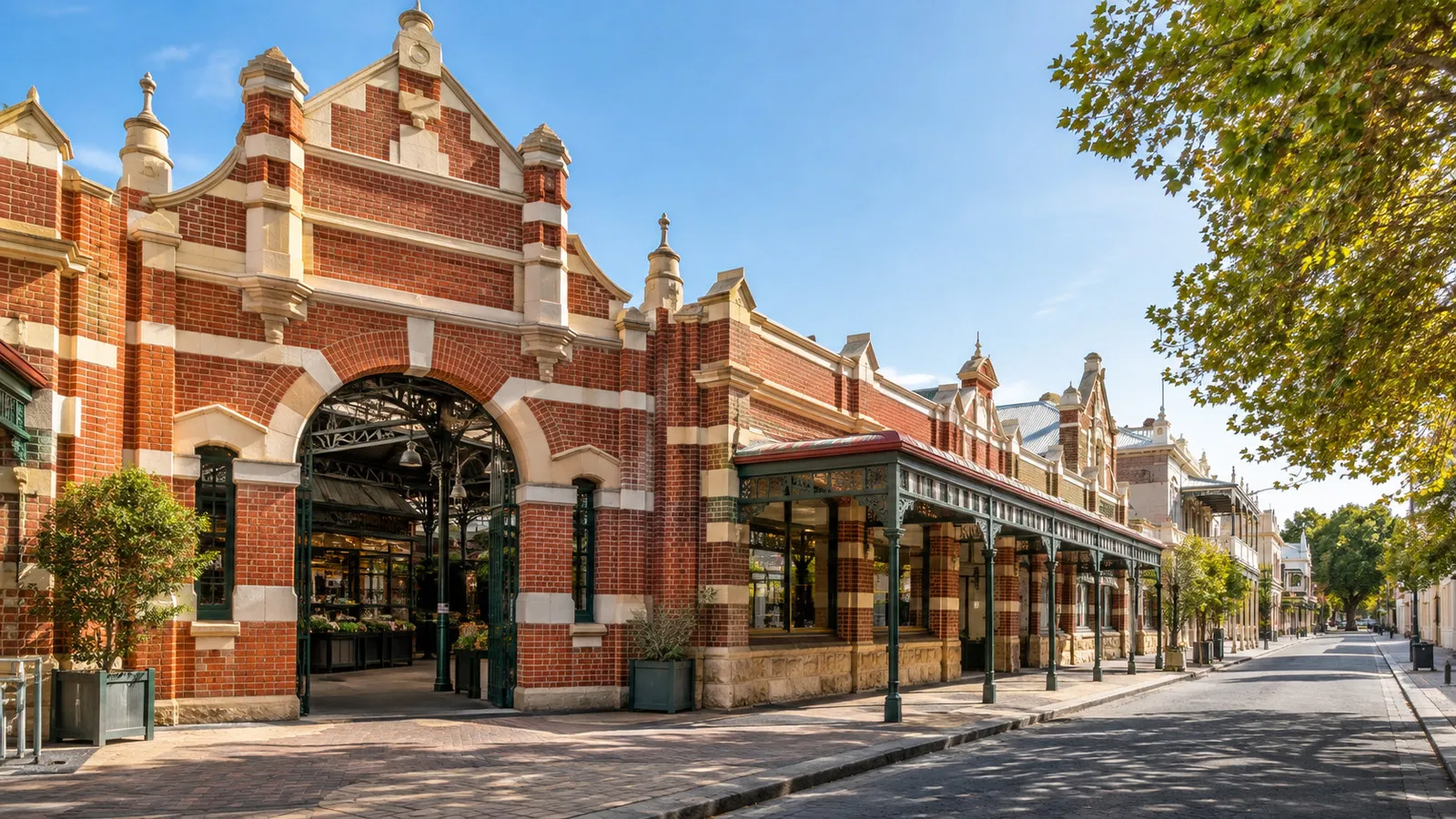
Fremantle Markets combines food, produce, crafts, and small retailers in a heritage building away from the quay. It is a lively stop when open, but market trading days do not necessarily match your ship’s visit.
Check the official market website before walking over. If it is closed, nearby South Terrace and central Fremantle still offer plenty of cafés, shops, and street life.
Rottnest Island from Fremantle
Wadjemup, widely known as Rottnest Island, is famous for clear bays, car-free roads, and quokkas. Ferries leave from Fremantle, making the island possible on the right cruise schedule but not automatically sensible.
Begin with the full timetable arithmetic: walk from ship to ferry check-in, required check-in time, crossing, island transport, return ferry, and port reentry. Select a return with another workable sailing behind it rather than the last theoretical connection.
Fares, schedules, baggage rules, and departure points vary by operator and season. Use the Rottnest Island Authority ferry guidance, then book directly with the chosen operator.
Quokkas are wild animals, despite their camera-friendly reputation. Do not feed or touch them, keep food secure, and give them room to move away.
The island also holds deep significance for Aboriginal people and was used as a place of imprisonment for Aboriginal men and boys. Approach Wadjemup as a cultural landscape, not merely a beach and wildlife backdrop.
Food and drink
Fremantle is excellent for an unhurried lunch because the port, fishing harbor, market area, and West End each have their own cluster of choices. Seafood is the obvious theme, but the city’s Italian heritage, breweries, bakeries, and modern cafés broaden the menu.
At the Fishing Boat Harbour, compare menus and ask what is local rather than assuming every fish was landed nearby. If a restaurant matters to you, reserve around tour times and keep the final hour flexible.
Australia has strict biosecurity rules, especially for passengers arriving from overseas. Leave prohibited food aboard, declare anything required, and follow all directions from Australian Border Force and biosecurity officers.
Accessibility
Fremantle is one of the easier Australian cruise ports for a lower-mobility day, although heritage paving, curbs, and heat still matter. Confirm the gangway gradient and terminal assistance with the cruise line because berth setup and tide can change it.
The WA Maritime Museum provides ramps, elevators, accessible toilets, and limited wheelchair availability, but the HMAS Ovens tour is excluded from general accessibility. The Shipwrecks Museum reports level or ramped entry and an elevator inside.
Fremantle Prison has varied terrain and tour formats, so consult its site-specific access information. A taxi can reduce walking between the prison, central streets, and Victoria Quay.
Weather and what to wear
Fremantle’s Mediterranean climate often means warm, dry summer calls and cooler, wetter winter weather. Sun can be intense even when the sea breeze makes the air feel comfortable.
Carry water, use high-protection sunscreen, and wear a hat that handles wind. A light layer is useful inside air-conditioned museums and on an exposed ferry to Rottnest.
Check the Australian Bureau of Meteorology for the official forecast and warnings. Heat, strong wind, or marine conditions should influence whether you choose a long walk, outdoor island day, or indoor museum plan.
Three practical Fremantle plans
The easy local day
Start at the Maritime Museum, then walk through the West End to the Shipwrecks Museum and Round House. Finish with lunch near the fishing harbor or central streets before returning to Victoria Quay.
This plan stays flexible, covers the city’s defining maritime story, and requires no timed transport. It is the most practical option for a short call.
The prison and port day
Reserve a morning Fremantle Prison tour, then return toward the waterfront for lunch and one museum. Keep the second museum optional so a long tour or slow meal does not create pressure.
Walk back through the city rather than taking a detour to Perth. Fremantle’s streets connect the prison history to the trading port in a way that makes both more meaningful.
The Rottnest day
Book a ferry only after matching both directions to the ship’s hours and terminal procedures. On the island, choose a modest circuit by bus, bike, or foot rather than trying to see every beach.
Return to Fremantle early enough to absorb a ferry delay. Save any city sightseeing for after you are safely back near the cruise terminal.
Common Fremantle cruise questions
Is the cruise terminal in Perth?
No, the passenger terminal is in Fremantle at the mouth of the Swan River. Perth is inland and reached by train, road transport, or an organized excursion.
Can I walk into Fremantle?
Yes, most passengers can walk from Victoria Quay into the central district using the designated port exit. Ask for the accessible route if curbs, distance, or the gangway are concerns.
Do ships tender here?
Cruise ships normally berth alongside at Fremantle Passenger Terminal. Final arrangements remain subject to port and vessel operations, so confirm your berth with the cruise line.
Can I see Perth and Fremantle in one day?
Yes on a long call, but choose limited priorities in each city. A first-time visitor often gets more from a fuller Fremantle day than a rushed round trip to Perth.
Can I visit Rottnest independently?
Yes, when ferry times and the ship’s schedule create a generous buffer. Book ahead, monitor the operator’s updates, and avoid relying on the last possible return.
What should I verify that morning?
Confirm the berth exit, all-aboard time, attraction bookings, Transperth status, weather, and any Rottnest ferry changes. If the schedule shortens, keep the day in Fremantle.
The last word
Fremantle is not the place to sprint through on the way to somewhere with a bigger name. Its prison, shipwrecks, working harbor, heritage streets, and generous food scene make it one of Australia’s most complete walk-off port calls.
Pick Perth or Rottnest only when you have the hours and a clear reason. Otherwise, step through the Victoria Quay gate and let Fremantle do what it does best: turn a practical port into the heart of the day.
About the author: Ellie writes practical cruise port guides for travelers who want clear choices, realistic timing, and room to enjoy the place.
How this guide was researched: Unless a first-hand visit is explicitly identified above, this guide is based on independent research using official port, attraction, transportation, tourism, weather, and government sources where available. Logistics and time-sensitive details were reviewed on September 12, 2026, under our Editorial Policy.