Malaysia Cruise Ports: A Planner’s Guide to Every Stop
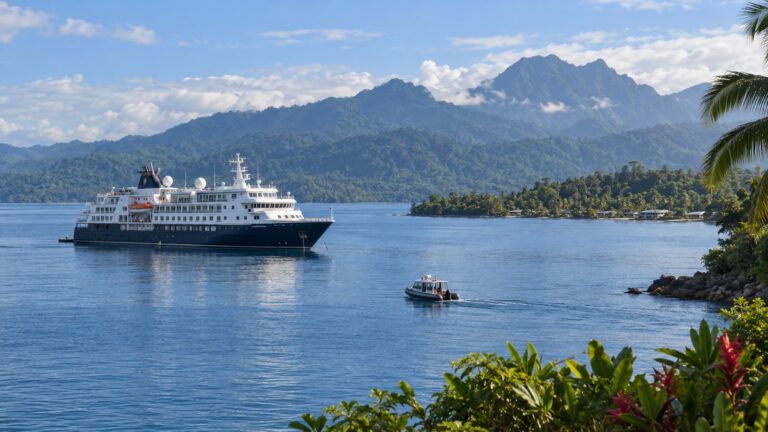
Malaysia’s cruise ports deliver four distinct travel styles in one country. Port Klang is a long gateway transfer to Kuala Lumpur, Penang places you close to George Town’s food and heritage, Langkawi favors beaches and island scenery, and Kota Kinabalu opens the door to Sabah’s culture and nature.
The itinerary can be wonderfully varied, but only if you plan each port for what it does best. I would not force a capital-city checklist onto Langkawi or waste a rare Penang call sitting on a long generic coach tour.
Quick facts about Malaysia cruise ports
- Main cruise stops: Port Klang, Penang, Langkawi, and Kota Kinabalu
- Best first visit: Penang
- Best beach day: Langkawi
- Best major-city excursion: Kuala Lumpur from Port Klang
- Best Borneo gateway: Kota Kinabalu
- Currency: Malaysian ringgit
- Weather: Hot, humid, and rain-prone throughout the year
- Planning rule: Build a large return buffer for Port Klang
Port Klang for Kuala Lumpur
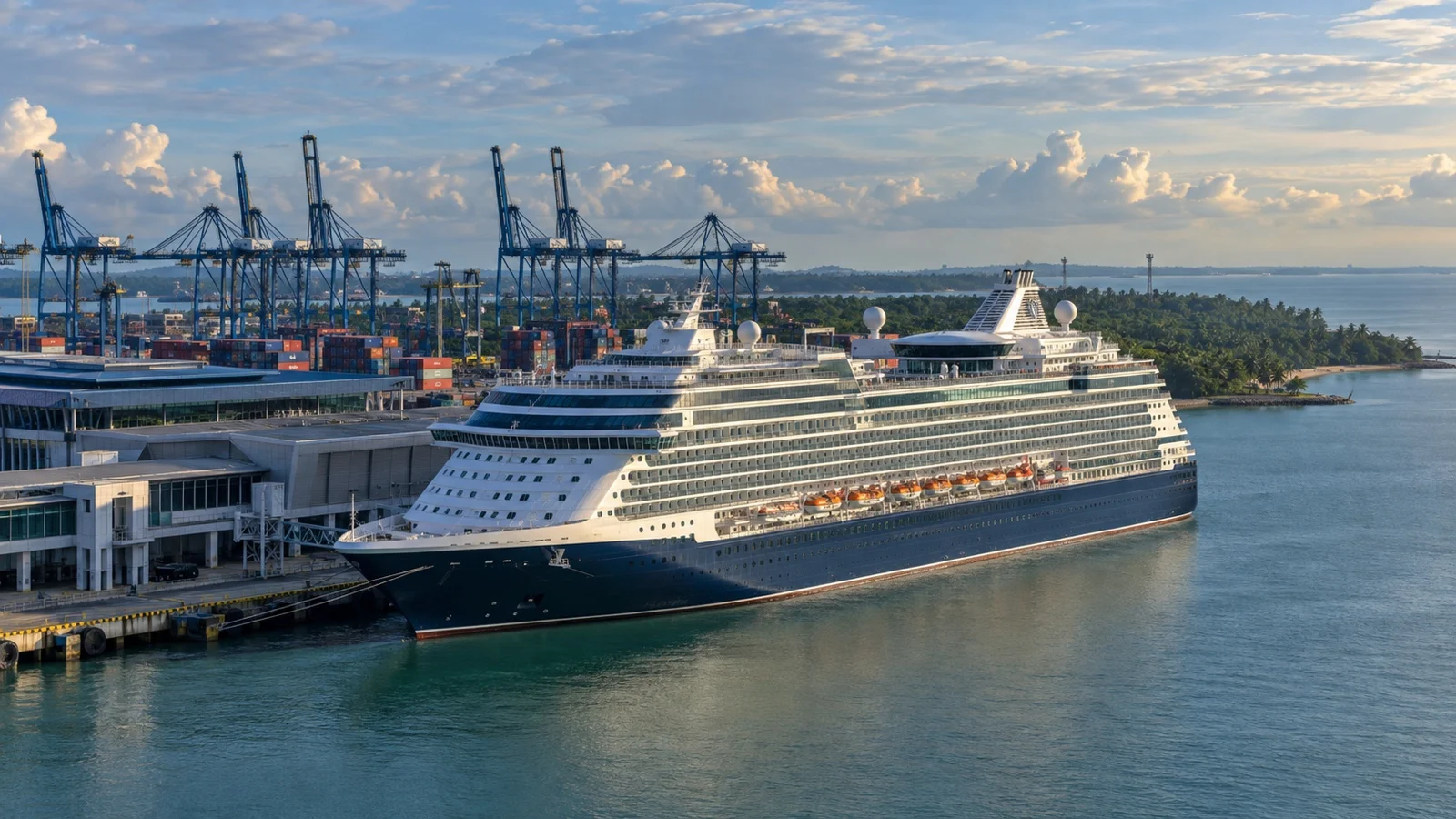
Port Klang is the maritime gateway for Kuala Lumpur, but the capital is not beside the ship. The road transfer can consume well over an hour each way and becomes much longer when traffic, weather, or city events work against you.
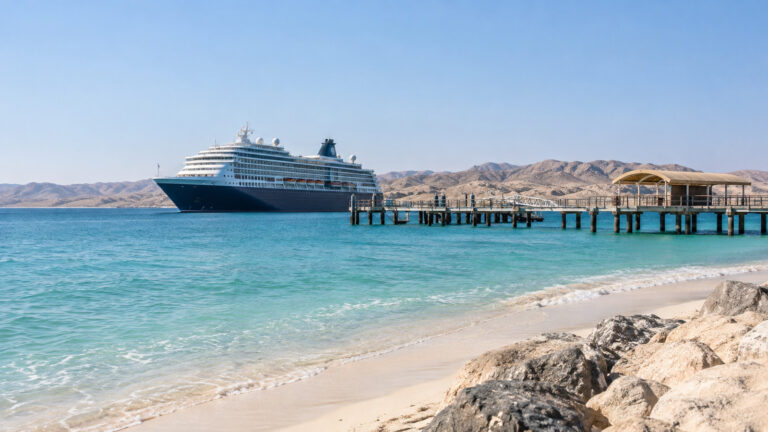
Ships normally use a dedicated cruise-terminal operation in the Port Klang area, though exact berth and ground arrangements can vary. Independent travelers should confirm the terminal, pickup point, and return access before leaving.
What to do in Kuala Lumpur
A sensible first visit combines two or three highlights such as the Petronas Towers area, Merdeka Square, a market, and one excellent meal. The Batu Caves can be added with a private driver or tour, but they sit outside the most compact city route.
Timed tower tickets need advance booking and should not be placed too late in the port day. Kuala Lumpur’s malls and indoor attractions offer welcome relief from tropical heat and sudden rain.
A closer alternative to Kuala Lumpur
Travelers who dislike long transfers can focus on Klang’s royal history, local food, temples, and mosques. The experience lacks Kuala Lumpur’s skyline drama, but it gives you more time on the ground and a far safer return margin.
A ship excursion offers the most schedule protection for a full capital tour. A private guide provides flexibility, but the itinerary should end near the port earlier than an optimistic driving estimate suggests.
Langkawi
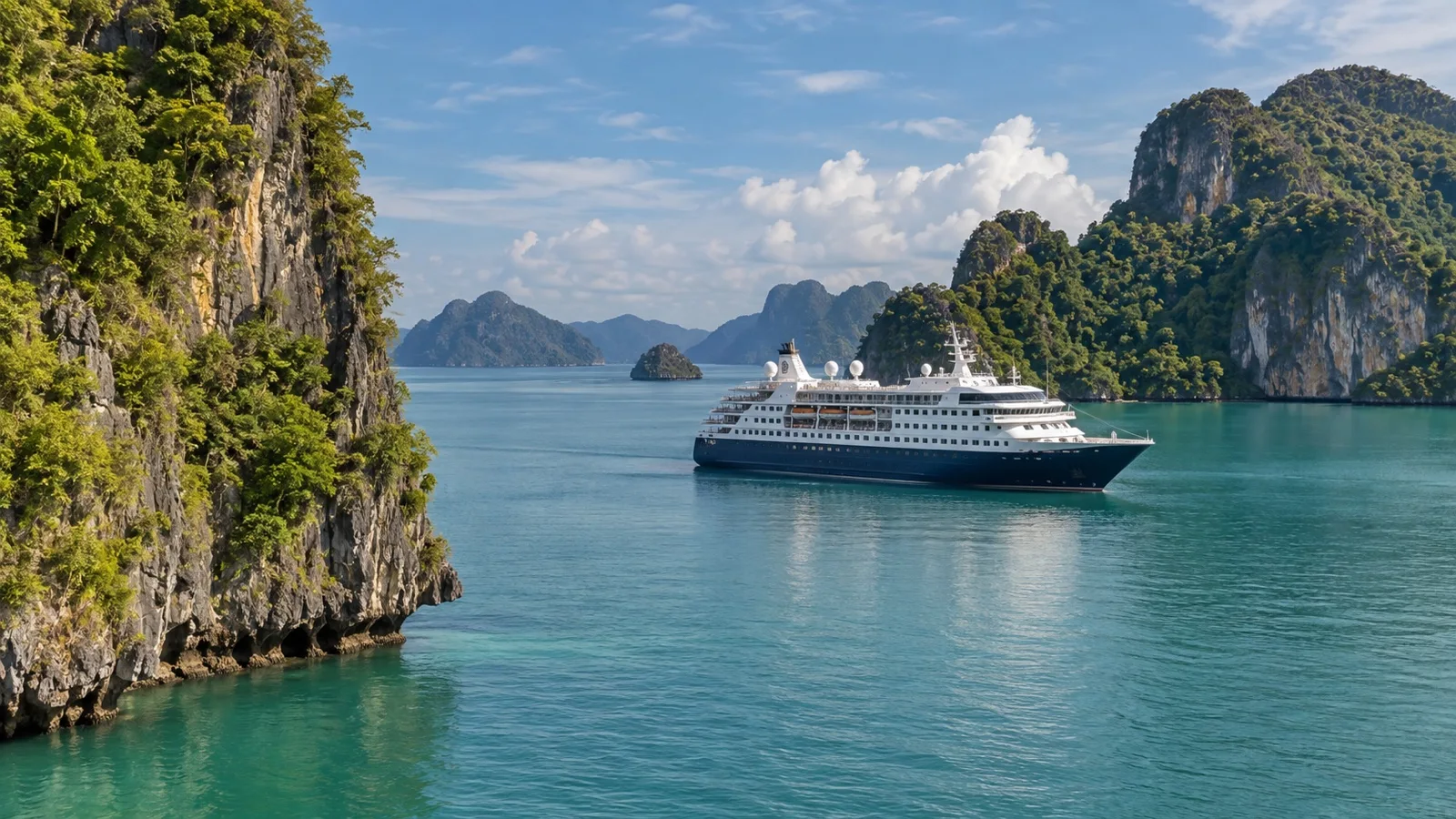
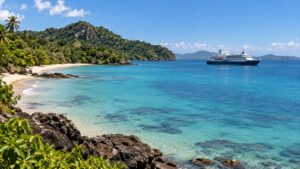
Langkawi is Malaysia’s easiest island-vacation port, with beaches, mangroves, mountain views, and the famous cable-car complex. Cruise ships may use the Porto Malai area or other arrangements depending on the itinerary, making the terminal name important.
SkyCab and mountain views
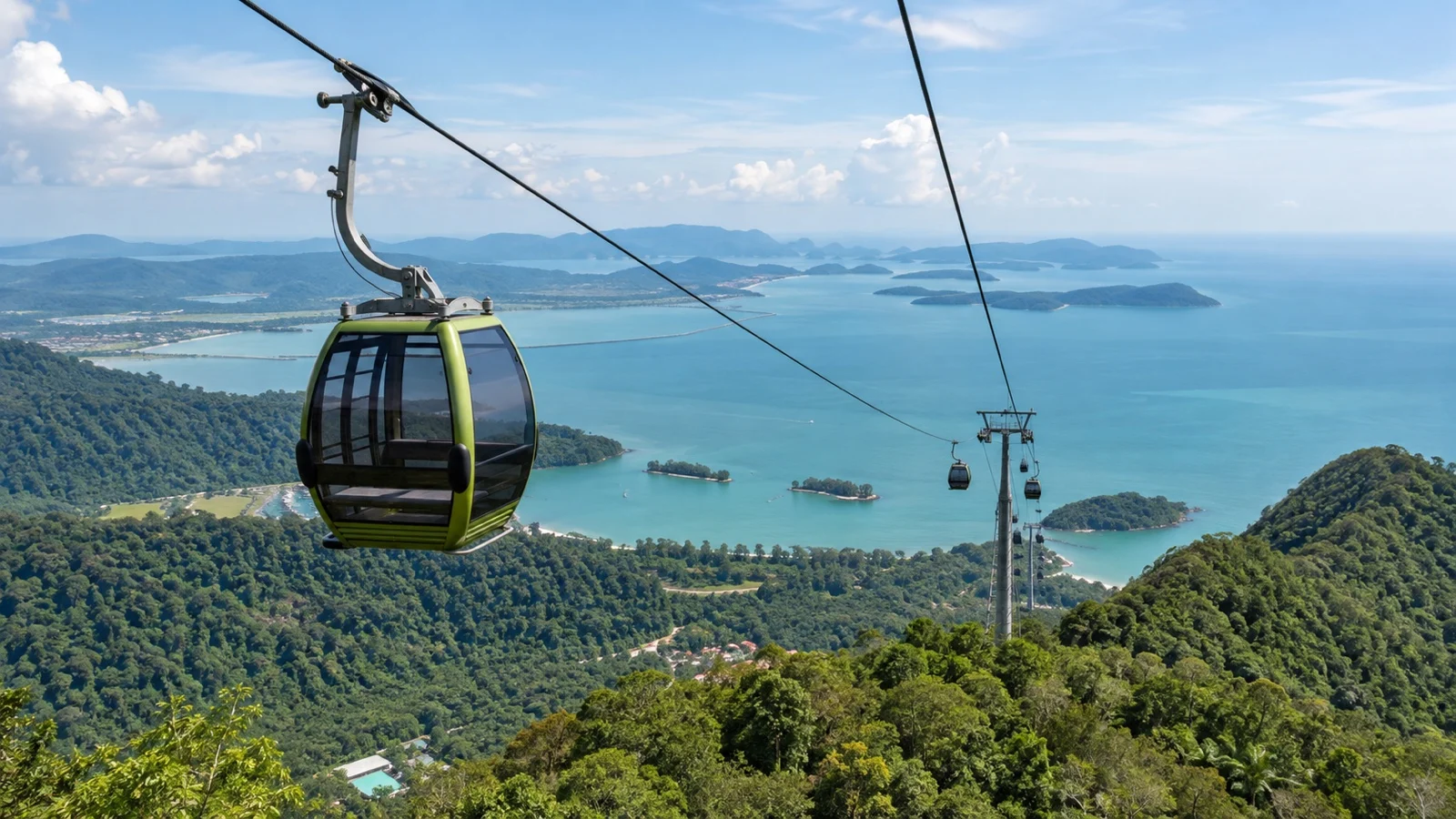
Langkawi SkyCab and the mountain attractions are headline choices, but wind, rain, maintenance, and queues can affect operations. Check current status before committing the whole day and reserve premium access only when it meaningfully reduces waiting.
Clear morning conditions are valuable, though nothing guarantees the view. Combine the cable car with a nearby beach or a limited island drive rather than zigzagging across Langkawi.
Beaches, mangroves, and island tours
A beach day is simple, but different beaches offer different mixes of calm, dining, watersports, and crowds. A mangrove trip adds wildlife and limestone scenery, while an island drive connects viewpoints, villages, and Eagle Square.
Use a licensed operator and avoid tours that disturb wildlife through feeding or aggressive boat handling. Agree on taxi or driver pricing, waiting time, and the exact cruise return point before departing.
Penang
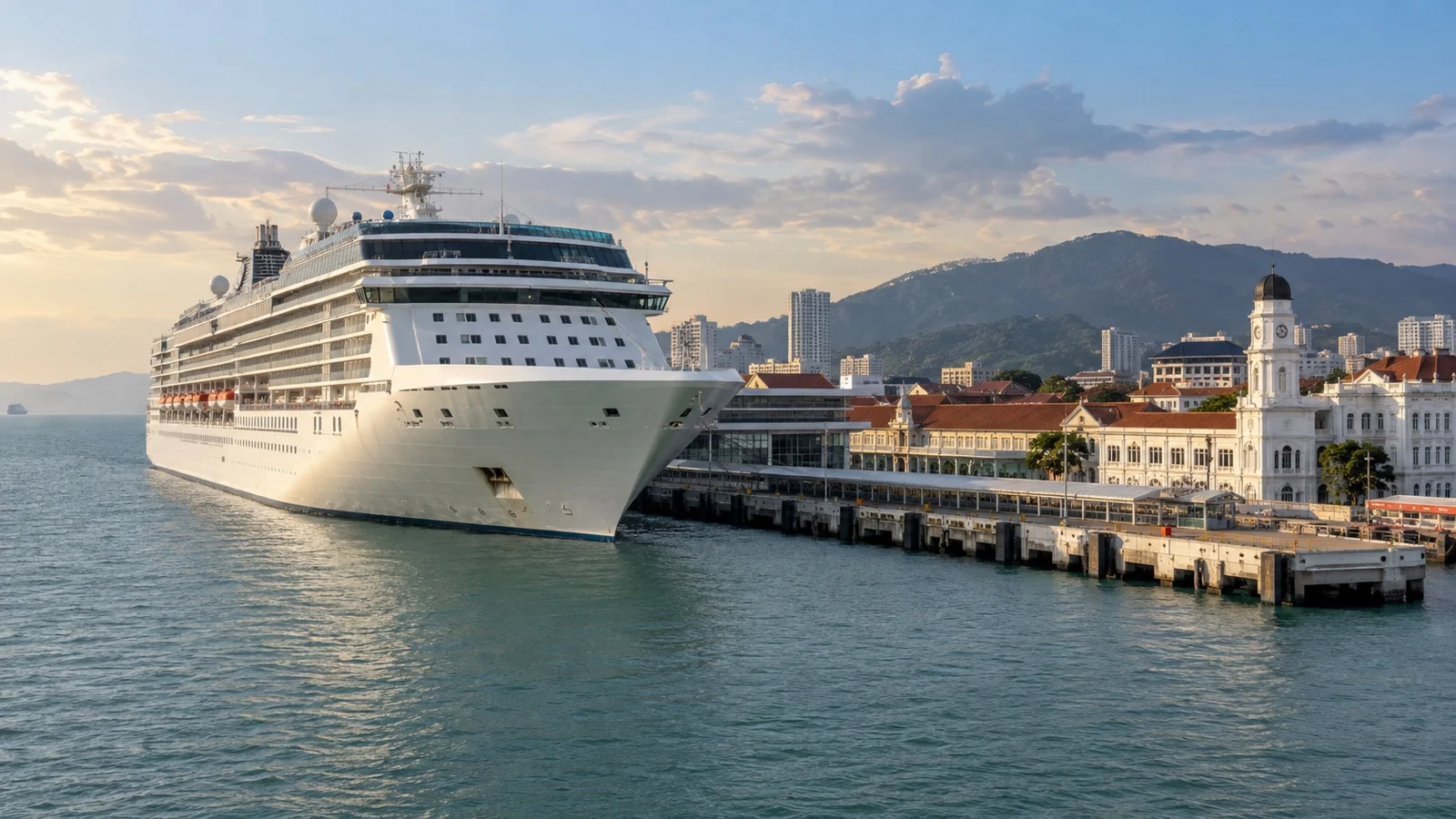
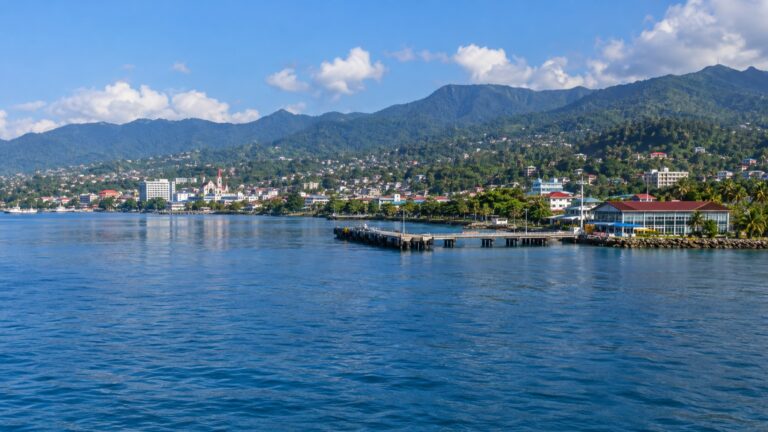
Penang is my favorite Malaysian port for independent exploration because ships generally arrive beside George Town. UNESCO-listed streets, clan houses, temples, mosques, murals, markets, and some of Southeast Asia’s best food sit within a compact area.
The tropical heat makes distances feel longer than they look, and sidewalks can be uneven or obstructed. Start early, use short rides when necessary, and build the day around food plus a few meaningful cultural stops.
George Town on foot
A rewarding walk can link the waterfront, Little India, Armenian Street, religious buildings, clan heritage, and a hawker meal. Choose a route rather than chasing every mural, since the best moments often come from courtyards, kitchens, and working streets.
Dress respectfully for religious sites and carry a light covering. Shoes may need to be removed, while opening hours can shift around worship and ceremonies.
Penang Hill and Kek Lok Si
Penang Hill offers cooler air and broad views, while Kek Lok Si is a major temple complex with substantial visual impact. They combine naturally with a driver, but queues and road traffic can consume a large share of a short port call.
First-time visitors with limited hours may enjoy George Town more by staying close to the ship. Travelers on a repeat visit can use the day for the hill, temple, gardens, or a focused food tour.
Kota Kinabalu
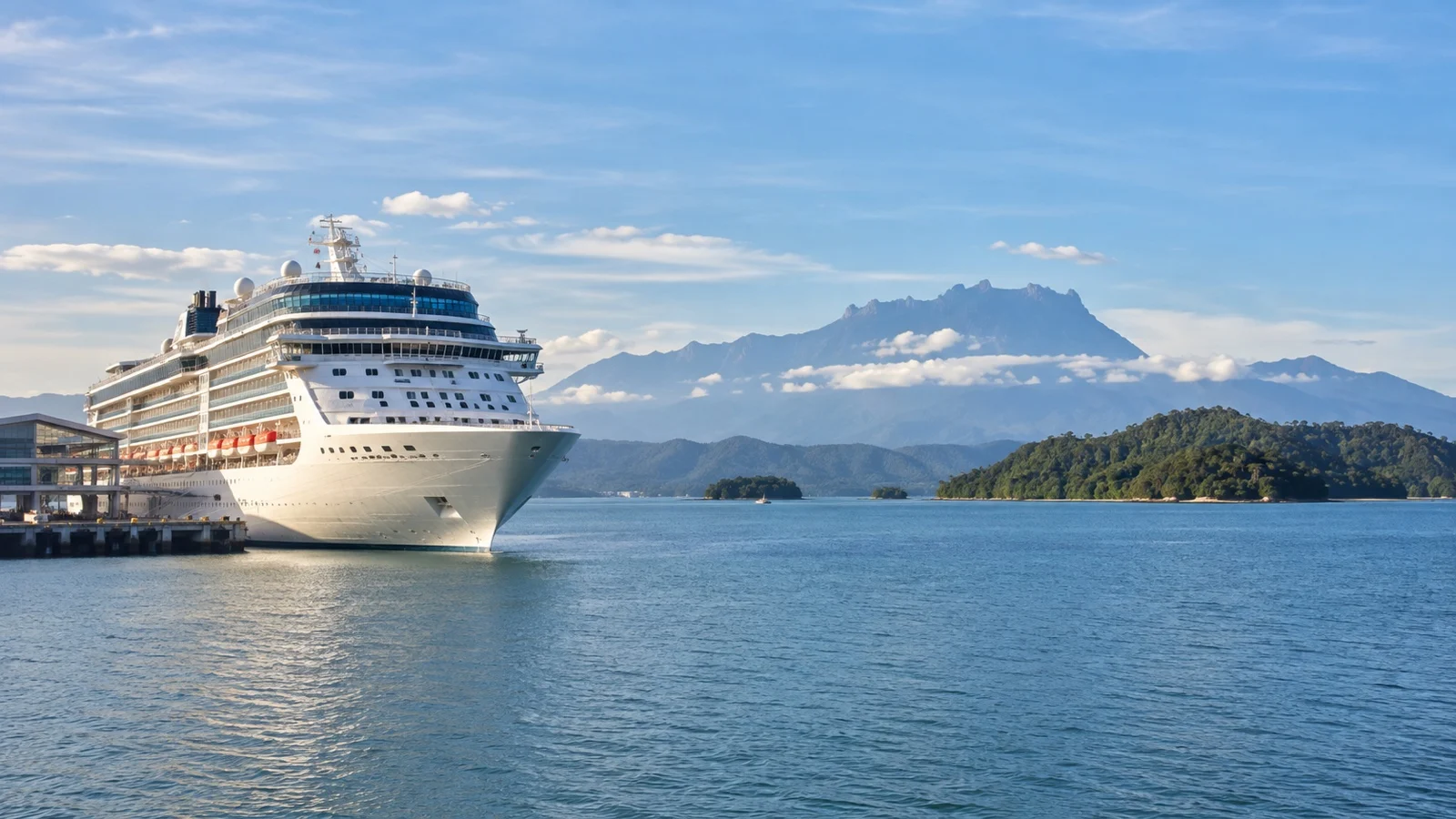
Kota Kinabalu brings a Borneo dimension to the itinerary, with markets, seafood, cultural sites, offshore islands, and access to Sabah’s wider landscapes. The port is near the urban waterfront, though exact pedestrian access depends on the berth and current controls.
A city and food day
A low-stress plan combines the waterfront, markets, a cultural stop, and a good Sabahan lunch. The city is less polished than Singapore and more rewarding when approached for local life rather than monumental landmarks.
Use licensed taxis or a reputable ride service and photograph the return location. Tropical downpours can slow roads quickly, so finish distant sightseeing before the final hours.
Islands and nature
Marine-park islands can provide beaches and snorkeling close to the city, but boat schedules, weather, crowds, and return connections require attention. Use authorized operators and follow protected-area rules.
Trips toward Mount Kinabalu or wildlife destinations involve much longer roads than a map overview suggests. They are better on a long call, a ship excursion, or a dedicated land stay.
How I would choose the itinerary
Choose Penang for heritage and food, Langkawi for an easy tropical day, Port Klang for the ambition of Kuala Lumpur, and Kota Kinabalu for a first taste of Borneo. An itinerary pairing Penang and Langkawi gives the best contrast with the least logistical friction.
If the cruise includes Port Klang, decide early whether Kuala Lumpur is truly essential. The capital is worth seeing, but a short call plus heavy traffic can create more transportation than travel.
Weather, clothing, and packing
Malaysia is hot and humid throughout the year, with rain possible even in a generally favorable season. Carry water, sunscreen, a hat, insect repellent, and a compact rain layer.
Light clothing is comfortable, but modest dress matters at mosques and temples. Strong indoor air-conditioning makes a thin extra layer useful on coaches, in malls, and at museums.
Money, entry forms, and connectivity
Cards work in many established businesses, while ringgit remains useful for markets, food stalls, minor admissions, and taxis. Carry small notes and avoid exchanging more than a port day requires.
Arrival-form and immigration processes can change, and cruise passengers may receive different instructions from air travelers. Follow the cruise line’s current guidance instead of completing an online form solely because an old article tells you to.
Accessibility and family planning
Modern terminals and major attractions often offer step-free access, but heat, uneven sidewalks, boat transfers, and long vehicle journeys are the practical obstacles. Ask about ramps, adapted vehicles, accessible restrooms, and the exact walking requirement.
Families should choose one anchor activity and leave space for food and weather. Penang works well for a short flexible route, while Langkawi can provide the simplest beach-centered day.
Food and responsible sightseeing
Food is a central part of a Malaysian port day, especially in Penang and Kuala Lumpur. Look for busy established stalls, choose freshly cooked dishes, wash or sanitize hands, and ask about ingredients when allergies or dietary rules are important.
Malaysia’s Malay, Chinese, Indian, Peranakan, Indigenous, and regional traditions create enormous variety. A guided market walk can provide cultural context, while independent travelers can simply order several small dishes and share.
Wildlife experiences deserve careful selection because close contact, feeding, forced performances, and crowded handling can harm animals. Prefer protected areas and operators that observe from an appropriate distance, limit waste, and explain conservation rules clearly.
Carry reusable water where local rules permit and avoid leaving plastic on beaches or boats. Reef-safe behavior means never standing on coral, chasing marine life, or taking natural objects as souvenirs.
Keeping the ship return simple
Photograph the terminal name and meeting point before leaving, then save the port-agent information from the daily program. Confirm whether ship time matches local time and set a return target comfortably ahead of the all aboard deadline.
Port Klang needs the largest margin because its capital-city route is vulnerable to congestion. Boat excursions in Langkawi and Kota Kinabalu also deserve conservative timing because a delayed water transfer cannot be solved with a quick taxi.
Final thoughts
Malaysia rewards travelers who let each port keep its own identity. Give Penang to food and heritage, Langkawi to island scenery, Kota Kinabalu to Sabah, and Port Klang only the Kuala Lumpur plan your schedule can safely support.
CruisePorts.co provides practical, independent planning guidance for cruise travelers. Terminal assignments, weather, admission rules, and transportation can change, so verify critical details with the port, operator, and cruise line before travel.