Fortaleza Cruise Port: Berth 106, Beaches and Timing
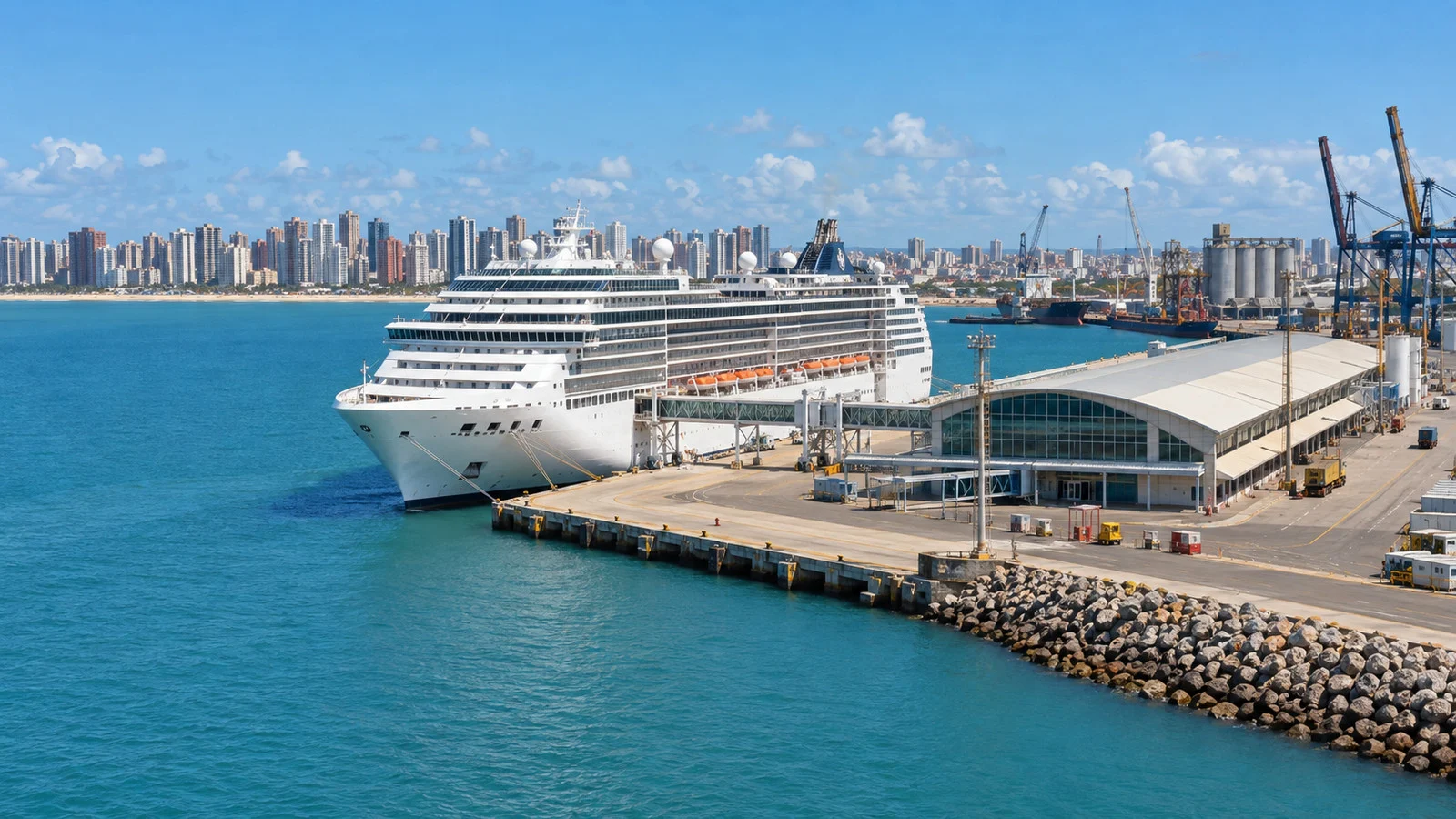
Fortaleza meets cruise passengers at Mucuripe, inside a working commercial port rather than beside the city’s famous beach promenade. That means the first part of the day is transportation, and the best plans begin only after you have confirmed how the ship is moving passengers through the secure gate.
Once you are outside, keep the geography simple. Mercado Central, the historic center, and the Beira Mar waterfront make a satisfying city day without gambling the return on a distant beach highway.
My quick take
Fortaleza works best when you stop trying to make it a grand tour. It is a large, hot coastal capital, and its charms are spread among markets, cultural spaces, seafood, and long urban beaches.
Start with Mercado Central, then add lunch and a waterfront walk. This gives you Ceará lace, hammocks, cashews, sea air, and enough flexibility to return early.
Beach Park and farther coastal destinations can be fun, but they deserve a dedicated excursion with protected timing. On a normal cruise call, traffic turns an ambitious beach day into a watch-checking exercise.
Quick Facts
- Where ships dock: The maritime passenger terminal at the Port of Fortaleza in Mucuripe, commonly using berth 106.
- Dock or tender: Cruise ships normally berth alongside rather than tender.
- Walkability: Do not plan to walk through the commercial port. Use the ship or port transfer to the authorized pickup point.
- Best easy day: Mercado Central, the historic center, and the Beira Mar waterfront.
- Currency: Brazilian real, with cards and phone payments widely used in established businesses.
- Language: Portuguese. English is not guaranteed outside cruise tours and larger hotels.
- Time zone: Brasília time, UTC minus 3.
- Weather: Hot and humid all year, with a much wetter period in the first half of the year.
- Entry check: Brazil’s visa rules depend on nationality and have changed in recent years. Verify your passport through official Brazilian consular guidance and the cruise line.
- Return margin: Leave the city early enough for traffic, the controlled port entrance, and internal transport back to the ship.
How the cruise terminal works
The Port of Fortaleza is also called Porto do Mucuripe and is administered by Companhia Docas do Ceará. The public port authority describes itself as the government company responsible for managing and commercially operating the harbor.
Cruise ships normally use the maritime passenger terminal at berth 106, but the live berth and passenger route remain operational decisions. Check the ship’s daily program instead of relying on a map saved from an earlier season.
The terminal provides a proper indoor processing space, yet it still sits within a security controlled cargo complex. Passengers should follow authorized buses, taxis, or transfers rather than setting out through industrial roads on foot.
In 2026, the port authority reported completing a R$6 million improvement to the passenger terminal access road. The work included drainage, paving, sidewalks, lighting, signage, two way vehicle circulation, and a new security post.
Those improvements make internal movement safer and more orderly, but they do not transform the port into a walkable tourist district. The practical exit is still a vehicle from the approved pickup area.
Getting into Fortaleza
Your ship may provide a shuttle, a transfer to the gate, or organized motorcoach departures. Ask exactly where independent passengers can meet taxis or app-based cars, because drivers may not be allowed to reach the ship itself.
A metered taxi or ride app can be useful once you are at an approved public pickup point. Save the destination in Portuguese and screenshot the route before leaving the terminal.
For a private driver, confirm the total price, currency, stops, waiting time, and return location in writing. A quote for a one way trip is not the same as a car staying with you all day.
Portuguese helps, even if it is only a few prepared phrases. Keep the port name, terminal, ship name, and berth written clearly so the return driver does not confuse Mucuripe with the marina or a beach hotel.
Traffic varies by hour, construction, and events, so travel time is never just the distance on the map. Set your return alarm before the first attraction and give the controlled gate its own buffer.
The best first stop: Mercado Central
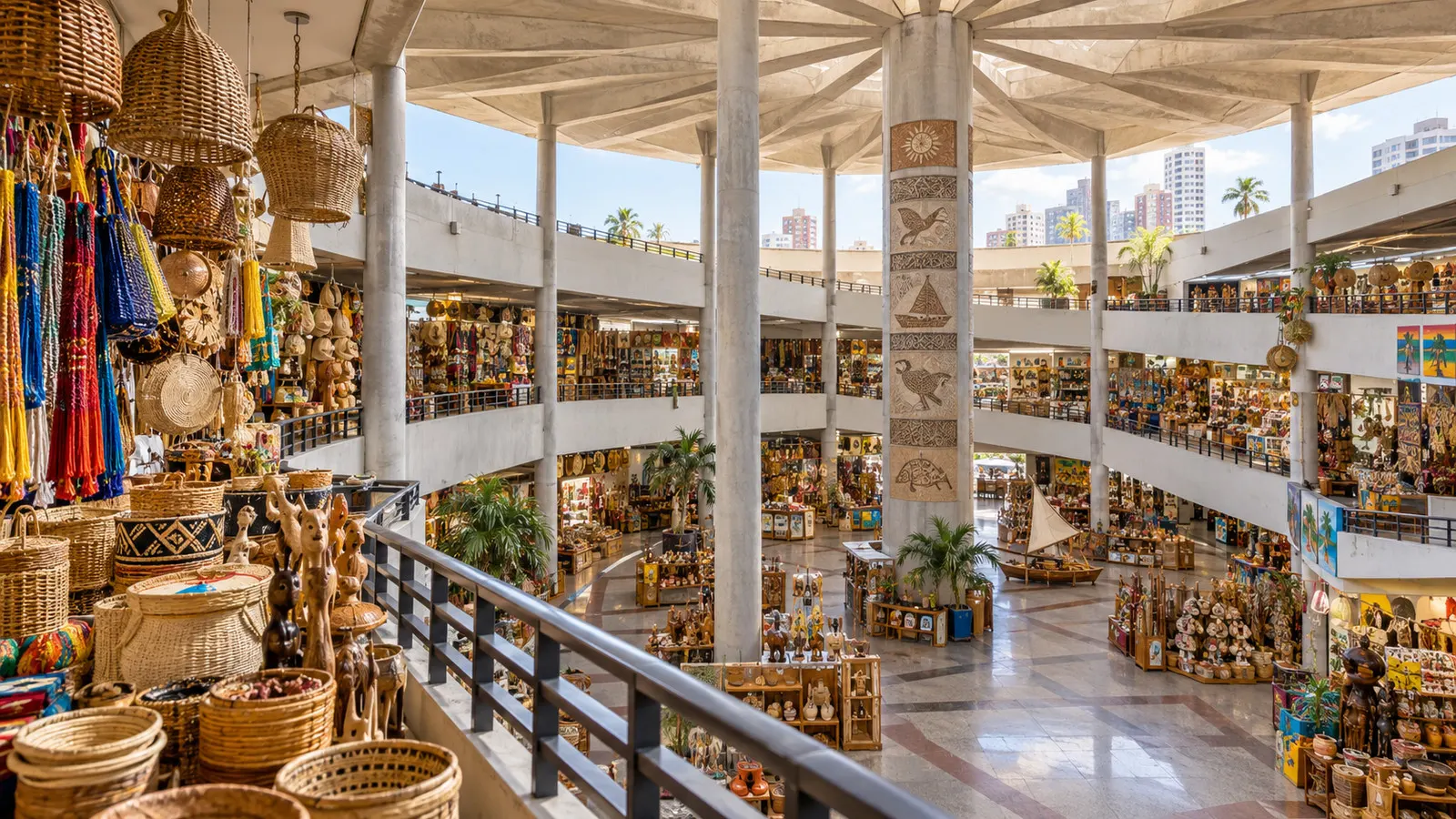
Mercado Central is the easiest place to understand the craft traditions of Ceará in one building. Hundreds of stalls sell lace, embroidery, hammocks, leather goods, woodwork, bottles of cachaça, sweets, spices, and cashews.
The market’s layered interior can feel disorienting, which is part of the fun until you need to leave. Mark the entrance, browse one floor at a time, and keep the ship deadline in view.
Compare quality before buying, especially for lace and leather. Polite bargaining may be possible at some stalls, but the goal is a fair purchase rather than a theatrical contest.
Hours can change on Sundays, holidays, and special dates. Check the market’s official information shortly before your call rather than trusting an old timetable.
Cards are common, but small cash is useful when payment connections are slow. Keep valuables close in crowded aisles and decline unsolicited help without getting into a discussion.
The historic center around the market
The cathedral, old fort area, public squares, and commercial streets lie close enough to combine with Mercado Central by taxi and short walks. The district is busy and uneven rather than polished for cruise tourism.
Use a clear route and avoid wandering with your phone held out at every intersection. A guide or driver adds value here by connecting sites and steering around streets that are not useful to visitors.
The Metropolitan Cathedral is a major landmark near the market, though access can change for services and events. Dress respectfully and keep voices low if worship is underway.
The José de Alencar Theater is another architectural highlight when visits are operating. Its schedule deserves a direct check, because tours and performances do not necessarily match a ship’s hours.
Dragão do Mar and Praia de Iracema
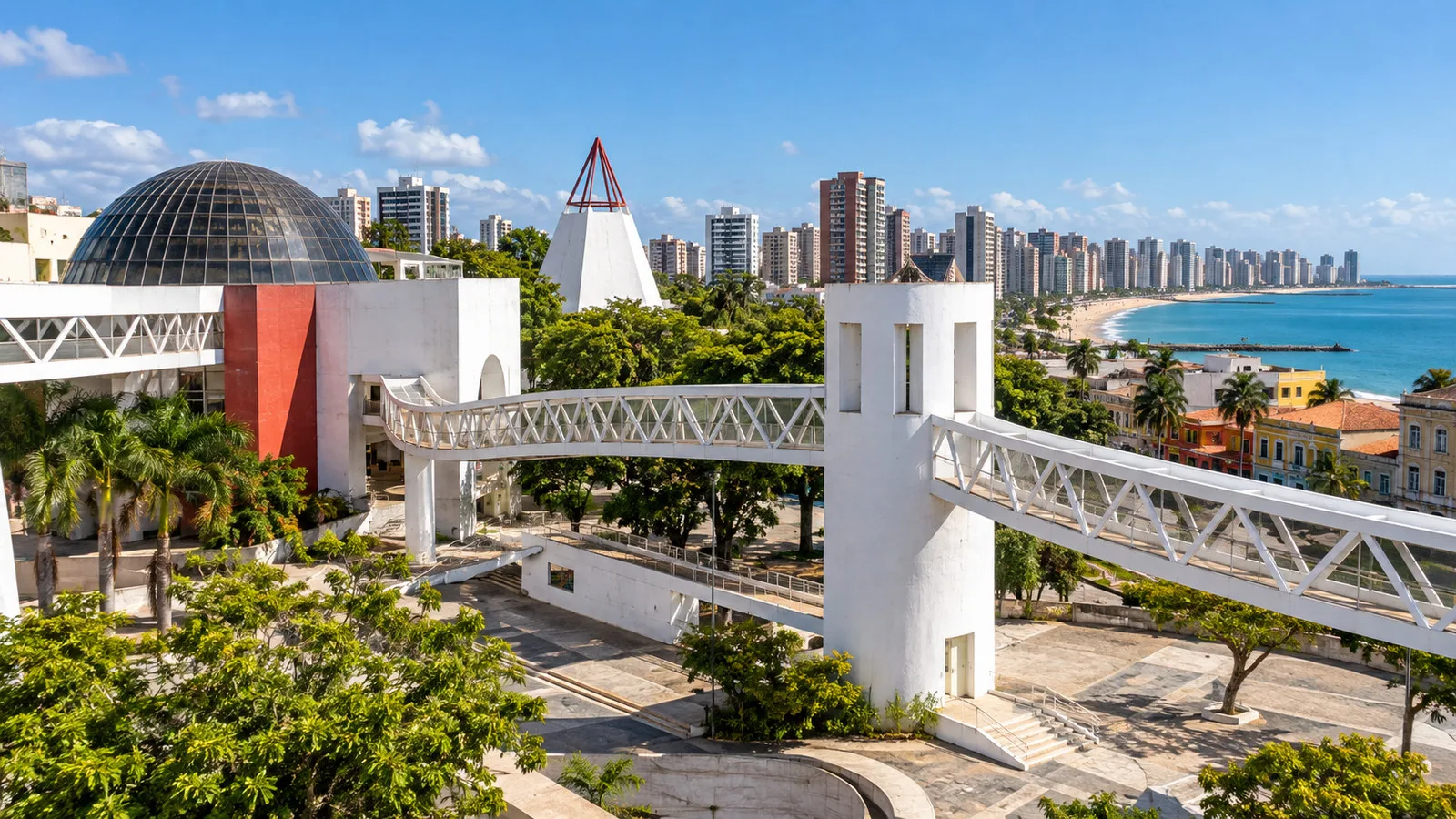
Centro Dragão do Mar de Arte e Cultura anchors a restored area near Praia de Iracema with museums, cinemas, performance spaces, and elevated walkways. It is a better choice for travelers who want contemporary culture than for anyone expecting one traditional museum with a permanent route.
Each venue can keep its own day, hours, and exhibition schedule. Check the current program before asking a driver to wait, especially on Mondays or around holidays.
Praia de Iracema adds seafront views, public art, and access toward the broader Beira Mar promenade. In daylight, it works well as a scenic transition between the center and lunch.
The area changes character later in the day, and not every block is equally comfortable for visitors. Use taxis between separated stops rather than improvising long walks through unfamiliar streets.
Beira Mar: the easiest waterfront plan
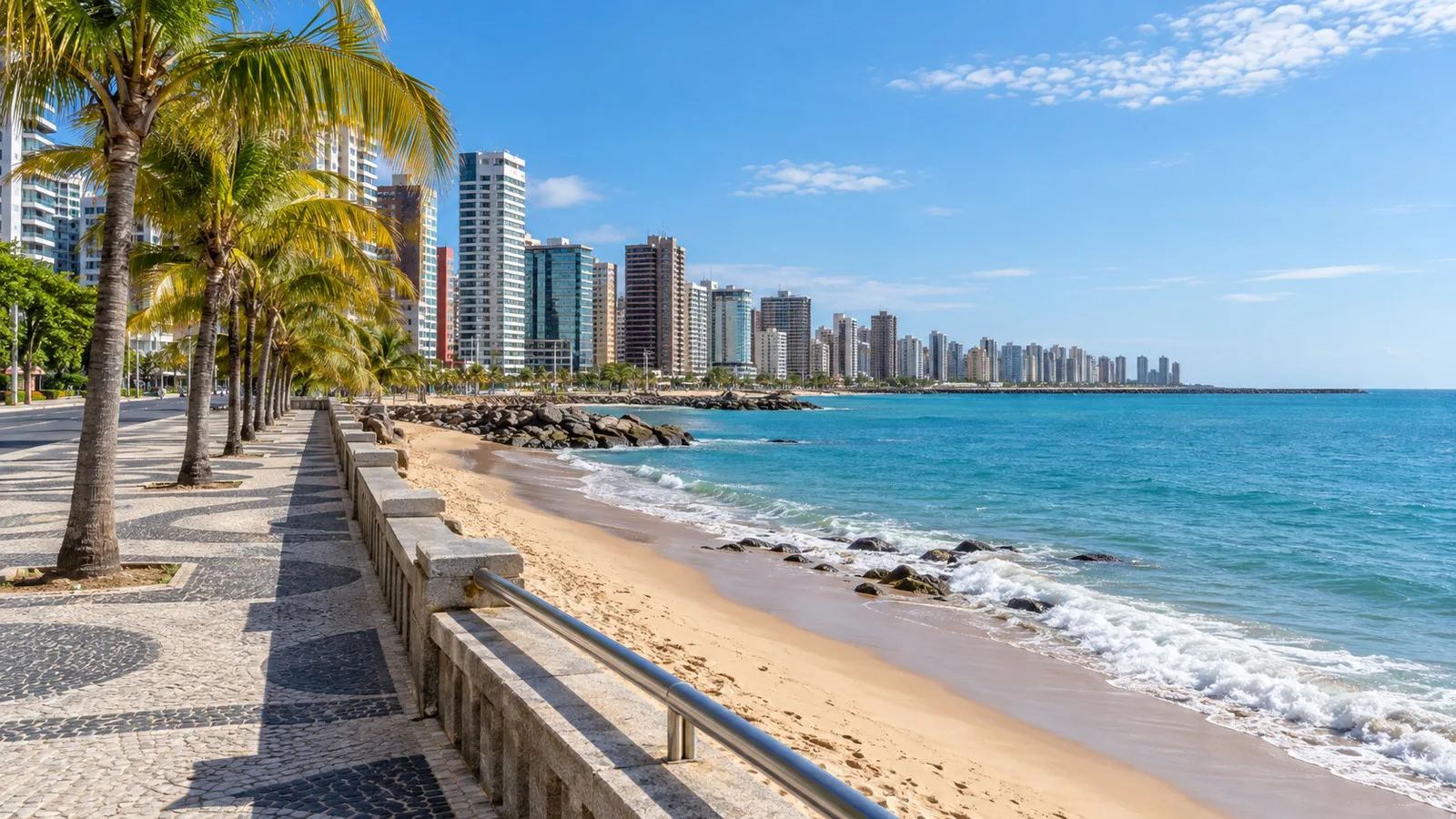
Avenida Beira Mar is the part of Fortaleza that most readily fits a cruise afternoon. Hotels, restaurants, exercise paths, beach views, small gardens, and the fish market line the urban waterfront.
The promenade is long, so choose a specific drop off and pickup point. Walking the entire strip adds distance without necessarily adding a better experience.
For lunch, seafood is the obvious choice, with shrimp, fish, crab, and regional preparations widely available. Pick a busy established restaurant, ask about portion size, and leave room in the schedule for service that may move at vacation speed.
The well known evening craft fair does not fully come alive during many daytime cruise calls. Go for the waterfront and food, then treat any open stalls as a bonus.
Swimming from an urban beach deserves local advice about surf, currents, water conditions, and personal security. A promenade lunch is much easier to manage than changing, swimming, showering, and protecting valuables on a short call.
Mucuripe and the fish market
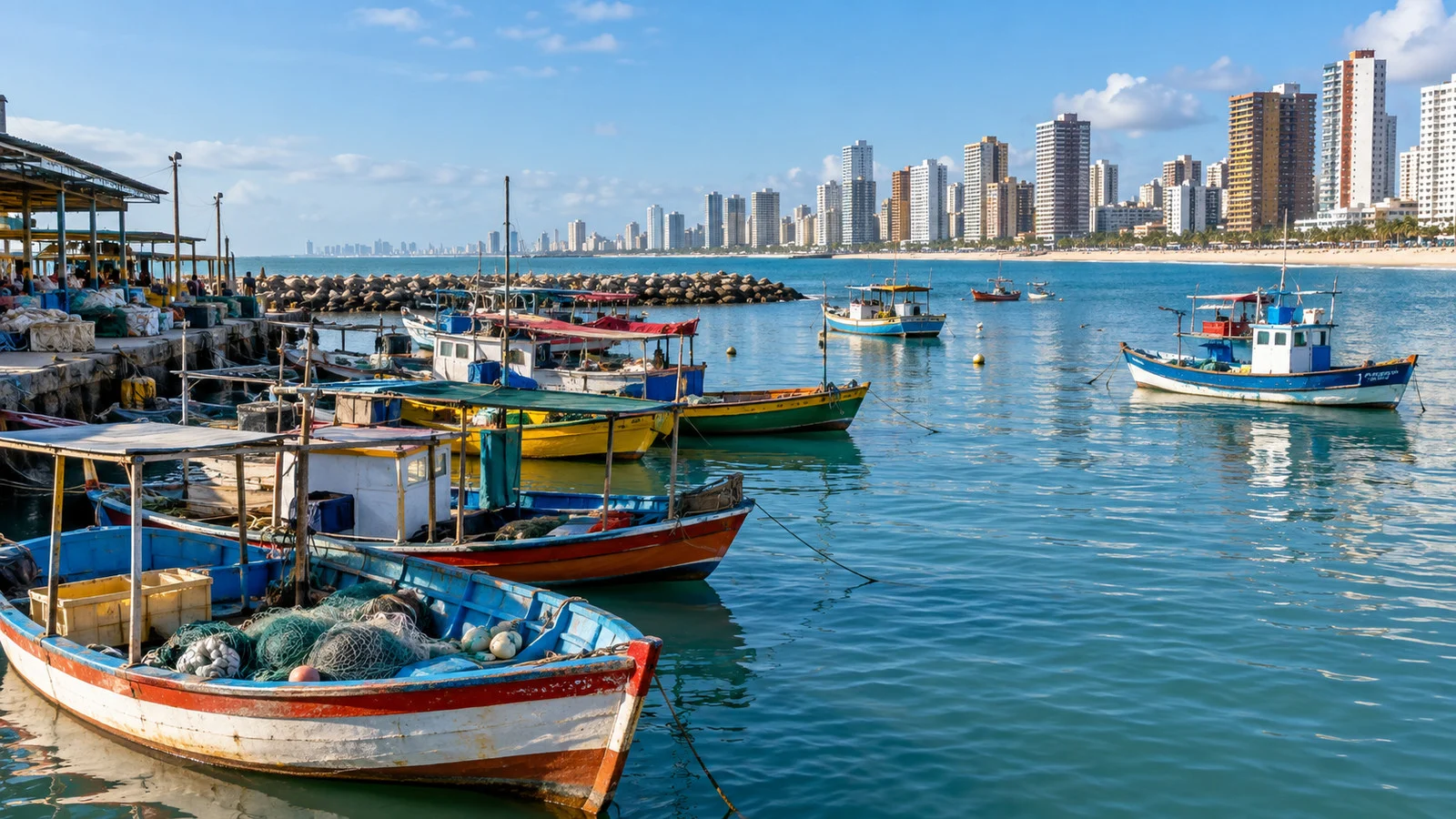
The Mucuripe waterfront has a working fishing identity that feels different from the resort towers farther along Beira Mar. The fish market is a lively stop for fresh seafood and views of boats.
Some vendors or nearby kitchens may prepare a purchase for an added fee, but confirm the arrangement and total before ordering. If your stomach is sensitive before a tender or long sea day, choose a reputable cooked meal rather than experimenting.
Fishing activity, harbor views, and city skyline photographs make this a natural stop on the way back toward the cruise terminal. Do not confuse public waterfront access with permission to enter working port zones.
Praia do Futuro
Praia do Futuro is where many Fortaleza residents go for a full beach day. Its barracas are large beach clubs with shade, food, drinks, showers, music, and varying levels of structure.
The ocean can be rough, and currents deserve respect. Follow lifeguard flags and local warnings, and do not leave bags unattended while swimming.
This is a better beach choice than a distant coast trip if the ship stays long enough, but it still needs a taxi and a firm pickup plan. Ask the driver for the precise barraca name because the beach stretches for miles.
For a short call, Beira Mar is the stronger choice because it combines waterfront time with easier city access. Choose Praia do Futuro only when beach time is the main objective rather than one item on a long list.
Beach Park and Aquiraz
Beach Park in Aquiraz is a major water park and resort complex southeast of Fortaleza. It is designed as a full outing, not a quick sightseeing stop.
Opening days, ride availability, ticket prices, and operating hours can change, so use the park’s official calendar. A closed day or late opening can ruin an independently arranged trip before traffic even enters the calculation.
Families who make it the priority should use a ship excursion or reliable private transfer with a conservative return. The drive, admission, changing, meals, and exit process all consume more time than the map suggests.
Do not combine Beach Park with Mercado Central and Beira Mar on an ordinary call. Pick one kind of day and enjoy it properly.
Why Canoa Quebrada is too far for most calls
Canoa Quebrada is one of Ceará’s famous coastal destinations, but it lies far beyond Fortaleza for a simple port day. The road commitment leaves too little resilience if traffic, weather, or a vehicle problem appears.
If the cruise line offers a protected excursion and your call is unusually long, evaluate the actual time at the destination rather than the brochure photographs. Otherwise, save it for a land vacation.
The same logic applies to other remote dune and beach experiences. Northeast Brazil rewards distance when you have days, but a cruise passenger has hours and a locked gate at the end.
Accessibility from ship to city
Docking alongside removes the complications of a tender, and the passenger terminal offers a more structured arrival than an open cargo berth. The remaining questions are internal transfers, vehicle access, curb cuts, elevators, and walking surfaces.
Ask the cruise line whether the port shuttle has a lift or requires steps, and whether mobility devices stay assembled. A modern terminal does not guarantee an accessible vehicle waiting outside it.
Mercado Central is a large multilevel building, so confirm elevator operation and the best accessible entrance. The surrounding historic center has broken pavement, high curbs, traffic, and uneven crossings that can be harder than the attraction itself.
The renovated Beira Mar promenade is generally the simplest outdoor choice for a smoother route, though beach sand remains a barrier. Fortaleza’s accessible beach initiatives may use amphibious chairs and mats on limited days or hours, so arrange them directly rather than arriving on speculation.
For a private tour, provide the dimensions and weight of any mobility device. Ask for photographs of the vehicle door, ramp, or lift if the equipment is essential.
Personal safety without panic
Fortaleza is a major city where visible valuables and distracted walking attract attention. Use ordinary urban caution: carry little, keep phones away when not needed, and take taxis between areas you do not know.
Leave passports on the ship unless the cruise line requires them ashore, and carry the identification specified in the daily program. Keep a separate copy and emergency contact details.
Withdraw cash only at secure indoor machines and avoid counting money on the street. A crossbody bag worn to the front is more practical than a backpack with open outer pockets.
Ask local staff about the current situation before walking a route. Conditions vary by block and time of day, and a confident recommendation from someone on the ground is worth more than a stale online label.
Weather and the wet season
Fortaleza is hot and humid throughout the year, with much less temperature variation than visitors from temperate climates expect. The practical difference between months is rainfall, cloud cover, and wind.
The first half of the year is generally wetter, while late winter and spring are usually drier. A tropical downpour can overwhelm streets quickly even if it passes within an hour.
Carry water, sunscreen, a hat, and a compact rain layer. Light breathable clothing works best, but air conditioned vehicles and terminals can feel chilly after rain.
Use shoes that handle slick pavement and puddles. Flip flops are fine for sand but poor for wet market stairs and broken sidewalks.
Visa and document checks
Brazilian visa requirements depend on nationality and can change. Consult the Brazilian Ministry of Foreign Affairs visa portal and your cruise line for the rule that applies to your passport.
Do not assume that arriving by cruise ship automatically removes a visa requirement. The carrier may check documents before embarkation even if border processing occurs later in the itinerary.
Keep any electronic visa, approval, or insurance document accessible offline. Names and passport numbers should match the booking exactly.
A realistic six hour plan
Leave the terminal using the ship’s authorized transport and go first to Mercado Central. Spend about an hour browsing, then make a short historic center stop only if the route feels comfortable.
Continue by taxi to Beira Mar for lunch, a waterfront walk, and views near the fish market. Set the return pickup before sitting down, especially if port traffic is building.
Start back with a generous margin for city traffic and the security gate. Any extra time belongs near the terminal, not at a distant final stop.
If the call is shorter or arrives on a day when the market is closed, replace the center with Dragão do Mar or a longer waterfront visit after checking current hours. The plan stays good because it remains compact.
Common mistakes to avoid
The first mistake is planning to walk out of the port. Use the approved internal transfer and confirm where independent vehicles meet passengers.
The second is trying to combine the city with Beach Park or a distant coast trip. Fortaleza traffic punishes a schedule that has no recovery time.
The third is assuming the evening craft fair will be fully active at midday. Build the stop around the promenade and food rather than shopping alone.
The fourth is relying on English for every taxi or market conversation. Save addresses in Portuguese and keep the port details written down.
The fifth is returning to the public waterfront at the all aboard time. You still need to reach the controlled gate and travel through the port to the ship.
Quick answers
Where do cruise ships dock in Fortaleza?
Ships normally berth alongside at the maritime passenger terminal in the Port of Fortaleza at Mucuripe, commonly using berth 106.
Can I walk from the terminal into the city?
No, because the terminal lies inside a controlled commercial port, so use the authorized transfer to a taxi, shuttle, or tour vehicle.
What is the best easy cruise day?
Combine Mercado Central with lunch and a walk along Beira Mar, keeping the route compact and the return flexible.
Is Beach Park practical from a cruise?
It can work as a dedicated excursion on a long call, but it should not be combined with a full city tour.
Do I need Brazilian reais?
Cards are widely accepted, but small amounts of local cash help with minor purchases and payment failures.
The last word
Fortaleza becomes easier the moment you stop treating distance as a challenge. The good day is not the farthest beach; it is the one that leaves time to eat, browse, look at the sea, and return without panic.
Use the port transfer, choose Mercado Central and Beira Mar, and let a ship excursion handle anything beyond the city. That is enough to meet Ceará on its own terms.
The final journey includes more than the taxi ride. Leave room for the gate, security, and the internal port road before you call the day finished.
How this guide was researched: This guide was checked against Companhia Docas do Ceará, Fortaleza’s official tourism information, Mercado Central, Brazilian Ministry of Foreign Affairs, and current attraction information. Operational and time-sensitive details were reviewed September 12, 2026; confirm the live berth, port transfer, attraction hours, entry rules, accessibility, and cancellation terms before travel.
See our Editorial Policy.