Sharm el-Sheikh Cruise Port: Reefs, Visas and Berths
Sharm el-Sheikh is a Red Sea port where the best day usually begins on the water. Coral, clear blue coves, desert mountains, and the protected coast of Ras Mohammed matter far more than checking off a long list of resort districts.
The practical details still deserve attention. Confirm whether your ship will berth or tender, follow its immigration instructions, reserve a licensed reef operator, and leave Saint Catherine for a very long call with protected transportation.
My quick take
I would choose one reef-focused excursion and add a short land stop afterward. Ras Mohammed by boat or road delivers the strongest sense of place, while the Old Market gives you food, color, and an easy final hour.
I would not spend the day bouncing between Naama Bay, Sharks Bay, Nabq, and the Old Market. Sharm stretches along the coast, so every extra district costs a taxi ride and a little more return margin.
Quick Facts
- Port: Sharm el-Sheikh Port in the Sharm El Maya area of South Sinai, Egypt.
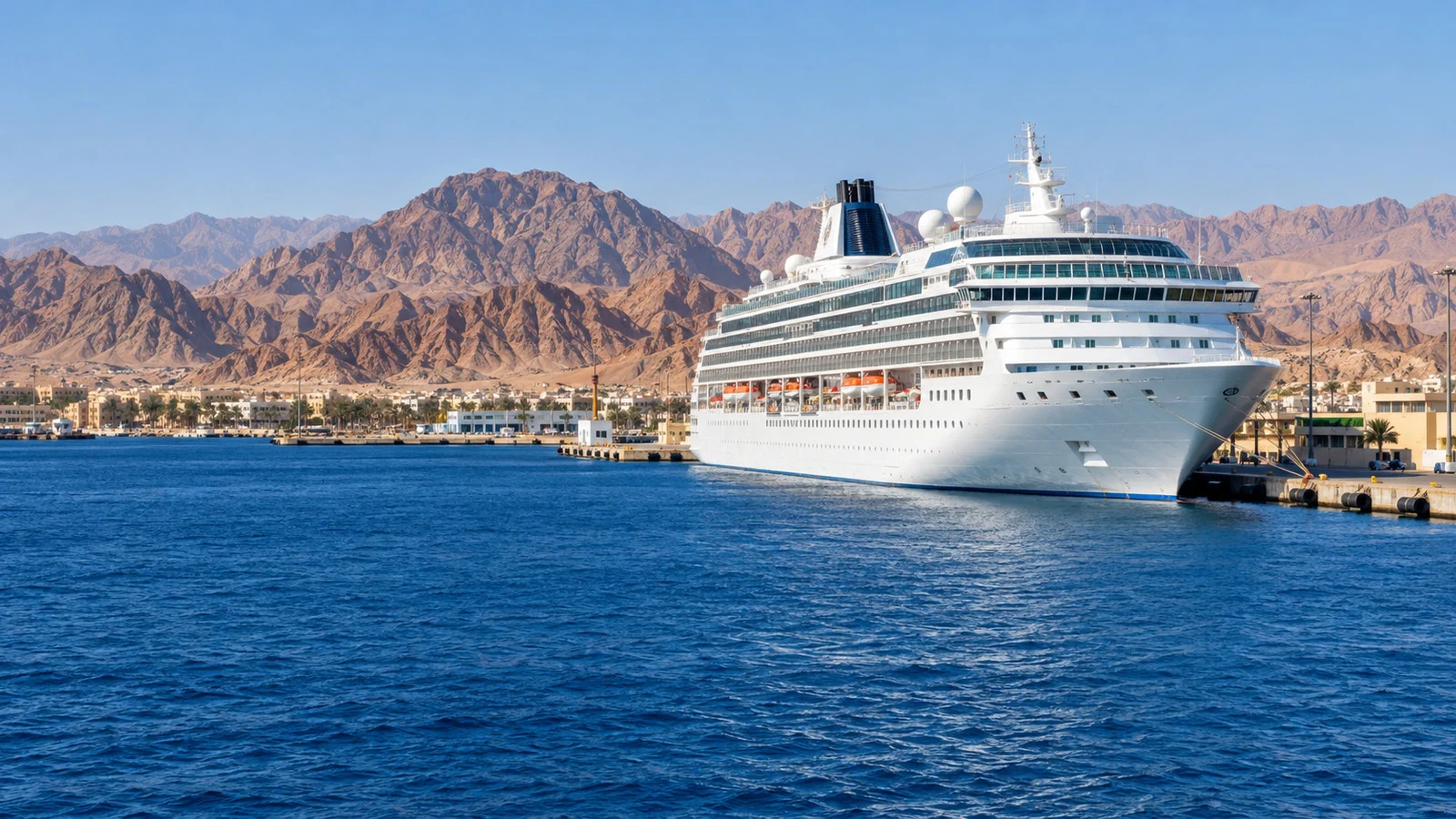
- Arrival: Passenger capable commercial berths are available, but the ship’s daily notice determines whether you dock or tender.
- Top excursion: Reef snorkeling or diving around Ras Mohammed with an authorized operator.
- Town layout: The port, Old Market, Naama Bay, Sharks Bay, and Nabq are separate coastal districts.
- Currency: Egyptian pound.
- Language: Arabic is official, while English is common in tourism.
- Time zone: Egypt observes a seasonal daylight saving schedule, so check ship time rather than calculating it from home.
- Planning caution: Visa handling, security, marine conditions, and inland travel rules can change by passport and itinerary.
How the cruise port works
Sharm el-Sheikh Port is a working commercial harbor rather than a purpose-built resort pier. Cruise passengers may share the secured area with other marine activity, so vehicle staging and pedestrian movement follow port instructions.
Published Egyptian transport information describes passenger capable berths at the harbor. That does not guarantee the same position for every ship because vessel dimensions, traffic, weather, and operational decisions still control the day’s arrival.
Check the program delivered aboard and listen for any change in gangway or tender instructions. If the ship is tendering, add boat loading, transfer, security, and the final tender deadline to the excursion plan.
Do not set off on foot through a secure commercial zone. Use the approved shuttle, tour coach, or vehicle meeting point communicated by the cruise line.
Getting around Sharm el-Sheikh
Sharm is a chain of visitor districts spread along the coast rather than one compact downtown. The Old Market lies closest to the traditional Sharm El Maya area, while Naama Bay and resort zones continue farther along the shoreline.
Taxis are common, but prices and practices can vary. Agree on the destination, fare, currency, waiting time, and whether the price is one way or return before getting into the vehicle.
A reserved driver is useful for a multi-stop day because it removes the need to find another taxi after the beach or park. Share the ship name, port entrance, all-aboard time, and a conservative return deadline in writing.
A ship excursion is the easiest answer when the outing includes a boat, national park, desert road, or security checkpoint. The premium buys coordination as much as transportation.
Ras Mohammed National Park
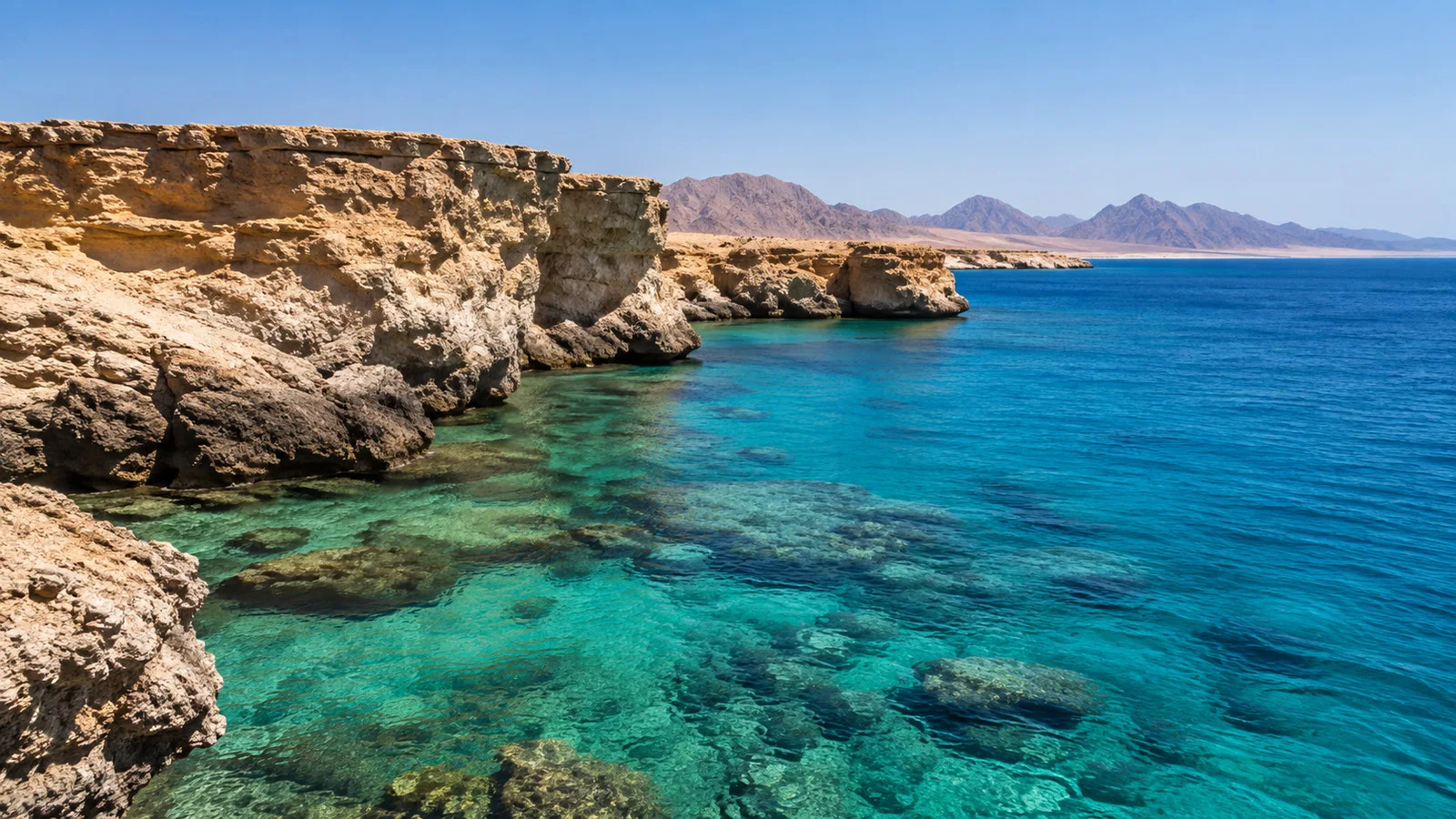
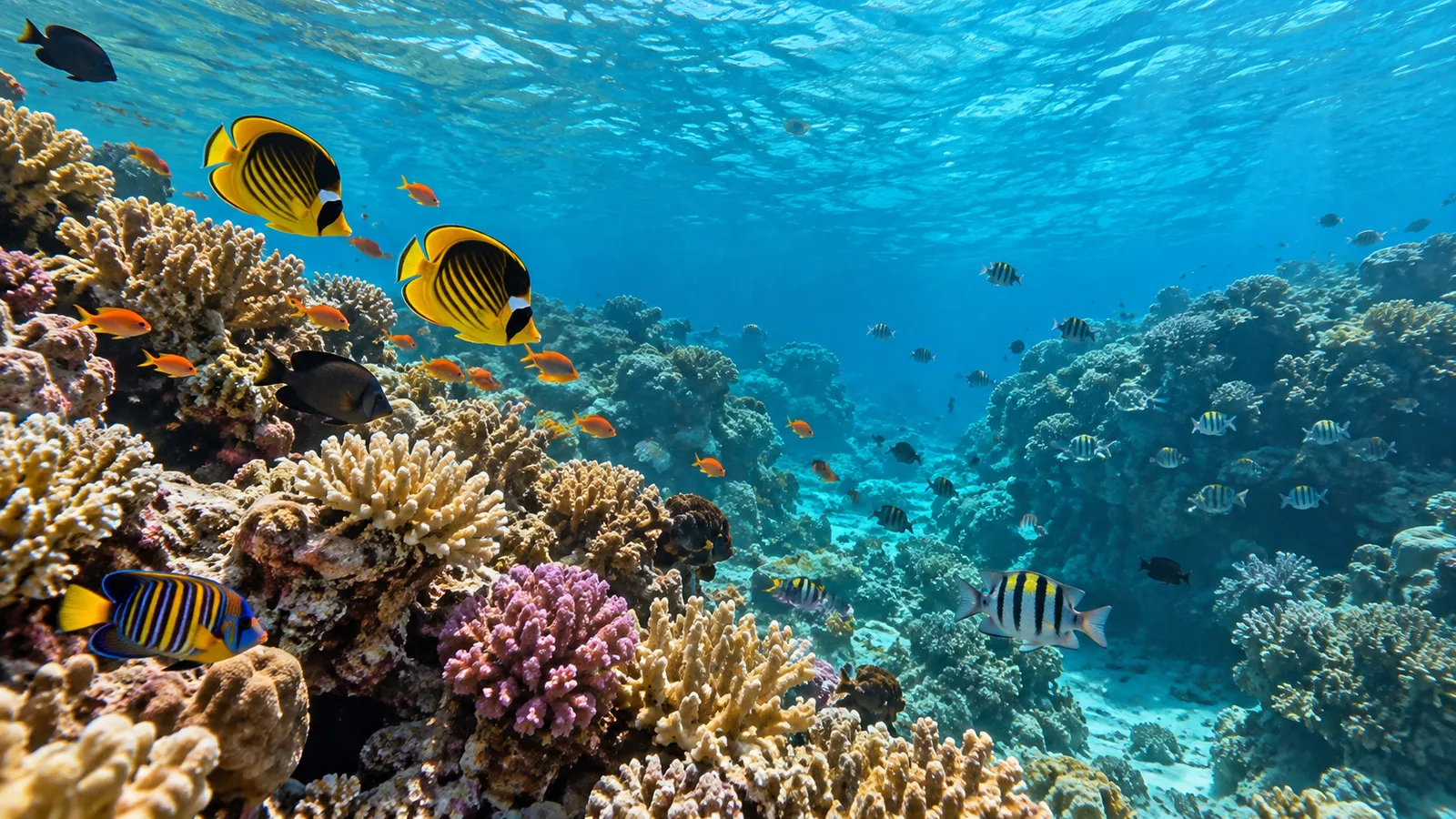
Ras Mohammed protects the southern tip of the Sinai Peninsula, where the Gulf of Aqaba and Gulf of Suez meet the Red Sea. Reefs, desert shoreline, mangroves, clear water, and dramatic underwater walls make it the signature excursion from Sharm.
Egypt’s environmental authority manages protected areas and permits activities within them. Use an authorized operator, follow ranger and marine rules, and never touch, stand on, feed, or remove coral and wildlife.
Visiting by boat
A boat excursion focuses on the sea, with snorkeling or diving stops selected according to wind, current, visibility, crowding, and skill level. The exact reef matters less than a safe operator who matches the group to conditions.
Confirm shade, drinking water, life jackets, restroom arrangement, equipment, guide credentials, medical oxygen for dive operations, and the planned return. Ask whether marine park fees and transfers are included.
Wildlife and visibility are never guaranteed. Choose the day for the beauty of the Red Sea rather than a promise of one particular fish, turtle, or dolphin.
Visiting by road
A road tour can combine coastal viewpoints, shore access, desert scenery, and selected snorkeling stops. It is often the better choice for travelers who dislike boats or want to see more of the landscape above water.
Shore entries may cross rock, sand, or shallow reef. Wear water shoes if permitted, listen to the guide, and never force an entry when wind or waves make it unsafe.
Snorkeling and diving safely
Sharm’s coral is the reason the destination became famous, and it is also fragile. Good guides explain where to enter, how to remain buoyant, what current to expect, and why fins must stay clear of the reef.
Cruise day diving should match your current certification, experience, and medical fitness. Bring proof of certification, disclose medications and conditions honestly, and leave a conservative surface interval before flying after the cruise.
Snorkelers should request a flotation vest if they want one and stay within the guide’s boundaries. Clear water can make distances look shorter than they are.
If marine conditions cancel the excursion, accept the decision. The reef will still be there on a safer day, and an Old Market or resort visit makes a perfectly good backup.
The Old Market and Al Sahaba Mosque
The Old Market is the easiest land stop to pair with the port, offering cafes, restaurants, produce, souvenirs, spices, and evening color around Al Sahaba Mosque. It feels more local than the large resort strips, although it is still firmly part of the visitor economy.
Dress modestly, ask before photographing people, and respect prayer activity around the mosque. Non-Muslim visitor access depends on current rules and worship, so admire the exterior when entry is not invited.
Bargaining can be normal for souvenirs, but agree calmly and walk away politely if the price does not suit you. Keep small Egyptian pound notes for taxis and small purchases.

Naama Bay and resort beaches
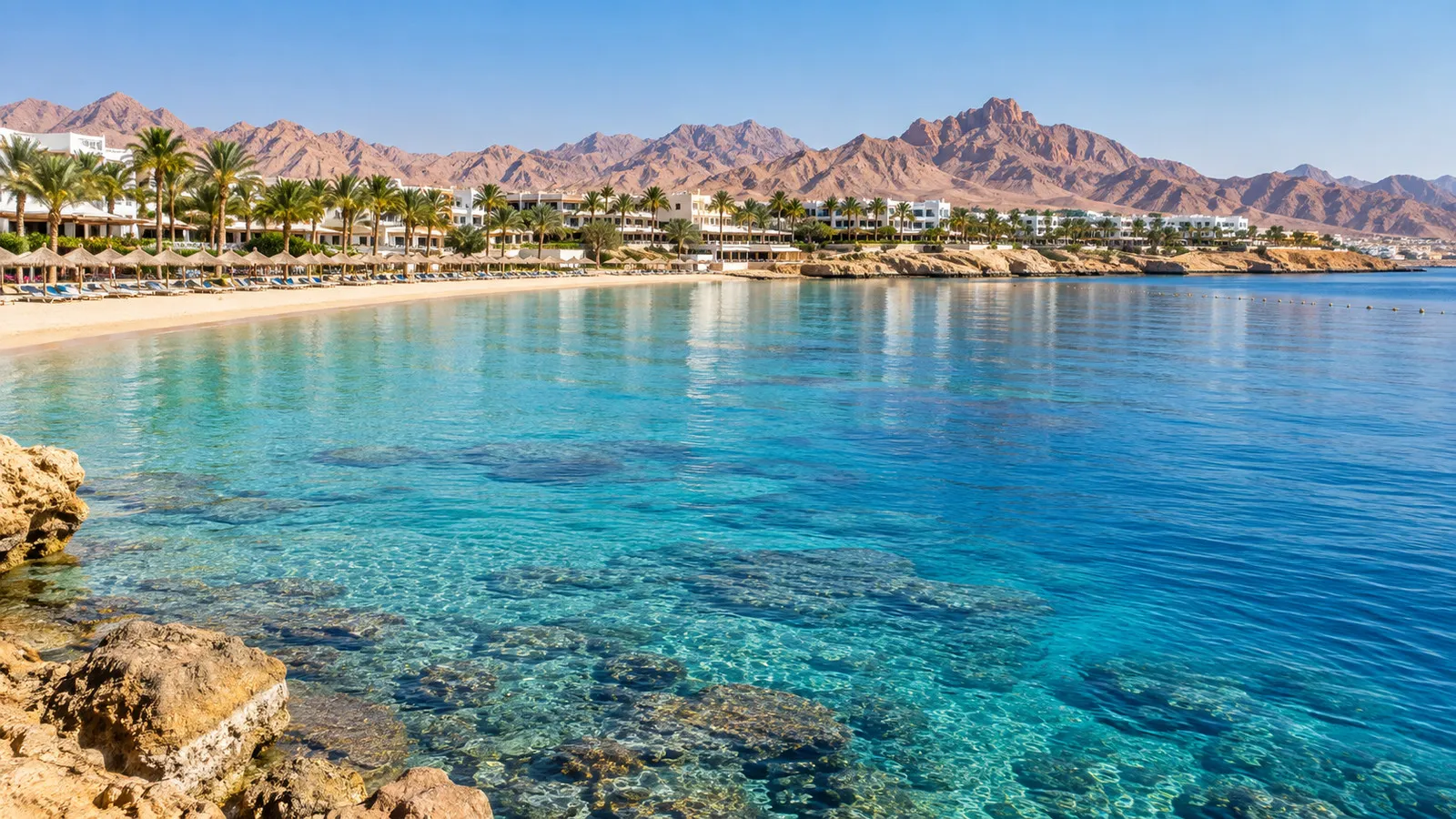
Naama Bay is the polished resort heart of Sharm, with hotels, restaurants, shopping, promenades, and beach clubs. It works well for travelers who want an easy beach or lunch day without a national park excursion.
Much of the beachfront is managed by hotels or clubs, so confirm public access or a day pass before the taxi leaves. Ask what the fee includes, especially towels, loungers, showers, food credit, and reef access.
A hotel beach can be more comfortable for travelers who need shade or restrooms, but not every property offers step-free sand or water entry. Contact the venue directly if accessibility matters.
Desert excursions
Quad bike, camel, stargazing, and Bedouin-themed programs run into the desert behind the resort coast. Quality, group size, safety equipment, cultural depth, and environmental practice vary widely.
Book through the ship or a licensed established operator, and ask about helmets, eye protection, insurance, vehicle maintenance, water, and the exact route. A scarf helps with dust, but it does not replace proper protective gear.
Sunset programs can conflict with an afternoon all-aboard time. Confirm the schedule rather than choosing from photographs that may show a different departure.
Saint Catherine is a serious inland journey
Saint Catherine’s Monastery stands in a rugged mountain landscape sacred to Christianity, Islam, and Judaism. UNESCO describes the sixth-century monastery as the oldest Christian monastery still used continuously for its original function.
Its architecture, manuscripts, icons, and setting beneath Mount Horeb make it extraordinary. They do not make it close to the cruise port.
The road crosses deep into South Sinai and may involve checkpoints, changing access, and long transfers. I would attempt it only through a cruise line excursion on an unusually long call, with the return protected and the monastery’s current schedule confirmed.
A Mount Sinai climb is a separate physical and timing commitment. Do not add it to a normal day visit because a brochure makes the summit look nearby.
Visa and entry rules
Do not assume a South Sinai permission described for airport or border arrivals applies to your cruise call. Nationality, previous port, next port, time ashore, and travel beyond the permitted zone can all change what is required.
Egypt’s official electronic visa portal is Visa2Egypt. Even so, cruise passengers should follow the written instructions provided by the cruise line and ship agent because group clearance can differ from independent entry.
Check passport validity and carry whatever document the ship requires ashore. Never hand a passport to an unofficial tour seller or use a lookalike visa website.
Current safety planning
Government travel advisories distinguish Sharm and the nearby Red Sea coast from higher risk areas in northern and middle Sinai. Conditions can change, so review the advisory issued by your own government shortly before travel.
Use licensed transportation, stay on approved routes, carry identification as instructed, and expect security checks. Do not photograph police, military, port, checkpoint, or other sensitive facilities.
Avoid demonstrations and follow local authority or cruise line instructions promptly. Independent inland drives are a poor place to improvise when road access changes.
Accessibility and comfort
An alongside berth is simpler than a tender, but gangway slope and port transportation still matter. Ask the cruise line whether the day’s shuttle or coach can carry your mobility device.
Accessible vehicles should be reserved before sailing. Confirm lift capacity, securement, entry height, storage, air conditioning, and how close the vehicle can reach the gangway or port gate.
Traditional excursion boats may involve narrow gangways, steps, moving pontoons, and bench seating. Request photographs and written details about the actual boat rather than accepting a generic accessible label.
Resort hotels often offer the smoothest surfaces and restrooms, while the Old Market can be crowded and uneven. Beach sand, coral entries, and desert vehicles each create separate barriers that should be discussed in advance.
Weather and what to bring
Sharm is dry, sunny, and warm for much of the year, with winter offering the most comfortable days for sightseeing. Summer heat can become severe on a boat deck, desert track, or exposed quay.
Bring water, sunscreen, sunglasses, a secure hat, and light clothing that covers skin. Add a modest layer for markets and religious surroundings.
Winter wind can make a boat ride feel chilly after swimming even when the air temperature seems mild. A light outer layer and dry towel are worth the space in your bag.
Use reef-safe practices and follow local operator requirements for sunscreen. Rash guards provide useful sun protection without needing constant reapplication.
Three realistic shore day plans
Plan one: Ras Mohammed by boat
Take a reserved half-day reef excursion with a port-aware operator, return with a generous margin, and finish at the Old Market. This is my favorite first visit because it makes the Red Sea the center of the day.
Plan two: Ras Mohammed by road
Choose a guided road tour with viewpoints and a safe shore stop, then have lunch near Sharm El Maya. It offers more desert context and avoids a long open-water transfer.
Plan three: relaxed resort day
Reserve a beach club or hotel day pass in Naama Bay, enjoy the water and shade, then return early. Add the Old Market only if transportation is waiting and the timing remains comfortable.
Common mistakes to avoid
The first mistake is assuming every ship docks because the port has berths. The actual vessel and day’s operations determine whether you are alongside or tendering.
The second is treating a general South Sinai entry rule as personal visa advice. Follow the cruise line and official Egyptian sources for your passport and route.
The third is booking an unlicensed reef operator for a low price. Safety equipment, guide quality, park compliance, and return timing matter more.
The fourth is planning Saint Catherine like a nearby resort excursion. It is a long inland journey through a region where security and access require careful coordination.
The fifth is standing on coral for a photograph. It damages living reef and can injure you as well.
Frequently asked questions
Do cruise ships dock in Sharm el-Sheikh?
Passenger capable commercial berths are available, and many ships can use them. Confirm your call aboard because vessel size, berth traffic, weather, or operations can still require a tender.
What is the best excursion from Sharm?
Ras Mohammed by boat or road is the signature choice. Select the version that matches your swimming ability, mobility, and tolerance for marine conditions.
Can I go to Saint Catherine on a cruise call?
Only consider it on a very long call through a protected ship excursion. The road distance, checkpoints, visiting schedule, and return risk make an ordinary independent day unsuitable.
Do I need an Egyptian visa?
Requirements depend on nationality and itinerary, while cruise lines may coordinate clearance through the ship agent. Use official Egyptian sources and follow the personalized instructions from your line.
Can I visit a beach without an excursion?
Yes, with confirmed transportation and verified access to a public beach or hotel day pass. Agree on your taxi return before being dropped off.
Is snorkeling beginner friendly?
Some sites can suit beginners, but wind, current, depth, and entry conditions change. Tell the operator your experience honestly and use a flotation aid if needed.
My final take
Sharm el-Sheikh is easiest when you make the Red Sea the headline and let the resort be the supporting act. Reserve a responsible reef experience, keep the land stop simple, and return with time to spare.
I would choose Ras Mohammed and the Old Market for a first call. Saint Catherine deserves a trip where the clock belongs to you rather than the ship.
How this guide was researched: No firsthand Sharm el-Sheikh port visit is claimed. This guide was checked September 12, 2026 against official Egyptian port, visa, and environmental information, UNESCO’s Saint Catherine listing, and current government travel advice.