Ain Sokhna Cruise Port: A Cruiser’s Guide to the Gateway to Cairo
Ain Sokhna is a Red Sea port with two very different personalities. It is both a heavily controlled commercial harbor and a practical gateway for a long excursion to Cairo and Giza, while the nearby coast offers a much easier resort day.
The first decision is not which pyramid photo you want. It is whether your ship’s time in port gives you enough room for the drive, security procedures, major sightseeing, Cairo traffic, and a safe return without turning the entire day into a sprint.
Quick Facts
- Port type: Secured commercial harbor with cruise berthing assigned by port authorities
- Walk-off sightseeing: No, independent walking in the operational port is not a realistic plan
- Primary excursion: Giza Plateau and the Grand Egyptian Museum
- Easier alternative: A prearranged Red Sea resort or beach day
- Currency: Egyptian pound, with cards accepted unevenly
- Language: Arabic, with English common in organized tourism
- Transport priority: Use a ship excursion or confirmed licensed operator for Cairo
- Essential check: Follow the ship’s exact gangway and all-aboard times
Where Your Ship Docks
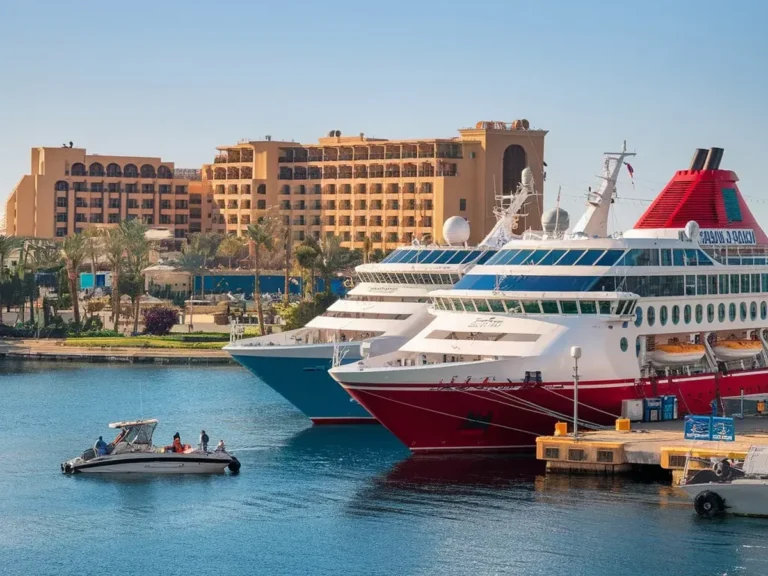
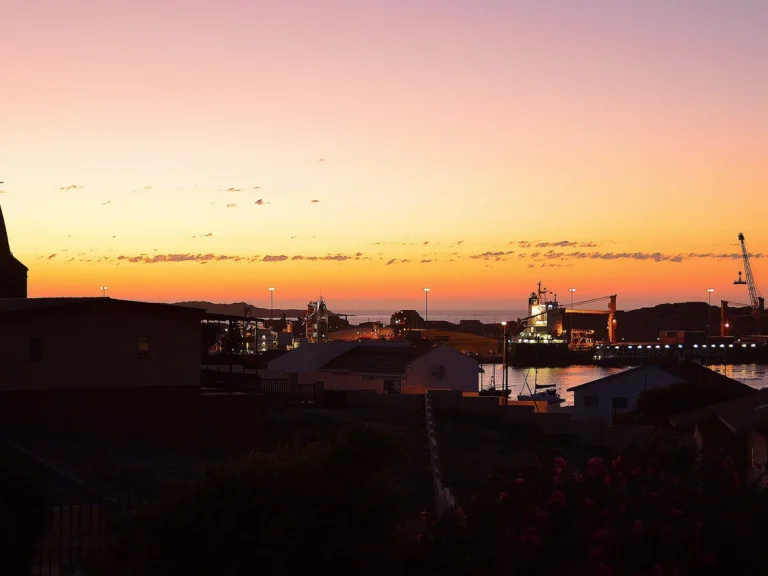
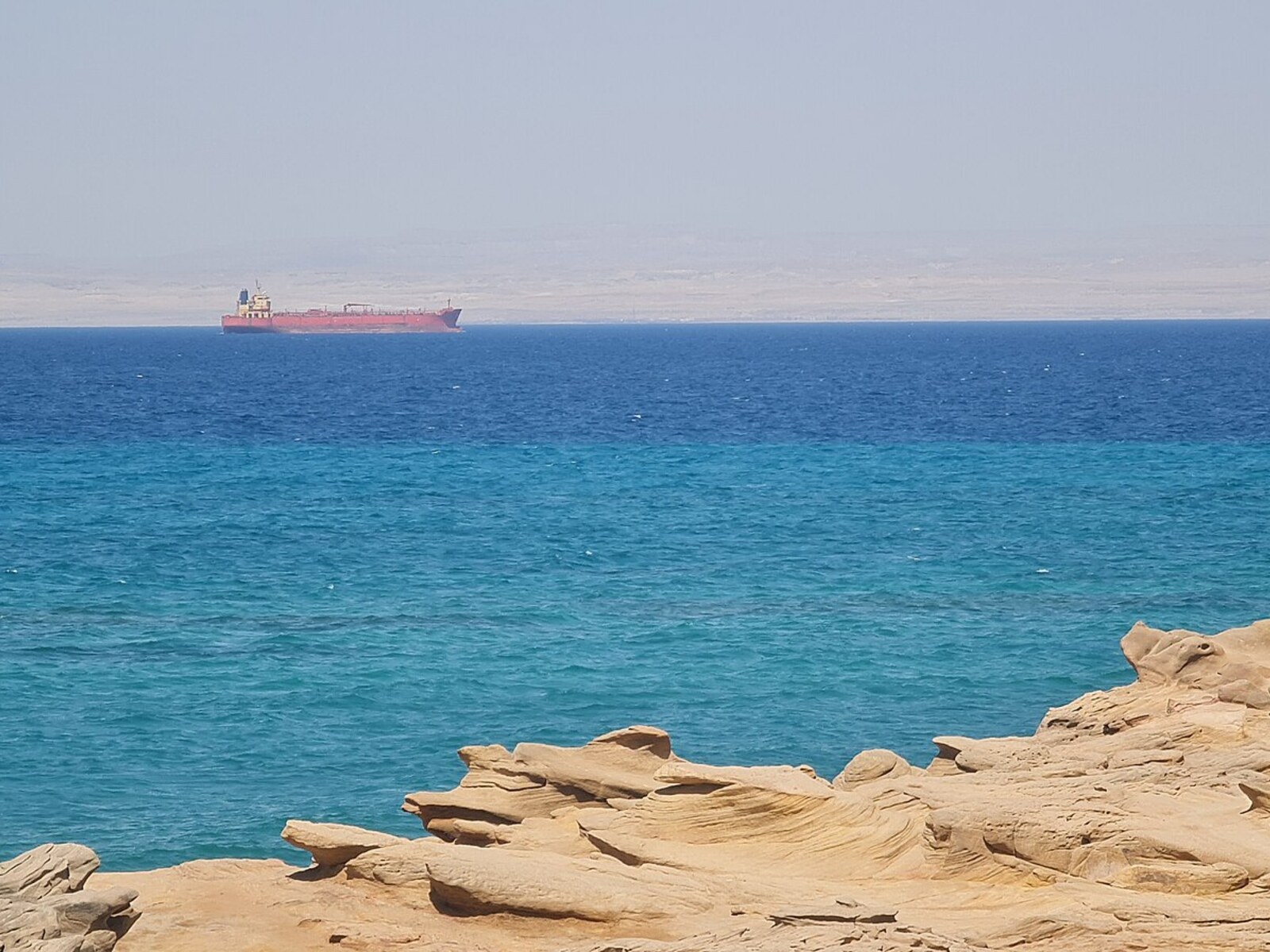
Cruise ships call at the Port of Ain Sokhna, a major cargo and logistics complex on the western side of the Gulf of Suez. DP World operates at Sokhna, but the assigned berth and passenger handling plan can differ from one call to another.
This is not a downtown cruise terminal lined with cafes and taxis. The quays sit inside a working industrial zone, and passengers normally leave through organized buses, shuttles, or approved vehicles under the day’s port procedures.
Use your ship’s daily program as the final authority on where tours meet and whether a shuttle is provided. An online pin for Ain Sokhna may mark the coastal resort area rather than the restricted gate your ship actually uses.
I would not arrive without transportation arranged. Even if taxis are available beyond the port controls, negotiating a complex Cairo round trip after disembarking wastes precious time and gives you fewer safeguards if plans unravel.
Cairo and Giza From Ain Sokhna
Ain Sokhna is promoted as a gateway to Cairo because it connects to the capital by road, but a gateway is not the same thing as being nearby. Travel time changes sharply with the berth, security processing, road conditions, and congestion across Greater Cairo.
For a normal cruise call, the Giza Plateau and one carefully chosen museum experience are already an ambitious full day. Adding central Cairo, Saqqara, shopping stops, and a meal can create an itinerary that looks impressive on paper but feels rushed on the ground.
A ship-sponsored excursion buys valuable protection if the tour is delayed, and it also simplifies movement through the port. A private tour can offer a smaller vehicle and more control, but I would use a licensed operator that tracks the ship and states its return policy in writing.
Before booking, ask which entrances are included, whether tickets are timed, whether entry inside a pyramid costs extra, and how much walking the itinerary requires. Also ask what happens if the ship arrives late or authorities change the port exit time.
The Giza Plateau
The Giza Plateau contains the pyramids built for Khufu, Khafre, and Menkaure, the Great Sphinx, temples, smaller pyramids, tombs, and other parts of royal funerary complexes. The Ministry of Tourism and Antiquities notes that the Great Pyramid of Khufu is the oldest and largest of the three principal pyramids.
A general area ticket does not necessarily include entry into pyramid interiors or every special tomb. Ticket types, prices, access routes, and opening hours can change, so use the official monuments site or your guide’s current confirmation rather than a screenshot from months earlier.
The plateau is much larger and less pedestrian-friendly than photographs suggest. Heat, uneven ground, vehicle movements, crowds, and the distances between viewpoints mean that organized transport within the site can preserve both time and energy.
Going inside a pyramid is optional, physically demanding, and not a good fit for everyone. The passage can be steep, narrow, warm, and confined, so travelers with joint, heart, balance, breathing, or claustrophobia concerns should discuss it before buying the supplement.
I would prioritize an informed exterior visit, a clear view of the three main pyramids, and time at the Sphinx over a rushed checklist. The scale and landscape are the point, and a good guide helps separate the ancient complex from the modern city pressing against it.
The Grand Egyptian Museum
The Grand Egyptian Museum near Giza is now a central part of many Ain Sokhna excursions. Its scale, major royal collections, monumental architecture, and proximity to the plateau make it the natural museum partner for a pyramid day.
Do not treat it as a quick indoor add-on. Security, entry procedures, galleries, walking distances, and the size of the collection all require real time, and trying to see everything can leave you exhausted before the return drive.
Reserve through the museum’s official channel when traveling independently and check current hours, permitted items, and ticket conditions. Cruise tours may use group arrangements, so confirm whether admission and guided interpretation are included rather than assuming they are part of the quoted price.
If your schedule forces a choice, decide whether this is your ancient monuments day or your museum day. I would combine a focused section of the museum with Giza only when the port call is long and the operator has built a realistic traffic allowance.

A Red Sea Resort Day
The easier alternative is to stay near Ain Sokhna and enjoy the Red Sea coast. Resort complexes spread along the shoreline, often with private beach access, pools, restaurants, and day-use arrangements that must be confirmed in advance.
A resort visible on a map is not automatically open to cruise passengers. Ask the ship or property about day passes, identification requirements, transportation, included facilities, changing areas, towels, and whether food or drinks are part of the package.
Water clarity and beach conditions vary by property, wind, and season. Some shorelines are sandy while others have rock or coral underfoot, so water shoes can be useful and lifeguard guidance should take priority over assumptions.
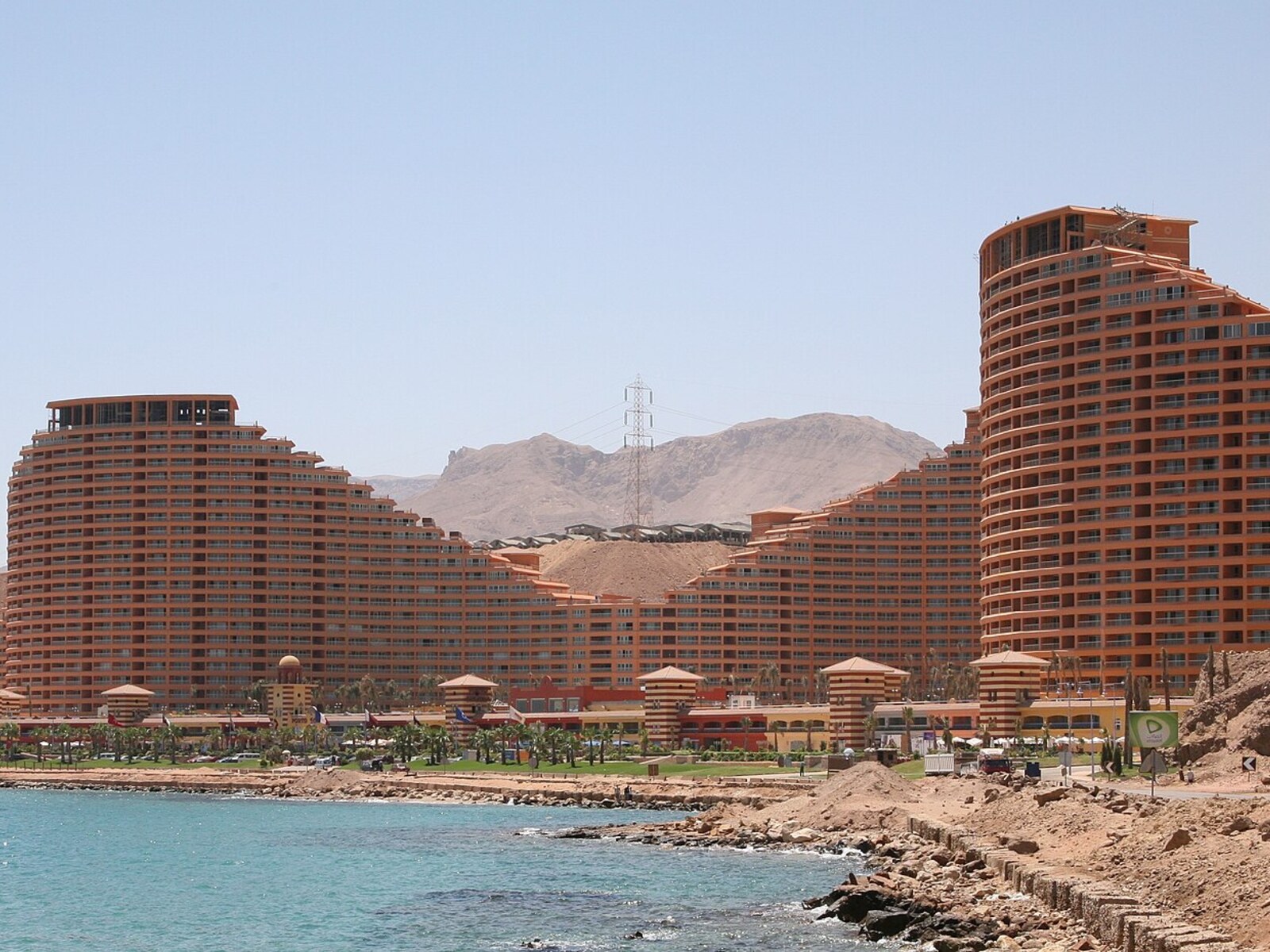
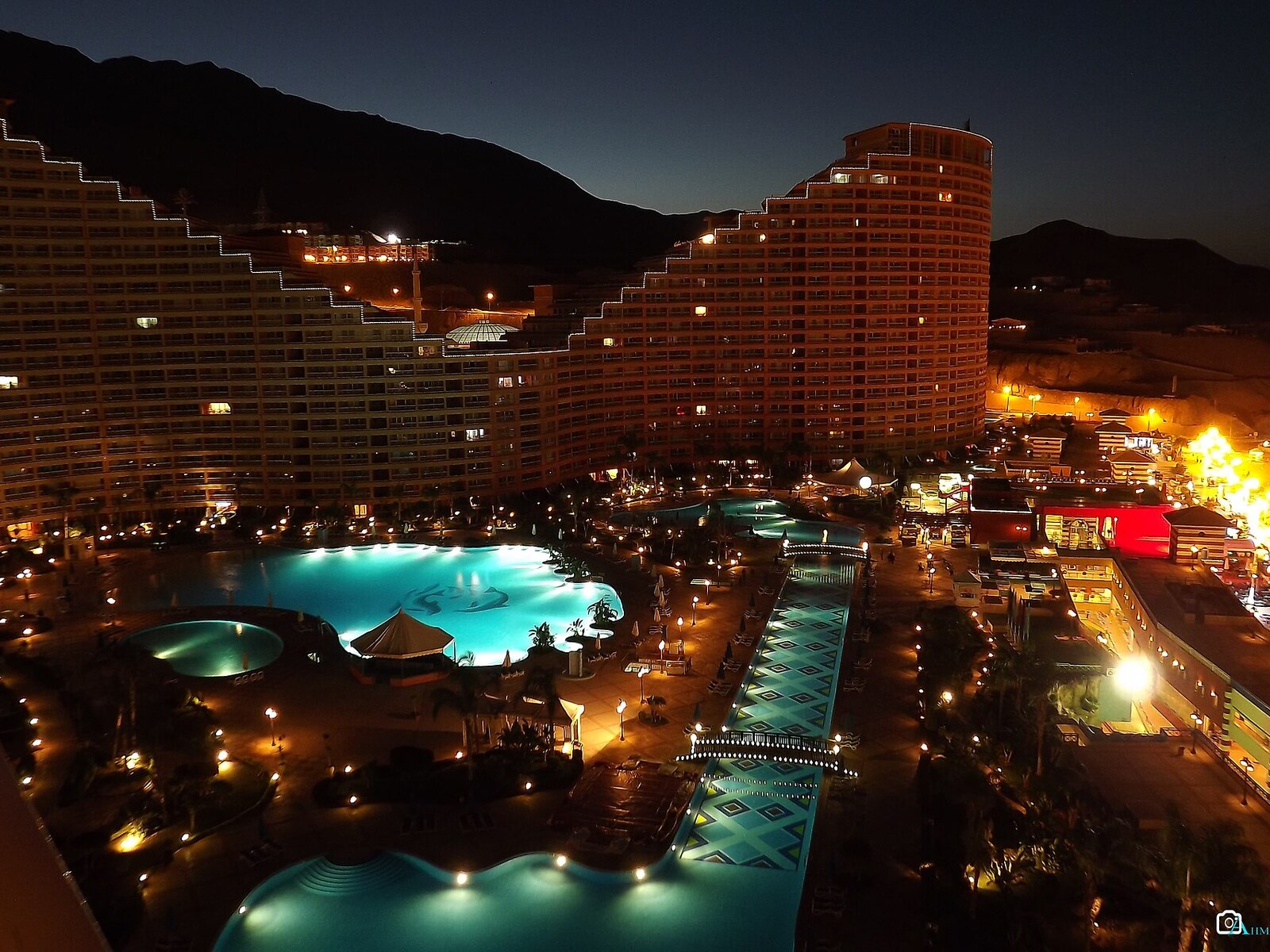
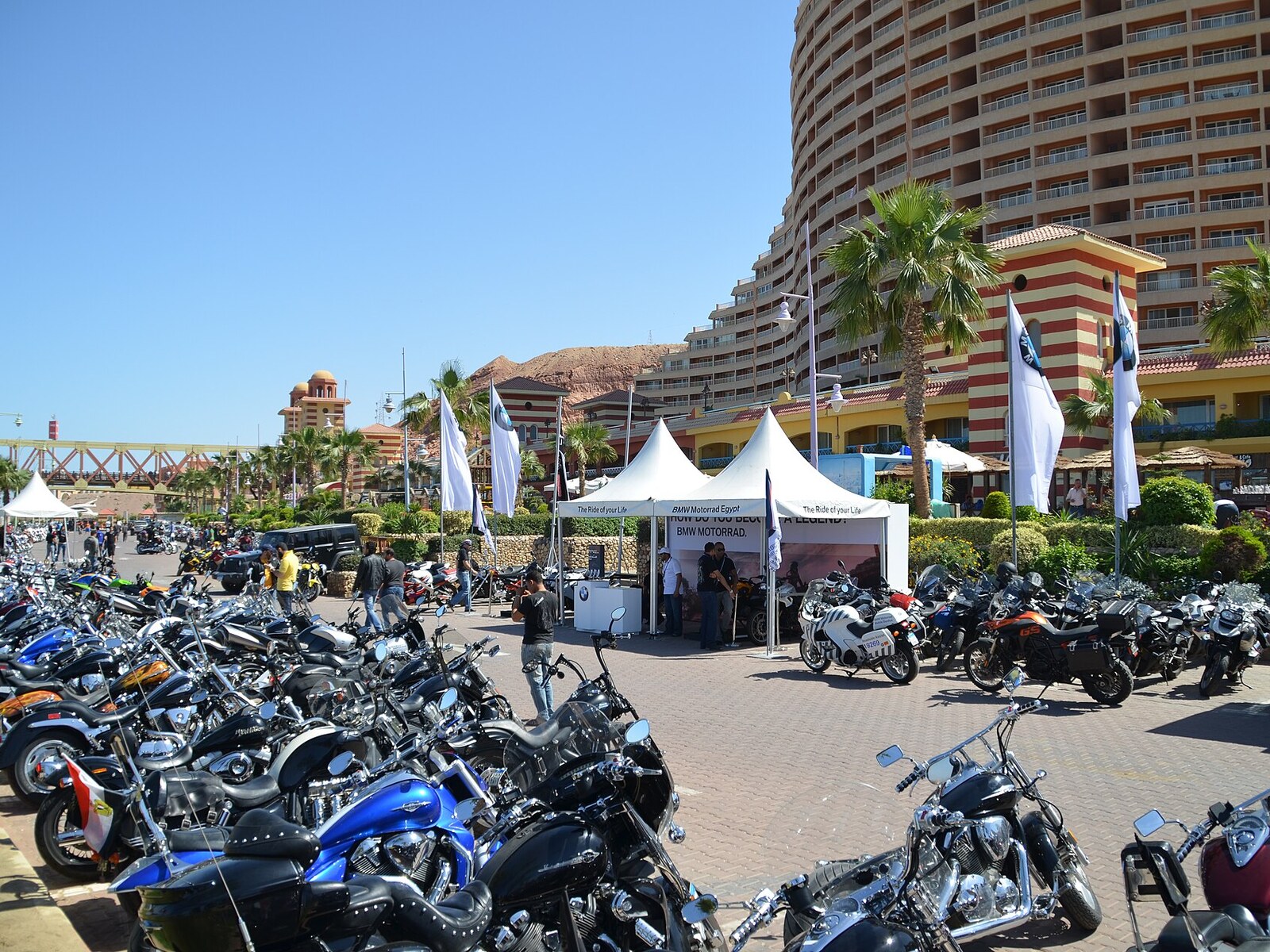
Porto Sokhna is known for its large resort development beneath the Eastern Desert mountains. The cable car often appears in excursion advertising, but operations can change with weather or maintenance, so book the experience only after current service is confirmed.
This is the plan I would choose after several intensive touring days or during a shorter call. It reduces road risk, leaves room for a relaxed meal, and makes the Red Sea feel like the destination rather than merely the start of a bus ride.
Can You Explore Ain Sokhna Independently?
Independent exploration is possible only after you have a workable way through the secured port and onward to a defined destination. There is no compact old town directly outside the berth that rewards casual wandering.
Ride-hailing coverage, taxi availability, and access to the port gate can be inconsistent. If you arrange a car, confirm the exact pickup point, send the driver your ship and berth information, and agree on the return details before leaving.
For Cairo, I strongly prefer a reserved driver and guide or the ship’s excursion. For a coastal property, a transfer arranged by the resort may be enough if the property understands cruise schedules and can reach the approved pickup area.
A Realistic Day Plan
If Cairo is your priority, leave as early as the ship and port permit, visit Giza first, and add the Grand Egyptian Museum only if the tour’s timing is credible. Keep lunch efficient and decline optional shopping stops unless they matter more to you than museum or monument time.
If you stay on the coast, arrange a direct transfer to one resort, settle in, and keep the day simple. A beach, pool, lunch, and perhaps the cable car if operating are more satisfying than hopping among developments with uncertain entry rules.
For either plan, reconfirm the ship’s all-aboard time before leaving the quay and set an earlier personal target. Cairo traffic can change suddenly, while even a nearby resort transfer still has to pass the industrial port controls on return.
Accessibility and Physical Demands
The ship’s gangway and the step into a tour vehicle are the first accessibility questions. Ask whether the assigned berth requires stairs, whether an accessible shuttle is available, and whether your wheelchair or scooter can be carried on the exact vehicle.
Giza includes uneven surfaces, slopes, long distances, dust, heat, and limited shade. Entering a pyramid is much more demanding than viewing it from outside, and travelers should not let group pressure override their own comfort or medical needs.
The Grand Egyptian Museum is a modern facility, but the amount of walking can still be substantial. Request current accessibility details directly from the museum or tour operator, and ask whether elevators, wheelchairs, rest areas, and an accessible restroom sequence fit the planned route.
Resorts may be easier, though beach access can involve sand, steps, slopes, or a long path from reception. A property describing itself as accessible does not answer whether the pool, shoreline, restroom, and transfer are all accessible to you.
Weather and What to Wear
Ain Sokhna has a dry desert climate, with strong sun even when the sea breeze feels pleasant. Cairo can feel hotter and dustier than the coast, while winter mornings may begin cool enough for a light layer.
Bring water, sunscreen, sunglasses, a secure hat, and shoes with reliable grip. For Giza, choose breathable clothing that covers shoulders and knees comfortably, both for sun protection and for a respectful appearance around religious or formal sites.
Use only safe drinking water supplied by the ship, tour, hotel, or a sealed commercial bottle. Heat can quietly reduce your energy, so regular water and shade breaks matter more than squeezing in one additional photo stop.
Money, Shopping, and Connectivity
The Egyptian pound is the local currency, and small notes are useful for modest tips and minor purchases. Cards may work at established museums, hotels, and larger shops, but cash remains a useful backup and payment systems can fail.
Do not rely on a driver or shop to offer the best exchange. Use an authorized bank or ATM when practical, check the currency shown on a card terminal, and keep valuables close in crowded visitor areas.
Vendors around famous sites can be persistent, and a polite, firm refusal is enough. Agree on the full price before accepting a ride, photo setup, souvenir, or other service, and ask your guide when a gratuity is customary.
Mobile service may work along the main road and in Cairo, but do not make your return depend on constant data. Save your driver’s number, tour contact, meeting-point image, and ship information offline before leaving the vessel.
Entry Requirements and Local Rules
Egyptian entry and visa rules depend on nationality, itinerary, and how the cruise line processes passengers. Check Egypt’s official eVisa portal and your cruise line well before departure instead of assuming a ship card replaces every document requirement.
Carry only the identification the ship instructs you to take ashore, plus a copy stored separately. Photography rules can differ at security facilities, museums, tombs, and archaeological sites, so ask before photographing checkpoints, port equipment, officials, or restricted interiors.
Egypt is culturally conservative, and calm courtesy goes a long way. Dress more modestly for mosques and traditional neighborhoods, seek permission before photographing people, and follow your guide’s advice about local practices.
My Recommendation
First-time visitors with a long call will understandably choose Giza, and I would make that a disciplined tour centered on the plateau with a carefully limited museum visit. Travelers who have seen Cairo before, dislike long bus days, or have a shorter schedule may enjoy Ain Sokhna far more by staying at a confirmed Red Sea resort.
Final Thoughts
Ain Sokhna works best when you choose between an ambitious Cairo day and an easy Red Sea day, then plan that choice honestly. Secure transportation, current tickets, a generous return margin, and realistic expectations will do more for your visit than an overloaded itinerary.