Luanda Cruise Port: Cargo Terminal, City and Safety Guide
Luanda gives cruise travelers a rare look at Angola’s capital, where a polished bayfront meets a hard-working cargo port and formidable traffic. The winning plan is deliberately compact: trusted transport, two or three meaningful stops, and enough margin to let the city move at its own speed.
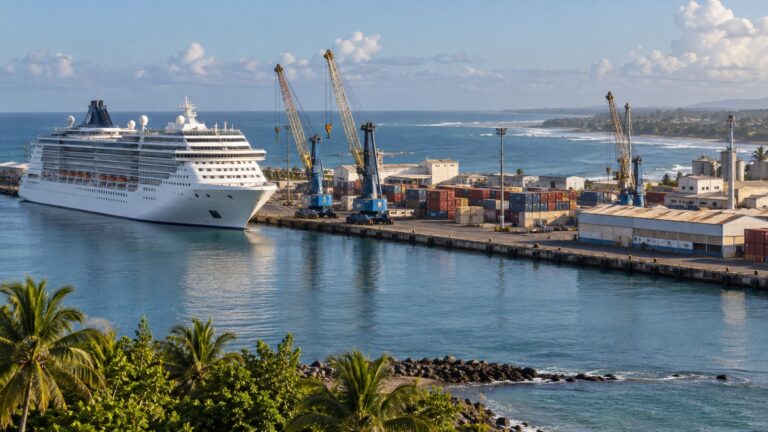
Cruise ships berth inside the General Cargo Terminal
The Port of Luanda is an active commercial harbor rather than a walk-out resort terminal. Its official April 2026 cruise report placed Vasco da Gama at General Cargo Terminal quays 4 and 5 and SH Diana at quay 3.
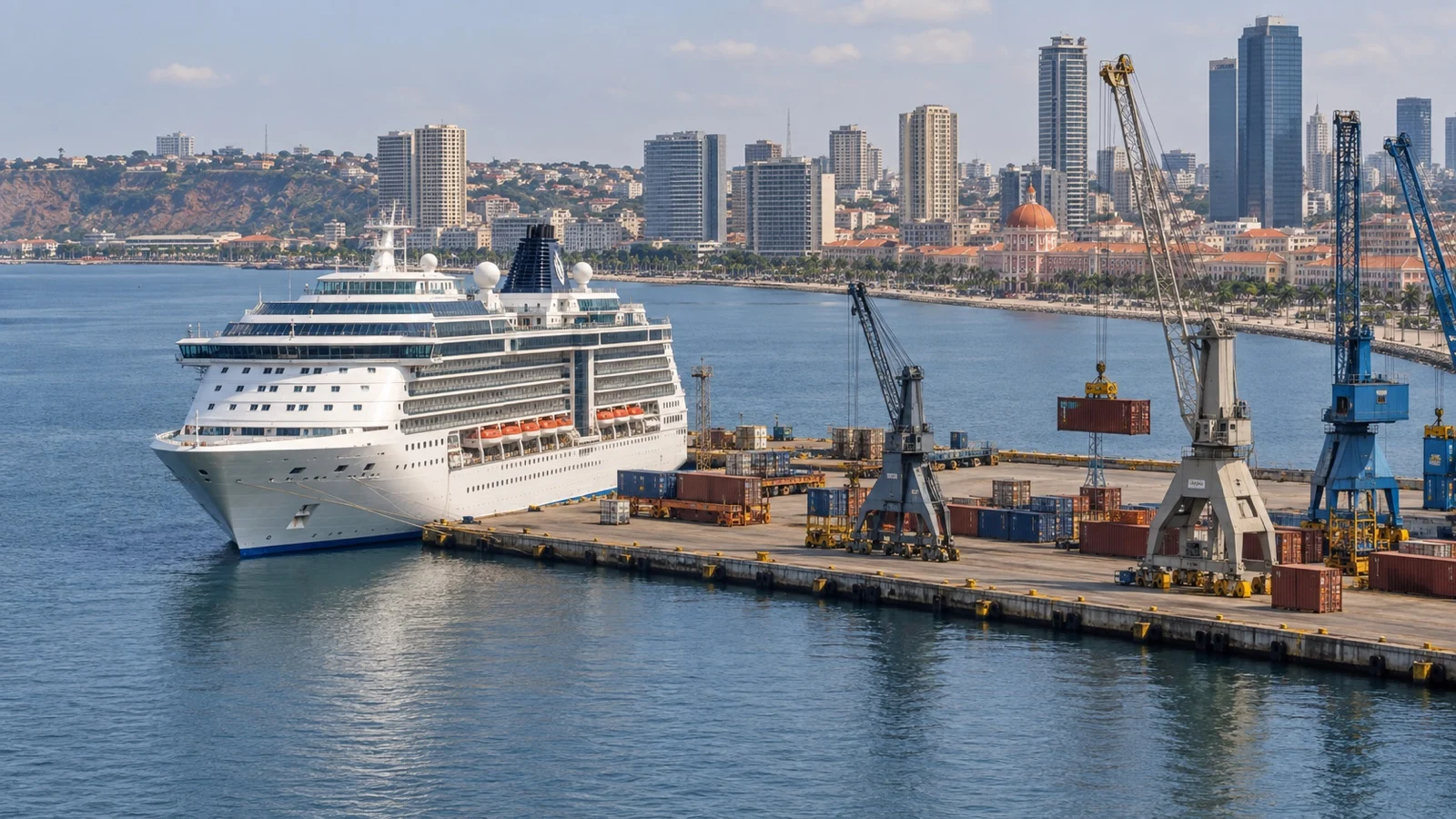
A second official port report recorded Silver Dawn at quay 2 and Seven Seas Mariner at quay 4 in May. The useful conclusion is not one permanent pier number, but a current alongside operation with the berth assigned inside the secure General Cargo Terminal.
Oceania’s live Vista itinerary verifies a Luanda call on 26 May 2026 from 07:00 to 16:00. Your own daily program remains the authority because working-port priorities can change the quay, gate and motorcoach staging.
The quick facts
- Where you land: alongside inside the General Cargo Terminal at the Port of Luanda, on the sheltered south side of Luanda Bay. The 2026 port reports put cruise ships on quays 2 to 5 depending on the vessel, and central Luanda begins roughly 1 mile beyond the gate.
- Dock or tender: Current calls berth alongside in the working cargo terminal; there is no tender.
- Into town: Not a walk.
- Currency and language: Angolan kwanza (AOA) and Portuguese.
- Time zone: West Africa Time (WAT, UTC+1) all year, with no daylight saving time.
- How often the call is missed: Low (roughly 1 to 2%): berth disruption, severe weather, or another port restriction can prevent the call.
Do not turn the cargo gate into a walking experiment
The General Cargo Terminal handles vehicles, cargo and controlled passenger movements. Use the cruise line’s motorcoach, shuttle or specifically authorized pickup rather than attempting to walk among port operations or out through an unfamiliar gate.
Ask where independent tours meet, whether the driver can enter the secure zone, and which gate returning passengers must use. Photograph the berth card or port notice because “Port of Luanda” is not precise enough for a driver facing several terminal entrances.
Allow time for traffic before adding the port’s identity and security checks. A vehicle reaching the outer perimeter is not the same as a passenger standing at the gangway.
Quay numbers change how tours assemble
The 2026 port reports show cruise passengers moving through several General Cargo Terminal quays, sometimes while two ships share the terminal. Motorcoaches may stage beside one vessel and use a controlled convoy or gate sequence that is different from the neighboring ship’s arrangement.
Read the ship’s collection point before leaving the cabin and carry the port card ashore. If two cruise vessels are present, the ship name and assigned quay matter more than telling a driver to find “the cruise terminal.”
Independent operators should provide the driver’s full name, vehicle plate and a contact monitored during the call. Confirm whether security has approved access inside the terminal or whether the ship will shuttle passengers to a specific outer gate.
On return, remain in the authorized vehicle until staff direct passengers to unload. Walking from a roadside drop-off while searching for the right entrance creates unnecessary exposure and may lead to a gate that does not process cruise passengers.
A central circuit should usually finish its last stop at least 90 minutes before all aboard, then adjust earlier for rain, demonstrations or known congestion. The driver needs a second route back to the port, but any diversion must remain within current local and cruise-line security guidance.
Current safety advice changes the usual independent-port formula
The current United States Angola travel advisory says travelers should reconsider the greater Luanda metropolitan area because of crime. It notes armed robbery, assault, carjacking, limited law-enforcement response and restricted medical capability.
That warning deserves more than a footnote. Choose a cruise-line excursion or a reputable prearranged operator using a known vehicle, and do not use informal minibuses, hail an unknown car or wander from the port with valuables visible.
Keep windows closed, doors locked and phones out of sight in slow traffic. If local authorities, the ship or operator changes a route, follow the new plan without trying to reclaim a missed photo stop.
The Marginal is Luanda’s visual introduction
Avenida 4 de Fevereiro curves along Luanda Bay past modern public space, government and commercial buildings, and views toward Ilha do Cabo. A guided drive gives useful orientation while avoiding the navigation and security questions of setting out alone.
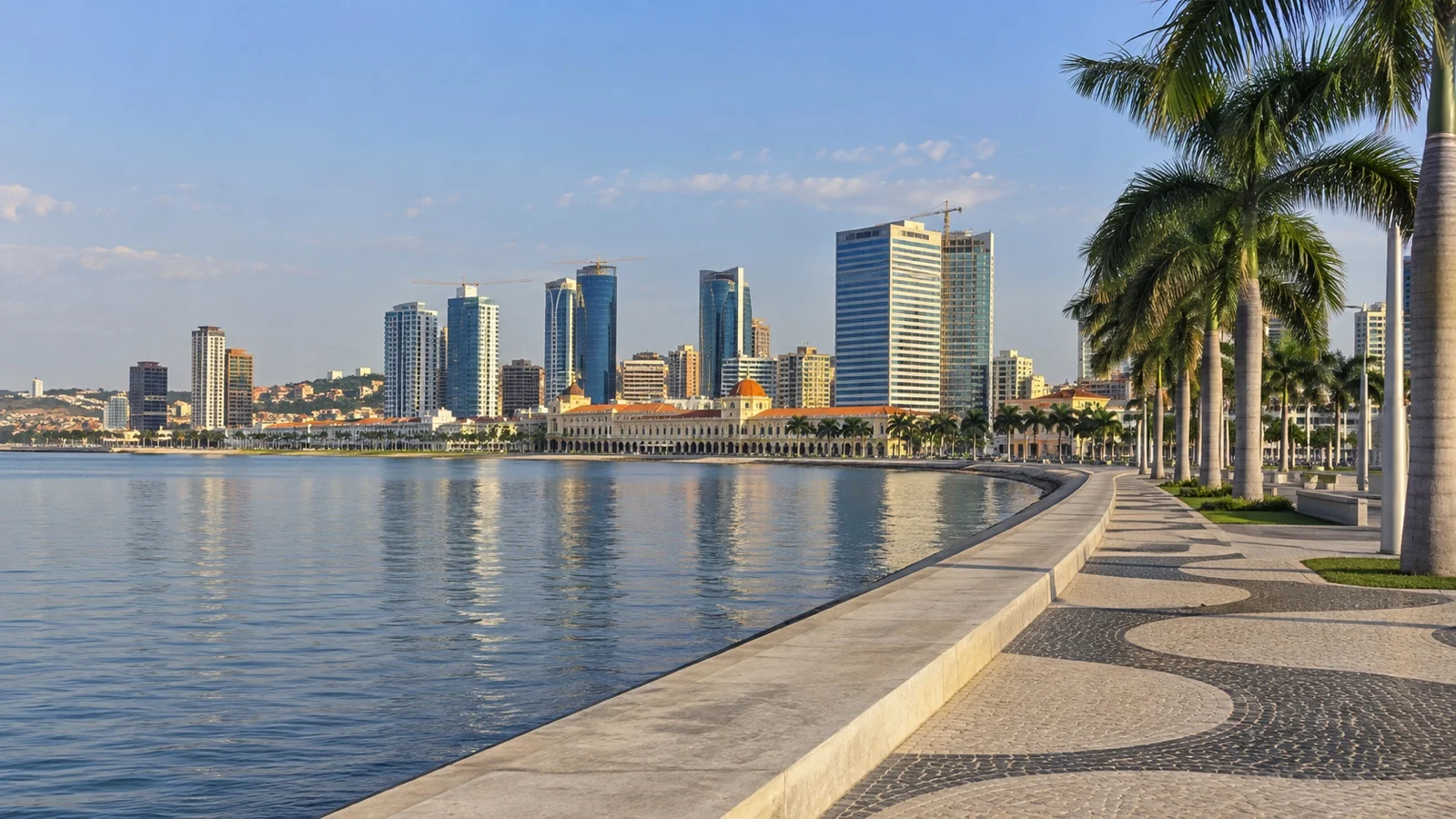
Ask for a safe, agreed stopping point rather than requesting an abrupt roadside photo. Traffic can be dense, and theft from stationary or slow vehicles is a specific concern in official advice.
Fortaleza de São Miguel needs historical context
The hilltop Fortaleza de São Miguel began as a sixteenth-century Portuguese defensive structure and later became a national monument and military-history museum. Angola’s destination portal describes the fortress and its museum role, as well as its broad views across the bay.
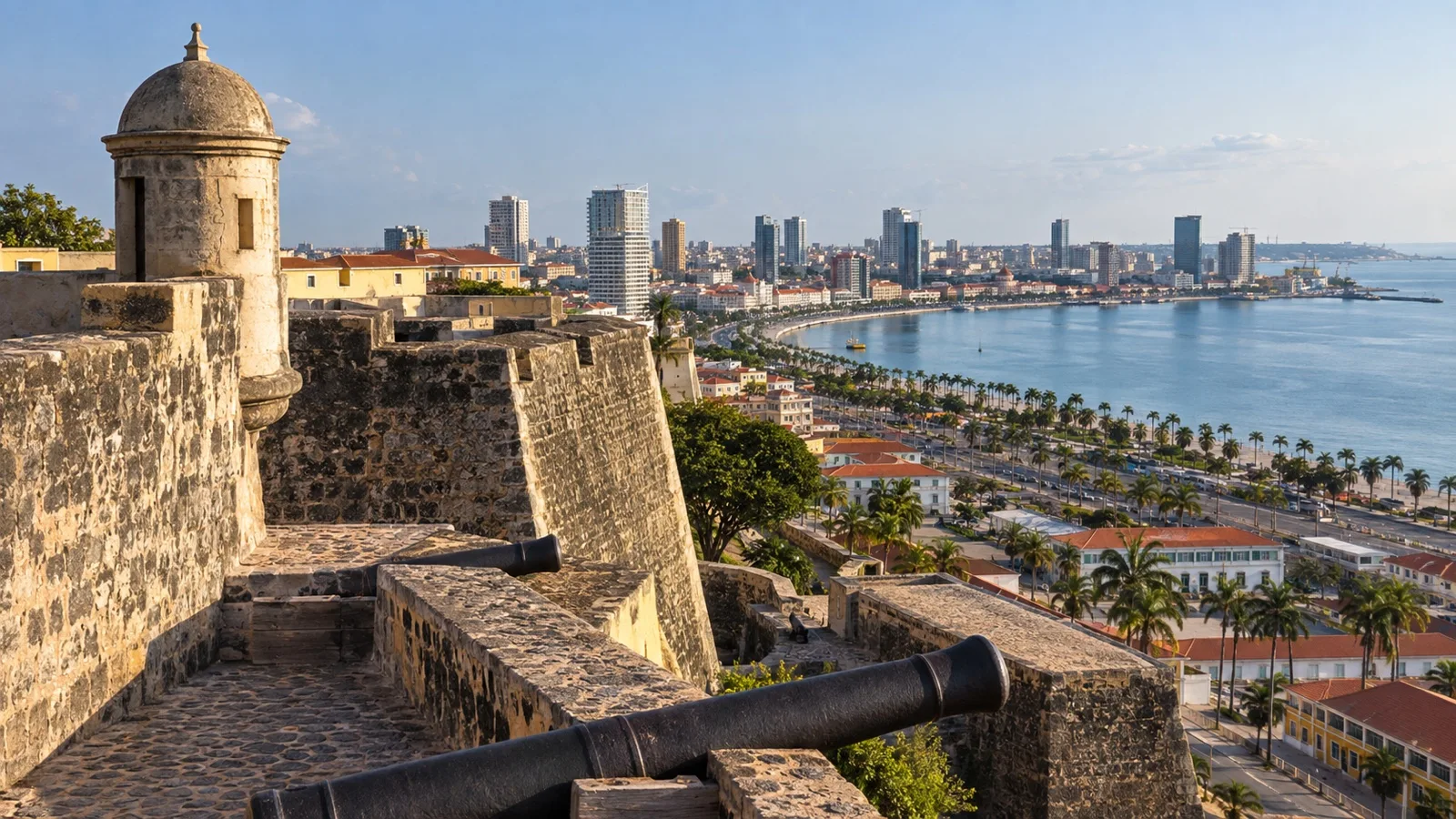
A responsible visit should address colonization, the Atlantic slave trade, independence and Angola’s long civil conflict rather than treating cannons as decorative scenery. A knowledgeable Angolan guide can connect the building to experiences that a quick label cannot hold.
Confirm opening and photography rules for the call date. The approach, ramps, cobbles and interior thresholds also require a specific accessibility check.
The Currency Museum makes a compact second stop
Luanda’s Museu da Moeda sits near the bayfront and explores forms of exchange through Angola’s monetary history. It can pair logically with the fortress or Marginal without sending the vehicle deep into the metropolitan area.
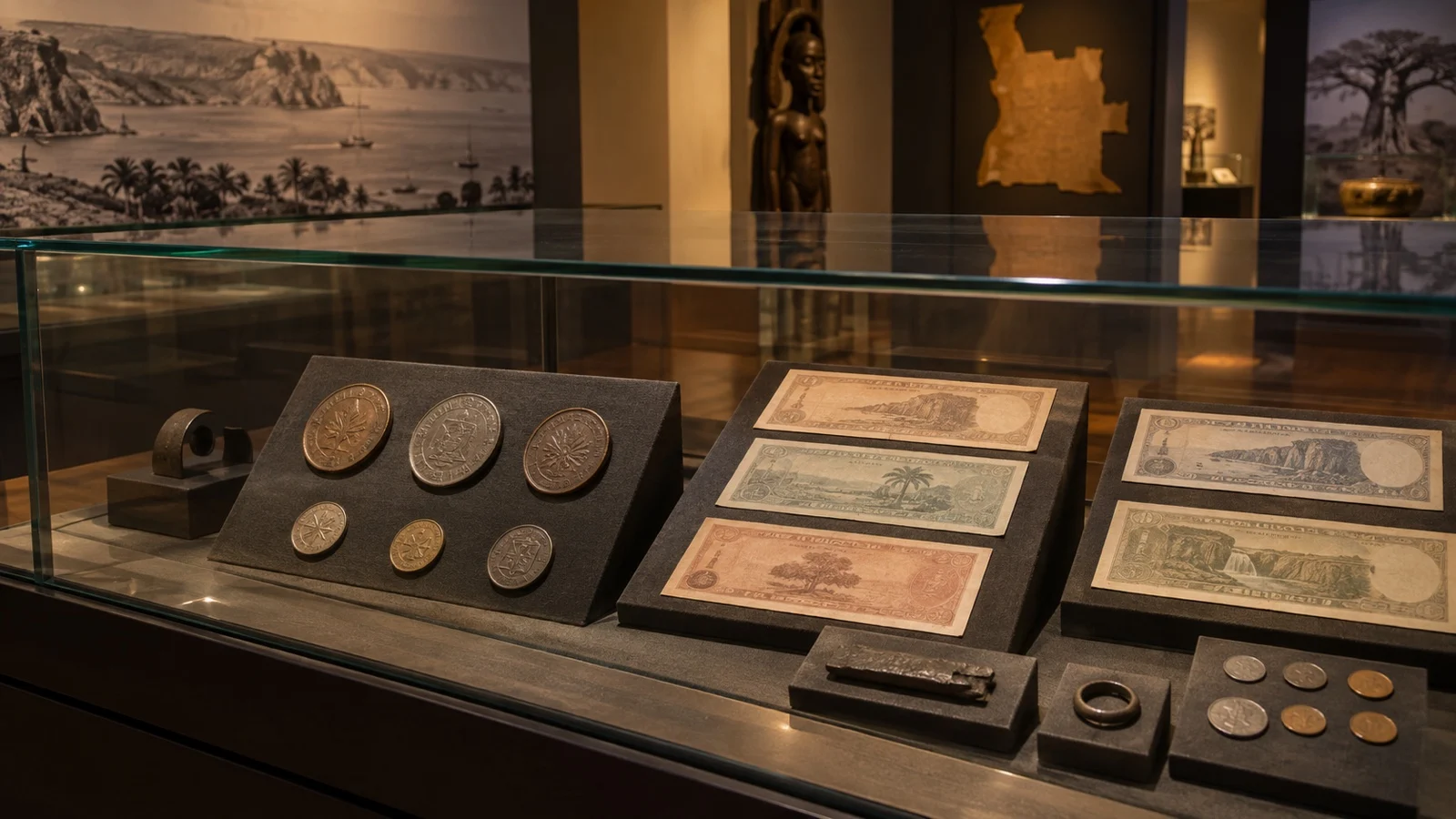
Verify opening hours, language support and bag rules before building the day around it. A museum closure should lead to a shorter waterfront circuit, not a desperate replacement across town.
Ilha do Cabo is for a controlled scenic break
The narrow Ilha do Cabo helps shape Luanda Bay and contains beaches, restaurants and sea views. It may suit a guided lunch or drive when the operator knows current access, parking and security conditions.
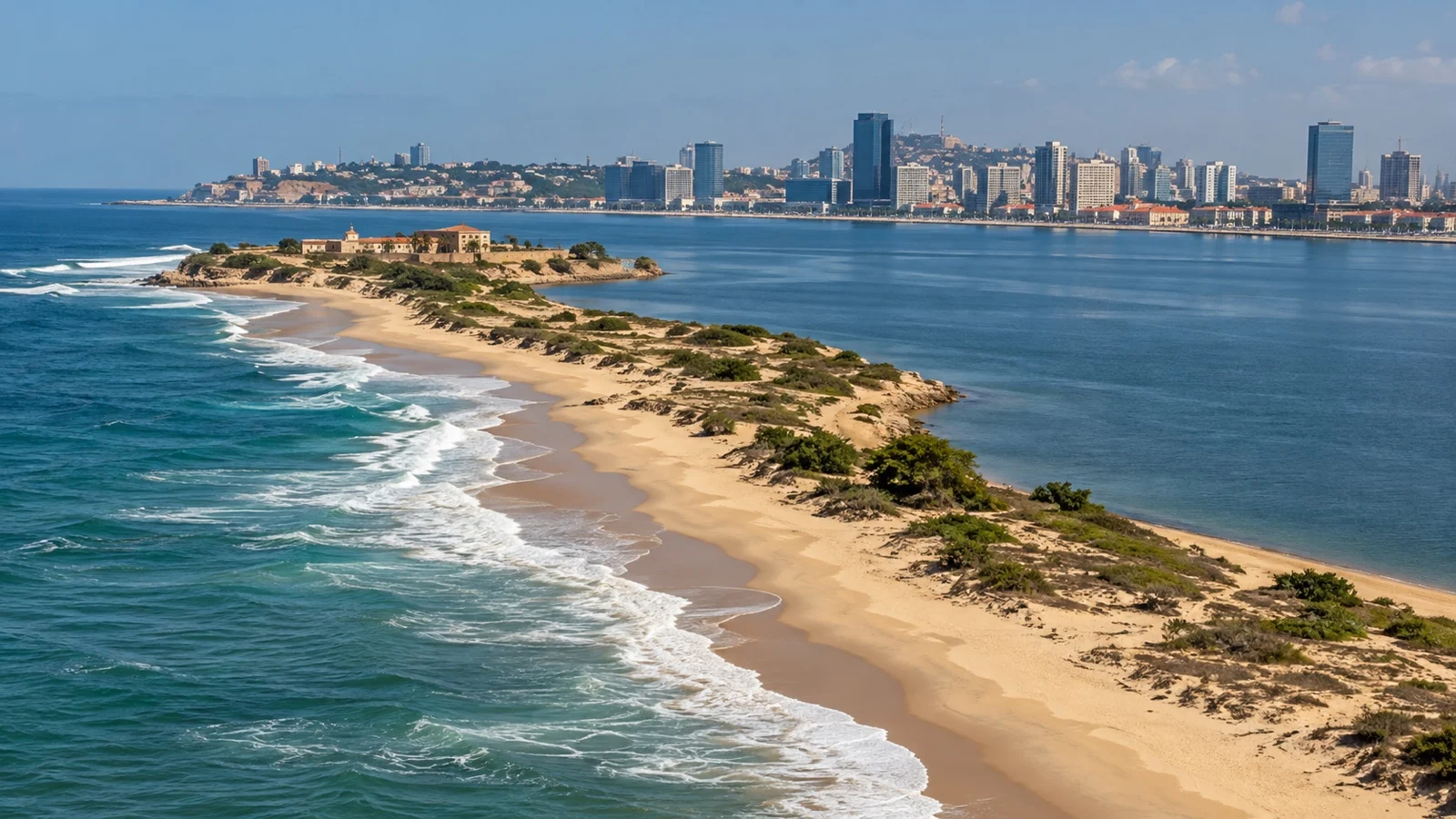
Do not assume swimming is included or advisable. Ask about water quality, currents, changing facilities, lifeguards and how belongings will be protected before packing a swimsuit.
One city circuit beats a distant wildlife gamble
Maps may tempt visitors toward Kissama National Park or beaches far south of central Luanda. Those journeys involve metropolitan traffic, long road exposure and an unforgiving ship deadline, so they are suitable only as cruise-line excursions designed for the call.
For most passengers, a fortress, bayfront and museum or lunch form a fuller day than hours of driving. Luanda has enough texture close to the harbor without making the all-aboard time an endangered species.
Cash and connectivity require a small plan
The legal currency is the Angolan kwanza, and small purchases may require cash. Ask the ship where legitimate exchange is available, avoid street exchange and do not display a thick wallet.
International cards may work at larger establishments but cannot be treated as universal. Keep a paper copy of the ship’s port contact and the operator’s number in case mobile service or data fails.
Accessibility has a vehicle in the middle
An alongside berth avoids a tender transfer, but the gangway, cargo-terminal surface, motorcoach steps and attraction entrances remain separate barriers. Request the exact gangway arrangement and an accessible authorized vehicle before the voyage.
Ask whether a wheelchair or scooter can remain assembled, how it will be secured and whether the driver provides physical assistance. Our accessible cruise-port checklist helps expose gaps between “panoramic” and genuinely step-free.
A drive with one confirmed accessible stop may be the strongest plan. Staying aboard is reasonable when neither the ship nor operator can describe the transfer safely.
Heat, rain and health deserve their own buffer
Luanda is warm, with a wetter hot season and a cooler dry season influenced by the Atlantic. Carry water, sun protection and a light rain layer while following medical advice on insect-borne disease.
Medical services and ambulances may be limited, and evacuation can be necessary for serious illness. Bring essential medication ashore, wear a seat belt and make sure travel insurance covers Angola and cruise medical evacuation.
Our rainy port-day guide is useful for protecting medication and electronics. Heavy rain can also worsen traffic, which matters more than whether a museum photograph looks sunny.
Entry documents, customs, and health preparation
Angola’s visa exemptions and visa requirements depend on nationality, passport validity, purpose, and length of stay, so check the Migration and Foreigners Service and the cruise line before sailing. Ship-coordinated clearance does not override a visa or health-document requirement.
Ask a travel-health clinician whether a yellow-fever vaccination certificate is required for your route and about malaria prevention well before departure. Carry essential medicine in labeled packaging, insect repellent, the ship card, and the passport or photo ID named in the daily notice.
Angolan customs controls currency, food, plants, animal products, cultural goods, and wildlife material. Use official exchange channels, keep purchase receipts, and do not photograph government, military, or port infrastructure when staff or signs prohibit it.
Build the return around two checkpoints
Set one deadline for reaching the correct port gate and another for completing security and reaching the gangway. The driver should know both, plus the ship name, General Cargo Terminal and assigned quay.
A central city circuit should finish its last stop at least 90 minutes before all aboard, while any wider route needs two hours or ship protection. Those margins absorb traffic, a checkpoint queue, terminal identity checks, and a changed gate.
Luanda planning questions
Does the ship dock in Luanda?
Yes, current 2026 cruise calls berth alongside in the General Cargo Terminal. The exact quay varies by ship and working-port operations.
Can I walk from the ship to the city?
Do not plan on it. Use authorized transport through the secure commercial port and follow the ship’s route instructions.
Is an independent taxi sensible?
A prearranged vetted driver may work, but an organized ship excursion is the lower-risk choice under current crime advice. Avoid informal street transport.
Give Luanda room to be complicated
Luanda is visually striking, historically demanding and logistically serious. A trusted guide and compact route make it possible to engage with the capital without pretending the cargo gate is a carefree promenade.
Compare African port planning with our Cape Town guide and Dakar guide. Our sourcing and correction standards are published in the Cruise Ports Editorial Policy.
How this guide was researched: This guide is based on independent research using official port, immigration, customs, health, park, tourism, and attraction sources. Details were checked against the Port of Luanda, Angola’s Migration and Foreigners Service, customs and health authorities, the national tourism portal, and current official travel and health advisories and reviewed September 10, 2026; see our Editorial Policy.