Lome Cruise Port (Togo): A Planner’s Guide
Lomé is Togo’s seaside capital, and a cruise call here drops you into one of West Africa’s most characterful cities. Here is how I would plan a confident, culture-first day ashore from the Port Autonome de Lomé.
My quick take
Lomé rewards curious travelers with vodun traditions, a lively market culture, and a long Gulf of Guinea waterfront. Calls are infrequent and it is a working commercial port, so I would book an organized tour rather than wander solo.
If you are building a West Africa itinerary, it pairs naturally with Abidjan, Takoradi, and Dakar. See the full Africa cruise ports hub for the region.
A current word on safety in Togo
The U.S. State Department lists Togo at Level 2, Exercise Increased Caution, because of crime, terrorism, civil unrest, health concerns, and kidnapping. The current advisory was issued March 9, 2026, and Lomé remains outside the named Level 4 area.
The northern Savanes region carries a much higher warning (a state of emergency and Do Not Travel zones near the Burkina Faso border), but that area is far from the coast and not part of a cruise day.
The UK’s FCDO travel advice adds that political rallies and demonstrations can flare up unexpectedly, and that petty theft is common on Lomé’s beaches and in its markets. Keep valuables out of sight and check for any planned protests before heading out.
The quick facts
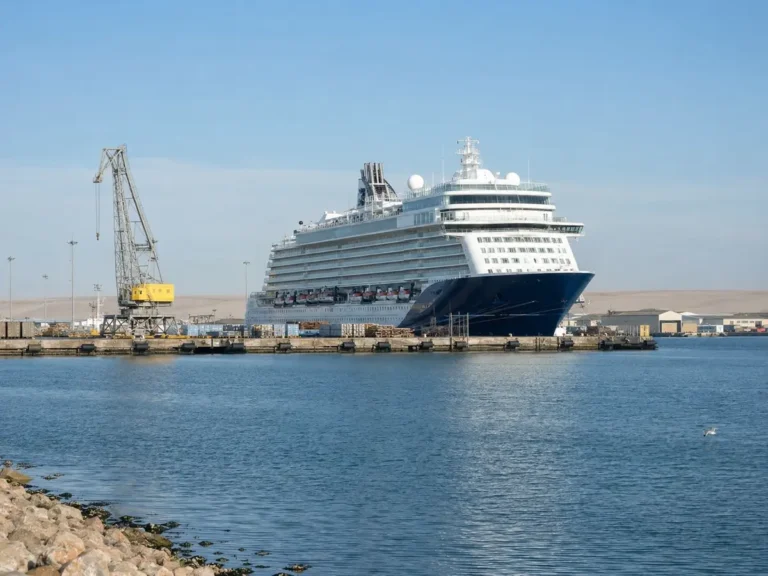
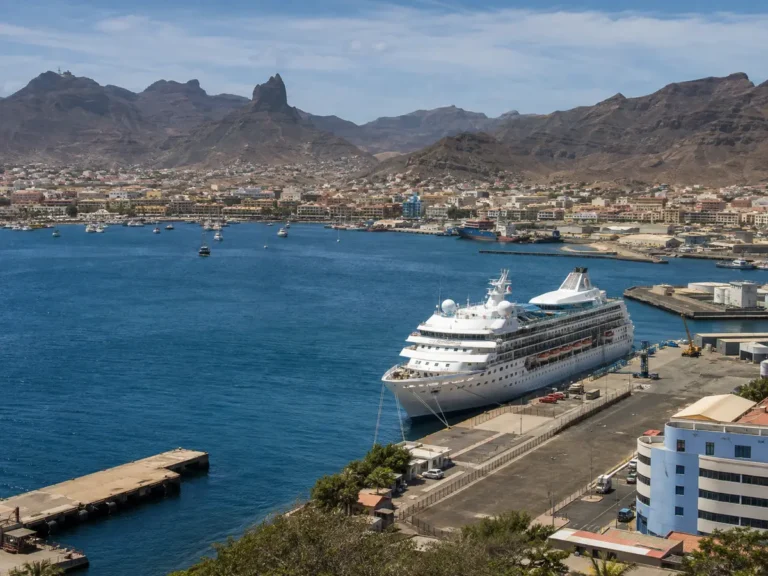
- Where you land: the Port Autonome de Lomé, the deep-water commercial port and the transit gateway for landlocked Burkina Faso, Mali, and Niger. Ships lie inside the breakwater alongside container and general cargo berths, roughly 4 miles east of the city center.
- Dock or tender: Ships berth alongside at this deep-water commercial port, so there is no tender.
- Into town: Roughly 4 miles to the city center and beachfront, so you will need a ship excursion or a pre-booked guide.
- Currency and language: The West African CFA franc (XOF), and French, with Ewe and other local languages widely spoken.
- Time zone: Greenwich Mean Time (GMT, UTC+0).
- How often the call is missed: Low (under 1%): the sheltered berth is rarely limited by local weather.
Documents, health, and the port exit
For U.S. tourists, Togo requires an e-visa application at least five days before travel, and every traveler older than one must carry proof of yellow-fever vaccination on a WHO Yellow Card. Other nationalities and cruise-group procedures can differ, so confirm the official rule with the cruise line and carry the required originals.
The berth is inside an industrial complex, so follow the ship shuttle to the designated gate and meet your guide only at the approved location. Photograph that return point, keep the operator’s local number, and allow time for both traffic and port security.
Travel insurance should cover medical evacuation, and malaria prevention belongs in a pre-travel clinician conversation. Carry sealed water, repellent, and sun protection rather than assuming the tour vehicle will supply them.
Getting around
Because Lomé is a commercial port with infrequent cruise calls, I would not plan to explore independently on foot. A pre-arranged tour or private driver-guide is the smoothest way to see the city.
Taxis are available but have no meters, so agree the fare before you get in. Motorbike taxis (zemidjans) are common with locals but I would skip them on a tight cruise timeline.
Heads up: some links below are affiliate links. If you book through one, I may earn a commission at no extra cost to you. It never changes which hotels or tours I recommend. Full disclosure.
The stops I’d actually spend time on
Akodessewa Fetish Market (Marché des Féticheurs)
This is Lomé’s best-known traditional-medicine and vodun market, where stalls display herbs, carved figures, and animal remains used in local practice. Go with a knowledgeable guide, ask before taking photographs, and treat the market as a living religious and commercial space rather than a spectacle.
Togo and neighboring Benin are historic centers of vodun traditions that later developed in different forms across the Atlantic. A good guide can explain that history without reducing a living belief system to a curiosity.
Grand Marché
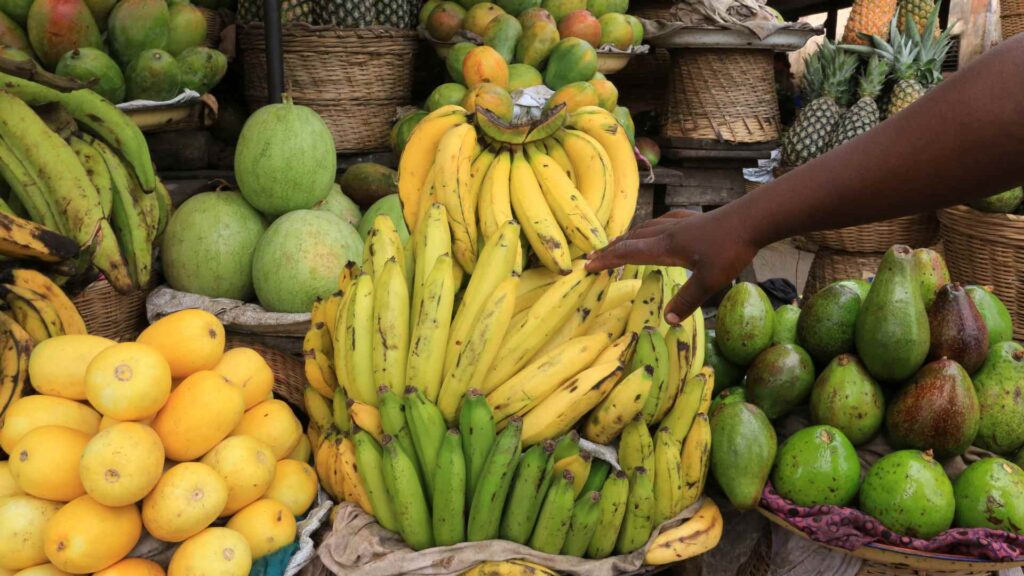
Lomé’s central market is the beating commercial heart of the city. Expect stacks of colorful wax-print fabric, beadwork, and everyday goods sold by the famous “Nana Benz” textile traders.
It is crowded and lively, so keep your bag zipped and your phone tucked away.
National Museum of Togo
A compact, worthwhile stop for context on Togo’s history and cultures. Displays cover traditional dress, musical instruments, pottery, and the country’s path through the colonial and independence eras.
Monument de l’Indépendance
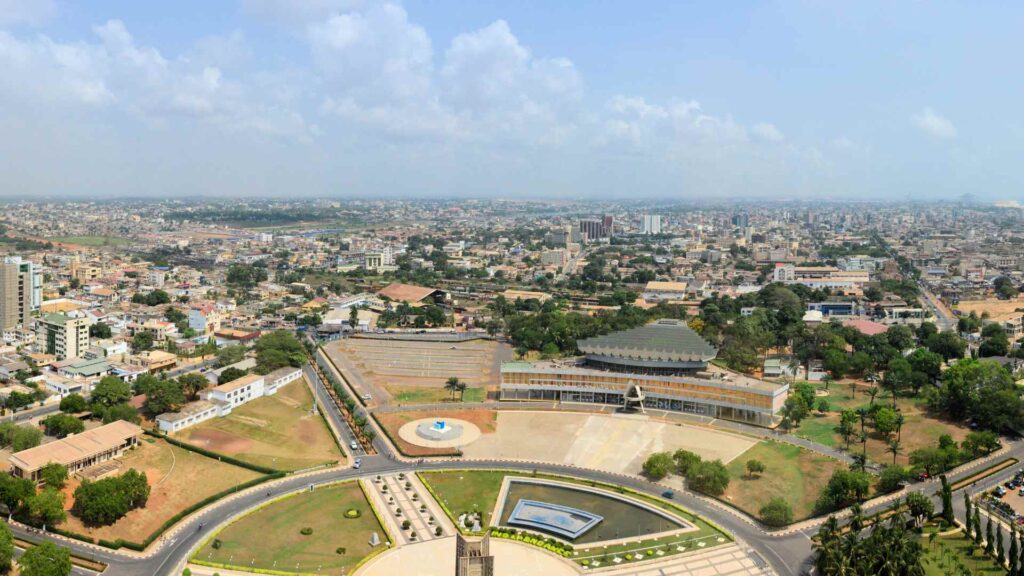
The Independence Monument marks Togo’s 1960 liberation from colonial rule. It sits in a central open plaza and makes for a quick, meaningful photo stop on a city tour.
Sacred Heart Cathedral (Lomé Cathedral)
This neo-Gothic cathedral in the city center dates from the German colonial period. Its red-and-white facade is one of Lomé’s most recognizable landmarks, and it sits handily near the Grand Marché.
The Boulevard du Mono and Lomé beach
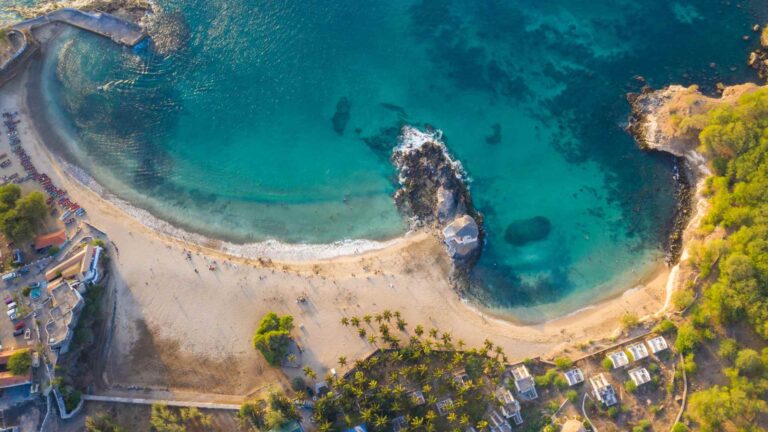
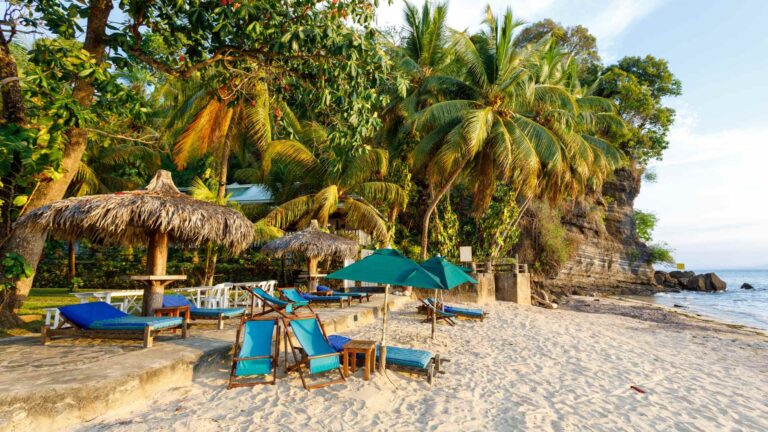
Lomé’s long, palm-lined coastal boulevard runs right along the Gulf of Guinea. It is a scenic drive for taking in the city’s beachfront, though the FCDO flags the beaches as a spot for petty theft, so stay alert.
Togoville, across Lake Togo
Togoville is a classic half-day trip east of the city, often reached by a small canoe across Lake Togo. Use an organized operator, confirm life jackets and weather conditions, and choose a road-based alternative if a low boat or wet landing does not suit your mobility.
Aného
About 28 miles east toward the Benin border, this former colonial capital has faded 19th-century architecture and a laid-back fishing-town feel. It works well combined with a Lake Togo excursion.
How I’d plan the day
Short call (about 4 hours): a guided city loop taking in the Akodessewa Fetish Market, the Sacred Heart Cathedral, and a drive along the beachfront boulevard.
Half day (about 5 to 6 hours): add the National Museum and the Grand Marché for a fuller sense of the capital.
Full day: trade most of the city center for Lake Togo and Togoville, adding Aného only if road conditions and the ship’s schedule leave a clear margin. Start back early because coastal traffic and port screening can consume the buffer.
A realistic word on accessibility
Lomé is a challenging port for anyone with limited mobility. The market areas are crowded and uneven, and step-free infrastructure is limited.
If accessibility matters, a private vehicle with a guide who can tailor the pace is the most comfortable option. Confirm specifics with your cruise line before the call.
When to go, and the weather
Lomé has a hot, humid tropical climate year-round. The main dry season runs roughly November to March and is the most comfortable window for a day ashore.
Pack light, breathable clothing, sun protection, and water. Most West Africa cruise itineraries call here during the northern-hemisphere winter.
Quick answers
Do ships dock or tender at Lomé?
Ships berth alongside at the Port Autonome de Lomé, a deep-water commercial port. Because it is an industrial harbor, you leave the port area by arranged transport.
What currency and language should I expect?
The West African CFA franc (XOF), and French. Carry enough CFA francs for small purchases because card acceptance can be limited or unreliable outside larger hotels and businesses.
Is it safe to explore on my own?
Lomé and the south sit at the State Department’s Level 2. Petty theft is common in markets and on beaches, so I would stick with an organized tour or a trusted guide.
How this guide was researched: Unless a first-hand visit is explicitly identified above, this guide is based on independent research using official port, tourism, transit, government, and attraction sources where available. Logistics and time-sensitive details were reviewed on September 10, 2026; see our Editorial Policy.