Africa Cruise Ports: A Region-by-Region Guide for Cruisers
Africa is not one cruise destination, it is four or five very different ones. I plan these trips by region, because a Canary Islands winter loop and a Cape Town safari sailing share almost nothing beyond the word “Africa.”
Here is how I would read the map before booking.
My quick take
Most Africa sailings fall into two buckets: winter-sun loops around the Canary Islands and North Africa, and seasonal or repositioning voyages down to Southern Africa and the Indian Ocean.
Pick the region first, then the ship. The Mediterranean touches Africa in the north, but the safari and spice-island trips are a wholly separate calendar.
The quick facts I plan around
- Four practical regions: North Africa and the Mediterranean, West Africa and the Atlantic islands, East Africa and the Indian Ocean, and Southern Africa.
- It is seasonal and repositioning-heavy: many itineraries only run when ships move between Europe, the Indian Ocean, and South Africa, so sailing dates are limited.
- Currency changes constantly: expect the euro in the Canaries, the Moroccan dirham, Egyptian pound, Kenyan and Tanzanian shillings, South African rand, and more.
- Tender vs dock varies by port: I confirm this per stop rather than assuming, and I check entry rules and current advisories before I book.
North Africa and the Mediterranean
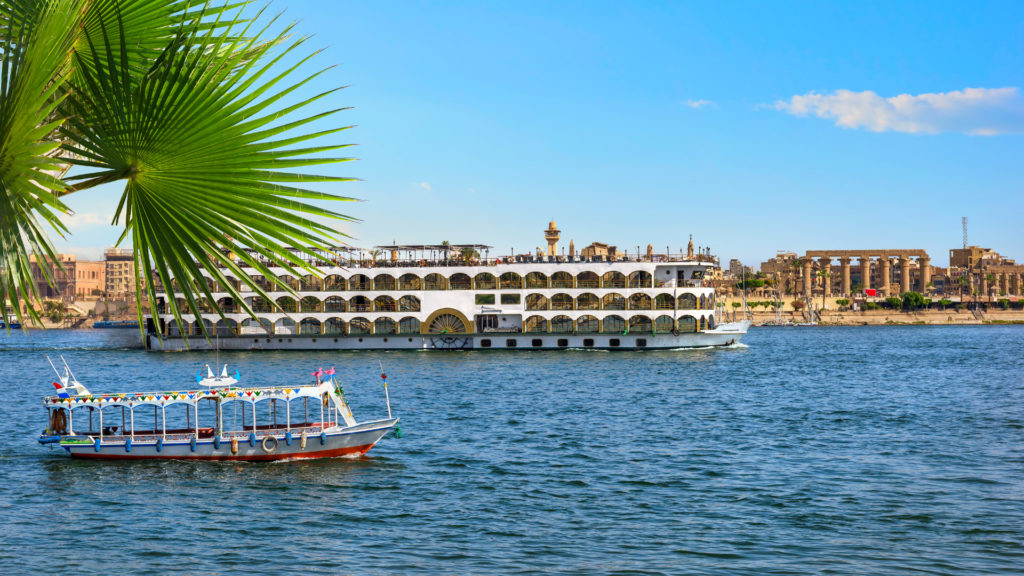
This is the Africa most cruisers meet first, usually as a stop on a wider Mediterranean or Canary Islands itinerary. It is history-dense, walkable in parts, and reliably served through the shoulder seasons.
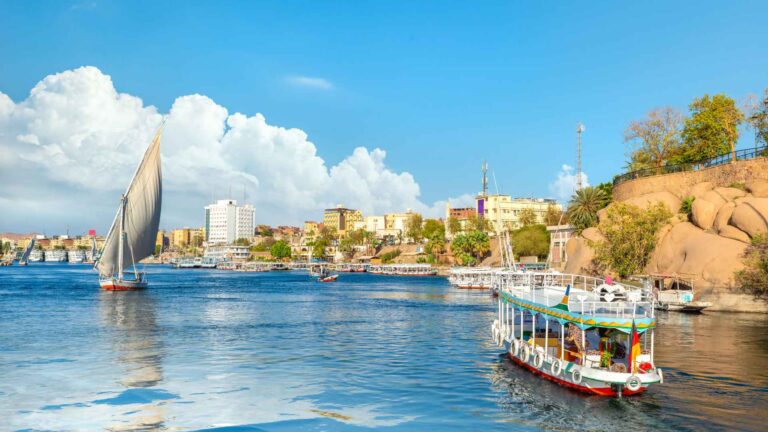
Egypt: Alexandria and the Red Sea
Alexandria is the classic Mediterranean gateway for Cairo, the Pyramids of Giza, and the Grand Egyptian Museum, commonly about 3 to 3.5 hours away once traffic is included. A ship excursion is the sensible choice, while the Bibliotheca Alexandrina, Citadel of Qaitbay, and catacombs make a much calmer local day.
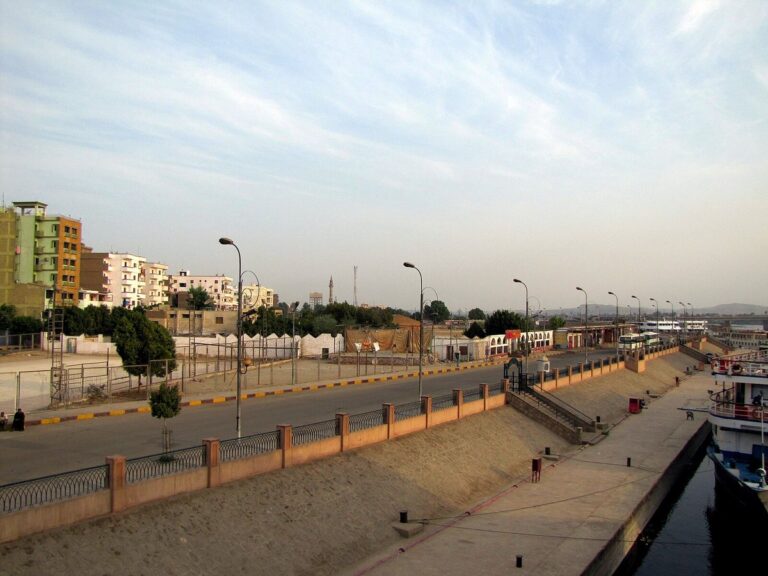
Red Sea ports like Safaga and Sokhna serve Luxor and Cairo on long highway trips. Safaga to Luxor commonly needs three to four hours each way, while Sokhna to Cairo is often about 1.5 to 2 hours before traffic; both belong on ship-operated or cruise-protected excursions.
Egypt requires careful document planning: visa handling can depend on nationality, port, and whether the line arranges a group shore pass. Confirm the rule with the cruise line before sailing, and do not bring a drone because Egyptian authorities restrict them.
Morocco: Casablanca, Tangier, and Agadir
Casablanca is the big-city stop, built around the vast Hassan II Mosque, which sits dramatically over the Atlantic. It is also the usual jumping-off point for the drive to Rabat or Marrakech.
Farther north, Tangier pairs an atmospheric medina with the cliffs of Cape Spartel. Down the Atlantic coast, Agadir leans beach-resort, with the Kasbah ruins and a long promenade.
Morocco’s official tourism office, Visit Morocco, is a good sanity check for opening days and what is realistically doable in port hours.
Tunisia: Tunis and Carthage
Ships berth at La Goulette for Tunis, and the headline sights are the ancient ruins of Carthage and the blue-and-white village of Sidi Bou Said. The Bardo Museum holds one of the world’s great Roman mosaic collections.
The medina of Tunis is a UNESCO-listed maze of souks and mosques. It rewards an unhurried morning on foot.
West Africa and the Atlantic islands
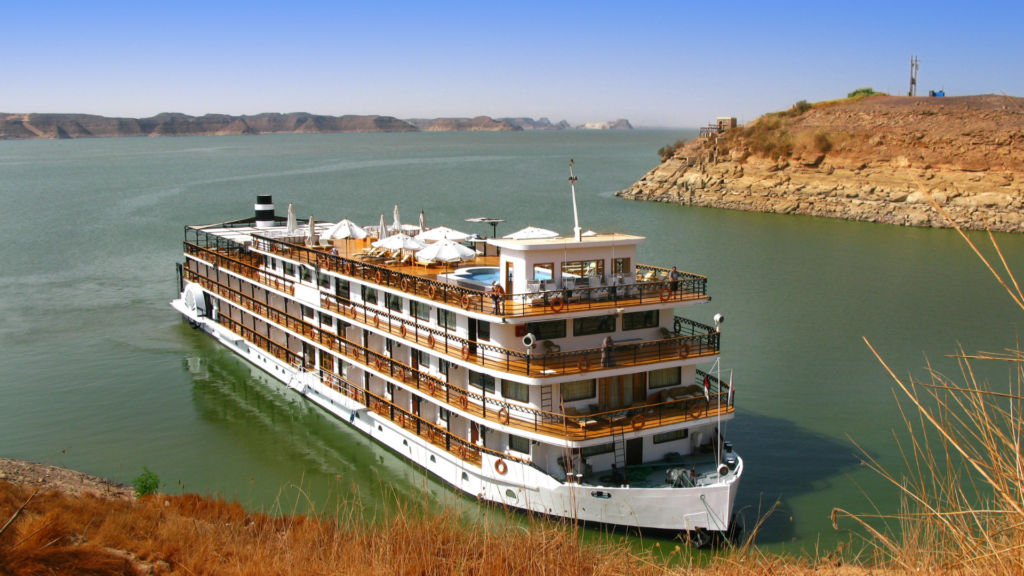
This band splits in two. The Atlantic islands off the coast are the mainstream cruise story, while the West African mainland is more of an expedition and repositioning route.
The Canary Islands
The Canaries are Spanish territory, but they sit just off the African coast and anchor the busy winter-sun cruise season. Santa Cruz de Tenerife is the flagship port, with Teide National Park a short drive inland.
Gran Canaria and Lanzarote round out most itineraries. This is the one African region with reliable, high-frequency sailings from Northern Europe and Spain.
Cape Verde and the mainland
Cape Verde’s Mindelo is a common repositioning stop, with a Portuguese-tinged waterfront and the Monte Verde viewpoint. It often appears on transatlantic and expedition routes rather than dedicated cruises.
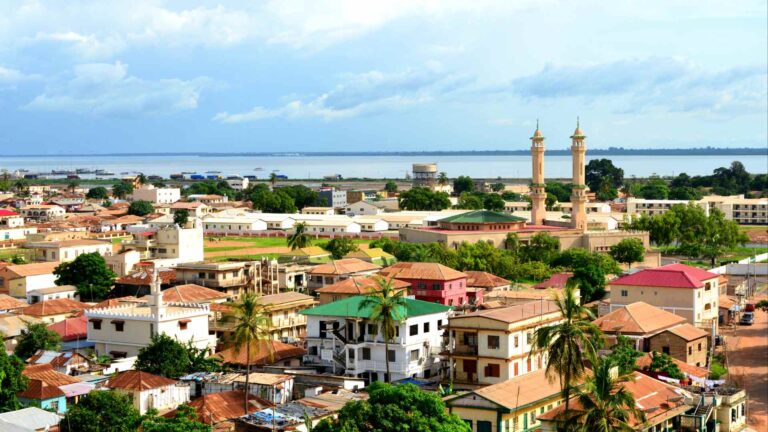
On the mainland, Dakar in Senegal is the most-visited call, with the sobering history of Goree Island just offshore. Ports farther along the Gulf of Guinea, such as Takoradi, Lome, and Banjul, tend to be expedition territory.
Parts of West Africa carry government travel advisories that change often. I always cross-check the UK FCDO advice or your own government’s guidance before booking a mainland call.
East Africa and the Indian Ocean
This is the safari-and-spice side of the continent, plus a cluster of Indian Ocean island nations. It runs on the Southern Hemisphere calendar, so the prime window is roughly the local dry season.
Zanzibar and the Kenyan and Tanzanian coast
Zanzibar is the marquee stop, with UNESCO-listed Stone Town, spice-farm tours, and Nungwi’s beaches. It is genuinely one of the more rewarding single days in African cruising.
Mombasa in Kenya adds Fort Jesus, while Tsavo is a long safari day that I would attempt only on a cruise-protected excursion. Dar es Salaam is another mainland call for the National Museum or a planned trip toward Bagamoyo, but traffic makes a focused route essential.
The Indian Ocean islands
Port Louis in Mauritius is the busiest island port, mixing the Caudan Waterfront with the Pamplemousses Botanical Garden and the Seven Coloured Earths at Chamarel. It anchors many Indian Ocean loops.
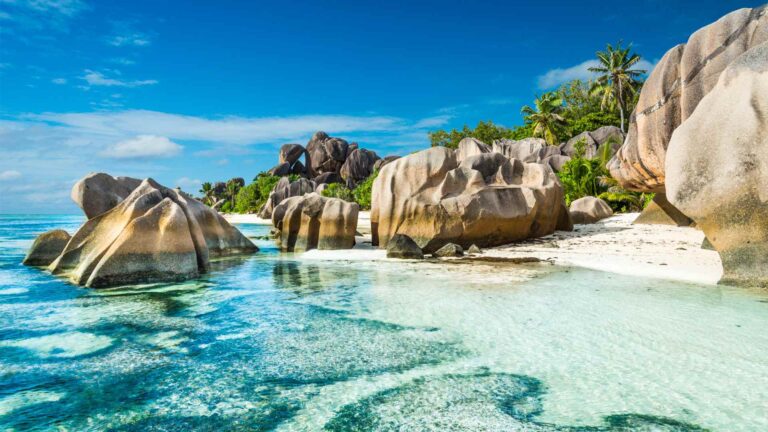
The Seychelles add Victoria and Praslin, the latter home to the UNESCO-listed Vallee de Mai and the beach at Anse Lazio. Nosy Be, off Madagascar, brings lemurs and Lokobe reserve into the mix.
Southern Africa
Southern Africa is the region I would build a whole trip around rather than treat as a stop. The season runs roughly October to May, when ships base in the region for the Southern Hemisphere summer.
Cape Town and Durban
Cape Town is the standout. The cruise terminal sits about a five-minute walk from the V&A Waterfront, with Table Mountain and Robben Island within easy reach, per the V&A Waterfront.
Durban is the subtropical counterpoint, with the Golden Mile beachfront, uShaka Marine World, and a strong Zulu and Indian cultural mix. For the full picture, see the wider South Africa ports guide.
Beyond South Africa
Port Elizabeth, now Gqeberha, is the safari gateway near Addo Elephant National Park. Namibia’s Walvis Bay adds desert dunes and wildlife, and Maputo in Mozambique brings a Portuguese-influenced capital with a landmark early-20th-century railway station.
These calls are usually strung together on longer regional or repositioning voyages. They reward travelers who want landscape and wildlife over city sightseeing.
Berths, bags, and accessible planning
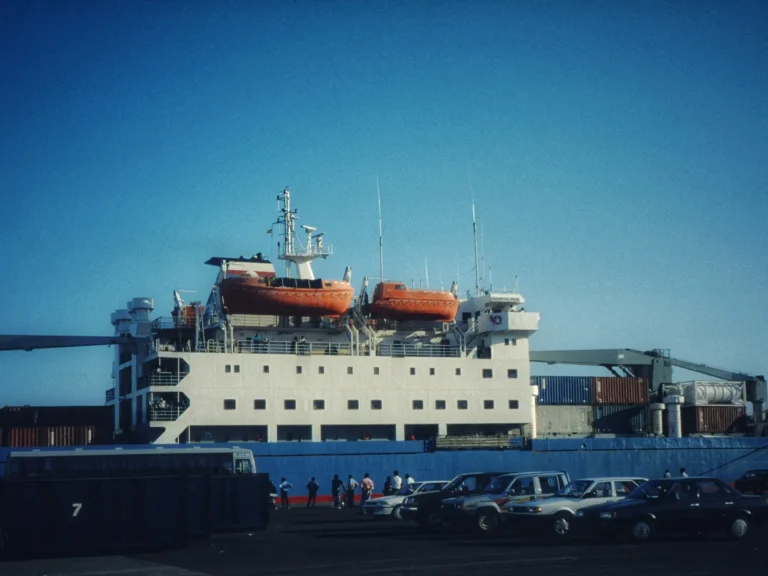
Many African cruise berths sit inside cargo ports, and “dock” does not mean “walk into town.” Follow the ship’s shuttle to the authorized gate in Casablanca, Dakar, Abidjan, Lomé, Mombasa, Durban, and similar working ports, then meet a prebooked driver at the location named in the arrival notice.
Tender calls such as smaller Indian Ocean islands add steps, moving platforms, and possible wet landings. Ask about tender eligibility, adapted vehicles, accessible restrooms, and surface conditions before booking, because an attraction labeled accessible may still be unreachable from the ship.
A port call is not the time to carry embarkation luggage, and most terminals do not offer dependable public storage. Keep a light day bag with medicine, documents, water, and sun protection, while valuables stay concealed and under your control.
Planning honestly: money, safety, and timing
Africa cruising rewards a little homework. Two things matter more here than in most regions: the calendar and current advisories.
- Timing: North Africa and the Canaries suit fall through spring, Southern Africa’s main cruise season is roughly October to May, and Indian Ocean weather varies by island. Check cyclone, monsoon, and rainy-season patterns port by port.
- Safety: a scheduled cruise call does not override a government advisory. Check the U.S. State Department or your own government for every country, then follow any route and transport restrictions in the cruise line’s current plan.
- Money and entry: currencies, visas, and health-document rules differ by nationality, port, and recent travel history. Confirm them with the official immigration authority and your cruise line, including whether a yellow-fever certificate is required.
- Excursions: for long inland trips like Cairo or a safari, a well-run tour buys you the timing buffer you need to make it back aboard.
Quick answers
When is the best time to cruise Africa?
It depends on the region. North Africa and the Canaries are best in the cooler shoulder seasons, while Southern Africa and the Indian Ocean run in the Southern Hemisphere summer, roughly October to May.
Why are there so few dedicated Africa cruises?
Many itineraries are repositioning voyages, running only when ships move between Europe, the Indian Ocean, and South Africa. That keeps sailing dates limited outside the Canary Islands.
Do I need visas for an African cruise?
Sometimes, and it varies by country and nationality. Check requirements for every port with your cruise line and the relevant embassy before you sail.
How this guide was researched: Unless a first-hand visit is explicitly identified above, this guide is based on independent research using official port, tourism, transit, government, and attraction sources where available. Logistics and time-sensitive details were reviewed on September 10, 2026; see our Editorial Policy.