Dakar Cruise Port: A Cruiser’s Guide to Senegal
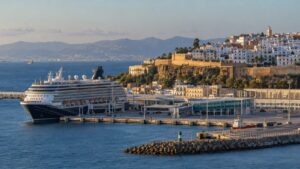
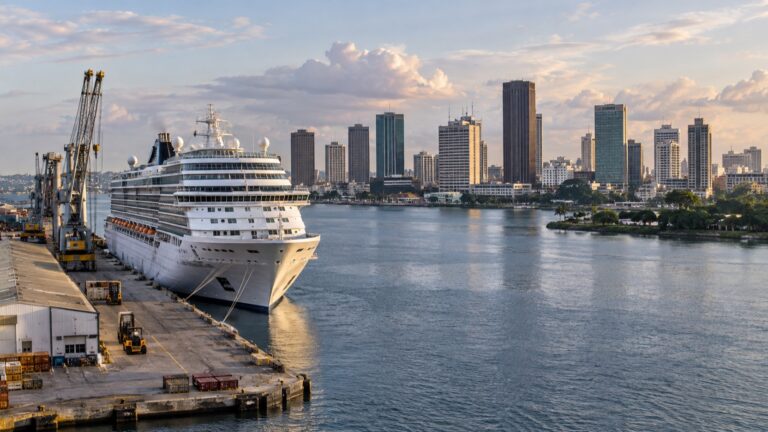
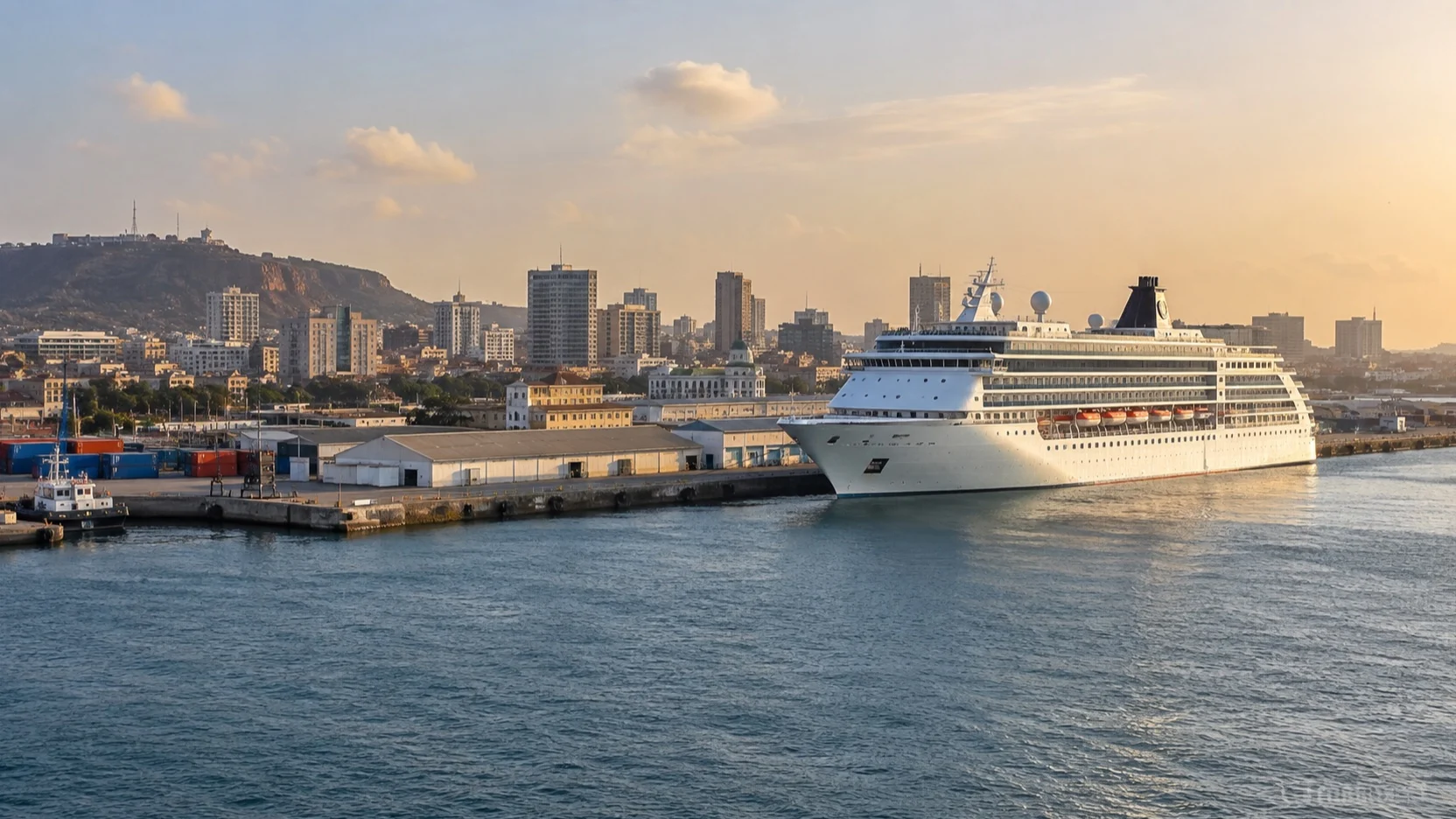
Dakar sits at the westernmost tip of Africa, and it lands you right in the heart of Senegal’s capital. Ships tie up at the Port of Dakar, a short hop from downtown.
Here is how I would plan a rich, respectful day ashore.
My quick take: Dakar is a big, energetic African capital, not a polished resort port, and that is exactly the appeal. Come for Ile de Goree and the culture, keep your day loosely guided, and you will love it.
The quick facts
- Where you land: the Port of Dakar, run by the Port Autonome de Dakar, on the city’s eastern edge right beside downtown. It is a working commercial port with uneven surfaces.
- Dock or tender: Ships berth alongside here, so you walk off, no tender.
- Into town: Downtown and Place de l’Independance are close, roughly a 10 to 15 minute taxi depending on your berth and which security gate you exit.
- Currency and language: The West African CFA franc (XOF), with French the main language and Wolof widely spoken.
- Time zone: Greenwich Mean Time (GMT, UTC+0).
- How often the call is missed: Low (under 1%): the sheltered berth is rarely limited by local weather.
A current word on safety
The U.S. State Department lists Senegal at Level 1, Exercise Normal Precautions; the current advisory was issued December 1, 2025. Casamance carries a Level 2 warning and lies far south of Dakar, but petty crime and demonstrations still require normal city awareness in the capital.
The main things to plan around are petty crime (pickpocketing, bag-snatching in crowds) and occasional political demonstrations that can block roads. The UK FCDO safety advice for Senegal is worth a five-minute read before you sail.
My simple rules: keep valuables out of sight, use licensed taxis or a booked guide, and if you hear about a protest, stay clear and get back to the ship early.
Getting around
Dakar is a controlled working port, so take the ship shuttle or marked route to the authorized gate and meet taxis or guides at the stated pickup area. Street taxis generally are not metered, so agree the total fare and currency before getting in and carry small CFA notes.
For a first visit I would book a guided tour or a private driver for the day. Dakar’s traffic and layout make a local at the wheel the difference between a smooth stop and a stressful one, and guided tours are the norm here.
The Gorée ferry plan
The passenger ferry leaves from Dakar’s city terminal, not the cruise berth, and ticketing plus security can add time. Carry the identification your operator or cruise line specifies, verify the official schedule on the day, and do not build the plan around the final ferry that could make all-aboard.
For an independent visit, take an early sailing and choose a return at least one departure earlier than the last one that appears workable. A guided ship excursion costs more but is the better choice when the call is short or the ferry timetable leaves only one safe return.
Gorée deserves a respectful half-day, not a rushed photo loop. Confirm the Maison des Esclaves opening hours for your date, because museum closure does not cancel the island ferry but does change the core visit.
Heads up: some links below are affiliate links. If you book through one, I may earn a commission at no extra cost to you. It never changes which hotels or tours I recommend. Full disclosure.
The stops I’d actually spend time on
Dakar rewards focus over box-ticking. Here are the places I would build a day around, all real and easy to confirm with your cruise line or guide.
1. Ile de Goree
This is the one unmissable stop. A short passenger ferry from central Dakar reaches Ile de Goree, a UNESCO World Heritage Site tied to the Atlantic slave trade.
The Maison des Esclaves (House of Slaves) is a moving, sobering place, and the car-free island of pastel colonial houses is beautiful in its own right. Give it a half-day and go with respect.
2. Monument de la Renaissance Africaine
The African Renaissance Monument towers over the Collines des Mamelles in Ouakam. Fun fact: at roughly 164 feet, the bronze figure stands taller than the Statue of Liberty’s copper statue.
An interior visit and elevator access may be offered, but operations can change, so treat the exterior and viewpoint from the base as the dependable experience. The hill, steps, and heat matter more than the short map distance suggests.
3. Lac Rose (Lake Retba)
The famous pink lake sits northeast of the city, its color driven by salt-loving algae and heavy salinity. A heads-up: the pink varies with the season, light and rainfall, and in recent years it has often looked far less vivid, so manage expectations.
You can watch salt harvesters at work and ride out over the dunes. It is a longer excursion, so it usually fills a big chunk of the day.
4. Marche Kermel
This restored colonial-era market hall near downtown is a gentle introduction to Dakar shopping. Expect flowers, produce, spices and crafts under a handsome circular roof.
5. Marche Sandaga
Sandaga is the big, buzzing central market for fabrics, textiles and souvenirs. It is intense and crowded, so keep your bag close and go with a guide if you are new to this kind of market.
6. Musée Théodore Monod d’Art africain
This IFAN museum sits near Place de l’Indépendance and holds masks, textiles, sculpture, and other works from West Africa. Check the current opening calendar before relying on it as the anchor of a short call.
7. Museum of Black Civilizations
This modern, striking museum (Musee des Civilisations Noires) opened in 2018 and celebrates African history and creativity across the continent. The airy architecture is part of the draw.
8. Grand Mosque of Dakar
One of the city’s landmark buildings, the Grand Mosque’s tall minaret is a fixture of the skyline. Admire it from outside and dress modestly; any interior visit depends on prayer times and local guidance.
9. Soumbedioune fish market
On the western Corniche, Soumbedioune is where painted pirogues land the day’s catch and an artisans’ village sells carvings and crafts. Late afternoon, as the boats come in, is the atmospheric time to visit.
10. Phare des Mamelles and the Corniche
The Mamelles lighthouse crowns a hill with wide views over the peninsula, and the coastal Corniche road strings together beaches and viewpoints. It pairs naturally with the Renaissance Monument nearby.
11. Bandia Wildlife Reserve
If you crave a mini-safari, this fenced reserve southeast of Dakar has giraffes, rhinos, antelope and giant baobabs. It is a long transfer, so it works best as a full-day, guided outing rather than a quick add-on.

How I’d plan the day
Short stop (about 3 to 4 hours): stay central. Do the IFAN Museum or Museum of Black Civilizations, walk Place de l’Independance, and browse Marche Kermel, then head back with time to spare.
Half-day (about 5 to 6 hours): commit to Ile de Goree. The ferry plus a proper look at the Maison des Esclaves and the island is a rewarding, self-contained morning.
Full day (about 8 hours): pair Goree in the morning with the Renaissance Monument and a Corniche drive in the afternoon. Or trade Goree for Lac Rose or Bandia if you want nature over history.
Whatever you pick, build in a generous return buffer. Dakar traffic is unpredictable, and you never want to be racing a ferry back to catch all-aboard.
A realistic word on accessibility
Dakar is challenging for anyone with limited mobility. The port itself is industrial, footpaths are uneven, and headline sights like Goree (a ferry and cobbled lanes) and the monument (steps and a hilltop) are not step-free.
If steps are an issue, a private car with a driver and a hand-picked, gentler itinerary is the way to go. Confirm specifics with your cruise line’s shore-excursion desk.
When to go, and the weather
Most cruise calls land in the cooler, drier stretch from roughly November to April, which is the pleasant time to be ashore. The summer and early fall months are hotter and bring the rainy season.
Whenever you visit, bring sun protection and water, and dress modestly out of respect for local custom.
Quick answers
Do ships dock or tender in Dakar?
Ships dock alongside at the Port of Dakar, so there is no tender. You still leave through a controlled working-port route and may need a shuttle to the authorized gate.
Can I see Ile de Goree in one day?
Yes. It is a short passenger ferry from central Dakar and works well as a half-day visit.
What money do I need?
The West African CFA franc (XOF), in cash. Bring small bills, use an ATM or official exchange office, and do not assume a taxi or market stall will take a card.
For more West Africa planning, see my guides to Banjul and Mindelo, or step up the coast to Casablanca. First timers may also like my roundup of walkable cruise ports.


How this guide was researched: Unless a first-hand visit is explicitly identified above, this guide is based on independent research using official port, tourism, transit, government, and attraction sources where available. Logistics and time-sensitive details were reviewed on September 10, 2026; see our Editorial Policy.