Banjul Cruise Port: A Practical Guide to The Gambia
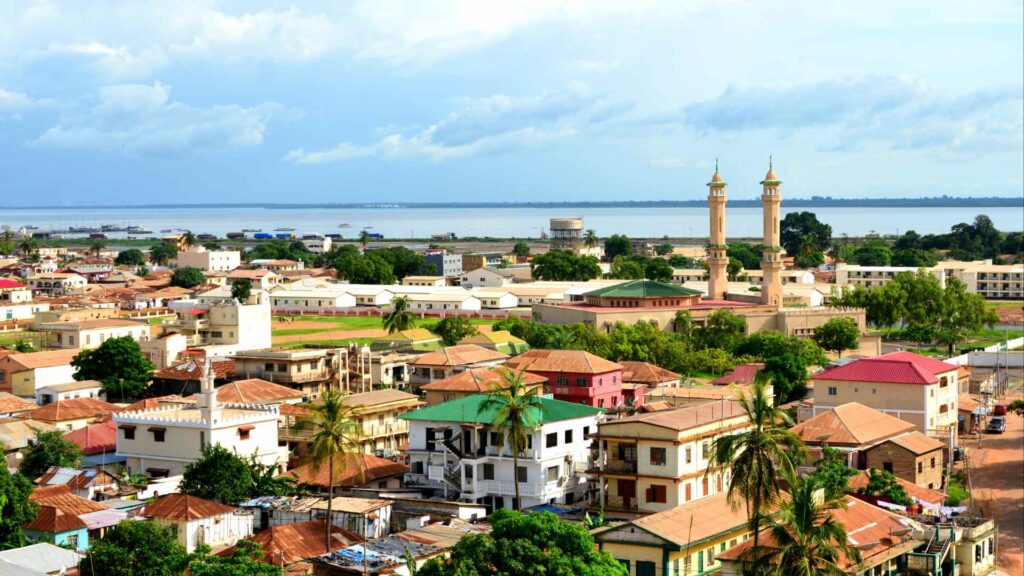
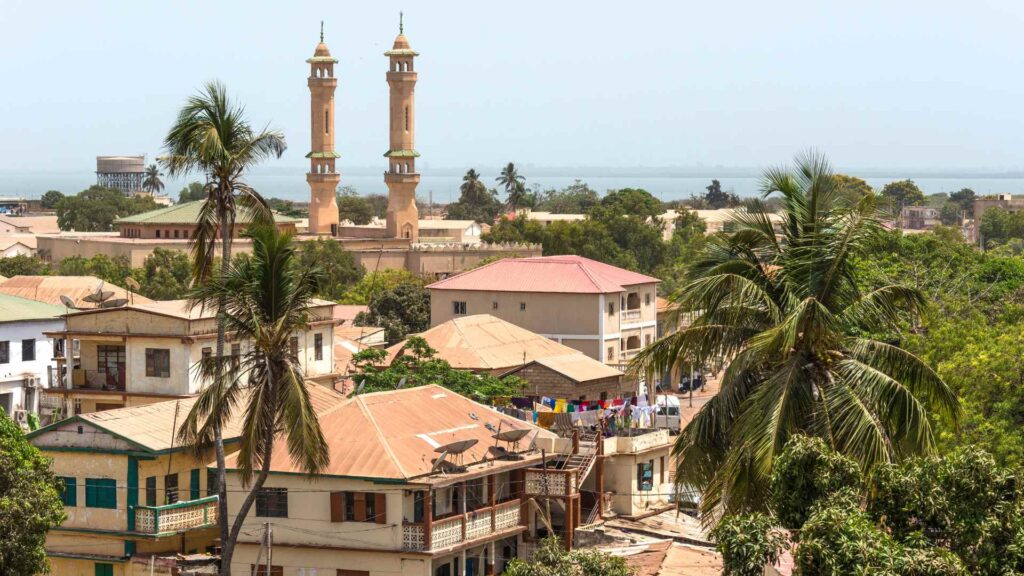
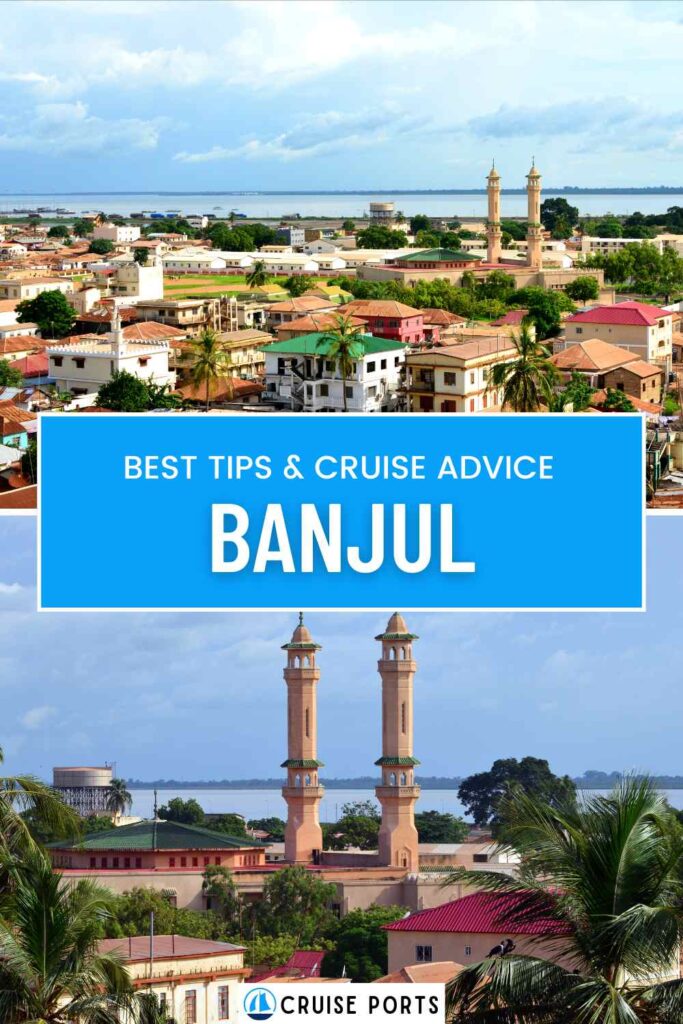
Banjul is a small-ship gateway to Gambian history, wildlife, and the communities along the river. The best day starts with one clear route rather than an improvised walk from the working port.
My quick take
Banjul rewards planning over wandering. The headline experiences (Kunta Kinteh Island, the crocodile pool, birding reserves) sit outside the compact city, so book a guide or driver and treat this as a touring day.
If you like this kind of West African river call, my Dakar guide pairs well, and first-timers may want my first-timer port tips.
The quick facts
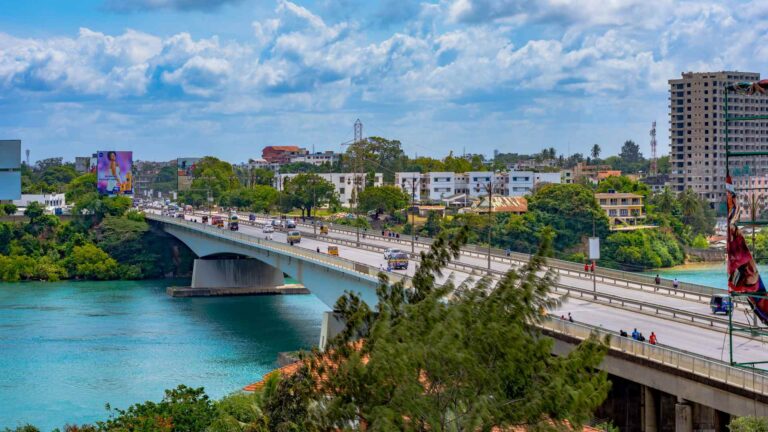
- Where you land: the Port of Banjul, the country’s working commercial harbor run by the Gambia Ports Authority, on the estuary of the Gambia River about 26 nautical miles from the open Atlantic. The quay sits on the northern edge of the city center.
- Dock or tender: Ships normally berth alongside in the cargo port, although the assigned quay and any secure-area transfer are confirmed for each call.
- Into town: Central Banjul is close, with Albert Market roughly half a mile from the gate, but it is an industrial working port.
- Currency and language: The Gambian dalasi (GMD), and English as the official language, which makes arranging taxis and tours refreshingly straightforward.
- Time zone: Greenwich Mean Time (GMT, UTC+0) all year.
- How often the call is missed: Low (roughly 1 to 2%): channel conditions or strong currents can prevent safe entry.
Fun fact for your table at dinner: The Gambia is the smallest country in mainland Africa, a narrow sliver of land following the river inland.
A current safety note worth reading
The U.S. State Department currently places The Gambia at Level 2, Exercise Increased Caution. The advisory cites petty street crime, limited health infrastructure, and occasional unrest near the southern border with Senegal’s Casamance region.
For a cruise day this is manageable: stick to guided tours or a trusted driver, watch your belongings in crowded markets, and check the latest advisory before you sail.
Getting around from the port
Because everything memorable is spread out, I would not wing it here. A pre-booked half or full-day tour is the most reliable way to see Banjul and its surrounds in a single call.
If you prefer independence, negotiate the taxi fare before you get in and agree a rough itinerary with your driver. English makes this easy, and a driver for the day is often the simplest way to link the crocodile pool, a market, and a nature reserve.
Note that Kunta Kinteh Island is reached by boat up the river, so it usually means a dedicated organized excursion rather than a quick taxi hop.
Heads up: some links below are affiliate links. If you book through one, I may earn a commission at no extra cost to you. It never changes which hotels or tours I recommend. Full disclosure.
The stops I’d actually spend time on
Every place below is a real, verifiable site featured by the official Visit The Gambia tourism board or listed by UNESCO. Pick three or four that suit your interests rather than chasing all of them.
Kunta Kinteh Island
Formerly James Island, this is a UNESCO World Heritage Site inscribed in 2003 for its testimony to the transatlantic slave trade and its abolition. It became a pilgrimage point after Alex Haley’s “Roots” traced ancestry here.
You reach the small island by boat up the Gambia River. The fort ruins are modest, but the history and the setting are the reason to come.
Kachikally Crocodile Pool, Bakau
A sacred pool where trained handlers let visitors get close to habituated Nile crocodiles. Fun fact: the official tourism board bills it as one of the few places in the world you can pet a fully grown adult crocodile.
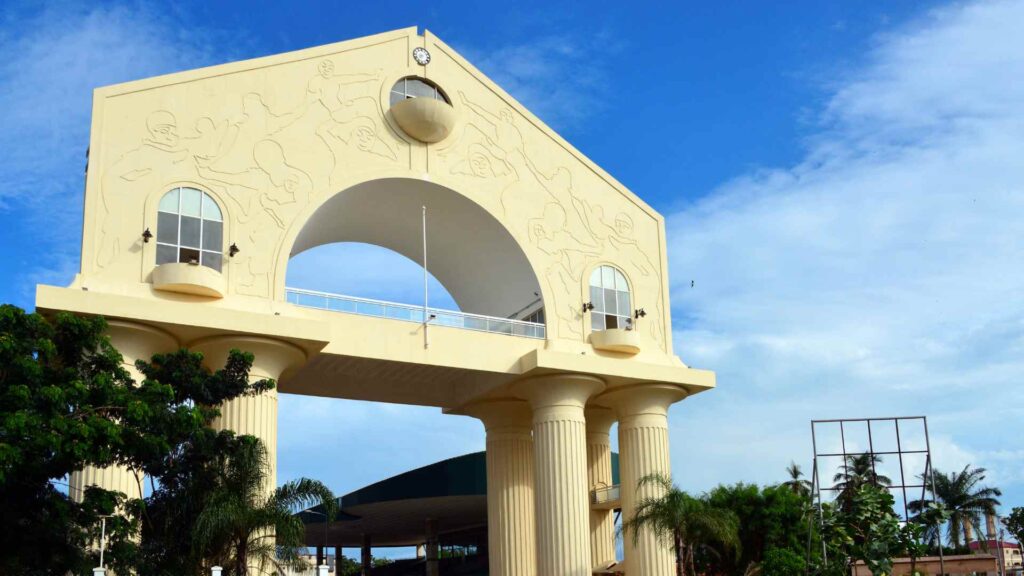
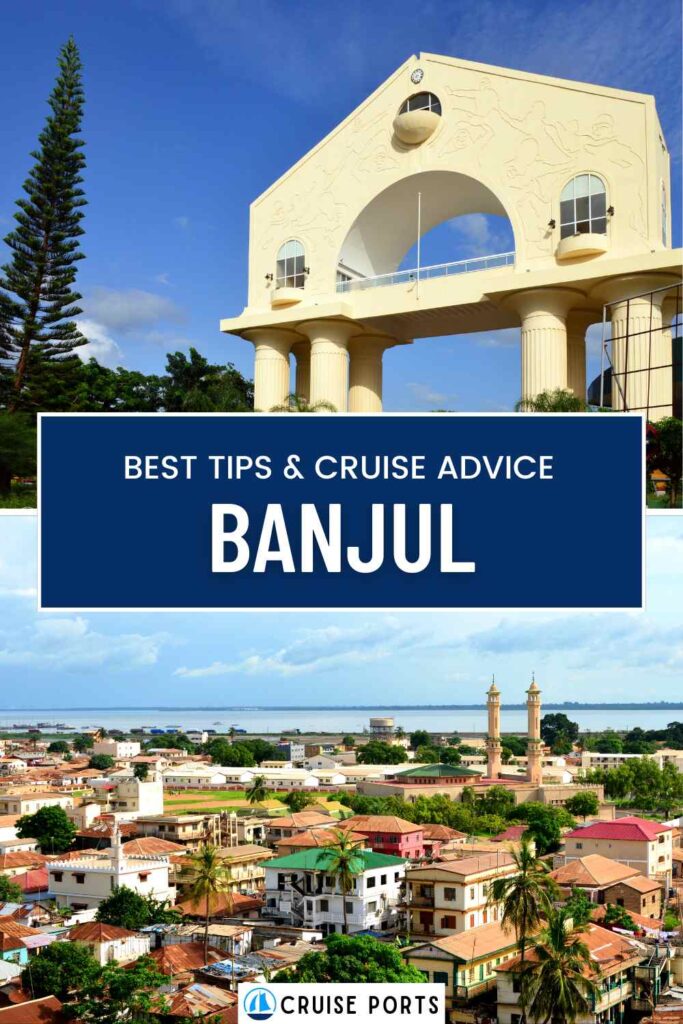
Arch 22
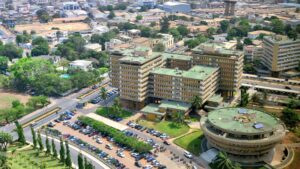
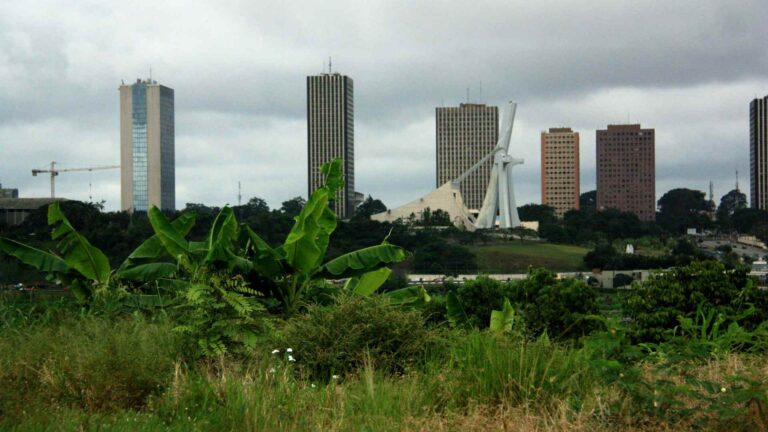
The towering ceremonial gateway on the edge of Banjul, a common stop on city tours. Climb for a panorama over the capital and the river.
Albert Market
Banjul’s central market and shopping hub, a dense warren of fabric, produce, and craft stalls. Go early, carry dalasi, and expect to bargain.
National Museum of The Gambia
A compact museum in central Banjul covering the country’s history and culture. It is an easy add-on to an Arch 22 and Albert Market city loop.
Abuko Nature Reserve
The Gambia’s first protected area, with shady forest trails, monkeys, and abundant birdlife. It is one of the most accessible wildlife stops from the coast.
Tanji fishing village and bird reserve
A working fishing beach where brightly painted pirogues land the daily catch, alongside the adjacent Tanji Bird Reserve. It is colorful, lively, and very photogenic.
Makasutu Culture Forest
A private eco-reserve of forest and mangrove with canoe trips and cultural experiences. Its lodge was once voted a top eco lodge by the Sunday Times.
River Gambia National Park
An upriver park known for its chimpanzee rehabilitation project and river wildlife. It is a long trek from the coast, so it suits full-day, ship-organized excursions only.
Kololi and Senegambia beaches
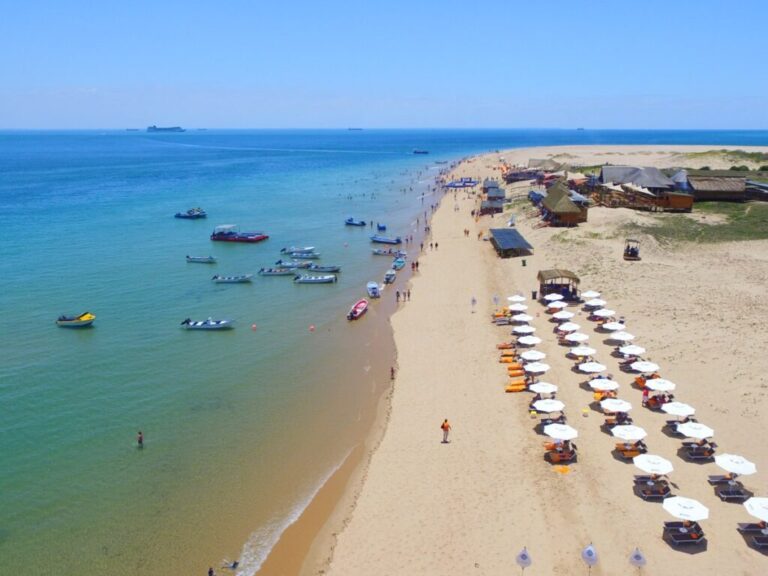
The Atlantic resort strip south of Banjul, with sandy beaches and beach bars. It is the easy choice if you just want sand and a relaxed lunch.
Birdwatching deserves its own mention: The Gambia is a genuinely famous birding destination, and guided birding trips are a real draw for many cruisers.
How I’d plan the day
- Short call (about 4 hours): A city loop of Arch 22, the National Museum, and Albert Market, plus the Kachikally Crocodile Pool in nearby Bakau.
- Full day (about 7 hours): Add Abuko Nature Reserve or a Tanji fishing village and beach stop, with time for a relaxed local lunch.
- History focus: Commit the day to the Kunta Kinteh Island river excursion, which is time-consuming but the most meaningful thing you can do here.
Whatever you pick, build in a generous return buffer. Distances are short on a map but slow in practice, so give yourself margin against all-aboard time.
When to go, and the weather
The dry season, roughly November to June, brings warm, sunny days and is the main window for cruise calls. Pack light, breathable clothing and sun protection.
The wetter months are hot and humid with heavier rains. This is also prime birding territory, so binoculars earn their space in your day bag.
A realistic word on accessibility
This is a working cargo port, and many of the best sites involve uneven ground, boat transfers, or forest trails. If mobility is a concern, discuss a private accessible tour with your cruise line well in advance.
The Kololi beach strip and a straightforward city drive are the gentlest options on a limited-mobility day.
Quick answers
Do ships dock or tender at Banjul?
Banjul is a commercial cargo port where cruise ships generally berth alongside. The exact arrangement varies by ship, so confirm with your cruise line.
What currency should I bring?
The Gambian dalasi, in small denominations for markets and taxis. Card acceptance is limited away from major hotels.
Is it easy to explore on my own?
English is the official language, which helps, but the top sites are spread out and it is a Level 2 destination. A guided tour or an agreed-price driver is the smoothest choice.
For more tender and small-port planning, see my guide to easy port days and walkable cruise ports.
Choose one realistic route
Choose Kunta Kinteh Island for the strongest history focus, but expect road and boat segments and make it the main event. Choose Bakau, Kachikally, and a coastal stop for a shorter day with more flexibility.
Abuko or a reputable birding reserve suits nature lovers who prefer less time on the river. River Gambia National Park is too far inland for an ordinary cruise call, so save it for a land itinerary.
The port-to-tour chain
Follow the ship’s instructions through the secure cargo area and meet only a prearranged guide or authorized driver. Confirm whether the quoted price includes the boat, admissions, waiting time, and a guaranteed port return.
Plan to reach the port gate 90 minutes before all-aboard after an independent regional tour. Boat conditions, ferry timing, checkpoints, and city traffic all make a tight final hour a poor gamble.
Entry, health, and access
Visa, passport-validity, and vaccination rules depend on nationality and routing, so check Gambian immigration guidance and the cruise line before sailing. Ask a travel-health clinician about malaria prevention and yellow-fever documentation well before departure.
The city has uneven roads, heat, and limited step-free infrastructure, while small boats and nature trails add more barriers. Travelers with limited mobility should arrange a private vehicle and get written details about boarding and restrooms.
How this guide was researched: Unless a first-hand visit is explicitly identified above, this guide is based on independent research using official port, tourism, transit, government, and attraction sources where available. Logistics and time-sensitive details were reviewed in September 2026; see our Editorial Policy.