What Should You Do When Rain Is Forecast for Your Port Day?
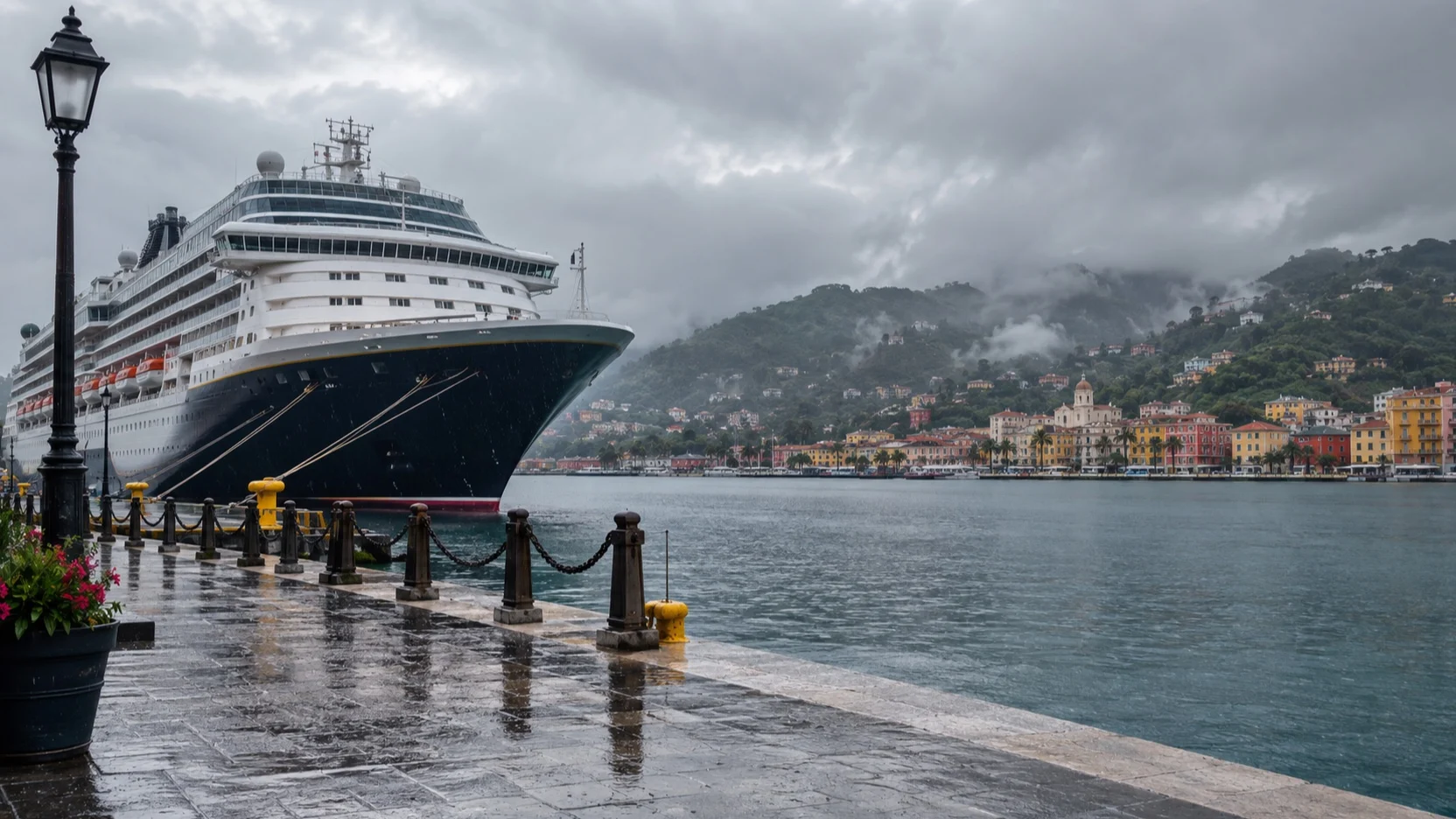
Rain does not have to ruin a cruise port day, but it should change the plan before you step off the ship. The smartest response is to separate ordinary rain from dangerous weather, then build an indoor anchor, a flexible outdoor option, and a simple retreat.
I do not cancel a port day because one app shows a rain icon. I check when the rain is expected, how heavy it may be, whether lightning or flooding is possible, and which parts of the original plan become unsafe or unpleasant.
Rainy Cruise Port Day Quick Facts
- Check timing: An hourly forecast is more useful than a single daily rain percentage.
- Use three backup levels: Light-rain plan, heavy-rain plan, and severe-weather retreat.
- Choose one indoor anchor: A museum, market, church, aquarium, food tour, or covered historic site can give the day structure.
- Treat lightning seriously: Move into a substantial building or hard-topped vehicle when thunder is present.
- Avoid floodwater: Never enter a flooded street, trail, underpass, or moving water to save an itinerary.
- Protect your footing: Wet stone, metal gangways, roots, and painted decks can become slippery.
- Allow extra return time: Traffic, ferries, tenders, and walking all slow in bad weather.
- Read cancellation terms: Rain alone may not qualify for a refund if the operator still runs the activity.
Start With the Hourly Forecast
A daily rain symbol can describe anything from a brief shower to an all-day storm. Look at the hourly forecast, radar when available, precipitation intensity, temperature, wind, lightning risk, and official warnings.
Use the official national weather service for the destination whenever possible. A familiar global app is useful for an overview, but local agencies usually provide the most relevant alerts and regional detail.
Recheck after the ship arrives because coastal and mountain weather changes quickly. Your captain, port authority, tour operator, and local emergency agencies may have newer operational information than the forecast you downloaded the night before.
Build Three Versions of the Day
Your light-rain plan can keep most of the original route with better clothing and shorter outdoor stretches. Move the most exposed viewpoint, garden, or walking segment into the driest forecast window.
Your heavy-rain plan should center on one substantial indoor attraction and a nearby meal. Avoid a schedule that requires repeated taxi rides or long walks between unrelated buildings.
Your severe-weather retreat may be a short visit close to the terminal or staying aboard. Lightning, flash flooding, dangerous wind, landslide risk, or official closure notices are safety issues rather than inconveniences to overcome.
Choose an Indoor Anchor
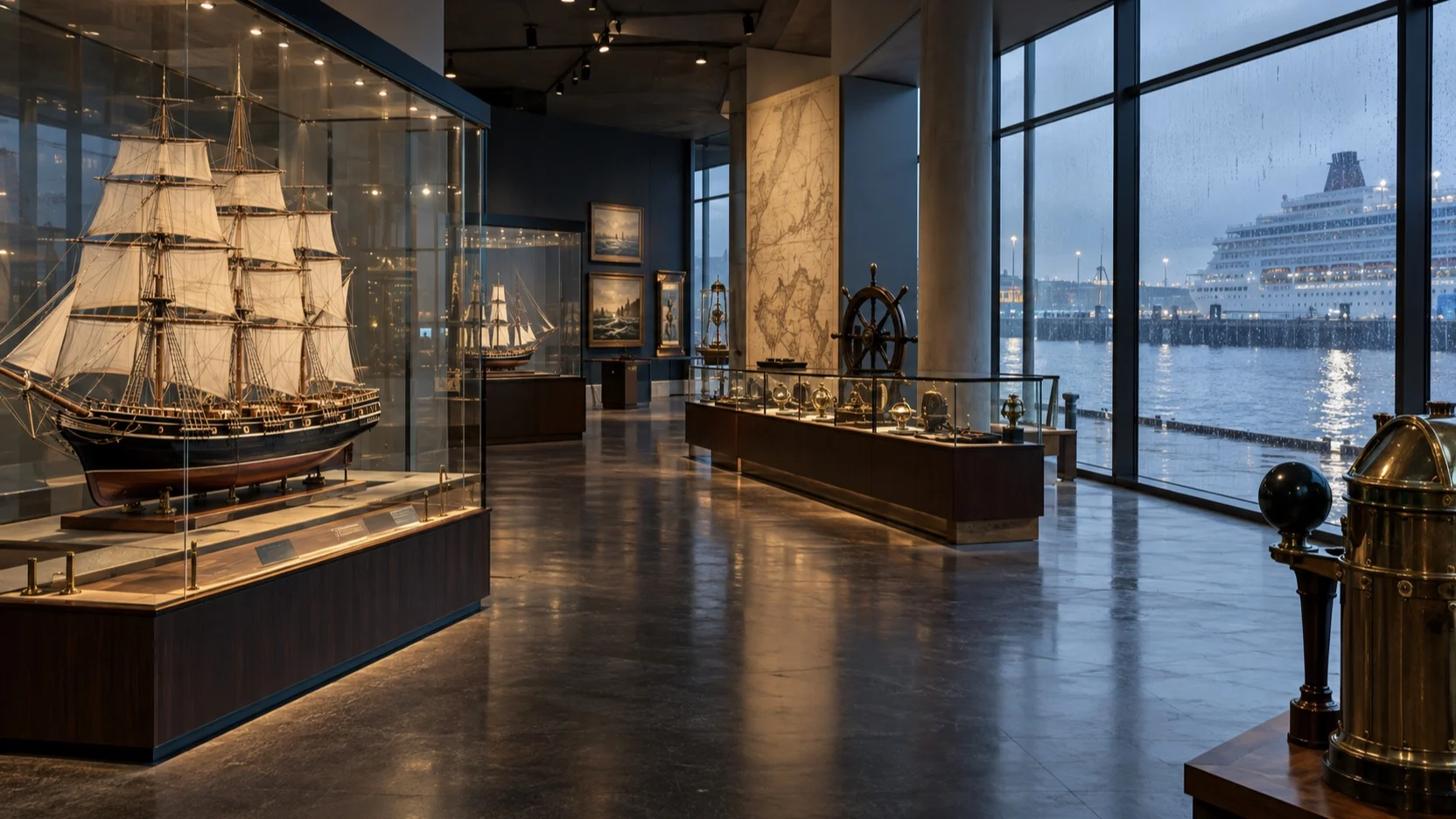
A good indoor anchor gives the day a purpose without trapping you far from the ship. Museums, aquariums, covered markets, historic churches, cultural centers, food experiences, and scenic train rides can all work if their current operations suit the conditions.
Check opening hours and ticket availability on the attraction’s official website. Rain pushes many passengers toward the same indoor places, so walk-up entry that seemed easy yesterday may be sold out by midmorning.
Pick optional stops on the route back to the port. If the weather deteriorates, you can skip them without crossing the city again or risking the return buffer.
Rain, Thunderstorms, and Flooding Are Different
Steady rain mainly changes comfort, visibility, surfaces, and travel time. Thunderstorms introduce lightning and sudden wind, while intense rain can create flash flooding even beyond the area where rain is currently falling.
The National Weather Service advises moving to safe shelter during lightning. An open beach shelter, isolated tree, overlook, boat deck, or exposed cable-car platform is not a substitute for a substantial building or hard-topped vehicle.
Floodwater can hide a missing road surface, deep hole, strong current, or electrical hazard. Do not walk or drive through it, and never enter a canyon, dry riverbed, tunnel, or low trail when officials warn of flash flooding.
How Rain Affects Tender Ports
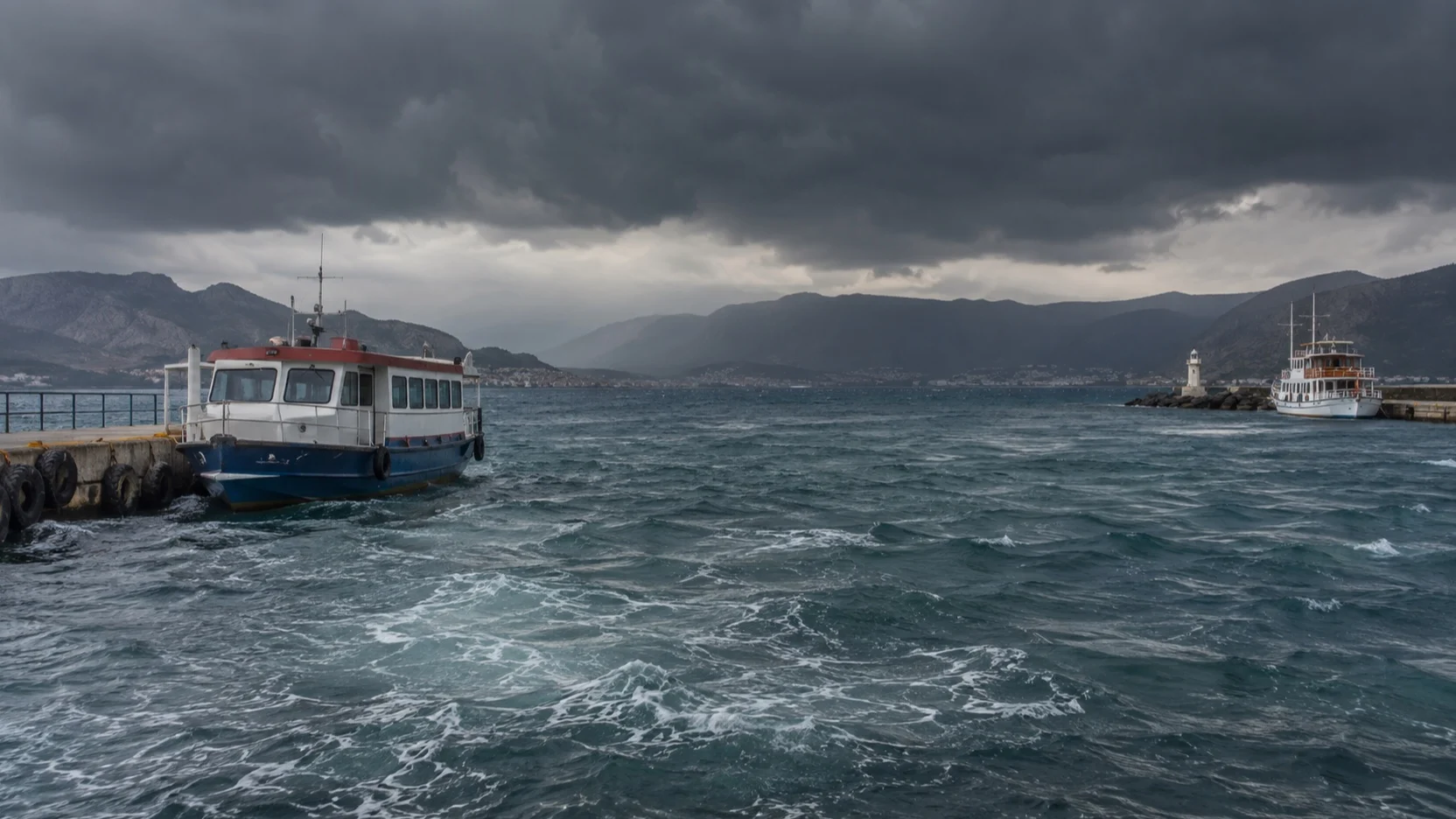
Rain alone may not stop tendering, but wind, swell, current, and poor visibility can make the transfer unsafe. The small boat must move alongside the ship and shore landing, so conditions at either platform can slow or suspend operations.
Expect wet steps, slick handrails, crowded shelter areas, and a slower boarding rhythm. Keep both hands free, follow crew directions, and wear shoes with grip rather than trying to board while holding an open umbrella.
Build more return time than you would on a clear day. If the ship announces an earlier last tender or a different landing because conditions changed, that instruction immediately replaces your original plan.
Ferries and Small-Boat Excursions
A ferry or wildlife cruise can still operate in rain because marine operators make decisions using wind, waves, visibility, and local rules. A wet forecast does not guarantee cancellation, and choosing not to go may be treated as a voluntary change.
Ask what happens if the operator cancels, the ship misses the port, or the return service is interrupted. Keep a shore-based alternative ready and avoid relying on the final ferry back to the cruise port.
In the United States, the National Weather Service publishes coastal and marine forecasts and warnings. Elsewhere, use the destination’s official meteorological and maritime services plus the operator’s same-day notice.
Outdoor Excursions Need a Go or No-Go Rule
Set the conditions that would make you abandon a hike, beach, cycling trip, kayak, or exposed viewpoint before the day begins. Official warnings, thunder, flooded access, closed trails, unsafe wind, or an operator cancellation should end the debate.
The National Park Service recommends choosing a route that matches the group and checking current park information. Rain adds difficulty through slippery surfaces, poor visibility, cold exposure, swollen streams, and slower progress.
A waterfall may look more dramatic after rain but the approach can be more dangerous. Never cross a barrier or ignore a closure to reach a photograph that tour marketing showed in better conditions.
What to Wear and Carry
A breathable waterproof shell usually works better than a heavy coat that becomes hot and soaked from the inside. Add a warm layer in cool climates, quick-drying clothing, and shoes with traction.
Protect phones, documents, medication, and camera gear inside sealed pouches or a waterproof bag. Carry a small microfiber cloth because a wet camera lens and fogged glasses can make navigation harder.
An umbrella can be useful in a calm city, but it becomes awkward in wind, crowds, tenders, and narrow streets. Close it before boarding any vessel or vehicle and follow local staff instructions.
Wet Surfaces and Mobility
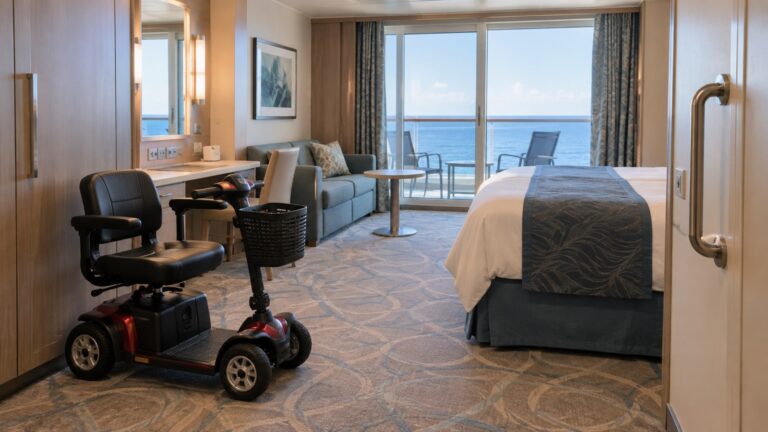
Rain changes accessibility by making cobblestones, metal ramps, tiled entrances, painted curbs, wooden decks, and leaves slippery. Travelers who use mobility devices should also consider drainage, curb cuts, covered waiting areas, and whether elevators remain available.
A route described as short may become exhausting when you move slowly and repeatedly enter crowded buildings. Choose fewer stops, schedule seated breaks, and use a taxi for the least pleasant transfer if vehicles can reach the entrance.
Wheelchair or scooter users should ask whether excursion vehicles and boat transfers remain accessible in wet conditions. A ramp that works in calm weather may be restricted when the tide, swell, or traction changes.
Rainy Port Days With Children
Children often manage rain better when the plan includes a warm indoor goal, dry socks, snacks, and a shorter route. Avoid a sequence of long lines outside where everyone becomes cold before reaching the attraction.
A compact museum, aquarium, market, or local food stop can be more successful than forcing the original beach day. Bring a waterproof stroller cover if appropriate, but maintain ventilation and keep blankets clear of wheels.
Read the Cancellation Policy Before the Forecast
Many outdoor tours operate in ordinary rain, so your disappointment may not trigger a refund. Read the written terms for operator cancellation, customer cancellation, ship delay, missed port, and severe weather before paying.
Ask whether you can change departure time or activity if the forecast worsens. Flexible tickets can be more valuable than the lowest price when a port’s weather is famously changeable.
Keep all messages and cancellation notices. Travel insurance varies widely, and a forecast by itself is not necessarily a covered reason to abandon a prepaid activity.
Give Yourself a Larger Return Buffer
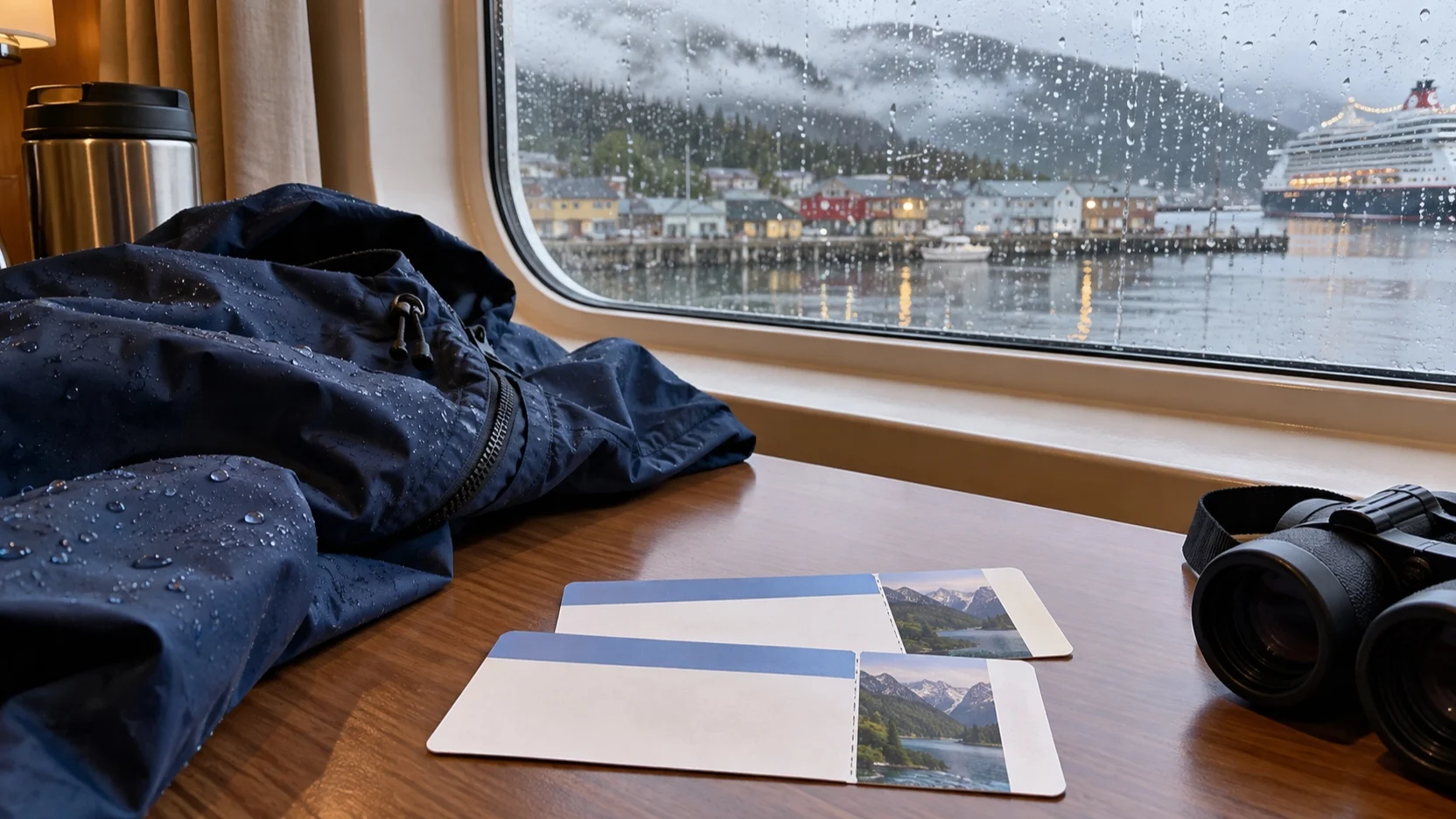
Road traffic slows in heavy rain, taxis become scarce, and buses can fill as everyone abandons outdoor plans together. Pedestrian travel also takes longer when crossings flood or slick surfaces demand caution.
Work backward from the ship’s announced all aboard or last-tender time and add more margin than usual. Your final indoor stop should be near the port or on the route back, not across town behind a weather-sensitive connection.
Download the port map and ship contact information before leaving. A wet phone screen is difficult to use, mobile service can fail, and a driver may need the exact terminal name rather than the ship name.
When Staying Onboard Is the Right Choice
Staying onboard makes sense when official warnings are serious, the ship restricts shore access, your mobility or health makes wet transfers unsafe, or every activity you value is closed. It can also be a reasonable personal choice when going ashore would mean paying for an experience you no longer want.
An emptier ship may offer quiet lounges, spa availability, pools, and relaxed dining, although facilities can close during severe weather. Check the daily program and treat the decision as a positive alternative rather than a failed vacation day.
Official Planning Resources
For United States ports, review the National Weather Service pages for lightning safety, flood safety, and marine forecasts and warnings. In other countries, use the national meteorological agency and local civil-protection alerts.
For outdoor plans, the National Park Service hiking-safety guidance offers a useful planning model. Your ship’s announcements, port restrictions, attraction notices, and tour operator’s same-day instructions remain authoritative for your call.
Final Thoughts
A rainy port day works when you respond to the real hazard instead of the forecast icon. Build three versions of the day, protect your footing and return time, and change course quickly when official warnings turn inconvenience into danger.
More on this topic: browse every guide on weather, crowds and conditions.