Festivals That Change a Cruise Port Day, for Better and Worse
A festival can turn a routine port call into the best day of the cruise, or turn one simple museum visit into an obstacle course of barriers and rerouted buses. The event itself is only half the story because the traffic plan, public-holiday rules, tickets, crowd controls, and ship’s departure time decide whether it works.
You can often spot the event months ahead, but street closures may appear only days or weeks before it. Here is how to catch the celebration without donating your passport to the local lost-property office.
My quick take
Treat a festival as a replacement port day, not a free extra squeezed between your original plans. Decide whether the event is the attraction, background atmosphere, or a reason to choose a quieter route elsewhere.
Free daytime celebrations near the ship are the easiest win, while ticketed evening events inland are the hardest fit. Marathons, summits, film festivals, and street parades can still be enjoyable, but only after you rebuild transportation and return time around them.
The quick facts
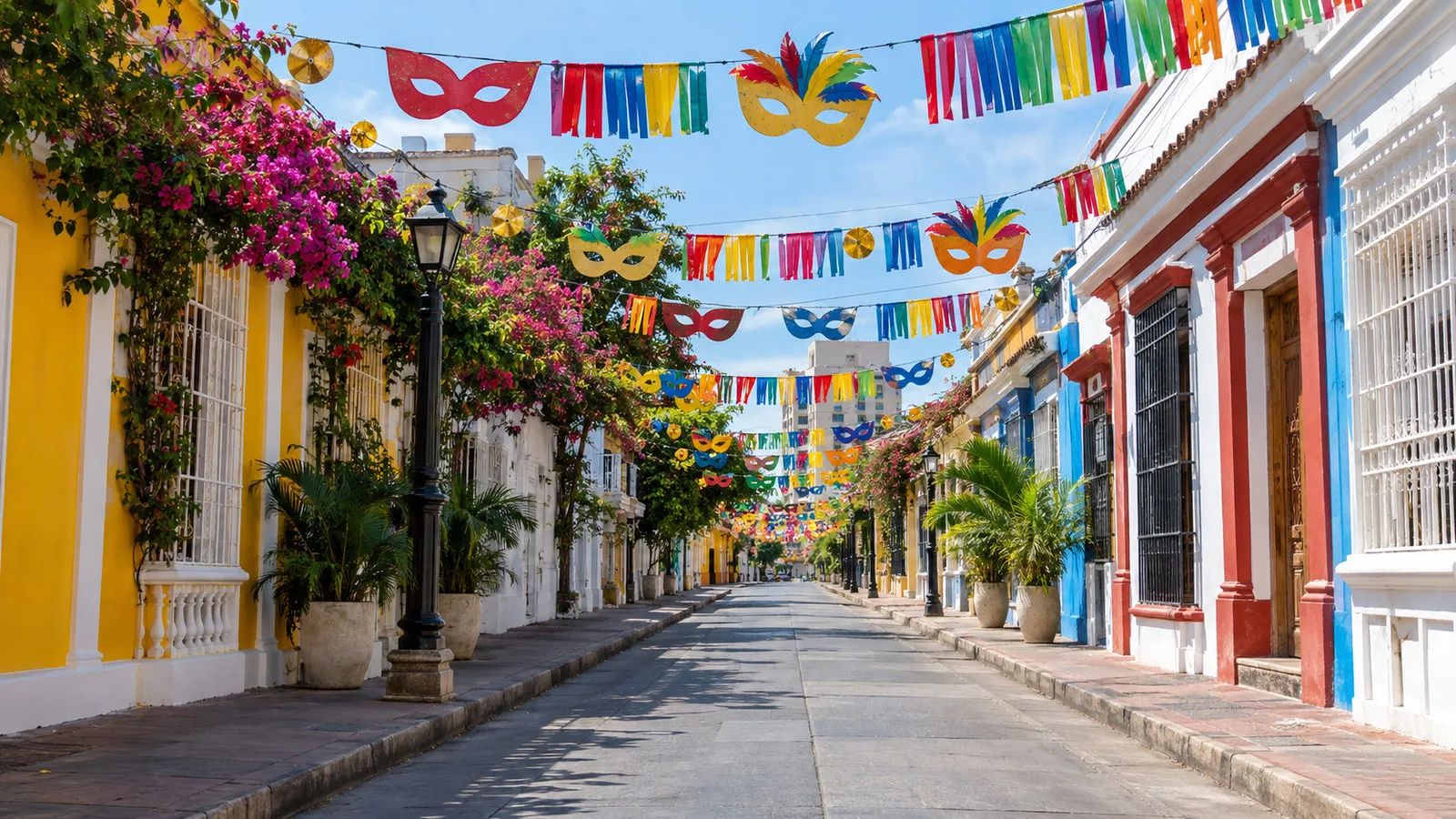
- Carnival dates move: Barranquilla’s main Carnival runs during the four days before Lent, while Trinidad’s headline street parades fall on Carnival Monday and Tuesday. Trinidad has already published February 8 and 9 for 2027, but always check the specific year.
- Closures are not one-size-fits-all: A parade can move shuttle stops, block road crossings, reroute buses, and restrict parking, while a contained fair may leave most city streets alone. The municipal traffic notice is more useful than a festival poster.
- The easiest festival call is local and daytime: A free event within walking or shuttle distance is far simpler than a ticketed event in another city. Gion Matsuri, Reykjavík’s June 17 celebrations, and some Carnival calls can fit, but only when port hours and transfers agree.
- Big events are not automatically public events: Cannes Film Festival screenings and industry areas use accreditation or tickets, and a race route may offer atmosphere without access to the attraction you expected. Verify what an ordinary visitor can actually enter.
- The ship rarely changes its clock for the city: Use the line’s published all-aboard time unless the cruise line formally announces a revision. Never infer a late stay from fireworks, a parade, or an event running after dark.
- Use three calendars: Start with the official event or tourism calendar, then check municipal traffic and transit notices closer to the call. Finish with the cruise line’s port update on the day.
First, identify what kind of event it is
A street festival occupies public space, a ticketed festival controls entry, a public holiday changes opening hours, and a sporting event creates a moving wall of closures. One city can combine all four, which is when the cheerful confetti starts doing project management.
Street celebrations can give cruise visitors a genuine local experience without a formal tour, but they can also make it impossible to cross a parade route. Ticketed festivals may draw huge crowds while offering little to a visitor without admission or accreditation.
Public holidays deserve a separate check because museums, markets, banks, stores, and transit may follow special hours even outside the festival zone. Our guide to local holidays that change a port day covers that second layer.
Marathons and road races are often excellent spectator events, but their routes can divide a city for hours. Find the route map and crossing points before booking anything on opposite sides of the course.
Carnival is a movable date with citywide effects
UNESCO describes the Carnival of Barranquilla as taking place during the four days before Lent. That makes February or March guesses risky, so calculate from the specific year’s calendar and then confirm on the official event site.
Trinidad’s official tourism site says its grand street parade falls on Carnival Monday and Tuesday, with festivities building long before those two days. It has already published February 8 and 9 for Carnival 2027, and J’Ouvert begins before dawn on Monday.
That timing matters for a Port of Spain call because transport, cleanup, barriers, and crowds can be active before passengers come ashore. Ask the cruise line where its shuttle will load and whether an organized festival experience replaces the normal excursion schedule.
Santa Cruz de Tenerife offers the clearest lesson in reading the traffic notice. For one 2026 opening parade, the city announced parking restrictions and progressive closures hours before the evening event, including roads near the waterfront.
Use that notice as a method, not a reusable route plan, because the city publishes new arrangements each year. Check the Santa Cruz council traffic page and current Carnival program for your date.
Festivals that can justify choosing the sailing
A festival deserves itinerary-level status when the ship calls close enough, stays long enough, and offers realistic access to the part you want. The name alone is not enough, especially when the main event is after all-aboard or admission sold out months earlier.
Kyoto’s Gion Matsuri is unusually predictable because the festival occupies July and the main processions remain July 17 and 24. The Japan National Tourism Organization says the parades run roughly 9 in the morning to 2 in the afternoon, with evening Yoiyama celebrations on the three preceding nights.
A Kobe or Osaka call can make Kyoto possible, but it does not guarantee a comfortable return. Check the ship’s berth, train plan, road closures, procession route, heat, and all-aboard margin before buying seating or a tour.
Parintins is a different animal because Amazon cruise itineraries may be designed around the late-June Boi-Bumbá festival. The municipal government confirmed substantial festival transport controls and dedicated accessibility measures in 2026, which shows why the current year’s official information matters.
Ask the cruise line whether arena admission is included, where the ship or riverboat lands, what transfer is provided, and how the return works after the performance. A call labeled “Parintins Festival” should still come with seats, times, and logistics in writing.
Unlike cherry blossoms or fall color, these calendar events are not weather forecasts. Their dates may be predictable, but weather, security, labor action, and operating decisions can still alter the program.
Events that bring crowds without easy access
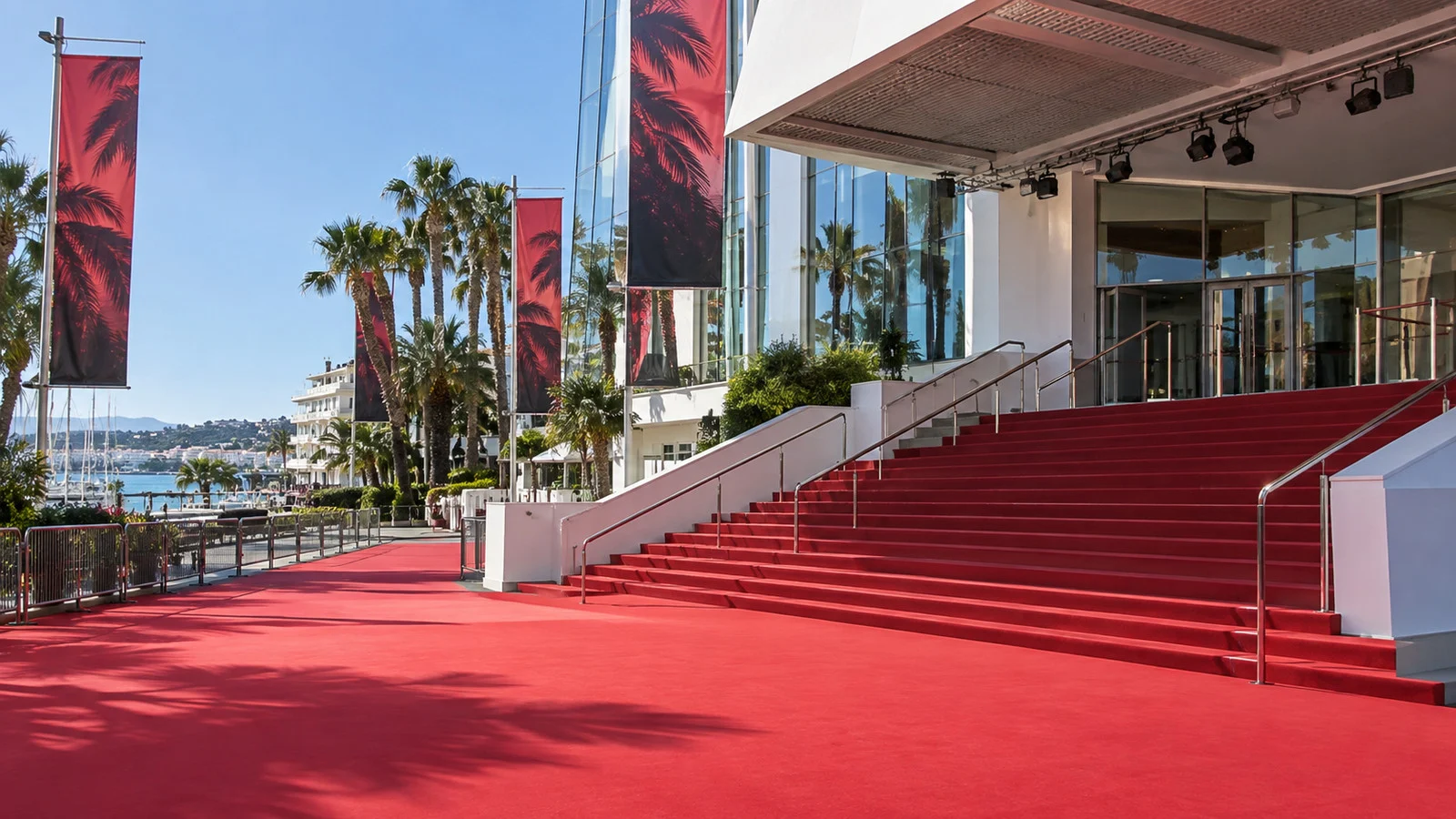
The official Festival de Cannes site lists its 2027 edition for May 11 through 22. That tells you when central Cannes will be busy, but not that a cruise passenger can enter screenings or industry areas.
Use the Festival de Cannes dates as a crowd and transport warning unless you have confirmed public tickets or accreditation. A coastal train trip can be a good alternative, but only after checking current service and the ship’s tender or berth.
Oktoberfest is huge but contained on Munich’s Theresienwiese, far from Germany’s main ocean cruise ports. It matters most to cruisers adding a Munich stay because hotels and long-distance trains can fill, not because it transforms a routine day in Hamburg or Kiel.
Check the City of Munich’s official Oktoberfest page for the year, reservation rules, opening hours, and access information. The famous name is not permission to improvise an inland trip between gangway and all-aboard.
Summits, trade fairs, and major conventions can have a similar effect without offering anything visitor-facing. They may absorb hotel rooms, cars, and security resources while leaving ordinary attractions open, so the response is earlier reservations rather than automatically abandoning the city.
Holy Week and the public-holiday double effect
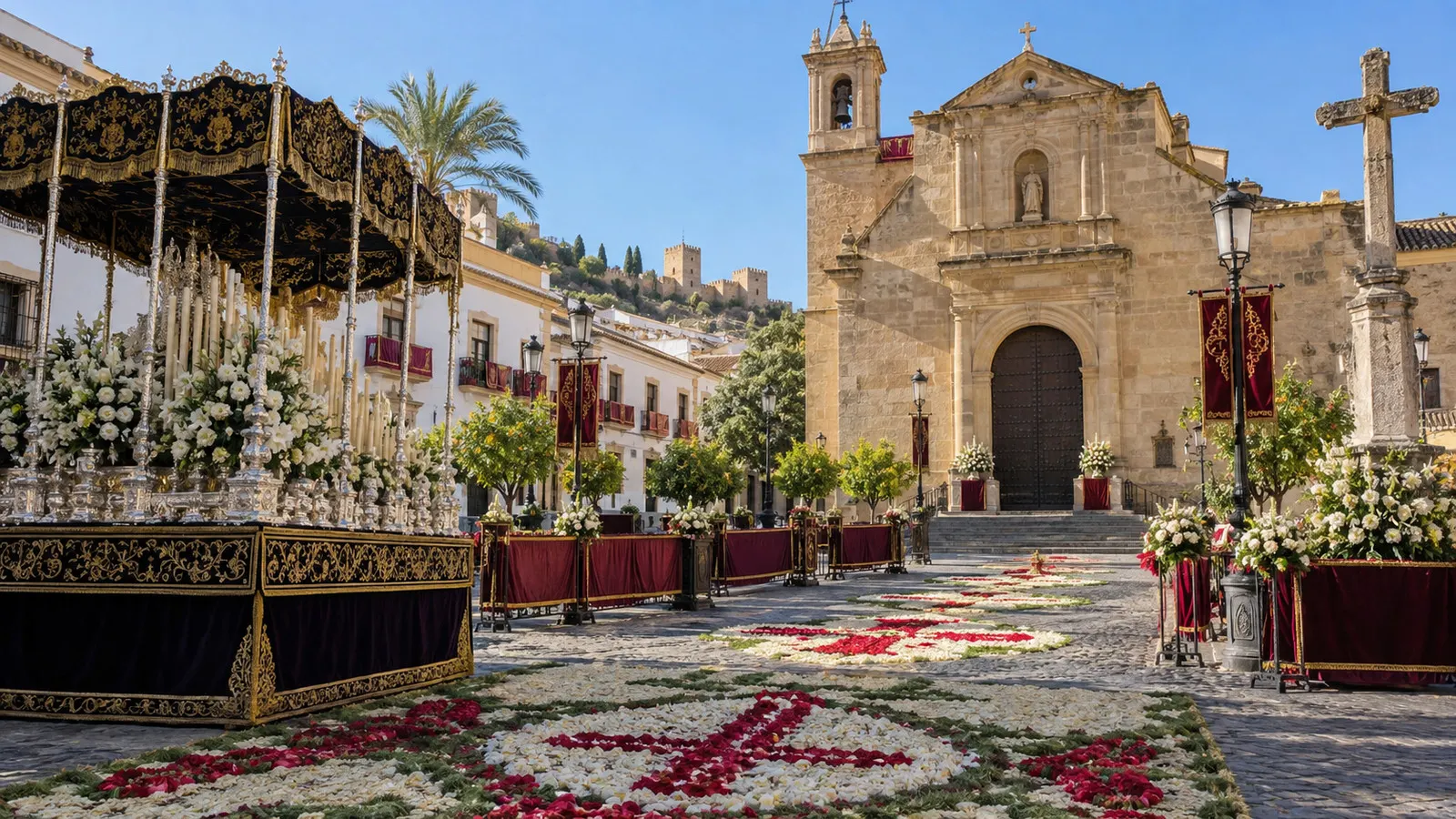
Holy Week can bring extraordinary processions, religious observances, altered opening hours, and dense crowds to ports across Spain, Italy, Portugal, Malta, and parts of Latin America. The details belong to each city and year, not to one universal Semana Santa timetable.
In cities such as Seville, long processions share central routes and can make crossing the old town difficult. A Cádiz call with an inland Seville excursion therefore needs both the procession map and a transport plan that recognizes the distance back to the ship.
This period can also overlap school breaks and the busiest family-cruise weeks. Reserve timed attractions and transportation early, then verify holiday hours directly with each venue.
Do not assume churches are ordinary sightseeing attractions during worship or processions. Dress and behave for the observance, follow local access controls, and step away if the space is reserved for participants.
National days can be wonderfully cruise-friendly
A national day can deliver parades, music, food, and a city celebrating itself, often without admission. It can also close roads, change buses, and put government buildings or ordinary stores on holiday hours.
Reykjavík’s June 17 celebration is a good model because the city publishes a program, map, street closures, bus changes, and an accessibility page. The current City of Reykjavík page identifies the parade and central events rather than leaving visitors to decode bunting.
The city’s access information has also identified accessible parking, an accessible festival park, a wheelchair viewing platform, and the closing time of one elevator route. Those specifics can change each year, so download the current map rather than carrying last year’s confidence.
Our Reykjavík cruise port guide covers the ordinary berth-to-city logistics. On June 17, layer the city’s closure map and live bus information over that baseline.
The same method works for July 14 in France, independence celebrations across the Caribbean, and local patron-saint festivals. Confirm the event footprint, holiday openings, transit, and ship time before declaring it a bonus.
The four-stage check before your port day
- Six to twelve months out: Search the official city, regional tourism, and event calendars for your port date, plus the days before and after. Reserve scarce lodging or admission only after confirming the cruise schedule and cancellation terms.
- One to three months out: Check event tickets, attraction hours, public holidays, parade or race maps, and whether your tour crosses the event zone. Ask the operator how it will adapt if roads close.
- One to two weeks out: Find the municipal police, traffic, port, and transit notices. Confirm where the cruise shuttle or excursion bus will load, because the usual stop may be behind a very official-looking barricade.
- On the day: Read the ship’s port update, verify all-aboard time, save the port-agent contact, and check live transit or weather alerts. Agree on a meeting place that does not depend on cellular service.
- Before leaving the event: Recheck the return route and crowd direction. Depart earlier than on an ordinary day if the route crosses closures, a security checkpoint, or a tender queue.
The event page sells the celebration, while the traffic notice explains your Tuesday. Read both and give the dull document priority whenever they disagree.
How to decide whether to join, adapt, or leave town
Join when the event is public, close to the berth or confirmed shuttle, active during your call, and compatible with your return margin. Replace the original sightseeing list instead of trying to do both.
Adapt when the event is enjoyable but blocks part of the city. Choose one side of the route, reserve timed admission away from the closure window, and make the festival atmosphere the bonus rather than the deadline.
Leave town when the event consumes transport and public space without offering the experience you want. Confirm trains, roads, and return capacity first, because everyone else may be having the same clever idea.
Stay aboard when heat, crowd density, security controls, or the altered transfer makes the day a poor fit. A quiet ship while the city throws its biggest party is not defeat, it is excellent use of the pool.
Our guides to crowded cruise ports, attractions on the busiest port days, and planning around crowds help with the same choice when no official festival is involved.
Accessibility, sensory needs, and crowd safety
Do not assume an event is inaccessible or accessible from the general city description. Look for the current event’s official access page, viewing platforms, step-free entrances, accessible restrooms, quiet spaces, parking, shuttle changes, and reserved seating.
Ask where barriers leave crossing points and whether staff can escort a traveler around a closed route. “The venue is accessible” does not answer how to reach it through a crowd from the cruise drop-off.
Wheelchair-accessible taxis and suitable vehicles may be limited during major events, but availability must be confirmed locally rather than assumed. Reserve early, get the pickup point in writing, and ask what happens if police move the cordon.
For sensory needs, check amplified music, fireworks, strobe lighting, dense queues, and whether leaving and re-entering is allowed. Ear protection, identification information, and a low-stimulation meeting point can turn a brave experiment into an actual plan.
Arriving early may improve route access and viewing, but it is not universally less crowded at pre-dawn Carnival events or ticket gates. Ask the organizer when the quietest accessible arrival window is and how early security opens.
Weather and what to carry
Festival dates are fixed more reliably than festival weather. Heat, rain, wind, or cold can change the route, delay a performance, close temporary structures, or make hours of standing much harder than expected.
For Carnival, plan for sun, heat, loud sound, and clothing that can survive water, paint, or powder when the event description calls for it. For Kyoto in July, prioritize hydration, shade, breathable clothing, and a route with indoor breaks.
For Reykjavík in June or Munich in fall, carry layers and rain protection without assuming a seasonal average is a forecast. Check the local meteorological service and organizer on the morning of the call.
Carry water where permitted, essential medication, a small power bank, offline maps, the ship’s port-agent number, and only the valuables you need. Security rules may limit bags or bottles, so read the organizer’s prohibited-items list before leaving the ship.
Getting back to the ship
Build the return from the event exit, not from the attraction’s pin on a map. Add time for the crowd to leave, security-controlled crossings, a relocated shuttle, delayed transit, and any tender queue.
A ship-sponsored excursion normally coordinates with the ship when the tour is delayed, but that does not create extra hours for an independent evening event. Read our guide to how early to return to the ship and make the buffer larger when streets are closed.
Keep the ship’s time, all-aboard time, berth or tender location, and port-agent contact available offline. If the city announces new restrictions, follow crew and local authority instructions rather than last night’s map.
Quick answers
Will the ship stay late for a festival?
Do not assume it will because only the cruise line can change the published schedule, even when the city’s headline event continues after dark.
When is Trinidad Carnival in 2027?
Visit Trinidad lists the main Carnival Monday and Tuesday celebrations for February 8 and 9, 2027, with J’Ouvert beginning before dawn on Monday.
Can a cruise call reach Gion Matsuri?
A Kobe or Osaka call may fit the July 17 or 24 daytime procession, but berth location, trains, road closures, heat, and all-aboard time decide whether the plan is safe.
Should I avoid Cannes during the film festival?
Not automatically, but the 2027 festival runs May 11 through 22 and many headline spaces require tickets or accreditation, so plan for crowds without assuming public access.
Where do I find road closures?
Check the city, police, port, or public-transport site one to two weeks before the call, then look again on the day for changes.
Is a national day a good cruise-port day?
It can be excellent when public celebrations are near the berth, but verify holiday closures, transit changes, access information, and the return route first.
The last word
A festival does not make a port day better or worse by itself. It makes the normal plan obsolete, which is either thrilling or annoying depending on whether you built a new one.
Use the official calendar to find the event, the traffic notice to understand it, and the ship’s time to contain it. Then choose one memorable experience and leave enough margin to admire the fireworks from the correct side of the gangway.
How this guide was researched: Unless a first-hand visit is explicitly identified above, this guide is based on independent research using official government, tourism, event, and transit sources. Carnival timing was checked against UNESCO and Visit Trinidad, while Gion Matsuri dates were checked against the Japan National Tourism Organization.
Road-closure planning was checked against Santa Cruz de Tenerife and Reykjavík, festival access against Reykjavík and Parintins, and Cannes dates against the official festival. Policies and time-sensitive details were reviewed in September 2026.
See our Editorial Policy.
More on this topic: browse every guide on weather, crowds and conditions.