Cruise Port Strikes, Protests, and Blockades: What to Do
A strike can stop the ship from berthing, stop the train you planned to take, or leave the port working while roads into town are blocked. Those are three different problems, and they need three different backup plans.
The useful news is that many formal transport strikes leave a public paper trail. Protests and blockades may not, so the smart move is to verify official sources without trying to predict unrest.
My quick take
Check the cruise line, port authority, and transport operator separately. A ship can dock normally while a rail or bus strike ruins a long day trip, and a city protest can close your route without touching the berth.
For a normal port call, keep independent bookings cancellable and build a walkable fallback near the ship. For embarkation or disembarkation, arrive early, save alternate routes, and treat any confirmed disruption as a travel-day problem rather than a sightseeing problem.
Do not assume a missed call produces a refund, onboard credit, or insurance payment. The cruise contract, excursion terms, local consumer law, and your exact policy wording determine what happens.
The quick facts
- France’s five-day rule has limits: Article L2512-2 requires five clear days of notice for strikes by covered public-service personnel, with the scope, start time, and duration stated. It is not a promise that every private-sector strike or protest will appear five days ahead.
- Italy’s ten-day rule also has limits: Law 146 of 1990 sets at least ten days of notice for strikes in covered essential public services. The law also provides exceptions, so do not turn ten days into a universal countdown.
- Italy has an official transport-strike list: the Ministry of Infrastructure and Transport posts dates, hours, sectors, unions, geographic scope, and notes. Entries can change, so check again close to travel.
- A port strike and transit strike are different: pilots, tugs, mooring teams, terminal staff, rail crews, and local transit can affect different parts of the day.
- A blockade may come with little warning: demonstrations and road closures do not follow the same notice rules as covered labor action. Follow local authorities and stay away from demonstration areas.
- Compensation is not automatic: EU rules treat cruise passengers differently from ferry passengers, and a missed port after departure is not the same as a canceled cruise departure. Check the booking contract before assuming any specific remedy.
First identify what is actually disrupted
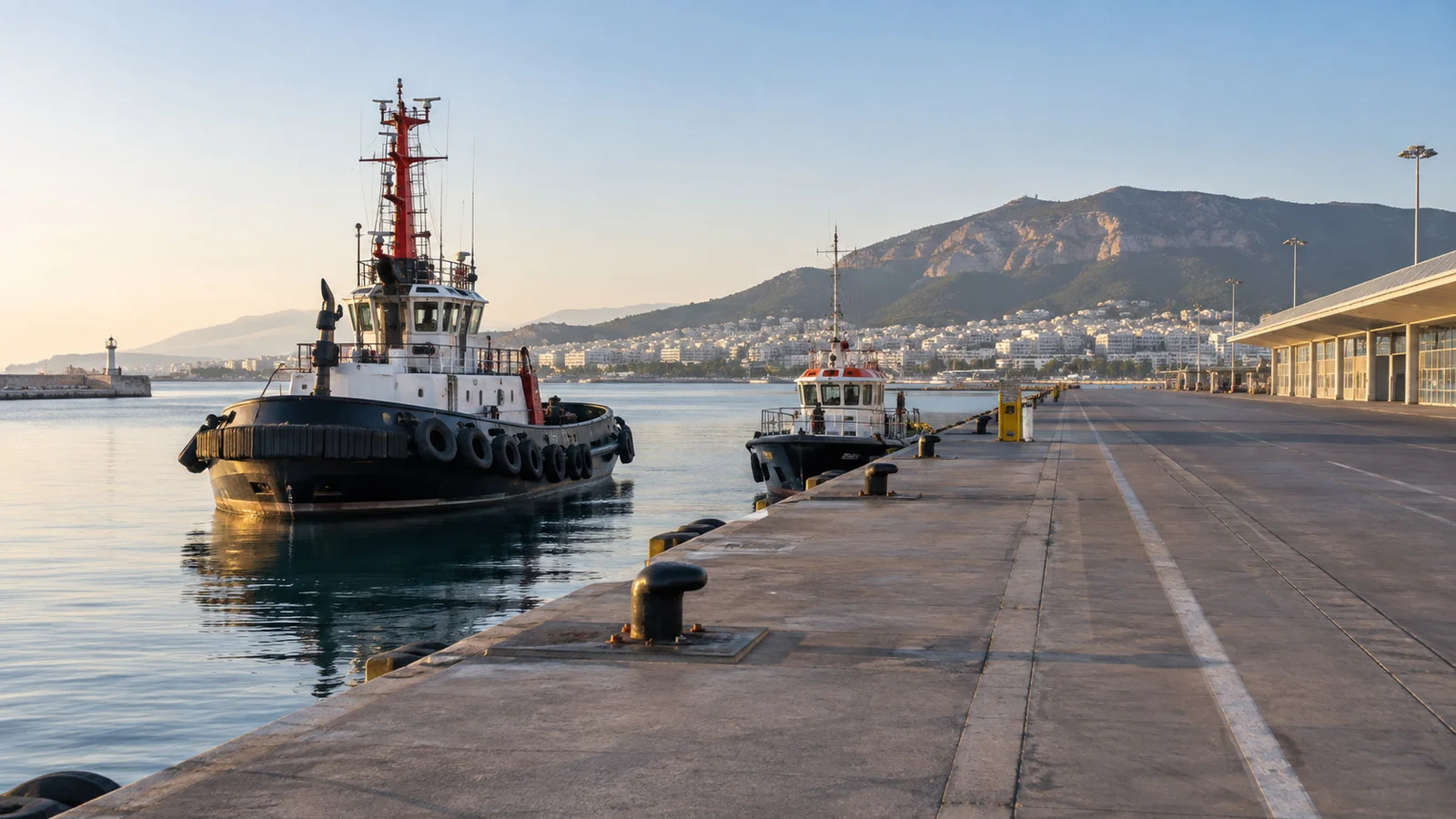
Marine operations: a stoppage involving pilots, tugs, mooring crews, or required port services may prevent or delay arrival and departure. The cruise line and port authority are the sources that can confirm whether the ship’s call is affected.
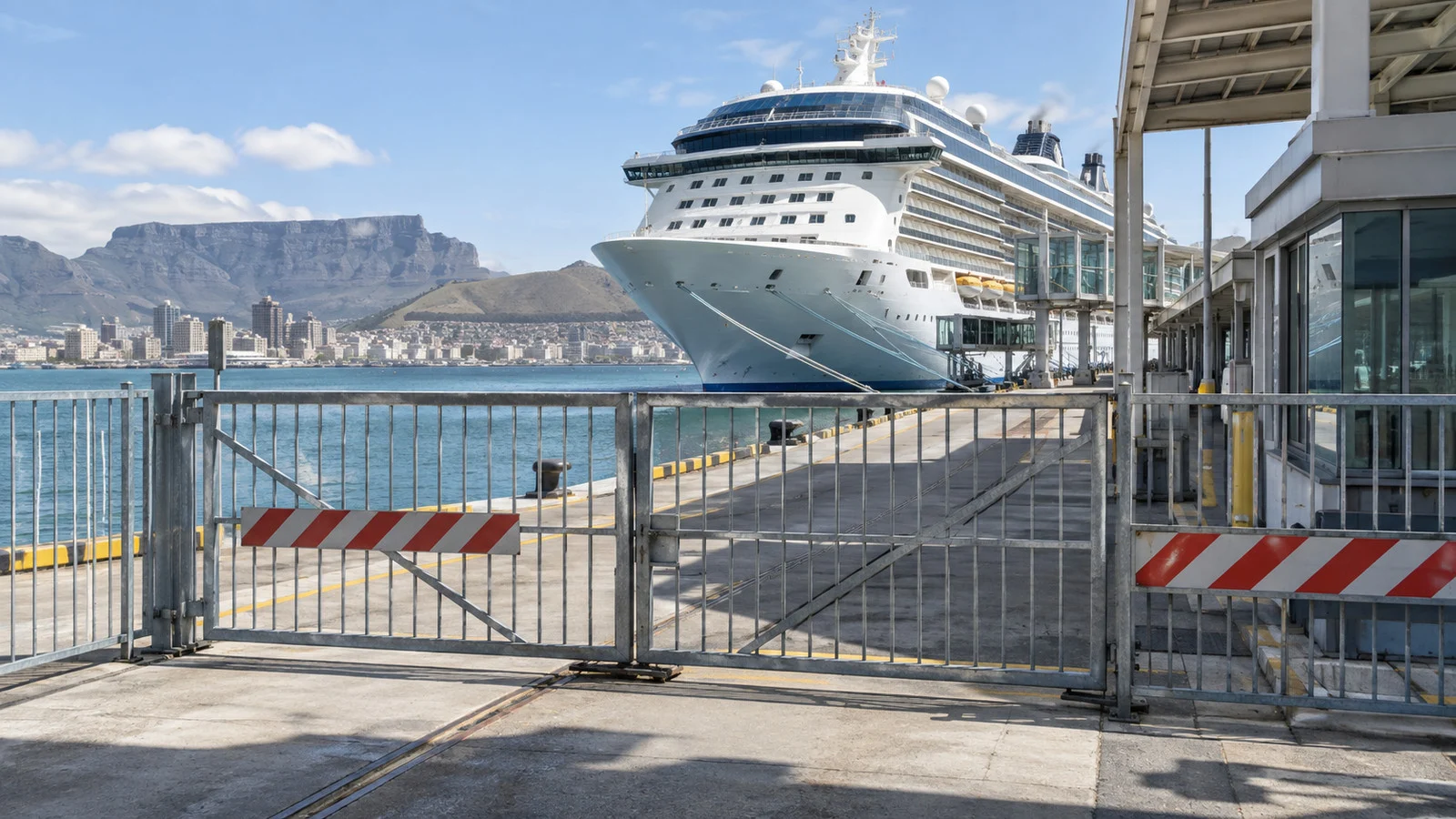
Terminal or gate operations: the berth may remain open while baggage, security, shuttle, or vehicle access slows. That can matter most on embarkation day, when a small delay has a very expensive deadline.
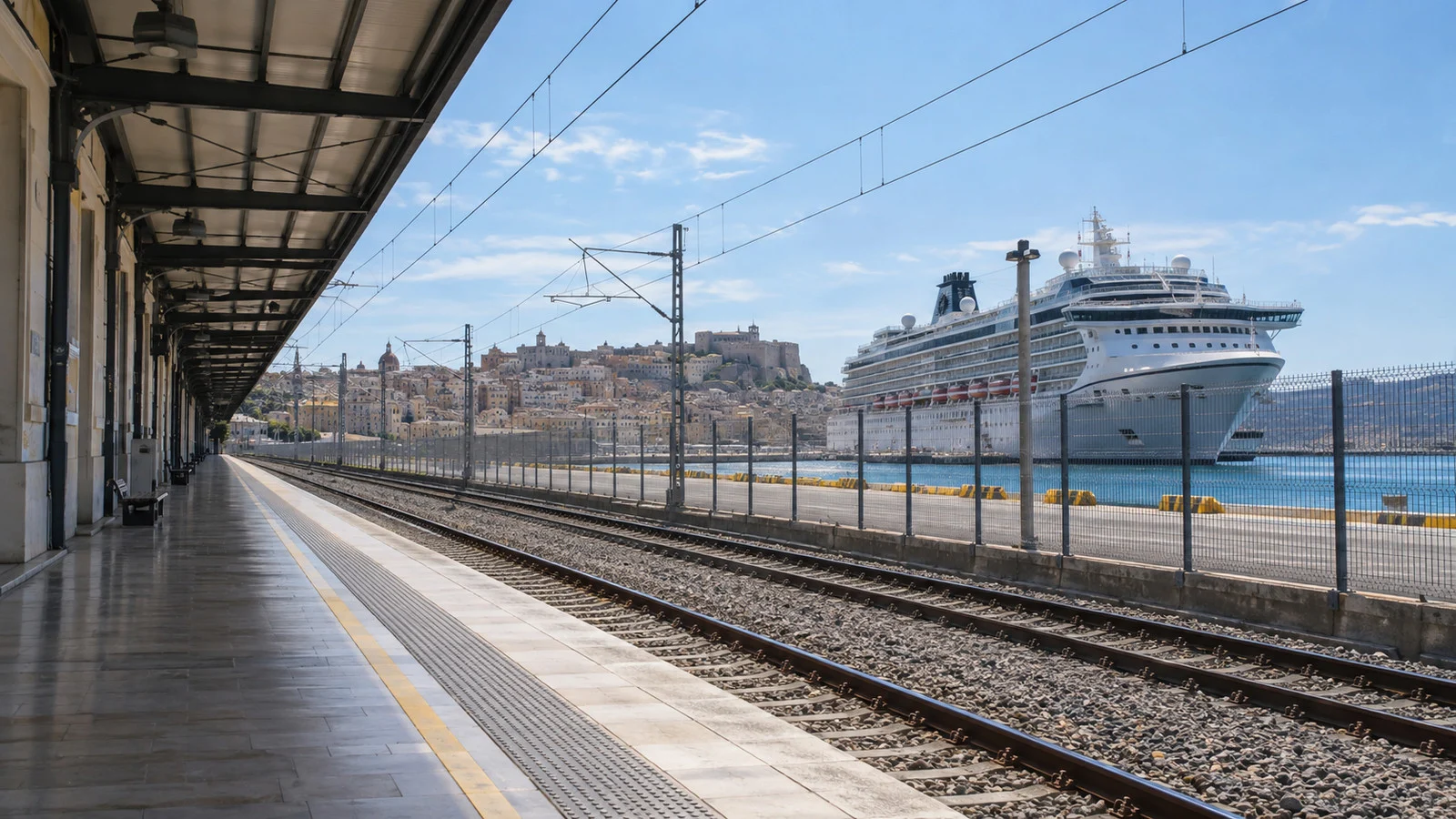
Rail or local transit: the ship can arrive on time while your plan for Rome, Florence, Paris, or another inland city falls apart. Trenitalia and SNCF both tell travelers to verify the exact train and date during disruptions rather than relying on a general schedule.
Road protest or blockade: the practical problem may be getting through town, not getting off the ship. Do not cross a demonstration route or police line to protect an excursion booking.
General strike: several sectors may be listed, but that still does not prove every train, bus, taxi, or port service will stop. Read the sectors, personnel categories, geography, and operating hours before changing plans.
A lightning hold can stop outdoor port work without any labor dispute at all. The guide to lightning holds at cruise gangways explains that separate safety problem.
What the French and Italian notice rules really say
French Labor Code Article L2512-2 says covered public-service personnel must be preceded by notice from a representative union. The notice must reach the relevant authority five clear days before the strike and state its reasons, geographic scope, start time, and duration.
That is a useful lead time, not a national cruise-cancellation calendar. Whether the rule covers a particular port or transport workforce depends on the employer, service, and action involved.
Italy’s Law 146 of 1990 sets a minimum ten-day notice for strikes in covered essential public services and requires information about minimum services. Its transport protections include urban transit, rail, air, airports, and maritime links to islands, each with its own operating rules.
The law itself includes exceptions to the minimum-notice provisions for certain constitutional-order or serious worker-safety protests. This is why “Italy always gives ten days” is too neat to trust.
Where to check before the cruise
- Start with the cruise line. Check email, the app, your booking page, and travel-agent messages for an itinerary or terminal change.
- Check the official port authority. Look for traffic notices, access restrictions, terminal updates, and operational news for the exact date.
- Check the transport ministry or labor notice. Italy’s official list is searchable by sector and scope, while French actions may appear through the operator, port, employer, or union involved.
- Check the transport operator by service number. A national action does not tell you whether your exact train or route will operate.
- Check local-authority and consular alerts. Use them for demonstration routes, police instructions, road closures, and safety advice.
- Repeat the check close to travel. Notices can be revised, shortened, postponed, or canceled, and real-time operations can differ from the original announcement.
For Italy, use the Ministry of Infrastructure and Transport strike calendar and then the affected operator. Trenitalia publishes guaranteed-service information, including protected local time bands and warnings that routes can still change.
For French rail, SNCF Connect tells passengers to check the exact train number and travel date using real-time information. Its current guidance also notes that some regional service information is published only the evening before travel.
For the berth, use the authority that runs the port rather than a social post or ship-tracking comment. The Port of Marseille Fos, for example, maintains its own official site and news area.
A timing plan that works
About 30 days before departure: save the cruise line, port authority, rail operator, local transit operator, and insurer pages you may need. Download the ship’s port-agent contact details when the line makes them available.
About 10 days before: check formal strike notices for every country where you depend on public transport or a distant airport transfer. This timing catches many covered Italian notices, but it is not a guarantee that all disruptions are known.
Five days before: repeat the French public-service check and verify embarkation transport. If your flight, train, or transfer is exposed, move earlier while alternatives still exist.
The evening before each port: check the cruise app, official operator status, port notices, and local authority updates. Cancel or reshape independent plans while their terms still allow it.
On the morning: trust current operational messages over the timetable you saved months ago. Take a screenshot of cancellations and keep receipts if you may file a claim later.
What to do when your port day is affected
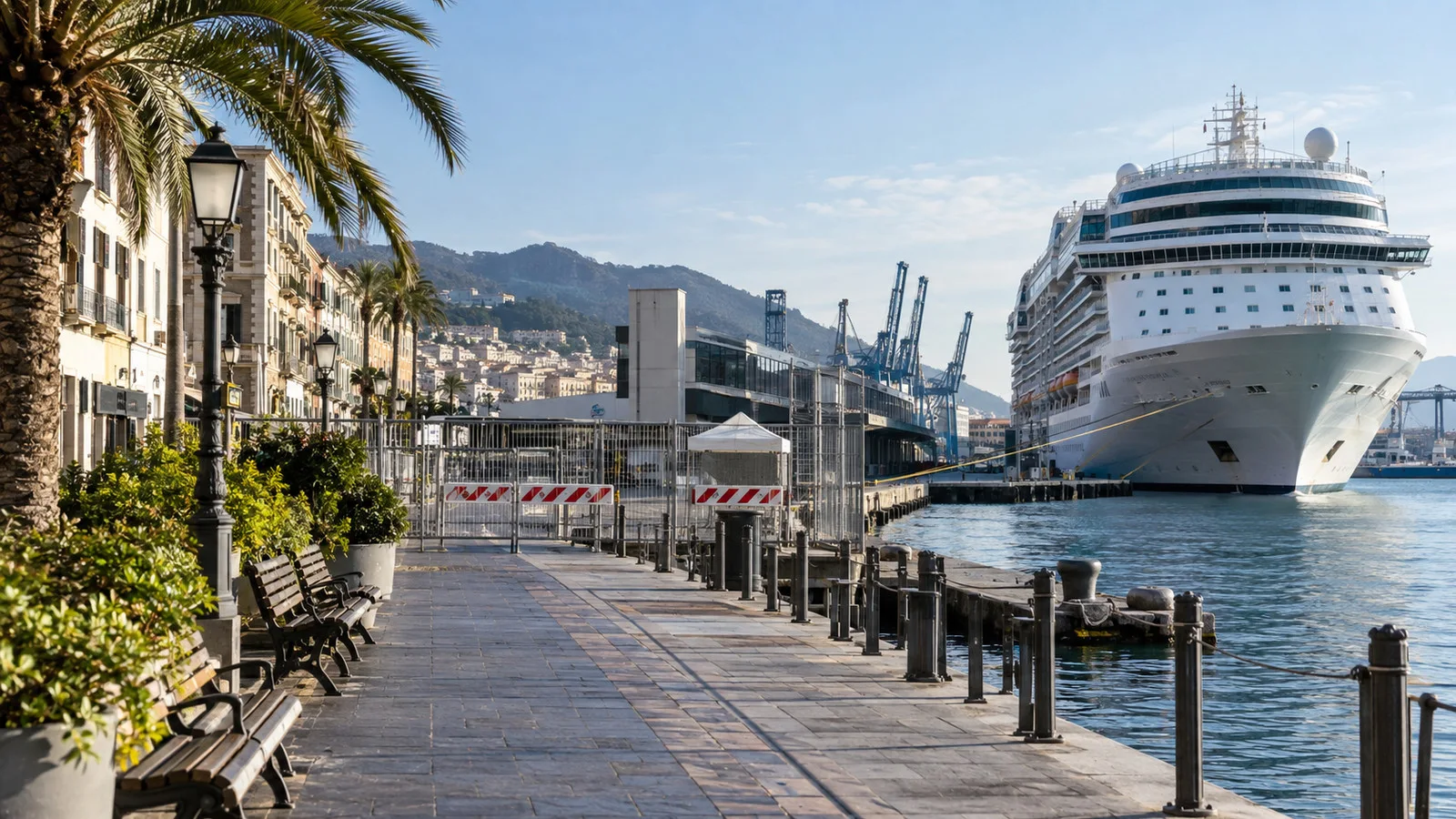
If the ship still docks but transport is reduced, shorten the radius of the day. A nearby district, waterfront, museum, or ship day beats an ambitious train trip with one fragile return option.
If a ship excursion operates, ask what transport it will use and whether the itinerary changed. Booking through the line can reduce return-to-ship risk, but it does not make a blocked road disappear.
If your independent tour is still running, confirm the cancellation policy, meeting point, route, and return plan in writing. Do not assume the operator will refund a booking simply because your ship changes course.
If the call is canceled, follow the cruise line’s instructions and review each booking separately. Line-booked excursions, independent tours, port fees, taxes, and insurance claims can all follow different rules.
If a protest forms while you are ashore, move away from the demonstration and follow police or local-authority instructions. The United States State Department’s current France guidance says protests can disrupt transportation, advises avoiding demonstrations and significant police activity, and recommends checking local media.
Save the ship’s port-agent contact before leaving the vessel, but remember that it is not permission to return late. The guide to how early to return to the ship explains how to build a safer buffer.
Embarkation and disembarkation need a bigger response
A transit strike on a sightseeing day can shrink the day. The same strike on embarkation day can make you miss the cruise, so arrive in the departure city at least a day early when practical.
If a disruption is confirmed, map two independent ways to the terminal and verify that each is actually operating. A taxi app is not a backup if the road itself is blocked.
For disembarkation, avoid a tight flight or prepaid train when the operator has announced reduced service. Ask the line about revised transfer timing, then change onward travel under the supplier’s actual terms.
When choosing between a ship tour, local operator, and independent day, use the flexibility test in this guide to ship excursions, local tours, and DIY port days.
What passenger-rights rules do not promise
The EU’s official ship-passenger rights guidance covers many cruises departing from EU ports, but it distinguishes cruises from ferry services. Cruise passengers do not receive the same right to choose reimbursement or rerouting when the booked cruise departure is canceled or delayed.
The guidance also discusses information and assistance for a canceled or delayed departure, subject to scope and exceptions. That does not create a blanket compensation right when one scheduled port is omitted after the cruise has begun.
For a missed port, read the cruise ticket contract and the notice the line sends about that exact change. Ask separately about cruise-line excursions and government taxes or fees, because a refund in one category does not prove a refund in another.
Travel insurance is equally specific. Look for strike, civil-unrest, missed-port, trip-delay, and known-event language, then ask the insurer how it applies before changing or abandoning a booking.
A realistic word on accessibility
A service marked “running” may still fail your access requirements if the substitute vehicle, station, stop, or route is different. Verify the exact accessible train, bus, transfer, or excursion rather than relying on the general service status.
Trenitalia warns that routes can change during a strike, and SNCF tells passengers to check the exact service in real time. Ask whether the confirmed vehicle has the lift, ramp, securement, doorway, and boarding assistance you need.
Protest barriers and police diversions can also turn a short step-free route into a much longer one. If the safe accessible route is uncertain, stay close to the terminal or remain aboard rather than improvising through a crowd.
If the cruise line substitutes another port, review the new plan from scratch instead of assuming the same excursion will work. The guide to frequently missed cruise ports explains why replacement calls need their own logistics check.
Quick answers
How much warning will I get before a port strike?
It depends on the country, sector, and type of action. Covered French public-service strikes generally require five clear days and covered Italian essential-service strikes generally require at least ten, but those rules do not cover every protest, blockade, or labor action.
Will a transit strike close the cruise port?
Not necessarily. The ship may berth normally while rail, metro, bus, or road access limits what you can do ashore.
Will the cruise line refund a missed port?
Do not assume a cruise-fare refund, onboard credit, or fixed payment. Check the ticket contract and the line’s notice, then ask separately about line-booked excursions and any taxes or fees tied to the omitted call.
Does travel insurance cover strikes or protests?
Only if the policy wording covers your event and loss, with all timing and known-event conditions satisfied. Contact the insurer before changing plans and keep official notices, receipts, and the cruise line’s itinerary-change message.
What should I do if a protest blocks my route?
Move away from the demonstration, follow local-authority instructions, and contact the port agent or cruise line from a safe place. Do not cross barriers or enter a crowd to save a tour or reach your original pickup point.
The last word
Do not try to forecast which country or season will produce a strike. Build a repeatable check using the cruise line, port authority, transport operator, labor notice, and local-authority guidance for your exact dates.
If the ship can dock but your transport cannot run, shrink the port day before the return becomes fragile. If the embarkation route is exposed, move earlier and spend your caution where the consequence is biggest.
Weather can cancel the same call with a different paper trail. These guides to what cancels a cruise port call and rough seas and tender disruptions cover that half of the decision.
If Marseille is on the itinerary, the Marseille cruise port guide covers the terminal, shuttle, and distance to the Old Port. Those details become especially useful when normal transport is reduced.
How this guide was researched: Unless a first-hand visit is explicitly identified above, this guide is based on independent research using current official labor-law, transport-operator, port, passenger-rights, and government travel-safety sources.
French notice rules were checked against Article L2512-2; Italian rules and listings against Law 146 of 1990 and the Ministry of Infrastructure and Transport; rail operations against Trenitalia and SNCF; passenger rights against the European Union’s Your Europe portal; and protest guidance against the United States State Department.
Strike notices, protests, transport operations, cruise itineraries, and contract terms can change quickly. Recheck official sources for the exact date and see the Editorial Policy.
More on this topic: browse every guide on weather, crowds and conditions.