How to Plan a Port Day for Travelers Who Dislike Crowds
Crowd avoidance is less about finding an empty port than refusing to move with the herd. I track where passengers will bunch up, shift the timing or route, and keep a quieter second choice ready before the first motorcoach door opens.
My quick take
Check how many ships are scheduled, estimate when most organized tours reach the headline attraction, and visit either earlier, later, or somewhere else. Book a timed entry when available, keep one quieter alternative nearby, and avoid itineraries that force you through a single bottleneck.
The goal is not a magically empty destination. It is enough breathing room to notice where you are.
Where port crowds form
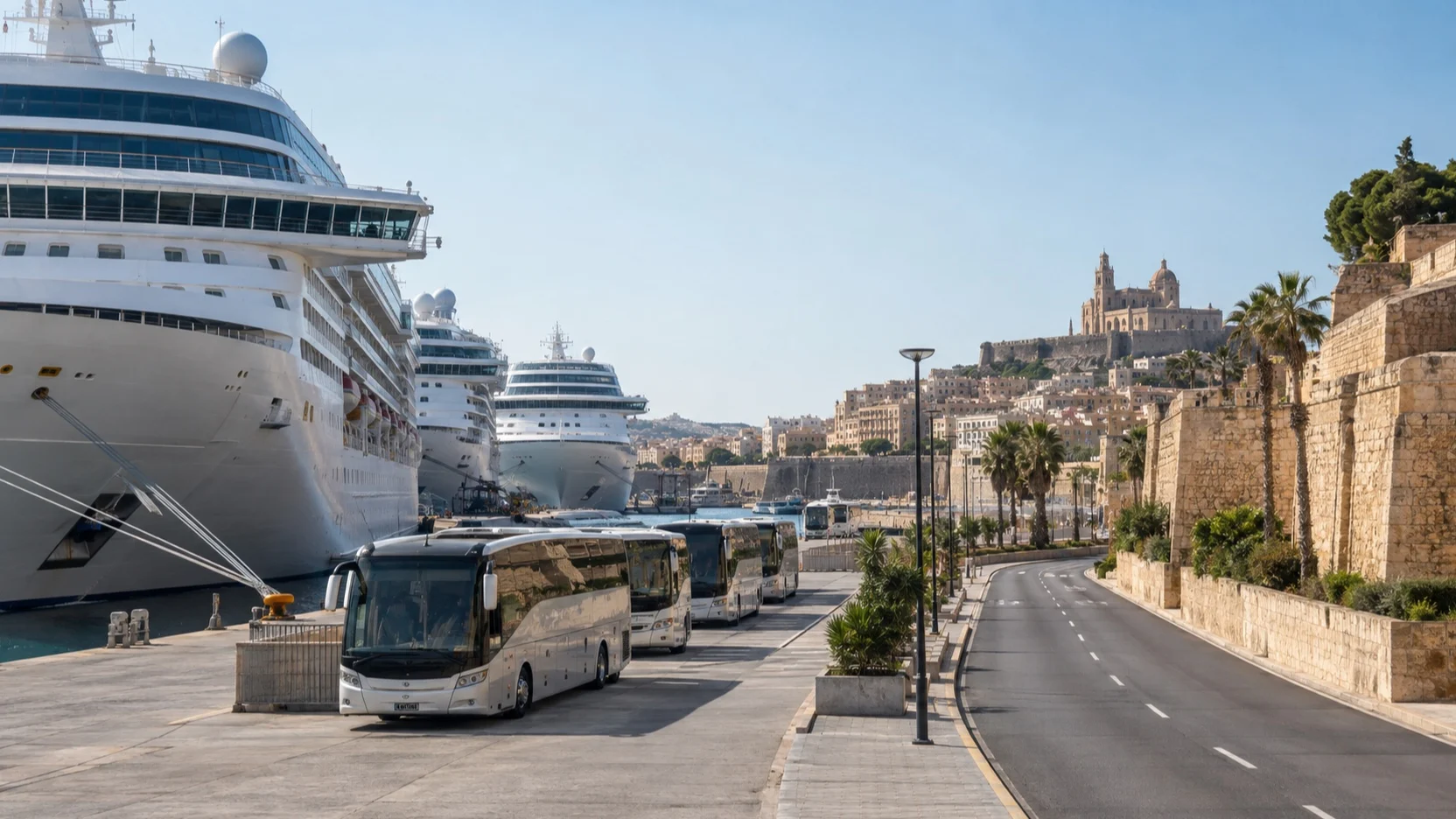
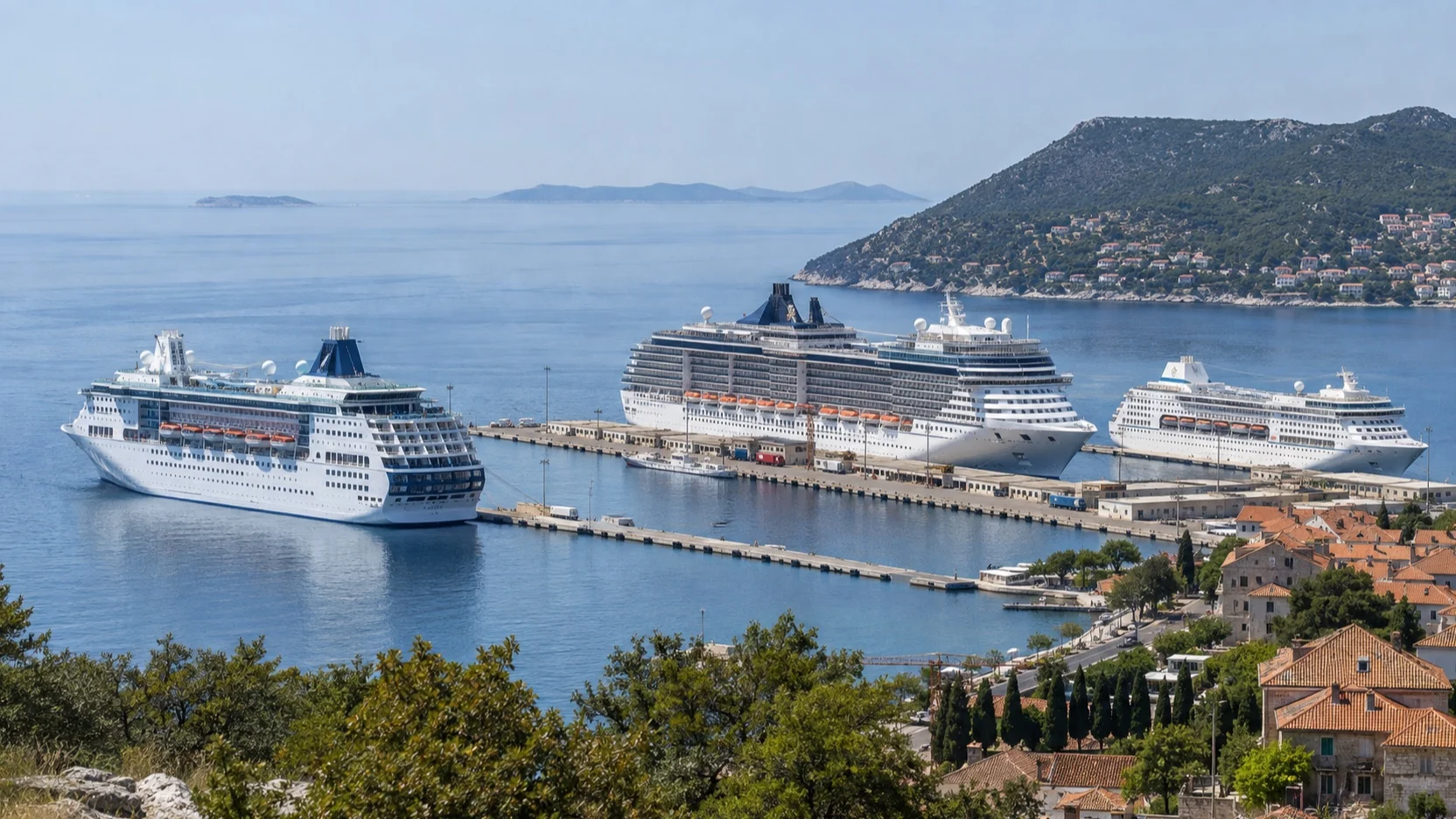
Cruise crowds move in recognizable waves. Thousands of passengers may disembark within 90 minutes, join buses with similar routes, reach the same attraction midmorning, eat lunch at the same time, and return through the terminal before all-aboard.
Land visitors, hotel guests, tour groups, school holidays, and local events add another layer. A one-ship day can still be busy at a world-famous site.
Tender ports create sharper bottlenecks because passengers funnel through small boats and limited landing facilities. Santorini’s official port site publishes cruise arrivals and estimated passengers, which helps explain why some days feel dramatically different from others.
If that is a concern on your sailing, Midnight Sun Port Days goes into it properly.
Step 1: check the ship schedule
Search for the official port authority’s cruise schedule one to two weeks before arrival, then check again shortly before sailing. Count ships, compare arrival and departure times, and note approximate passenger capacity where available.
A raw ship count can mislead. One large ship may carry more guests than three expedition ships, while staggered calls can be easier than several ships arriving at 8 a.m.
Use the schedule as a pressure forecast, not a guarantee. Weather, berth changes, cancellations, and delayed arrivals can alter the day.
The site’s guide to the most crowded cruise ports provides a useful starting point. Pair it with the official schedule for your date.
If that is a concern on your sailing, Cruise Passenger Caps goes into it properly.
Quick Facts: identify the attraction bottleneck
Most difficult ports have one or two places everyone is told they “must” see. Examples include Oia from Santorini, the Blue Lagoon from Reykjavík, the Acropolis from Piraeus, Cinque Terre from La Spezia, and Ephesus from Kusadasi.
Ask three questions:
- Does nearly every tour visit the same place?
- Is access limited by a cable car, tender pier, narrow street, ticket
window, or single road? - Can I get an equally satisfying sense of the destination
elsewhere?
The La Spezia cruise port guide shows why a famous regional excursion can be logistically demanding. Our Kusadasi port guide helps separate Ephesus from quieter alternatives near town.
Step 3: choose your timing strategy
Go first
Leave as soon as clearance and transportation allow, then visit the headline sight before the bus wave. This works best at walk-off berths or when a prearranged driver meets the ship.
It works poorly when thousands of passengers share one tender or when independent travelers receive later water-shuttle groups. Do not book an unrealistic entry time based on the printed arrival alone.
Go late
Visit the famous attraction after early tours begin returning. This can create a calmer afternoon, provided closing times and ship-return margins still work.
Late timing is strongest on long port calls. Check last admission, seasonal daylight, and transportation frequency before committing.
Skip the peak entirely
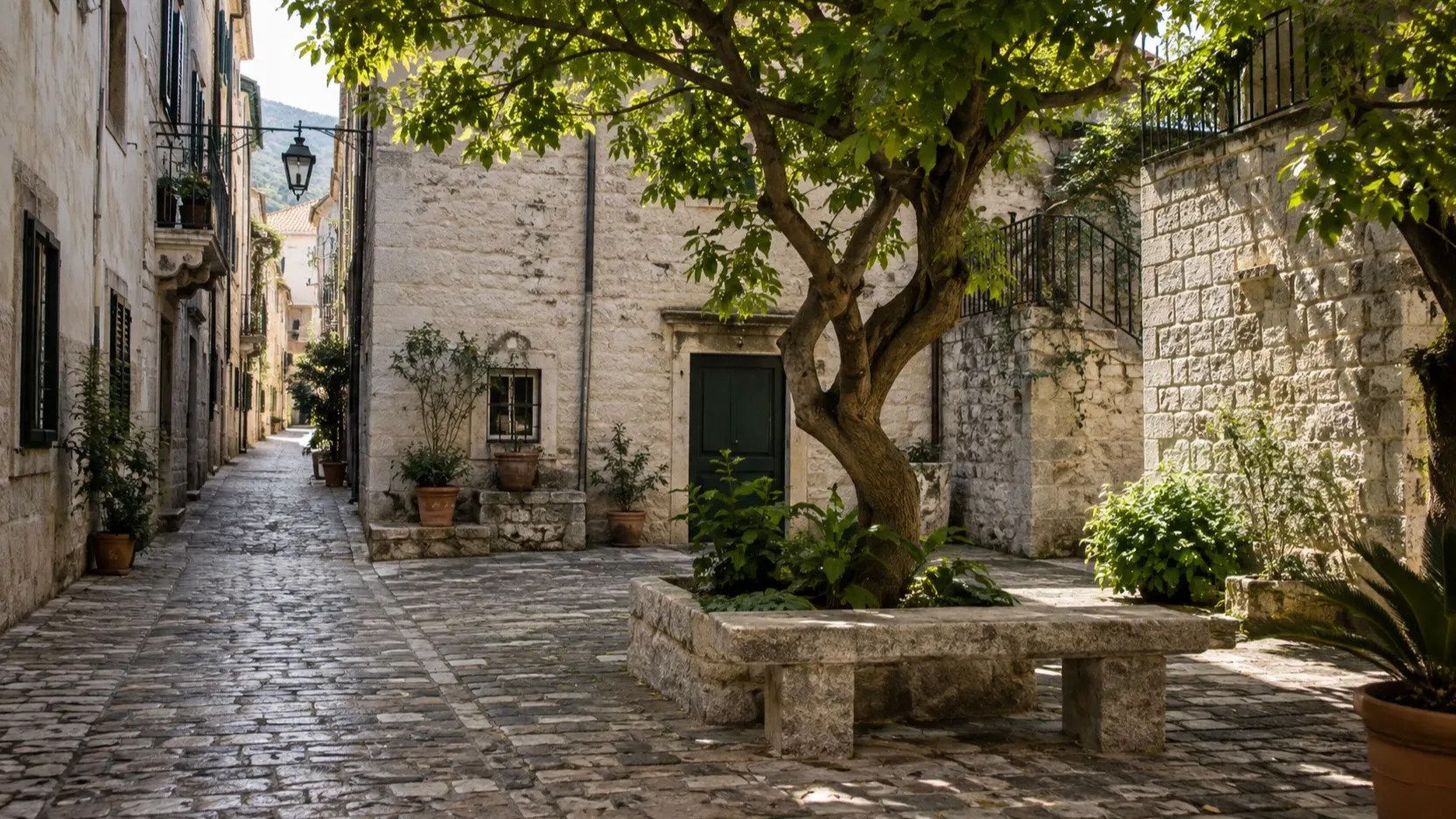
Choose a secondary neighborhood, museum, food experience, beach, garden, or viewpoint. A place can be less famous without being less interesting.
This is often the most relaxing option on extreme multi-ship days. Save the marquee attraction for a land trip when you can stay overnight.
Step 4: reserve what removes uncertainty
A timed ticket can replace one uncontrolled line with a known entry window. It does not remove security lines or crowds inside, but it protects against arriving after capacity is gone.
I look for bottlenecks on the map because crowds become unpleasant where movement narrows.
Book directly with the attraction when possible. Verify the cancellation terms, entry gate, name requirements, and whether a late ship arrival would make the ticket unusable.
Tours can also secure transport and admission, yet a giant group is not a crowd-avoidance strategy. Look for genuinely small groups with a published maximum rather than vague “intimate” wording.
Step 5: choose quieter transportation
Forty people leaving one motorcoach tend to move as a crowd. A private or very small group can adjust the order of stops, use different drop-off points, and leave when an area becomes uncomfortable.
Public transportation may be peaceful off-peak but packed when several ships arrive. Waiting for the next bus or train can be worthwhile only if the schedule leaves a safe buffer.
Walking can be the simplest solution in compact ports. Review the walkable cruise ports guide and then confirm the actual berth, because the same city can use several terminals.
Step 6: build a two-layer itinerary
Create a primary plan and a nearby escape plan. If the first stop feels fine, continue; if it is shoulder-to-shoulder, switch without spending an hour researching on the sidewalk.
A good pair might be:
A famous market can pair with a quieter neighborhood café. A major archaeological site can pair with a small local museum.
A cable-car viewpoint can pair with a waterfront walk. A popular beach can pair with an inland garden.
An old-town circuit can pair with a modern art museum.
The backup should require little new transportation. A wonderful alternative 90 minutes away is not useful once the crowd decision has already been made.
Ports where crowd planning matters most
Santorini
Cruise passengers usually arrive by tender at the old port below Fira. Movement from water level is constrained, and Oia is the island’s headline destination.
Check the Santorini port authority arrivals for your date. On a heavy day, consider a prearranged island route that does not begin with Oia, or enjoy Fira later after early tours disperse.
La Spezia and Cinque Terre
Cinque Terre villages have limited space, narrow lanes, and rail platforms that can feel intense. Multiple ships and ordinary day visitors compound the pressure.
Consider a boat view when operating, a less ambitious village plan, or a different regional destination. Verify sea conditions and seasonal schedules through the Cinque Terre National Park.
Piraeus for Athens
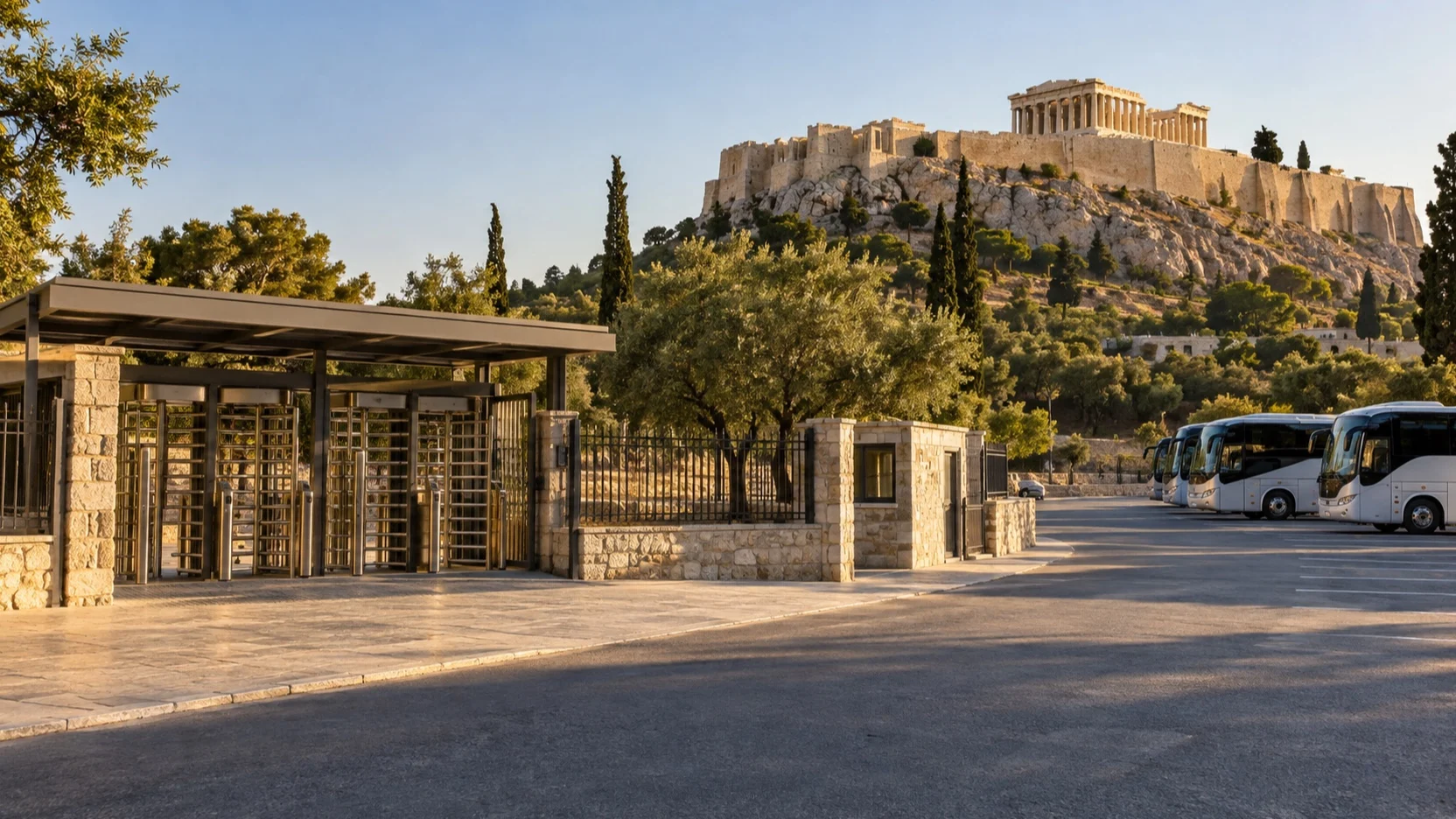
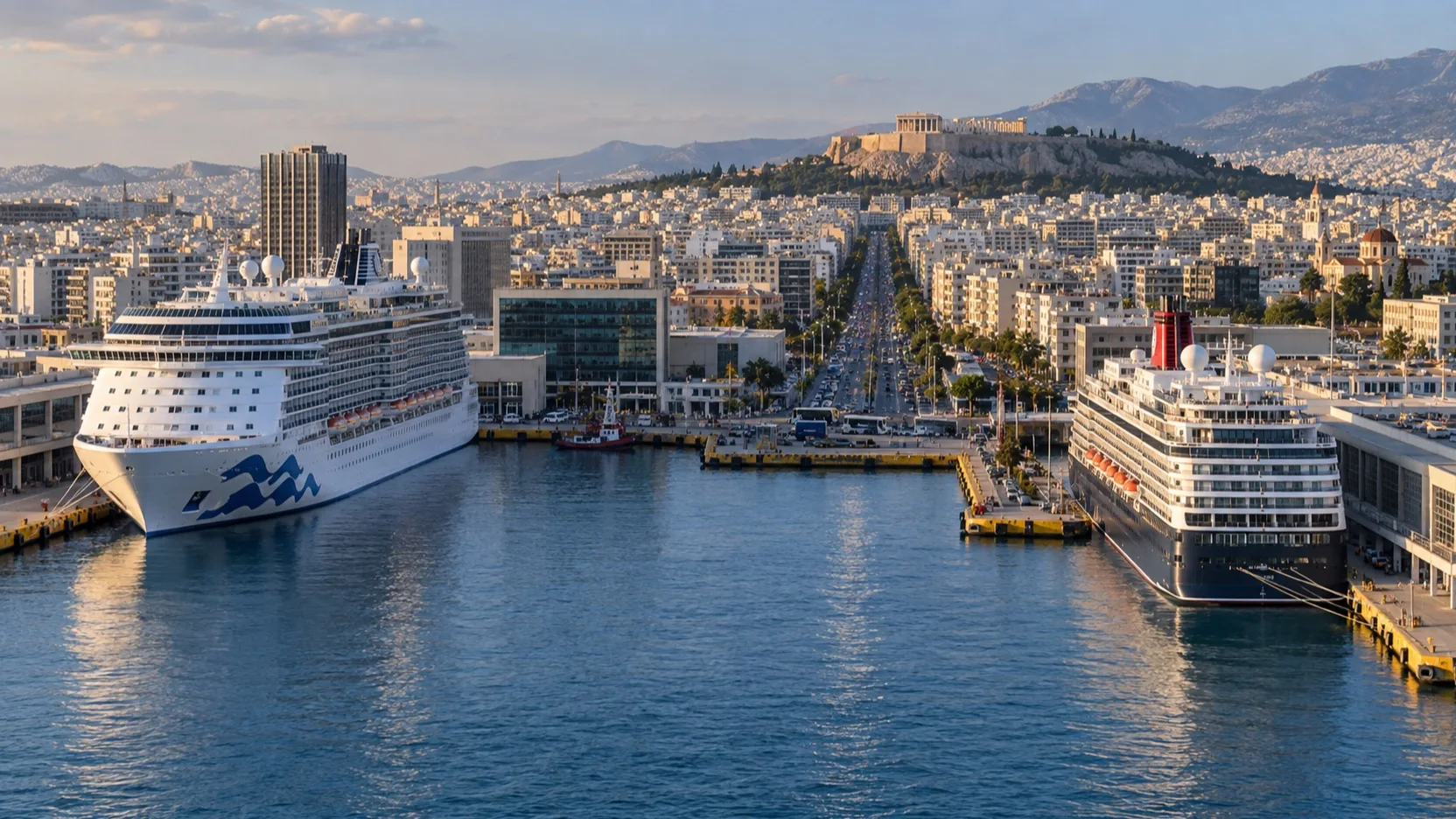
The Acropolis has limited pathways and a huge global audience. A timed ticket helps, but heat and security can still shape the visit.
Start early when the ship’s arrival makes it realistic, or pair a later archaeological visit with an uncrowded museum first. Check the official Hellenic Heritage ticket system rather than relying on a tour seller’s copied hours.
Reykjavík
Golden Circle tours from ships often follow similar sequences. A small-group operator may reverse the conventional order, but ask rather than assuming.
The Reykjavík cruise port guide compares the famous route with city and regional alternatives. A city day can be genuinely satisfying when weather or crowds make a long circuit unappealing.
Ko Samui
Tendering and road traffic can concentrate passengers, while the island’s popular sights receive the same motorcoach groups. The extra time needed simply to get ashore and move around should be part of the plan.
Choose fewer stops and a route designed around your ship’s tender timing. A quiet resort or local food experience may outperform an island checklist.
How to find lower-crowd alternatives
Look one layer beyond the best-known attraction. Official tourism sites often list neighborhood museums, gardens, markets, workshops, coastal paths, and historic sites that receive fewer cruise groups.
Search by interest rather than “top things to do.” “Ceramics workshop,” “accessible garden,” “local food market,” or “harbor architecture” produces a more personal day than another top-ten list.
Read the opening days carefully. Smaller venues may close one weekday, require advance contact, or take a midday break.
Crowd-friendly habits on the day
Eat lunch before noon or after 2 in the afternoon when local dining patterns permit. Reserve a table if the destination is known for a compact restaurant district.
Use restrooms before boarding transport or entering a timed site. A long facility line can derail the most carefully planned slot.
If a famous sight requires an hour of shuffling, I am happy to meet its less famous neighbor.
Keep digital and offline copies of tickets, meeting points, and return options. Do not stop in a narrow exit to reorganize the group.
If a space becomes uncomfortable, leave. Sunk ticket cost is less important than spending the entire port day stressed.
What not to do
Do not assume a ship-sponsored excursion bypasses every line. It may provide scheduled admission, but security, cable cars, tenders, and public roads still affect everyone.
Do not chase an “Instagram spot” at the exact hour every tour reaches it. The photo rarely improves when 200 people are trying to take the same one.
Do not choose a remote backup with fragile transportation. Crowd avoidance should lower stress, not create a missed-ship risk.
Sensory and anxiety needs
Crowds can be more than an annoyance. Noise, physical contact, uncertainty, heat, and blocked sightlines may create a serious access problem for some travelers.
Contact the cruise line and attraction about disability or sensory accommodations when relevant. Ask about quieter entrances, waiting areas, companion access, and the ability to step out and reenter.
Carry water, ear protection, medication, and other tools recommended for the traveler. Identify a calm meeting point in case the group becomes separated.
Quick answers
How many ships will visit?
Use the port authority’s official schedule when one is public. Search by port name, cruise schedule, and year, then confirm the date and terminal.
Third-party calendars can be useful, but they may lag schedule changes. Treat all counts as provisional.
Is the first ship tour quietest?
Not necessarily. Many early tours can reach the same attraction together, and independent guests may already be there.
Ask about route order, group size, and admission time. Compare that with the port’s arrival pattern.
Do private tours avoid crowds?
They can be, especially when the guide can change the stop order in real time. A private driver cannot eliminate traffic, closures, or a single unavoidable entrance.
Request a flexible itinerary and ask which alternatives the guide uses on heavy ship days.
Should I stay aboard?
Stay aboard if the destination’s only appealing attraction will be overwhelmed and the ship itself sounds more enjoyable. Otherwise, use the busy day as a reason to explore a quieter side of the port.
You do not have to treat going ashore as an all-or-nothing commitment. A calm breakfast followed by a short late outing can work beautifully.
How this guide was researched
We reviewed official cruise-arrival information from the Santorini Port Authority, current attraction and destination planning practices, and our destination logistics. Information and internal links were checked in September 2026, but ship calls, berth assignments, tickets, traffic, and operating hours can change at short notice.
CruisePorts.co provides practical, independent planning guidance for cruise travelers. This guide was reviewed in September 2026 under our Editorial Policy.
More on this topic: browse every guide on weather, crowds and conditions.