Thunderstorm Holds: Why the Gangway Closes on a Sunny Day
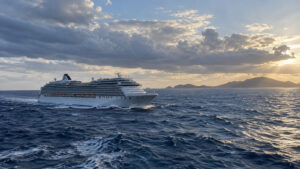
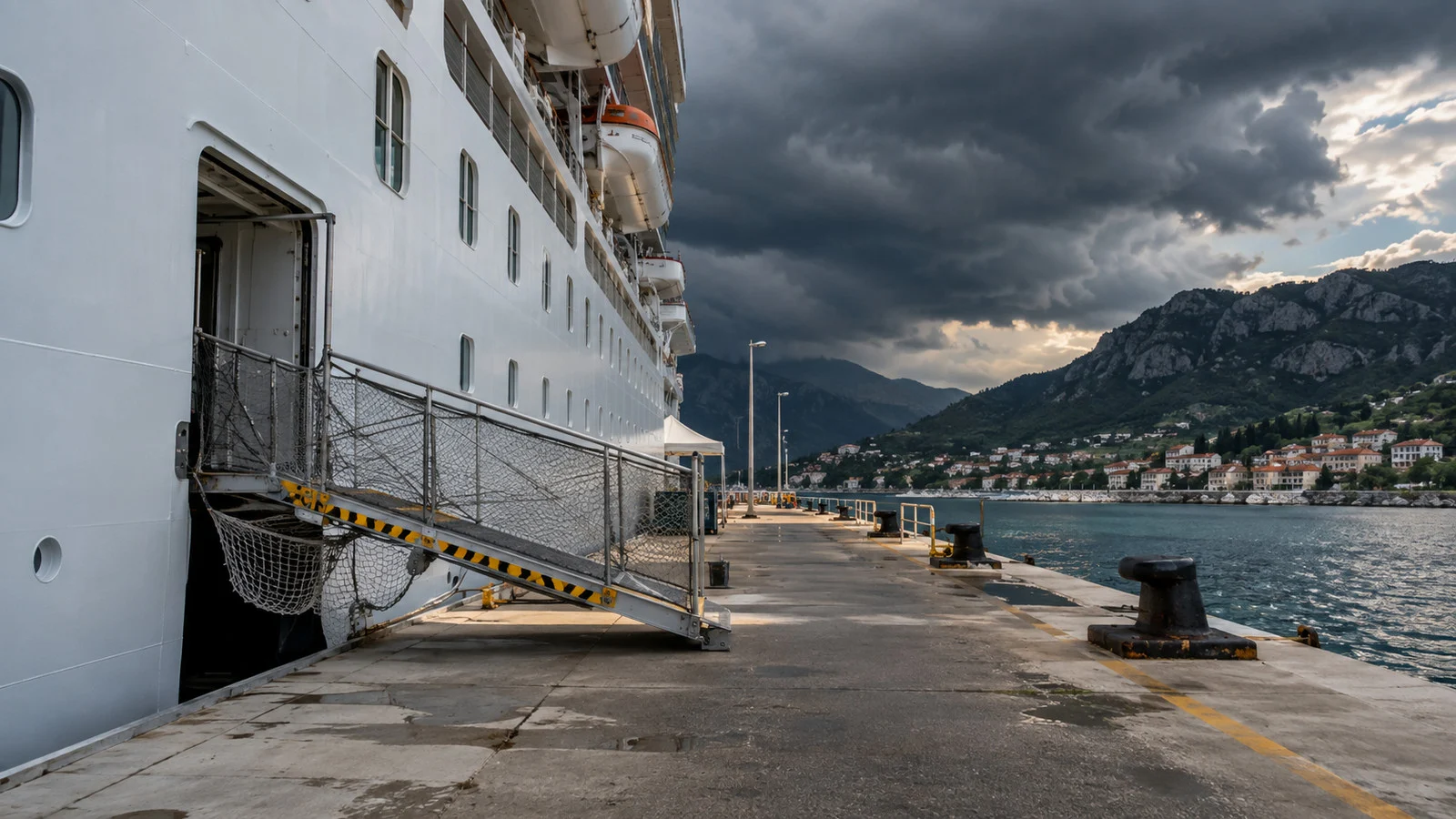
A cruise gangway can close while the ship is glowing in sunshine because the dangerous storm may be several miles away. A lightning hold is a temporary safety pause, but there is no universal cruise-port trigger or guaranteed restart time.
Here is what may stop, where to wait, and how to protect your boarding plans without trying to outguess the weather.
The quick facts
- What a hold means: the port, terminal, employer, or cruise line has paused one or more exposed operations under its own safety plan.
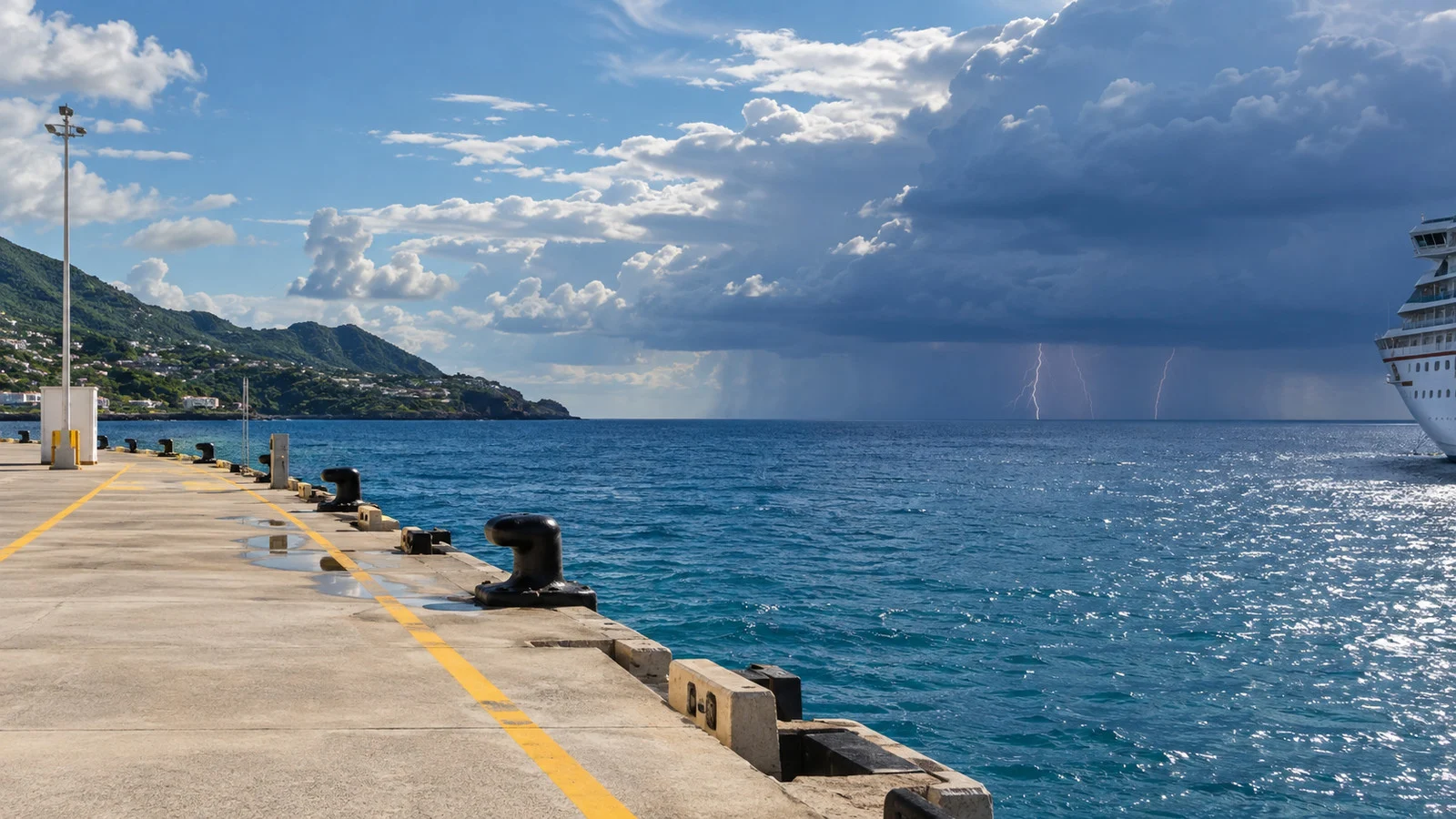
- Why the sky can look clear: lightning can reach well beyond the rain shaft you can see, and professional detection may identify a nearby strike before thunder reaches the terminal.
- What may stop: gangway use, baggage movement, fueling, provisioning, line handling, crane work, and other outdoor jobs may be suspended. The exact list depends on who controls each operation.
- How long it lasts: there is no dependable passenger countdown. A new strike or thunderclap can extend the wait, and the operator decides when work resumes.
- Where to wait: follow staff to a substantial enclosed building or hard-topped enclosed vehicle. An open-sided canopy, tent, or small shelter is not safe lightning protection.
- What not to do: do not cross a closed pier, crowd the gangway, or arrive after your cruise line’s hard check-in cutoff while trying to dodge a storm.
- Best preparation: monitor official alerts and cruise-line messages, keep essential medication and documents in your carry-on, and leave generous time around flights and transfers.
What a lightning hold actually means
A lightning hold is not one nationwide cruise rule. Ports, terminal tenants, stevedores, fuel contractors, and cruise lines can each have safety plans that determine which exposed work pauses and who gives the all-clear.
That is why one terminal may keep indoor check-in moving while another temporarily stops the whole passenger flow. Staff at the door generally cannot override the safety decision, even when the ship is close enough to photograph beautifully.
Professional weather services and lightning-detection systems can support the decision, but the equipment and trigger distance are not identical everywhere. Observed thunder, forecasts, alarms, and local procedures may all matter.
Why a sunny gangway can still close
The weather directly above you is only one slice of the risk. The National Weather Service lightning guidance says that if you can hear thunder, you are close enough to be struck, and outdoor activity should stop.
A published five-mile threshold does not automatically apply to every cruise terminal. For example, Port Canaveral’s severe-weather page says the Canaveral Lock stops for lightning within five miles of the locks, but that is a lock rule, not a published rule for every gangway at the port.
The practical lesson is simple: clear sky above the gangway does not prove the area is safe. Use official instructions, not the view from the curb, as your cue.
What can stop on the pier
A hold may pause the gangway because crew and passengers would be exposed outside. It may also affect baggage carts, forklifts, fueling, provisioning, waste removal, mooring work, or other operations conducted on the open pier.
Do not assume that every task stops together or restarts together. Fuel contractors, baggage teams, and terminal staff may follow different approved procedures, so a backlog can remain after the visible hold ends.
Indoor check-in may continue, slow down, or pause if the secure boarding area fills. The cruise line or terminal is the only reliable source for what is happening at your sailing.
The 30-minute rule is not your gangway countdown
For personal outdoor safety, the National Weather Service says to wait at least 30 minutes after the last thunder before going back outside. That advice is not a promise that a cruise gangway will reopen exactly 30 minutes after a detected strike.
An employer’s safety plan may use different data, distances, and restart procedures. The clock can also reset, and crews may need time to inspect equipment, restage bags, or clear a queue after the all-clear.
Treat any announced estimate as provisional. If nobody offers a time, that usually means the next safe decision depends on weather that has not happened yet.
If the hold starts on embarkation day
Follow the arrival window assigned by your cruise line and leave extra travel time, but do not deliberately arrive late to avoid an afternoon forecast. The published check-in cutoff is a hard boundary, while a weather app is only a forecast.
Check the cruise line’s app, texts, and email before leaving your hotel or parking area. Port social channels can explain wider closures, but the cruise line should be your source for sailing-specific instructions.
Keep passports, medication, phone chargers, a change of clothes, and anything needed for children in your carry-on. Checked bags may reach cabins later if outdoor baggage handling pauses.
If staff stop the line while you are outside, go only to the safe location they designate. Do not shelter under an open canopy or walk across a restricted pier to retrieve something from the car.
Turnaround days already have tightly sequenced baggage, supplies, cleaning, and boarding work. The guide to back-to-back cruise turnaround day explains why one short pause can leave a much longer queue.
Protect the rest of your travel day
For embarkation, arriving in the port area at least a day early gives flight and road delays less power over the cruise. For the trip home, use the cruise line’s earliest recommended flight time as the minimum, then add more room if a missed flight would be costly.
Flexible tickets and travel insurance can help, but coverage depends on the exact policy and cause of delay. A lightning hold does not automatically create cruise-line compensation or an insurance payment.
If the hold starts during a port call
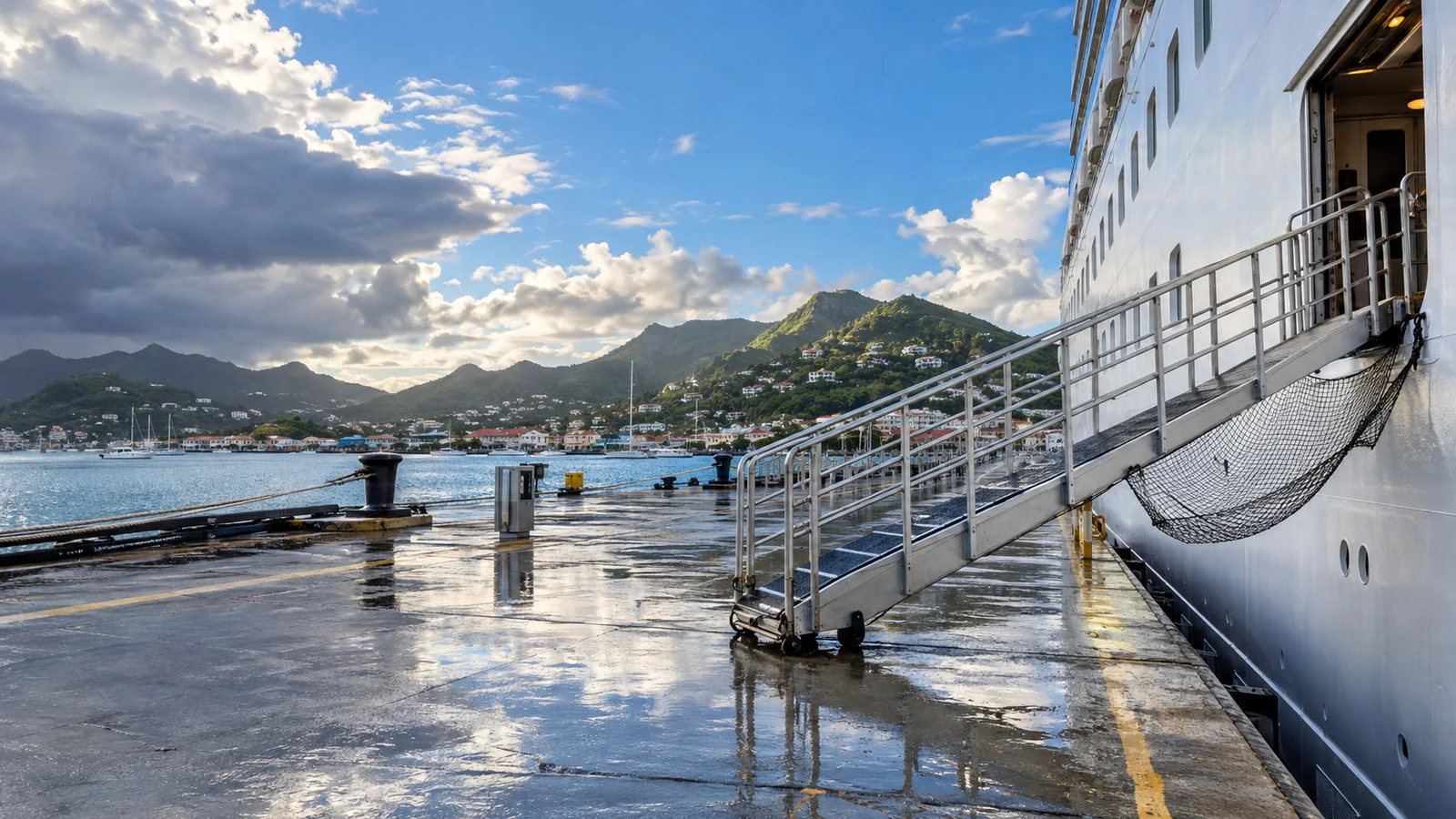
Build a comfortable buffer before all-aboard instead of planning to touch the gangway at the last minute. That matters even more when a child needs a nap, as the guide to planning a port day around toddler naps explains.
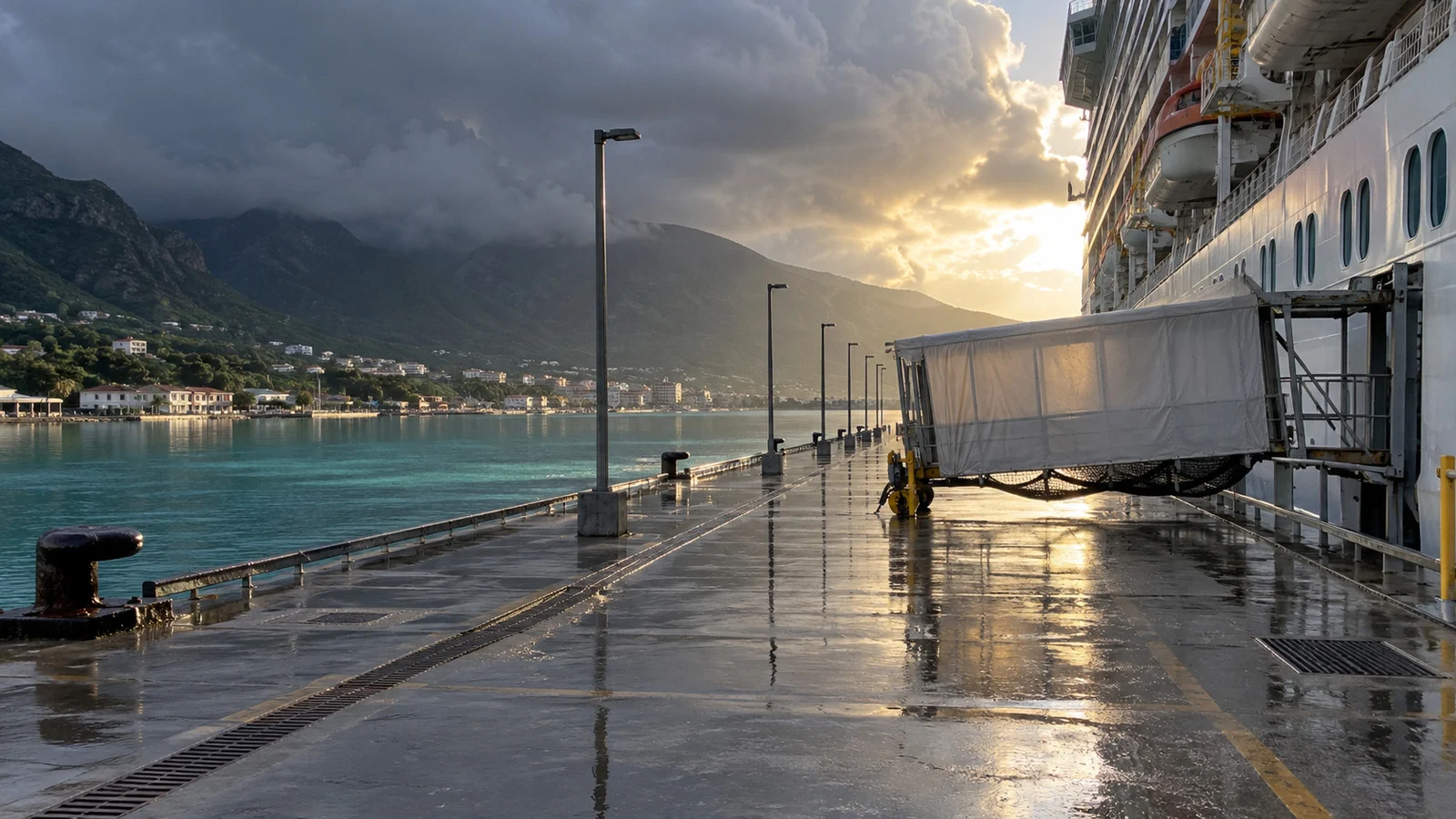
If your ship’s gangway closes while you are already in its controlled terminal area, remain in the designated safe place and follow crew or port staff instructions. Do not assume you can leave that area safely, and do not assume the ship will wait if you are somewhere else.
If thunder catches you away from the terminal, enter a substantial enclosed building or a hard-topped enclosed vehicle. Contact the cruise line’s port agent using the number in the daily program if the weather threatens your return, but do not sprint across an exposed waterfront.
Tender ports need a different plan
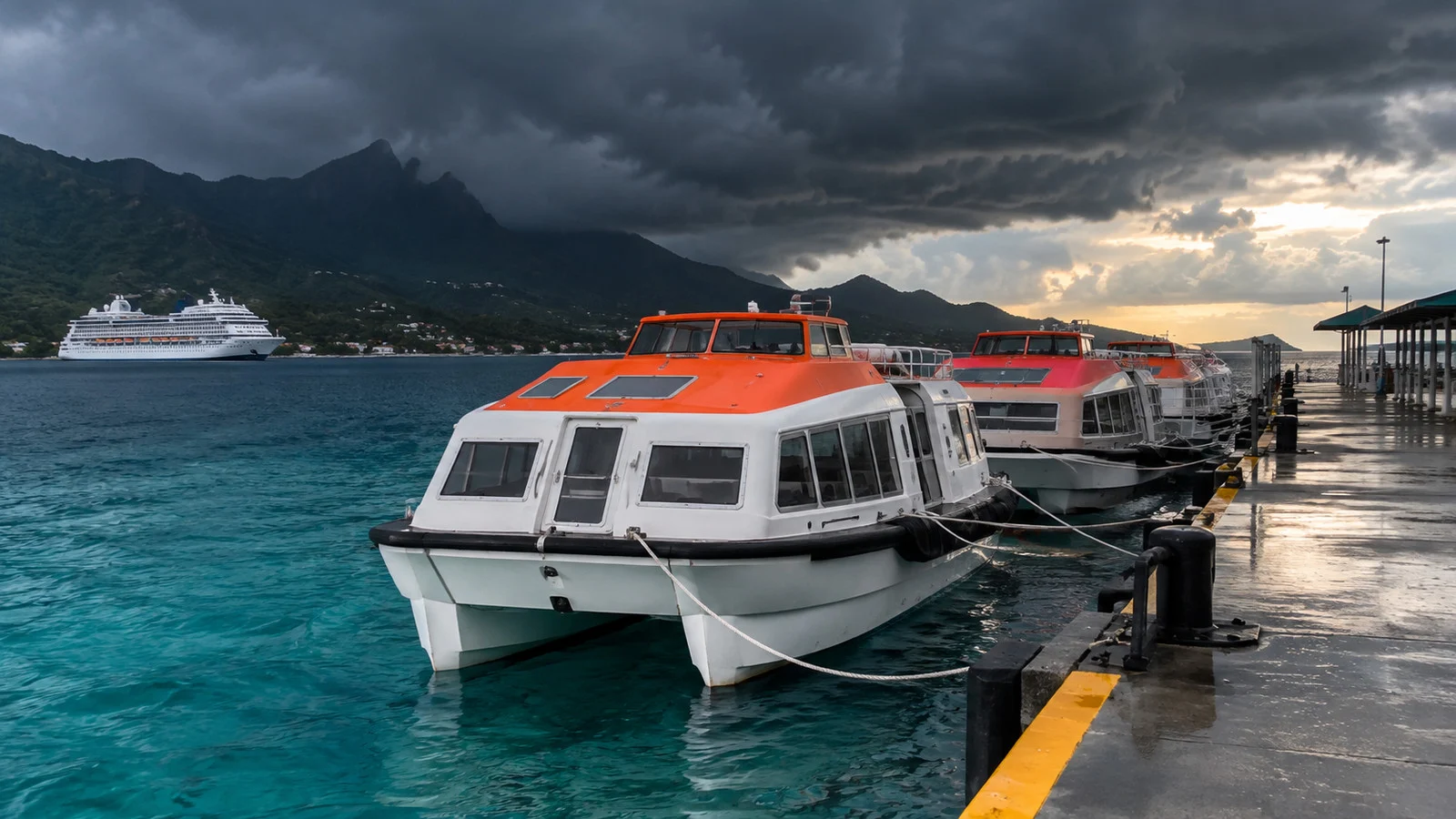
Tender service can pause because passengers and crew would be exposed in small boats or at open landing points. The National Weather Service says small boats without cabins face the greatest lightning risk, so never pressure a tender crew to move before an all-clear.
A lightning pause can overlap with wind or sea conditions that also stop tendering. The guide to rough seas delaying or canceling cruise tenders covers that separate decision.
A National Weather Service Special Marine Warning usually covers hazardous marine weather lasting up to two hours, such as winds or gusts of at least 34 knots, hail at least three-quarters of an inch, or waterspouts. It is a marine warning, not a universal automatic gangway trigger.
Where to wait safely
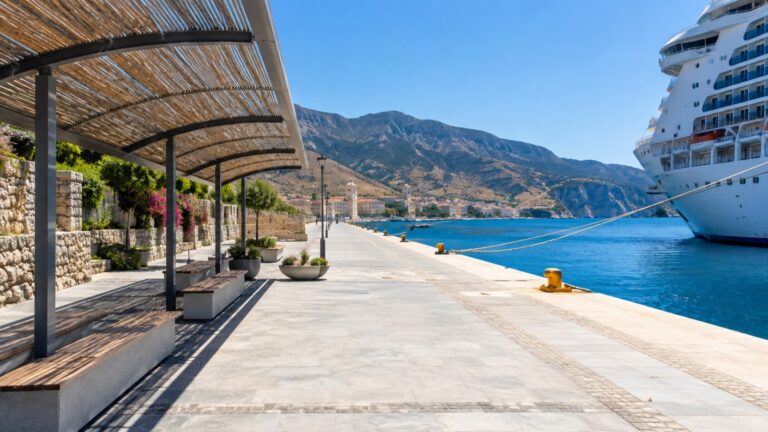
The safest option is a substantial enclosed building with wiring and plumbing or a hard-topped enclosed vehicle. Open-sided shelters, tents, beach palapas, and covered walkways do not provide reliable lightning protection.
Stay away from water, wet ropes, railings, isolated trees, and open areas. Metal does not attract lightning, but it can conduct current, which is one reason wandering around a working pier is a poor plan.
If you are already inside the terminal or ship, stay there until staff direct you onward. Keep doors and stairs clear, watch the cruise app, and make sure everyone in your party knows where to regroup.
Mobility, medical, and family needs
Tell staff promptly if someone cannot stand in a stalled line, uses a mobility device, has a medical concern, or is traveling with an infant. Ask for the nearest designated safe waiting area, but do not cross a closed outdoor zone unless staff escort or direct you.
Keep medication, water, and any approved cooling aid within reach. The guide to planning a cruise port day when someone cannot walk far can help you build a less fragile schedule.
If anyone becomes seriously ill or is struck by lightning, call emergency services and alert port staff immediately. A lightning victim does not retain an electrical charge and can be touched, so begin CPR or use an AED if trained and directed.
When lightning holds are more likely
Lightning is more common in summer, but the National Weather Service notes that it can happen in every season. Florida, Gulf Coast, and Caribbean ports can have warm-season afternoon thunderstorms, yet the timing and risk vary by location and day.
Check the official local forecast and radar on the morning of your call, then keep notifications enabled. A lower-risk month or morning tour may reduce exposure, but no calendar or time slot guarantees an open gangway.
At Port Canaveral and other Florida terminals, follow the cruise line for itinerary changes and the port for broader operational alerts. The Port Canaveral cruise port guide covers the rest of the terminal logistics.
A practical lightning-hold checklist
- Follow your assigned arrival window and never gamble with the final check-in cutoff.
- Turn on cruise-line app, text, and email notifications before heading to the terminal.
- Keep documents, medication, chargers, and children’s essentials in your carry-on.
- Use a substantial building or enclosed vehicle for shelter, not an open canopy.
- Give flights, transfers, tours, and all-aboard more buffer than the perfect-day minimum.
- Stay where staff direct you and expect a queue even after exposed work resumes.
Rain alone does not tell you whether lightning procedures are active. The guide to a rainy forecast on a cruise port day helps with the wider go-or-cancel decision.
Quick answers
How long does a cruise-terminal lightning hold last?
There is no dependable standard duration because the operator waits for its own all-clear, and new lightning can extend the hold.
Why is the gangway closed when the sky is blue?
The storm may be outside your view, and safety decisions cover the surrounding exposure area rather than only the patch of sky above the ship.
Will the ship leave while its own gangway is closed?
The ship and terminal know when their controlled gangway is unavailable, but stay where staff direct you and never assume the ship will wait if you are delayed elsewhere.
Can indoor check-in continue?
Sometimes, but it can slow or stop if capacity, security flow, or local procedures require it, so follow the terminal’s instructions.
Does lightning cancel the whole port call?
A temporary hold may end when conditions improve, but severe storms can also bring wind, marine warnings, flooding, or tender suspensions, as the guide to cruise ports most likely to be missed or canceled explains.
Do passengers receive compensation?
Not automatically, because the cruise contract, booked-tour terms, airline rules, and travel-insurance policy determine whether a particular loss is covered.
The last word
A blue sky does not make a closed gangway silly, and a 30-minute safety recommendation is not a reopening promise. Stay in proper shelter, follow the official arrival and all-aboard times, and let the people responsible for the pier give the all-clear.
Most of the frustration comes from uncertainty, so build breathing room into the day and keep the essentials with you. If a disruption grows beyond weather, the guide to cruise-port strikes, protests, and blockades explains a different set of closures.
How this guide was researched: This guide was checked against current National Weather Service lightning and marine-warning guidance, OSHA and NOAA workplace lightning guidance, and Port Canaveral’s published severe-weather procedures. Policies vary by port and operator, so sailing-specific instructions should always be confirmed with the cruise line; see our Editorial Policy.
More on this topic: browse every guide on weather, crowds and conditions.