Which Attractions Become Difficult on the Busiest Cruise-Port Days?
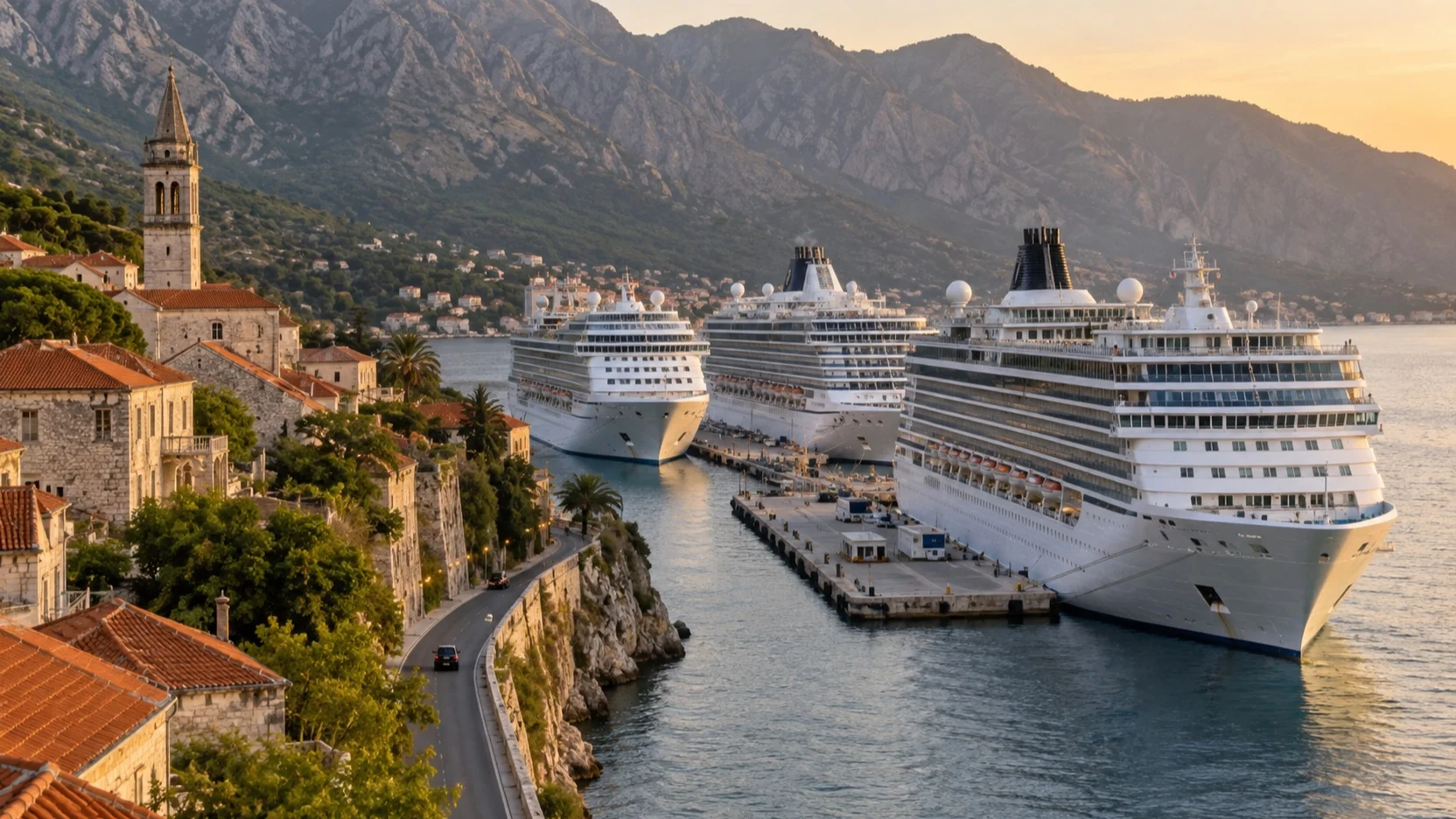
The hardest attraction on a busy cruise day is rarely the one farthest from the ship. It is the place with one narrow entrance, one cable car, one ferry, one road, or one ticket window trying to absorb thousands of visitors at the same time.
Some famous sights cope well with advance reservations and multiple transit options, while a tiny viewpoint can collapse under a few tour buses. The smart response is to identify the bottleneck before booking and choose a version of the day that still works when the port is crowded.
Quick Facts
- Highest crowd risk: Attractions with one access route or limited hourly capacity
- Common bottlenecks: Cable cars, tenders, ferries, shuttles, gates, and ticket checks
- Most fragile plan: Several timed attractions connected by road
- Best defense: Reserve the true bottleneck and keep the rest flexible
- Best arrival tactic: Go early or visit late after organized groups leave
- Best backup: A walkable district close to the ship
- Port schedule value: It reveals overlapping ships, not exact crowd distribution
- Return rule: Never spend the safety buffer in an attraction queue
- Conservation rule: Capacity controls protect places as well as visitors
Why ship numbers do not tell the whole story
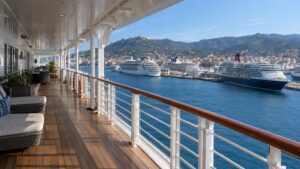
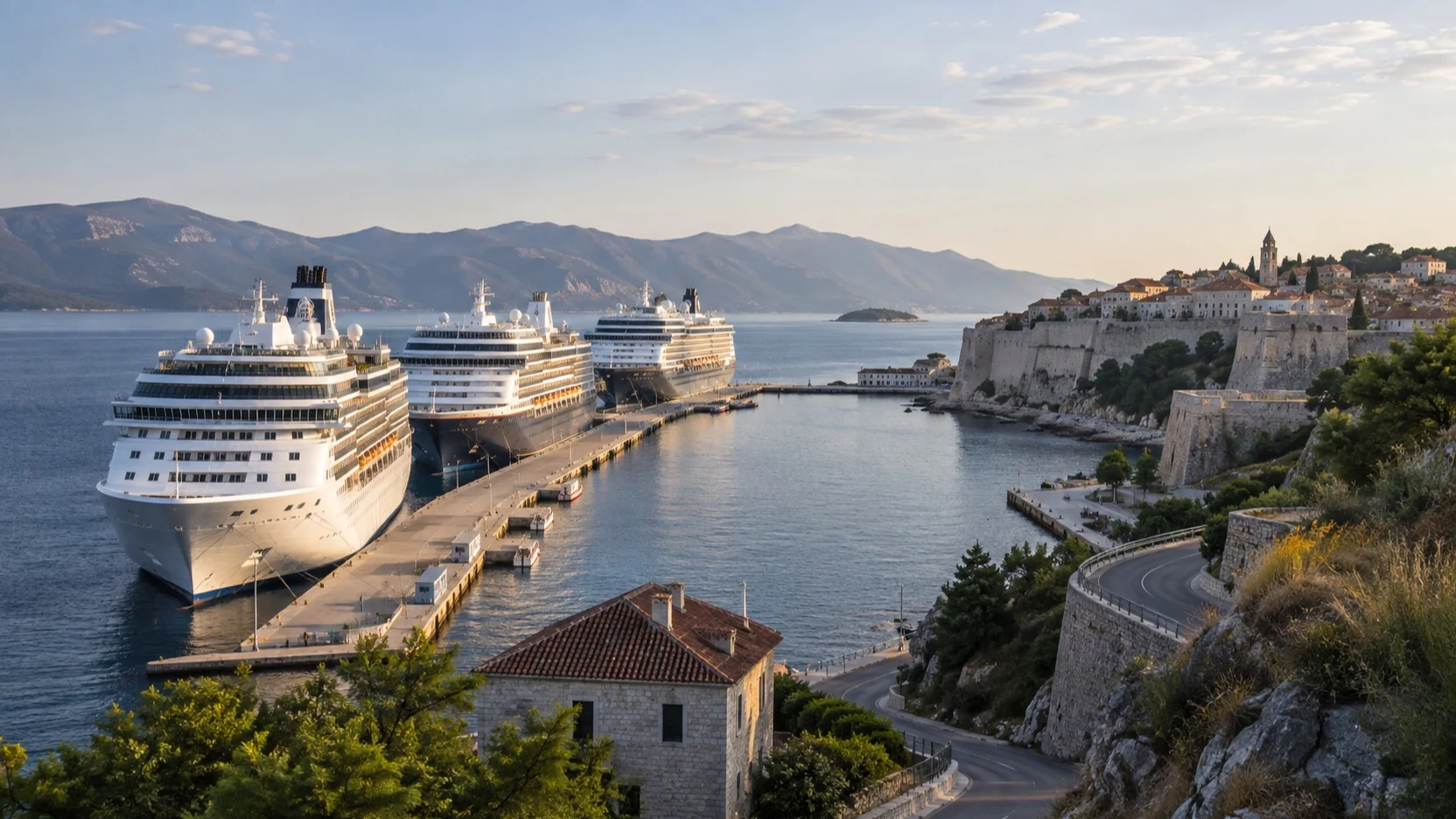
Three ships can create less pressure than one if passengers split among a large city, beaches, and regional tours. A small island or village can feel overwhelmed by a single large vessel because nearly everyone follows the same route.
Berth position, tender priority, call hours, excursion inventory, and the presence of overnight guests also shape demand. Use the official port schedule as context, then examine the attraction’s own capacity and access system.
The bottleneck test
Ask what controls entry to the experience. It may be a lift, ferry, road tunnel, shuttle, timed gate, narrow trail, security checkpoint, or small number of legal boats.
Then ask what happens when that system fails. If there is no second route or nearby alternative, the attraction is fragile on a peak day.
Cable cars and funiculars
Cable cars move passengers quickly in theory, but their hourly capacity can be tiny compared with a modern cruise ship. Queues grow at both ends, and wind or technical issues can reduce service precisely when thousands need to return.
Santorini is the classic example because tender passengers using the old port must reach Fira by limited routes. The ride itself is short, while the waiting can consume a major part of the call.
How to handle a cable car day
Leave early if tender priority allows, or wait until the first excursion wave has cleared. On return, reach the station long before the final tender because the line and the boat queue are separate.
Do not build the plan around walking a steep alternative unless your fitness, heat tolerance, footwear, and local guidance support it. An emergency route is not automatically a safe route.
Tiny villages
Oia, Portofino, Positano, and villages along the Cinque Terre are visually famous but physically small. Narrow lanes, stairs, limited restrooms, and constrained vehicle access make crowds feel larger than they would in a city.
A bus may drop several groups beside one viewpoint, while independent travelers arrive by ferry or train. The experience can become a slow procession rather than a relaxed visit.
A better village plan
Choose the first or last workable time, explore one side street away from the main overlook, and reserve any essential lunch. Do not attempt several small villages if each connection has limited capacity.
A nearby town with wider streets can deliver regional character with less crowd pressure. The most photographed village is not always the most enjoyable port day.
Archaeological sites
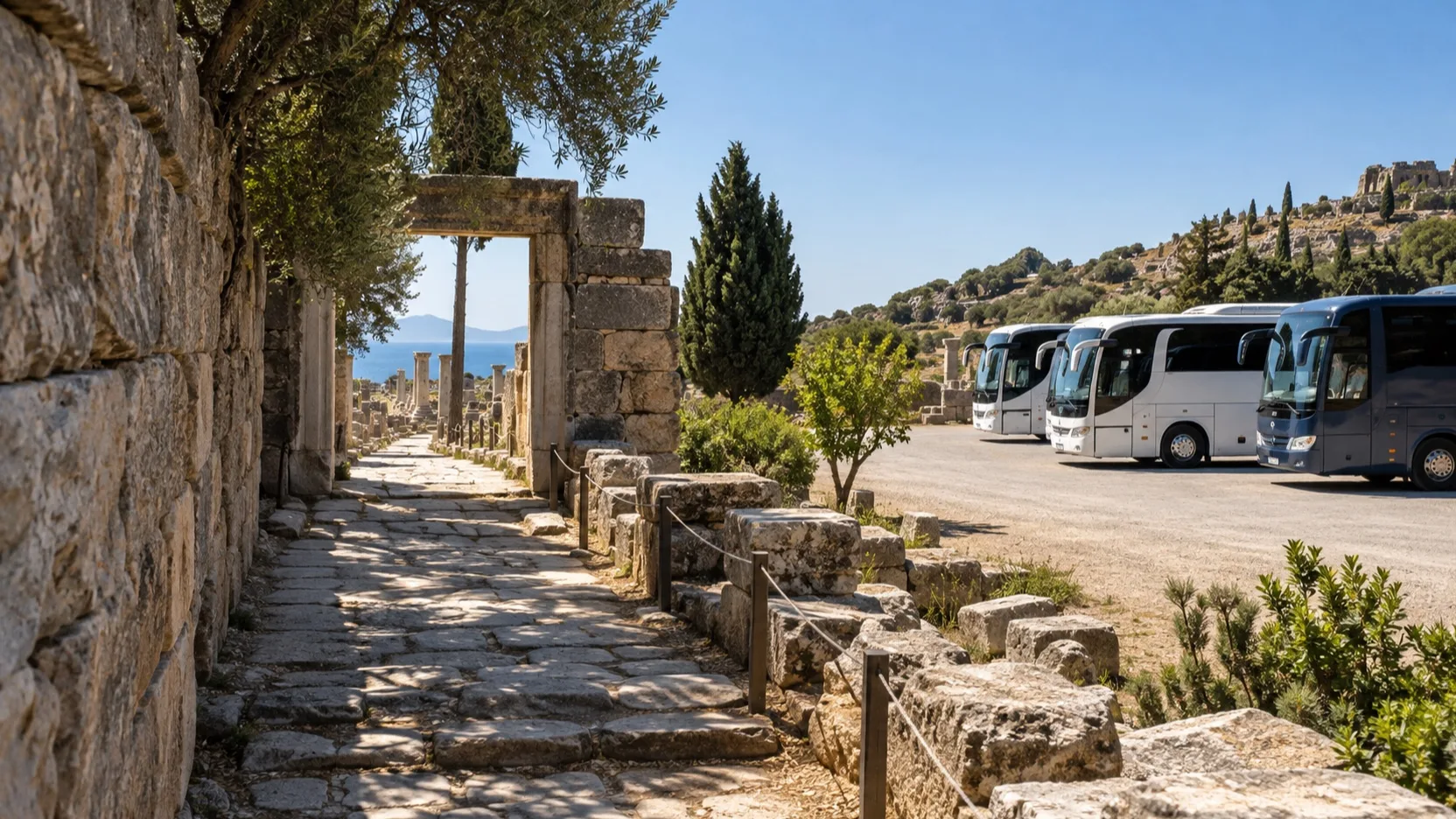
The Acropolis, Pompeii, Ephesus, and other major sites combine ticket limits, security, exposed terrain, group tours, and fragile historic fabric. Heat can lead authorities to alter hours or close areas even when guests hold reservations.
Timed entry helps distribute demand but does not remove queues at security, restrooms, transport, or signature viewpoints. A valid ticket is only one part of the visit.
Acropolis days
Athens cruise calls can send large groups from Piraeus toward the Acropolis in a narrow morning window. Official timed admission and heat measures make current ticket and operating information essential.
Reserve through the official Hellenic Heritage system and keep the rest of Athens flexible. The Acropolis Museum, Ancient Agora, or a shaded neighborhood can serve as a backup if access changes.
Pompeii days
Pompeii receives visitors from Naples, Salerno, Sorrento, land tours, and regional travelers, so cruise numbers are only part of the pressure. The park uses personalized tickets and visitor controls that can change by season.
Buy through the official archaeological park channel, enter early when possible, and focus on one route. The site is too large to see completely during a port call.
Ephesus days
Ephesus concentrates guests from Kusadasi and nearby resort areas along a largely linear archaeological route. Coaches often arrive in waves, creating crowd surges at major monuments and exits.
A smaller group, early departure, or later entry can improve the visit, but heat and limited shade remain. Use a licensed guide and confirm the correct entrance and pickup point.
Scenic railways
The Flåm Railway and other scenic trains are difficult because the timetable and seat count are fixed. A village can host more cruise passengers than the railway can carry, and popular departures sell out well before arrival.
Buying an official ticket solves the seat problem but not a late ship arrival or platform confusion. Check whether the train schedule leaves a reasonable buffer rather than selecting the final return.
Rail strategy
Reserve the bottleneck train first and build the village or hiking plan around it. Avoid separate tickets that depend on a tight connection unless the operator protects that connection.
If the train is sold out, do not buy from an unverified reseller. Choose a fjord walk, local viewpoint, museum, or ship excursion with confirmed inventory.
Island ferries
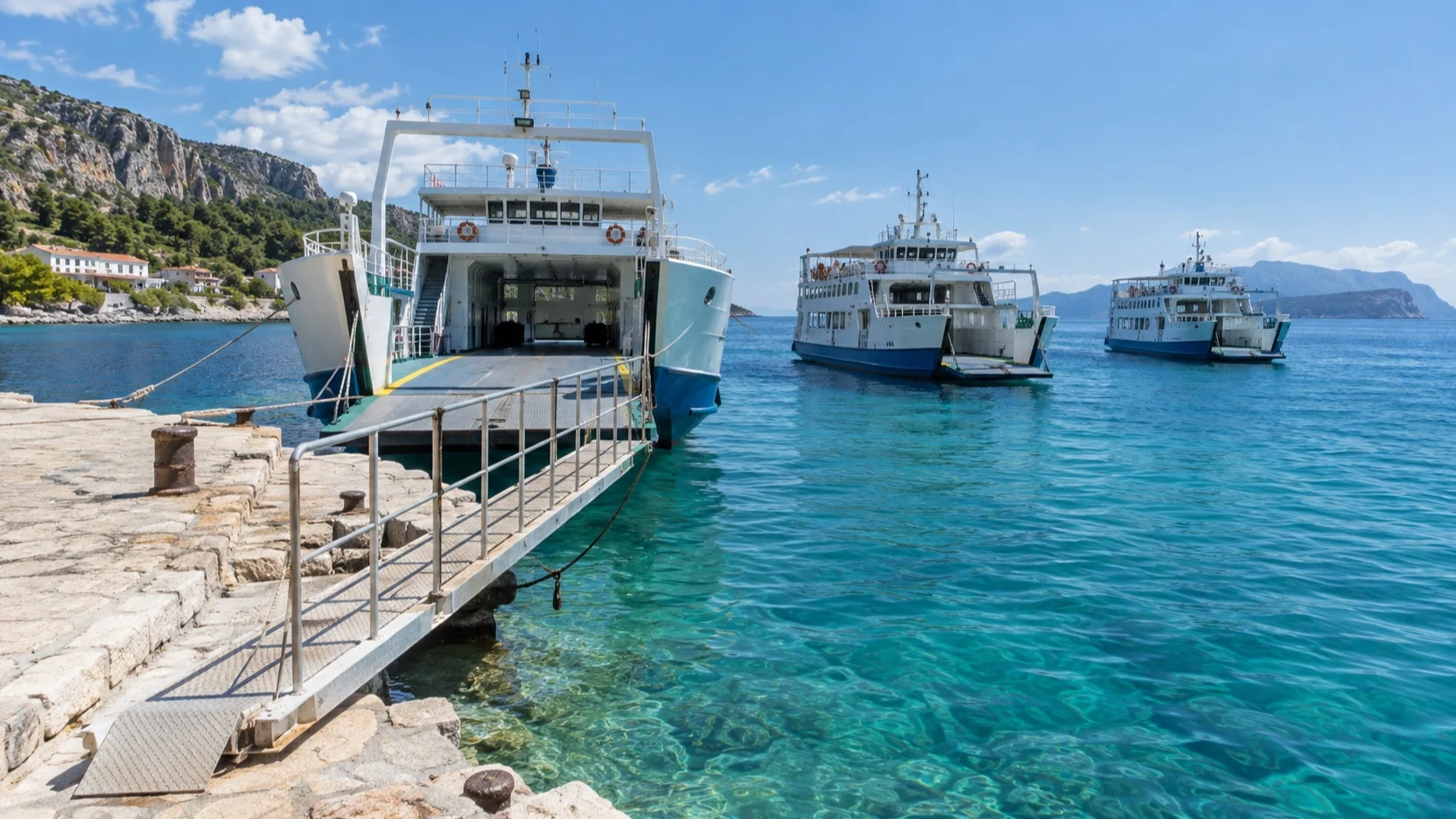
Ferries to Capri, Suomenlinna, Herm, Sark, and other islands add another fixed transport system beyond the cruise ship. Ticket lines, boarding limits, weather, and the final return create layered risk.
A crowded destination may also have a second bottleneck after arrival, such as Capri’s funicular, buses, taxis, or boats. The connection chain matters more than the ferry crossing alone.
Capri from Naples or Sorrento
Capri can receive cruise guests, resort visitors, and day trippers from several mainland ports at once. Marina Grande funnels arrivals toward limited uphill transport and island roads.
Book official ferry tickets when appropriate, but leave room for schedule changes and rough water. A Naples day should not depend on the last ferry that could theoretically connect to the ship.
Gateway icons
Rome from Civitavecchia, Florence from Livorno or La Spezia, Paris from Le Havre, and Berlin from Warnemünde require long transfers before sightseeing begins. Busy traffic or rail disruption magnifies the pressure because there is little recovery time.
The landmark may have excellent visitor management, yet the gateway journey remains fragile. A cruise-line tour can reduce coordination risk but cannot create more hours.
One icon, not five
Choose one major reservation and a compact surrounding walk. Crossing the city repeatedly wastes the time you paid to spend there.
If the call is short or transport warnings appear, stay closer to port. Civitavecchia, Livorno, Le Havre, and Rostock region alternatives can produce a calmer day.
Famous museums
The Louvre, Vatican Museums, Uffizi, Anne Frank House, and other headline museums have timed entry, security, and dense internal circulation. Peak days can create queues even for reserved visitors.
A ticket for a specific hour must align with the ship, port transfer, and city transport. An early reservation with no arrival margin is as risky as a late reservation with no return margin.
Museum strategy
Buy from the official museum, arrive within the stated window, and select a short highlights route. Store bags only when required because cloakroom lines add another bottleneck.
Know the cancellation or late arrival rule before purchase. If the ship docks late, do not chase a lost ticket across the city.
Beaches with narrow access
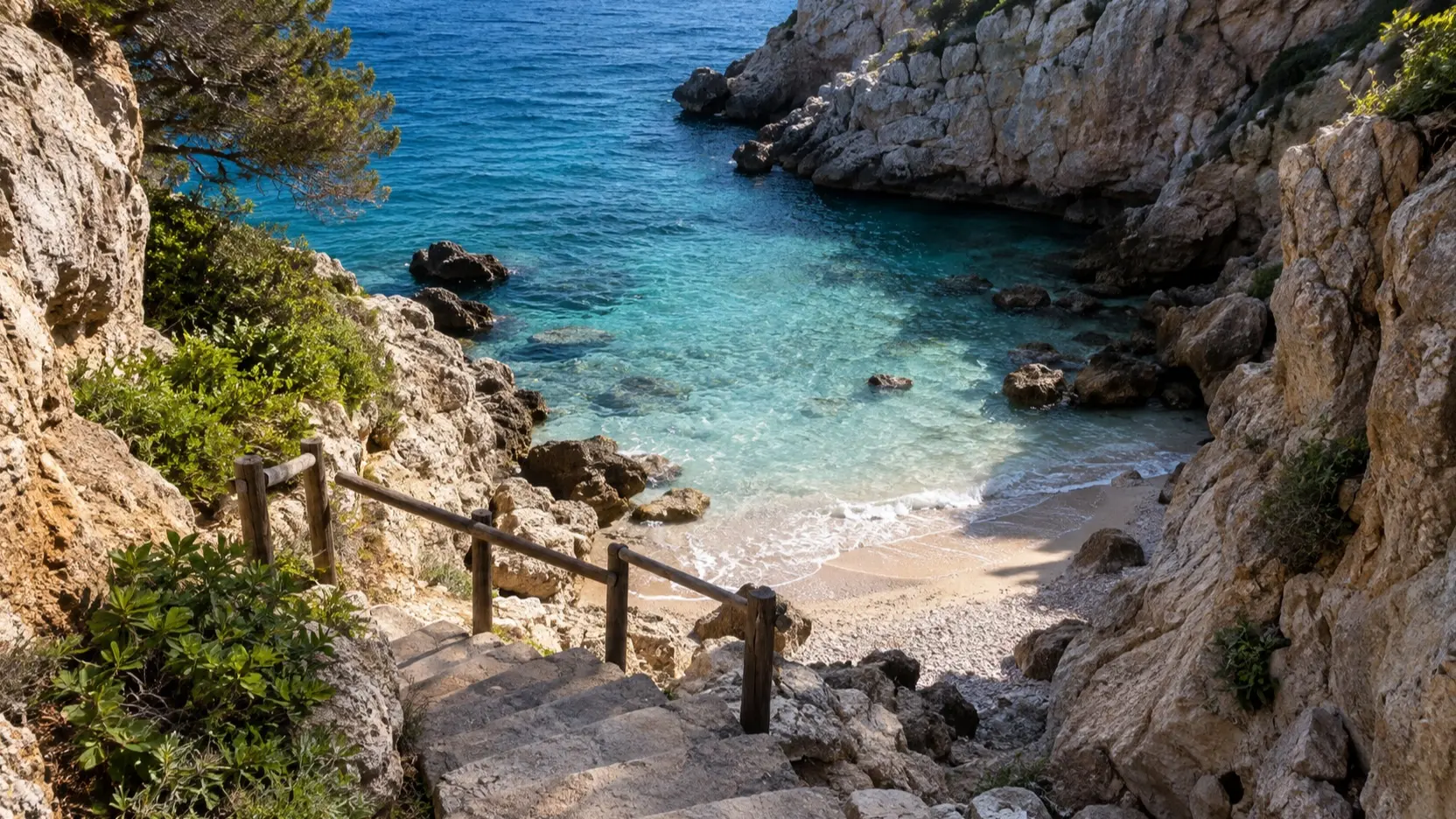
A famous beach can be difficult when one road, small parking lot, water taxi, or limited number of chairs controls the experience. Maho Beach, Horseshoe Bay, Mykonos beaches, and island resort passes can all feel crowded for different reasons.
Beach capacity includes shade, restrooms, food service, and safe swimming space, not only sand. A photograph of an empty shoreline may have been taken before the first tour bus.
Beach strategy
Reserve a legal day pass if the venue requires one and arrange the return before leaving the port. Keep valuables minimal and choose a backup beach with simpler access.
Never swim beyond lifeguard guidance or local warnings to escape a crowd. Waves, current, coral, and boat lanes do not become safer farther from shore.
Wildlife encounters
Whale watches, bear viewing, penguin colonies, turtle areas, and stingray excursions are limited by seasons, permits, boats, and wildlife behavior. Ethical operators cannot manufacture a sighting or exceed protection rules when demand rises.
Peak crowds can disturb animals and reduce the quality of the experience. Choose licensed small groups, follow distance rules, and accept that conservation closures outrank a booking.
National parks and protected landscapes
Parks may use reservations, shuttle systems, vehicle limits, or trail closures to protect sensitive places. Glacier viewpoints, volcanic parks, and canyon roads also face weather, wildfire, rockfall, or snow restrictions.
A cruise excursion description can be published months before a temporary closure. Check the managing agency close to the visit and ask what alternative the tour uses.
Historic elevators and single lifts
Old towers, church domes, fortresses, and cliff attractions may rely on one small elevator or staircase. Capacity drops sharply when a lift breaks or a security rule limits group size.
Reserve the official slot and expect stairs even when an elevator is advertised. Travelers with mobility needs should ask whether the entire route is step free.
Food markets and small restaurants
Markets near cruise terminals can become crowded at the same time as local lunch demand. Narrow aisles, limited seating, and slow table service make a simple meal unexpectedly time consuming.
Eat before the peak or choose a place one block away from the headline market. Reserve only when the restaurant can honor a firm port day schedule.
Hop-on, hop-off buses
These buses look flexible but can struggle when every passenger wants the same stop and afternoon return. Traffic, full vehicles, and long waits turn a sightseeing tool into a transport gamble.
Use one complete loop only if it ends with a large buffer, or ride directly to one priority and return by public transit. Never depend on the final advertised bus.
Taxis and rideshares
A taxi queue can be the first bottleneck at an industrial port or tender landing. The second appears at the attraction when hundreds of independent guests request a ride back at once.
Prebook with a reputable licensed provider and confirm the pickup point in writing. Keep a public transport or local taxi backup where one exists.
Rental cars
Rental desks, vehicle collection, parking, and fuel return can consume more time than the drive. Peak days also create congestion at famous viewpoints and historic centers where parking is scarce.
Reserve the correct transmission, child seat, and insurance before arrival. A car is useful only when it removes more friction than it adds.
Accessibility on crowded days
Crowds increase elevator waits, block curb ramps, fill accessible vehicles, and make uneven sites harder to navigate. An attraction can be technically accessible yet practically exhausting at peak time.
Contact the official venue about reserved access, companion rules, mobility device limits, and accessible restrooms. Build additional time without spending the return buffer.
Families and strollers
Cable cars, tenders, narrow villages, and crowded archaeological sites are especially demanding with children. Strollers may need to fold, while heat and queues erode patience quickly.
Choose one attraction with food, shade, and an easy exit. A nearby park or waterfront is a stronger backup than another ticketed site.
Weather multiplies crowds
Rain pushes visitors into museums and covered markets, while extreme heat compresses outdoor demand into early morning and late afternoon. Wind can suspend cable cars, tenders, and ferries, sending everyone toward the same alternatives.
Check the official weather service and attraction alerts before leaving the ship. A backup must suit the weather that caused the change.
How to research a busy port day
Start with the official port schedule and note other ships plus their call hours. Then use the attraction’s official site for timed entry, closures, capacity rules, and accessibility.
Check the public transport operator for service alerts and the local authority for road or event closures. Social media can reveal atmosphere, but it should not override an operating notice.
Reserve the bottleneck, not everything
If the day depends on a railway seat, ferry, cable car slot, or controlled archaeological entry, reserve that piece. Keep lunch, shopping, and secondary sights flexible.
A schedule full of reservations has no room to absorb a late gangway. One protected experience is stronger than four fragile appointments.
Use time shifting
Cruise groups often move in waves, with headline attractions busiest in late morning. An early ship excursion or a later independent entry can reduce pressure when transport and return time allow.
Time shifting does not justify a late final slot. Your personal return margin remains untouchable.
Use geographic splitting
When everyone travels to the headline site, choose another attraction in the same region with easier access. Greater Pompeii sites, a lower village, a secondary beach, or a city museum can deliver the theme without the main crush.
This is not settling. It is matching the experience to the day that actually exists.
Know when to abandon the plan
Set a decision time before departure, such as the moment the queue exceeds forty minutes or the train delay removes the backup. Leave while another safe option remains.
Sunk ticket cost should not push you toward missing the ship. The return deadline has no sympathy for money already spent.
Frequently asked questions
How do I know how many ships are in port?
Use the official port authority schedule and verify close to arrival. Published calls can change, and passenger counts do not reveal how people will distribute.
Does a timed ticket eliminate queues?
No, because security, transport, restrooms, and internal choke points remain. It only controls one part of the visit.
Are ship excursions less crowded?
They can secure transport and admission, but many ship groups may arrive together. Read the group size and actual time at the attraction.
Should I visit first thing?
Often yes, especially for exposed sites and limited transport. Confirm that your gangway or tender timing can reach the official slot.
What is the safest backup?
A walkable district near the port with food, restrooms, and no fixed admission is usually best. It remains useful even after a late arrival.
Will the ship wait if the attraction queue is long?
Do not assume it will wait for independent travelers. Leave the queue before it consumes your private return buffer.
My take on peak port days
The busiest day does not have to be the worst day. It simply punishes plans that ignore capacity and rewards travelers who understand where the line will form.
Reserve one bottleneck, arrive at a different time than the crowd, and keep a close backup you genuinely want. Flexibility becomes the most valuable ticket in the port.
Before arrival, check the official port schedule, the attraction’s own ticket and closure page, and the local transit operator’s service alerts. Use the government weather service for current conditions and follow your cruise line’s revised gangway, tender, and all aboard instructions.
More on this topic: browse every guide on weather, crowds and conditions.