How to Read a Cruise Itinerary Before You Book
A cruise itinerary is more than a row of pretty port names. The arrival, departure, port status, overnight markers, and travel distance beyond the pier tell you what kind of vacation you are actually buying.
Give the detailed itinerary ten quiet minutes before paying a deposit. Tiny type has a mischievous habit of hiding tenders, short calls, and a two-hour bus ride to the city on the postcard.
The quick facts
- Read first: Exact dates, arrival and departure times, port status, overnights, and sea days.
- Calculate: Usable time ashore after the ship’s return deadline, tender or gangway time, and transfers.
- Verify: The exact sailing on the cruise line’s site, then the berth and call times on official port schedules where available.
- Ask before booking: Tender accessibility, mobility-device limits, and any port that would make or break the trip.
- Remember: Published itineraries can change, so save the version you booked and recheck it before final payment and sailing.
Start with the exact sailing, not the route name
Cruise lines reuse names such as “Western Mediterranean” across ships, months, and embarkation ports. Open the day-by-day detail for the exact ship and departure date, then check that the first and last ports match the flights or land plans you expect.
Confirm every calendar date, especially on repositioning cruises and routes that cross the International Date Line. A repeated or skipped date is not a typo, and it can affect flights, hotel nights, visas, and independent tours.
Save a PDF or screenshot of the itinerary shown at booking. That gives you a clean reference if the line later changes a port, time, or overnight.
Read each row in this order
- Date and day number: Catch overnight stays, date-line crossings, and back-to-back early mornings.
- Port label: Identify the actual harbor, not only the destination in parentheses.
- Arrival and departure: Treat these as ship-movement times, not guaranteed walk-off and return times.
- Status: Look for docked, tendered, anchored, scenic cruising, or at sea.
- Notes: Open footnotes for time changes, alternate ports, technical calls, and itinerary-specific restrictions.
Do this for every row before admiring the route map. Maps are excellent at romance and terrible at explaining a 4 p.m. departure.
Published port hours are not usable hours ashore
An itinerary showing 7 a.m. to 6 p.m. describes an 11-hour call, but it does not promise 11 hours on land. The ship must be cleared and the gangway opened after arrival, while guests must return before departure.
Use this planning formula for each port: published call length minus expected disembarkation time, the ship’s return margin, round-trip transport, and any tender or shuttle queue. Keep each estimate visible instead of quietly subtracting it in your head.
Do not hard-code a 20-minute clearance allowance or a one-hour all-aboard rule across every line. Norwegian currently requires guests to be aboard one hour before scheduled departure at ports of call, but your cruise line and the day’s onboard notice control your sailing.
Norwegian also warns that shipboard time may differ from local port time. Keep your watch and phone aligned with ship time, and use the method in the guide to ship time versus local time.
Embarkation day: departure time is not your boarding time
The first row may show only the sailaway time. Your terminal arrival window, check-in deadline, document checks, and final boarding time come from the cruise line’s instructions for your booking.
Do not plan to reach the terminal shortly before the printed departure. Arrange flights and ground transportation around the line’s boarding requirements, and leave room for delays that have nothing to do with the ship.
Docked, tendered, or anchored
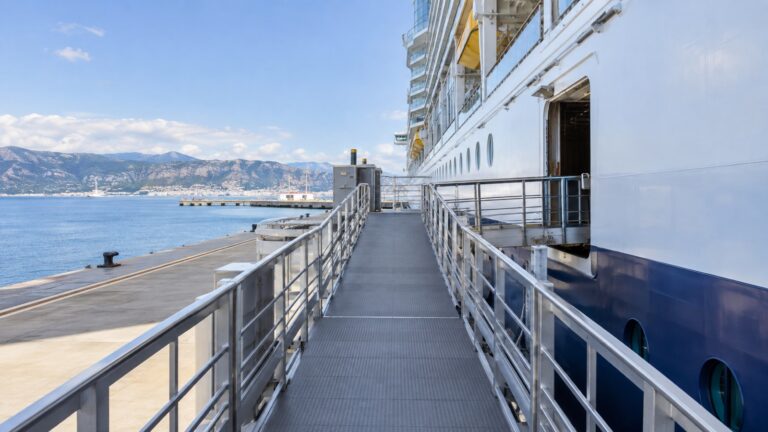
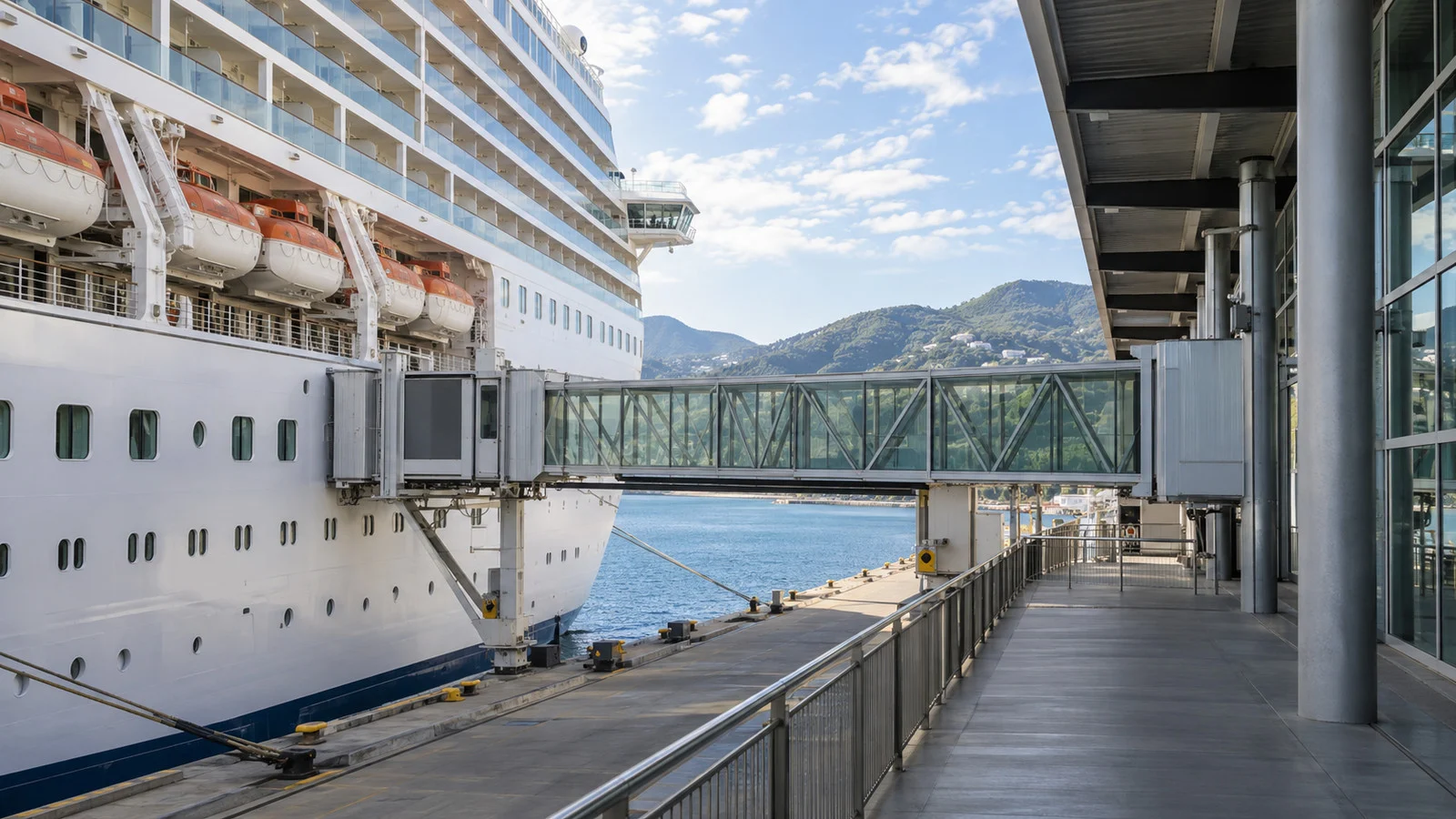
Docked usually means the ship is alongside a berth and guests use a gangway. It does not promise a flat route, a short walk, or immediate access to town.
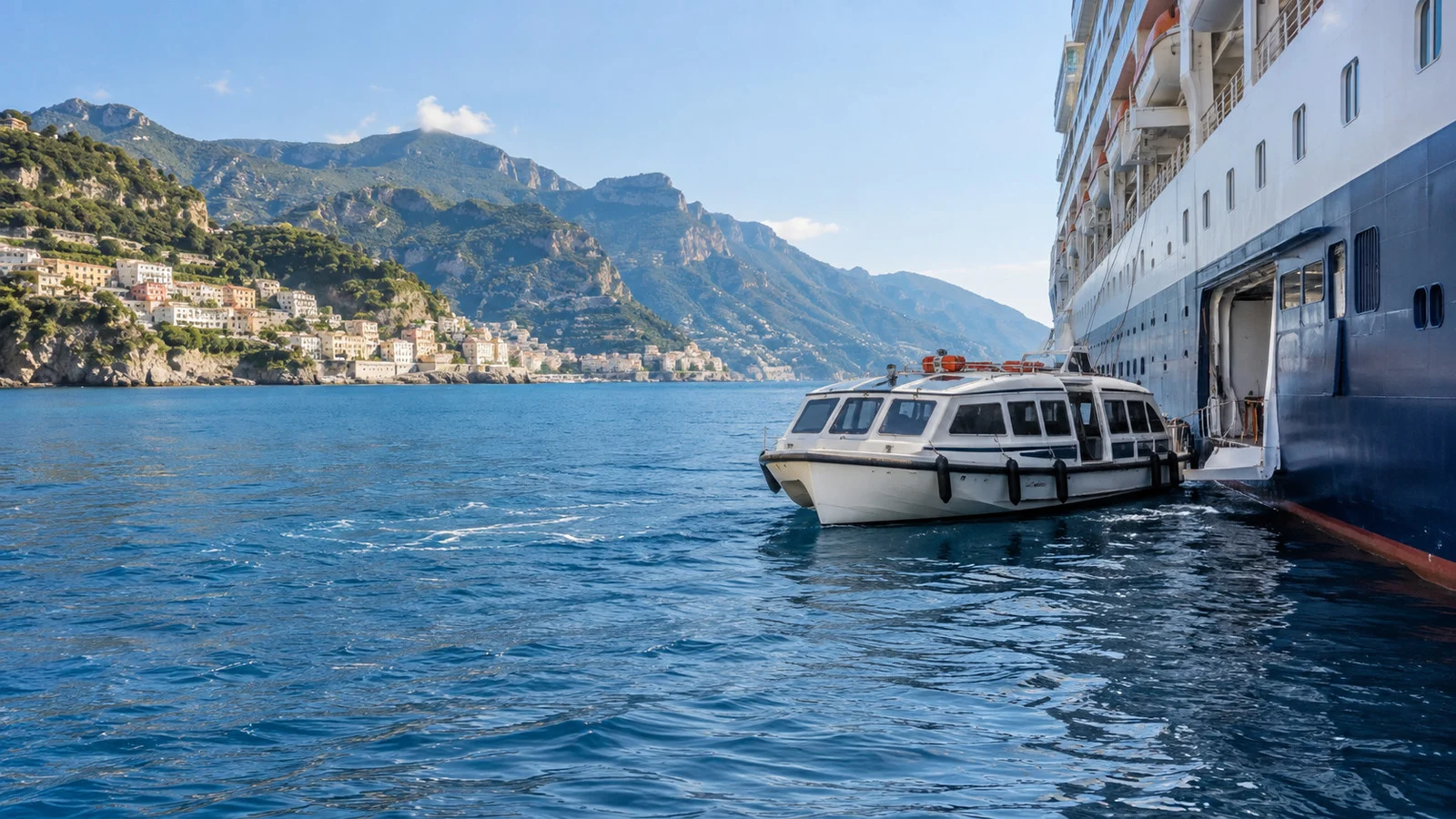
Tendered or anchored usually means small boats carry guests between ship and shore. Tickets, excursion priority, weather, harbor traffic, and tender capacity can all reduce usable time, but there is no honest universal number of minutes to subtract.
Some ports can be docked on one call and tendered on another. Norwegian’s current tender-port list marks locations where the method varies by call, which is a useful reminder to verify the exact sailing.
Read the practical guide to what a tender port means before booking an independent morning tour. A tender call also faces more weather-related uncertainty than a straightforward berth.
The port name may be doing marketing work
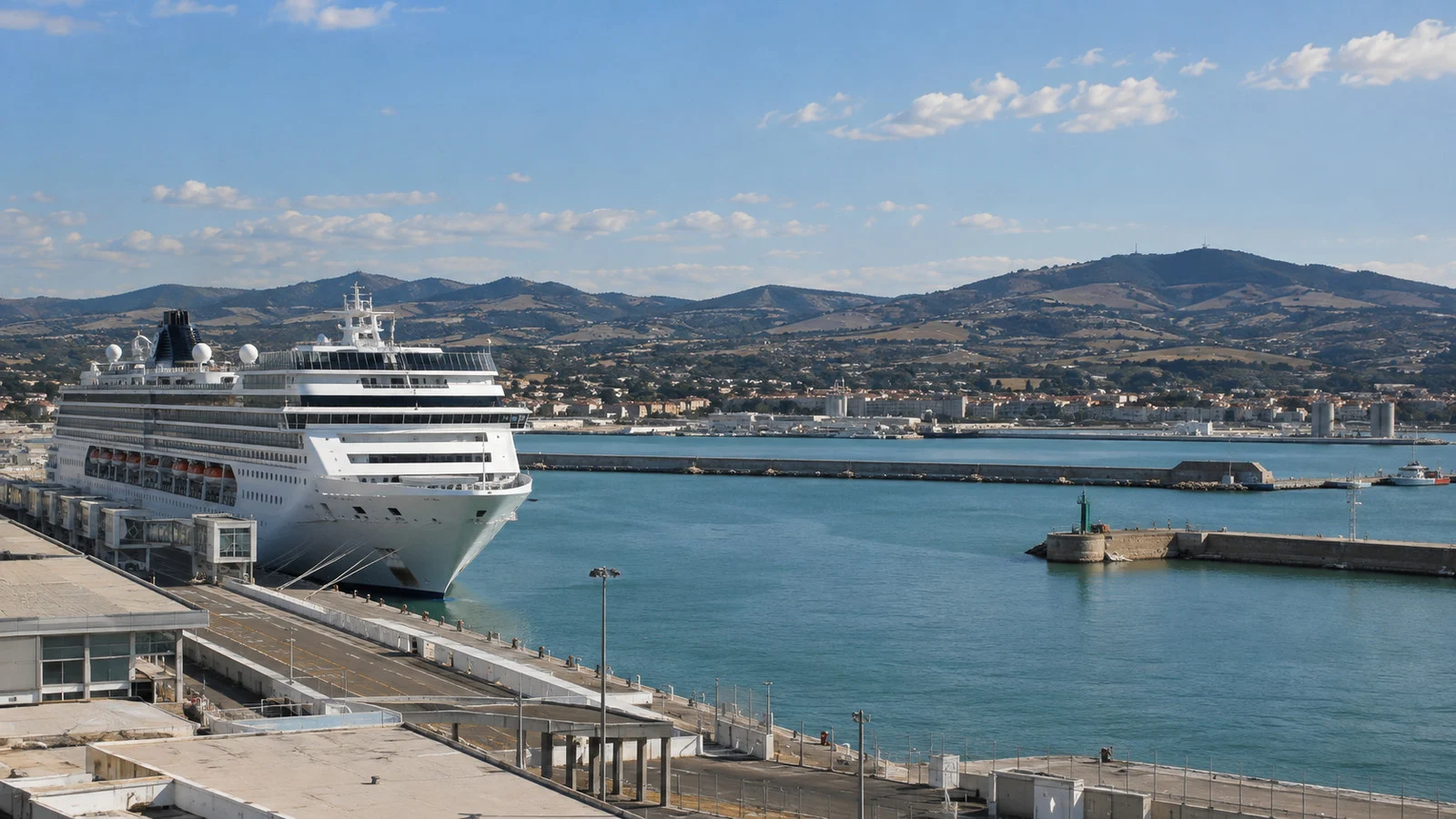
A label such as “Civitavecchia (Rome)” or “Le Havre (Paris)” names the port and the headline destination. It does not mean the famous city begins at the gangway.
Map the exact cruise terminal to the place you want to visit, then check official rail, bus, ferry, or port-transfer information. Subtract the round trip and realistic waiting time before deciding whether the call supports your plan.
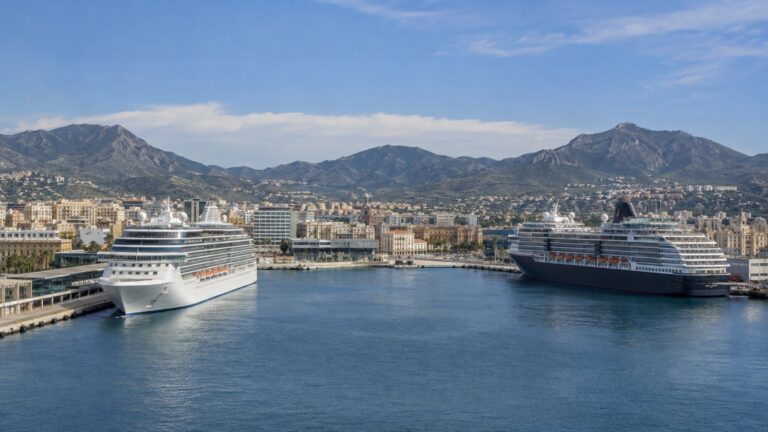
The berth can matter even when the brochure uses the same port name. This is why two ships sharing a port can have different days, and why an official port schedule is worth checking.
Cross-check the port schedule, carefully
Many port authorities publish ship, date, arrival, departure, terminal, and berth. Search the port authority’s own site for your ship and date, then compare it with the cruise line’s itinerary.
A port schedule can reveal a remote berth or several ships in town, but it is still an operational forecast rather than a guarantee. The guide to several cruise ships in the same port explains what crowding can change.
If the line and port disagree, ask the cruise line before paying for a time-sensitive independent tour. Recheck after final payment and again shortly before sailing because berth plans move.
Scenic cruising is a ship day, not a port call
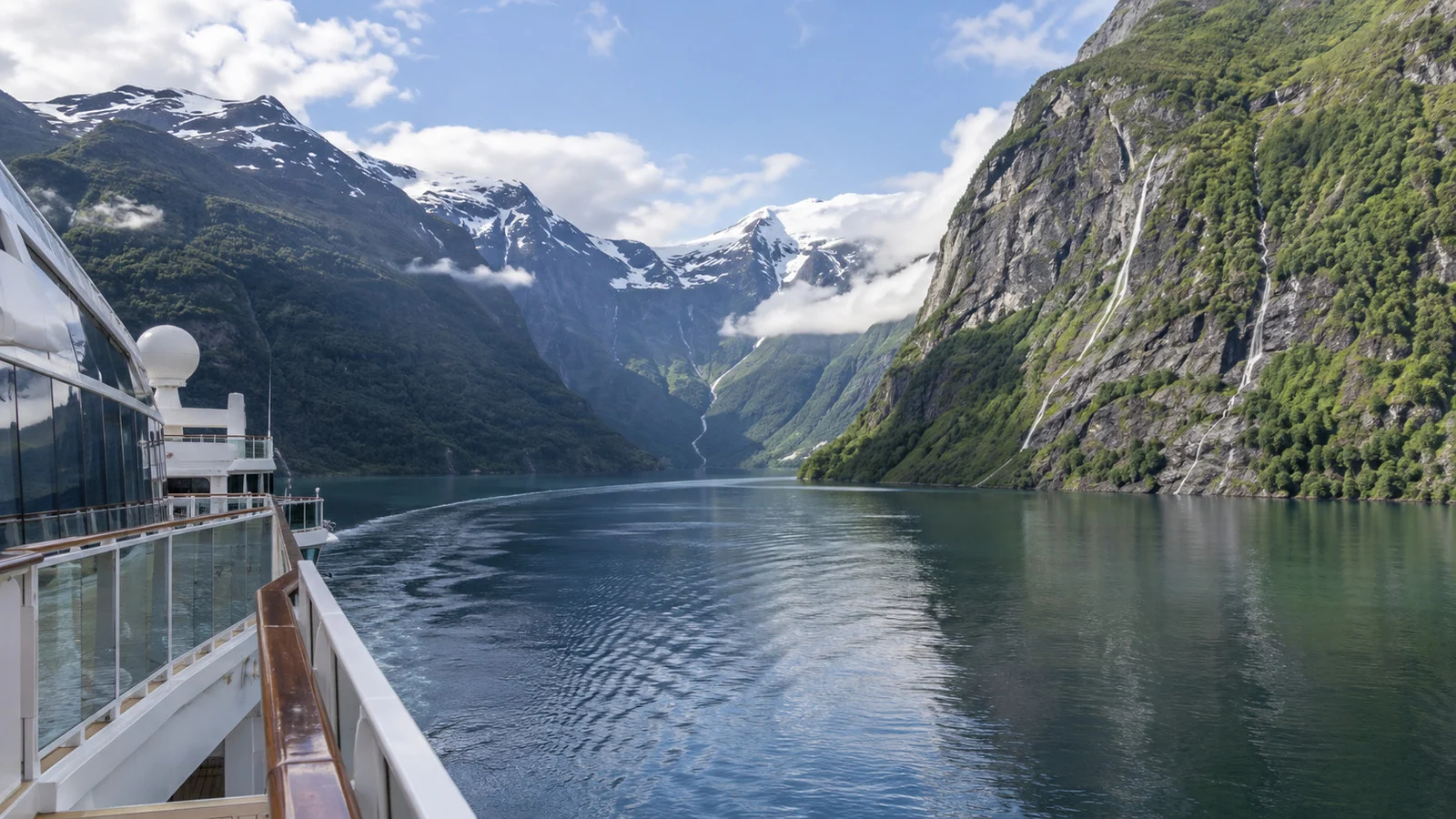
Scenic cruising means the ship intends to sail through or pause near a landscape, with no general landing for passengers. Visibility, ice, sea conditions, wildlife protections, and operational decisions can change the route or viewing time.
Glacier Bay is unusually structured: the National Park Service says cruise ships do not dock and typically spend nine to ten hours in the park, with park rangers boarding to provide programs and information. Even there, ranger-boarding times vary by day, line, and weather.
Check whether scenic cruising gets a full day or shares the date with a port call. The guide to Glacier Bay scenic cruising shows what that particular day includes.
Overnights: two dates, one port, several catches
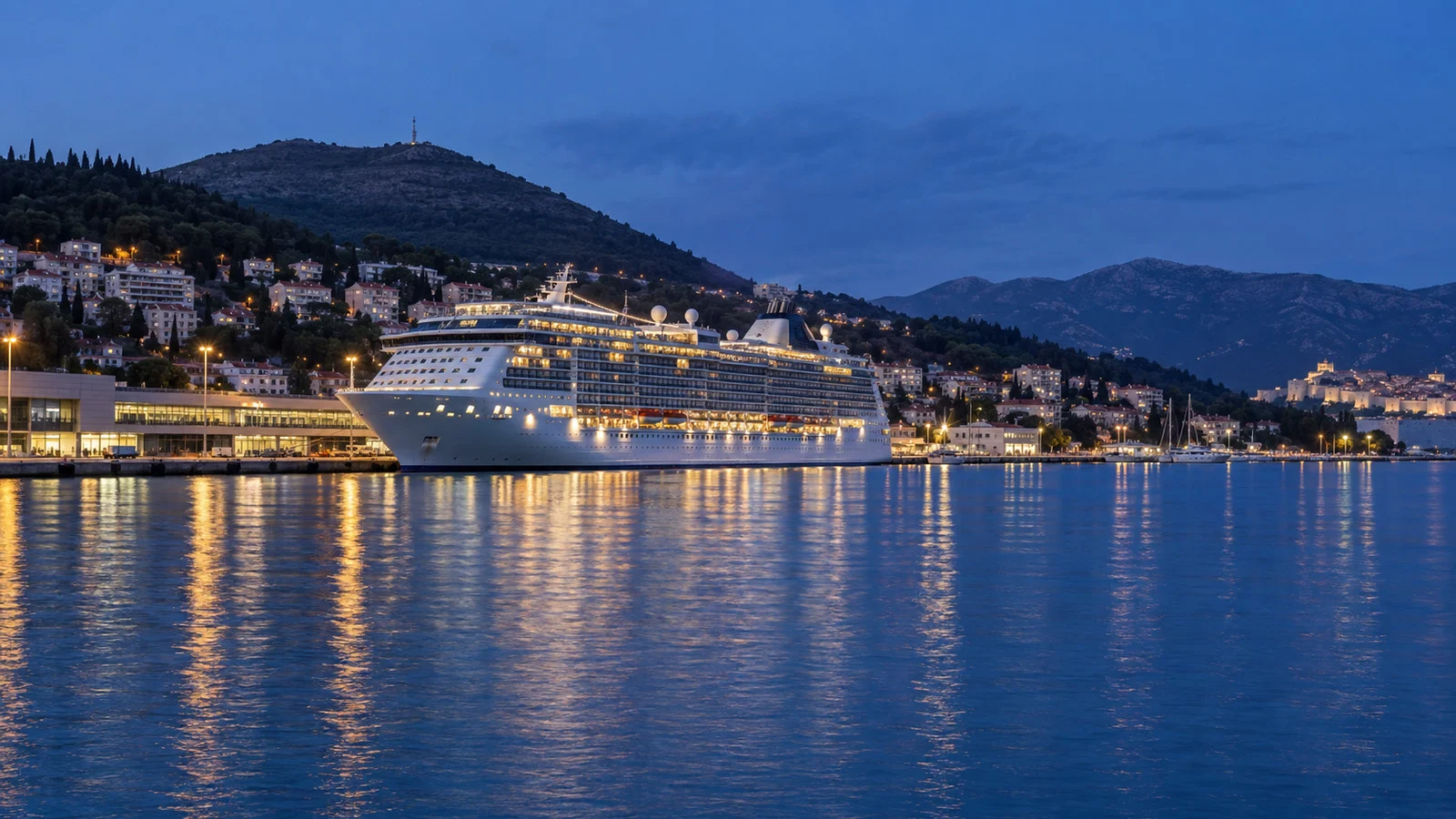
A port shown on consecutive dates usually signals an overnight stay, but check the actual arrival and departure times. An afternoon arrival followed by an early morning departure is not the same gift as two full days.
Do not assume the gangway stays open without interruption or that every guest may remain ashore all night. Ask about onboard deadlines, terminal hours, transportation, passport handling, and any local entry rules for your sailing.
The guide to overnight port stays covers the planning details that a two-row itinerary cannot. An overnight is especially valuable when the berth is central and evening transportation is dependable.
Sea days: read the pattern, not just the count
A sea day after embarkation gives you time to learn the ship, while one before disembarkation gives you room to pack and breathe. A stretch of back-to-back port days can be thrilling and surprisingly tiring.
Also look for half-days disguised by a port-heavy count. Five ports sound generous, but three short calls may offer less useful time than two long ones.
Choose the rhythm that fits your energy and priorities, using the comparison of sea days versus a port-intensive itinerary. There is no magic total of hours that makes a cruise good.
Disembarkation day: arrival is not airport-ready time
The final row’s arrival time is when the ship is scheduled to reach port, not when every passenger can walk off with luggage. Clearance, assigned groups, elevators, baggage collection, immigration or customs, traffic, and airport security all sit between that row and a flight.
Do not use a universal “noon flight” rule. Check the cruise line’s earliest recommended flight for that port and sailing, then test it against official airport and terminal transport information with a delay cushion you can live with.
Compare two itineraries without fooling yourself
Start with the two or three ports that matter most, not a grand total. A long call somewhere you do not care about should not outweigh a rushed visit to the place that made you open the brochure.
- Mark each must-do port and its published call length.
- Subtract return margin, likely gangway or tender time, and round-trip transfer.
- Note whether opening hours fit the ship’s day, especially on Sundays and holidays.
- Flag tender calls, remote berths, overnights, and consecutive early starts.
- Compare the usable time at your priority ports, then compare fare and ship.
This method also exposes why the same port can work better on a different day. Museum closures, market days, holidays, and seasonal transport can matter more than an extra hour on paper.
Accessibility questions belong before the deposit
A docked label does not describe gangway slope, stairs, shuttle accessibility, terminal distance, or the route into town. A tender label matters even more because transfer conditions and mobility-device rules vary by cruise line, ship, port, and weather.
Norwegian’s official tender guidance says some transfers may not be fully accessible and that guests may need stairs, while its device limits are specific to that line. Use the cruise line’s accessibility team for written answers about the exact sailing rather than borrowing another line’s policy.
- Is the call currently scheduled to dock or tender?
- Can the guest board the tender with this exact wheelchair or scooter?
- Must the device fold, and are there size or combined-weight limits?
- Is an accessible port shuttle available, and must it be reserved?
- What happens if sea or gangway conditions prevent a safe transfer?
If going ashore at one port is essential, get the limitations before choosing the sailing. “We will confirm onboard” is useful information too, because it tells you the access cannot be guaranteed at booking.
Can the itinerary change after booking?
Yes. Weather, port congestion, security, mechanical issues, government restrictions, and operational decisions can change times, berths, ports, routes, or the ship itself.
Read the ticket contract before paying, especially if one call is the whole reason for the trip. Holland America’s current cruise contract, for example, reserves broad rights to change the timetable or omit ports, and terms vary by line and market.
Recheck the itinerary before the penalty-free cancellation deadline, before final payment, and before booking nonrefundable plans ashore. Favor tours with sensible cancellation terms when a tender or weather-sensitive call is involved.
The booking checklist
- The ship, departure date, embarkation port, and disembarkation port are correct.
- Calendar dates and time-zone or date-line changes fit flights and hotels.
- Arrival, departure, and port status are visible for every call.
- Must-do ports have enough usable time after transfers and return margin.
- Tender, mobility, and shuttle questions have written answers where essential.
- Overnight and scenic-cruising rows mean what you think they mean.
- The final arrival leaves a realistic route to the airport or next stop.
- The ticket contract and cancellation deadlines are acceptable.
- A saved copy of the itinerary records what was advertised at booking.
Quick answers
Does arrival time mean guests can get off?
No. The ship still needs clearance and an open gangway or tender operation, so use the time as a schedule marker rather than a guaranteed first step ashore.
Is all aboard always one hour before departure?
No universal rule covers every line and call. Norwegian publishes a one-hour requirement, but follow your cruise line’s written policy and the time announced onboard for that day.
How much time should be subtracted for a tender?
There is no reliable fixed deduction. Ask about ticket distribution and priority, leave flexibility at the start, and protect extra time for the return.
What does scenic cruising guarantee?
It schedules viewing from the ship rather than a landing. The exact route, timing, and visibility can still change with conditions and operational decisions.
Where can the berth be checked?
Look for an official port authority or cruise-terminal schedule using the ship and date. Treat the berth as provisional until the sailing because ports can reassign ships.
The last word
Read an itinerary as a chain of usable days, not a collection of destination names. The right cruise gives your favorite ports enough breathing room and does not make every return feel like the final scene of an action movie.
If this is your first sailing, the guide to the best cruise ports for first-time cruisers can help shortlist forgiving calls. Then come back to the itinerary and make the clock earn the booking.
How this guide was researched: This guide was checked in September 2026 against current official information from Norwegian Cruise Line, Holland America Line, and the U.S. National Park Service. Schedules, access rules, and contract terms can change, so verify your exact sailing with the cruise line and relevant port authority; see our Editorial Policy.
More on this topic: browse every guide on choosing a cruise.