Cruise Line Tiers Explained: Mainstream to Expedition
Cruise-line tiers are useful planning labels, not an official industry grading system. Mainstream, premium, and luxury mostly describe the onboard product and fare structure, while expedition describes how and where a voyage operates.
That distinction saves a lot of muddled shopping. A luxury ship can also be an expedition ship, a premium line can operate both large and small vessels, and two fares from the same line can include very different things.
The short answer
Choose mainstream for the widest range of ships, home ports, entertainment, and family features. Choose premium for a generally calmer onboard style, luxury for a more inclusive and service-heavy product, and expedition when destination access and guided landings are the point of the trip.
Then ignore the label long enough to compare the exact ship, itinerary, fare code, and final trip cost. That is where the decision gets real, ideally before deposit and final-payment deadlines begin closing your options.
The quick facts
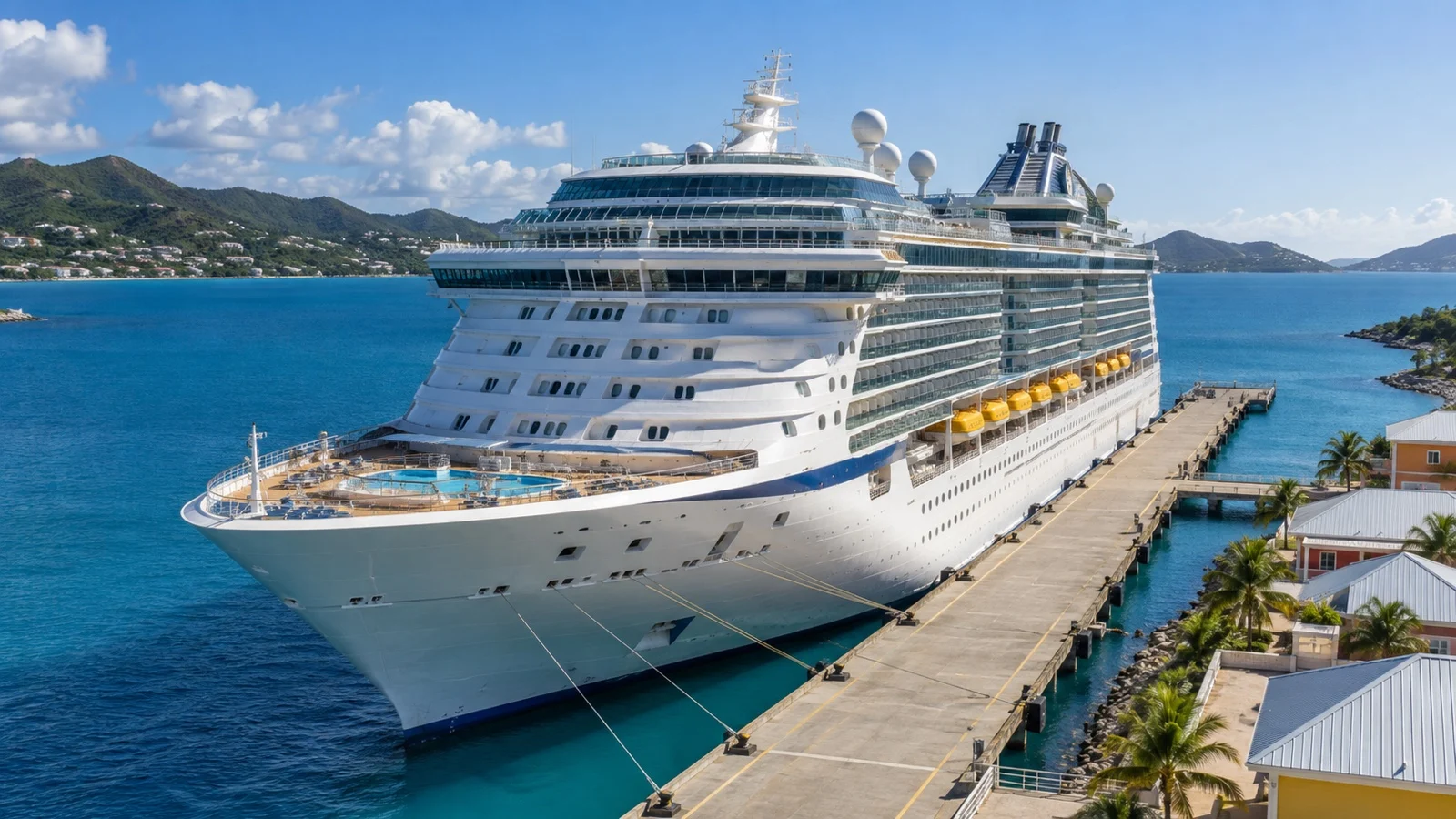
- Mainstream: Carnival, Royal Caribbean, Norwegian, and MSC are common examples. Disney has mainstream-scale family features but premium pricing, which shows why the labels are only shorthand.
- Premium: Celebrity, Princess, Holland America, and Cunard commonly sit here, with Oceania and Viking often described as upper-premium or luxury-adjacent. Expect the line, ship, cabin class, and fare bundle to matter more than the adjective.
- Luxury: Regent Seven Seas, Seabourn, Silversea, Crystal, and Explora Journeys are common examples. Smaller ships, high crew-to-guest service, larger entry-level accommodations, and more inclusions are typical, not universal.
- Expedition: HX, Lindblad Expeditions-National Geographic, Quark, Aurora Expeditions, and Ponant specialize in it, while Seabourn and Silversea also operate expedition ships. This is an operating style with specialist teams and small-boat or remote landings, not simply a price tier.
- Fare check: Mainstream base fares usually leave more optional purchases outside the price, while luxury fares generally include more. Never assume drinks, Wi-Fi, gratuities, excursions, airfare, hotels, transfers, or laundry without checking the exact fare.
- Port check: Ship dimensions, local berth limits, tender operations, and the port schedule determine access. A tier name cannot promise a downtown berth or an uncrowded port day.
Mainstream cruise lines: maximum choice, à la carte extras
Mainstream lines cover everything from short getaways to long international sailings, but they are especially strong in large home ports and repeatable warm-weather routes. Their fleets may include older mid-sized ships as well as floating-resort flagships, so “mainstream” does not automatically mean enormous.
The base fare commonly covers the cabin, regular meals in designated venues, and much of the scheduled entertainment. Carnival’s current ticket terms, for example, define the fare as including full board and ordinary ship food while excluding items such as alcohol, shore excursions, specialty dining, medical services, and service gratuities.
This tier makes sense when you value choice: more departure ports, cabin categories, family facilities, nightlife, and often a lower starting fare. It can stop being the cheapest option once drinks, Wi-Fi, specialty dining, gratuities, and several ship tours join the bill.
Premium cruise lines: a style shift, not one inclusion formula
Premium usually means a more restrained onboard atmosphere, more destination programming, and service pitched above the mass-market baseline. It does not guarantee fewer children, a small ship, free Wi-Fi, included drinks, or included gratuities.
Celebrity, for example, sells an “All Included” option that bundles drinks and Wi-Fi, which means those benefits depend on the fare selected rather than the tier alone. Princess, Holland America, and other premium lines also sell bundles, so compare the base fare and packaged fare separately.
Premium is often the sweet spot for travelers who want a familiar ocean-cruise setup without the busiest family-resort feel. Check the individual sailing during school breaks, though, because passenger mix follows date, itinerary, ship facilities, and line rules.
Luxury cruise lines: compare what the fare absorbs
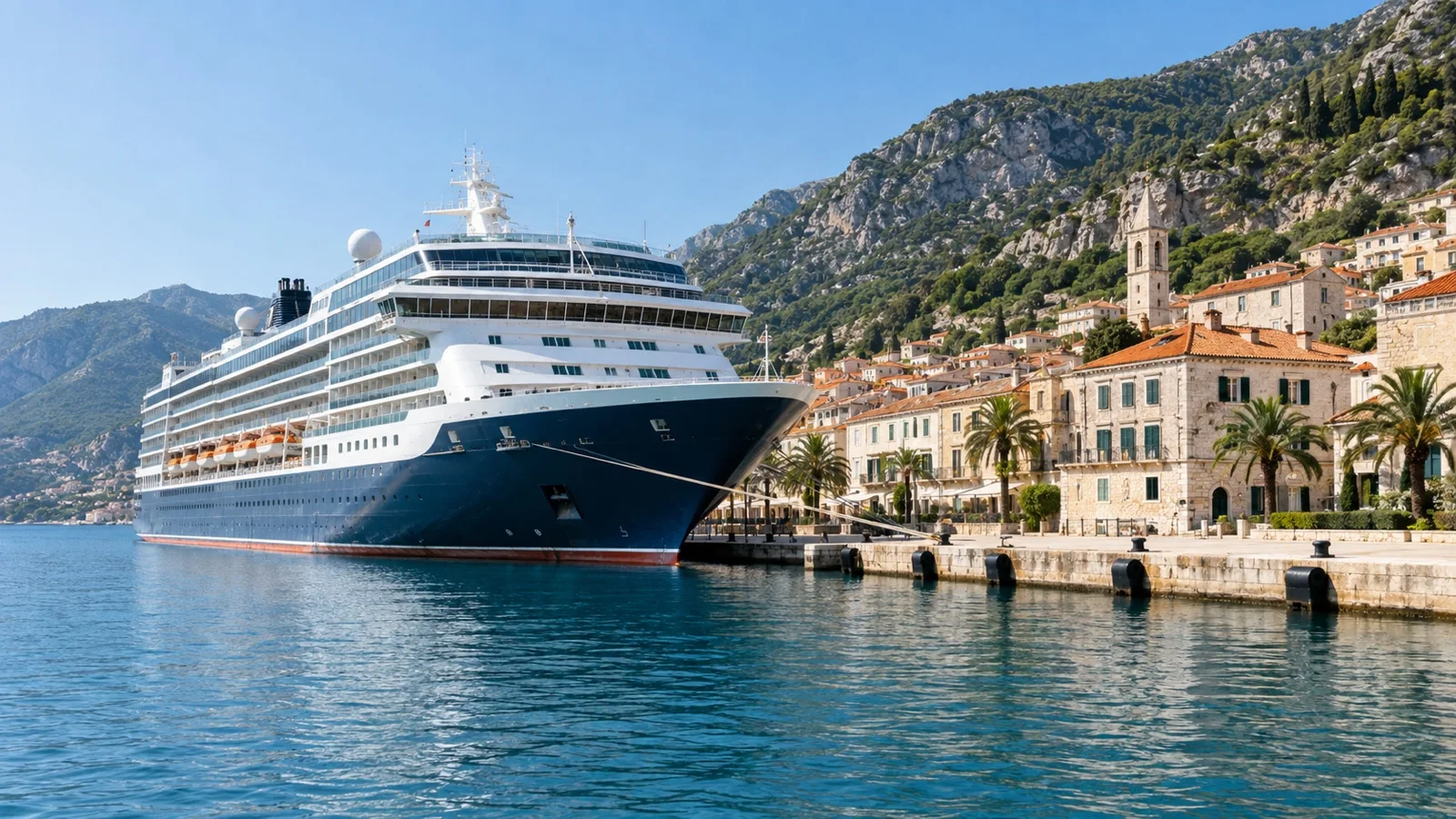
Luxury lines usually pair smaller ships with a higher staff-to-guest ratio, more space per guest, and a fare that absorbs more onboard spending. “All-inclusive” still has footnotes, and different lines make very different choices about excursions, airfare, hotels, premium drinks, spa services, and specialty experiences.
Regent’s current all-inclusive page lists unlimited shore excursions, beverages, specialty restaurants, Wi-Fi, prepaid gratuities, and valet laundry. It lists a one-night precruise hotel only for Concierge Suites and higher, while its flight service is an optional addition, which is exactly why cabin and fare qualifiers matter.
Do the arithmetic before deciding luxury is wildly more expensive. A higher fare can make sense when it replaces purchases you would genuinely make, but an inclusion has no value if you would not have bought it.
Expedition cruises: a different operating model
Expedition cruising is built around the destination, flexible routing, specialist interpretation, and getting guests off the ship in places with little or no conventional port infrastructure. Zodiacs, expedition staff, landing equipment, biosecurity procedures, and weather-dependent plans are working tools rather than decorative luxuries.
The service level can range from practical to ultra-luxury. Compare expedition-team size, guest-to-guide ratios, included activities, landing frequency, kayak or helicopter charges, required gear, medical screening, and the operator’s cancellation rules for missed activities.
Antarctica shows why ship size matters
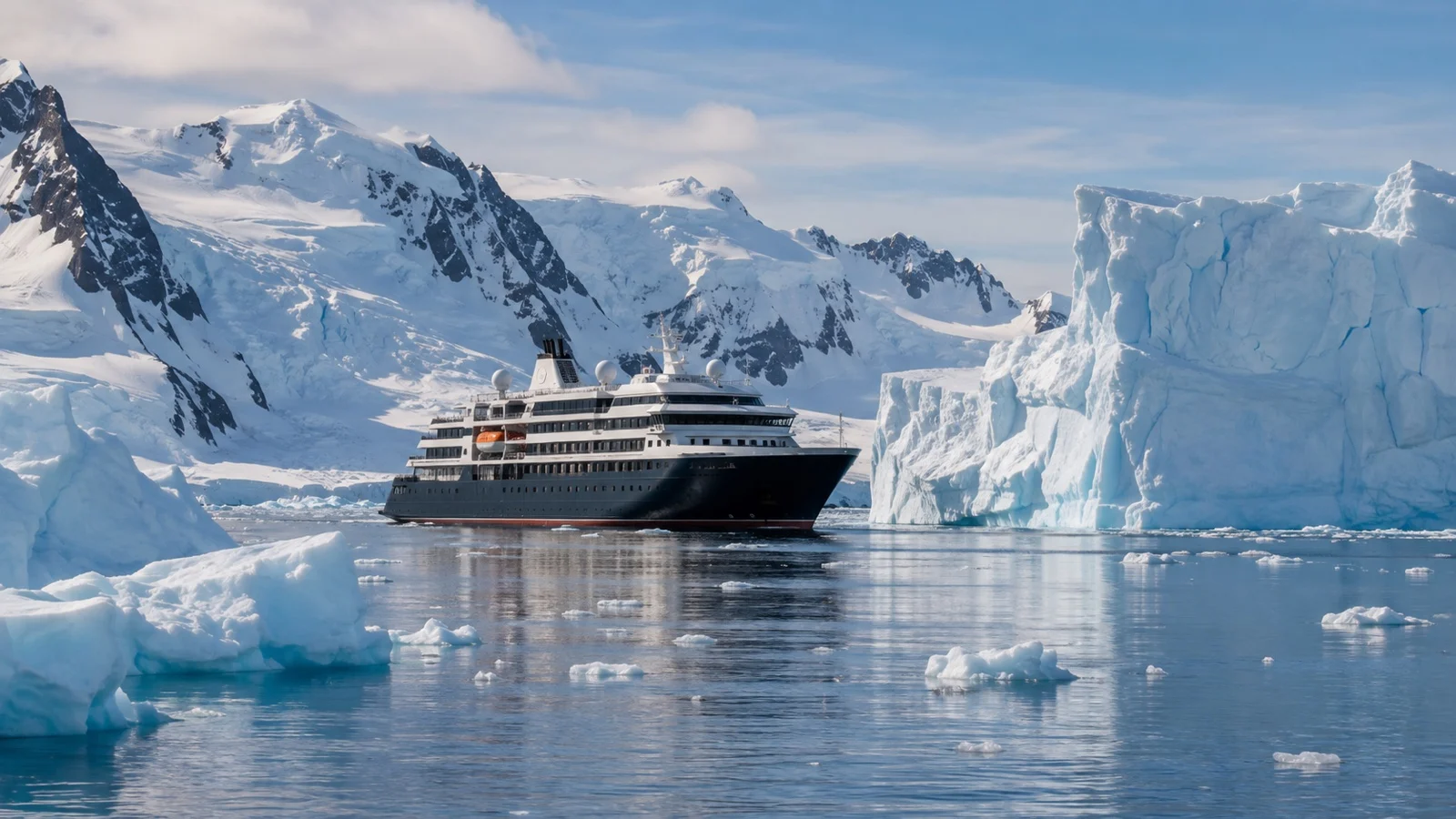
In Antarctica, size can change the experience by rule rather than vibe. IAATO says only ships carrying fewer than 500 visitors may make landings at approved sites, only one ship may visit a site at a time, and no more than 100 passengers may be ashore at once.
A ship over that visitor threshold can still offer a cruise-by itinerary, but passengers should not book it expecting a landing. On a landing-capable ship, more than 100 guests may mean rotations ashore, which can affect time at each site.
Polar itineraries also change with ice, wildlife, weather, and permits. Treat the named landing sites as intentions, not a checklist the captain can guarantee.
Ship size affects ports, but tier does not decide the berth
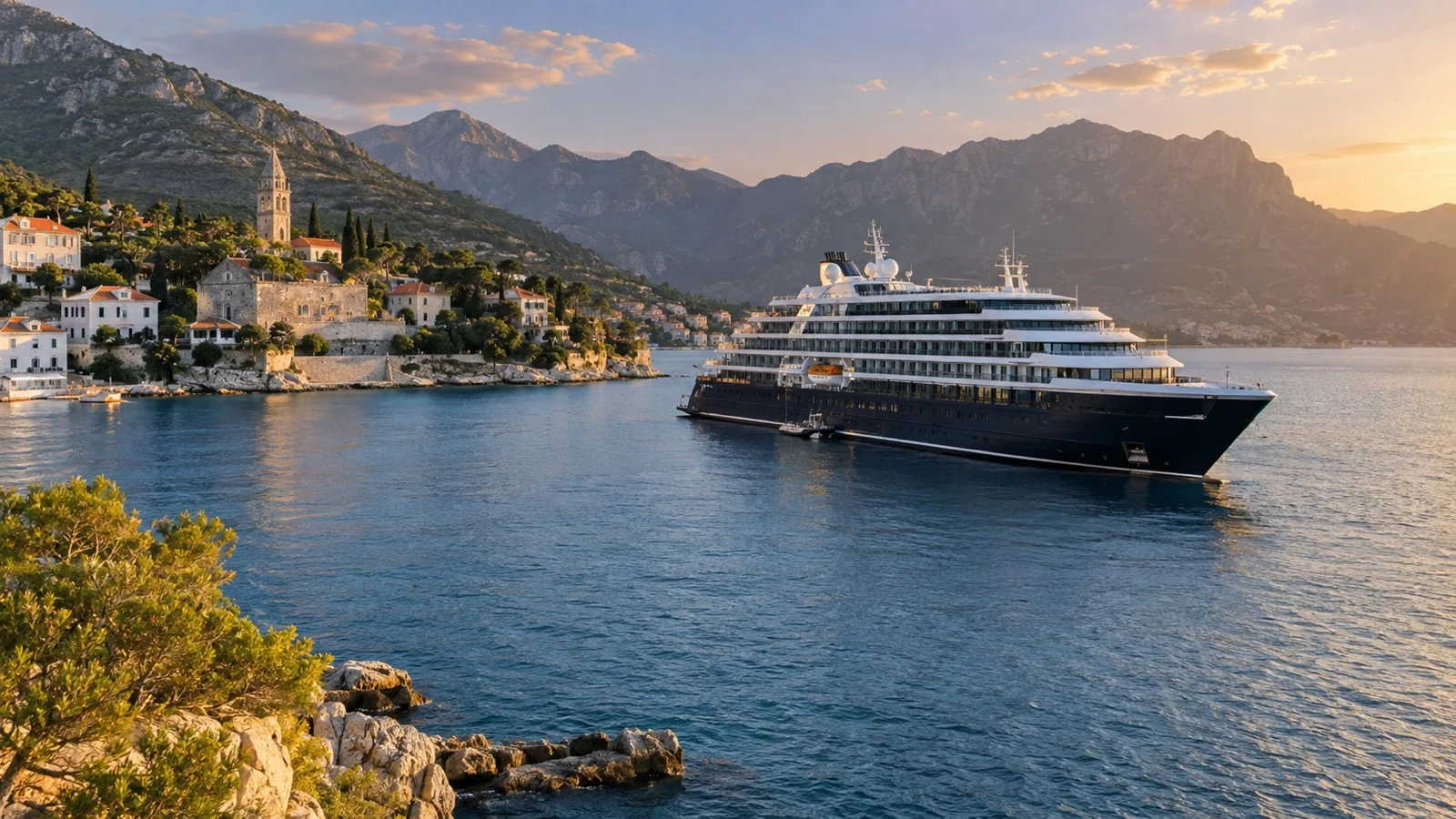
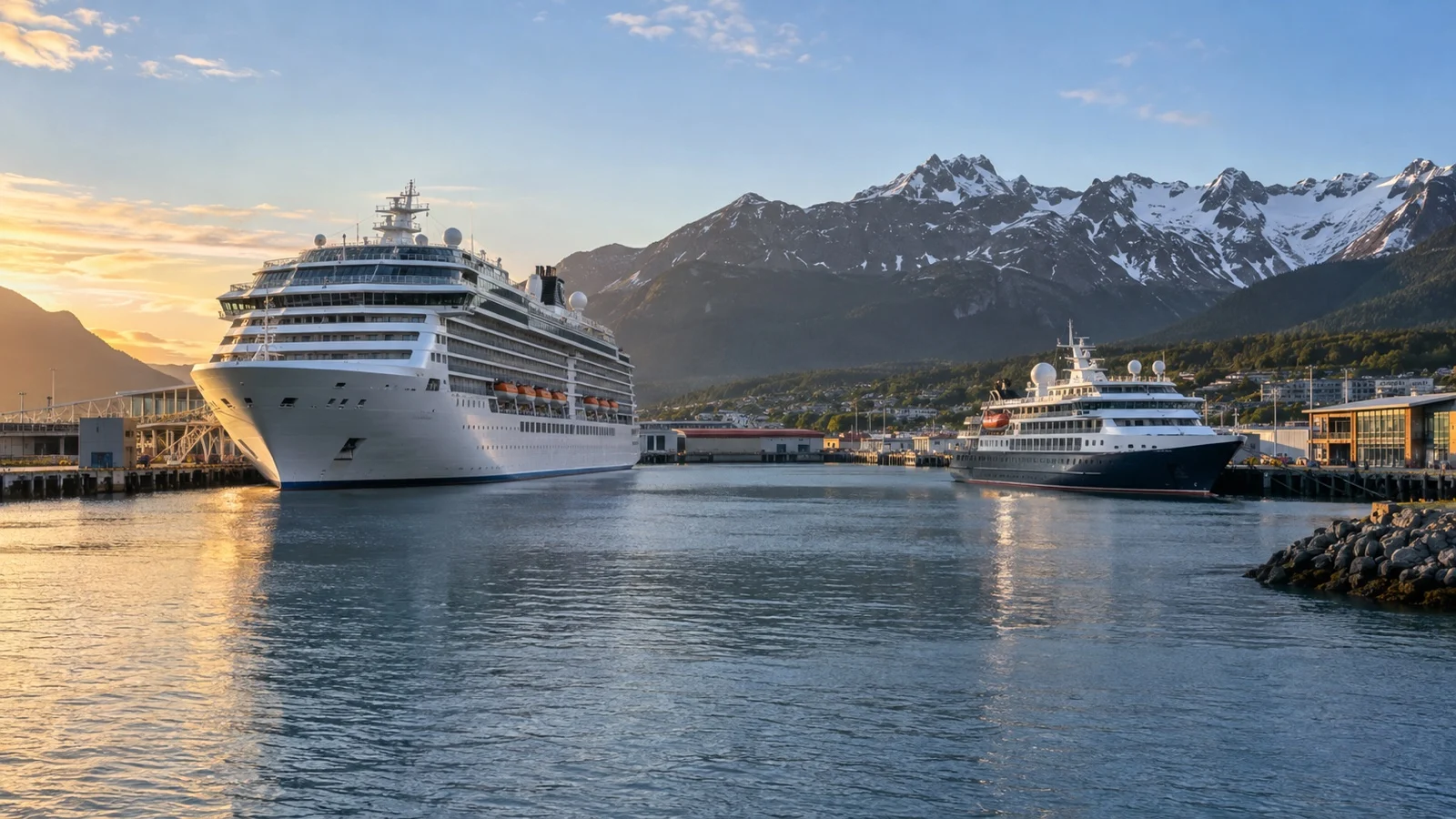
A smaller ship can sometimes use a shorter quay, shallower harbor, or anchorage that cannot accommodate a mega-ship. Seabourn lists Seabourn Ovation at 600 guests, 690 feet long, and 92 feet wide, a very different port-planning proposition from a 5,000-plus-guest flagship.
Still, small does not mean docked downtown, and large does not always mean an industrial berth. The exact answer comes from ship size and port access, the published port schedule, and the final berth or tender assignment.
Small luxury and expedition ships often include places covered in our guide to ports big ships cannot reach. Read the itinerary line by line because “arrive,” “anchor,” “cruise by,” and “expedition day” promise very different experiences.
Gratuities are a cost clue, not a tier test
Automatic gratuities can reveal a meaningful extra, but they do not classify a cruise line on their own. Royal Caribbean currently lists $18.50 per guest per day for standard staterooms and $21 per guest per day for suites in its published gratuity policy.
For two guests on seven nights, the standard-stateroom amount is $259 before gratuities added to optional purchases. Regent lists prepaid gratuities in its fare, but never turn that example into “all luxury and expedition lines include tips” without checking the booked product.
The four checks that beat every tier label
- Price the trip you will actually take: add taxes and required fees, gratuities, drinks, Wi-Fi, specialty dining, excursions, transfers, hotels, flights, laundry, insurance, and the solo supplement. Compare matching cabin types and cancellation terms.
- Read the port language: count docked calls, tenders, cruise-by days, and expedition days. Use the guide to what a tender port means before treating an anchorage like an ordinary walk-off call.
- Check the exact ship: compare lower-berth passenger capacity, accessible-cabin inventory, deck plans, elevator access, dining reservations, and the spaces you will use. Fleet averages are useless when only one hull is taking you.
- For expedition, request the physical requirements: ask about Zodiac transfers, steps, wet landings, walking surfaces, weight limits, companion rules, and medical forms. Do not assume every landing or activity suits every passenger.
How to choose your tier without overthinking it
Start with three nonnegotiables: the places you most want to reach, the onboard atmosphere you can happily live with, and the maximum trip total. Shortlist sailings that satisfy all three before comparing dining photos or loyalty perks.
Pick mainstream when the ship is part of the destination
Mainstream is a strong fit for families, multigenerational groups, first-time cruisers, and anyone who wants a broad activity menu. It also works beautifully when the itinerary uses large, easy-to-reach ports and you prefer choosing which extras to buy.
Pick premium when you want familiar cruising turned down a notch
Premium fits travelers who still want theaters, multiple restaurants, organized activities, and recognizable ocean-cruise routines, but prefer a generally quieter tone. Verify children’s facilities, smoking rules, dress guidance, music, and nightlife on the specific ship rather than trusting the category.
Pick luxury when inclusions and service justify the total
Luxury makes sense when you value personal service, more space, smaller passenger counts, and the included items listed in your fare. It can be poor value for someone who drinks little, skips organized tours, or cares more about waterslides and late-night entertainment.
Pick expedition when getting ashore is the headline
Expedition is the right category when remote access, wildlife, geology, and guided field time matter more than a fixed port schedule. Choose the operator for its regional experience, ship size, expedition team, included activities, safety standards, and realistic accessibility.
Where the categories blur
A suite on a mainstream ship can include private restaurants, lounges, priority service, and a quieter enclave that feels more premium than the rest of the vessel. An entry cabin on a luxury ship may include more, yet still lack the private space or entertainment variety that another traveler values.
Adults-only positioning is another overlay rather than a tier. Our guide to which cruise ships are actually child-free separates a formal age policy from a voyage that merely attracts fewer families.
River cruising also uses different assumptions about ship size, included tours, and docking, so do not force it into this ocean-cruise ladder. Compare the format directly in river versus ocean cruising.
Accessibility can reverse the expected answer
A higher tier is not automatically more accessible. A large mainstream ship may offer more accessible cabins and elevators, while a small ship may reduce walking distances, but neither fact settles doorway width, bathroom setup, tender boarding, or port access.
Ask the line’s accessibility team about the exact cabin and every tender or expedition landing before paying a nonrefundable deposit. Get policies for wheelchairs, scooters, companion assistance, Zodiac transfers, and missed landings in writing.
Remote itineraries also deserve a backup plan because rejoining can be difficult or impossible after a missed movement. Review the hardest cruise ports for rejoining a ship before booking independent transport on a tight day.
Quick answers
Is premium the same as adults-only?
No. Premium lines may welcome children, mainstream lines may offer adults-only spaces, and a formal minimum age depends on the line and sailing.
Is luxury always all-inclusive?
No. Luxury fares generally include more, but exclusions and cabin-level benefits vary, so check beverages, gratuities, Wi-Fi, excursions, restaurants, transfers, hotels, flights, and laundry individually.
Is expedition a level above luxury?
No. Expedition describes a destination-led operating model, and the onboard product can be practical, premium, or ultra-luxury.
Do small ships always reach better ports?
They can reach some places large ships cannot, but “better” is personal and berth assignments still vary. Check whether each call is docked, tendered, cruise-by, or a flexible expedition stop.
Which tier is best for a first cruise?
The best first cruise is the sailing whose itinerary, pace, ship features, and total cost match the traveler. Mainstream offers the broadest choice, but a quiet premium ship or guided expedition can be the better first fit.
The bottom line
Use tiers to make a shortlist, not to crown a winner. The exact ship controls space and facilities, the itinerary controls the port experience, and the fare code controls what you will still pay for.
If two options remain, price them door to door and circle the ports that require a tender or special landing. The better cruise is the one whose real mechanics fit you, even if its marketing label is less glamorous.
How this guide was researched: Tier descriptions were treated as planning shorthand and checked against current official fare, gratuity, ship, and operating information from Carnival, Celebrity, Royal Caribbean, Regent Seven Seas, Seabourn, and IAATO. Inclusions, prices, policies, and ships change, so verify the exact sailing and fare before booking; see our Editorial Policy.
More on this topic: browse every guide on choosing a cruise.