Cruise Ship Size Classes: What Each Tier Can Reach
Cruise ship size is sold as a choice about restaurants, shows, and water slides. It is also a choice about which waterways, berths, anchorages, and protected visitor sites can appear on your itinerary.
The label on the brochure is only a shortcut. To predict port access, check the actual ship’s length, beam, draft, air draft, passenger count, tender capability, and assigned terminal.
My quick take
Pick the itinerary first and the size tier second. Write down your must-see ports, then confirm where the exact ship berths or anchors at each one.
A mega-ship can be the right answer for a resort-style vacation through large cruise hubs. A smaller ship earns its premium when its dimensions, landing craft, or permits produce access that the larger option cannot match.
Do not pay for theoretical access. If two ships use the same terminals on the route you want, compare the onboard experience, fare, and schedule instead of assuming smaller must be better.
The quick facts
- No one number decides access: length overall, beam, draft, air draft, turning space, berth strength, mooring layout, passenger facilities, tenders, weather, and local rules can each settle the question.
- The Panama Canal publishes hard dimensions: the Panama Canal Authority lists a maximum regular Neopanamax length of 1,215 feet and a highest permitted draft of 50 feet. Operational draft limits can still change with water conditions and advisories.
- Some limits are environmental or legal: Venice restricts large ships from the Giudecca Canal and Saint Mark’s Basin, while Norway is phasing in zero-emission requirements for passenger ships in its World Heritage fjords.
- Antarctic landings use passenger limits: vessels carrying more than 500 passengers may not land passengers, and no more than 100 may be ashore from a vessel at one time unless site guidance requires fewer.
- The itinerary’s terminal line is your best clue: compare the port authority’s berth specifications with the ship’s official dimensions, then check whether the schedule says dock, tender, anchorage, or an outlying terminal.
First, gross tonnage does not mean weight
Gross tonnage, usually written GT, is an index based on the moulded volume of a ship’s enclosed spaces. The International Maritime Organization uses it for regulation and fees, but it is not the ship’s weight.
GT is useful for comparing the scale of ships, not for proving that one fits a berth. Two ships with similar GT can have different lengths, beams, drafts, passenger loads, and handling requirements.
Passenger figures need the same care. “Double occupancy,” “lower berths,” and maximum capacity are different numbers, and a port may plan around the people arriving rather than the volume of the hull.
The six size tiers, used as working ranges
No regulator governs the words mega, large, mid-size, small, expedition, or yacht. These are planning bands, and they overlap with the separate mainstream, premium, and luxury line tiers.
Mega-ships: roughly 160,000 GT and above, often carrying at least 4,000 guests at double occupancy. They concentrate on large terminals, purpose-built destinations, and ports with the transportation and security capacity for a small town arriving at breakfast.
Large ships: roughly 90,000 to 160,000 GT and about 2,500 to 4,000 guests. This wide middle of the mainstream market reaches many global cruise hubs but can still be assigned to outer terminals or tender operations.
Mid-size ships: roughly 45,000 to 90,000 GT and about 1,200 to 2,500 guests. They often add berth choices and reduce tender loading time without giving up theaters, multiple restaurants, and other big-ship basics.
Small ships: generally below about 45,000 GT and carrying roughly 300 to 1,200 guests. They can fit more short quays and smaller terminals, but they do not automatically dock downtown or avoid tenders.
Expedition ships: a capability category more than a size class, commonly carrying about 100 to 500 guests. Ice class, landing craft, dynamic positioning, storage, guide staffing, and permits matter more than a marketing adjective.
Yacht-style ships: often under 300 guests, although some brands apply “yacht” to much larger vessels. Check the hull dimensions and published berth, because the name alone does not grant marina access.
What actually decides whether the ship fits
Length overall must fit the berth and its safe approach, but published quay length is not always usable end to end. Mooring points, adjacent ships, fenders, ramps, tides, and required clearances can reduce the practical limit.
Draft is the depth of hull below the waterline and can rule out a shallow channel, basin, anchorage, or berth. The allowed draft may change with tides, lake levels, dredging, sediment, or temporary navigation notices.
Beam matters in locks, narrow channels, and tight berths, while air draft decides whether the ship clears a bridge or overhead obstruction. Turning-basin diameter, tug requirements, wind limits, and propulsion can matter just as much.
The terminal must also handle the people, luggage, buses, security, gangways, and emergency plan. A ship can fit the water and still use a different berth because the preferred terminal cannot process it safely.
River ships show the same logic at its neatest because locks and bridges set a tight design box. Our guide to river cruise ship size and lock rules explains why their dimensions repeat so often.
How access changes from mega-ship to small ship
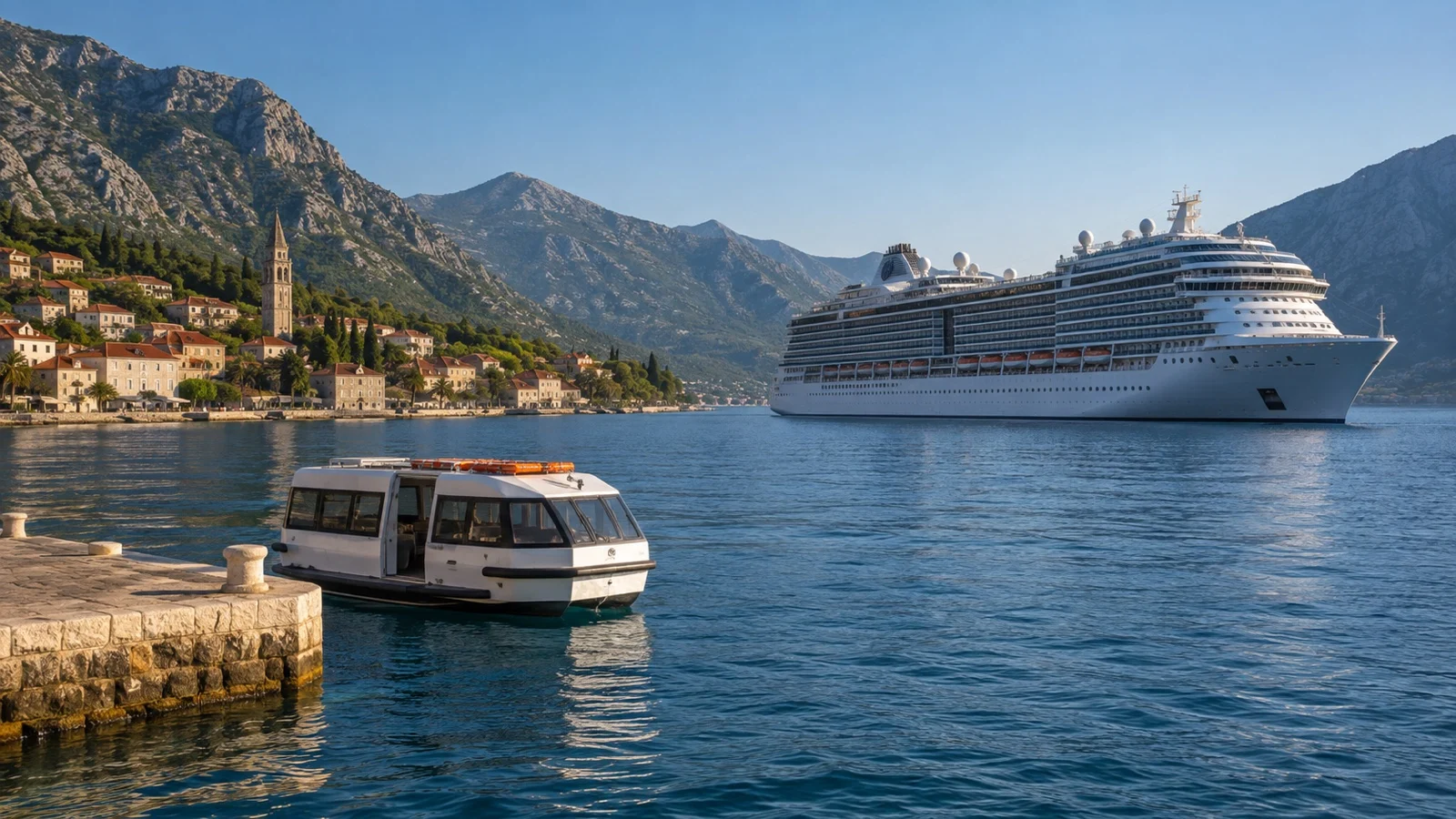
Mega and large ships favor long deep-water berths, big terminals, and anchorages approved for high-capacity tendering. That works beautifully in ports built for volume, but the berth may sit outside the historic center.
Mid-size ships often have more options within the same port, including older quays that cannot accept the newest ships. “More options” is not “always central,” so confirm the terminal rather than stopping at the ship class.
Small ships can use shorter berths and less crowded facilities, and some can enter harbors that larger ships skip. They may still anchor when the quay is occupied, too shallow, operationally unsuitable, or reserved for ferries and local traffic.
That is why two ships calling at the same destination can create very different days, as our guide to how berth assignments change a port visit shows. Check the line’s terminal notice again shortly before sailing because assignments can move.
For examples where size or landing capability truly changes the map, use our roundup of small-ship cruise ports big ships cannot reach. Treat every example as ship-specific rather than a permanent promise for an entire tier.
Tendering can erase the simple size rule
A ship that cannot berth may still visit by anchoring and using tenders, if the port and conditions allow it. Passenger volume, tender capacity, sea state, wind, local boat availability, and mobility policies then shape the day.
Large ships can run efficient tender systems, but thousands of guests create queues and a longer clearance cycle. A small ship can load more quickly, yet it may have fewer boats or cancel when the same swell makes boarding unsafe.
Count the tender calls on the exact itinerary and read the operator’s mobility rules before booking. Four anchorages on a seven-night cruise feel different from four walk-off berths, whatever the brochure calls the ship.
Where rules, not dimensions, limit access
Venice is the familiar example, and it belongs to a broader trend covered in our guide to ports limiting cruise ships or passenger numbers. Italy’s 2021 rules restrict ships from the Giudecca Canal and Saint Mark’s Basin based on thresholds that include 25,000 GT, a waterline hull length of 590 feet, and a height of 115 feet above the waterline.
The Library of Congress summary explains those criteria and the use of Marghera-area moorings for larger ships. Our Venice cruise port guide covers the passenger logistics.
Norway uses emissions rules rather than a simple size ban in its World Heritage fjords. The Norwegian Maritime Authority says the requirement began January 1, 2026, for passenger ships under 10,000 GT and extends to ships of 10,000 GT and above on January 1, 2032, with specified biogas and shore-power provisions.
That timetable means smaller passenger ships are covered first, but size alone still does not tell you whether a particular vessel complies. Use our Geiranger cruise port guide for the call itself and the operator for the ship’s approved technology.
Small ships and expedition ships are not the same thing
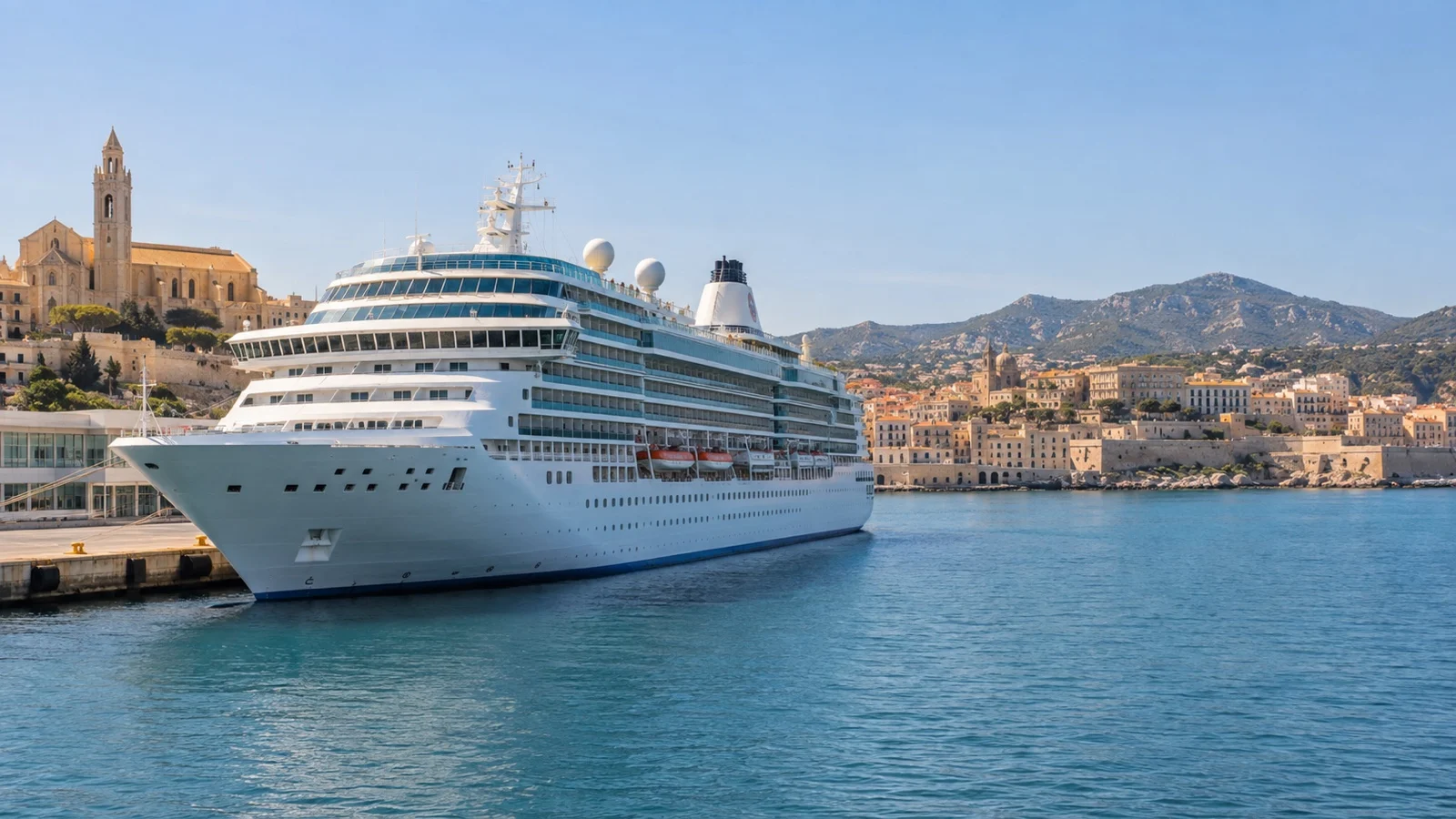
A conventional small ship buys physical flexibility: shorter length, fewer guests, and sometimes access to a central or secondary berth. It may still operate a normal port schedule with buses, guides, gangways, and occasional tenders.
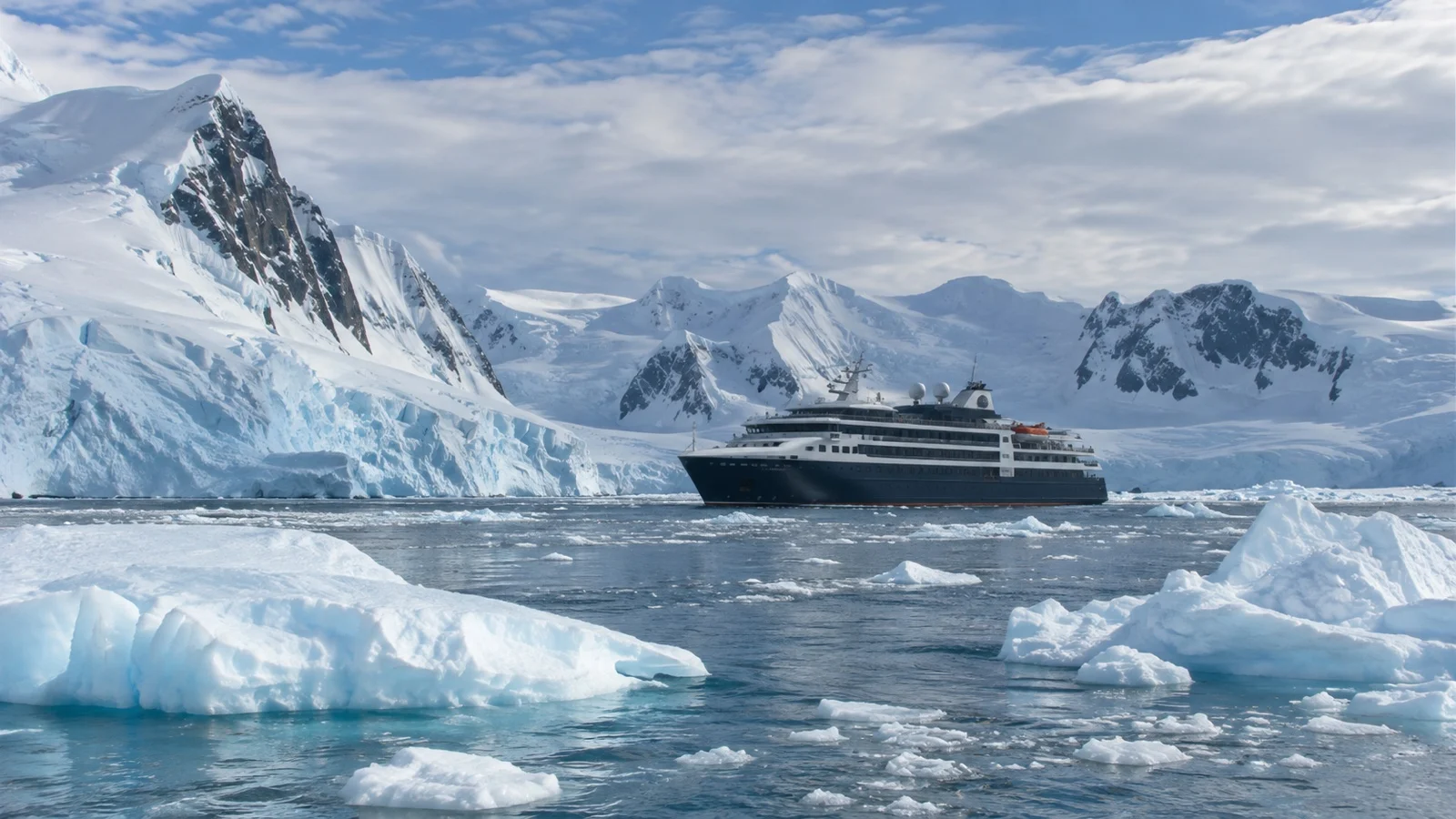
An expedition ship buys operational capability for places with no cruise terminal at all. Look for the appropriate ice class where needed, purpose-built landing craft, a mudroom, expedition staff, and an itinerary organized around permitted landings.
Antarctica makes the difference concrete. The Antarctic Treaty visitor guidelines published by IAATO allow only one ship at a site, bar vessels carrying more than 500 passengers from landings, cap people ashore from one vessel at 100 unless a site requires fewer, and require at least one guide per 20 passengers during landings.
A ship carrying 200 guests may therefore rotate landing groups rather than put everyone ashore together. A ship with more than 500 passengers can offer scenic cruising in Antarctic waters, but not passenger landings under that rule.
The Arctic adds different national rules, ice conditions, charts, and community permissions. Our Northwest Passage cruise port guide shows why the vessel’s capability matters more than its label.
Useful context: CLIA’s 2026 report counts 325 member oceangoing ships and about 690,000 lower berths. It describes the fleet by ship count as roughly one-third small, one-third medium, and one-third large, which is another reminder that these are broad market labels.
The yacht tier, without the marketing fog
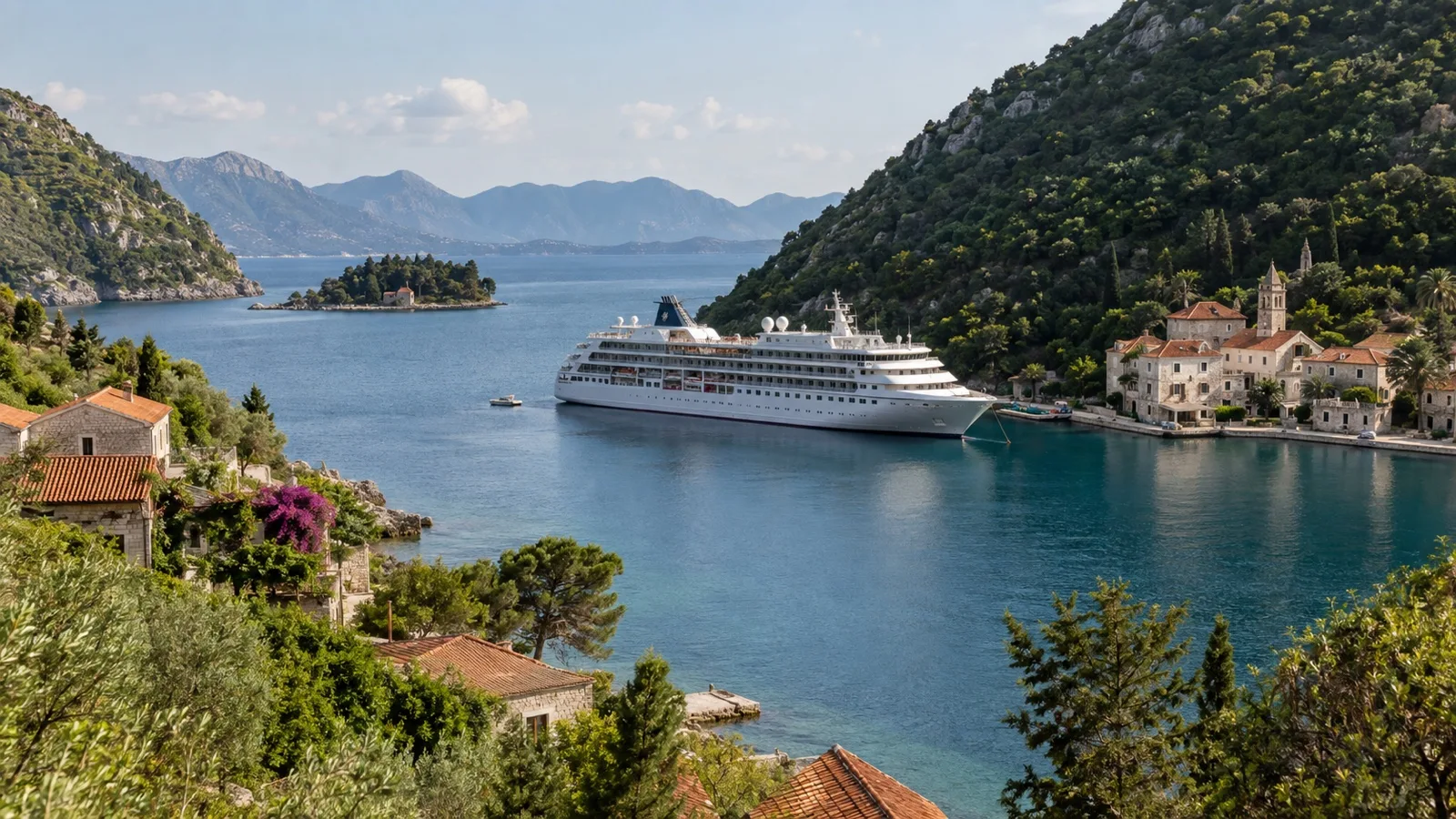
A genuinely compact yacht-style ship may use small harbors, low-capacity terminals, and berths closer to town. It may also anchor outside a marina because local rules, depth, berth availability, or tender plans say so.
The tradeoff can include fewer dining venues, limited entertainment, more noticeable motion, and a higher fare per night. None of those is automatic, so compare the exact deck plan, stabilizers, guest capacity, and itinerary.
Be skeptical when “yacht” is doing all the work in the sales copy. The ship’s published dimensions and port schedule are the receipts.
The things I would actually do
- Start with three must-see ports: list them before comparing ships, then confirm the exact terminal or anchorage used by each candidate itinerary.
- Match ship specs to port specs: use official length, beam, draft, air-draft, and capacity figures rather than a size label or an old forum post.
- Count tender calls and outer terminals: note the likely transfer method, queue, mobility limits, and distance into town for every port that matters.
- Read restrictions by date: emissions rules, passenger caps, construction projects, drought limits, and berth assignments can change between booking and sailing.
- Pay small-ship prices for a visible benefit: look for a berth, landing, route, overnight, or guest-capacity advantage you can point to on the itinerary.
How I would decide by itinerary
For routes dominated by major cruise hubs and private destinations, choose the ship experience and price you prefer. A big ship may provide the best value when its scale does not cost you any port you care about.
For the Mediterranean and northern Europe, compare terminal assignments rather than assuming mid-size always means downtown. A smaller ship can improve the odds of a closer berth, but local traffic, rules, and schedules still decide.
For Greenland, Antarctica, the Kimberley, the Northwest Passage, and the Galápagos, start with the required operating capability and local permissions. Then compare ship size within the group that can legally and safely deliver the landings you want.
A realistic word on accessibility
Larger ships often offer more accessible cabins, elevators, and step-free public routes, but size is not a guarantee. A particular berth, gangway, tender, or port shuttle can still break the accessible route.
Small, expedition, and yacht-style ships vary dramatically. Some are purpose-built with elevators and accessible cabins, while others use stairs, high sills, narrow corridors, or landing craft that cannot accept a wheelchair.
Before paying a deposit, ask about the exact cabin door width, bathroom layout, elevator deck coverage, gangway limits, tender-transfer policy, and assistance at every must-see port. Get the answer in writing from the operator, not from a generic fleet page.
Weather, water levels, and the limits of size
A larger ship often moves less noticeably than a small one, but hull design, stabilizers, speed, heading, cabin location, and the actual sea state all matter. No tonnage number makes a rough crossing motion-free.
Weather can close a berth or tender operation to every tier, while tide and water level can change the usable draft on the day. Canal authorities, harbor masters, pilots, captains, and port operators make operational decisions from current conditions, not brochure categories.
Remote regions also have operating seasons, but the dates vary by route, operator, permits, and conditions. Check the exact season and cancellation terms instead of treating a broad month range as a promise.
Quick answers
What can stop a big ship from entering a port?
Any limiting dimension, turning or mooring requirement, terminal-capacity issue, weather condition, or local rule can do it. Check the exact vessel and assigned berth rather than ranking length, draft, and beam in one universal order.
Do bigger ships always have deeper drafts?
No. Draft depends on hull design and loading, so compare the official numbers instead of estimating from GT or passenger capacity.
Is a small ship always better in port?
No. It may fit a closer berth or load tenders faster, but berth availability, local rules, and terminal assignments can still send it to anchor or an outer quay.
Can a large cruise ship visit Antarctica?
It can operate scenic cruising if properly authorized, but a vessel carrying more than 500 passengers may not make passenger landings under the Antarctic visitor guidelines.
When is the smallest tier worth paying for?
Pay for it when the itinerary shows a specific access, landing, overnight, or low-capacity advantage you value. On a route where every candidate uses the same terminals, smaller may buy atmosphere rather than geography.
The last word
Ship size filters the map, but it does not do so neatly enough for a brochure label to answer the question. Start with the ports, check the exact ship and terminal, and pay for the access you can actually see.
The mega-ship and small-ship answers can both be right. The expensive mistake is buying one before checking what its dimensions, operating gear, and itinerary change for you.
How this guide was researched: This guide is based on independent research using official port, government, regulator, and industry sources. Canal dimensions, Venice restrictions, Norwegian fjord rules, Antarctic landing limits, tonnage definitions, and current fleet context are covered under our Editorial Policy.
More on this topic: browse every guide on choosing a cruise.