Northwest Passage Cruise Ports: Arctic Expedition Guide
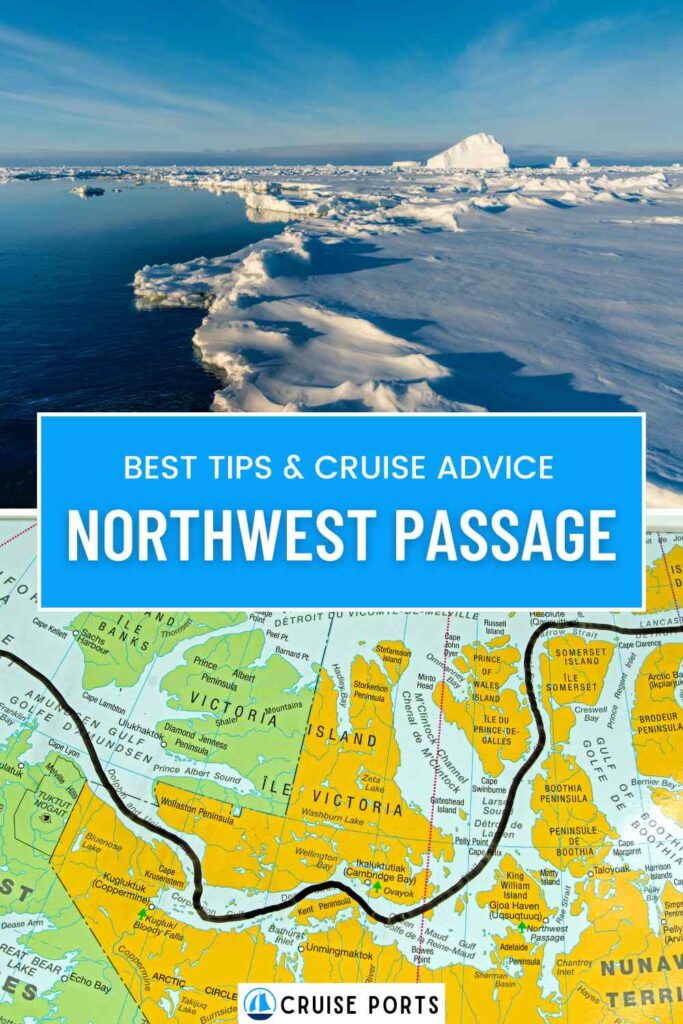
The Northwest Passage is not a normal cruise itinerary. It is a short, weather-dependent Arctic transit linking tiny communities most travelers would never otherwise reach, and this directory shows what each possible call offers; my Northwest Passage full-transit explainer covers the bigger route and why no line guarantees it.
Here is an honest look at the stops this site has full guides for, so you know what each one actually offers before you commit to a very expensive, very short summer season.
My quick take on the Northwest Passage’s cruise ports
If you want the Gold Rush history and the easiest logistics, Nome is the obvious hinge point at one end of the route. For genuine Inuit community life, Cambridge Bay and Pond Inlet are the stops that will stay with you.
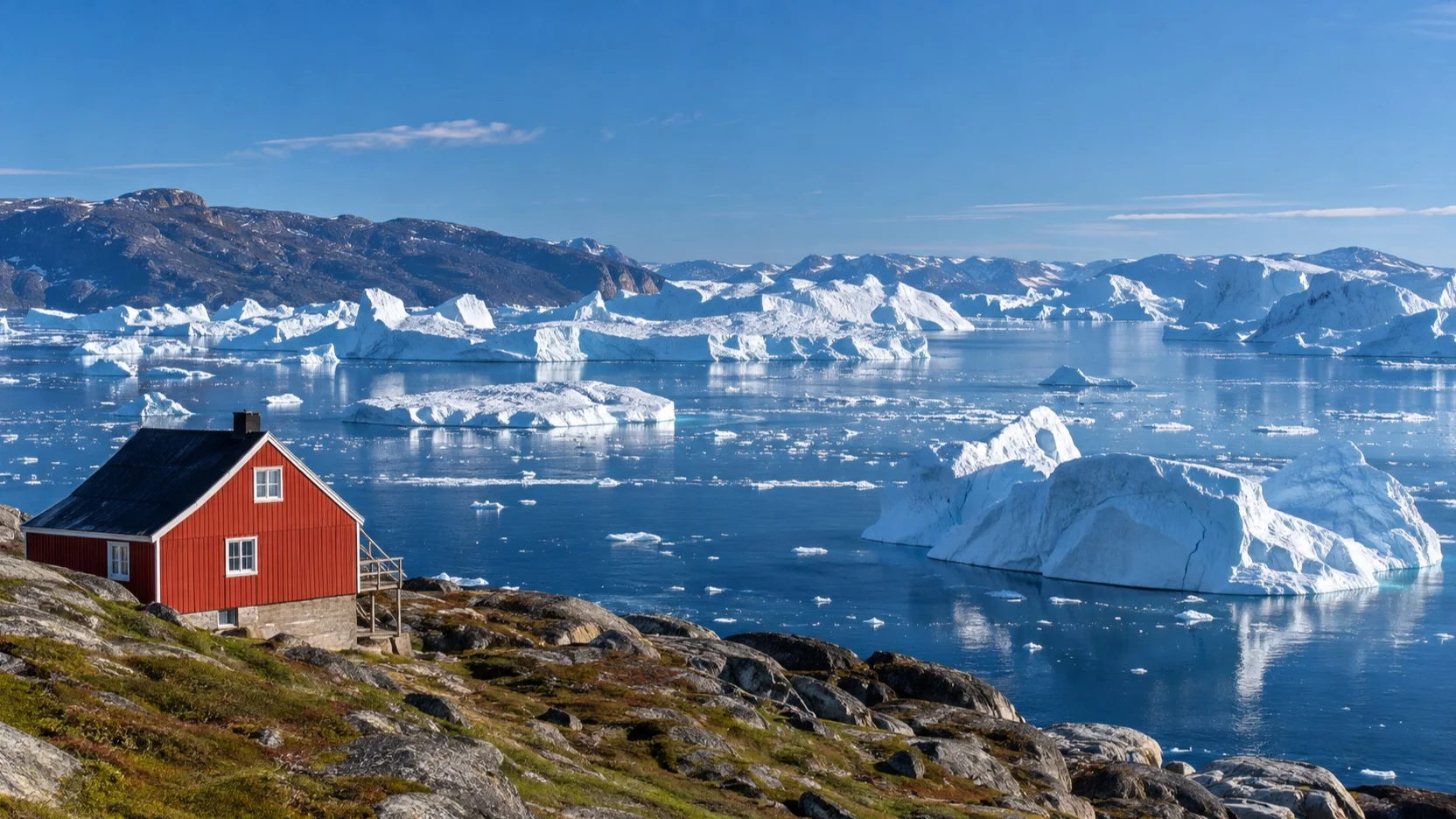
For jaw-dropping ice scenery, Sisimiut and Ilulissat on the Greenland side are hard to top.
Zodiac and tender landings are common, but Nome and Sisimiut can berth suitable expedition ships and every call depends on vessel size, berth availability, ice, and local approval. These are expedition itineraries whose ports and landing order can change even after sailing.
This page is a companion to our wider Canada cruise ports guide.
A little history before you sail
It helps to know what you are sailing into, because the romance of this route is bound up in three centuries of hard, often fatal exploration. European powers spent generations hunting for a shorter sea road to Asia through this maze of Arctic islands, and many crews never came home.
Sir John Franklin’s 1845 expedition is the most famous failure, its two ships beset by ice and its 129 men lost somewhere west of King William Island. The wrecks of HMS Erebus and HMS Terror were only rediscovered in 2014 and 2016, close to the modern shipping route.
Roald Amundsen finally completed the first full transit between 1903 and 1906, wintering near what is now Gjoa Haven and learning survival skills from the local Netsilik Inuit. You can read the fuller story in the Canadian Encyclopedia’s history of the Northwest Passage.
Quick Facts
Here is the short version before the detail below. Distances between these stops are huge, so most itineraries only manage a handful of them in one voyage.
- Nome, Alaska: the Bering Strait gateway, often where a Northwest Passage crossing begins or ends.
- Cambridge Bay, Nunavut: a Victoria Island hamlet and key transit point on the central route.
- Pond Inlet, Nunavut: a Baffin Island stop framed by fjords and glaciers, on the eastern approach.
- Sisimiut, Greenland: a deepwater Greenlandic port that many eastbound itineraries end near.
- Ilulissat, Greenland: the icefjord town that closes out many Northwest Passage voyages.
Nome Cruise Port
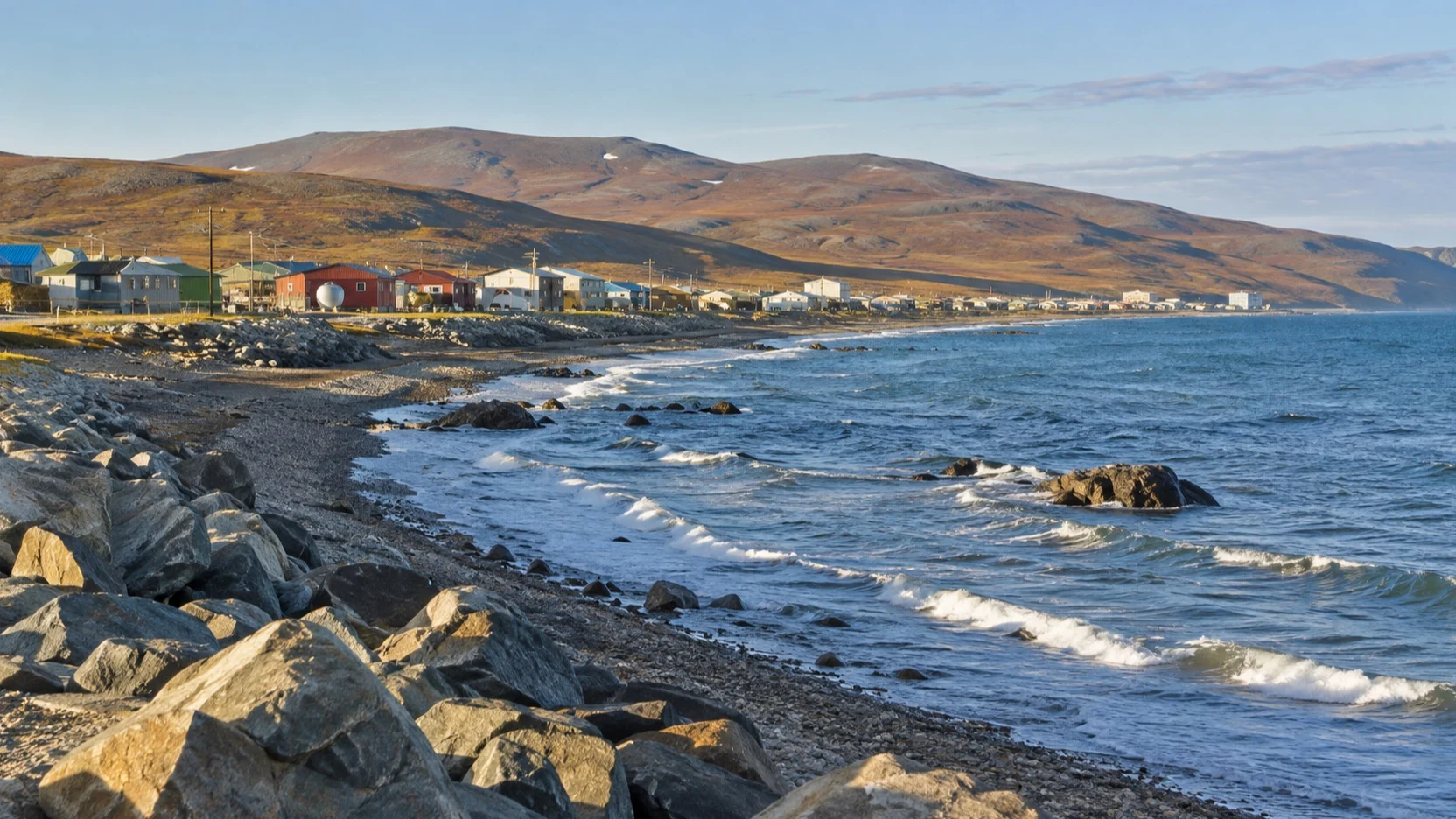
Nome sits on the Bering Sea coast of the Seward Peninsula and is the most accessible stop on this list, with scheduled flights from Anchorage rather than a multi-day charter. That makes it the usual embarkation or disembarkation point for expedition ships running the full passage.
Beyond logistics, Nome is a genuine Gold Rush town with Iñupiat roots, gravel roads running out into tundra, and a decent shot at muskox or migratory bird sightings before you even board. We cover the town, the flights, and the season in our full Nome cruise port guide.
The 1898 gold strike on the beaches here drew thousands of prospectors almost overnight, and you can still watch people panning the sand today. Nome is also the finish line of the Iditarod sled dog race, which packs a surprising amount of history into such a small town.
Cambridge Bay Cruise Port
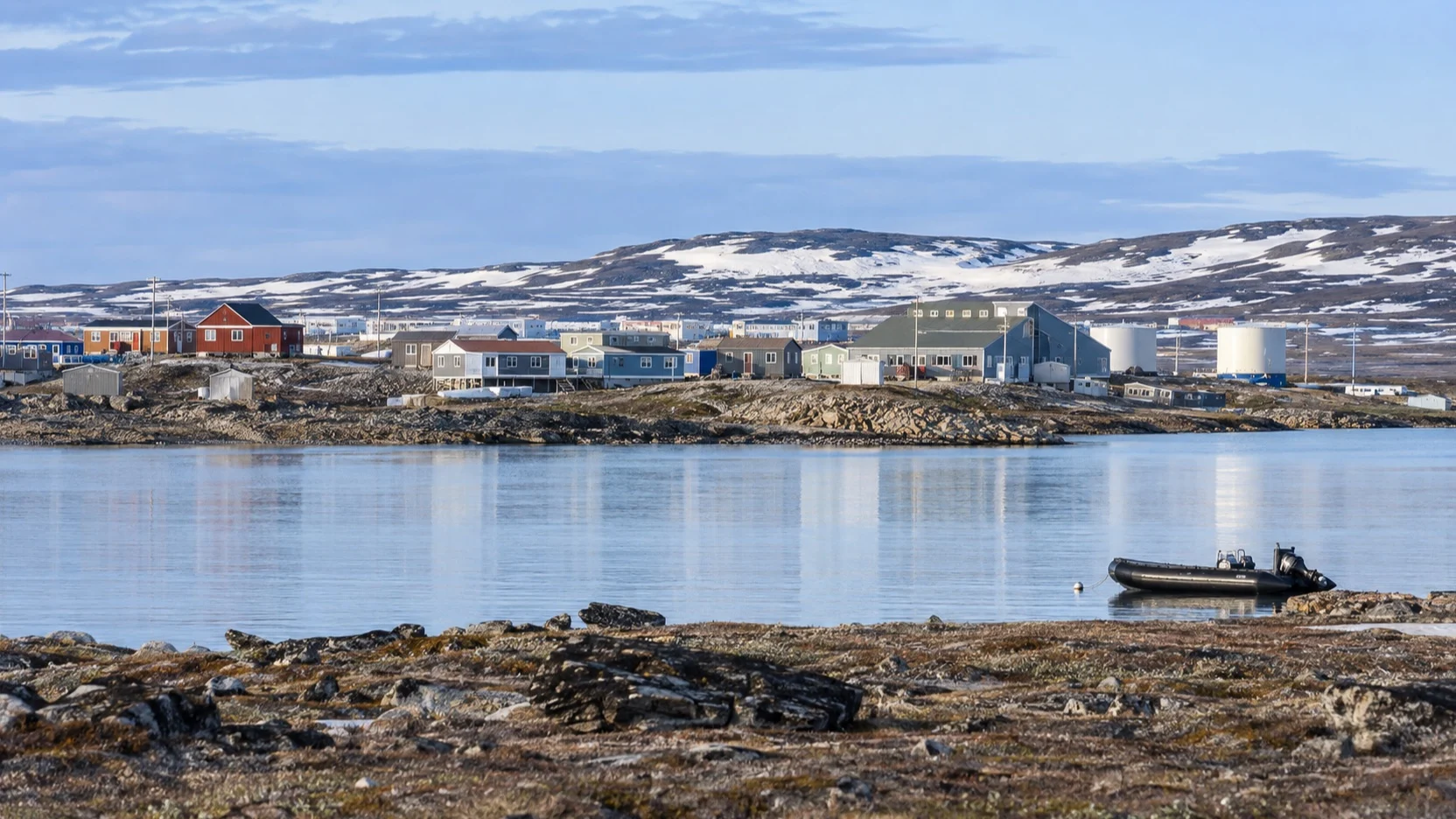
Cambridge Bay, known locally as Iqaluktuuttiaq, is a Nunavut hamlet on Victoria Island and a key central-route call. Expedition guests commonly come ashore by Zodiac or tender, but follow the ship’s confirmed landing plan rather than assuming a particular dock.
It is a working Arctic research hub as much as a tourist stop, home to the Canadian High Arctic Research Station, and a good place to meet Inuit artisans rather than souvenir stalls built for cruise crowds. Our full Cambridge Bay cruise port guide covers logistics and what to expect ashore.
The name Iqaluktuuttiaq means a good place to fish, and Arctic char is still central to life here. Ashore you can learn the story of the Maud, the schooner Amundsen built for a later Arctic voyage, whose hull spent decades sunk in the bay before being raised.
Pond Inlet Cruise Port
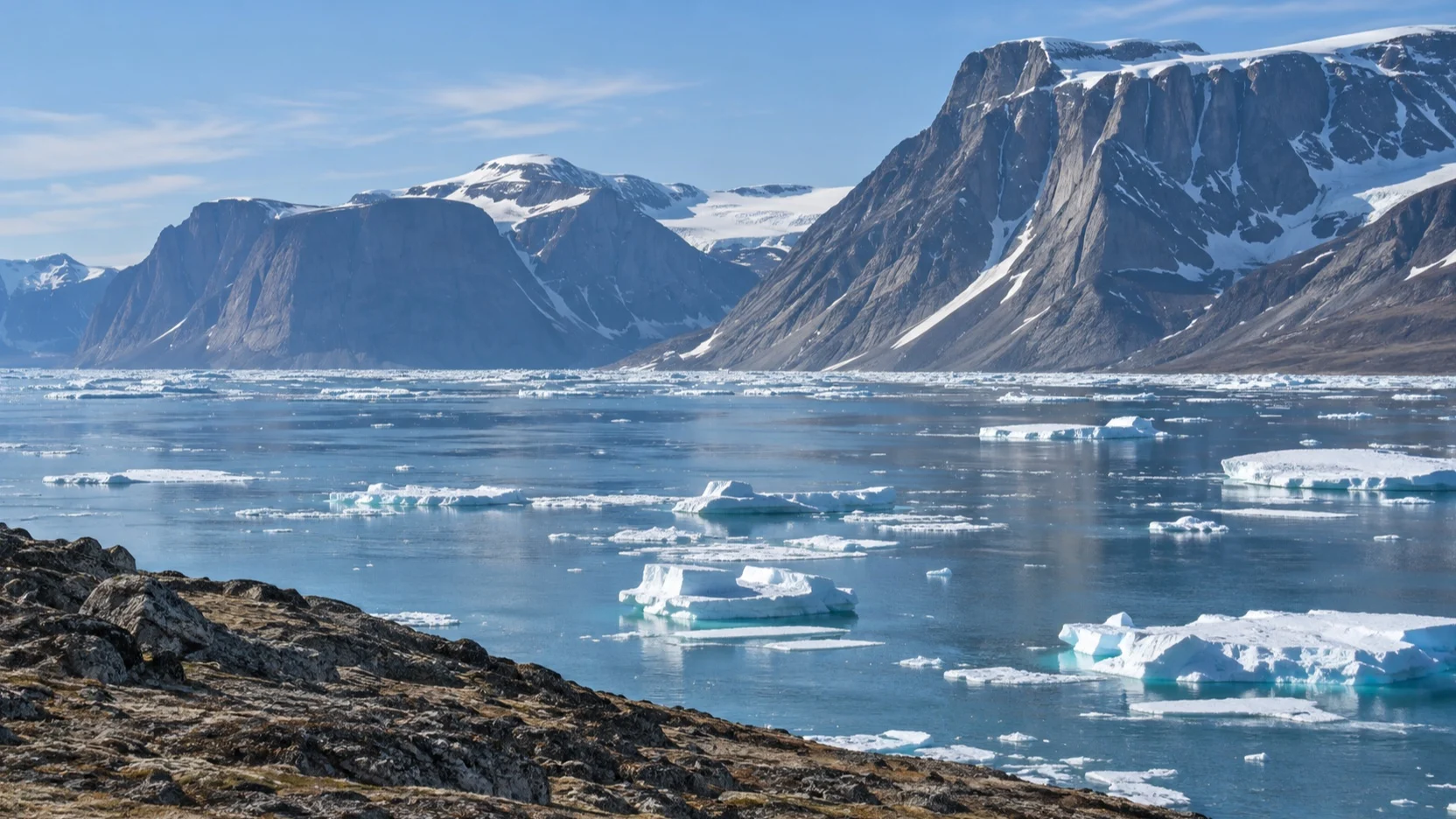
Pond Inlet, or Mittimatalik, sits on northern Baffin Island beside Sirmilik National Park and dramatic fjord scenery. The official Sirmilik visitor page notes there are no facilities or campgrounds, and visitors need the required registration, briefing, and suitable local transport.
Narwhal and bowhead whales may be seen in summer, but routes, ice, and wildlife determine the day’s odds. Read the details in our full Pond Inlet cruise port guide.
The floe edge is a rich wildlife zone, but its classic travel season is earlier than many late-summer Northwest Passage voyages. A cruise call is more likely to center on a community program or Zodiac outing arranged for that day’s conditions.
Sisimiut Cruise Port
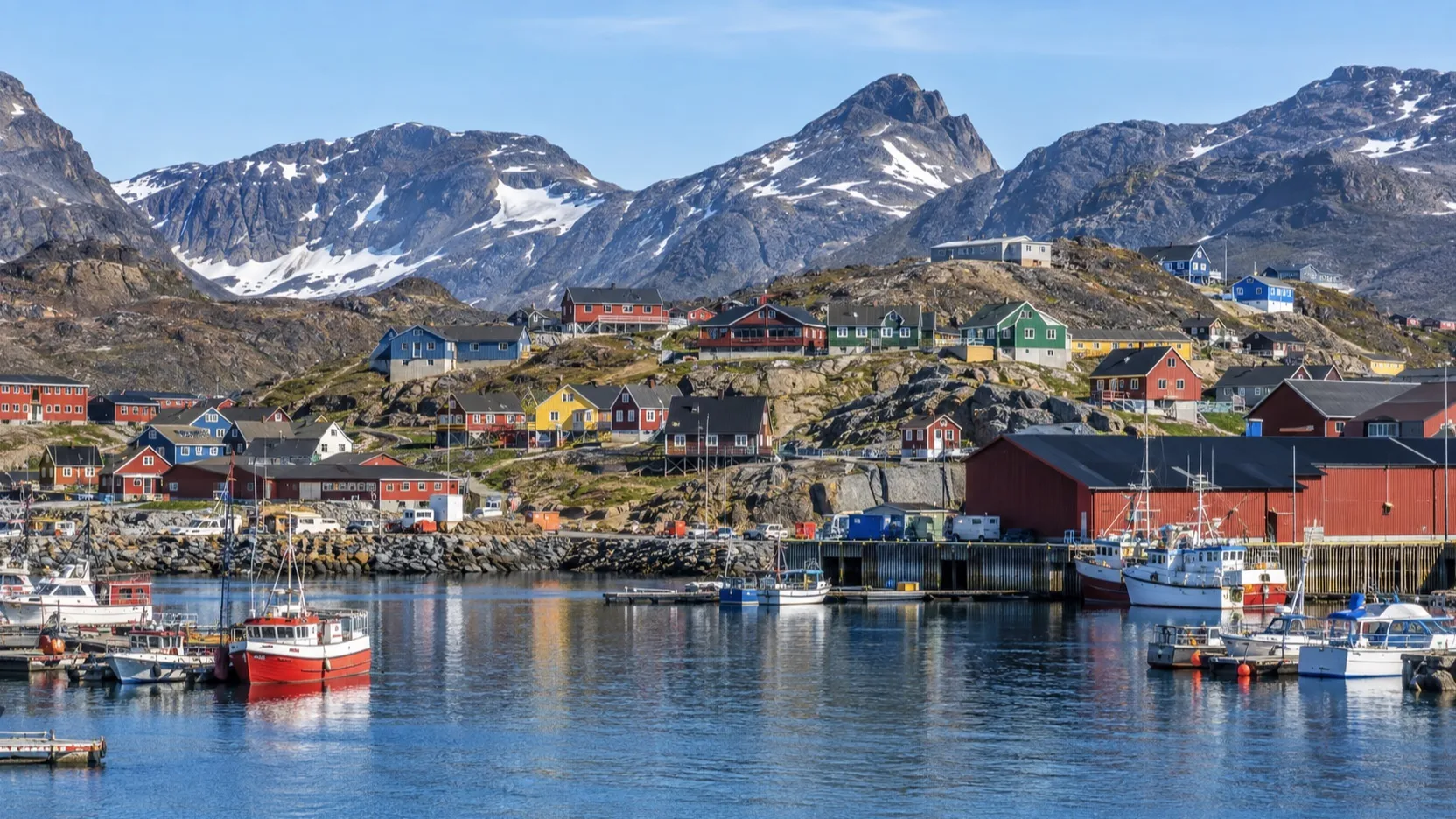
Once ships cross to Greenland, Sisimiut is often one of the first larger towns they reach, sitting about 25 miles north of the Arctic Circle. Its working harbor can take some expedition ships alongside, while others tender, so the daily program controls the first-mile plan.
It is one of Greenland’s oldest continuously inhabited settlements, with a compact walkable center, dog sledding in winter, and kayaking among icebergs in summer. Our full Sisimiut cruise port guide has the practical detail.
People have lived in this area for around 4,500 years, and the old colonial quarter around the blue Bethel church rewards the short uphill walk. Sisimiut is also the northern trailhead for the Arctic Circle Trail, a celebrated multi-day hiking route that finishes at Kangerlussuaq.
Ilulissat Cruise Port
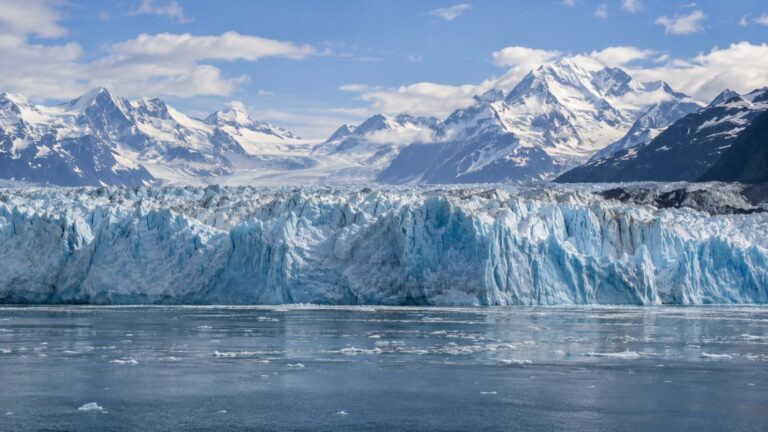
Ilulissat is Greenland’s headline Arctic stop and often the final call before a voyage ends in Nuuk or continues to Iceland. It sits beside the Ilulissat Icefjord, a UNESCO World Heritage Site where the Sermeq Kujalleq glacier calves some of the largest icebergs in the northern hemisphere into Disko Bay.
Boardwalks let you get close to the icefjord without a guide, which is unusual for this route, and whale-watching in Disko Bay is genuinely good in summer. See our full Ilulissat cruise port guide for details.
UNESCO describes Sermeq Kujalleq as one of the world’s most active and fastest glaciers. Humpback, fin, and minke whales may feed in Disko Bay in summer, but neither whales nor a clear icefjord view is guaranteed.
Other Northwest Passage calls to recognize
Gjoa Haven is central to Amundsen and Franklin history and may host community visits arranged with local authorities. The nearby wreck sites of HMS Erebus and HMS Terror are protected, and Parks Canada prohibits entry without written authorization.
Beechey Island is a weather-dependent historic landing associated with Franklin’s winter camp and three expedition graves. Stay with guides, use marked routes, and do not touch graves, structures, or artifacts.
Dundas Harbour and Fort Ross are remote historic landing sites rather than ports with services. Ice, wildlife, surf, and site protection can cancel them at the last moment, which is why no operator should promise these landings.
The people and wildlife you actually come for
Strip away the logistics and the reason to sail this route is the mix of living Inuit and Greenlandic culture and some of the last truly wild coastline on the planet. Most of the Canadian stops are Inuit hamlets of a few hundred to a couple of thousand people, where hunting, fishing, and carving are still part of daily life rather than heritage displays.
The wildlife list includes polar bears, narwhal, bowhead and beluga whales, walrus, muskox, and nesting seabirds. Nothing is guaranteed, and guides may cancel a landing or increase viewing distance when wildlife is present.
The Government of Nunavut and its tourism partners ask visitors to travel respectfully in these small communities, so operators brief you on local etiquette before every landing. Buying directly from carvers and artisans is one of the clearest ways your visit benefits the people who live here.
The expedition-ship reality
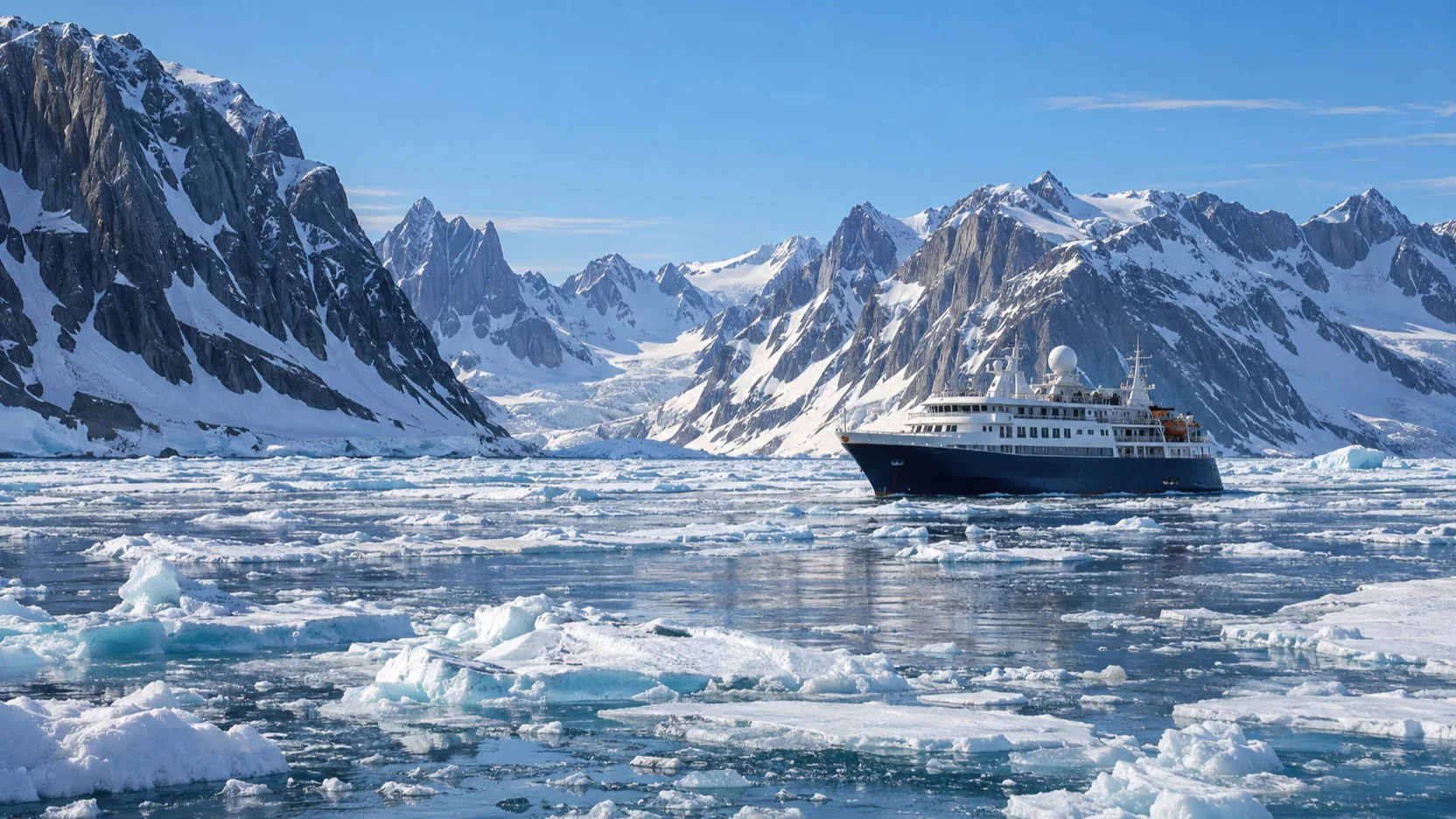
Most voyages use ice-strengthened expedition ships carrying a few hundred guests, although capacity and ice class vary. A smaller guest count can mean faster Zodiac rotations and more flexible community visits, but ship design, guide ratio, and landing policy matter as much as headline capacity.
A typical day revolves around zodiac landings, wildlife spotting from the bow, and lectures from naturalists, historians, and Inuit culture-bearers on board. Weather and ice call the shots, so a printed itinerary is really a hopeful sketch rather than a promise.
How to choose the right Northwest Passage port day
This is not a route where you pick and choose freely. Most operators sell it as a single fixed voyage, typically Nome to Greenland or the reverse, so your real choice is which departure and which operator, not which individual ports.
That said, if community connection matters most to you, prioritize itineraries that spend real time in Cambridge Bay or Pond Inlet rather than just passing through. If ice scenery is the draw, Ilulissat and Sisimiut deliver the most reliably dramatic landscapes of the whole trip.
Whichever way you sail it, this is an expedition, not a resort cruise. Landings depend on ice and weather, shore excursions can be canceled or rerouted with little notice, and the ship itself, usually a small ice-strengthened vessel, is as much a part of the experience as the stops.
What to compare before you book
Compare the ship’s Polar Class or ice capability, passenger count, guide-to-guest ratio, number of Zodiacs, and whether charter flights, park fees, gratuities, and waterproof gear are included. A cheaper fare can stop being cheaper once mandatory flights and expedition clothing are added.
Ask how the operator coordinates with Inuit communities and whether local guides, performers, and vendors are paid directly. A community can shorten or decline a visit, and respectful operators treat that decision as final rather than as a service failure.
Travel insurance should meet the line’s written requirement and cover emergency medical evacuation, repatriation, missed charter connections, and trip interruption in remote regions. Review preexisting-condition and activity exclusions for Zodiac cruising, kayaking, hiking, and polar plunges.
Landing rules that affect the day
In Nunavut communities, stay with the expedition team’s agreed route, ask before photographing people, and buy art directly when possible. Never enter homes, work areas, cultural sites, or archaeological remains unless invited.
Polar bear guards and guides decide whether a landing is safe, and passengers should never wander beyond the group. Clean and disinfect boots and gear when instructed so seeds and organisms are not carried between Arctic sites.
Drone rules vary among Canada, Greenland, parks, communities, and protected sites, and many expedition lines prohibit guest drones entirely. Leave one packed unless both the operator and every relevant authority have given explicit permission.
Quick answers
When can you actually cruise the Northwest Passage?
Roughly mid-July through September, when sea ice recedes enough for passage. The window still shifts year to year, so cruise lines confirm exact routes close to departure and navigators rely on current Canadian Ice Service conditions.
Do mainstream cruise lines sail this route?
Standard large-ship cruising is not the model here. This is expedition territory for ice-capable vessels, with itineraries and operators summarized by Destination Nunavut’s Arctic cruise overview.
Do these ports berth alongside like a typical cruise stop?
It varies. Nome and Sisimiut can berth suitable ships, while Cambridge Bay, Pond Inlet, Ilulissat, and remote historic sites commonly use tenders or Zodiacs.
Even where a dock exists, cargo traffic, vessel dimensions, ice, and local operations can move the call offshore.
Why is the Northwest Passage historically significant?
European explorers searched for a shorter Asia route through these waters for three centuries, and many died trying. Franklin’s lost 1845 expedition and Amundsen’s successful 1903 to 1906 transit both played out along the same waters that cruises now trace.
How much does a Northwest Passage cruise cost?
Fares commonly reach five figures per person, but the meaningful comparison is the total including charter flights, hotels, gear, gratuities, and mandatory insurance. Also compare cancellation terms because a changed landing is normal expedition operation and rarely triggers a refund by itself.
How long is a typical Northwest Passage cruise?
Most full transits run around two to four weeks, reflecting the enormous distances between stops and the need for weather flexibility. Shorter voyages usually cover only part of the route, such as the Greenland and Baffin Island section.
What should I pack for the Arctic?
Bring layered insulation, waterproof outerwear, gloves, a warm hat, sun protection, and any medication you cannot replace remotely. Check what boots and parkas the operator supplies before buying gear, and pack binoculars plus dry protection for cameras and electronics.
How this guide was researched: Unless a first-hand visit is explicitly identified above, this guide is based on independent research using official port, tourism, transit, government, and attraction sources where available. Logistics and time-sensitive details were reviewed on September 11, 2026; see our Editorial Policy.