Hubbard Glacier Scenic Cruising: Alaska’s Biggest Ice
Hubbard Glacier is primarily a scenic-cruising call with no port landing, but some cruise lines sell a limited small-boat excursion that transfers directly from the ship. Everyone else watches from onboard while ice and weather determine the closest safe approach.
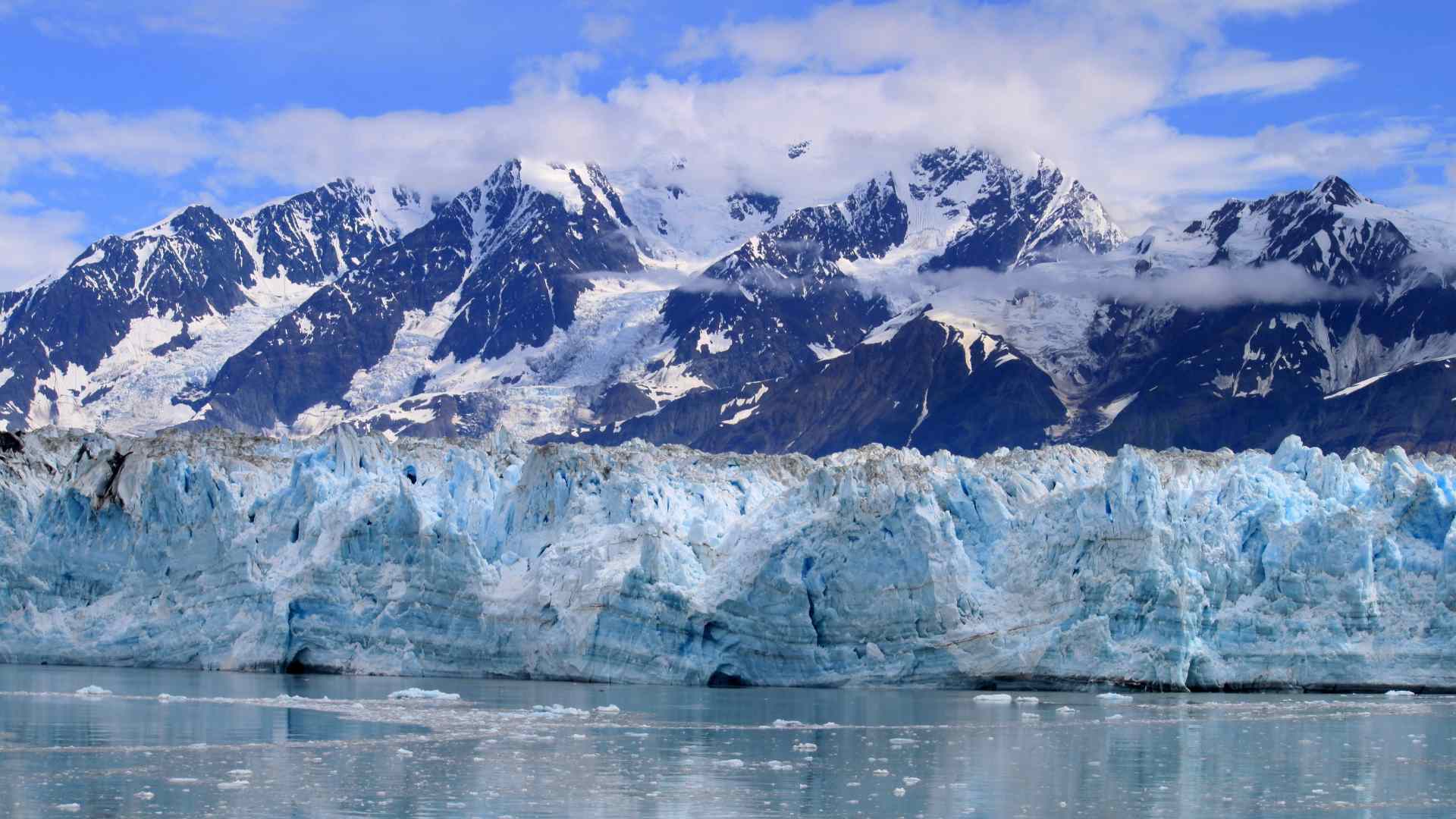
You point yourself at a wall of ice roughly seven miles wide and wait for it to fall over. Ice conditions, not the schedule, decide how close you get, and no two calls are the same.
My quick take
Hubbard is the other big Alaska ice day, and it is not a consolation prize for missing Glacier Bay. This is one enormous face rather than a whole park, and the scale is genuinely hard to process from a photograph.
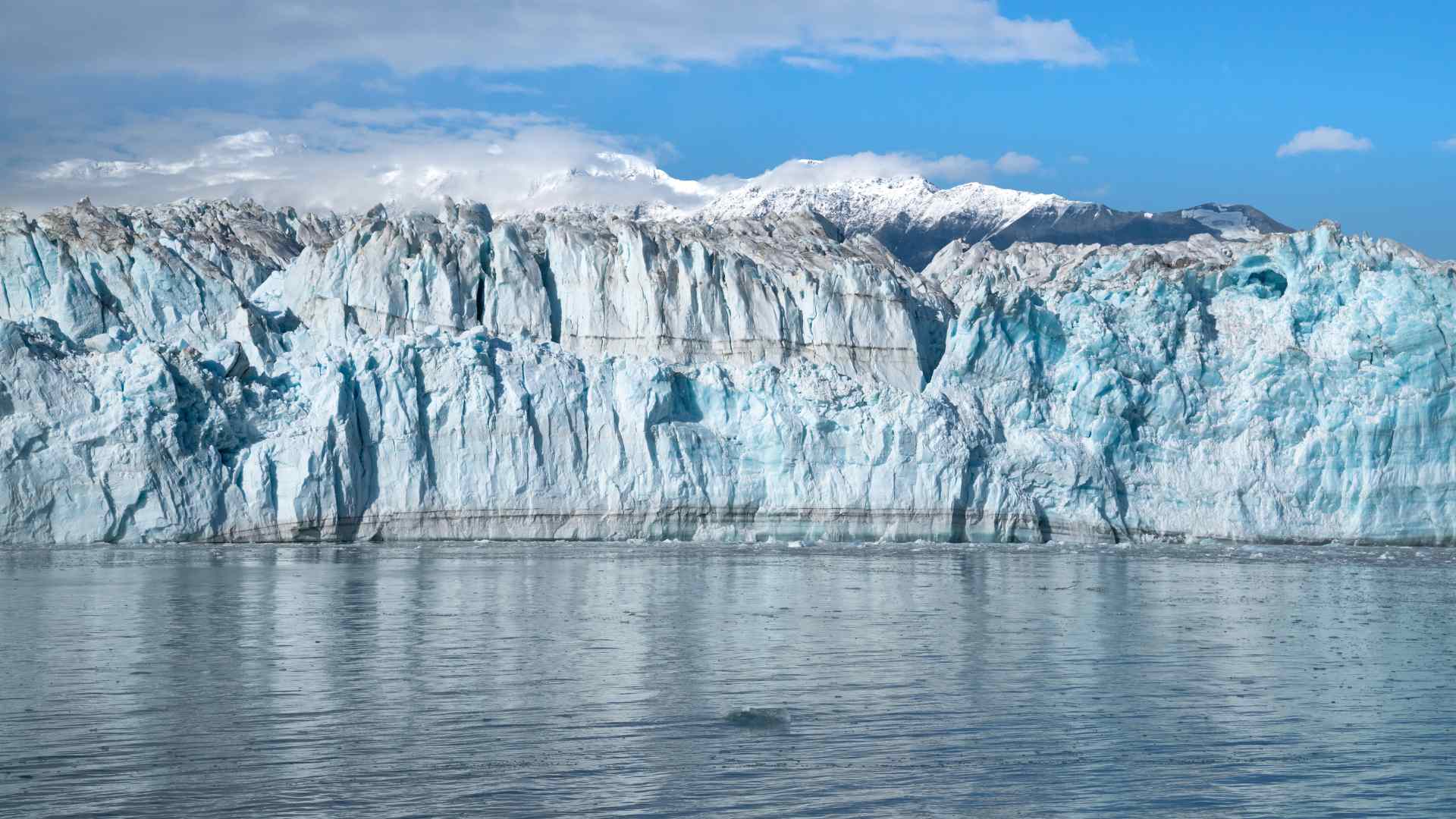
The National Park Service puts it at 76 miles long, 7 miles wide, and about 600 feet tall at the terminal face. Roughly 350 feet of that stands above the waterline, which is why the falling ice looks like collapsing buildings.
What I would tell a first-timer is to treat this as a concentrated event rather than a full sea day. If you are still assembling the itinerary, my Alaska cruise ports overview shows how a glacier day sits between the town calls.
The thing to accept early is that the ice makes the rules here. Disenchantment Bay can fill with floating ice overnight, and the captain will stop where it is safe rather than where you were hoping.
The quick facts
- Where you land: Nowhere, because this is scenic cruising and guests normally remain aboard while the ship enters Yakutat and Disenchantment bays. The National Park Service describes Hubbard as 76 miles long with a terminal face about 600 feet tall.
- Dock or tender: There is no guest pier or town landing. Most passengers remain aboard, while a limited ship-to-small-boat viewing excursion may be sold on certain lines and sailings.
- Into town: Not applicable.
- Currency and language: US dollars and English, though nothing changes hands ashore.
- Time zone: Alaska Daylight Time (AKDT, UTC−8) across the May to September season.
- Call reliability: Ice, visibility, wind, and the bridge team’s safety judgment determine how far the ship enters Disenchantment Bay. A more distant approach is not a missed call.
- Best viewing plan: Be outside before the published approach window, start on an open forward deck, and keep an indoor fallback nearby. The ship may turn when conditions allow, but equal balcony time is never guaranteed.
- What to bring: Pack a waterproof shell, warm layers, a hat, thin gloves, binoculars, and a protected camera or phone. The wind off the ice can feel much colder than the posted air temperature.
How the day is actually scheduled
Ships come in off the Gulf of Alaska through Yakutat Bay, then turn north into Disenchantment Bay as the water narrows. The scenery starts well before the glacier does, so do not stay in bed waiting for an announcement.
There is no fixed timetable across cruise lines, and many itineraries give Hubbard a morning or afternoon window rather than a full day. Use the daily program for the approach, narration, optional excursion meeting time, and expected closest viewing.
The final approach is deliberately slow, because the bay fills with brash ice and bergy bits that the bridge has to pick through. A ship that arrives to a clear bay gets much closer than one that arrives to a floating ice field.
There is also a shallow submarine shoal in front of the calving terminus, which is another reason big ships treat the last stretch with respect. Nobody is racing the ice to a photo opportunity.
If you want the numbers behind the spectacle, the Park Service page on glaciers in Wrangell Saint Elias National Park and Preserve is the clearest official summary. It also explains why Hubbard has been thickening while most Alaskan glaciers shrink.
Getting the best view
There is no guaranteed best side because the approach and maneuvering change with conditions. The captain may turn the ship when safe, but an open public deck gives you more flexibility than counting on equal balcony time.
Forward-facing open decks are the prize here, since you watch the bay narrow and the glacier grow for a solid hour. They are also the coldest and windiest spot on the ship, which thins the crowd nicely.
Open decks beat glass every single time, mostly for the sound. Half the point of a calving glacier is the noise, and a window turns it into television.
Try one high deck and one low one, because they show you completely different things. Near the waterline the ice looks impossible, while from an upper deck you finally see how wide the face really is.
Reach your chosen viewing area before the published closest-approach window, particularly if you need an accessible rail position. Keep an indoor fallback nearby and let the daily program guide timing instead of standing outside for an arbitrary 45 minutes.
The sights I would actually watch for
Everyone comes for the one big face, and then spends the run in and out spotting things they did not expect. These are what I would keep my eyes on as the bay narrows.
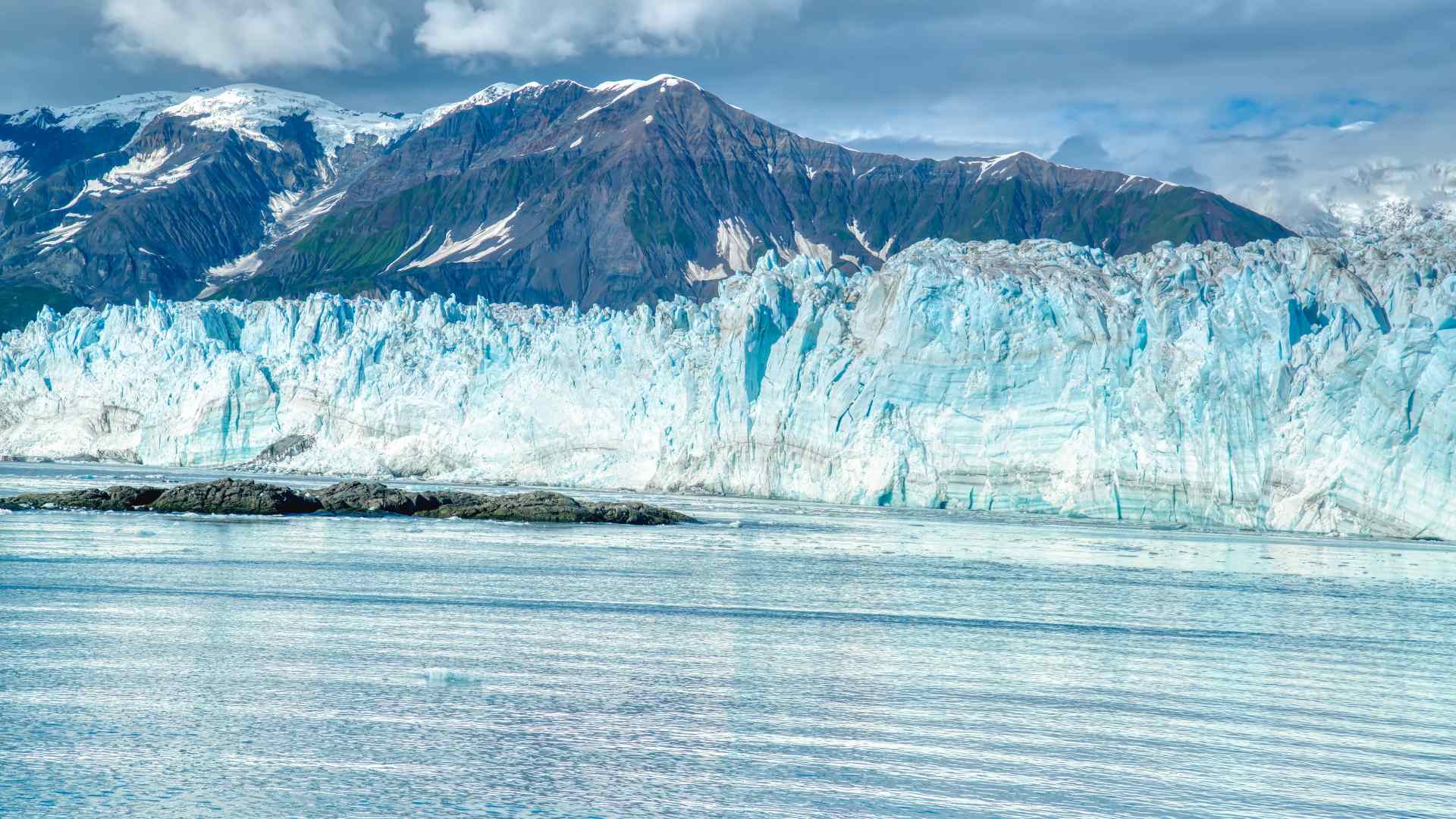
The terminal face: A ragged blue and white wall stretching across the head of the bay, far wider than any camera will hold. Give it five quiet minutes before you start photographing it.
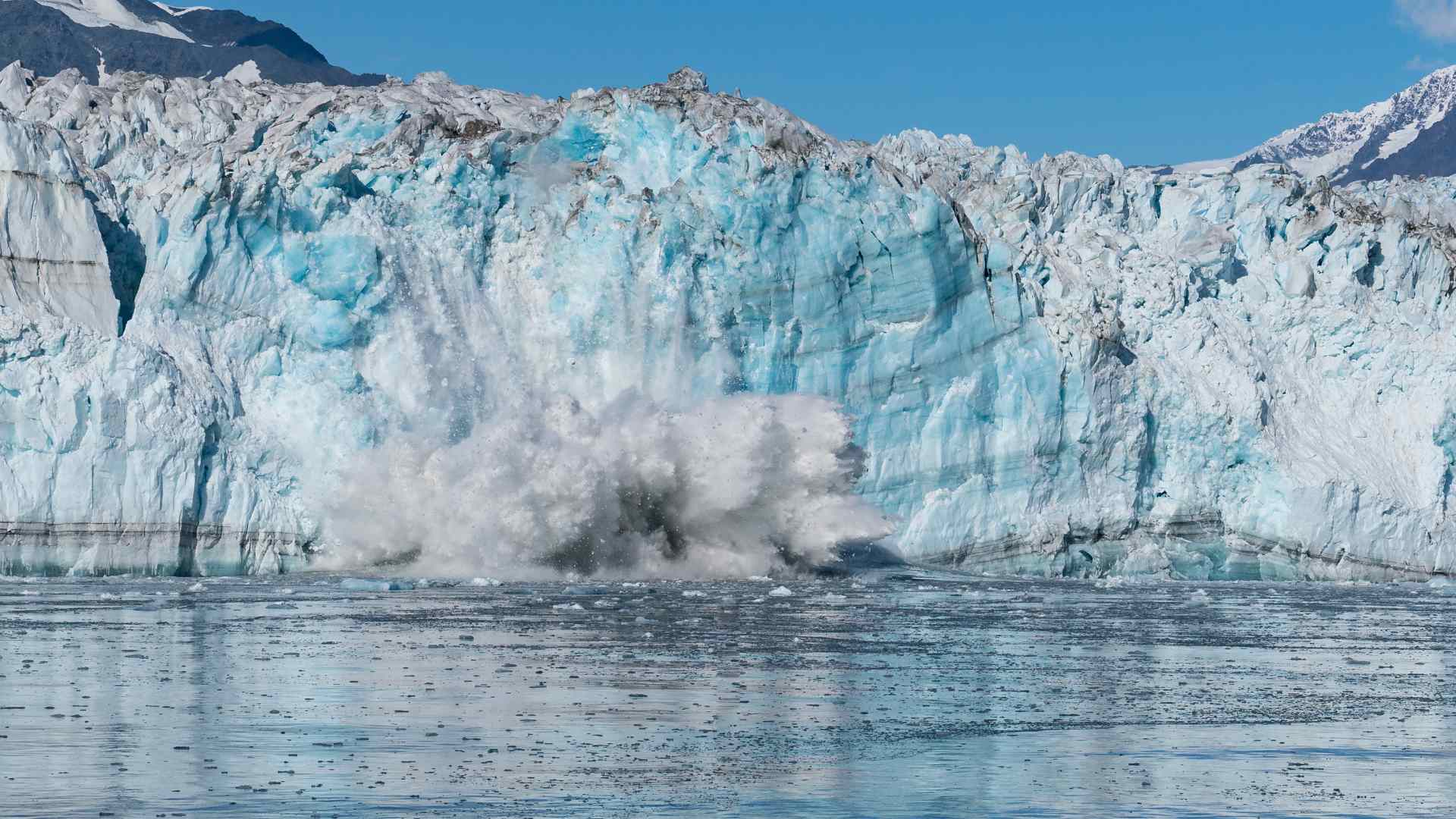
Calving: Ice breaks off here often enough that patience usually pays, and the biggest falls send a wave across the bay. Watch for a puff of spray, because the sound arrives seconds after the collapse.
The blue ice: The deepest color sits in the fresh fractures and the shaded hollows of the face. Overcast days actually help, since flat light stops everything washing out to white.
Brash ice and bergy bits: The bay is often carpeted with floating ice, which is beautiful and also the reason you stopped where you did. Look down over the side as the hull pushes it aside.
Harbor seals on the floes: Seals may use floating ice in the bay, but distance and conditions make sightings uncertain. Use binoculars, follow the naturalist’s directions, and treat wildlife as a bonus rather than a promised part of the call.
Turner Glacier: A smaller glacier on the western side of Disenchantment Bay that most people sail straight past. It is a useful reminder that Hubbard is not the only ice in the neighborhood.
The entrance to Russell Fiord: Off to the east, this is where Hubbard has twice shoved a wall of ice and sediment across the mouth. It looks unremarkable until you know the story.
The Saint Elias Mountains: On a clear day the peaks behind the glacier are the real shock, rising straight out of the sea. Cloud hides them more often than not, so take the view when it is offered.
The sound of it: Ask your group to stop talking for two minutes at the face and just listen. The cracks and low booms carry across the water and stay with you longer than the pictures.
Fun fact: Hubbard has twice bulldozed a dam across the mouth of Russell Fiord, in 1986 and again in 2002, briefly turning a 35 mile fiord into a lake before the dam burst. The US Geological Survey tells the story in its fact sheet on Hubbard Glacier growing and advancing, which also calls it the largest calving glacier in North America.
How I would plan the day
I would eat breakfast early and be dressed for the deck before the ship turns into Disenchantment Bay. The hour of approach is genuinely part of the show, not a delay before it.
Layers are the whole trick, because you will be moving between a heated lounge and a windy rail all morning. A waterproof shell, a hat, and gloves cover almost every version of this day.
At the face I would stay put and let the ship rotate around me rather than chasing the better angle. Everyone who runs from side to side ends up with photographs of other people’s backs.
On the way back out, take the aft deck for the long light and the shrinking glacier. Late afternoon in Alaska is frequently the best hour of the whole day.
If the weather closes in, I would lean into it instead of sulking indoors. Low cloud and drizzle make far more atmospheric pictures than flat blue sky, and the ice still falls in the rain.
A realistic word on accessibility
This is one of the easiest Alaska highlights for limited mobility, purely because you never leave the ship. Elevators reach the observation lounges and most of the open decks.
The real obstacles are heavy exterior doors, raised thresholds, and decks that go slippery in cold rain. Ask a crew member for a hand with a door rather than wrestling it in the wind.
Forward observation lounges are often the warmest step-free option, but routes, thresholds, and wheelchair spaces vary by ship. Ask guest services where the accessible outdoor viewing area is and whether the optional small boat requires walking or a transfer.
When to go, and the weather
Big-ship calls run through the Alaska season, roughly May to September, and Hubbard turns up on both Inside Passage and Gulf of Alaska itineraries. Midsummer gives you the longest light and the best odds on the mountains showing themselves.
Expect a summer day here to sit somewhere in the 50s or low 60s Fahrenheit. Add wind coming off several miles of ice and the rail feels a great deal colder than that.
Rain is normal on this coast rather than bad luck, so a waterproof layer matters more than a thick one. The nearest town, Yakutat, is one of the wettest places in the United States, which tells you plenty.
Do not count on a phone signal, and expect the ship internet to crawl. The state tourism board’s page on Yakutat gives a sense of just how remote this corner of Alaska really is.
Ship view or small-boat excursion
Stay on the ship if you want warmth, elevators, food nearby, the freedom to change decks, or the lowest-risk option for limited mobility. The ship may not approach as closely as a small vessel, but elevation gives a better sense of the glacier’s full width.
Consider the small-boat excursion only when it appears in your cruise planner and closer water-level viewing is worth the price and transfer. Read the cancellation, mobility, restroom, cold-weather, and boarding requirements because the excursion depends on sea and ice conditions.
For either choice, be ready before the approach window and stay available until the ship turns away. Pack binoculars, protect cameras from drizzle, and keep gloves thin enough to operate a phone or camera.
Calving is unpredictable and a distant approach is not a failed visit. Floating ice is part of the setting and the captain’s conservative distance is a safety decision, not a shortcut.
Quick answers
Do you get off the ship at Hubbard Glacier? Most guests stay aboard for scenic cruising, while certain sailings sell a limited ship-to-small-boat excursion with no town landing.
How close does the ship get to the glacier? Ice, wind, visibility, traffic, and the captain’s judgment determine the distance, so no operator can promise a particular closest approach.
Are there park rangers on board? Not through Glacier Bay’s standard NPS program, while line-provided narration or local guests can vary by sailing.
Is Hubbard Glacier shrinking? NPS says its terminus is currently stable after a century of advance and the glacier continues to thicken, behavior shaped by tidewater-glacier dynamics.
The last word
Hubbard is the day that makes people go quiet, which on a cruise ship is a real achievement. Dress properly, get outside early, and let the ice do the talking.
If your itinerary offers both, my Glacier Bay scenic cruising guide covers the other great ice day. Glacier Bay gives you rangers, wildlife, and a whole park, while Hubbard gives you one colossal face.
For the town days that bookend it, my Juneau cruise port and Skagway guides are the natural companions. Between them you get ice you can walk up to, a gold rush railway, and a very good excuse for a second coat.
How this guide was researched: This guide uses current National Park Service and US Geological Survey glacier information, Alaska tourism guidance, and cruise-line excursion descriptions where offered. Glacier dimensions, ship access, optional small-boat logistics, weather, and viewing expectations were reviewed on September 10, 2026; see our Editorial Policy.