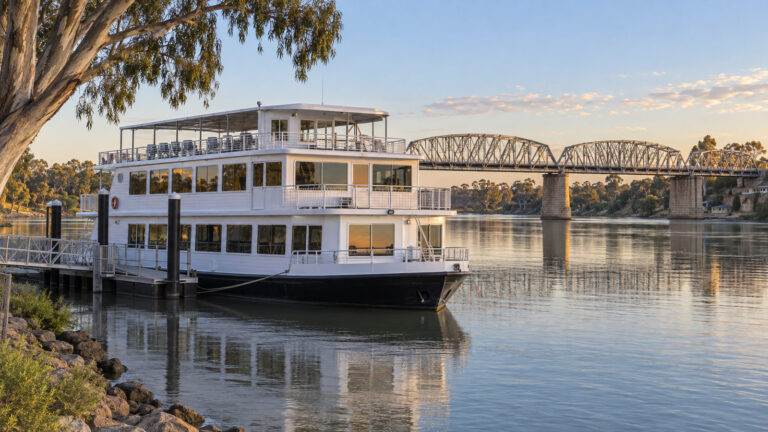
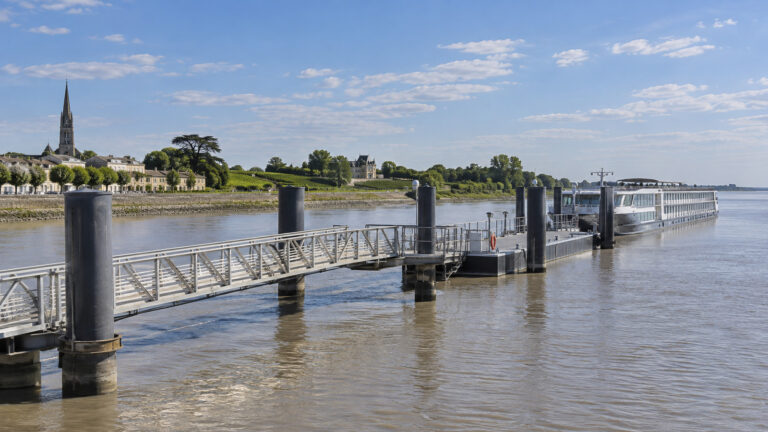
Dover, Tennessee River Cruise Port: Fort Donelson on the Cumberland
Dover is a small Cumberland River town with an unusually large place in American history. River cruise passengers come primarily for Fort Donelson, where the landscape explains military strategy, national fracture, mass loss and the lives rebuilt after Union victory.
The useful planning fact is that “Dover” and “Fort Donelson” are not one compact attraction beside a guaranteed gangway. The battlefield includes separated sites, roads, earthworks, river batteries, the Dover Hotel and a national cemetery.
American Cruise Lines currently includes a Fort Donelson exploration, which is the sensible way to connect those pieces during a short call. This guide explains the river landing uncertainty and treats the battlefield as a place for learning and reflection, not a cannon-themed photo stop.
Dover, Tennessee river cruise port quick facts
- Into Town: The operator controls the landing and transfers; do not assume the berth, downtown Dover and battlefield sites are one walkable cluster.
- Currency and Language: U.S. dollar (USD). English is primary; expect limited multilingual visitor services.
- Time Zone: Central Time, UTC-6 in winter and UTC-5 during daylight saving time.
- Call Changes: No reliable public cancellation rate is available. River, lock, weather, or landing conditions can alter access, and a changed landing may still allow the Fort Donelson visit.
A changed landing followed by a coach visit can still preserve the Dover call. Use the operator’s live instructions rather than treating a landing change as an automatic cancellation.
My quick take
Take the included Fort Donelson excursion unless you have a compelling reason not to. The spread-out park, uncertain dock and short call make independent improvisation less useful than organized transportation.
At the battlefield, prioritize the river batteries, Dover Hotel and National Cemetery alongside the orientation film and earthworks. Together they connect the military campaign to surrender, death, emancipation and community change.
Leave Cross Creeks wildlife refuge for a longer stay unless the ship offers it. Dover is not the place to summon a rideshare and trust that another car will materialize beside a rural refuge two hours later.
Dover on the Cumberland River
Dover sits on the Cumberland River in northwestern Tennessee, upstream from Lake Barkley and downstream from Clarksville and Nashville. Modern maps may label the broad water near town as part of Lake Barkley, the reservoir created by Barkley Dam on the historic Cumberland channel.
The river continues toward Kentucky and the Ohio River, linking Dover to the wider Mississippi system. That geography carried armies and supplies in 1862, and it now carries commercial traffic, recreational boats and small overnight cruise ships.
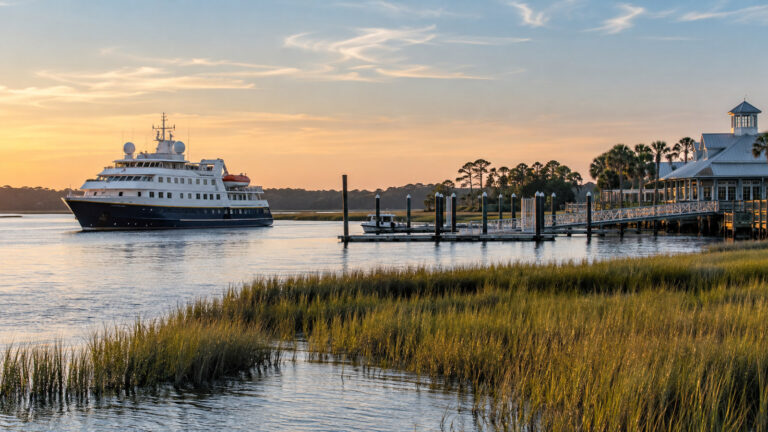
The site’s river versus ocean cruise guide explains why a town like Dover functions without a conventional terminal. Expect an operating landing and a transfer plan, not baggage belts and a row of taxis.
Which cruises stop in Dover?
The official American Cruise Lines Music Cities itinerary schedules Dover between Lake Barkley cruising and Clarksville in one direction, with the sequence reversed on westbound sailings. It lists Fort Donelson National Battlefield Exploration as a complimentary excursion.
The operator describes the activity level as low and accessibility as partial. That combination deserves attention because a coach can reduce walking while historic ground and separated stops still create limits.
American also states that exact itineraries and excursions vary by cruise date. Use the current sailing documents rather than assuming every web description applies identically.
Where does the riverboat dock in Dover?
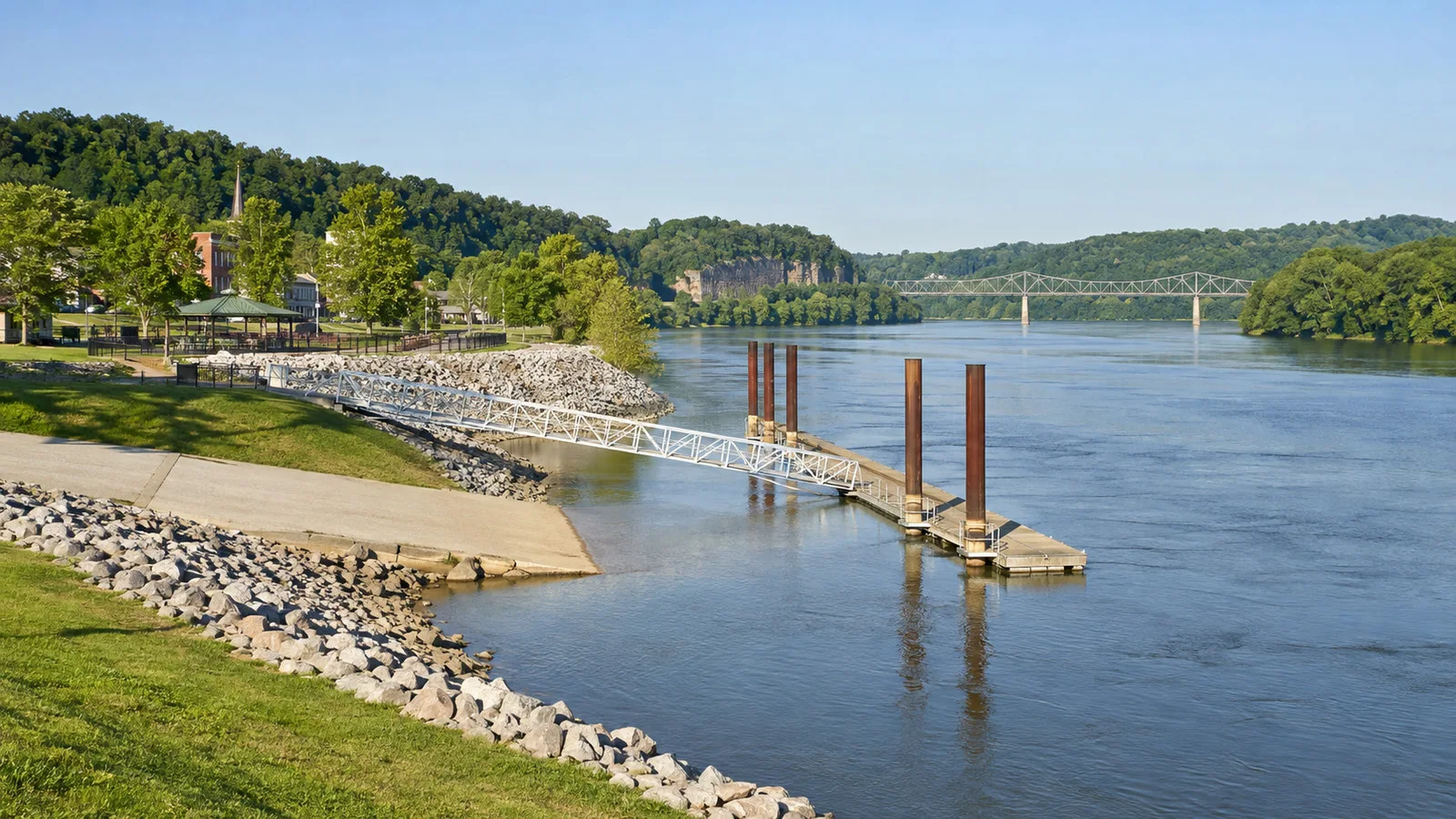
No binding public source reviewed for this guide guarantees one street address for every overnight cruise call. Landing availability, vessel design, water conditions and the transfer operation can affect where the gangway goes.
Wait for onboard instructions before estimating a walk or arranging a pickup. A photo of a ship’s retractable bow gangway proves that vessel can land efficiently, not that next month’s gangway will touch the same patch of shoreline.
This uncertainty is especially important for Fort Donelson. Even if one park feature lies close to the river, the visitor center, battlefield tour road, batteries, surrender site and cemetery should not be treated as one simple dockside loop.
Why Fort Donelson mattered
In February 1862, Union forces under Brigadier General Ulysses Grant and a supporting naval force attacked the Confederate position guarding the Cumberland. The battle followed the fall of Fort Henry on the Tennessee River and threatened the Confederate defensive line across the region.
Confederate forces launched a powerful breakout attempt on February 15, opened an escape route and then withdrew back into their works. Senior commanders departed, leaving Brigadier General Simon Bolivar Buckner to negotiate surrender with Grant on February 16.
Grant demanded unconditional and immediate surrender, bringing roughly 12,000 Confederate troops into captivity. The victory helped open the Cumberland route and contributed to the Union capture of Nashville, while also making Grant a national figure.
The National Park Service Fort Donelson guide provides current maps, alerts, hours and interpretation. Read the landscape as the site of consequential human decisions and suffering, not as a tidy story with one heroic camera angle.
The river batteries
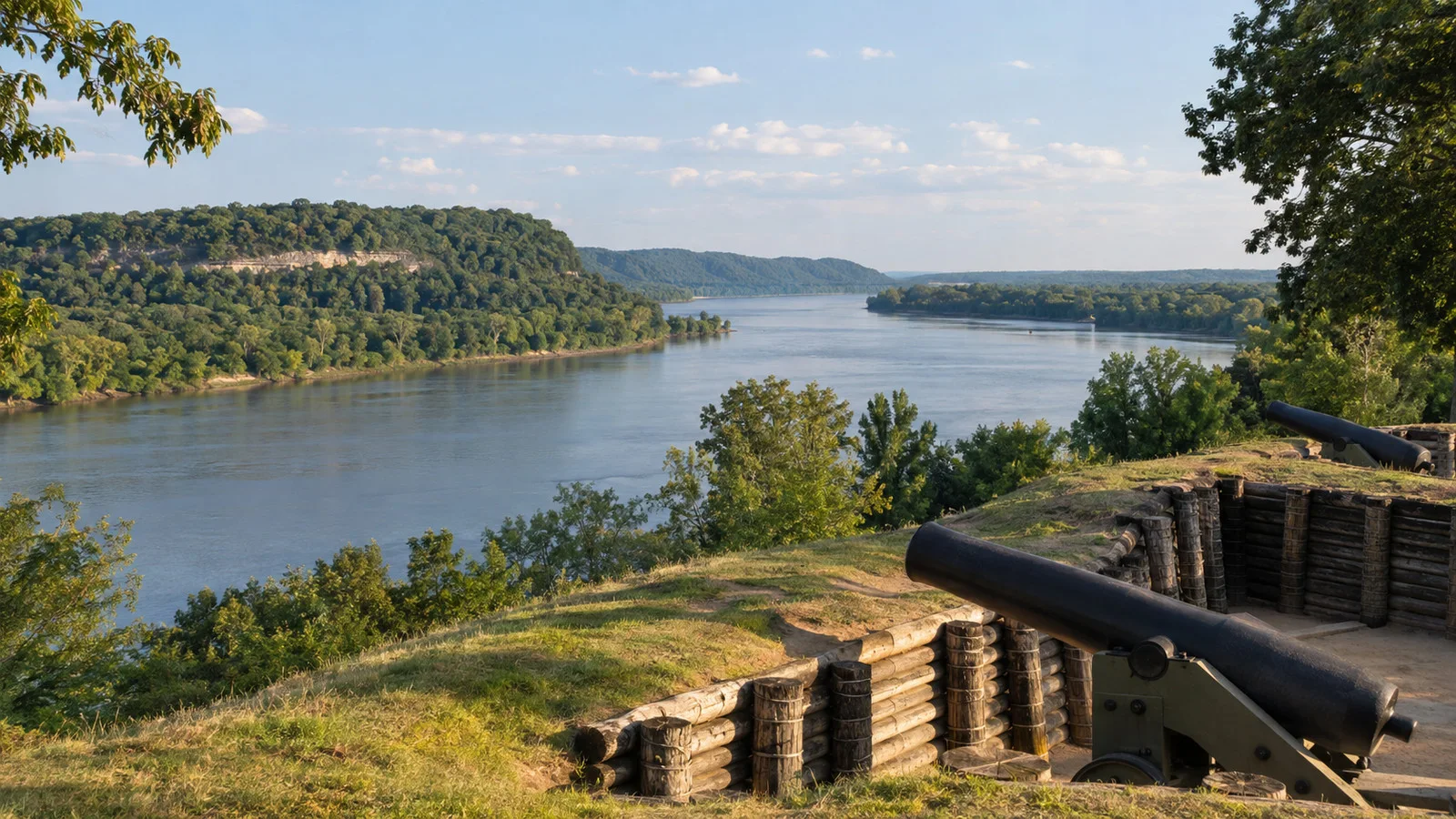
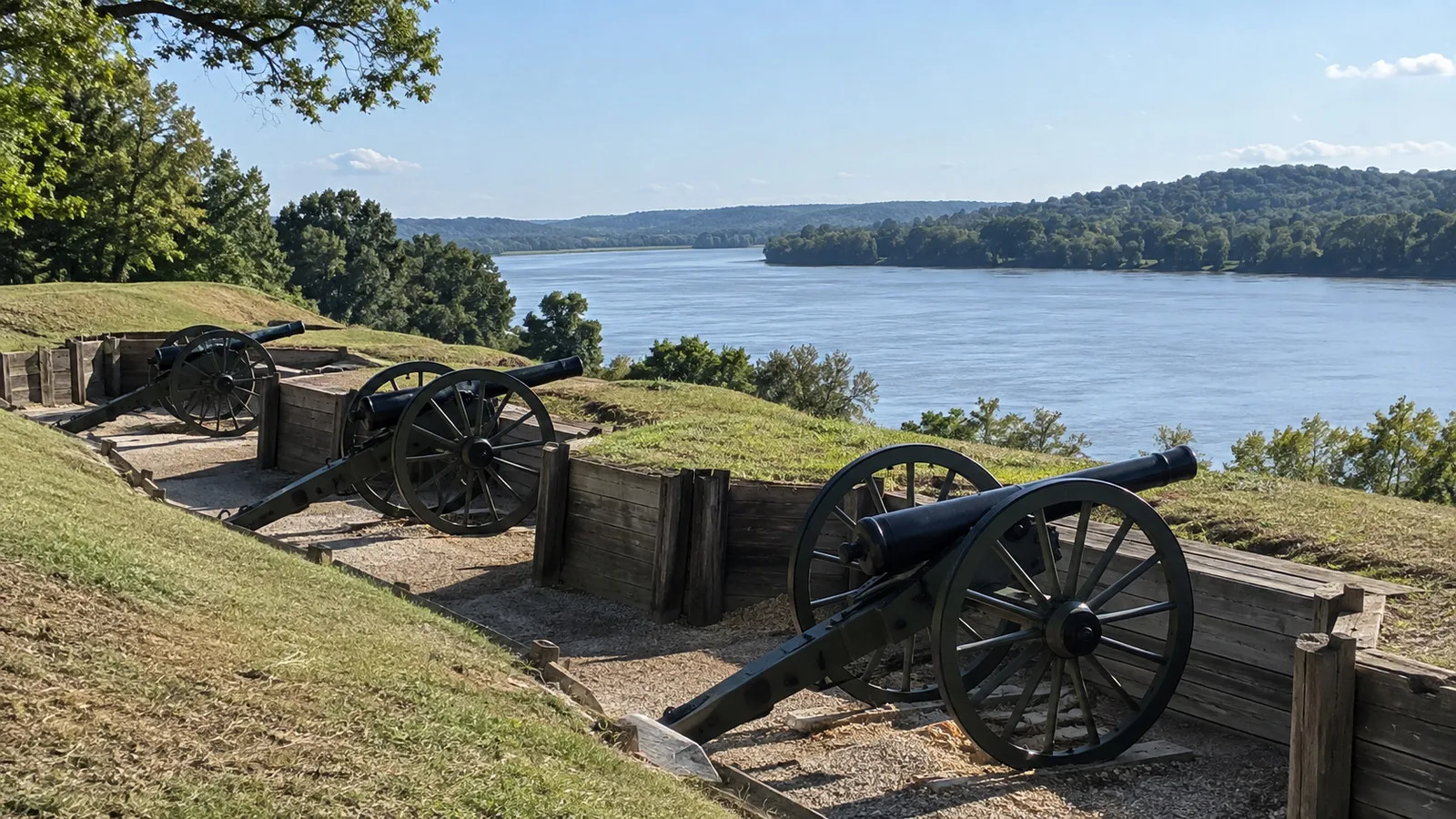
The upper and lower batteries faced the Cumberland and played a central role in repelling the Union gunboat attack. Their elevation and field of fire make the military importance of Dover’s river position immediately legible.
An accessible boardwalk above the Lower River Battery provides interpretation and a commanding river view. Confirm its current condition because weather, maintenance and group timing can alter access.
This stop is also where the modern cruise ship and the 1862 campaign visually connect. The water is scenic, but its strategic function is the reason the fort existed.
Dover Hotel, the Surrender House
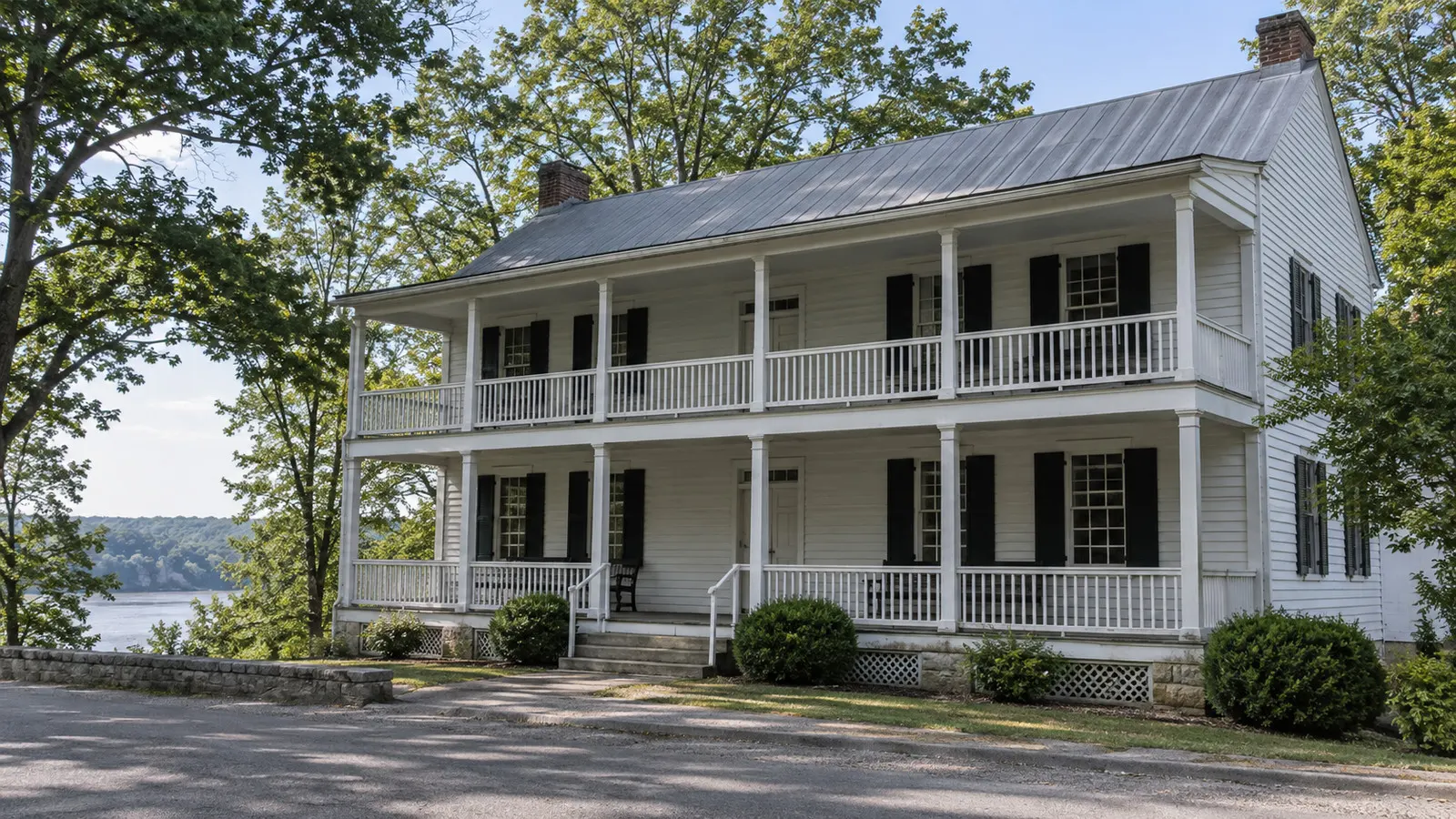
The historic Dover Hotel is the building associated with surrender negotiations between Grant and Buckner. Its exhibit room uses first-person accounts to explore the battle, its leaders and how local civilians experienced the aftermath.
The Dover Hotel’s public exhibit area can be affected by staffing, weather, and park operations. Check the current National Park Service information before relying on access during a short call.
Do not reduce this house to Grant’s famous phrase. Surrender meant imprisonment for thousands, grief for families and a rapid shift in who controlled this region.
Fort Donelson National Cemetery
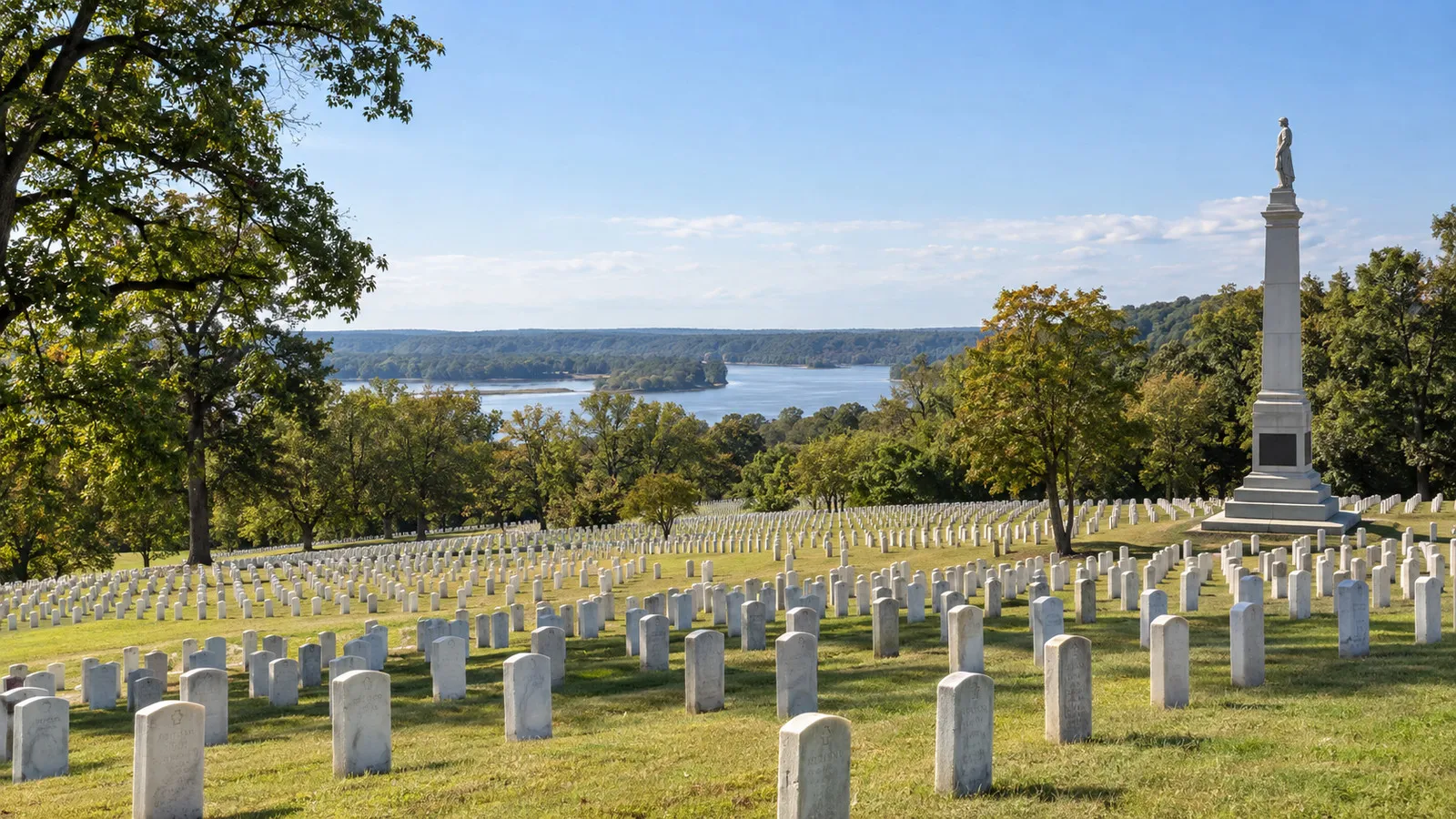
The national cemetery was established in 1867 and contains Union dead reinterred from the battlefield and surrounding communities, along with later United States veterans and eligible family members. The curved rows and limestone wall create a space intended for remembrance.
National Park Service records identify 670 Union Civil War burials, including 512 unknown soldiers. Confederate dead were buried elsewhere in local, church, family or battlefield graves, many without a surviving exact location.
Move quietly, follow cemetery rules and avoid treating headstones as props. A respectful visit asks who is remembered, who remained unidentified and how commemoration itself changed after the war.
African American freedom and the Free State community
The story did not end with the Confederate surrender. Enslaved people came to Union-held forts seeking protection and work, while military policy concerning freedom seekers was still inconsistent and dangerous.
The National Park Service history of African Americans at Fort Donelson explains how people labored for the Union, built homes and gardens, established a school and formed a freedmen’s community known as the Free State. Fort Donelson later became a recruiting station for African American soldiers.
Carriage House exhibits at the National Cemetery interpret this community and the later Union fortification. Include this history to understand the place beyond battlefield maneuvers and famous generals.
The visitor center situation in 2026
The original Mission 66 visitor center has been closed for rehabilitation, with visitor services operating from an accessible temporary facility at 120 Fort Donelson Park Road. Check the official park information before setting out.
A May 2026 National Park Service construction update says rehabilitation of the historic center was resuming during summer 2026. Check current alerts because construction can change parking, exhibits and group flow.
The park currently charges no entrance fee and requires no timed-entry reservation. The ship’s excursion reservation and departure time are separate matters.
Can you explore independently?
Independent exploration is possible with reliable transportation and enough time, but walking from an unknown berth is not a sound plan. The park tour is designed for driving between stops with optional walks on trails and earthworks.
A focused visit needs about two to three hours, an editorial planning range for orientation, key battlefield stops, Dover Hotel and the cemetery. A deeper visit can easily use half a day.
During a standard cruise call, the included excursion solves the hardest problem: connecting the sites and returning before sailing. If you skip it, confirm exit permission, local transportation and the all-aboard time before leaving.
Cross Creeks National Wildlife Refuge
Cross Creeks National Wildlife Refuge protects Cumberland River floodplain habitats east of Dover and is managed especially for migratory birds. It is a strong longer-stay option for wildlife watching, photography and quiet landscapes.
The United States Fish and Wildlife Service visitor guide lists a weekday visitor center and a seasonal closure of refuge roads and areas from November 15 through March 15. The observation deck beside the visitor center remains the more dependable winter option.
The refuge is several miles from Dover and requires transportation. Do not attempt it independently during a short Fort Donelson call unless the cruise line offers a confirmed trip.
Accessibility at Dover river cruise port
American Cruise Lines labels its Fort Donelson excursion partially accessible, while the National Park Service describes the temporary visitor center as accessible. Individual battlefield stops have different surfaces, slopes and distances.
The Lower River Battery has an accessible viewing platform, and one Dover Hotel exhibit room has a ramped route. Historic earthworks and some trails are not equivalent to paved museum galleries.
Ask about the gangway, coach lift, wheelchair securement and which stops allow passengers to remain seated. The site’s accessible river cruise checklist helps make those questions specific.
What can change the Dover call?
Dover is a scheduled call with a clearly published complimentary excursion. River stage, locks, severe weather, and landing access can still force a transfer or itinerary change.
No audited Dover cancellation series or reliable public disruption percentage was found. The practical response is to follow the ship’s live landing and transfer plan.
The river cruise water-level guide explains how operators preserve visits when vessels cannot use the expected landing. Managed reservoirs and locks add further operational variables on the Cumberland system.
The practical checks I would make before Dover
Dover does not offer one dependable downtown passenger terminal, so follow the operator’s live landing and motorcoach plan rather than a saved shoreline pin. A different gangway can still support the Fort Donelson visit, but it can remove any realistic independent option.
Take the organized Fort Donelson excursion and let it connect the river batteries, Dover Hotel, cemetery, earthworks, and current visitor facilities. These sites are spread along park roads, so a private plan needs a reserved driver and at least 75 minutes back at the confirmed landing before all aboard.
National Park Service and wildlife refuge closures, memorial rules, heat, storms, reservoir levels, and road conditions can reshape the day. Check current park alerts, carry the cruise-line identification required for domestic travel, and confirm bus lifts, restrooms, grades, and walking surfaces before booking an accessible visit.
Quick answers
Is Dover on the Tennessee River:
No, Dover is on the Cumberland River and Lake Barkley system in Tennessee.
Do river cruises visit Fort Donelson:
Yes, American Cruise Lines currently lists a complimentary Fort Donelson battlefield excursion on its Music Cities itinerary.
Can I walk from the ship:
Do not assume so; the berth is not publicly guaranteed and the park’s major sites are dispersed.
Is Fort Donelson free:
Yes, the National Park Service currently charges no entrance fee, though cruise excursion booking rules still apply.
Is the battlefield accessible:
Several principal facilities and viewpoints are accessible, but the cruise line rates its overall excursion as partially accessible.
Research note
This guide was desk-researched on August 20, 2026 using American Cruise Lines, National Park Service and United States Fish and Wildlife Service sources. It does not claim a personal sailing, battlefield tour or firsthand gangway inspection.
Berth access and visit durations are identified as operator-controlled facts or editorial estimates, and no numerical missed-call rate is claimed. Verify the landing, visitor center status, and excursion details onboard, and see the Editorial Policy for sourcing and corrections.
How this guide was researched: This guide is based on independent research using official source 1, official source 2, official source 3, official source 4, the official sites linked in the article, and current cruise-line instructions. Reconfirm the landing, gangway, transfer, attraction rules, travel documents, river and weather conditions, accessibility, costs, and all-aboard point because live operations can change.