Pauillac River Cruise Port: Médoc Pontoons, Wine Estates and Tides
Pauillac is where a practical river landing meets one of the most famous wine names in France. A call can be as simple as a waterfront walk, or it can open into a carefully timed drive through the Médoc vineyards.
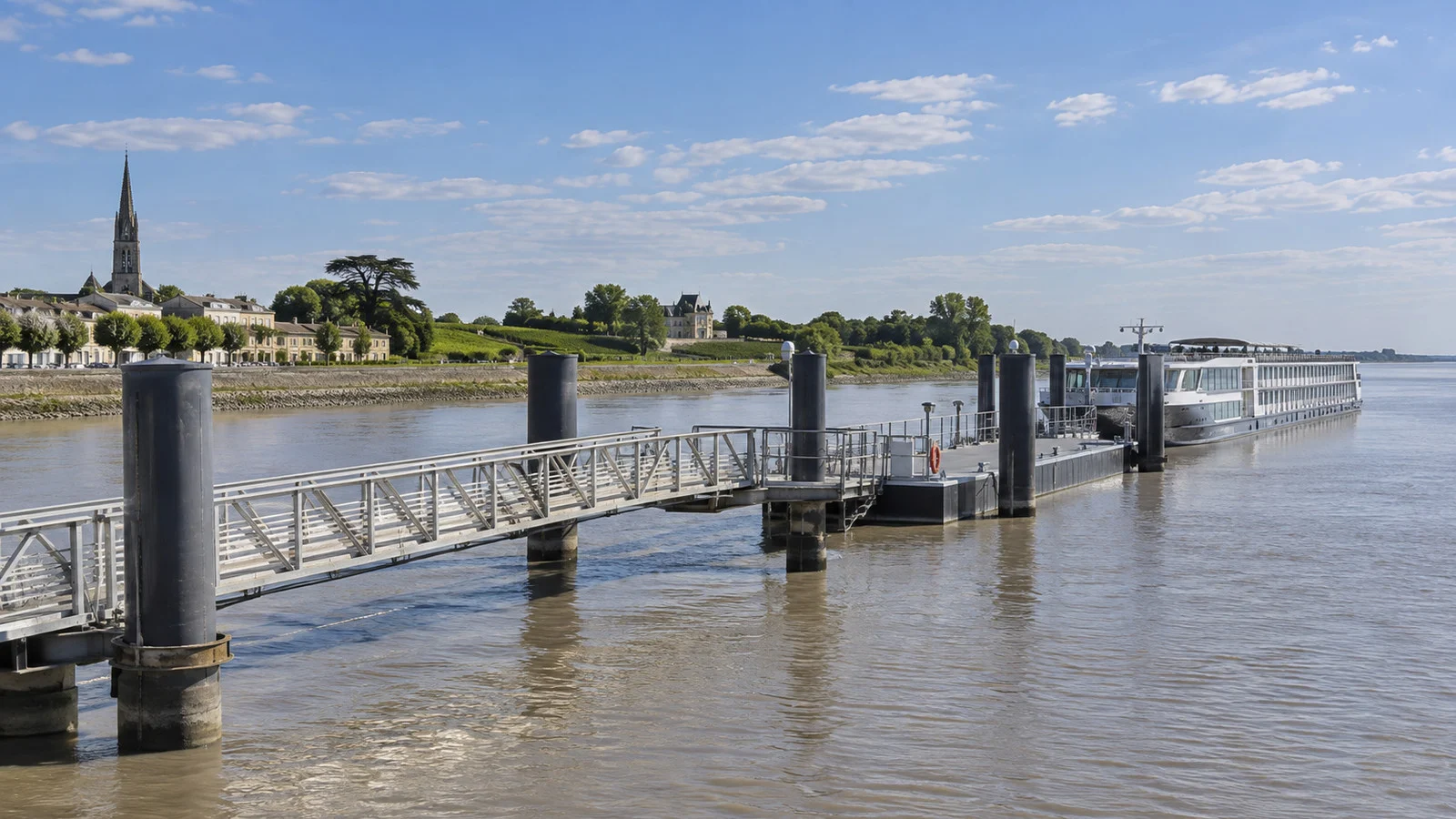
The important first step is knowing where the ship actually stops. River vessels use the Pauillac-La Fayette pontoon on the town waterfront, while large ocean ships use the separate Pauillac-Trompeloup terminal outside the center.
Quick Facts
- River landing: Pauillac-La Fayette is on the town waterfront and is designed for river cruise vessels.
- Ocean terminal: Pauillac-Trompeloup is a separate deep-water facility about 1.6 kilometers from central Pauillac.
- Walking: The waterfront, central streets, and tourism office are practical on foot from La Fayette when the gangway arrangement permits.
- Wine visits: Famous estates are spread across the appellation, so most château visits need reservations and transportation.
- Rafting: The official pontoon record allows double mooring, which may require passengers to cross another vessel.
- Conditions: The Gironde is tidal, and safe navigation can affect arrival, departure, and berth sequencing.
- Currency: France uses the euro, and cards are widely accepted.
Why Pauillac is a distinctive river call
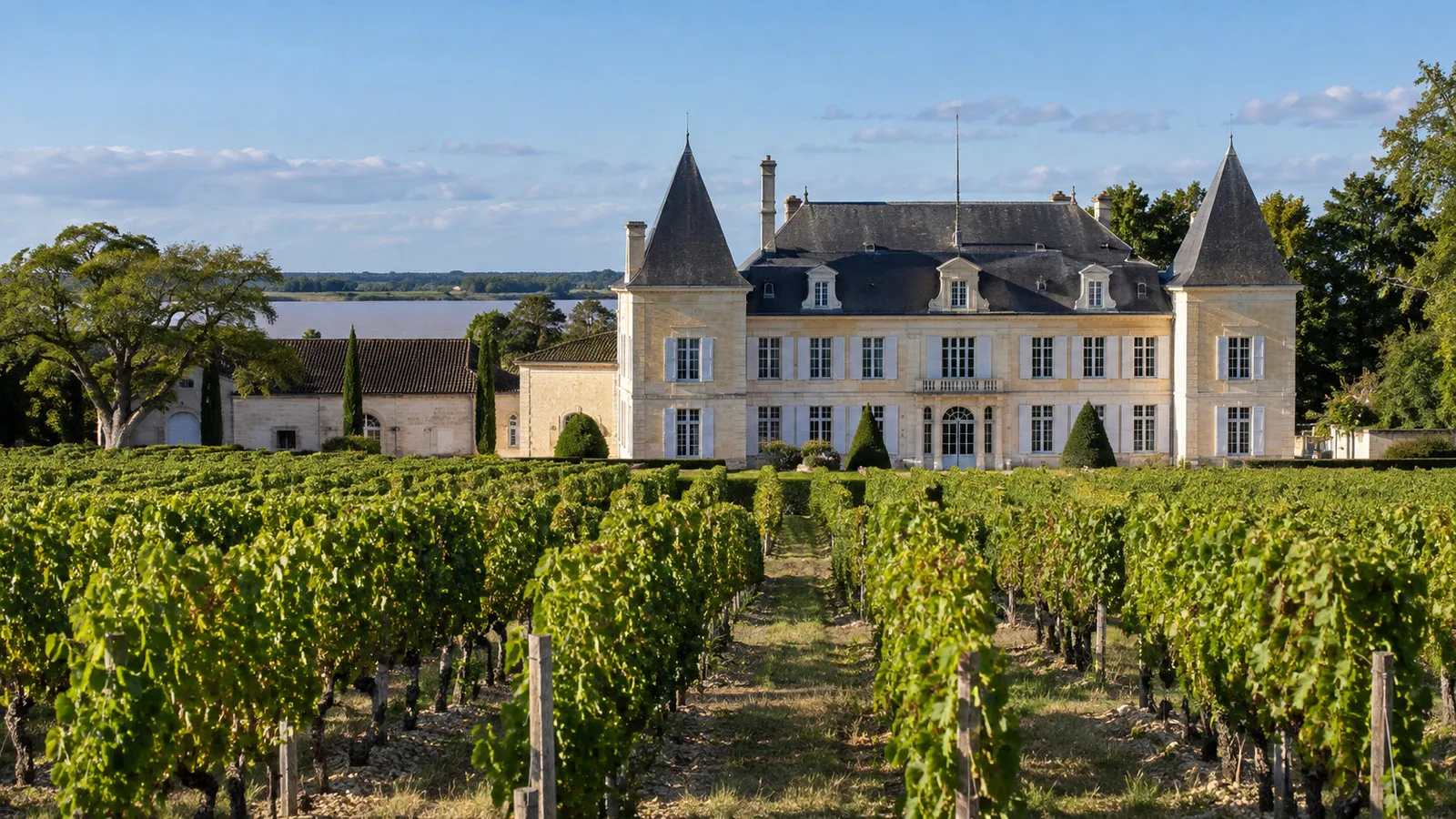
Pauillac sits on the left bank of the Gironde estuary in the Médoc, north of Bordeaux. Its name is known internationally because the appellation includes Château Lafite Rothschild, Château Latour, and Château Mouton Rothschild, all First Growth estates in the modern classification hierarchy.
The town itself feels more grounded than that list suggests. Fishing structures, working quays, modest streets, a marina, and broad estuary views provide a useful counterpoint to the formal gates and gravel drives of the wine estates.
That contrast makes the stop work for travelers with very different interests. Wine enthusiasts can use Pauillac as a gateway to the estates, while independent walkers can build a rewarding visit without leaving town.
Where river ships dock
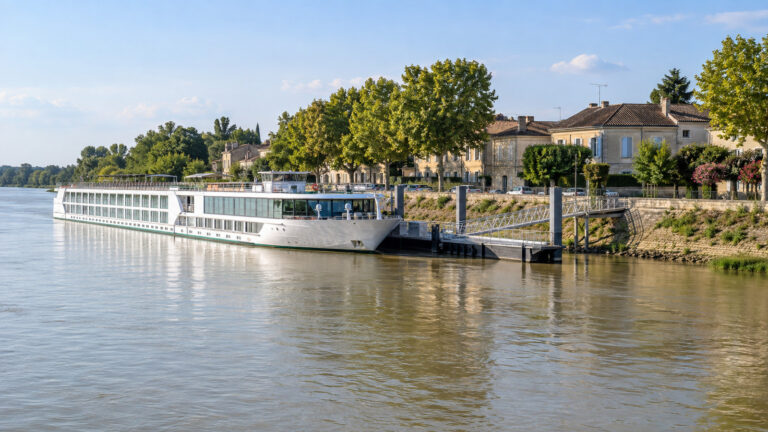
Cruise Bordeaux identifies Port Pauillac-La Fayette as the river pontoon on the Pauillac waterfront. Its official record lists room for two vessels, a maximum vessel length of 135 meters, double mooring, drinking water, and nearby motorcoach space.
The same source places restaurants, cafes, banks, a pharmacy, shops, and the tourism office within two kilometers. These details describe the facility, but the crew’s instructions still control the gangway, walking route, and all-aboard time on the day.
A river ship may berth directly against the pontoon or raft alongside another vessel. When ships are rafted, passengers normally follow a marked route through the inner ship, which can add doors, thresholds, stairs, and extra minutes.
Do not assume that the path ashore will look identical when you return. Ships can change position during the day, and crew will direct passengers through the authorized route.
Do not confuse La Fayette with Trompeloup
Pauillac-Trompeloup is the deep-water cruise terminal used by ocean-going ships. The Port of Bordeaux says the refurbished terminal began welcoming cruise calls in 2024, can receive ships up to 320 meters long, and is 1.6 kilometers from the town center.
The terminal lies in an operational port area, so the straight-line distance does not guarantee a public pedestrian route. Ocean cruise passengers should follow the shuttle and security arrangements provided for their call.
River cruise passengers should not use directions written for Trompeloup, and ocean cruise passengers should not assume they will step onto the central riverfront. Check the landing name in the daily program before making independent reservations.
What can be done on foot
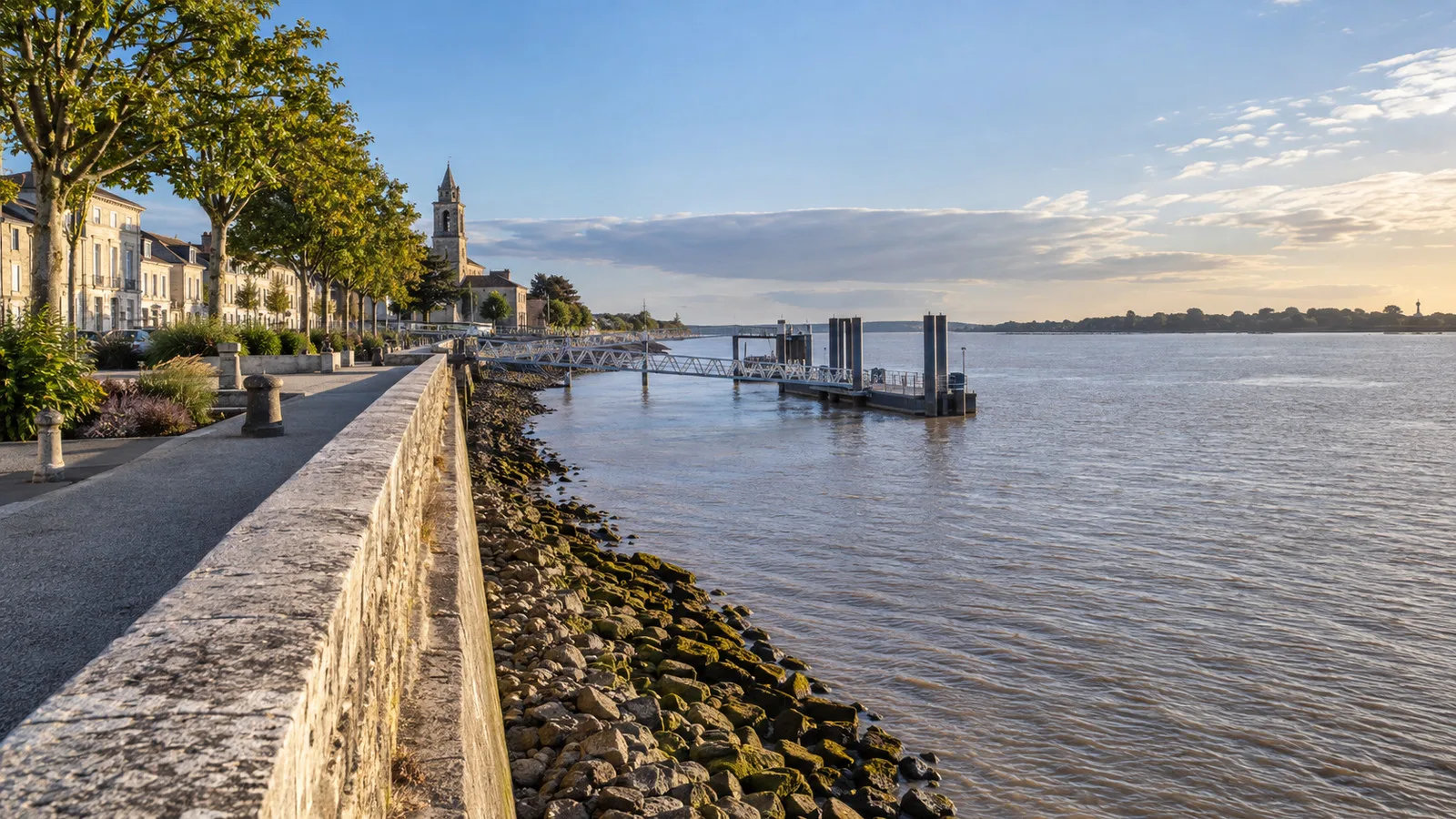
From La Fayette, the easiest independent plan begins on the quays. The estuary, marina, traditional fishing huts, and town facades provide a sense of place without requiring a tight transportation connection.
The Maison du Tourisme et du Vin is a logical destination because it combines visitor information with an introduction to Médoc wine. Staff can explain current openings, help arrange estate visits, and advise which local activities fit the time available.
The central heritage route can also include Saint Martin Church, Esplanade La Fayette, the covered market, and older streets. Interior access depends on opening hours, services, and events, so a good plan should still work when a door is closed.
Allow extra time for photographs and for the return through any rafted ships. The waterfront is relatively straightforward, but curbs, uneven surfaces, and a changing gangway slope may affect the pace.
Maison du Tourisme et du Vin
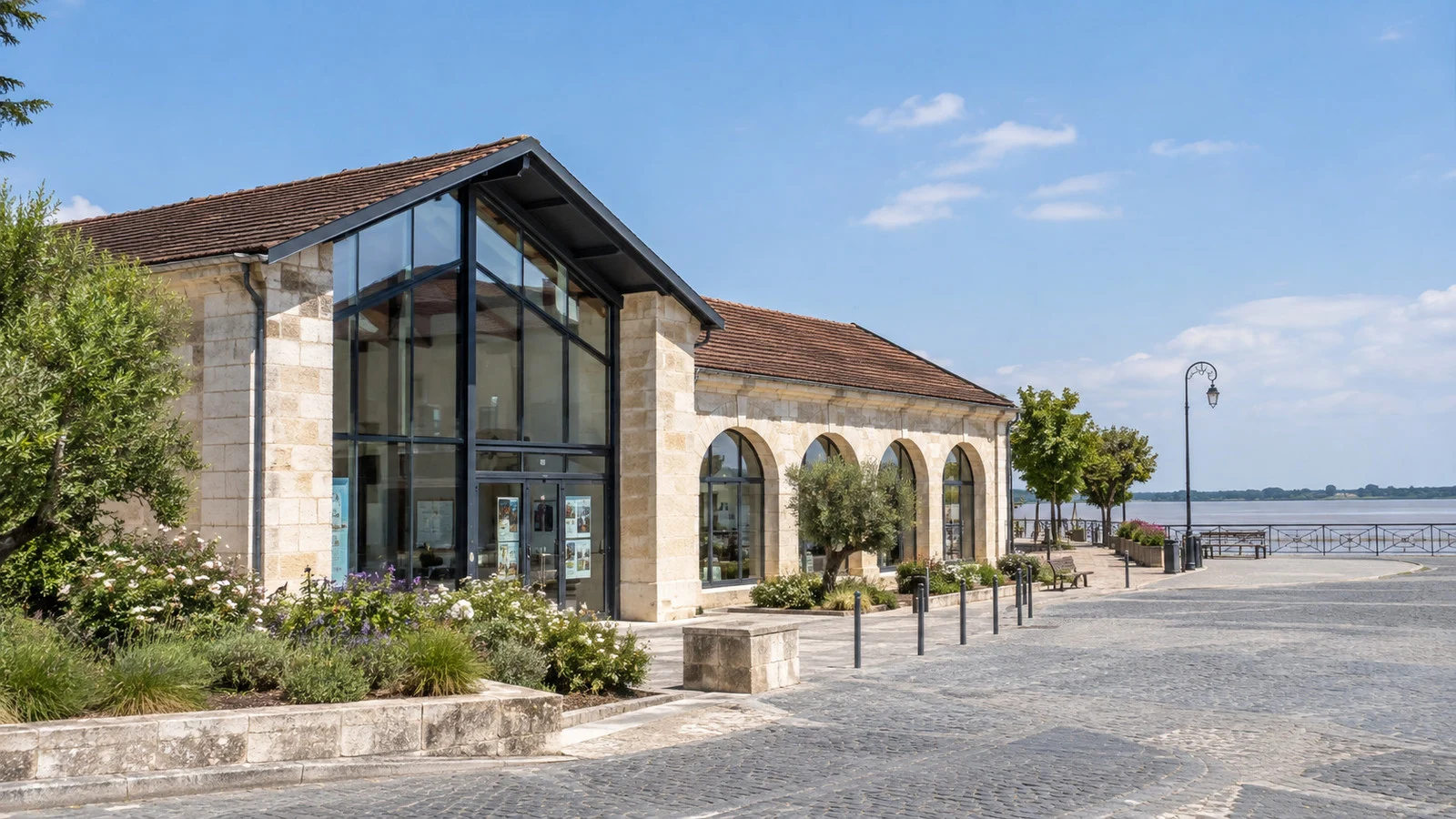
Pauillac’s official tourism site describes the Maison du Tourisme et du Vin as both a visitor center and a wine shop. It carries bottles from the eight Médoc appellations and presents activities that can include a short regional film, aroma exercises, and seasonal tastings.
The program changes, so do not build the day around an old promise of a free tasting. Check the current schedule and ask whether an English-language explanation is available.
This is also a useful place to ask about professional wine shipping. Airline baggage rules and destination-country import limits are easier to manage before buying several bottles.
Why Pauillac matters in Bordeaux wine
Pauillac is a protected appellation within the Médoc on Bordeaux’s left bank. Cabernet Sauvignon usually leads the blend, with Merlot and other permitted varieties contributing according to the estate and vintage.
The official Bordeaux wine guide emphasizes the area’s gravel soils and the moderating influence of the Gironde. Those conditions help explain why the commune became associated with structured red wines capable of long aging.
The 1855 classification includes numerous Pauillac estates, but classification should not become the only measure of a worthwhile visit. A smaller producer or a well-run local tasting can teach more than a rushed photograph outside a famous gate.
Planning a château visit
A château visit in the Médoc is generally an appointment, not a casual drop-in. Estates may limit group size, close on certain days, change access during harvest, or offer tours only in particular languages.
Reserve the estate and transportation before sailing if you are going independently. Give the driver the ship name, actual landing point, all-aboard time, and a working contact number.
The best port-day plan is usually one estate with a proper tour and tasting. Trying to collect several celebrated names creates more time in a vehicle and less time understanding how the vineyard and cellar work.
Ship excursions are especially practical when the vessel may move between Pauillac, Cussac-Fort-Médoc, Blaye, or Bordeaux during the day. The operator can coordinate the motorcoach with the ship’s next berth.
Walking and cycling in the vineyards
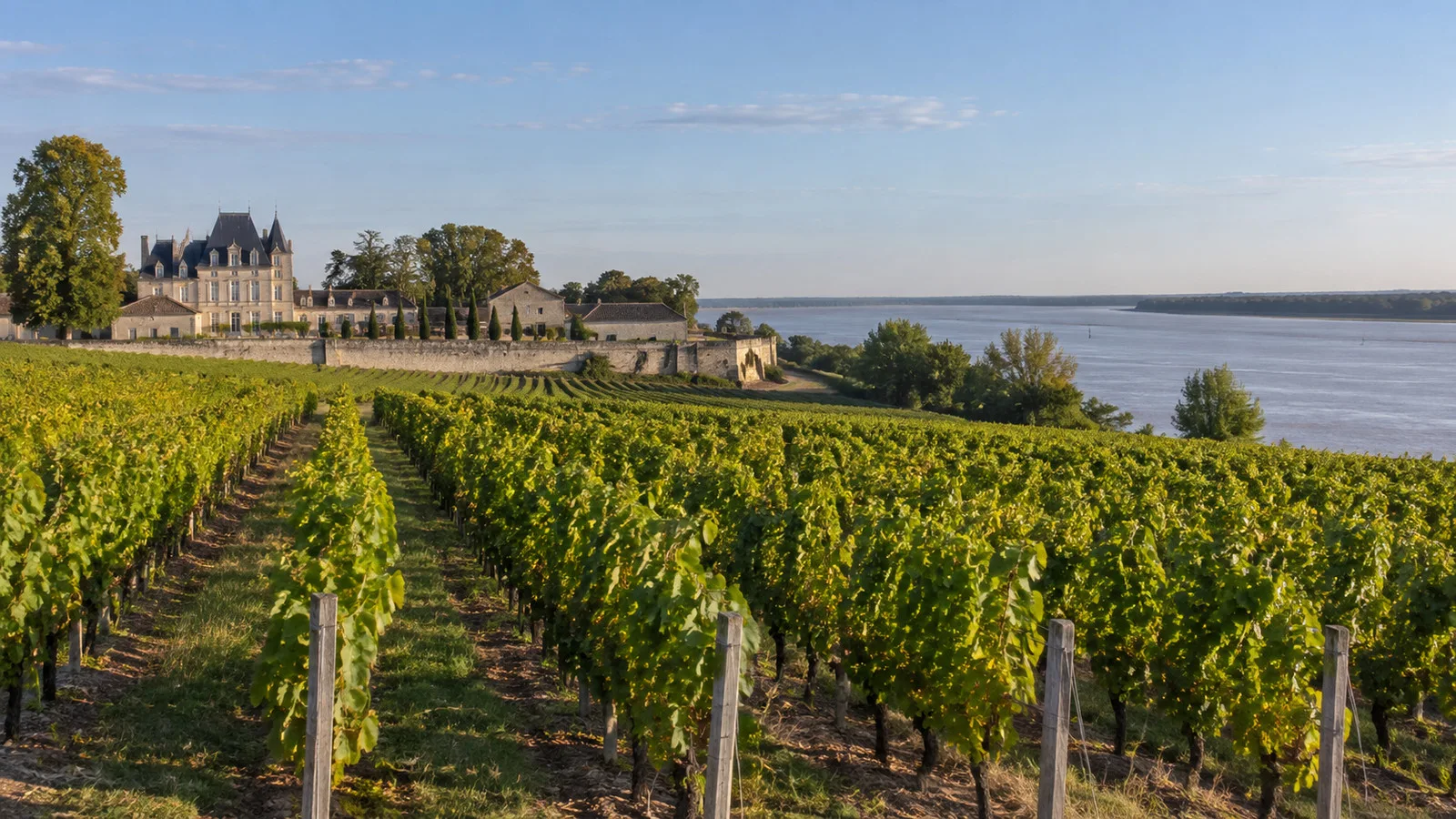
Pauillac publishes mapped routes that extend from town toward vineyard roads and estate viewpoints. These are genuine outdoor routes with road crossings, agricultural traffic, exposed sections, and distances that require an honest turnaround time.
A short call is better suited to the estuary portion or a limited out-and-back walk. Ask the tourism office for the current route map, check the weather, and avoid entering private vineyard rows or estate grounds without permission.
Cycling increases the range but also adds traffic, equipment, and navigation risks. Alcohol and cycling are a poor combination, so a guided excursion or vehicle tour is the safer choice when tasting is the priority.
Tides and itinerary changes
The Gironde is a tidal estuary connected with the Garonne and Dordogne river system. Water height, current, ship traffic, and berth availability all influence safe navigation and can change the order or timing of calls.
The Port of Bordeaux provides real-time ship and tide information for operators and the public. Passengers should still rely on the captain and cruise director because they have the operational plan for the specific vessel.
A schedule change does not always mean the Médoc day is lost. The ship may land at Cussac-Fort-Médoc or another location while motorcoaches preserve the planned wine excursion.
Independent arrangements are less flexible when the ship moves. Recheck the landing, return point, and all-aboard time before leaving, even if the printed itinerary named Pauillac months earlier.
Pauillac, Cussac, and Blaye are different places
Pauillac and Cussac-Fort-Médoc are both left-bank gateways to the Médoc wine country, but they have separate pontoons and different walking surroundings. A transfer that works from one landing may not work from the other.
Blaye is across the Gironde on the right bank and is known for its citadel. It can appear next to Pauillac in a river itinerary, but it does not place an independent traveler on the Médoc wine route.
Read the daily program for the actual gangway location rather than treating a destination heading as a berth guarantee. If the ship sails while guests tour, the motorcoach return may be to a different town.
Accessibility
Accessibility begins with the ship-to-shore route, which can change with water level and rafting. Ask whether the vessel expects to dock directly, whether another ship must be crossed, and whether the crew can handle the mobility device you use.
A gangway that is manageable at one tide may be steeper later. Travelers should confirm width, thresholds, stairs, available crew assistance, and the route from the cabin to the active gangway.
The Pauillac waterfront allows an outing to be shortened easily, but it is not uniformly step-free. Request current advice about curb cuts, accessible restrooms, seating, and the entrance to the tourism office.
Historic wine estates vary widely because they combine production spaces with old buildings. Confirm motorcoach steps, gravel, cellar stairs, elevators, seating, and restroom access with the cruise line and the named château.
Food, wine, and practical services
Pauillac has cafes, restaurants, shops, and pharmacies within the wider central area, but hours can be limited around lunch, Sundays, and holidays. Reserve any meal that must fit a fixed port window.
Regional menus may include lamb, seafood, estuary fish, and southwestern French dishes. Tell the restaurant when you must leave and keep the ship’s emergency contact information with you.
France uses the euro, and cards are common. A small amount of cash and a physical backup card are sensible when a terminal or mobile wallet does not cooperate.
Taste wine slowly, drink water, and eat before returning to a moving gangway. The goal is to remember the appellation, not merely the number of glasses poured.
Weather and what to wear
The open estuary can be windy even when central Bordeaux feels sheltered. Bring a light waterproof layer, sun protection, and footwear that grips wet gangways and vineyard gravel.
Summer heat can build on exposed roads, while spring and fall may feel cool beside the water. Check the forecast shortly before arrival and carry water if your route extends beyond town.
Cellars can be cooler than the outdoors. A layer that fits in a day bag is useful on an estate tour without becoming cumbersome during the waterfront walk.
A realistic short-call plan
For a short or uncertain call, stay in town. Walk the quays, visit the Maison du Tourisme et du Vin, see the church exterior, and return with enough time for rafting or a changed gangway route.
Do not improvise a taxi trip to a famous estate just because it looks close on a map. Reservation requirements, rural roads, limited vehicle supply, and an inflexible sailing time leave little room for recovery.
A realistic full-day plan
For a long, stable call, reserve one château excursion in advance and use the remaining time in central Pauillac. A ship-operated motorcoach is the simplest choice when the vessel may change berth during the excursion.
Independent travelers should preserve a generous buffer and confirm the driver’s return plan. Traffic, an extended tasting, and a delayed appointment can consume the margin quickly.
Common mistakes
The first mistake is confusing the river pontoon with Trompeloup. These facilities serve different ship types and create different expectations for walking and transportation.
The second mistake is assuming every famous château welcomes unannounced visitors. Reservations are standard, and an exterior view from a public road is not permission to enter private grounds.
The third mistake is treating Pauillac, Cussac, and Blaye as interchangeable labels. They are separate landings, and the ship can reposition while guests are away.
Another mistake is trusting a fixed cancellation percentage. No public audited series establishes a dependable Pauillac missed-call rate, so current operator information is more useful than false precision.
Quick answers
Can passengers walk into Pauillac from the river ship?
Usually yes from Pauillac-La Fayette, which is on the town waterfront. The exact route depends on the berth, rafting, and gangway arrangement.
Is Trompeloup the river cruise pontoon?
No. Trompeloup is a separate terminal for ocean-going cruise ships about 1.6 kilometers from the town center.
Do château visits require reservations?
Most organized estate visits should be reserved in advance. Confirm language, duration, tasting conditions, accessibility, and transportation before the call.
Can a Pauillac call move to another landing?
Yes. Operational planning may use Cussac-Fort-Médoc or another berth while preserving some excursions by motorcoach.
Is the port accessible?
There is no single answer because water level, gangway design, and rafting change the route. Ask the cruise line for the expected arrangement and device-specific assistance.
Final word
Pauillac works best when the plan respects both sides of the destination. The waterfront offers an easy sense of the estuary town, while the celebrated vineyards reward advance reservations and realistic transportation.
Choose one well-timed experience, confirm the actual landing, and leave space for the river to alter the schedule. That approach is more satisfying than racing between gates with no margin for the ship.
How this guide was researched: Unless a first-hand visit is explicitly identified above, this guide is based on independent research using official port, cruise-promotion, tourism, and wine sources where available. Logistics and time-sensitive details were reviewed on September 12, 2026, under our Editorial Policy.