Sept-Îles Cruise Port Guide: Dock, Innu Culture & Islands
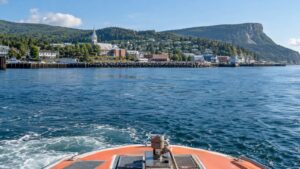
Sept-Îles feels different from a polished resort port, and that is exactly its gift. Your ship arrives in a working North Shore harbor shaped by iron ore, Innu presence, the immense Saint Lawrence, and an archipelago whose seven islands shelter the bay.
The best day begins at the new permanent welcome pavilion, where local staff can tell you what is actually operating for the call. From there, choose one clear theme: a walk through the old wharf area, a deeper cultural visit, or a weather dependent trip onto the water.
Sept-Îles Cruise Port Quick Facts
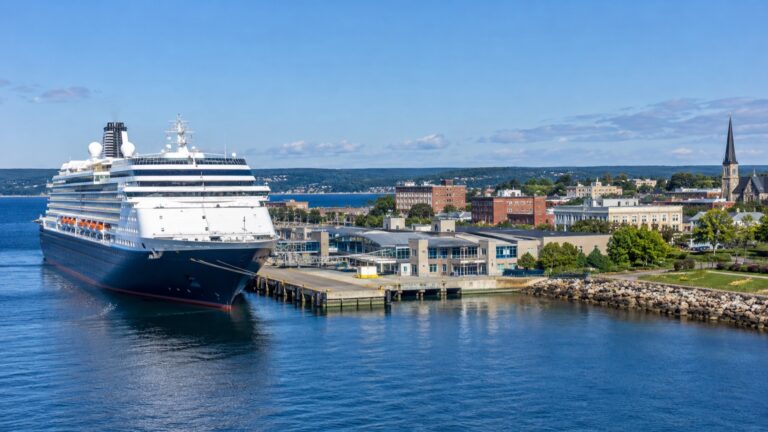
- Arrival: Cruise ships normally berth at the Monseigneur-Blanche terminal, subject to the ship’s live operational instructions.
- Current terminal: The Port of Sept-Îles formally reopened the modernized Monseigneur-Blanche terminal in August 2026.
- Welcome pavilion: The permanent pavilion offers tourist information, restrooms, wireless internet, local artisans, and an accessible public space.
- Walking: Destination Sept-Îles says many main attractions are within about a 30 minute walk of the cruise wharf.
- Shuttle: A seasonal hop on, hop off service may operate on cruise days from the terminal, but route and fare should be confirmed locally.
- Public transit: The destination authority states that Sept-Îles does not have a general public bus system beyond cruise day shuttle arrangements.
- Culture: The Shaputuan Museum, Vieux-Poste, Côte-Nord regional museum, and Innu cultural experiences require respectful, current planning.
- Archipelago: Boat excursions and Grande Basque Island visits depend on season, tides, wind, operator schedules, and ship time.
- Currency: The Canadian dollar is used, and cards are common, though some cash can help with small purchases.
- Return rule: Be back through port security before all aboard time, with extra margin after any boat or road excursion.
The Monseigneur-Blanche Terminal Has Changed
The Port of Sept-Îles announced the formal reopening of its modernized Monseigneur-Blanche terminal on August 25, 2026. That recent work and the permanent welcome pavilion make the arrival more polished, but your cruise line still controls the gangway, security route, and all aboard time for its call.
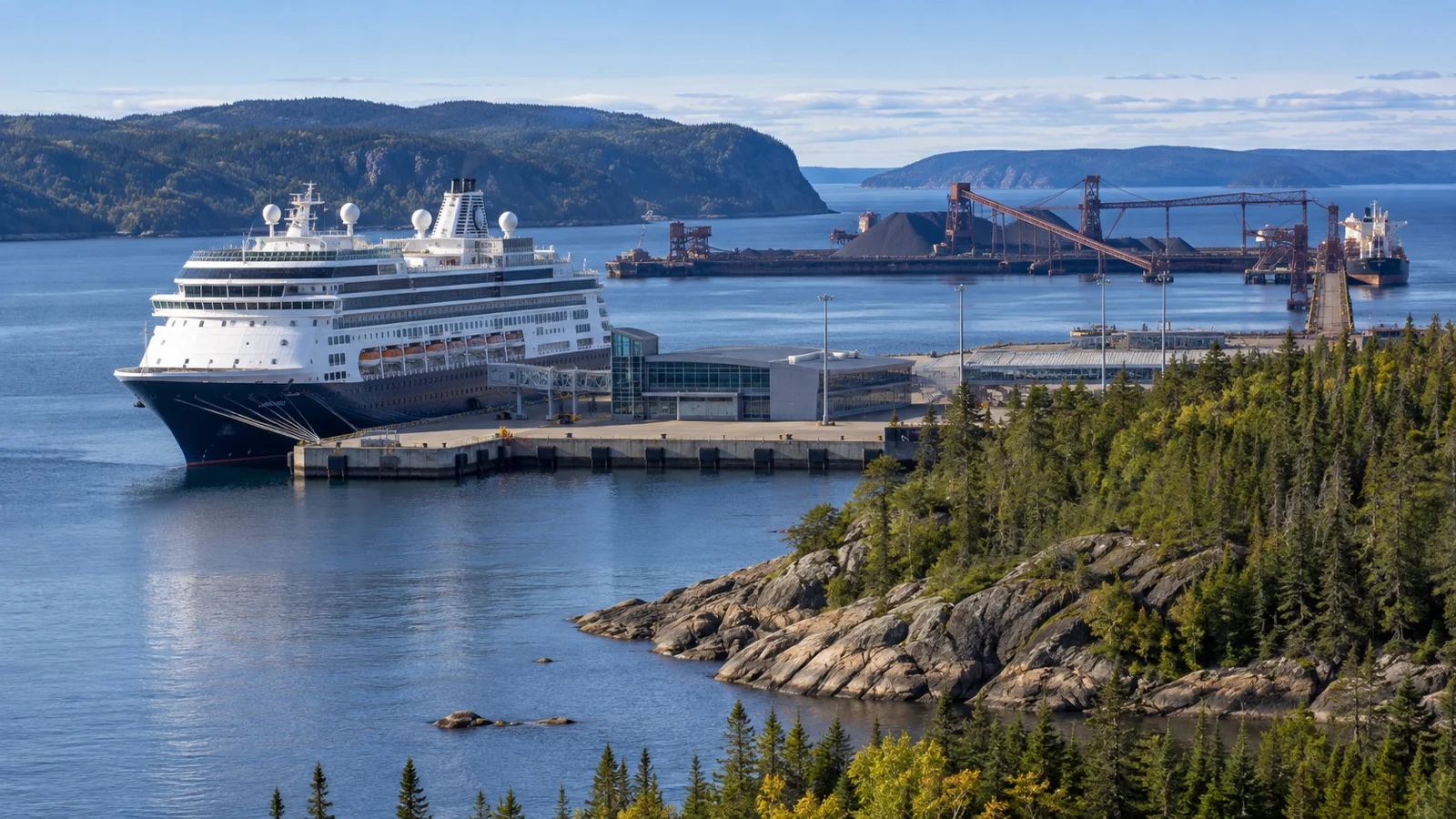
Do not assume that every photograph or older port review shows the current layout. Follow the marked path from the ship and ask staff where the gate, shuttle stop, taxi point, and return screening are located before leaving the terminal area.
Begin Inside the Welcome Pavilion
Destination Sept-Îles describes the pavilion as a public meeting place only a few steps from the ship, with local tourism staff, artisans, restrooms, wireless internet, and a lounge. It is also identified as accessible for people with reduced mobility, making it the best place to adjust the day around weather or energy.
Ask what has opened specifically for your ship, because cruise season overlaps with rapidly changing fall schedules. Confirm the shuttle route, bike availability, museum hours, island boat departures, and whether a planned cultural activity requires advance space.
Walk Toward the Vieux-Quai
The historic old wharf promenade is the easiest introduction to the city and bay. Fishing activity, small local shops, seasonal artisan displays, and broad water views keep the route interesting without requiring a vehicle.
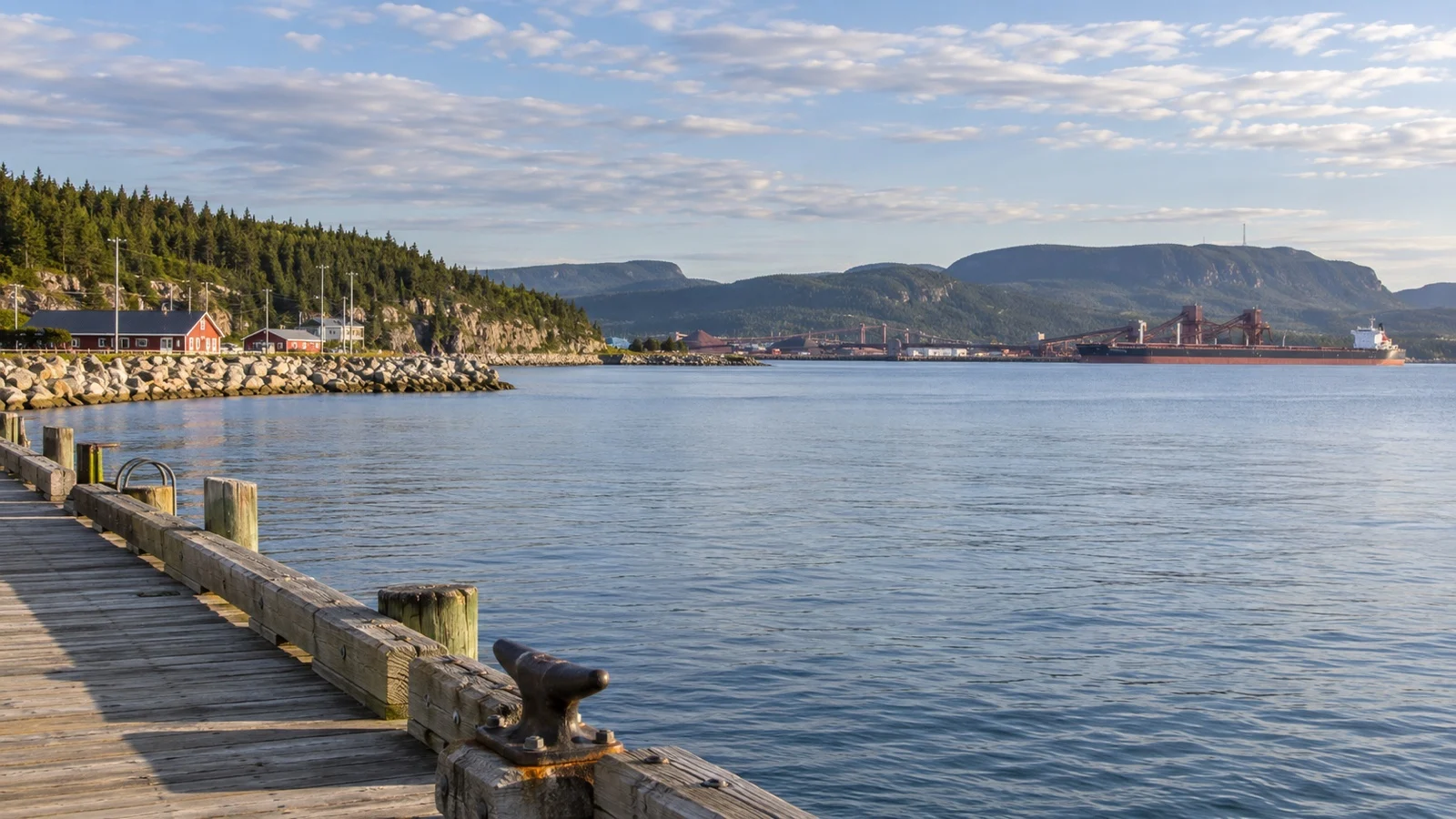
Destination Sept-Îles says major visitor attractions are generally within about 30 minutes of the cruise wharf, but that is a planning range rather than a promise. Wind, rain, construction, rail crossings, traffic signals, and individual pace can change what feels comfortably walkable.
Keep to public sidewalks and marked crossings around the working port. Sept-Îles handles major mineral traffic, so fences and rail infrastructure are functional safety boundaries rather than obstacles placed for visitors.
The Archipelago Explains the Name
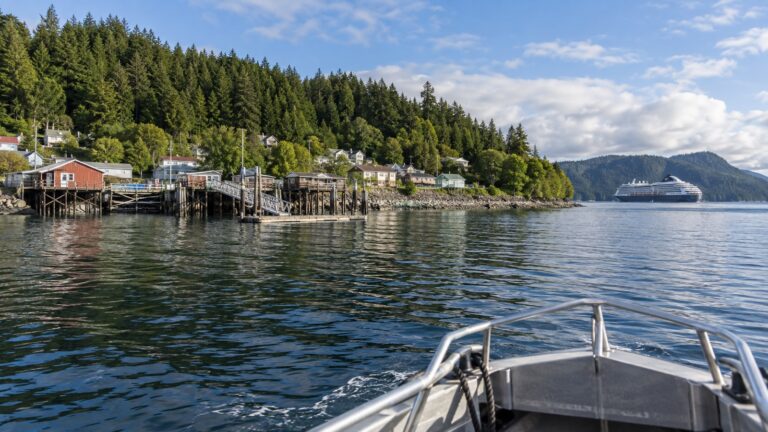
Seven islands sit across the bay and help shelter it from the open Saint Lawrence. Local tourism information points to wildlife, mariculture, hiking, and island history as the archipelago’s defining experiences, but no single boat trip includes every element.
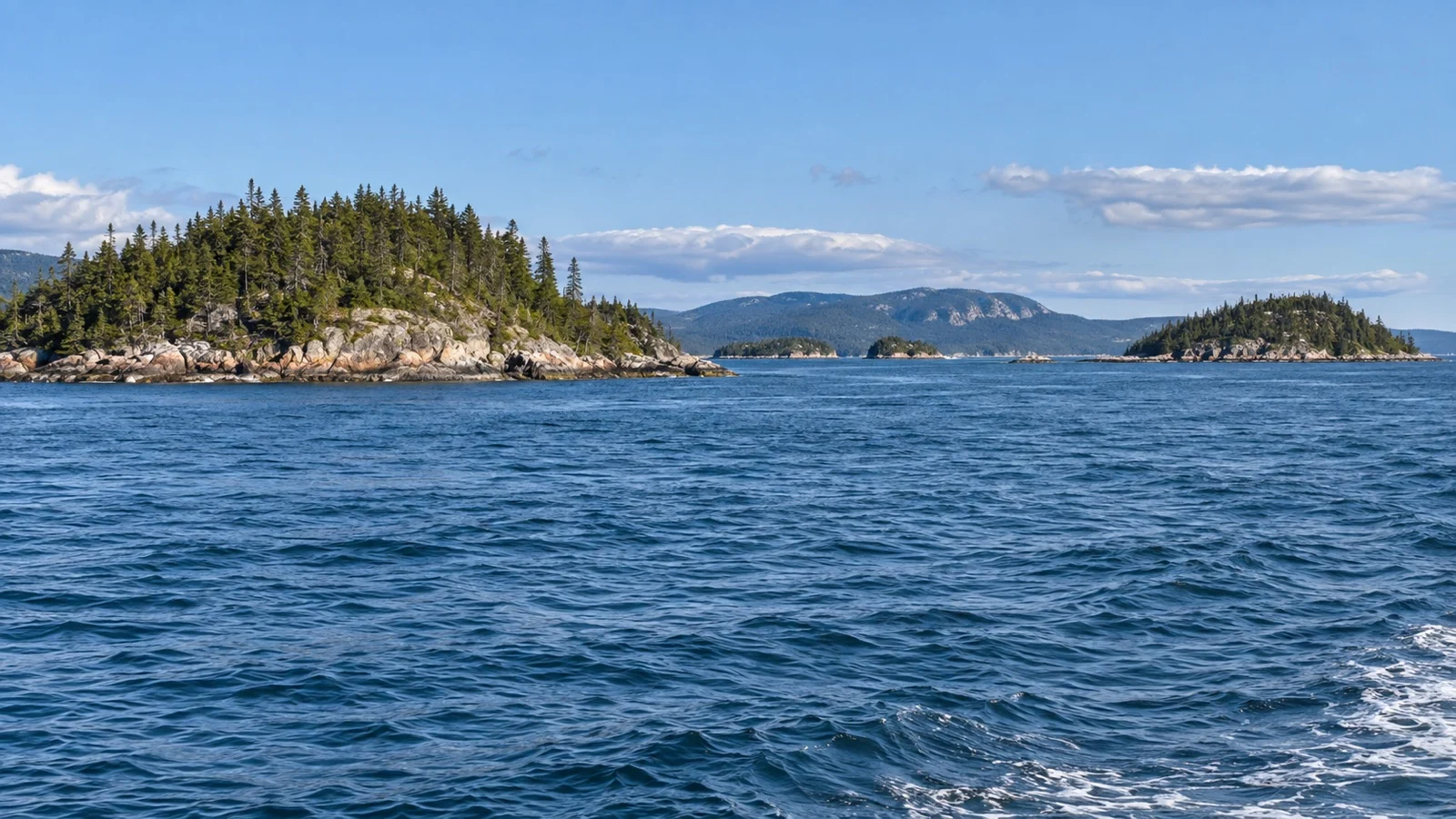
Corossol Island supports important bird habitat, Grosse Boule is associated with marine farming experiences, and Grande Basque offers trails and viewpoints. Access varies by operator and season, and protected wildlife should be observed without approaching nesting areas or treating a sighting as guaranteed.
Grande Basque Is an Excursion, Not a Stroll
Grande Basque can deliver the kind of North Shore day people imagine before arrival, with forest, shoreline, and a lookout over the bay. Reaching it requires an authorized boat, and the hiking terrain, landing conditions, facilities, and pickup time should all be understood before boarding.
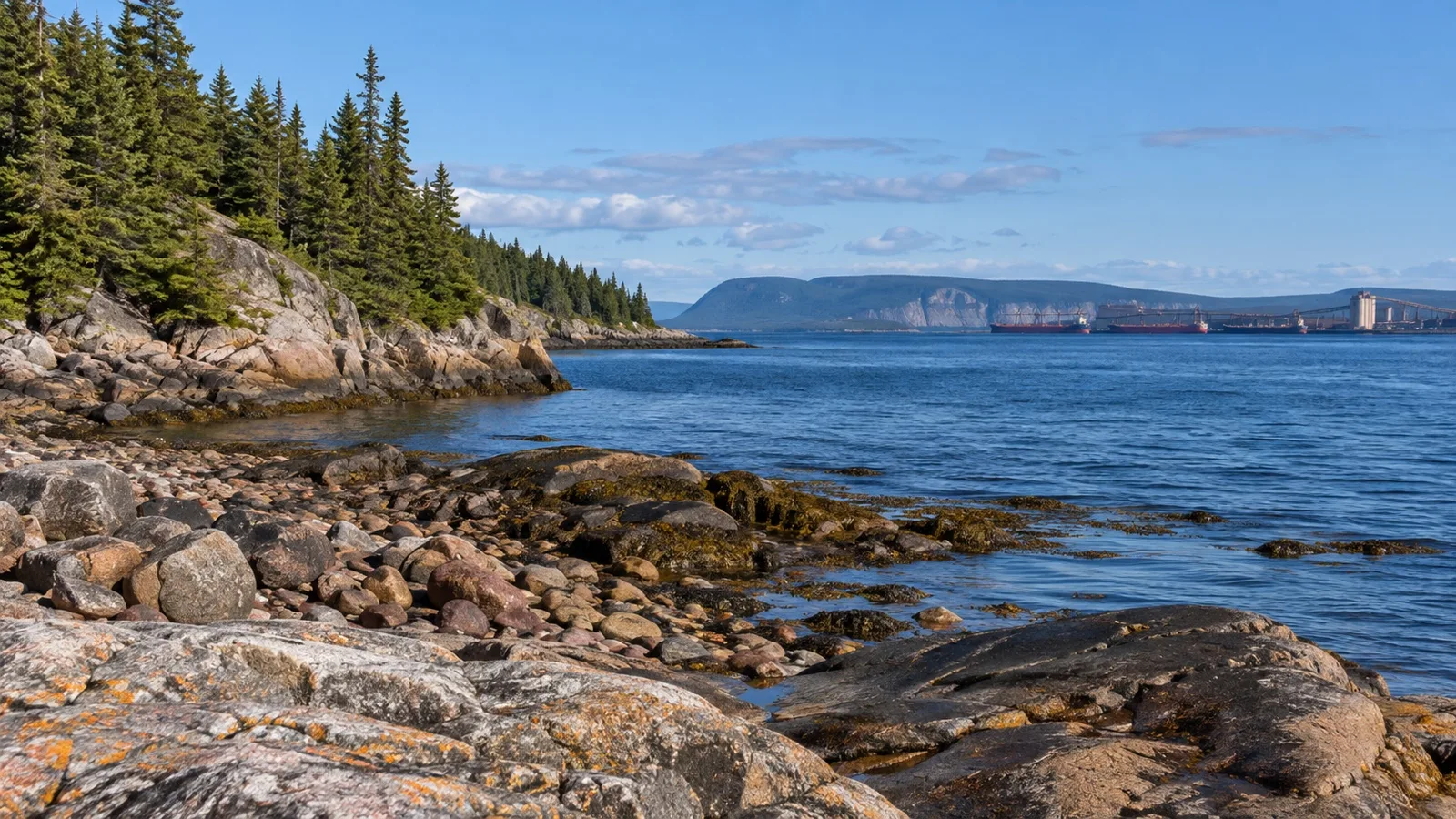
Wear sturdy shoes, carry a warm or waterproof layer, and bring water even when the dock feels mild. The island experience may include roots, rocks, wet surfaces, exposed shoreline, and limited services that are very different from the paved terminal.
Tourisme Sept-Îles currently directs visitors to local boat companies for Grande Basque transportation. Contact the operator directly or book through a cruise aware channel, and confirm that the return reaches the mainland early enough for port screening and the gangway.
Small Boat Timing Needs Four Checks
A local archipelago outing sits beneath four schedules: the ship, the port, the boat operator, and the weather. It also depends on tide, sea state, visibility, and the time required to load passengers safely at each landing.
Choose an operator who understands cruise deadlines and provides a conservative return rather than the last theoretical boat. If conditions cause a cancellation, accept the change and use the city plan you prepared in advance.
Meet Innu Culture With Care
Sept-Îles stands within a living Innu cultural landscape, and local institutions offer a chance to learn from voices rooted in the territory. Approach that opportunity as a guest, not as entertainment detached from the people whose language, knowledge, art, and community continue here.
Use the names and descriptions preferred by the host organization, ask before photographing people or cultural activities, and purchase art from recognized artists or reputable local outlets. A respectful visit leaves room to listen and does not treat sacred knowledge, clothing, or ceremonies as props.
The Shaputuan Museum
The Shaputuan Museum presents the history of the Innu and their ancestral territory. Destination Sept-Îles describes its permanent Innu utassi exhibition as following Innu life through the seasons, which makes it a meaningful counterpoint to the industrial harbor and modern city.
Check current hours and transportation before leaving the pavilion, since cruise calls and museum schedules do not always align. If you need step free access, contact the museum for the present entrance, restroom, seating, and exhibit route rather than assuming every area works the same way.
Vieux-Poste and the Innu Traditional Site
The Vieux-Poste interprets the fur trade era and the long history of exchange around the bay, while the Innu traditional site on DeQuen Street presents both traditional and contemporary dimensions of Innu life. These are distinct experiences, so confirm which site an excursion includes and who is leading the interpretation.
Seasonal demonstrations or hosted programs may not operate independently for every cruise arrival. The welcome team can explain what is open that day and whether a shuttle, taxi, organized tour, or advance booking is required.
The Côte-Nord Regional Museum
The Musée régional de la Côte-Nord provides a broader introduction to the North Shore, including nature, industry, culture, and thousands of years of regional history. It is a strong choice when rain or wind makes an island outing uncertain, and it gives the surrounding landscape a human timeline.
Confirm current hours through the museum or Destination Sept-Îles, particularly on weekends and shoulder season dates. Allow enough time for the permanent exhibition without turning the final galleries into a race back to the port.
Industry Is Part of the View
Sept-Îles is one of North America’s major mineral ports, and freight infrastructure is impossible to separate from the city story. Rather than treating conveyors, rail lines, and bulk ships as visual clutter, recognize the industry as a force that has shaped employment, migration, engineering, and the modern waterfront.
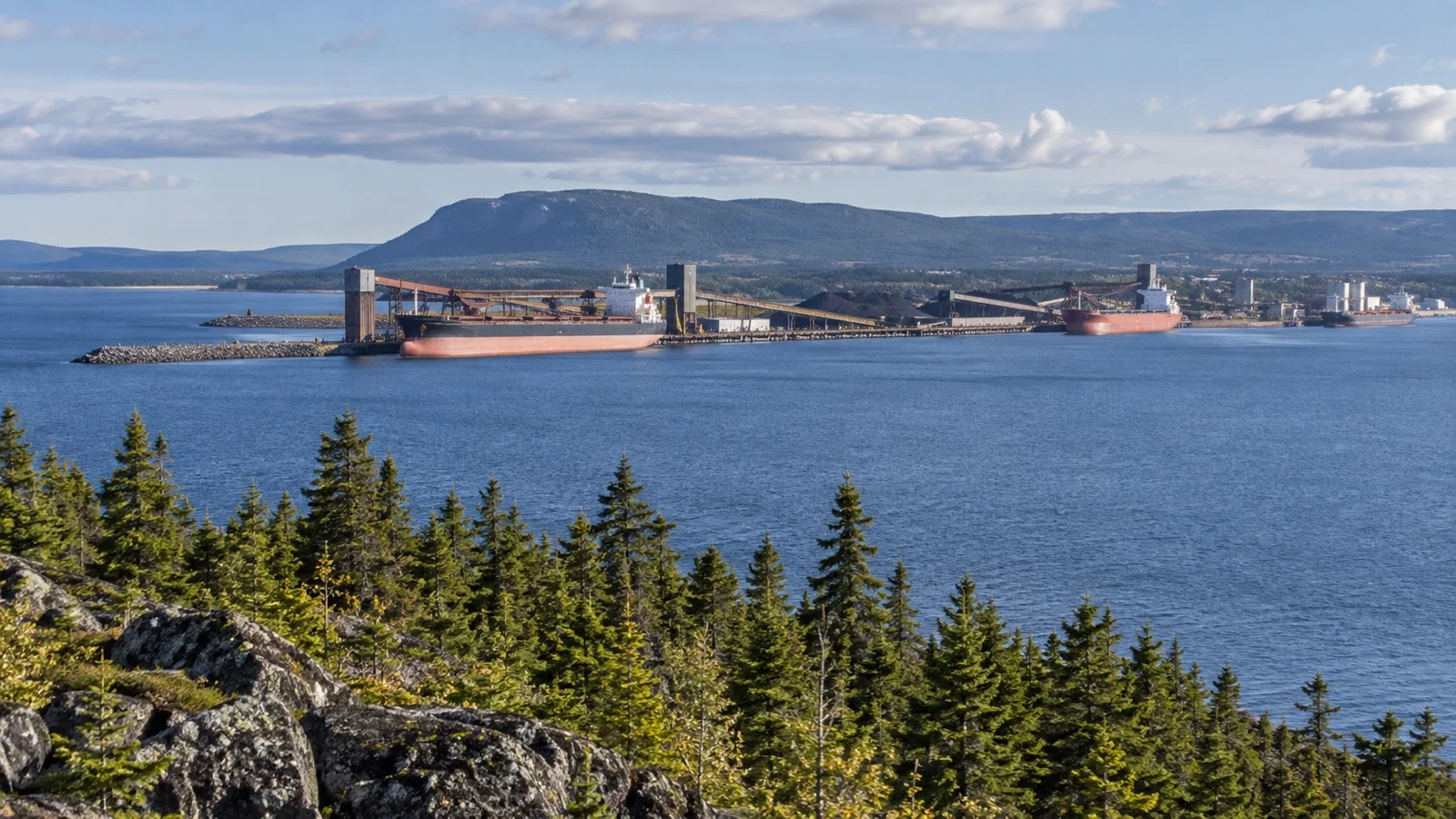
Photography from public areas is generally the safest approach, and restricted industrial sites should never be entered for a better angle. An organized port or local history tour can explain what you are seeing without placing you in an active operating zone.
The Cruise Day Shuttle
Destination Sept-Îles currently advertises a hop on, hop off shuttle on cruise days, beginning and ending at the terminal. The route, stops, capacity, fare, and frequency are operational details, so verify all of them at the pavilion rather than relying on a saved map.
The same destination authority notes that there is no general public transit system serving the city beyond the cruise oriented option. If the shuttle does not suit your plan, walking and taxis are the practical alternatives, with rental vehicles reserved for longer, carefully timed excursions.
Taxis and Independent Road Trips
A taxi can connect the wharf with museums, cultural sites, beaches, or shopping areas that are awkward on foot. Agree on the pickup location, approximate fare, wait arrangement, and return time, and carry the cruise terminal address in writing.
Rental cars open more of the North Shore but introduce unfamiliar roads, fueling, parking, and agency return procedures. On a single port call, choose one destination and keep a broad margin instead of using the car to chase a long list of distant stops.
Cycling on a Cruise Day
Destination Sept-Îles says bicycle rentals may be available at the cruise pavilion on ship days, and the city has cycling routes. Confirm helmet provision, lock, route conditions, and the exact return deadline before accepting the bike.
Weather and wind can change the effort dramatically, particularly on an exposed waterfront. Stay on designated routes, yield appropriately, and turn back early enough to return equipment without compressing port security time.
Beaches and Coastal Stops
The Sept-Îles area has sandy shores that can look unexpectedly inviting, but North Shore water remains cold and conditions change quickly. Treat a beach visit as a scenic walk unless local guidance, temperature, supervision, and your own ability make swimming clearly appropriate.
Never approach waves on slippery rocks, and keep children away from unstable edges or fast moving water. Bring a windproof layer even on a bright day, because the temperature beside the gulf can feel much lower than it does a few streets inland.
Wildlife Is Possible, Not Scheduled
The bay and archipelago support marine mammals and migratory birds, and local operators may interpret that ecology on the water. No responsible trip should promise a particular whale, seal, porpoise, or bird encounter, because wildlife chooses its own route.
Use binoculars or a zoom lens, follow the operator’s distance rules, and never encourage the captain to crowd an animal. A quiet, brief sighting handled well is more valuable than a close approach that changes natural behavior.
Accessibility Starts at the Gangway
A berth avoids tender boarding for most cruise calls, but gangway slope and distance still depend on ship position and water level. Ask the cruise line about assistance, resting points, mobility equipment rules, and the route into the newly modernized terminal.
The welcome pavilion is described by Destination Sept-Îles as accessible for people with reduced mobility. Beyond it, sidewalks, curb cuts, museum entrances, shuttle lifts, trail surfaces, and small boat boarding all need separate confirmation.
An accessible city outing may combine the pavilion, selected waterfront stretches, a suitable shuttle or taxi, and a museum with verified access. Grande Basque trails and small vessel transfers require much more detailed questioning before booking.
Weather and Tides Shape the Call
Sept-Îles weather can change from calm sun to cold wind and rain within the same visit, especially during the fall cruise season. Dress in light layers with a waterproof outer shell, and protect hands and ears if the marine forecast suggests a strong breeze.
Environment and Climate Change Canada provides both public forecasts and marine warnings for the Saint Lawrence. Check the forecast before leaving the ship, then accept that the captain, port, or excursion operator may change plans using more immediate local information.
Tides affect shorelines, landings, current, and the appearance of coastal places. Stay away from exposed flats or rocks that require you to beat incoming water, and follow local guides where timing is part of the route.
Food and North Shore Flavor
Local menus may feature fish, shellfish, berries, game, regional products, and familiar Quebec comfort food. Availability changes with season and supply, so ask what is local today rather than ordering from a mental checklist.
Tell staff about allergies clearly, especially with shellfish, shared fryers, dairy, and sauces. Service may slow when a ship fills the waterfront at once, so request the bill before your return cushion becomes narrow.
Money, Language, and Connectivity
The Canadian dollar is the official currency, and cards are widely accepted in established businesses and at many artisan stands. Carry a little cash for small purchases or a temporary connection problem, and choose Canadian dollars when a card terminal offers conversion.
French is the main public language, while English assistance is often available in cruise visitor settings. A warm bonjour is appreciated, and the welcome pavilion is the right place to request bilingual directions or clarify a local name.
Canada roaming charges vary by mobile plan, even for travelers arriving from the United States. Download a map before leaving the ship and avoid sensitive financial transactions on open wireless networks.
Return Planning at Monseigneur-Blanche
Work backward from all aboard time rather than the published sailing time. Include the trip back to the terminal, equipment or shuttle return, port screening, and the walk through the terminal to the gangway.
After an island excursion, add time for docking, unloading, and any transfer from the local boat landing. After a road outing, add freight traffic, weather, and the possibility that a taxi must approach the port through a controlled route.
The pavilion is an excellent place to finish early because it offers shelter, restrooms, local products, and clear proximity to the ship. Returning with time lets Sept-Îles feel welcoming all the way to the final gangway.
Sept-Îles Cruise Port Questions
Where do cruise ships dock?
Cruise ships generally use the Monseigneur-Blanche terminal, which the port formally reopened after modernization in August 2026. Your cruise line will confirm the exact berth, gangway, and secure return route for its call.
Can I walk into Sept-Îles?
Yes, the old wharf and central visitor area can be explored on foot from the cruise terminal. Destination Sept-Îles says many principal attractions are within roughly a 30 minute walk, but weather and personal pace matter.
Is there public transportation?
The destination authority says there is no general public bus system, though a hop on, hop off shuttle may run on cruise days. Confirm its current stops, fare, accessibility, and final departure at the welcome pavilion.
Can I visit Grande Basque Island?
Yes, when seasonal boat service and weather allow, but transportation must be booked or confirmed with a local operator. Choose a cruise aware return that leaves ample time for the port and gangway.
What is the best cultural visit?
The Shaputuan Museum offers an Innu centered introduction, while the Vieux-Poste, Innu traditional site, and Côte-Nord regional museum explore different parts of the area’s story. Ask the local welcome staff what is open and appropriately hosted on your date.
What is the safest poor weather plan?
Use the welcome pavilion, selected waterfront areas, and one or two verified museums. This keeps you near shelter and makes it easy to shorten the outing if wind or rain intensifies.
Let the North Shore Set the Pace
Sept-Îles is most memorable when you allow the harbor, community, and weather to shape the day. One well chosen cultural visit or island experience will tell you more than a hurried circuit built only to fill every hour.
For current planning, consult Destination Sept-Îles Nakauinanu, the Port of Sept-Îles, Tourisme Sept-Îles, and Environment and Climate Change Canada weather services. Always follow your cruise line’s live berth, security, excursion, and all aboard instructions, because ship operations take priority over any general guide.