Ancud Cruise Port: A Cruiser’s Guide to Northern Chiloe
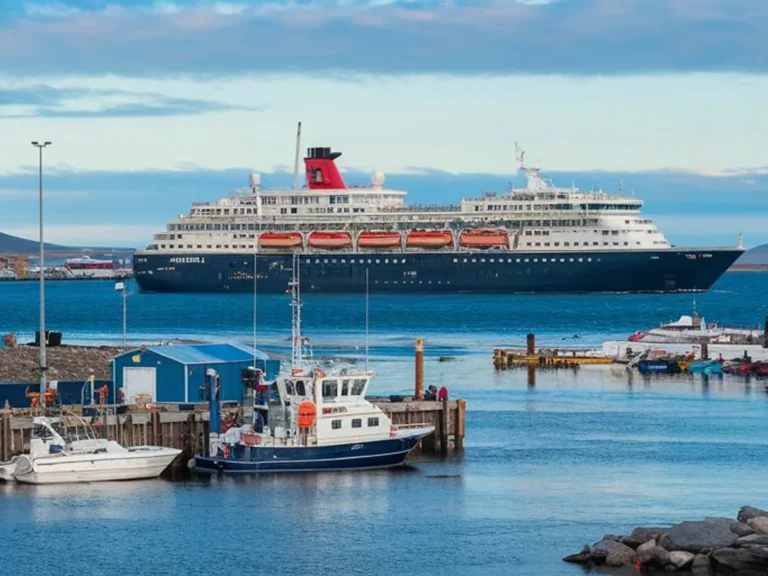
Ancud gives you northern Chiloé without asking you to spend the whole day driving south. The city has Spanish fortifications, an excellent regional museum, a working market, sea views, and access to the protected Puñihuil islets, where Humboldt and Magellanic penguins may be seen during the appropriate season.
The catch is that Ancud is normally a tender-style expedition call, not a walk-off berth with a fixed tourist terminal. Wind and swell can change the landing, shorten the day, or stop boat operations, so the best plan is compact, flexible, and built around the ship’s live instructions.
My quick take
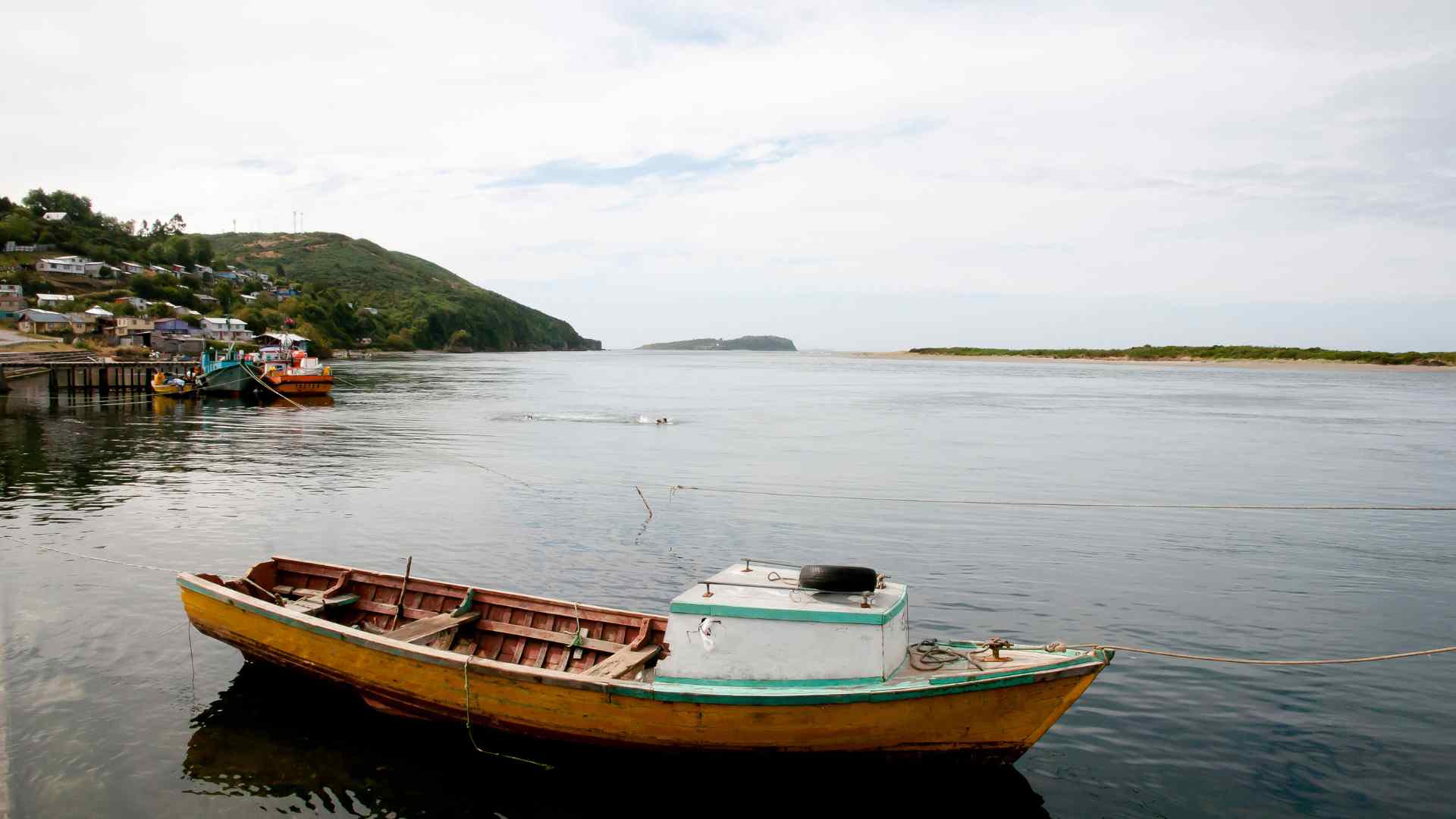
For a first visit, I would choose between two good days rather than forcing them together. Stay in Ancud for forts, museum, market, and food, or make Puñihuil the headline and treat any town time afterward as a bonus.
Puñihuil wins when penguins and coastal wildlife are your priority, the season is right, and a reputable operator protects the ship’s deadline. Ancud itself wins when the call is short, the weather looks unsettled, or you want history and culture without another small-boat transfer.
I would not make Castro the default goal from here. Northern Chiloé has enough depth, and every hour spent racing south is an hour you are not enjoying the place where your tender actually lands.
Quick Facts
- Arrival: Cruise guests normally come ashore by ship’s tender or expedition boat, subject to the day’s approved landing plan.
- Town access: Central Ancud is close to the waterfront, but routes include slopes, curbs, and sometimes uneven paving.
- Top town stops: Fuerte San Antonio, Plaza de Armas, Museo Regional de Ancud, the market, and coastal viewpoints.
- Top excursion: Puñihuil for a protected coastal landscape and seasonal penguin viewing by authorized boat.
- Currency: Chilean peso, with a modest amount of cash useful for smaller stalls and businesses.
- Language: Spanish, with English varying outside organized tours.
- Weather: Cool, wet, windy, and changeable conditions are possible even in the main cruise season.
- Return rule: Follow ship’s time, confirm the exact tender pier, and leave margin for a queue or interrupted boat service.
How the Ancud cruise arrival works
Ancud does not function like a purpose-built cruise terminal. Ships that call generally remain offshore and transfer passengers by tender or Zodiac to a waterfront landing selected for the vessel, local operations, and conditions.
The sea decides more than the brochure does. A call may begin late, use a different landing, pause while swell changes, or be canceled if a safe transfer cannot be maintained.
Treat the ship’s daily program and announcements as the controlling information. Photograph the landing, note the final tender time, and make sure everyone in your group knows whether the ship is keeping local time or another onboard time.
The tender transfer can involve steps, a moving platform, crew-assisted boarding, and a gap between boat and pier. Ask about mobility criteria before sailing, because the safe answer may change with sea state even for a passenger who used a tender successfully on another day.
Once ashore, the city center is manageable on foot for many visitors, but “close” does not mean perfectly flat. Ancud rises from the waterfront, and wet pavement can make modest grades feel more demanding.
My guide to tender ports explains the transfer basics. Ancud adds the important wrinkle that your wildlife excursion may involve another road transfer and another small boat after the ship’s tender.
A smart first hour in Ancud
Start by confirming the return pier and finding the route uphill before browsing. That small piece of orientation keeps you from wasting the final hour searching for a waterfront entrance that looks different from the land side.
If the sky is clear, go first to Fuerte San Antonio for the broadest sense of the bay. If rain is already settling in, begin with the museum and save the outdoor fort for the first bright interval.
Do not commit to a long lunch or taxi circuit until the ship’s operation feels settled. A shortened call is much easier to absorb when your first stop is nearby.
Fuerte San Antonio and the defensive story
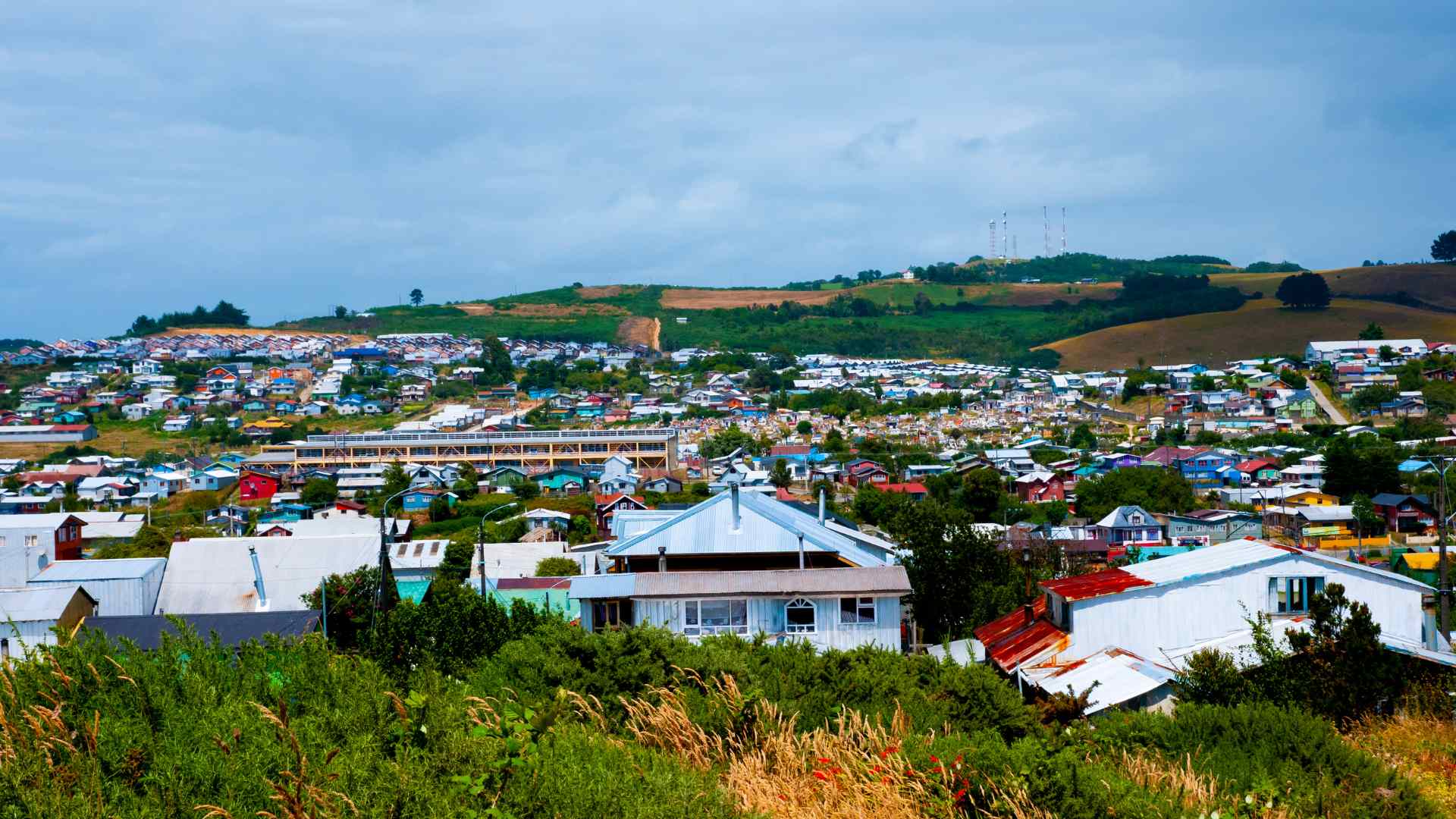
Fuerte San Antonio stands on high ground above the bay and helps explain why Ancud mattered strategically. Its earthworks, cannons, paths, and water views place the city inside the wider Spanish defensive network built around Chiloé’s channels and approaches.
The fort is closely associated with the final campaign that incorporated Chiloé into the Republic of Chile in 1826. A guide adds useful context, but the relationship between the defenses and the harbor is visible even during a short independent visit.
Expect an outdoor historic site rather than a polished indoor attraction. Grass, slopes, edges, and wet surfaces can complicate access, so wear shoes with grip and avoid treating every cannon position as an invitation to climb.
Nearby viewpoints make the weather part of the interpretation. Clear skies open the coast, while mist and rain show why navigation and defense in this archipelago demanded local knowledge.
The wider fort system
Other surviving sites around the Lacuy Peninsula belonged to a defensive landscape rather than one isolated fort. Agüi and related remains appeal to serious history travelers, but they require transport, time, and current local access information.
I would choose a guided fort-focused outing instead of adding Lacuy casually after Puñihuil. Roads, walking conditions, signage, and facilities can make a short-looking detour much larger in practice.
Museo Regional de Ancud
The Museo Regional de Ancud is the best compact introduction to the archipelago’s history and culture. It belongs to Chile’s public museum network, and its displays connect Indigenous history, colonization, maritime life, religious traditions, local work, and the transformations brought by the 1960 earthquake.
Check the official page for current hours, access, admission policy, and temporary closures. Public museums can change galleries or schedules, and the live notice is more useful than an old travel review.
The museum gives context to details you will notice later, including wooden architecture, boats, textiles, food traditions, and the city’s relationship with the sea. I would visit before shopping if you prefer souvenirs to have a story attached.
For a rainy call, this is the anchor rather than a fallback. Give it enough time to absorb the interpretation instead of dashing through because the fort appeared on a top-ten list.
Plaza de Armas and central Ancud
Ancud’s center is compact and practical rather than stage-managed for visitors. The Plaza de Armas, cathedral area, commercial streets, and public buildings create an easy framework for wandering between the museum and market.
The present city carries visible and invisible traces of the enormous 1960 earthquake and tsunami. Local interpretation matters here because rebuilding can make an event’s scale harder to read from façades alone.
Allow the ordinary life of town to be part of the visit. A bakery, hardware shop, school group, and fish delivery often tell you more about modern Chiloé than another rushed photo stop.
The market and what to eat
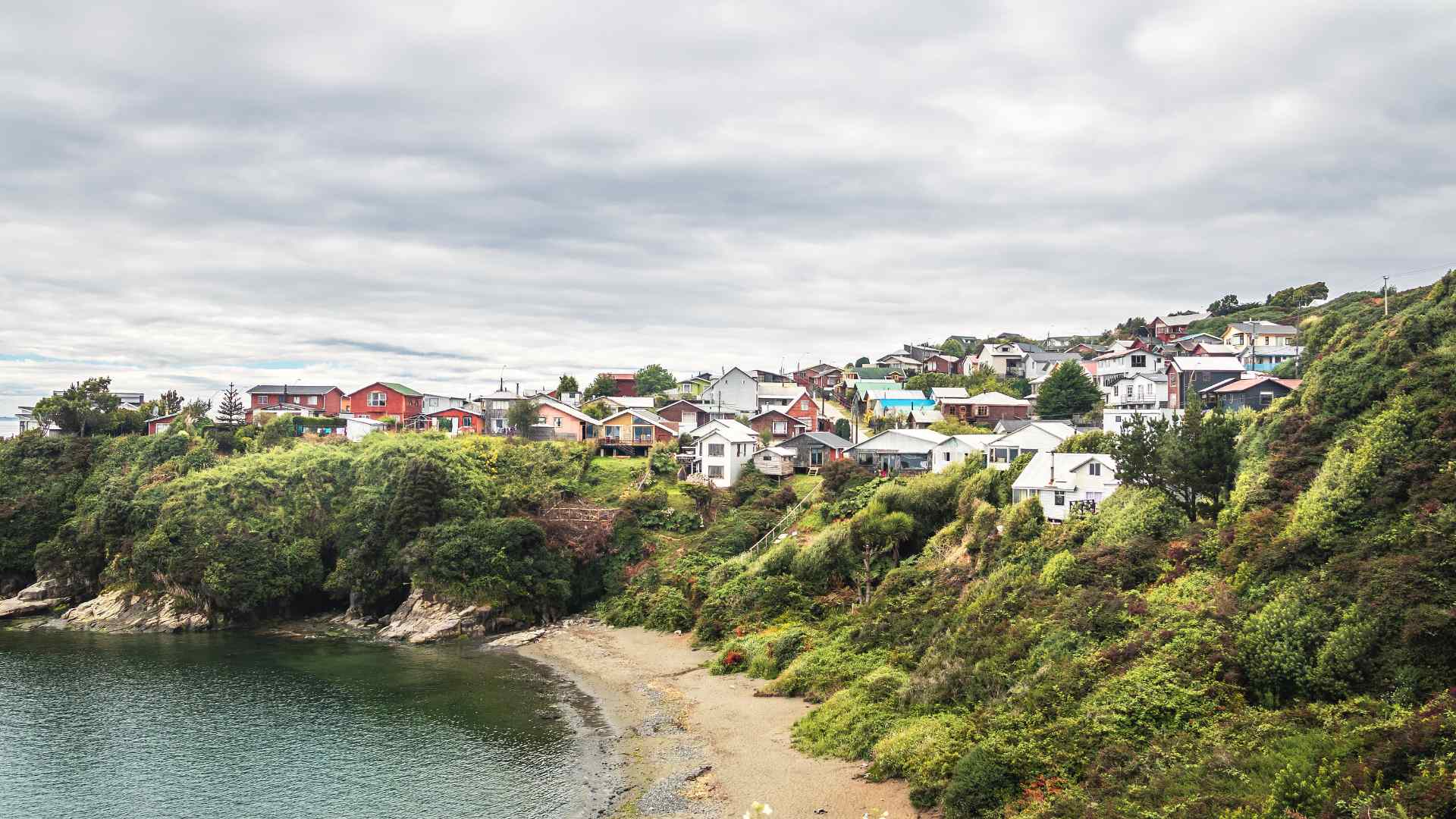
Ancud’s market brings together seafood, produce, prepared dishes, and crafts, though the mix varies by season, day, and time. It is a working local space, so some stalls may be busy while others are closed.
Look for textiles, woodwork, and food products whose maker or origin can be explained. A locally made object is far more interesting than an item that only borrows Chiloé’s colors.
Seafood is central to the local table, with fish and shellfish appearing in soups, stews, empanadas, and larger meals. Choose an established busy stall or restaurant, communicate allergies clearly, and leave enough time to eat without watching the tender deadline over every bite.
Curanto is Chiloé’s famous feast of shellfish, meats, potatoes, and dough preparations, traditionally cooked in an earth oven and also prepared in a pot. It is not ideal as a hurried snack, so order it when the restaurant, appetite, and schedule all agree.
Potatoes are a deep part of Chiloé’s agricultural and culinary identity, with many local varieties and preparations. A guide or museum visit can turn what looks like a humble side dish into one of the day’s best stories.
Do not carry fresh meat, seafood, plants, or agricultural products back aboard unless ship and customs rules allow it. A sealed souvenir is easier than explaining a bag of shellfish at security.
Puñihuil: the headline wildlife trip
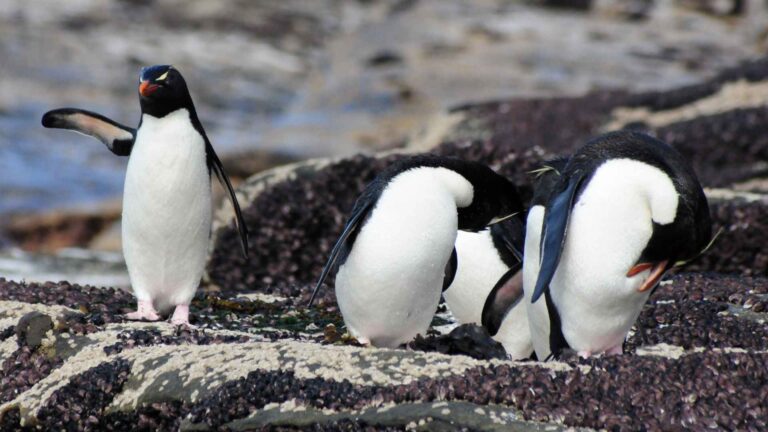
The Islotes de Puñihuil Natural Monument protects three small islets off the northwest coast of Chiloé. CONAF identifies the site as habitat for breeding colonies of both Magellanic and Humboldt penguins, along with other coastal birds and the marine otter known locally as chungungo.
This is a road excursion from Ancud followed by an authorized local navigation if ocean conditions permit. You view the protected islets from the water rather than landing among the birds.
Penguin presence and breeding behavior are seasonal, and no operator can guarantee where wild birds will appear. Ask what is realistic for your date and whether the outing is still worthwhile as coastal nature if sightings are limited.
CONAF’s official visitor page publishes current operating information, notices, access, and services. Check it close to your call because protected-area rules, animal-health measures, weather, and boat procedures can change.
The Pacific side is more exposed than Ancud’s bay. A calm tender ride into town does not prove that boats can safely operate at Puñihuil.
The transfer at Puñihuil
Local procedures may involve a beach, shallow water, a wheeled boarding platform, steps, or another assisted transfer. Ask the actual operator how guests board, what flotation equipment is provided, and whether your mobility needs can be accommodated.
Wear waterproof layers and shoes appropriate for wet sand or spray. Secure cameras and keep both hands available whenever crew direct you to board or move.
Once aboard, remain seated unless the operator says otherwise. Follow wildlife distances, keep voices down, and use binoculars or a telephoto lens instead of urging the driver closer.
If surf stops departures, accept the decision. Responsible wildlife tourism begins with a boat that knows when not to launch.
The timing tradeoff nobody should hide
Puñihuil can consume most of a port call once you include the road journey, briefing, boarding, navigation, wildlife delays, and return. On a short day, your Ancud experience may be little more than the drive through town.
That trade is reasonable when penguins are the priority. It is disappointing only when a tour description pretends you can enjoy an unhurried wildlife trip, complete city circuit, museum, fort, and long lunch on the same clock.
Book through the ship or a reputable operator accustomed to cruise deadlines. Independent travelers need a driver who waits, a conservative turnaround time, and a town-only backup if coastal boats do not run.
Protect the final tender rather than the official all-aboard time alone. A tender queue, changing swell, or temporary pause can stretch the last transfer.
Three realistic ways to spend the day
Ancud on foot
Begin at Fuerte San Antonio, walk through the central streets to the museum, then finish with the market and a meal. Add a waterfront viewpoint or craft stop only if the tender schedule remains comfortable.
This plan is flexible, affordable, and rich in local context. It also adapts well to rain because the museum and lunch can absorb the wettest hour.
Puñihuil with a short town finish
Leave early on a confirmed excursion, take the protected-area boat only if conditions permit, and return directly to central Ancud. Choose either the fort or market afterward, then keep the last part of the day close to the landing.
This is the strongest wildlife plan because it gives the exposed coast first claim on your time. If road or boat delays develop, skip the town add-on without bargaining away the return margin.
History with a local guide
Use a guide and vehicle to connect Fuerte San Antonio with selected defensive sites, earthquake history, maritime stories, and viewpoints. Finish with a focused museum visit or meal rather than adding Puñihuil.
The value depends on interpretation, so ask who guides the tour and what access is confirmed. A knowledgeable local voice can turn scattered earthworks into a coherent story of empire, island life, and Chilean sovereignty.
Should you go to Castro from Ancud?
Castro’s palafitos and famous wooden church are tempting, but the city lies well south of Ancud. Road time, traffic, construction, weather, and tender uncertainty can leave a rushed visitor with more bus window than Chiloé.
A ship excursion designed around a long call may make the route workable. Independent passengers should compare the actual time at each stop with the hours spent in transit before committing.
The Churches of Chiloé form a serial UNESCO World Heritage property spread across the archipelago. UNESCO describes them as a distinctive wooden religious tradition shaped by Indigenous and European culture, local materials, community life, and boat-building knowledge.
The World Heritage label does not mean every church is open on demand. These are living religious buildings, so worship, community events, repairs, and local stewardship determine access.
For an ordinary Ancud call, I would save Castro for another voyage or a land stay. Northern Chiloé deserves to be experienced as more than the highway to somewhere else.
Weather is part of the port
Chiloé is famously green because rain is a regular companion. Conditions can change quickly between shelter in Ancud, inland roads, and the exposed Pacific shore at Puñihuil.
Bring a genuinely waterproof jacket and pants if a small-boat excursion is possible. A thin emergency shell may pack beautifully but become a damp personal betrayal after sustained wind-driven rain.
Layer beneath the waterproofs because temperatures are often moderate while wind and moisture increase the chill. A dry hat and gloves can rescue the return ride.
Sun protection still matters between showers and on open water. Pack sunscreen and sunglasses even when the morning sky looks committed to gray.
Build the day so rain changes the order rather than ruins the plan. Museum first, fort during a break, market for lunch, and a waterfront look when visibility opens is a perfectly good Ancud day.
Accessibility in practical terms
The tender transfer is the first decision point. Ask the cruise line about steps, transfer gaps, weight-bearing requirements, assistance limits, and whether a wheelchair or walker can be carried under the conditions expected for this call.
Central Ancud includes grades, curbs, imperfect sidewalks, and surfaces that become slippery when wet. A taxi or guide vehicle can reduce effort between the fort, museum, market, and viewpoints.
Fuerte San Antonio is an outdoor landscape with grass, paths, and uneven areas. Enjoying the bay view may be possible without covering every part, but confirm the current access route if step-free travel is essential.
Ask the museum directly about entrances, interior circulation, restrooms, and any temporary construction. “Accessible” can mean very different things when a historic site and a modern public building appear in the same itinerary.
Puñihuil’s beach and small-boat boarding can be unsuitable for some mobility-device users. Request precise details and consider a land-based coastal viewpoint or an Ancud-centered day if the transfer is not safe.
Accessible restrooms and shelter should not be assumed at rural stops. Plan around confirmed facilities and carry essential medication with you.
Money, language, and small practical details
Chile uses the Chilean peso. Cards are common at established businesses, but a modest amount of cash is useful for smaller stalls, tips, and places with an unreliable connection.
Use a reputable bank ATM and decline any unnecessary currency conversion offered by the machine. Avoid withdrawing more cash than your short visit requires.
Spanish is the working language, and English varies. Download an offline translation tool, save the tender-pier name, and carry the ship’s port-agent details.
Use licensed transportation and agree on destination, waiting time, and price or meter use before leaving. For a rural excursion, confirm that the same driver stays or that return transport is guaranteed.
Normal street awareness is enough for most visitors. Keep valuables secure near busy market areas, watch traffic when photographing, and do not pet unfamiliar dogs.
What I would skip
I would skip any Puñihuil tour that markets penguins as guaranteed outside a clearly explained season. A truthful operator sells a protected coastal experience and describes wildlife as wild.
I would skip combining Puñihuil, the fort circuit, a museum visit, and Castro unless the ship has built and guaranteed the entire long-day operation. Ambition is not the same as good port planning.
I would also skip treating rain as evidence that Chiloé has failed you. The island’s wooden architecture, food, fort history, and maritime culture all make more sense in weather that shows why shelter and craftsmanship matter.
Frequently asked questions
Do cruise ships dock in Ancud?
Cruise calls generally use tender or expedition-boat transfers rather than a large dedicated cruise berth. Follow your ship’s confirmed plan because the landing and operation can vary.
Can I walk around Ancud independently?
Yes, many central sights are close enough for a self-guided route. Expect slopes and wet or uneven surfaces, and identify the tender pier before leaving the waterfront.
Are penguins guaranteed at Puñihuil?
No. The site supports seasonal breeding colonies, but wildlife presence, visibility, and boat operation are never guaranteed for an individual visit.
Do visitors land on the Puñihuil islets?
No ordinary wildlife visit should expect a landing among the protected colonies. Authorized boats navigate around the islets according to current rules and conditions.
Can I visit Ancud and Puñihuil in one call?
Often, if the call is long enough and the excursion runs smoothly. Make Puñihuil the main event, choose one short town stop afterward, and protect the final tender.
Is Castro a good independent day trip?
Usually not for an ordinary Ancud tender call because the road journey creates too much exposure to delay. Consider it only with a long schedule and a carefully timed ship or trusted local excursion.
What is the best bad-weather plan?
Use the regional museum as your anchor, eat near the market, and visit Fuerte San Antonio during a break in the rain. Keep the day close to town if tender service or coastal roads are uncertain.
The bottom line
Ancud is strongest when you let northern Chiloé be the destination. Choose the protected wildlife coast or a thoughtful town day, keep your timing honest, and leave room for rain and sea state to rewrite the order.
For a broader route, my South America cruise ports guide explains how Ancud fits the continent’s expedition and conventional calls. The Valparaíso cruise port guide covers Chile’s major central-coast turnaround city and its very different logistics.
How this guide was researched: Museum, protected-area, heritage, wildlife, and current visitor details were checked against official Chilean and UNESCO sources on September 11, 2026. Tender arrangements and wildlife operations remain call-specific, so follow the live ship program and see our Editorial Policy.