Amasra Cruise Port: A Cruiser’s Guide to the Black Sea’s Twin Coves
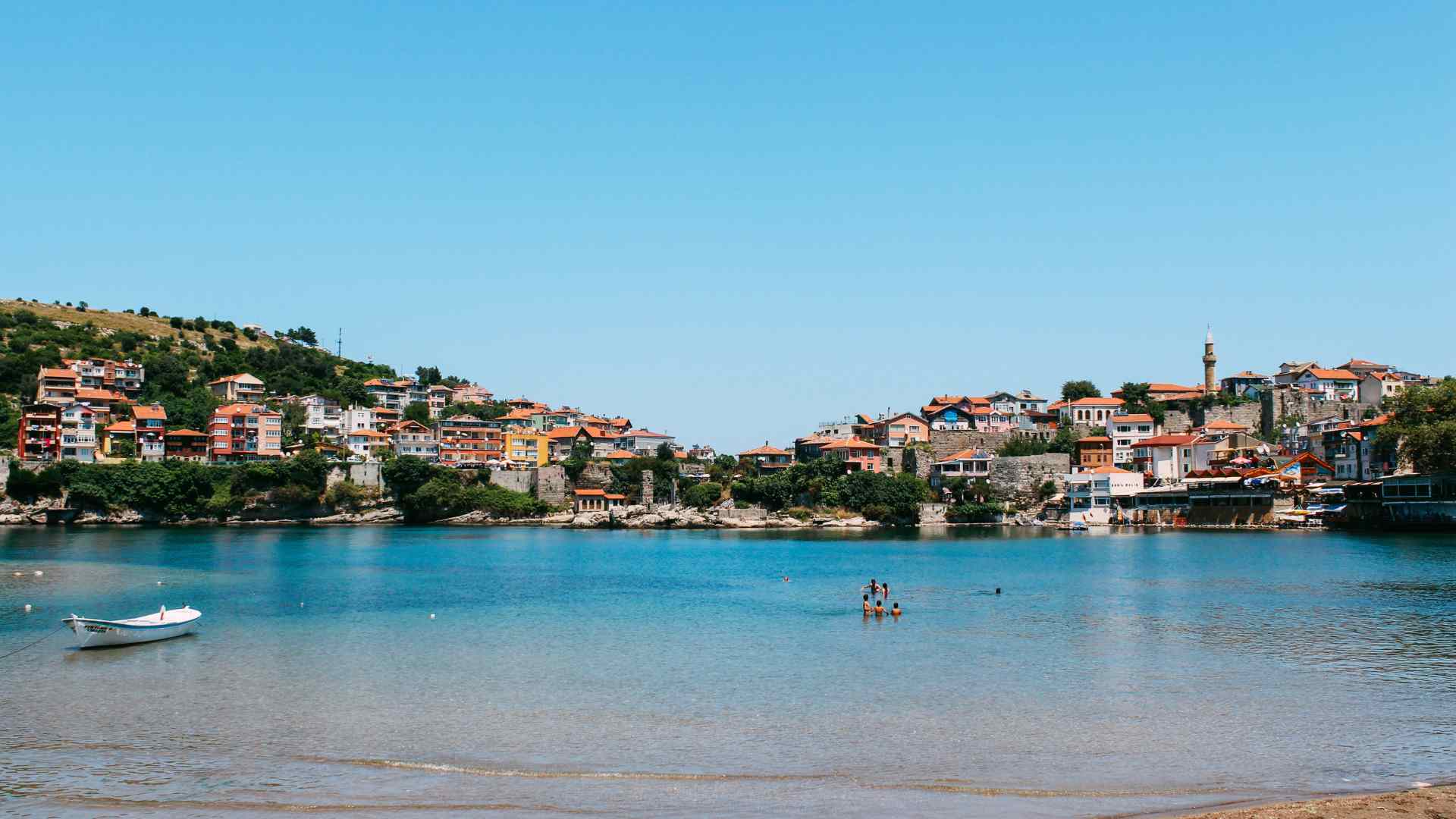
Amasra folds a castle, two coves, a stone bridge, fishing boats, and steep residential lanes into a town small enough to understand before lunch. The only real planning question is whether to enjoy that compact gift or spend precious hours driving toward Roman monuments and basalt cliffs outside town.
Quick Facts
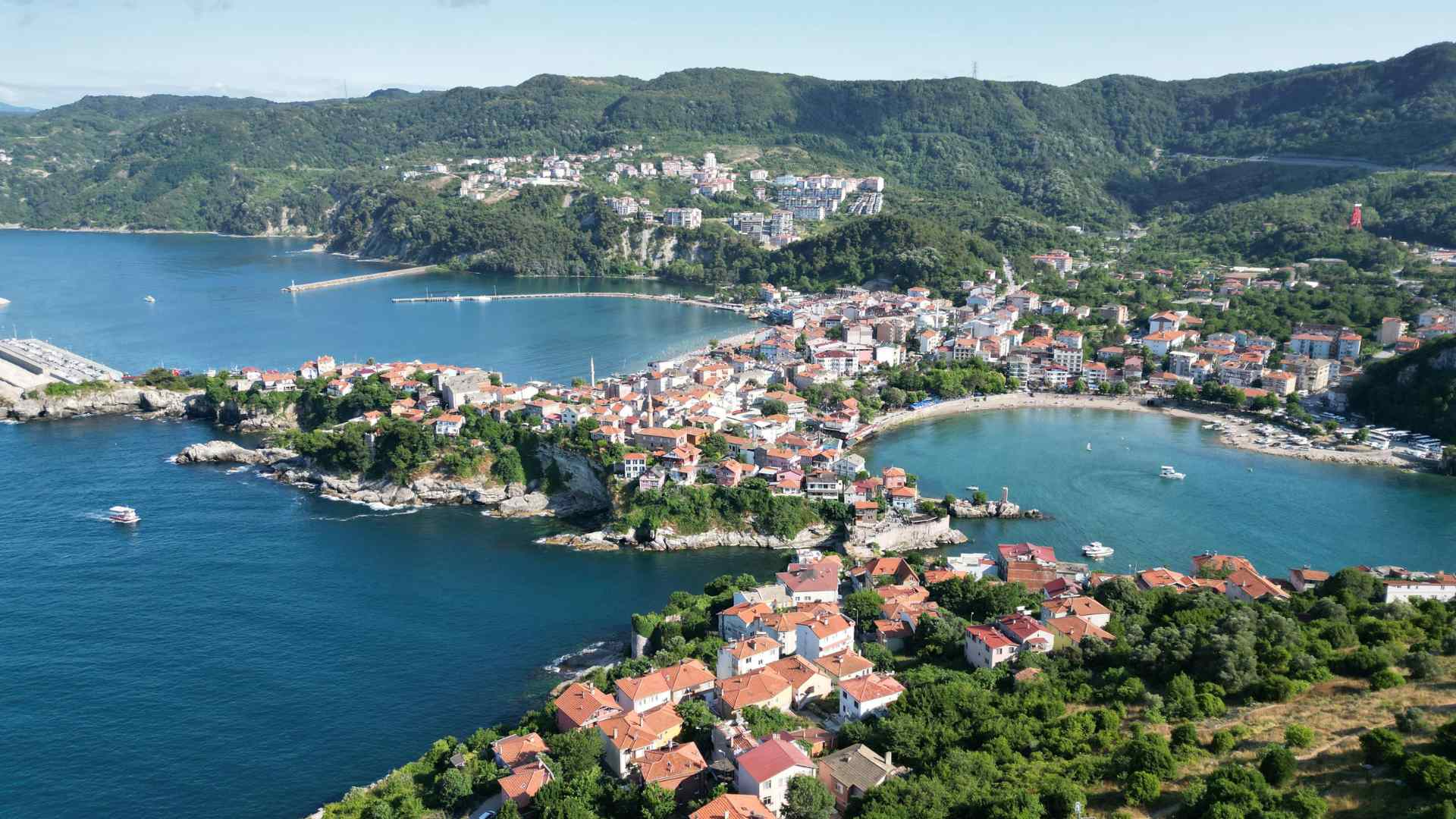
- Where you land: the passenger facility on Büyük Liman, the larger of Amasra’s two coves, or at anchor just outside it. Either way you come ashore within sight of the old town, with the museum, castle walls, and Küçük Liman all a few minutes away.
- Dock or tender: Some vessels berth at the Büyük Liman passenger facility, others anchor and run boats in.
- Into town: About a 5 minute walk.
- Currency and language: Turkish lira (TRY) and Turkish, with limited English outside tourism businesses.
- Time zone: Turkey Time (TRT, UTC+3).
- Operational caution: Wind, berth availability, and marine conditions can affect the call, so follow the ship’s current arrival and return instructions.
Dock, tender, and do not assume
Cruise arrangements in Amasra depend on the ship and port operations. Some vessels may berth at the passenger facility around Büyük Liman, while others can anchor and tender, so the ship’s daily information determines your actual starting point.
Both likely arrival areas are close to central Amasra compared with many cruise calls. Secure-port rules, shuttle use, and pedestrian exits can still vary, and a new or working facility should never be treated as an invitation to choose your own gate.
Photograph the return point and final tender or shuttle time. Büyük Liman and Küçük Liman are close enough to confuse a hurried visitor and different enough to matter when a boat is waiting.
The historic center is best explored on foot, but hills and steps appear quickly around the castle and Boztepe. Taxis or a prearranged driver are useful for outlying sites and viewpoints.
Start with the bridge between two halves of town
Kemere Bridge links the main castle area with Boztepe across a narrow channel. The present historic stone structure is associated with the Byzantine-period defenses, while the wider fortified landscape reflects Roman, Byzantine, Genoese, and Ottoman chapters.
Cross slowly and look back toward both harbors. The bridge is a route used by residents, not a private photo platform, so leave room for people carrying groceries and getting on with a day that does not revolve around your camera.
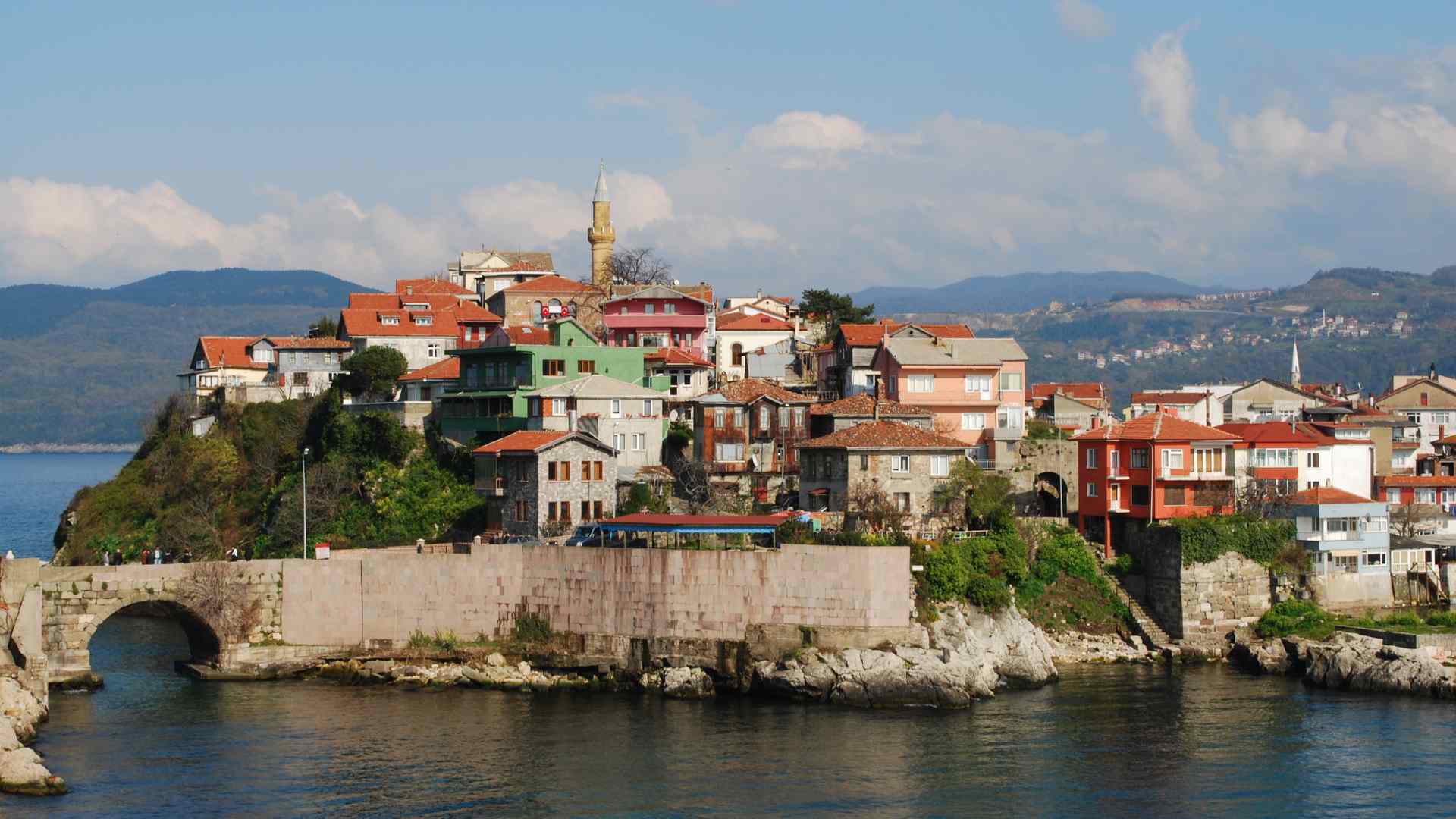
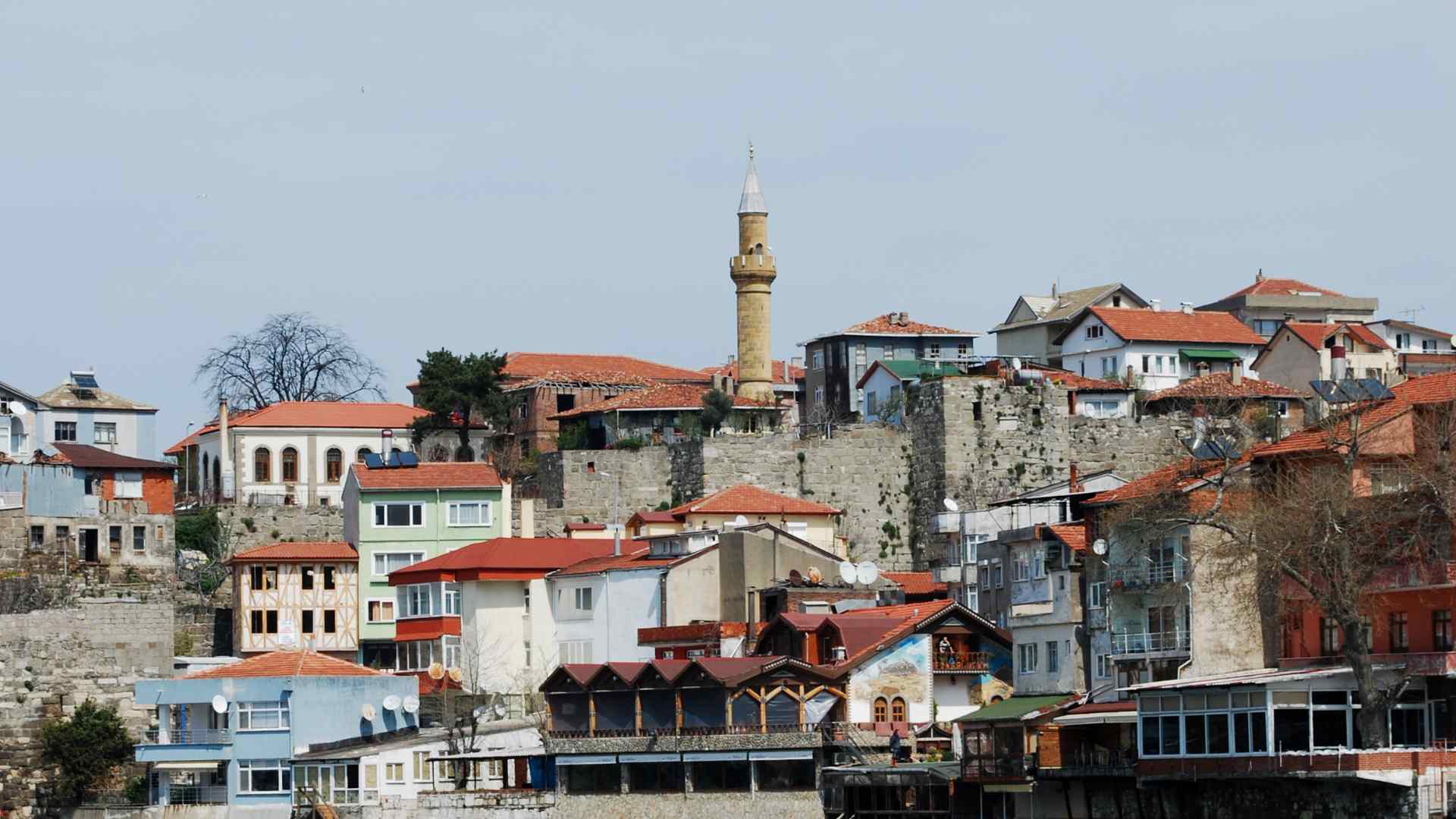
Amasra Castle consists of fortified sections around the old settlement rather than one self-contained palace with a ticket booth. Walls, gates, towers, reused stone, and Genoese heraldic carvings appear among living streets.
The castle is included within the “Fortress and Walled Settlements from the Mediterranean to the Black Sea” property on Turkey’s UNESCO Tentative List. Tentative status is not the same as World Heritage inscription, a distinction worth keeping accurate.
Fatih Mosque occupies a former Byzantine church within the fortified area and reflects the town’s Ottoman history after Mehmed II’s conquest. It is an active mosque, so dress modestly, remove shoes where directed, and avoid entry during prayers unless welcomed.
Boztepe is for views and ordinary life
Boztepe rises beyond Kemere Bridge and offers lanes, houses, sections of fortification, and broad Black Sea views. It feels quieter than the restaurant-lined waterfront, though summer visitors and vehicles can still squeeze the narrow streets.
The Ağlayan Ağaç, or Weeping Tree, viewpoint is associated with tea gardens and views toward Tavşan Adası, commonly called Rabbit Island. Businesses and access can change, so go for the panorama rather than a guarantee involving one specific table under one specific tree.
A lighthouse stands on the headland, but operational and fenced areas must be respected. The best outing is a compact loop that stays on public lanes and turns around before the descent becomes rushed.
Boztepe contains homes. Ask before photographing people, keep voices moderate, and resist aiming a lens through an open doorway because the frame looked “authentic.”
The slopes and steps are the downside. Visitors who need a gentler day can enjoy Kemere Bridge and harbor views without climbing every lane.
The museum puts the stones in order
Amasra Museum occupies a historic former naval-school building near the waterfront. Official information describes archaeological and ethnographic displays, with objects spanning the region’s Hellenistic, Roman, Byzantine, Genoese, and Ottoman history.
The garden contains stone works, while indoor galleries add context for artifacts that otherwise become a blur of dates. This is the best bad-weather stop and a useful first visit before walking the fortifications.
The Ministry of Culture publishes current hours, closing days, and ticket information. Check the official page for your date because schedules can change seasonally or during vacations.
Museum access and internal layout should be confirmed directly if steps or accessible restrooms matter. A historic building near a convenient waterfront is not automatically barrier free.
Pair the museum with the castle, bridge, and lunch for a full but unhurried town day. Its main limitation is opportunity cost, since sunny weather may make the Black Sea views hard to leave.
Çekiciler bazaar and local craft
Amasra and Bartın are associated with traditional wood carving and decorative woodworking known locally as çekicilik. The small bazaar area sells wooden utensils, ornaments, textiles, and assorted souvenirs.
Quality and origin vary. Ask whether an item was made locally, look for the craftsperson’s work rather than generic imports, and avoid buying antique-looking objects that may raise cultural-property questions.
Wooden spoons and small kitchen pieces make practical gifts, subject to your home country’s biosecurity rules. Untreated wood or products containing bark can face restrictions, so check before bringing them across an international border.
The market is a pleasant connector rather than a two-hour attraction. Browse, talk when language allows, and keep enough lira for tea.
Kuşkayası is the best short excursion
The Kuşkayası Road Monument lies outside town on the old route toward Bartın. Official provincial tourism information describes it as a Roman road monument with relief work and inscriptions connected with the road network.
Reaching it requires a vehicle followed by an approach whose steps, terrain, and maintenance should be checked locally. Roadside stopping and safe access matter more than the small distance from town.
Pair Kuşkayası with a panoramic stop above Amasra, then return for the castle and lunch. This creates a coherent history day without committing to the much longer drive toward the coast west of Bartın.
The downside is that the monument can be a brief visit after a disproportionate amount of vehicle maneuvering. Travelers who are content with the museum’s Roman objects may prefer to stay on foot.
Güzelcehisar’s basalt columns need a full commitment
Güzelcehisar lies west of Bartın and is known for tall basalt columns along the coast. Provincial tourism information lists the lava columns among the region’s natural attractions.
This is not beside Amasra, and drive times can vary with route, traffic, weather, and road works. Visit only with a ship excursion or reliable private driver who has planned a conservative return.
Boardwalks and viewing infrastructure may improve access to parts of the coast, but stairs, beach stones, wet surfaces, and maintenance can still create barriers. Request current local information rather than declaring the site fully accessible.
The geological scenery is distinctive, yet the excursion consumes the very hours that make Amasra enjoyable. I would choose it on a long call after seeing similar castle towns elsewhere, not on a first short visit.
Beaches and boat trips
Büyük Liman and Küçük Liman frame central Amasra, and town beaches can be busy in warm weather. Sand, water condition, and swimming areas vary with waves, runoff, and harbor activity.
Follow local signs and lifeguard guidance, and keep clear of working boats. The Black Sea can develop rough conditions quickly, so a calm-looking cove is not permission to ignore warnings.
Local sightseeing boats may operate seasonally around the coast. Check licensing, life jackets, route, duration, sea conditions, and the return time before boarding.
A boat tour is best treated as an alternative to an out-of-town drive. Adding both creates too many variables, particularly on a tender call.
Direkli Kaya, a rock-cut feature by the small harbor associated with local legends, is interesting to view from safe public areas. Do not enter rough water or climb slippery stone to reproduce a photograph.
Documents, drivers, and the last mile
Türkiye’s visa rules depend on nationality, and travelers who need an e-Visa should use the official government site. Follow the ship’s instructions for carrying a passport or copy, because clearance arrangements can vary by itinerary.
For Kuşkayası or Güzelcehisar, prearrange a driver who will wait and confirm the full price, road time, and return point. A one-way taxi is not a useful bargain where vehicles and cell service may be limited.
Return to Büyük Liman at least 60 to 90 minutes before all aboard, with extra time if the ship is tendering. Check the museum’s official hours that morning and keep the compact castle, bridge, bazaar, and lunch loop as the weather-proof fallback.
Three ways to use the day
The classic walking loop
Visit Amasra Museum, walk through the castle streets, cross Kemere Bridge, and climb part of Boztepe for views. Descend for the craft bazaar, a fish lunch, and a final harbor stroll.
This plan captures the town’s history and shape with no transport dependence. Its limitation is slopes, steps, and a lot of exposed walking if the weather turns wet or hot.
Town plus Roman road history
Arrange a taxi or guide for Kuşkayası and one high panorama, then complete a shorter castle and bridge loop. Keep the museum as a rain option or historical follow-up.
This adds a significant Roman site without surrendering the town. It costs more and requires confidence in pickup, road access, and the monument approach.
Basalt coast excursion
Travel to Güzelcehisar with a vetted operator, allowing most of the day for the route and site. Return early enough for Kemere Bridge and a meal near the landing.
This is the strongest geology plan. It provides the least time in Amasra and carries the highest road-delay risk.
Food is a reason to slow down
Amasra is known for fish restaurants and a colorful local salad that can contain many finely prepared vegetables and herbs. Recipes and presentation vary, so enjoy the restaurant’s version rather than policing it against a photograph.
Black Sea fish availability changes by season and regulation. Ask what is fresh and legally available that day, and let the answer guide the order.
Tea is the easiest local pause, especially around the harbor or a Boztepe viewpoint. Turkish coffee is another option, though neither beverage has demonstrated an ability to stop the final tender.
Turkey uses the Turkish lira. Cards work in many established restaurants and shops, but carry small-denomination lira for tea, market items, taxis, or a payment terminal that loses its connection.
Agree on taxi fares and waiting arrangements before departure. Ask whether payment is per ride or per hour and clarify exactly where the driver will return you.
Accessibility and comfort
The central harbor area offers the gentlest routes, but paving, curbs, crowding, and short gradients vary. Castle interiors, Boztepe lanes, and monument approaches include steps and uneven ground.
A vehicle-based viewpoint tour can reduce walking, although narrow streets may prevent close drop-offs. Confirm the vehicle’s steps, seatbelts, air conditioning, and mobility-device storage.
Tender transfers may exclude some devices or passengers under rough conditions. Our tender-port explainer covers the routine, but the cruise line makes the day’s operational decision.
Accessible restroom availability should be confirmed at the museum, port facility, or restaurant. Do not assume that a tea garden or remote monument provides one.
For a lower-effort day, stay near the museum, waterfront, bazaar, and bridge approaches. That still gives history, food, and the twin-cove view without requiring the steepest streets.
Weather, safety, and local respect
The Black Sea coast can be humid, rainy, and changeable. Bring a waterproof layer and shoes with grip, since castle stone becomes slick and viewpoints are exposed.
Summer weekends can bring heavy domestic tourism and road congestion. Start the most popular walking loop early and protect extra time for the return.
Turkey is predominantly Muslim, and local communities include active mosques and conservative norms. Dress respectfully away from the beach, follow prayer-time guidance, and ask before photographing worshippers.
Normal precautions apply in crowds. Keep valuables secure, use licensed transport, and follow official travel advice current for your nationality and itinerary.
What I would skip
I would skip trying to combine Güzelcehisar, Kuşkayası, and a complete Amasra loop. That plan turns twin coves into two quick glances through a vehicle window.
I would skip a boat trip in marginal weather, even if the operator is optimistic. A castle, museum, and lunch remain excellent when the Black Sea is feeling theatrical.
I would also skip treating the old town as an attraction without residents. Amasra’s charm survives because it is lived in, and good visitors leave doorways, lanes, and daily routines unobstructed.
The verdict
For a first call, stay in Amasra and walk the museum, castle, Kemere Bridge, and part of Boztepe. Add Kuşkayası only when a reliable driver and generous schedule make it genuinely easy.
Save the basalt columns for a long call or a return trip. Amasra’s easy core also belongs beside our walkable cruise ports and cruise ports in Europe guides.
How this guide was researched: Unless a first-hand visit is explicitly identified above, this guide is based on independent research using official port, tourism, transit, government, and attraction sources where available. Logistics and time-sensitive details were reviewed in September 2026; see our Editorial Policy.