Milwaukee Cruise Port Guide: Berths, Museums, and an Easy City Day
Milwaukee can be one of the easiest Great Lakes city calls, but only after you confirm the berth. Pier Wisconsin puts you beside the downtown lakefront, while South Shore Cruise Dock and City Heavy Lift Dock call for a different transportation plan.
Once that first decision is settled, choose one anchor attraction and a nearby neighborhood. The Milwaukee Art Museum, Harley-Davidson Museum, Historic Third Ward, Public Market, and RiverWalk offer more than enough for a focused port day.
My quick take
I would pair the Milwaukee Art Museum with the Third Ward when the museum is open and your ship uses Pier Wisconsin. It is the cleanest combination of major attraction, lakefront architecture, food, and flexible walking.
Choose the Harley-Davidson Museum instead if motorcycles and industrial history interest you more than art. Use a direct ride from the berth so you do not waste the morning connecting routes.
A brewery tour is fun, but it works best as an organized outing with transportation. Milwaukee rewards restraint, and two well-chosen stops beat a hurried cross-city checklist.
Milwaukee quick facts
- Waterway: Lake Michigan, within the Great Lakes system.
- Berths: Port Milwaukee’s schedule can assign Pier Wisconsin, South Shore Cruise Dock, or City Heavy Lift Dock.
- Best-known sights: Milwaukee Art Museum, Harley-Davidson Museum, Historic Third Ward, Public Market, and RiverWalk.
- Currency: U.S. dollar, with cards widely accepted.
- Time zone: Central Time, with daylight saving observed.
- Accessibility: The lakefront is relatively level, but gangways, berth surfaces, and shuttle equipment vary by ship.
Check your berth before planning
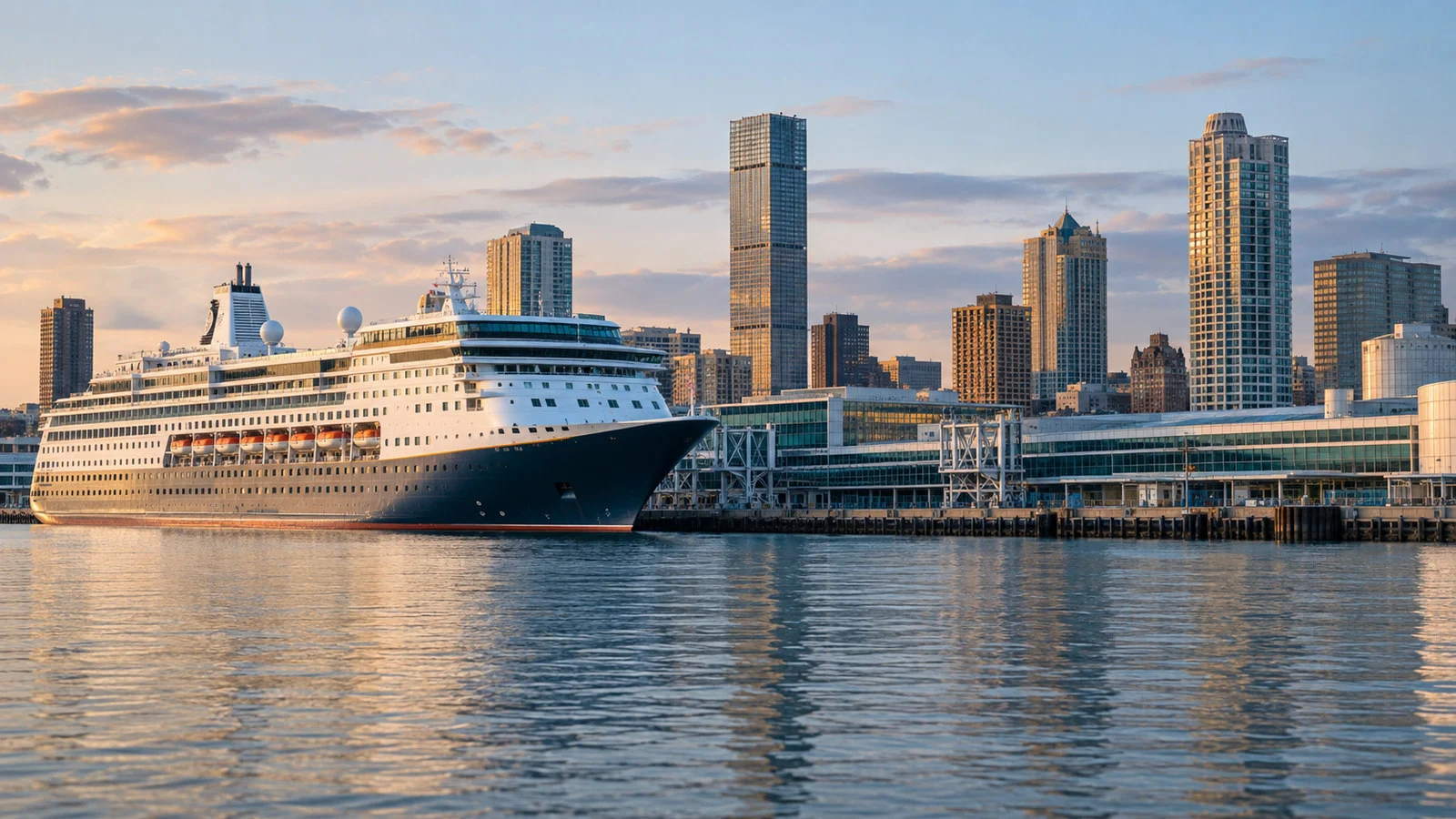
Milwaukee does not use one universal passenger terminal. The official Port Milwaukee cruise page publishes vessel-specific locations, and its current schedule includes all three main cruise berths.
Your cruise line remains the final source for the landing, shuttle, luggage, security, and all-aboard arrangements. Do not follow directions written for another ship because two vessels in port can use different locations.
Photograph the berth sign and pickup point before leaving. Save the daily program offline so you can show a driver exactly where the ship is waiting.
Pier Wisconsin
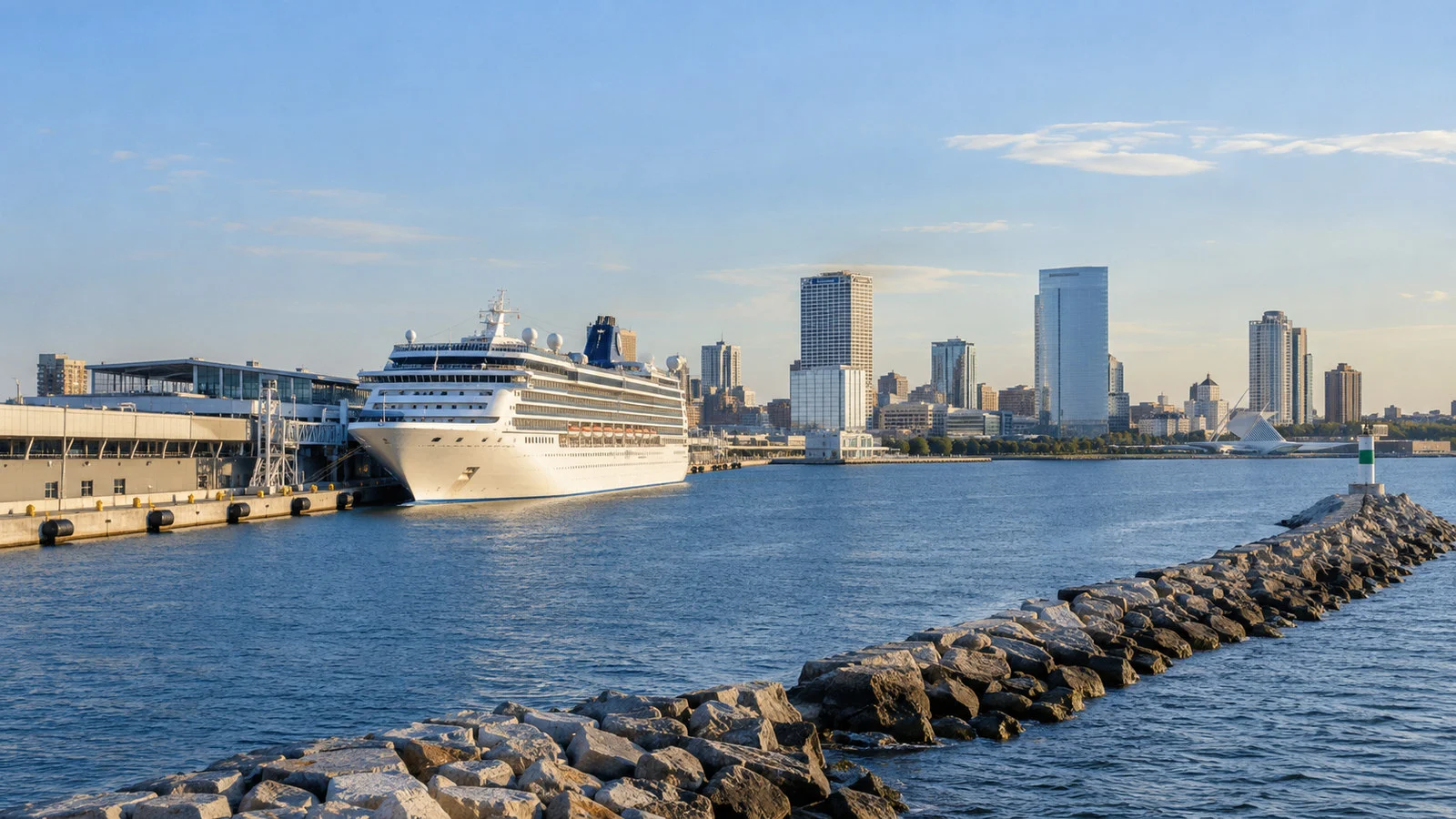
Pier Wisconsin is the most convenient berth for an independent lakefront day. Port Milwaukee describes it as immediately connected with downtown by the RiverWalk, with the Milwaukee Art Museum and Discovery World close by.
Use the day’s marked passenger route because temporary barriers, festivals, and gangway placement can change the first few minutes. A good berth does not remove the need to follow port security instructions.
South Shore Cruise Dock
The South Shore berth gives easier access to Bay View and Walker’s Point than to the downtown museum cluster. Use the ship’s transfer or a direct taxi or rideshare for your first major stop.
Do not assume the walk from Pier Wisconsin applies here. The practical route depends on the controlled port exit and the meeting point allowed for outside vehicles.
City Heavy Lift Dock
City Heavy Lift is an operational port facility rather than a downtown attraction entrance. Treat it as a transport-required berth unless the cruise line gives a specific pedestrian plan.
Confirm where rides meet passengers and whether a shuttle crosses the secure area. Build return time for the transfer back through the gate.
Getting around Milwaukee
Walking works well around the lakefront, East Town, and the Third Ward when you start at Pier Wisconsin. From the other berths, ride to the first attraction and explore a compact district on foot.
The Hop connects parts of downtown and remains free to ride, with no ticket or voucher needed. Check its live schedule and alerts because festivals, maintenance, or street closures can affect service.
Milwaukee County Transit System buses reach a wider area, but a direct ride is often more efficient on a short call. Do not plan around a precise rideshare price because demand and pickup restrictions can change it.
Set your return destination to the exact berth rather than Port Milwaukee in general. A driver who reaches the wrong dock can cost more time than the city journey itself.
Milwaukee Art Museum
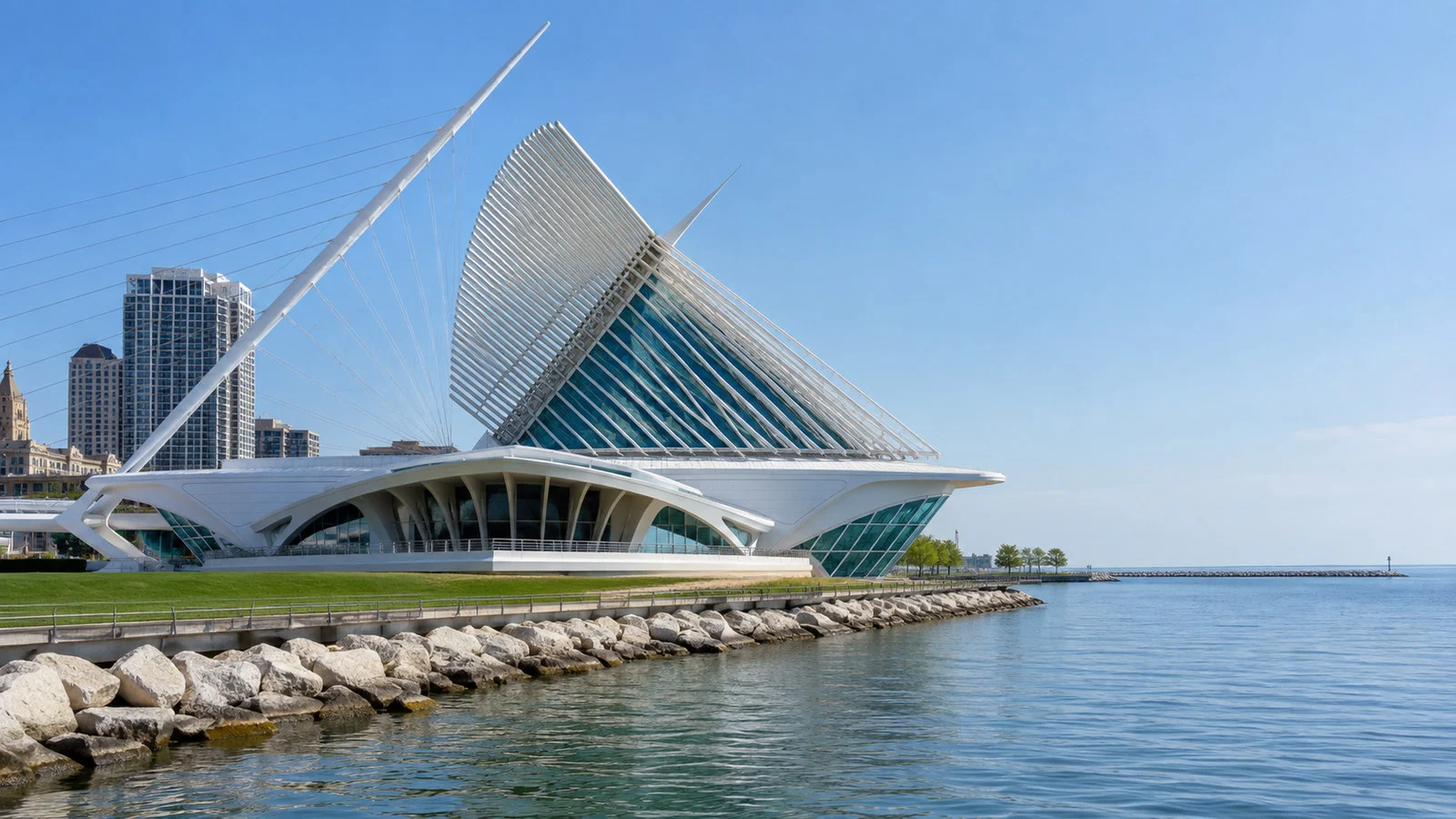
The Milwaukee Art Museum is the strongest cultural choice near Pier Wisconsin. Its lakefront campus and Santiago Calatrava-designed Quadracci Pavilion make the exterior worthwhile even before you enter.
The museum is currently closed Monday and Tuesday, open Wednesday from 10 a.m. to 5 p.m., Thursday from 10 a.m. to 8 p.m., and Friday through Sunday from 10 a.m. to 5 p.m. It closes on Thanksgiving, Christmas Day, and New Year’s Day, with shorter hours on Christmas Eve.
The Burke Brise Soleil, often called the wings, moves only when weather and wind permit. Do not promise yourself a specific opening or closing display because the museum prioritizes safe operating conditions.
Allow about 90 minutes for a selective visit or longer if art is the point of your day. Check the current exhibitions before sailing so you know which galleries deserve priority.
Historic Third Ward and Public Market
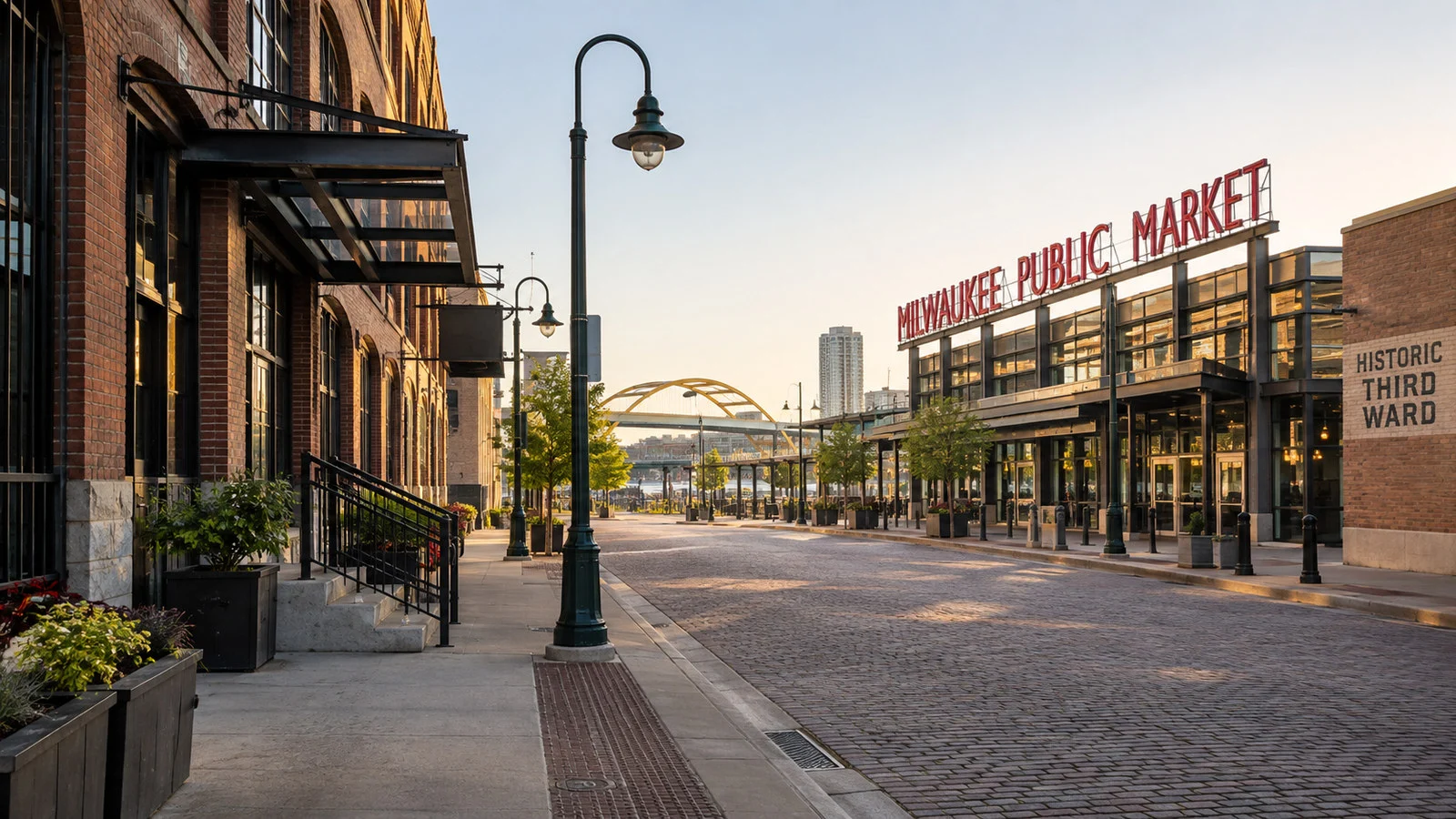
The Third Ward is Milwaukee’s easiest add-on after the art museum. Restored warehouses, galleries, shops, restaurants, and the Milwaukee Public Market make it flexible enough for an hour or an afternoon.
Use the market for a quick lunch when you want control over timing. Vendor hours and lines vary, so leave any must-try stall until after you have checked the return clock.
A section of the RiverWalk connects the district with other downtown areas. Choose a route that moves generally back toward your ship or return pickup rather than creating a long final leg.
Harley-Davidson Museum
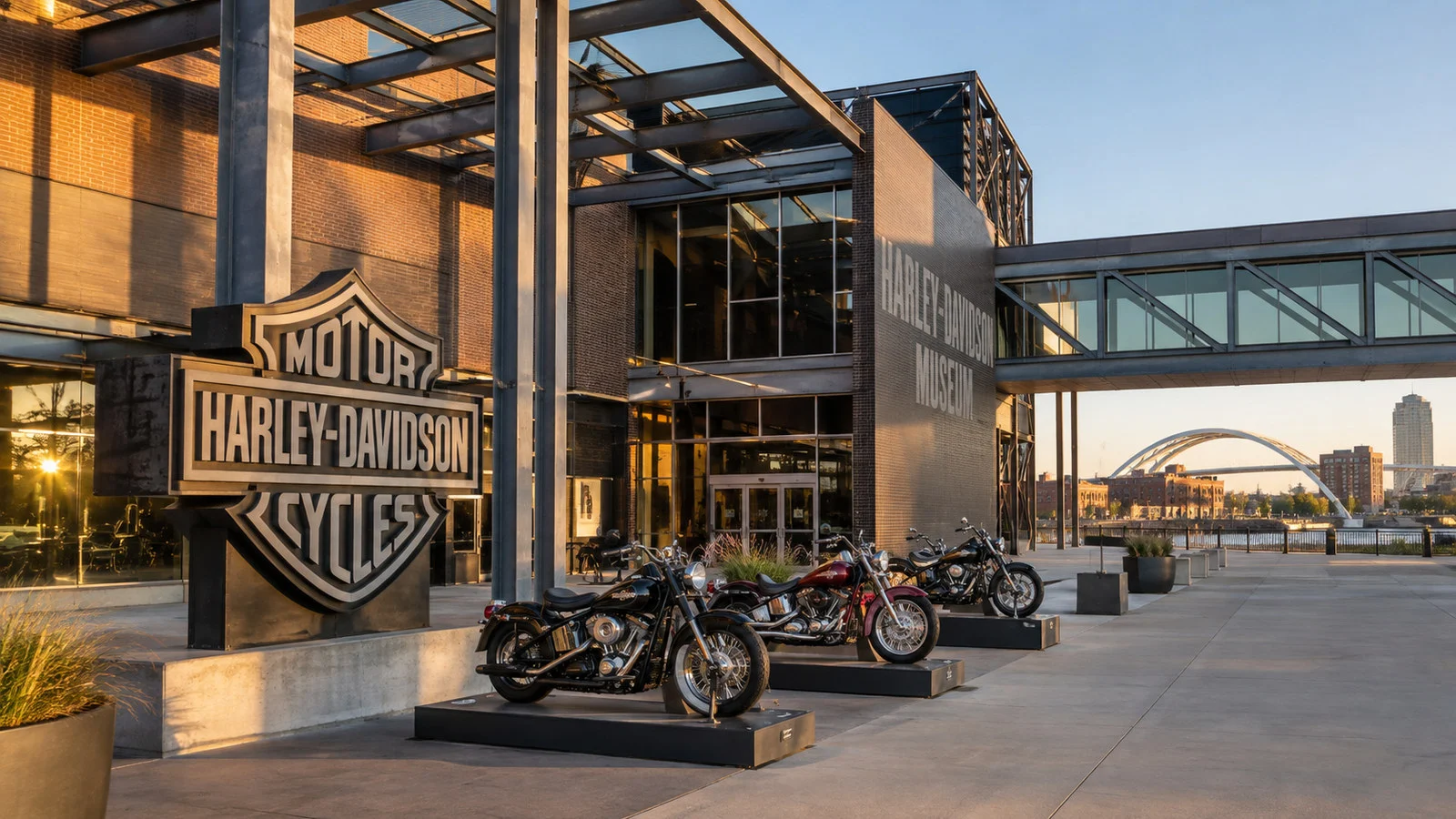
The Harley-Davidson Museum tells more than 120 years of motorcycle history on a campus at 400 West Canal Street. Its two floors combine motorcycles, archives, memorabilia, and interactive exhibits.
The official site currently lists daily hours from 10 a.m. to 5 p.m., with potential holiday variations. Recheck before visiting and reserve any guided experience that matters to you.
Use a taxi or rideshare from the berth when time is limited. Allow roughly two hours inside, then add lunch only after confirming the return ride.
This is the better single attraction on a Monday or Tuesday when the art museum is closed. It also works well for travelers who prefer one immersive visit over a long outdoor walk.
Brewery and food experiences
Milwaukee’s brewing history makes a brewery tour an obvious shore option, but operating days and reservation rules differ. Book directly with a current venue or use a cruise excursion that includes timed entry and transportation.
Walker’s Point and the Third Ward both offer restaurants and bars that can fit a self-guided plan. Pick one area rather than bouncing between neighborhoods.
If alcohol is part of the day, use organized or hired transportation. Keep the tasting modest because you still need to navigate the port and gangway safely.
Ship excursion or independent day?
Independent sightseeing works especially well from Pier Wisconsin when your chosen attraction is open. The museum and Third Ward combination is easy to shorten if the ship changes its schedule.
A ship excursion is more useful from a transport-dependent berth, during a short call, or for a route with reserved brewery visits. Read the exact stop durations because a city highlights tour can spend more time in traffic than inside attractions.
Travelers with limited mobility may also value coordinated transportation. Confirm the lift, ramp, storage, and walking requirements before booking rather than relying on a general accessible label.
Accessibility and mobility planning
Ask the cruise line about gangway slope, berth surface, distance to the pickup point, and accessible shuttle equipment. Those details vary by vessel and dock even though much of Milwaukee’s lakefront is relatively level.
The art museum says elevators reach all museum levels and the Reiman Pedestrian Bridge. Personal mobility devices are welcome, manual wheelchairs are available at admissions, and service animals are permitted.
The Hop provides accessibility information for its streetcars, but wheels can catch in rails. Cross tracks at a right angle and use marked accessible platforms.
Historic storefronts can have individual thresholds or restroom limits. Contact any essential stop and reserve an accessible ride instead of assuming one will be available at the berth.
Weather and what to pack
Lake Michigan can make the waterfront cooler and windier than inland neighborhoods. Bring a light waterproof layer, comfortable closed-toe shoes, sun protection, and a warm layer even when the morning feels mild.
Check the National Weather Service Milwaukee office plus the ship’s notices. Thunderstorms, strong wind, heat, smoke, or poor air quality can change an outdoor plan.
Only the cruise line can confirm whether a call or gangway operation will proceed. Keep one indoor alternative ready when the lakefront becomes uncomfortable.
Safety and return timing
Use normal city awareness downtown and keep phones, wallets, and bags secure. Choose well-used routes and a direct ride after dark or in poor weather.
Return using the ship’s stated all-aboard time, not the public departure time. Allow more margin from South Shore or City Heavy Lift because you may need to cross a secure gate or shuttle zone.
Save the berth and port-agent information offline. If traffic or another delay develops, contact the local representative before the deadline rather than hoping the problem disappears.
Milwaukee as a turnaround port
Milwaukee also serves as an embarkation or debarkation city for some Great Lakes voyages. Confirm the terminal, luggage procedure, transfer, and check-in window before buying flights.
Port Milwaukee says it does not offer long-term cruise-passenger parking. Follow the cruise line’s hotel or parking guidance and use current airport options rather than assuming the dock has voyage-length parking.
For same-day flights, follow the cruise line’s minimum timing. Luggage release, border processing, weather, traffic, and airline deadlines can all stretch the transfer.
Passports and border formalities
Many Great Lakes cruises combine U.S. and Canadian ports. Documentation depends on citizenship, itinerary, and cruise line, so carry the exact passport or travel document required for the full voyage.
Follow onboard instructions for immigration inspections even when you plan to stay on the ship. Review the broader Canada cruise ports guide, then confirm current requirements with the relevant governments.
Choose a plan by available time
With about three hours, choose one attraction close to the berth and arrange the return first. From Pier Wisconsin, use the art museum when open or combine its exterior with a short Third Ward walk.
With about five hours, pair the art museum with the Third Ward and Public Market. An alternative is a proper Harley-Davidson Museum visit followed by lunch nearby.
With a full day, add a neighborhood or reserved food-and-drink experience after one major museum. Do not spend the extra time crisscrossing the city without a clear transportation plan.
Quick answers
Does Milwaukee have one cruise terminal?
No. Port Milwaukee publishes ship-specific assignments that can include Pier Wisconsin, South Shore Cruise Dock, and City Heavy Lift Dock.
Can I walk from the ship?
Pier Wisconsin supports the easiest downtown walk. At the other berths, follow the cruise line’s transfer guidance instead of assuming the same route.
Is The Hop free?
Yes, the streetcar’s official site currently says no ticket or voucher is required. Check the live route and alerts before relying on it.
What should I do on Monday or Tuesday?
The art museum is currently closed both days. Consider the Harley-Davidson Museum, Third Ward, Public Market, RiverWalk, or a ship excursion after confirming current hours.
Do I need a ship excursion?
Not for a straightforward Pier Wisconsin museum and downtown day. An excursion becomes more useful for a short call, a transport-dependent berth, or reserved brewery visits.
Where can I park for a cruise?
Port Milwaukee does not provide long-term cruise-passenger parking. Use the cruise line’s recommendations and verify any independent option directly.
The last word
Milwaukee is a rewarding Great Lakes stop when the plan matches the berth and opening hours. Pick one anchor attraction, add a nearby district, and protect the ride back.
For the wider route, use the Great Lakes cruise ports guide. Then save Port Milwaukee’s schedule and your ship’s own instructions, because those details decide whether the day begins with a walk or a ride.
How this guide was researched: Unless a first-hand visit is explicitly identified above, this guide is based on independent research using official port, tourism, transit, government, and attraction sources where available. Logistics and time-sensitive details were reviewed in September 2026; see our Editorial Policy.