Canada Cruise Ports: Halifax, Quebec and Vancouver Guide
Canada’s cruise map stretches from Atlantic fishing harbors and the Saint Lawrence River to the Great Lakes, Pacific coast, and Hudson Bay. The ports share a country, but the experience ashore changes completely from a walkable historic center to a wildlife-focused expedition landing.
That variety is exactly why I would choose the itinerary before obsessing over the ship. Halifax and Quebec City reward easy independent wandering, Vancouver and Montreal work beautifully before or after a cruise, while Saguenay, Prince Rupert, and Churchill make the strongest case for a planned nature outing.
My quick take on Canada’s cruise ports
For a first Canadian cruise, I would pick an Atlantic and Saint Lawrence itinerary with Halifax, Quebec City, Montreal, and Saguenay. It combines history, food, a genuinely scenic river approach, and several days that do not require expensive transportation.
For mountains and a classic Alaska gateway, Vancouver and Victoria are the natural pair, with Prince Rupert adding a quieter northern coast experience. Toronto belongs to smaller Great Lakes itineraries, while Churchill is a specialist expedition choice that demands more flexibility.
The Quick Facts
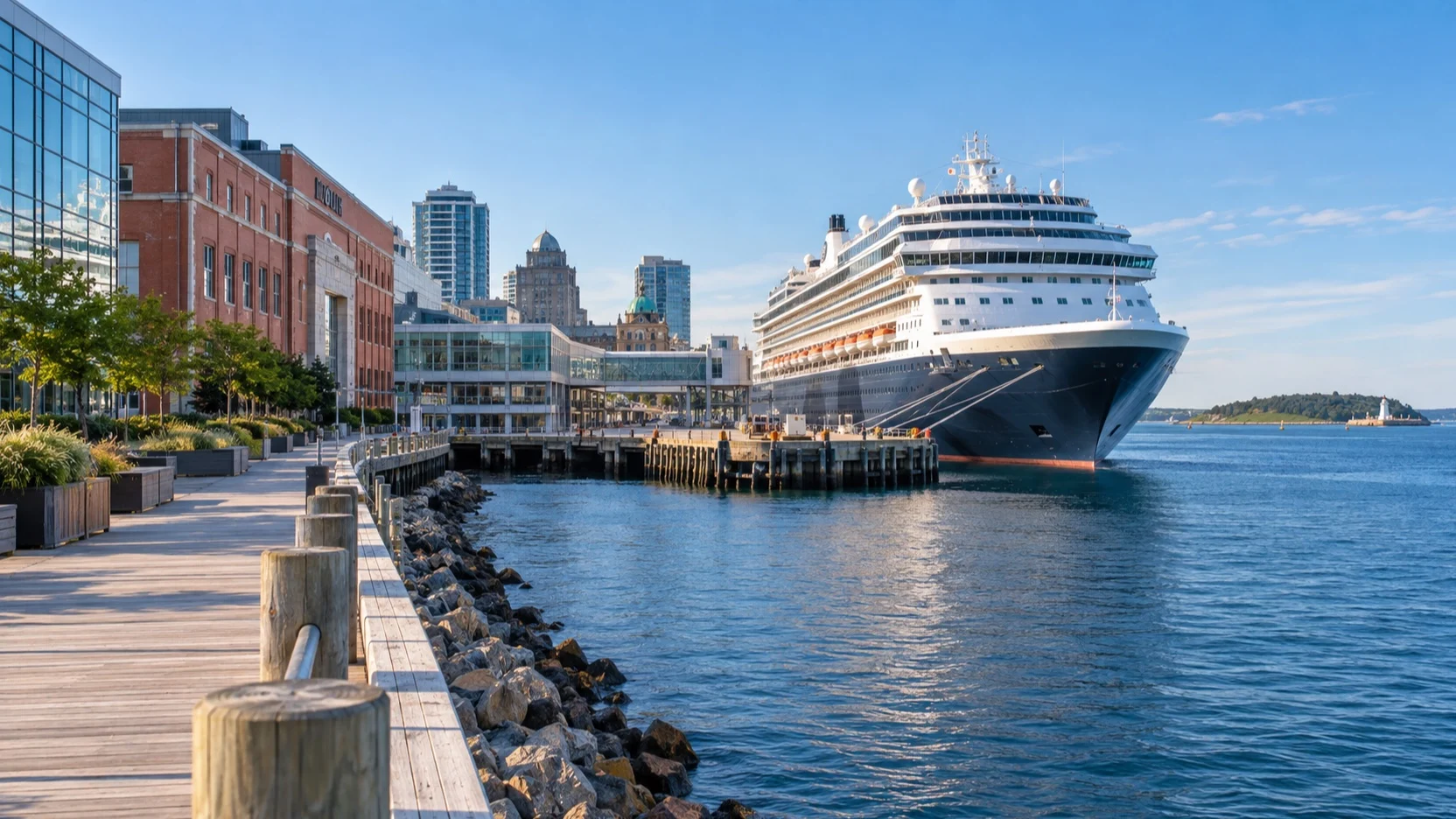
- Halifax, Nova Scotia: Ships usually berth at the Halifax Seaport, where the waterfront and Pier 21 are close to the gangway.
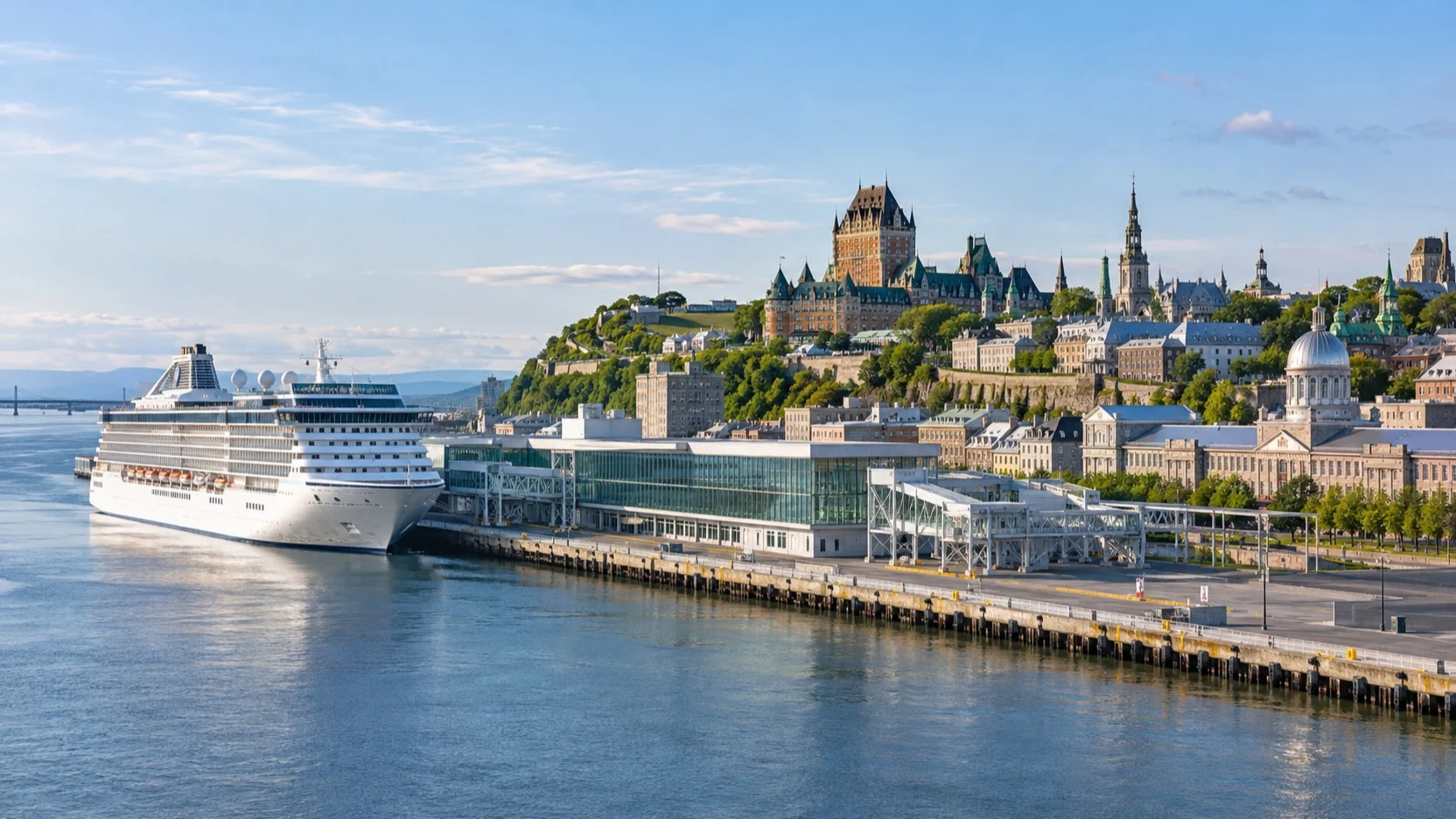
- Quebec City, Quebec: Several cruise wharves serve the city, and the assigned berth determines the walk or transfer to Old Quebec.
- Montreal, Quebec: Grand Quay is beside Old Montreal, but terminal 3 and other berths can add a transfer.
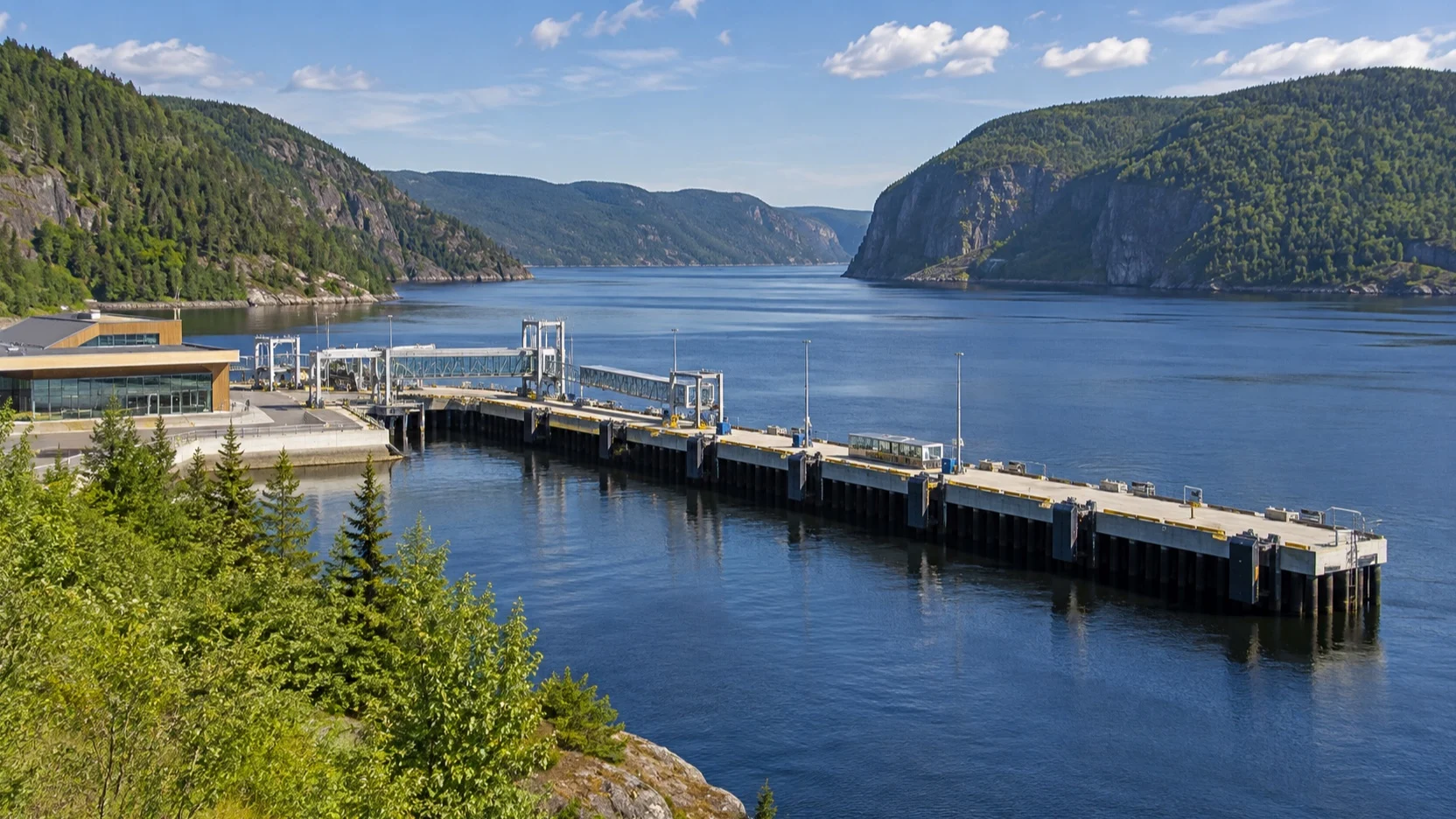
- Saguenay, Quebec: La Baie is the cruise arrival point for fjord scenery and regional excursions.
- Toronto, Ontario: Great Lakes ships use the Port Lands area, which requires a planned trip to downtown.
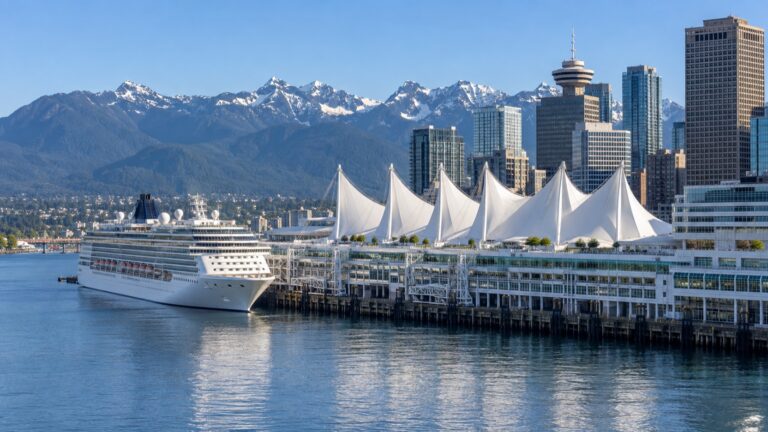
- Vancouver, British Columbia: Canada Place is a downtown terminal and the country’s leading Alaska cruise gateway.
- Victoria, British Columbia: The Breakwater District at Ogden Point is walkable for some guests, with shuttles, taxis, and tours also available.
- Prince Rupert, British Columbia: The cruise berth is close to Cow Bay, while wildlife and rainforest trips require advance booking.
- Churchill, Manitoba: Expedition-style calls involve remote logistics and may use small boats rather than a conventional city terminal.
Halifax Cruise Port
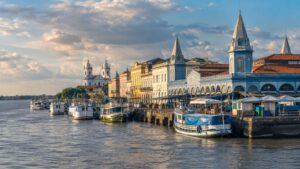
Halifax is one of Canada’s easiest independent cruise calls when the ship uses the central seaport berths. The waterfront boardwalk begins near the terminal area, and the Canadian Museum of Immigration at Pier 21 is a natural first stop for travelers interested in the country’s migration story.
Continue along the waterfront for public art, restaurants, harbor views, and connections toward the Maritime Museum of the Atlantic. The climb to Halifax Citadel is noticeable, but the elevated setting helps explain the city’s long relationship with the harbor and defense.
A day trip to Peggy’s Cove is popular, though it changes the day from a city walk into a timed road excursion. Never step onto wet black rocks near the ocean, and choose an operator whose return schedule leaves a real cushion before all aboard.
Our detailed Halifax cruise port guide covers terminal variations and a sensible walking route. Halifax is my strongest recommendation for travelers who want history without needing a bus the moment they leave the ship.
Quebec City Cruise Port
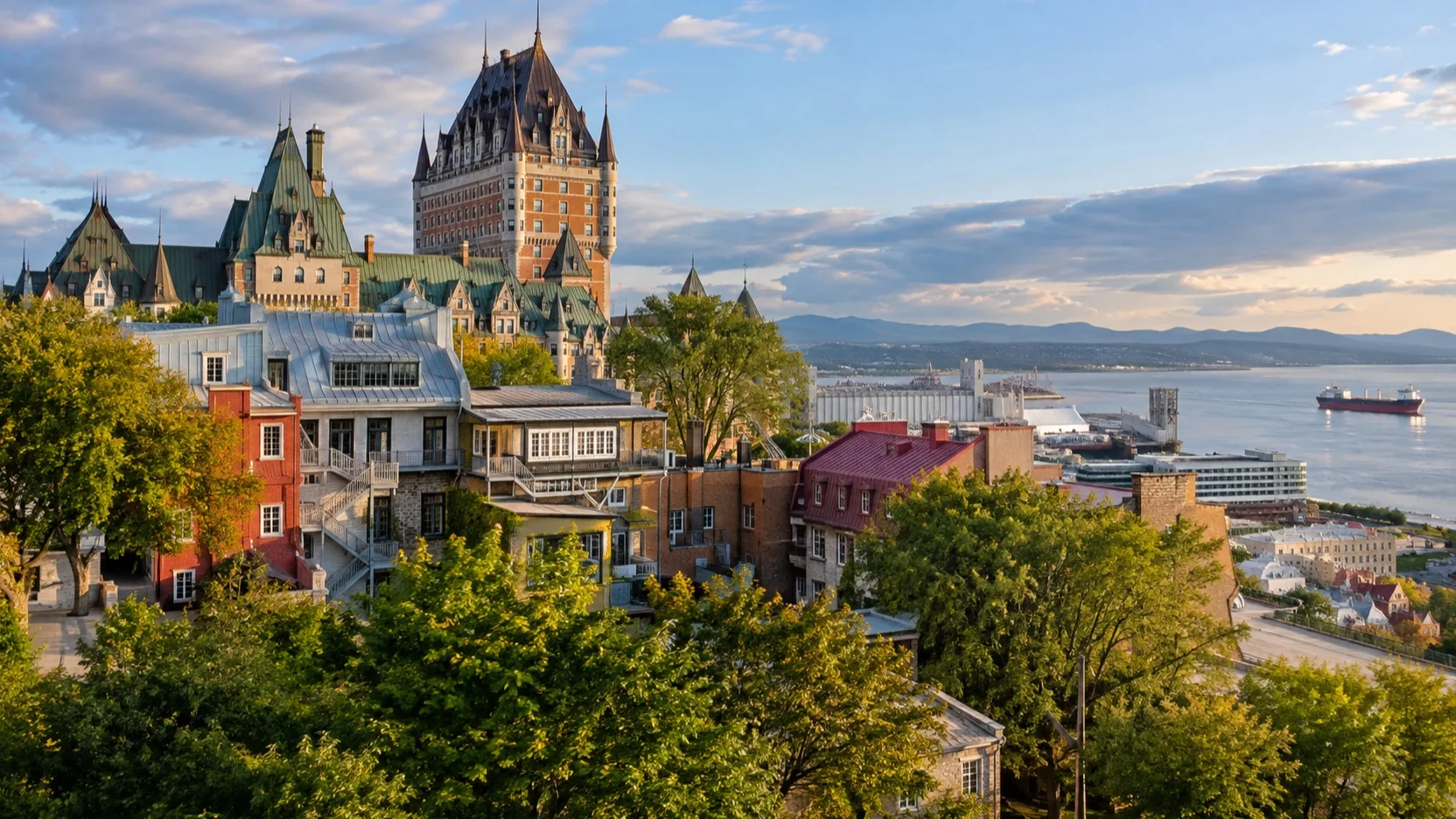
Quebec City delivers the most concentrated historic atmosphere of the major Canadian ports. The Historic District of Old Quebec is a UNESCO World Heritage property, and its fortified upper town, lower town, and river setting reward a full day on foot.
The challenge is that Quebec City’s cruise facilities use several wharves, so a previous traveler’s walking time may not match yours. Check the Port of Quebec cruise information and your ship’s daily program for the exact berth and any shuttle arrangements.
Petit-Champlain, Place Royale, Dufferin Terrace, and the area around Chateau Frontenac make a satisfying first loop. The funicular can reduce part of the steep climb, but lines and accessibility arrangements should be checked on the day.
Our Quebec City cruise port guide explains the wharves and walking options in more detail. If Quebec City is an overnight or turnaround port, use the extra time for a slower evening after day visitors have thinned out.
Montreal Cruise Port
Montreal is both an urban port call and a major embarkation city on Saint Lawrence itineraries. Grand Quay puts terminals 1, 2, and 4 beside Old Montreal, while terminal 3 and other operational berths can change the transfer.
The Port of Montreal schedule lists planned ships and berths, making it the best planning starting point before you leave home. Your cruise line remains the final authority for check-in, luggage, and last-minute assignment changes.
A first visit should focus on Notre-Dame Basilica, Place d’Armes, Pointe-a-Calliere, Rue Saint-Paul, and the Old Port waterfront. Mount Royal and neighborhoods farther north are excellent, but they deserve a long call or a pre-cruise hotel stay.
Use our Montreal cruise port guide for current terminal and airport-transfer planning. Montreal is the port where one extra hotel night can add more value than one more rushed shore excursion.
Saguenay Cruise Port
Cruise ships visiting Saguenay generally arrive at La Baie, where the community and fjord landscape shape the welcome. The immediate port area is pleasant, but the region’s biggest rewards come from the water, lookout points, and cultural experiences beyond a quick stroll.
The Saguenay Fjord is the main attraction, yet the best way to see it depends on weather and mobility. A boat outing gives a water-level perspective, while road excursions can reach elevated views and communities around the fjord.
Beluga whales live in the broader Saguenay and Saint Lawrence marine environment, but a port call never guarantees a sighting. Choose wildlife trips for the overall scenery and interpretation, then treat any animal encounter as a bonus.
Our Saguenay cruise port guide compares local touring choices. This is one of the calls where I would book ahead, particularly if a fjord cruise or small-group nature trip is the reason you chose the itinerary.
Toronto Cruise Port
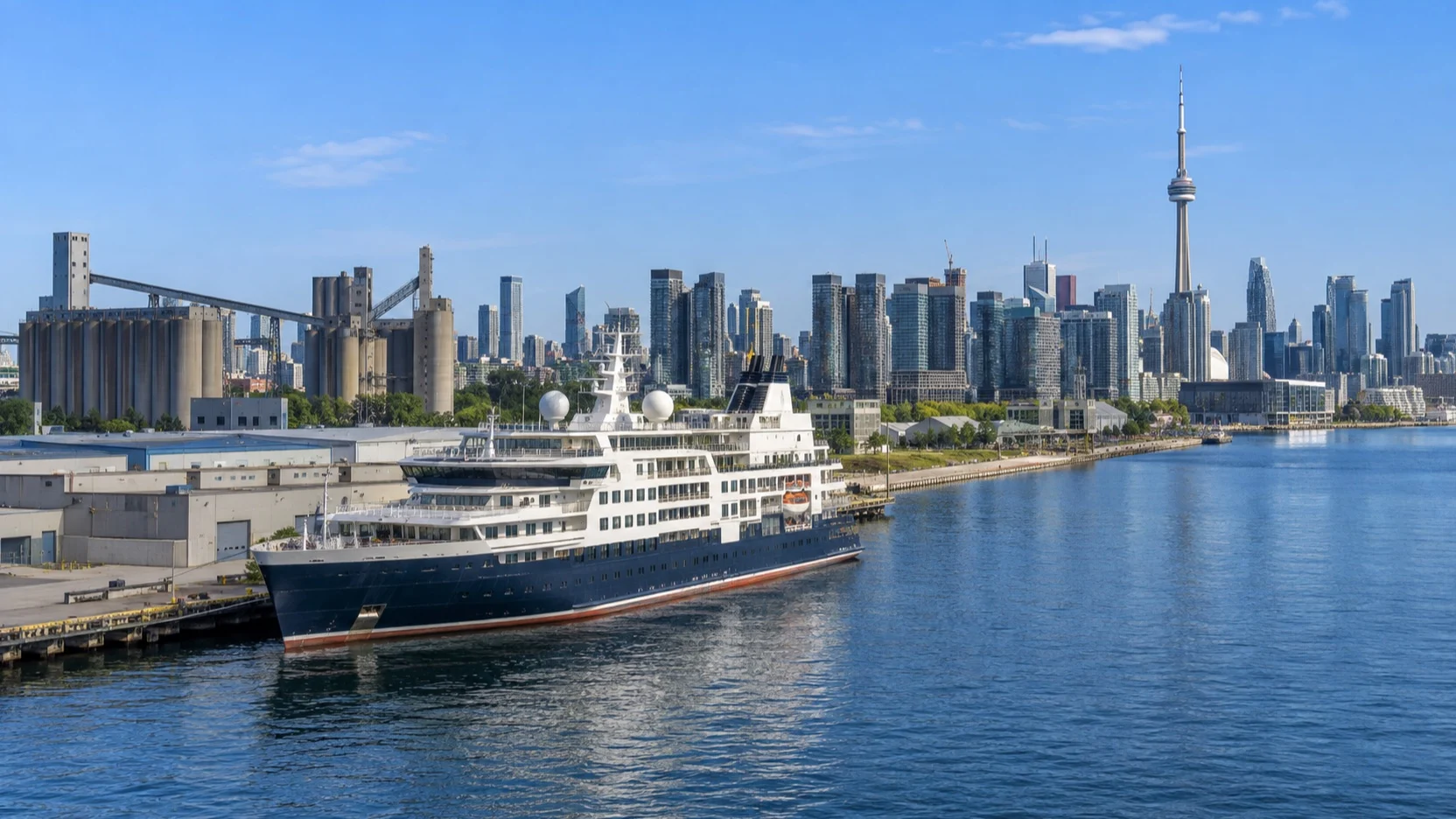
Toronto appears on Great Lakes cruises rather than ocean itineraries, usually aboard smaller ships that can navigate the regional locks and waterways. The cruise terminal is in the Port Lands, so the arrival feels less immediately central than Vancouver, Montreal, or Halifax.
Downtown attractions require a planned taxi, rideshare, shuttle, tour, or current transit connection. Once there, the waterfront, Saint Lawrence Market, Distillery District, Royal Ontario Museum, and neighborhoods offer far more than a single day can cover.
A trip up the CN Tower depends on timed admission, visibility, and the rest of your route. If the weather is poor, I would use the day for a museum, market, and one neighborhood rather than spending valuable hours waiting for a clouded-in view.
Our Toronto cruise port guide explains the terminal-to-center gap. Toronto works best when you decide on one theme before arrival, whether that is food, architecture, museums, or the waterfront.
Vancouver Cruise Port
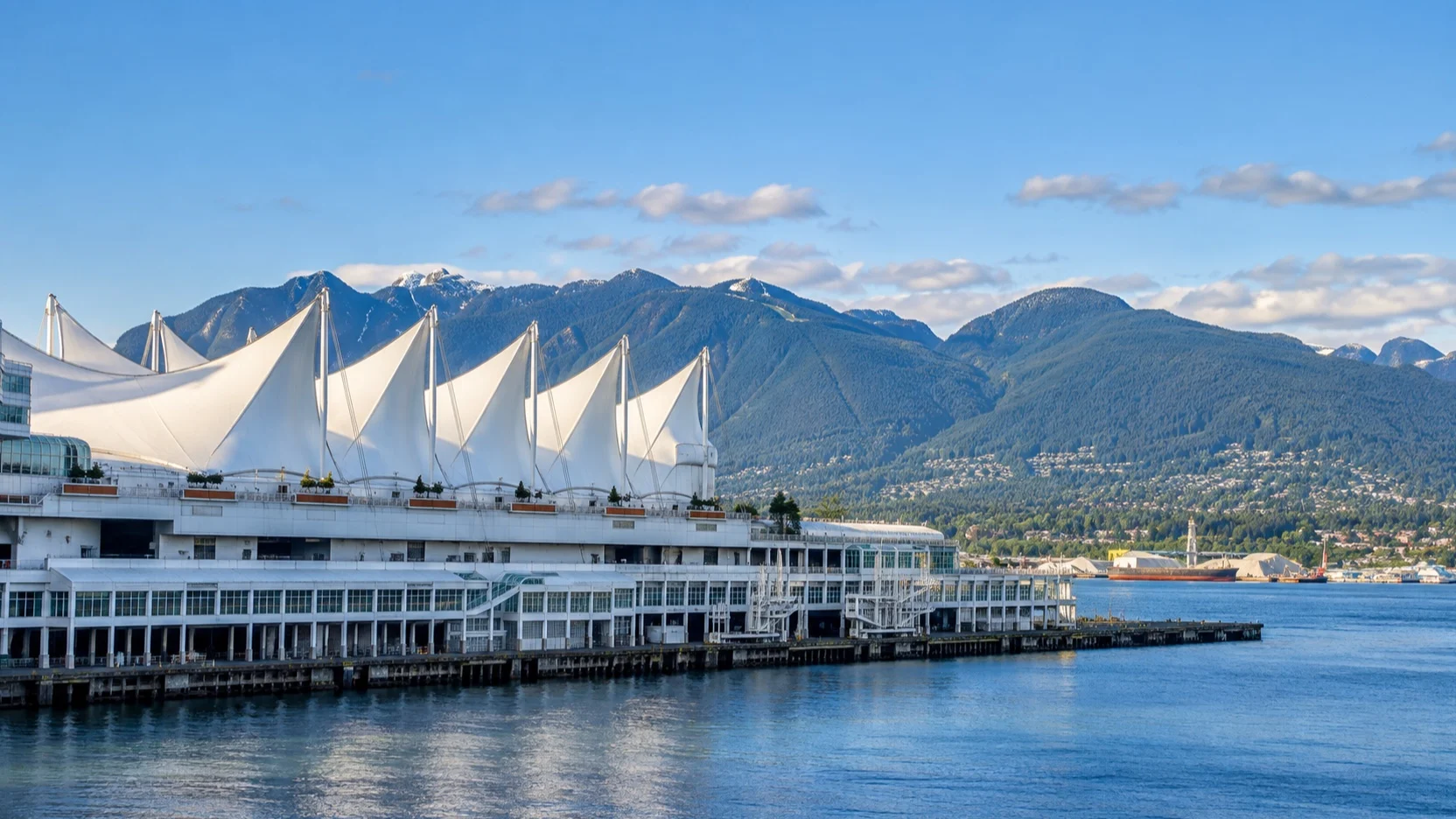
Vancouver is Canada’s principal Alaska cruise gateway, and Canada Place occupies an enviable downtown waterfront location. Hotels, restaurants, Gastown, Waterfront Station, and the seawall are close, though embarkation-day crowds and traffic can slow even short trips.
Most passengers should arrive at least a day before sailing because a delayed flight leaves little room to recover. The Canada Line connects Vancouver International Airport with downtown, but travelers with heavy luggage may prefer a taxi depending on mobility and hotel location.
Stanley Park is the obvious scenic choice, while Granville Island suits travelers who want food and artisan shops. Neither should be squeezed between airport arrival and cruise check-in without enough margin for luggage, transport, and security.
Our Vancouver cruise port guide covers Canada Place and nearby transport. Vancouver deserves a pre-cruise stay because the mountains, waterfront, neighborhoods, and museums are too good to reduce to a hurried embarkation morning.
Victoria Cruise Port
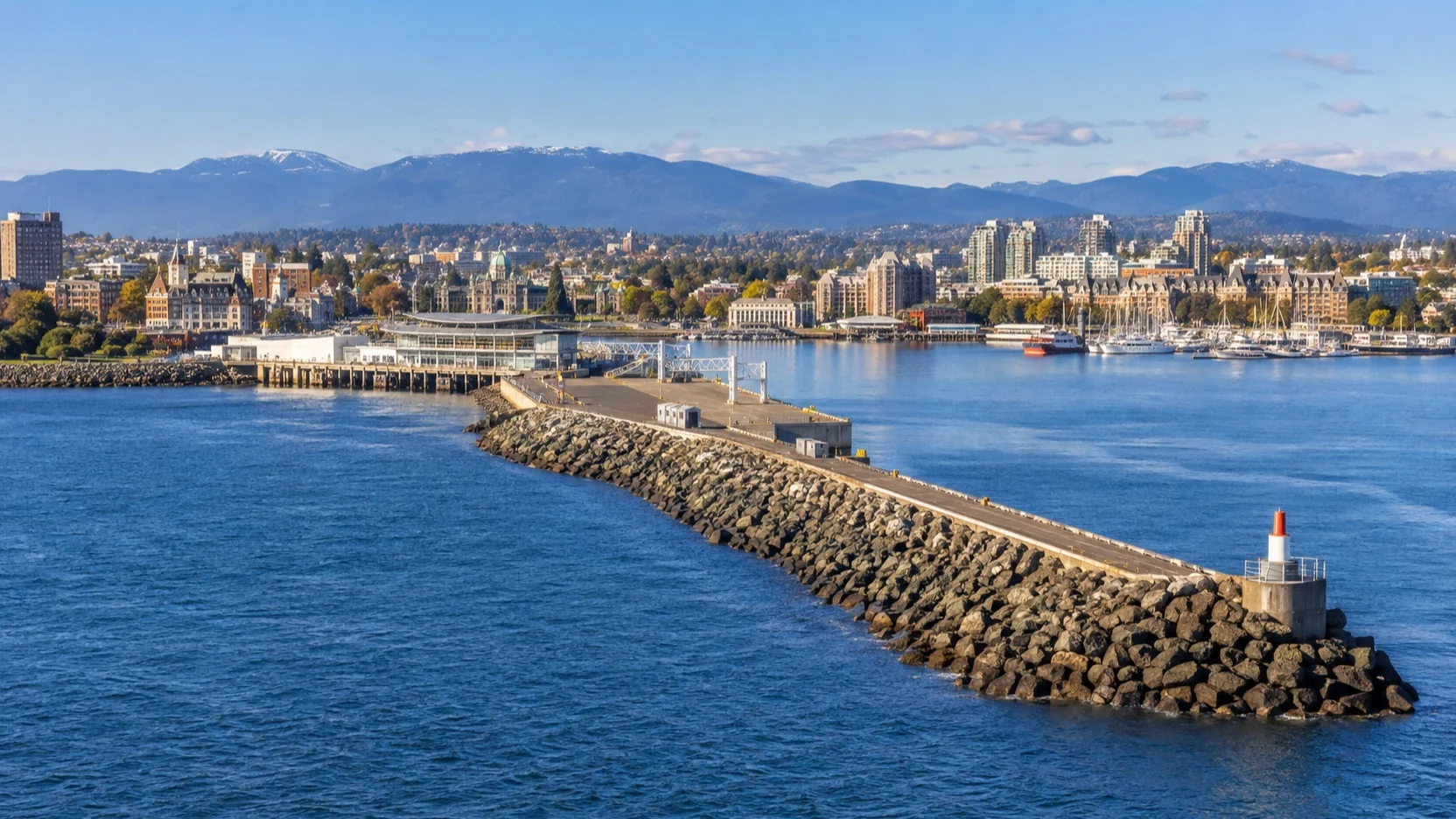
Victoria’s cruise ships berth in the Breakwater District at Ogden Point, south of the Inner Harbour. The Greater Victoria Harbour Authority says visitors can walk or use shuttles into the city, while terminal-based operators also offer taxis, pedicabs, tours, and other seasonal options.
The harbor authority’s passenger information highlights the Inner Harbour, downtown, James Bay, and the waterfront breakwater. The breakwater itself is a scenic option near the ship, but wind and surface conditions matter for travelers with limited balance.
The Inner Harbour puts the Parliament Buildings, Royal BC Museum, and Fairmont Empress into one compact area. Butchart Gardens sits well outside central Victoria, so it requires booked transport and enough port time to absorb road delays.
Our Victoria cruise port guide compares the walk, shuttle, and garden options. On a short evening call, stay close to the harbor rather than sacrificing the whole visit to a long round trip.
Prince Rupert Cruise Port
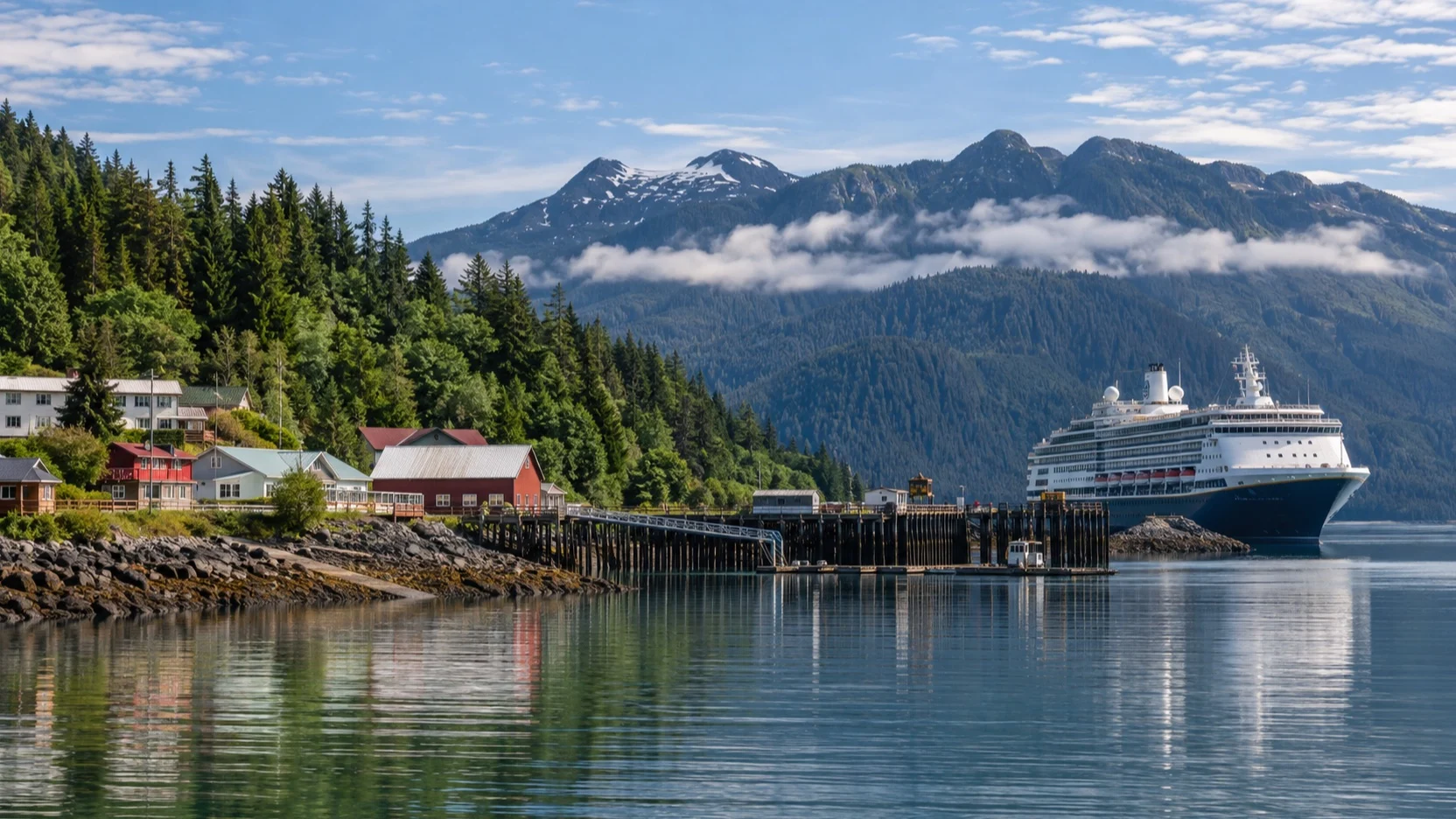
Prince Rupert provides a quieter British Columbia coast experience, with the cruise arrival near Cow Bay and the city center. The setting feels more intimate than Vancouver or Victoria, but the region’s celebrated wildlife and rainforest experiences extend well beyond the dock.
The Museum of Northern British Columbia is a strong cultural stop close to town, with exhibitions connected to the region and its Indigenous peoples. Approach cultural sites with respect, follow photography rules, and choose Indigenous-led experiences when available.
Bear viewing, whale watching, fishing, and remote nature trips are highly seasonal and weather dependent. Book through a reputable operator, understand the cancellation terms, and accept that ethical wildlife viewing never promises where an animal will appear.
Our Prince Rupert cruise port guide covers what is walkable and which outings need transport. I would either commit to a nature excursion or enjoy a slow town day, rather than trying to do both at full speed.
Churchill Cruise Port
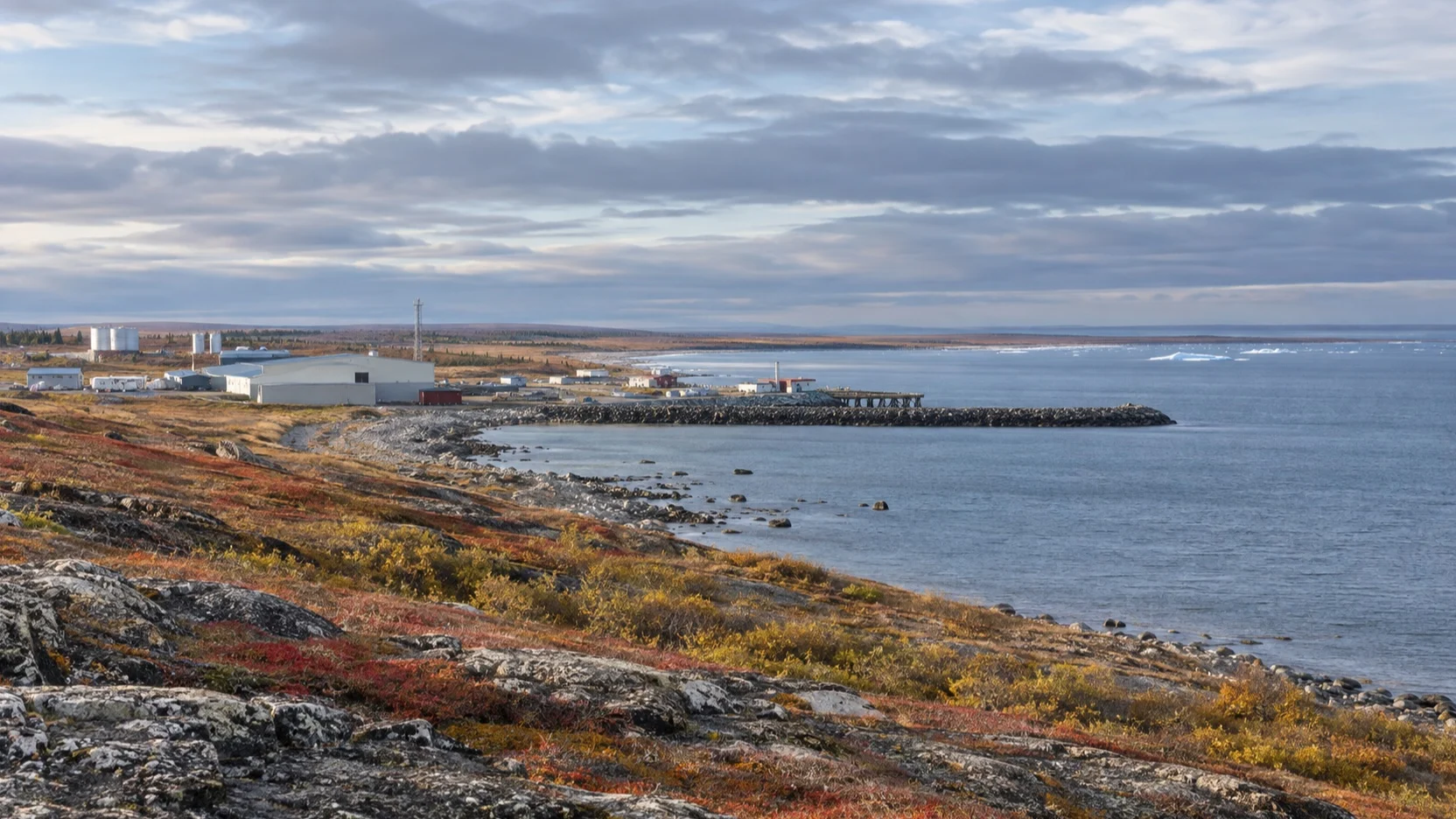
Churchill is not a conventional cruise port with a downtown terminal and a fleet of waiting coaches. It is a remote Hudson Bay community reached by rail, air, or sea, and expedition itineraries may depend on small-boat operations, local conditions, and flexible schedules.
The town is internationally associated with polar bears, while summer also brings beluga activity in the Churchill River and Hudson Bay area. Wildlife remains wild, so sightings, landing conditions, and time ashore can never be guaranteed.
Never walk beyond approved areas or approach a bear for a photograph. Follow local guides and bear-safety instructions without improvising, because conditions that look calm can change quickly and the consequences of ignoring boundaries are serious.
Our Churchill cruise port guide explains the special logistics, while the Northwest Passage ports guide adds context for longer Arctic routes. Churchill should be chosen for expedition uncertainty as much as for any single hoped-for sighting.
How to choose the right Canadian itinerary
Choose Atlantic Canada for walkable history
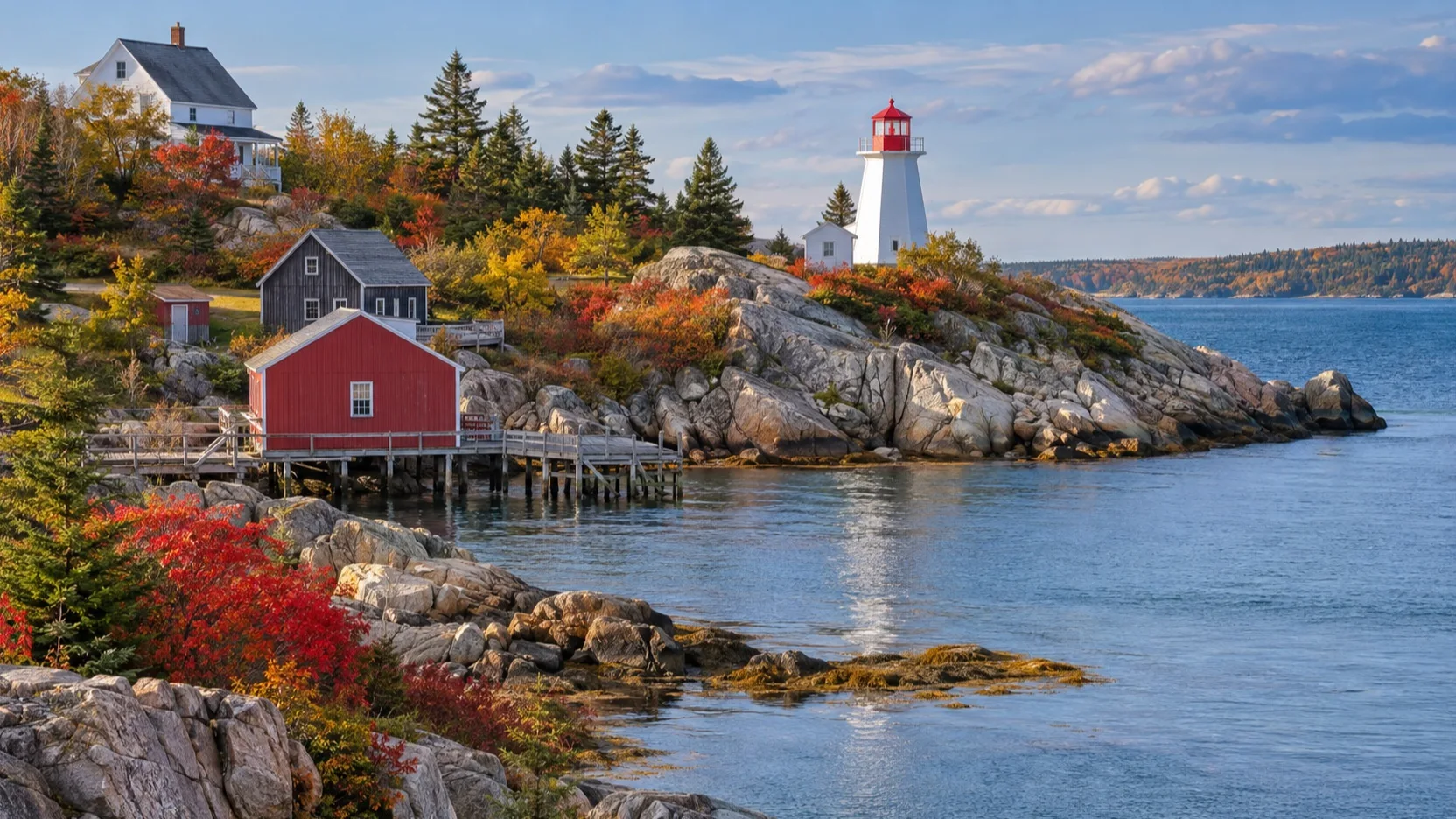
Halifax and other Atlantic ports are strong choices for travelers who like maritime history, seafood, compact waterfronts, and day trips to coastal communities. Fall sailings add the possibility of foliage, but color timing and weather vary every year.
Choose the Saint Lawrence for cities and scenery
Quebec City and Montreal provide the deepest urban contrast, while Saguenay adds dramatic landscape between them. This route is ideal if different people in your group want architecture, food, museums, and nature without booking separate vacations.
Choose the Pacific coast for Alaska connections
Vancouver is the practical embarkation hub, Victoria offers an elegant harbor city, and Prince Rupert brings a northern coastal character. These ports pair naturally with Alaska, but border formalities and ship schedules still require careful document planning.
Choose the Great Lakes for smaller-ship cruising
Toronto and other Great Lakes calls trade open-ocean scale for inland cities, locks, islands, and freshwater geography. Ships tend to be smaller, and itineraries can include both Canadian and United States ports, so carry the documents required for every border crossing.
Choose Churchill for expedition travel
Churchill belongs in a different category from an ordinary city call. Travelers need realistic expectations about small boats, wildlife rules, weather, and the possibility that the planned sequence changes for safety.
Dock, tender, or expedition landing
Most large urban ports in this guide use alongside berths, but that does not mean every gangway opens into the city center. Montreal, Quebec City, and Halifax can use alternate facilities, Toronto requires a transfer from the Port Lands, and Victoria begins outside the Inner Harbour.
Tender and small-boat operations are more likely in expedition settings or at remote stops. Your cruise line controls passenger transfer based on the vessel, berth, weather, water, and local requirements, so no general guide can replace the instructions issued onboard.
Entry documents and border planning
Canada’s document rules depend on nationality, passport, mode of arrival, and itinerary. Immigration, Refugees and Citizenship Canada’s official visit Canada page directs travelers to the current visa or electronic travel authorization checker.
An electronic travel authorization is associated with flying to Canada for eligible visa-exempt travelers, while arriving by sea can involve different requirements. Do not copy a fellow passenger’s answer because their passport, residency, or arrival method may differ from yours.
United States port calls on an Alaska, New England, or Great Lakes itinerary can trigger separate entry requirements. Check every country on the route and ensure your passport validity meets both government and cruise-line rules.
Currency, tax, and payment
Canadian dollars are used throughout the country, and cards are widely practical in the ports covered here. Carry a modest backup payment method because small vendors, connectivity issues, and remote communities can limit what works.
Sales taxes vary by province, and listed prices may not always reflect the final amount you pay. Tipping practices also vary by service, so review the bill before adding anything automatically.
If a card terminal offers to charge you in your home currency, the displayed conversion may include an unfavorable rate. Selecting Canadian dollars lets your card issuer handle the exchange under its own terms.
Language and cultural respect
English is widely used in most ports, while French is the official language of Quebec and shapes daily life in Quebec City, Montreal, and Saguenay. A greeting in French is courteous even when the rest of the conversation continues in English.
Many Canadian cruise regions are on the traditional and present-day lands and waters of Indigenous peoples. Choose respectful interpretation, follow community rules, and avoid treating living cultures as decorative background for a photograph.
Accessibility across Canadian ports
Modern terminals often provide elevators, ramps, and accessible washrooms, but the route beyond the building can be the harder part. Old Quebec has steep grades, Old Montreal has uneven historic paving, Victoria begins outside the center, and remote excursions may use small craft or rough ground.
Ask the cruise line for gangway details and the tour operator for the exact vehicle and walking surfaces. The word accessible is not specific enough unless it covers the traveler’s own chair dimensions, transfer needs, steps, restroom access, and companion arrangements.
Vancouver, Montreal, Toronto, and Victoria have substantial public transit networks, though station access and construction can alter the easiest route. Use the local transit agency’s current accessibility planner instead of assuming the nearest stop is step free.
Weather and seasonal risks
Pacific and Alaska cruises concentrate in the warmer months, while Atlantic Canada and the Saint Lawrence are especially popular in late summer and fall. Great Lakes navigation also follows a seasonal pattern, and Arctic opportunities have much narrower windows shaped by ice and wildlife.
Fog, wind, heavy rain, heat, wildfire smoke, and early cold can affect different regions on the same trip. Pack layers and rain protection, keep essential medication in your day bag, and plan at least one weatherproof option for every urban port.
A port can remain open while a particular boat, flightseeing, or wildlife excursion cancels. Build the day around what the destination offers overall, not a single activity whose operation depends on ideal conditions.
Independent day or booked excursion
Halifax, central Quebec City, Montreal, Vancouver, and Victoria can all support strong independent days once you understand the assigned berth. Toronto needs more transfer planning, while Saguenay and Prince Rupert reward tours when the goal lies outside town.
A ship excursion provides schedule coordination, but an independent operator may offer a smaller group or more specialized experience. Compare the actual route, accessibility, cancellation terms, and return plan instead of deciding on price alone.
Churchill and remote expedition calls are different because the expedition team and local safety framework determine what is possible. Flexibility is part of the product, not a failure of planning.
Frequently asked questions
Which Canadian cruise port is best for a first visit?
Quebec City is the most immediately atmospheric, while Halifax may be the easiest all-around independent day. Vancouver is the strongest choice when you can add hotel nights before an Alaska cruise.
Which ports are easiest to walk from the ship?
Halifax, Grand Quay in Montreal, Canada Place in Vancouver, central Quebec City wharves, and Prince Rupert can be very convenient. Always verify the berth because an alternate terminal can change that answer.
Which Canadian port is best for scenery?
Saguenay is the standout for a fjord-focused day, while Vancouver combines mountains, water, and skyline. Prince Rupert and Churchill offer more remote landscapes, but the best experiences usually require an organized outing.
Do Canadian ports use tenders?
Most major urban calls covered here normally berth alongside, though operational exceptions can occur. Expedition and remote calls may use small boats, and the captain can change the plan when conditions are unsafe.
Do I need Canadian dollars?
Cards cover many purchases, but Canadian cash is the useful backup. Remote communities and small vendors may offer fewer payment options than Vancouver, Montreal, or Toronto.
How early should I return to the ship?
Use the all-aboard time printed by your cruise line and return with extra margin. Add more when your outing depends on a highway, ferry, small boat, wildlife search, or multiple public-transit connections.
The bottom line
Canada’s best cruise port depends on the day you want, not a universal ranking. Choose Halifax or Quebec City for easy history, Montreal or Vancouver for a bigger urban stay, Saguenay or Prince Rupert for nature, Toronto for Great Lakes cruising, and Churchill for a true expedition.
The small planning details matter most: exact berth, border documents, weather backup, and return transport. Once those are settled, Canada’s variety becomes its greatest strength rather than a reason to overpack every port day.


This guide was last reviewed on September 11, 2026. Berths, border rules, excursion access, and seasonal operations can change, so confirm final details with your cruise line, the relevant port, and official Canadian authorities.