Churchill Cruise Port: Polar Bears & Belugas on Hudson Bay
Churchill is a remote Hudson Bay port of about 900 people with no highway connection to the rest of Canada. A cruise call here is expedition-style, and the season determines whether belugas, polar bears, history, or simply subarctic scenery should lead your plan.
My quick take
Churchill isn’t a port you wander through with a shopping list. It’s an expedition-style call (small ship, remote dock, entirely weather and ice dependent) that rewards travelers who arrive with realistic expectations rather than a bucket-list checklist.
The single biggest thing to understand before you go is that Churchill is genuinely seasonal. What you’ll actually see, whether bears, belugas, aurora, or none of the above, depends almost entirely on the month your ship calls.
If you’re weighing Churchill against other Canada cruise ports, treat it as the wild-card, high-reward stop in the lineup rather than a typical shore day.
Churchill Cruise Port Quick Facts
- Where you land: The Port of Churchill, at the mouth of the Churchill River on Hudson Bay in northern Manitoba, far north of Winnipeg with no road connection.
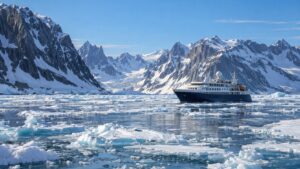
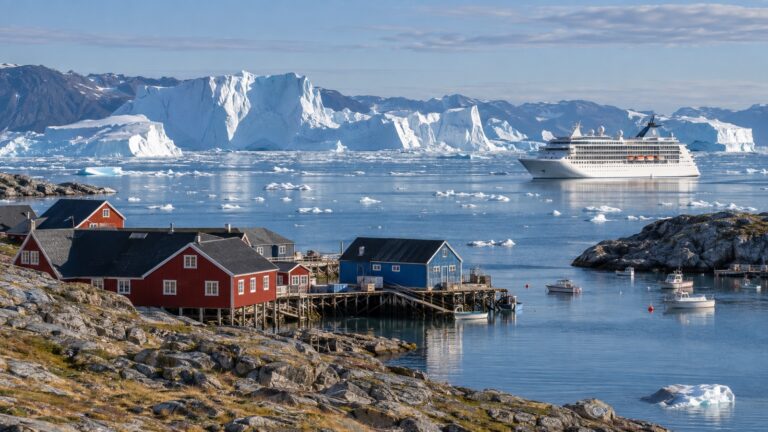
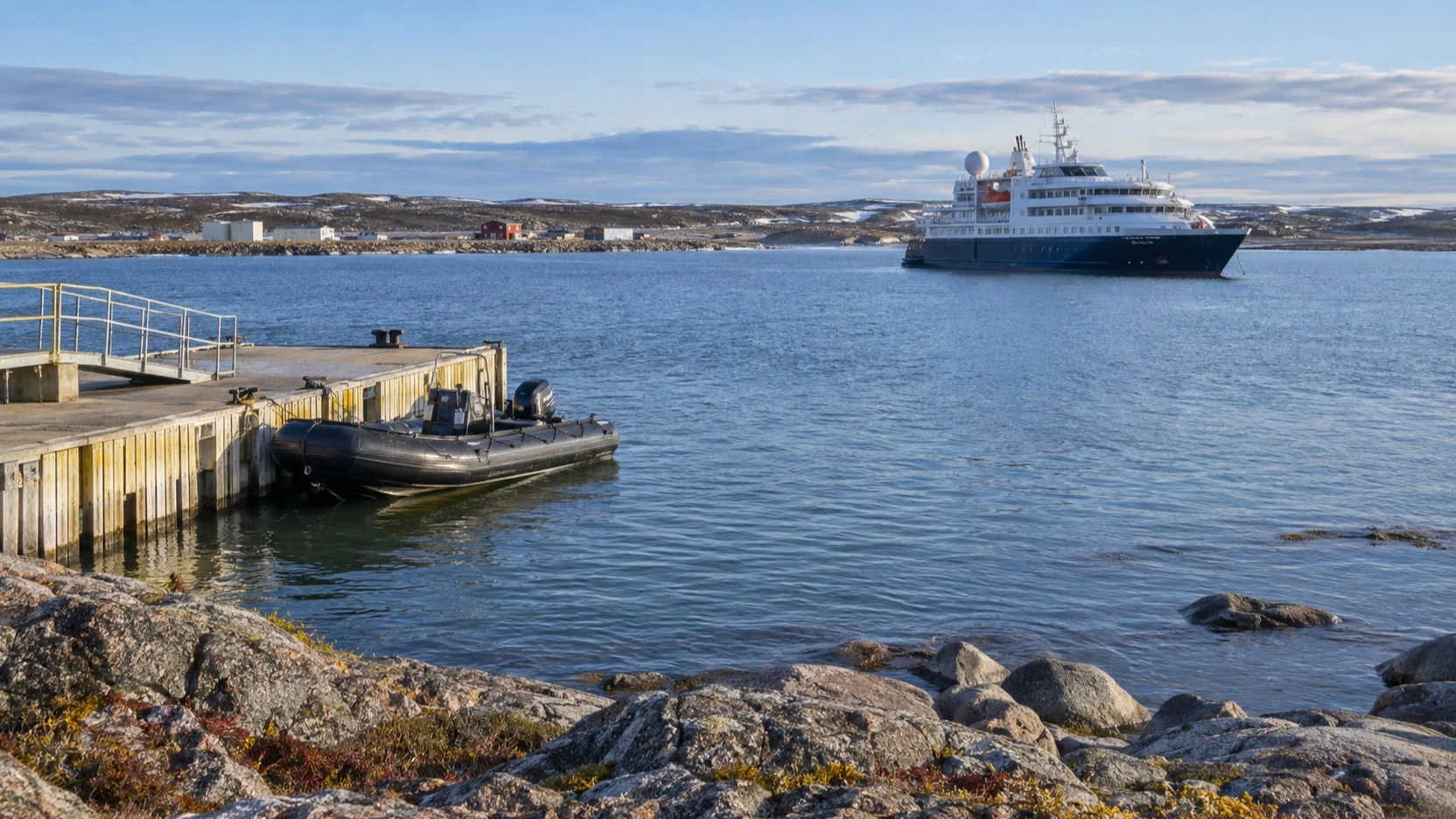
- Dock or tender: Expedition ships may berth at the deep-water port or anchor and run passengers ashore by zodiac, depending on the vessel, berth availability, ice, and weather.
- Into town: Churchill is tiny, but most wildlife excursions begin with organized transport from the port area.
- Currency and language: Canadian dollars (CAD) and English.
- Time zone: Central Daylight Time (CDT, UTC−5) in summer and Central Standard Time (CST, UTC−6) in winter.
- Weather watch: Ice, wind, visibility, and Hudson Bay conditions can change the berth, force a Zodiac operation, or cancel landing plans.
How I would confirm my own dock/tender plan
Churchill is one of the few ports where I wouldn’t trust a generic answer about docking, including mine above. The Port of Churchill has a handful of deep-water berths, but they exist to move grain and cargo, not cruise passengers, and the harbor is only workable outside the winter ice season.
Some expedition ships tie up there when a berth is available and conditions cooperate, while others anchor off and run passengers ashore by zodiac, which is standard practice for the small vessels that call here most often. Before you pack a mobility device or plan tight timing around a fixed all-aboard, I’d check directly with your cruise line’s shore excursion desk a few days out, since this is one of those itineraries where the logistics can shift with the ice.
Getting around
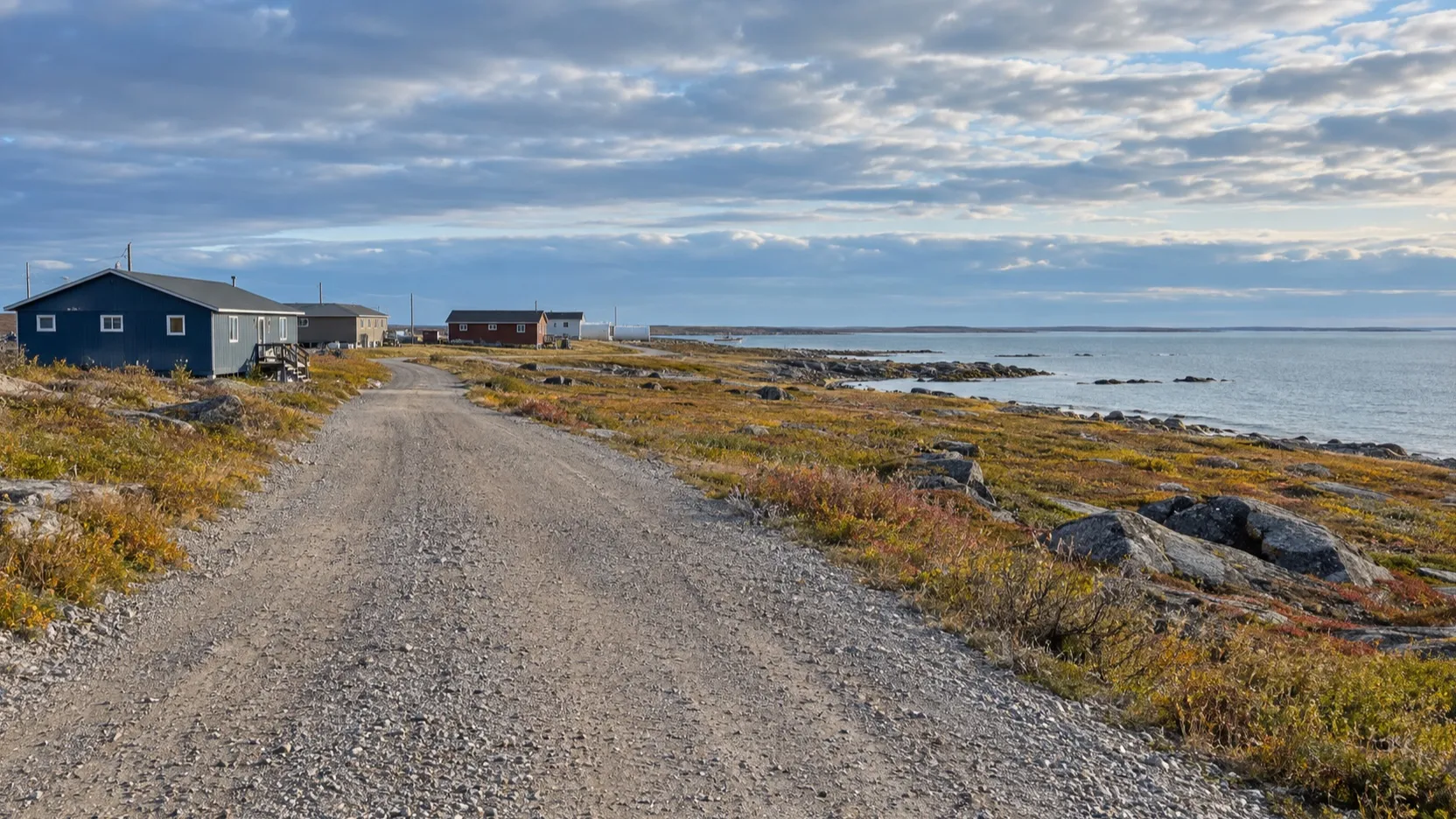
Central Churchill is compact, but polar bears can enter or approach town in any season. Follow the local bear-alert guidance, stay in the built-up area, and never walk onto the tundra or shoreline alone.
Polar bear viewing uses guided vehicles designed to maintain separation between wildlife and visitors. Beluga and Prince of Wales Fort trips use small boats from the Churchill River area, with wildlife approach rules and weather deciding what is possible.
There is no conventional public-transit network, and taxis, rentals, and guides are limited. Prearranged ship or local excursions are the practical choice because local operators understand bear safety, road conditions, and boat limits.
The stops I would actually spend time on
Prince of Wales Fort: This 18th-century stone fur-trade fortress stands at the mouth of the Churchill River and is reached by boat through an organized visit. Parks Canada lists the fort season as July through August, so confirm that it is open on your call date.
Fun fact: The broader national historic site includes Cape Merry and Sloop Cove, where fur traders carved names into the bedrock.
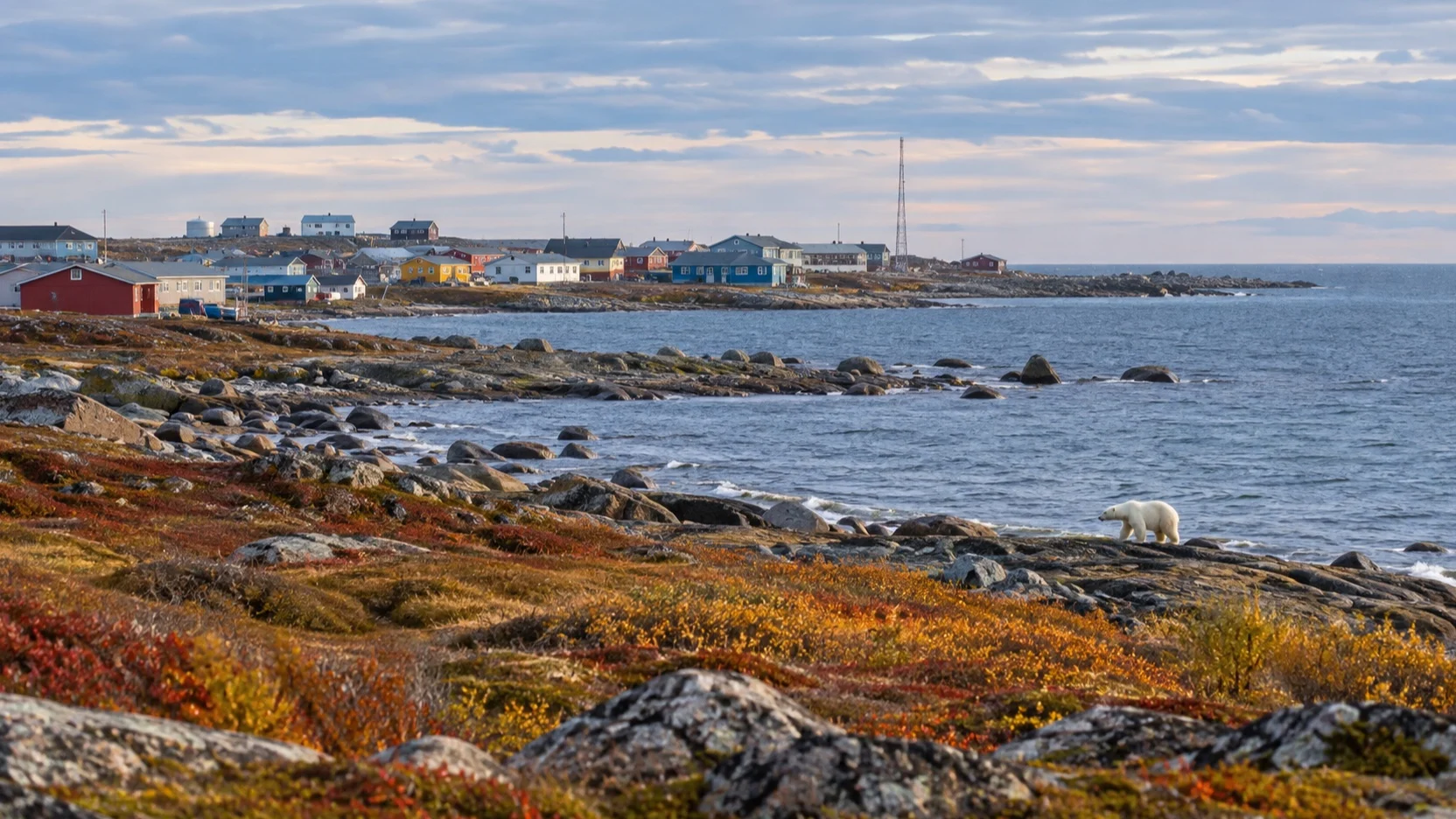
Polar bear tundra vehicle tour: Bears gather along the Hudson Bay coast in fall while waiting for sea ice, and specialized vehicles provide an elevated viewing platform. The Churchill Northern Studies Centre emphasizes that timing follows ice conditions rather than a fixed calendar date.
Beluga whale watching: Thousands of belugas use Hudson Bay and the Churchill River estuary in summer, making a licensed boat tour the seasonal priority. Travel Manitoba highlights July and August, while Canada’s marine-mammal approach rules still govern every boat and paddler.
Itsanitaq Museum: This compact town-center museum brings together Inuit carvings, tools, clothing, and other cultural material. Check current opening arrangements through your ship or local operator, since a short expedition call leaves little room for an unexpected closure.
How I would plan the day
The honest answer here is that it depends entirely on which Churchill you sail into, because there really are three different versions of this port.
If your call lands in fall (roughly October to November), I’d build the whole day around a tundra vehicle polar bear tour, since these run several hours, cover real distance over rough terrain, and are the reason most people book this itinerary. Treat the fort and museum as a bonus only if there’s time before or after.
If your call is in summer (roughly July to August), a licensed beluga boat trip is the priority. Combine it with Prince of Wales Fort only when the operator sells a timed itinerary that fits both weather and ship schedules.
If your ship calls outside either window, do not expect bears or belugas. Plan around the Itsanitaq Museum and a guided Cape Merry visit, following current bear-safety instructions even close to town.
Use the expedition leader’s meeting and return times rather than creating an independent last-minute detour. A delayed Zodiac, wildlife closure, or sudden wind change can use the ship’s entire operational margin.
A realistic word on accessibility
Churchill can be difficult for travelers with limited mobility because sidewalks are sparse and many surfaces are gravel. Tour vehicles and small boats vary, so ask for the exact step height, lift availability, seating transfer, and mobility-device storage before paying.
Getting from ship to shore itself may involve a tender and a ladder-style boarding, depending on conditions that day. None of this is unique to Churchill, as it’s typical of remote expedition ports, but it’s worth being honest about before you book.
If accessibility is a real concern, contact your cruise line directly well before departure to ask exactly how this particular call will handle disembarkation and which excursions, if any, can accommodate you.
Also confirm travel insurance covers the operator’s required emergency medical evacuation and trip interruption. Churchill has local health care, but advanced treatment or an Arctic itinerary disruption can require a long and expensive transfer.
When to go, and the weather
Cruise calls to Churchill cluster tightly around two very different windows, and they deliver two very different experiences.
Fall (October to November) is peak polar bear season, when bears congregate along the coast waiting for Hudson Bay to freeze. Temperatures are already dropping toward freezing and below, so pack real cold-weather layers even for a single shore day.
Summer (July to August) is peak beluga season, with longer daylight and better opportunities for boat tours when marine conditions cooperate. This is also the more common window for Northwest Passage and Hudson Bay expedition itineraries that use Churchill as a start or end point.
Whichever window you’re in, expect the weather to change fast. Layers, a windproof shell, and waterproof footwear are non-negotiable regardless of season, and it’s genuinely possible to have sun, wind, and drizzle in the same afternoon.
Quick answers
Will I actually see polar bears from a cruise call? Fall, especially October into November, offers the best-known viewing window, although summer visitors may still see coastal bears during that season and no responsible operator can promise one.
Can I just walk into town and explore on my own? To some extent yes, since the town is small and walkable and the Itsanitaq Museum and a few shops and cafés are an easy stroll, but the marquee wildlife excursions all require a licensed operator and a vehicle or boat, both for your safety and the animals’.
Is Churchill part of a bigger Arctic cruise, or a standalone stop? Both happen, since some expedition ships include Churchill as one call within a longer Hudson Bay or Northwest Passage voyage while others use it as the embarkation or disembarkation port for a full Arctic itinerary, thanks to its airport.
What travel documents do I need? Check Canadian visa or eTA rules, every charter-flight requirement, and the cruise line’s potentially stricter document policy well before final payment.
Churchill can deliver extraordinary wildlife or a quiet weather-limited day, so book for the expedition as a whole rather than one guaranteed sighting.
If you like this flavor of remote, weather-dependent expedition call, I’d also look at Pond Inlet and Cambridge Bay further north along the Northwest Passage. All three share Churchill’s blend of Inuit or Indigenous culture, genuine isolation, and wildlife that shows up on its own schedule, not yours.


How this guide was researched: Unless a first-hand visit is explicitly identified above, this guide is based on independent research using official port, tourism, transit, government, and attraction sources where available. Logistics and time-sensitive details were reviewed on September 11, 2026; see our Editorial Policy.