Mahogany Bay Cruise Port: Roatan’s Carnival Beach Day
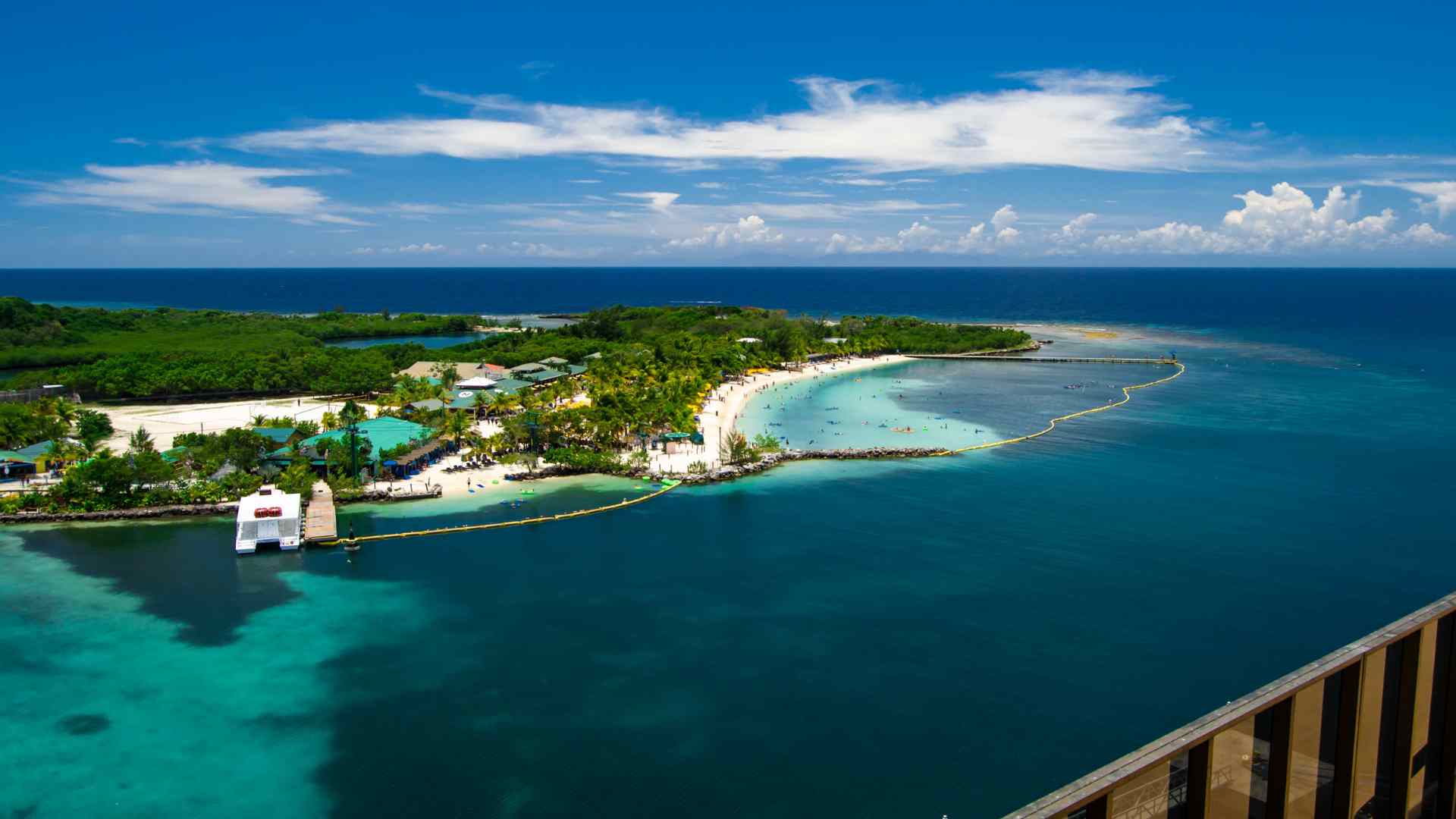
Mahogany Bay is the rare cruise port where a ski lift carries you to the sand. Carnival built the whole complex in Dixon Cove and opened it in 2009, and every inch of it is aimed squarely at cruise passengers.
Roatan itself sits just outside the gates, with real reefs, real towns, and much better prices. The only decision that matters here is whether you stay inside the fence.
My quick take
This is not the Roatan port. Royal Caribbean, NCL, and MSC ships tie up a few minutes away at the Port of Roatan in Coxen Hole, which is a completely different day out, and my Roatan cruise port guide covers that side.
Mahogany Bay is the Carnival, Princess, and Holland America version, and it behaves much more like a private island than a port. You walk off into shops, bars, a chairlift, and a private beach, and nobody will pressure you to leave.
If you have small kids, limited mobility, or a low tolerance for haggling, staying inside is a perfectly good day. Everything is signed in English, the beach is genuinely nice, and your ship is visible from the water.
If you came to Roatan for the reef, though, leave. West Bay and the west end dive sites are the reason this island has a reputation, and the compound cannot match them.
Quick Facts
- Where you land: the purpose built cruise center at Dixon Cove on Roatán’s south shore, opened in 2009 and now officially branded Isla Tropicale. It takes two full size ships at once and up to around 9,000 guests in a day.
- Dock or tender: Ships dock alongside, at a pier built for exactly this purpose.
- Into town: There is no town inside the gates, only shops, bars and the private beach.
- Currency and language: Honduras uses the lempira (HNL) and Spanish, though English and Bay Islands Creole are widely spoken on Roatán.
- Time zone: Central Standard Time (UTC−6).
- Operational caution: Tropical systems, wind, marine conditions, and the ship’s operating plan can change or cancel a call, so follow current notices.
Docking, the chairlift, and how the day actually flows
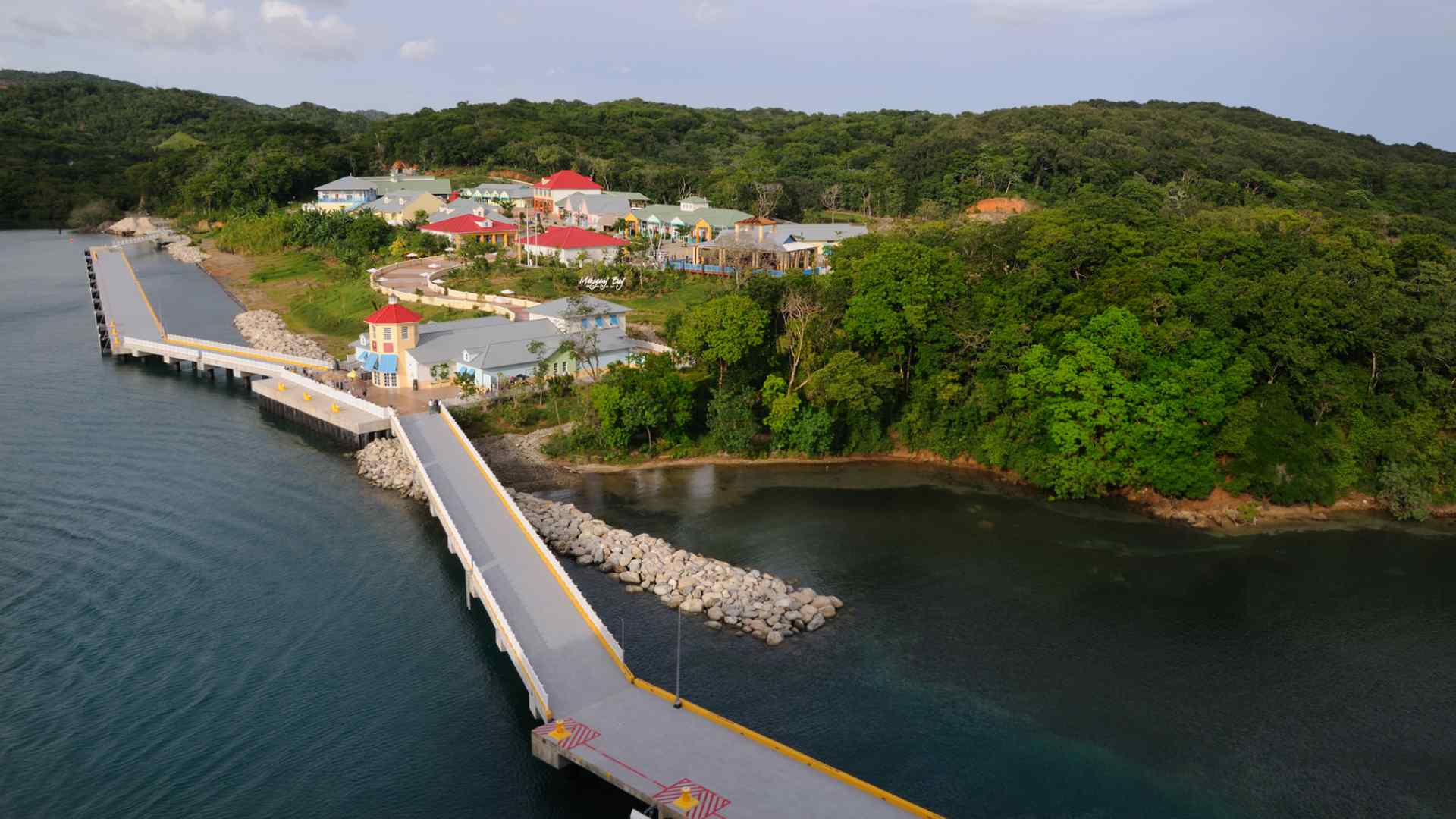
You walk off the gangway into a shopping village, which is the polite way of saying you walk through jewelry stores before you see water. Push through it and the layout becomes obvious within a couple of minutes.
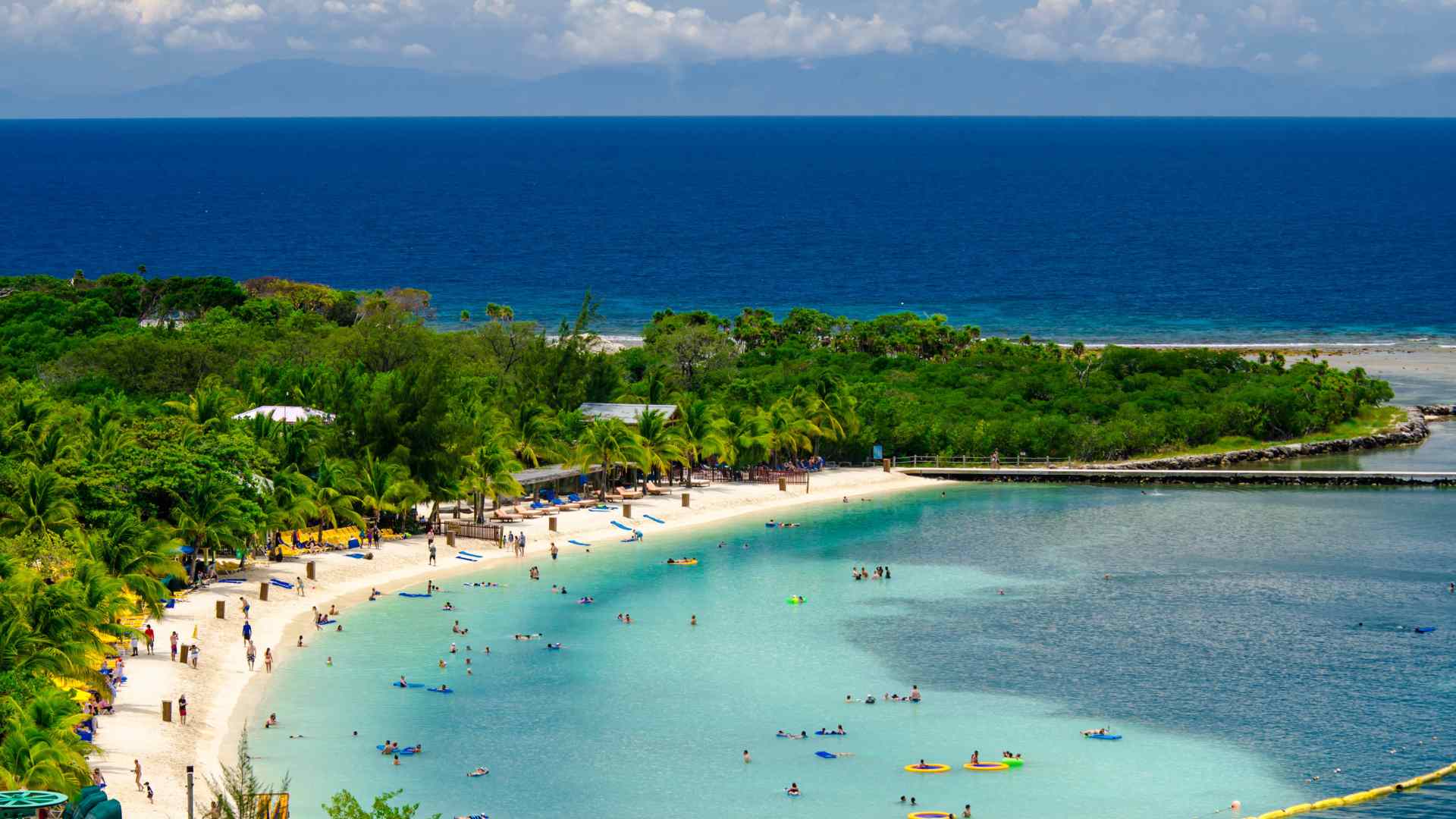
The beach sits across a small headland from the terminal, and you can either walk there or ride the chairlift. Walking is free and takes a few minutes, which is worth knowing before anyone sells you anything.
The lift, sold as the Magical Flying Beach Chair, runs nearly 1,200 feet of cable suspended around 67 feet above the trees. It seats four riders per chair, and the port describes the trip as taking about nine minutes.
Check the official Isla Tropicale chairlift page and your cruise planner for current pricing and operating details. The ship may pre-sell a package, so compare the exact terms before buying.
One thing to expect on your daily program: the port now uses the Isla Tropicale name, although many cruise documents and travelers still call it Mahogany Bay. Both names refer to the same Dixon Cove cruise center, so do not panic if your itinerary and map use different labels.
Getting around
Inside the compound you walk, and that is the whole transport system. The terminal to beach distance is short enough that the chairlift is a choice rather than a necessity.
Outside the gate there is a taxi stand, and this is where the day gets more interesting. Roatan taxis do not run meters, so agree the fare in dollars before you get in and confirm whether the price is per person or per vehicle.
The big independent destination is West Bay Beach on the far west end of the island, which is where the good reef snorkeling lives. Allow real time for the drive each way, because the island road is two lanes and the traffic is unpredictable.
Shared minibuses run the main road and cost a fraction of a taxi, but they are slow and confusing on a port day. I would not attempt one unless you have a lot of hours and a relaxed attitude to timekeeping.
If leaving makes you nervous, a ship excursion solves it neatly. You pay more, but the cruise line’s stated late-return help applies to its own tour, which is a meaningful part of what you are buying.
The stops I would actually spend time on
Half of this list is inside the fence and half is not, which is deliberate. Pick a lane early rather than trying to do both badly.
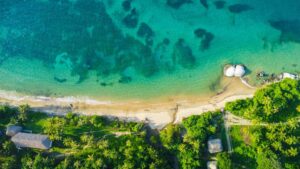
Tropicale Beach: The private island area has about 825 feet of white sand, loungers, floats, and a volleyball court. The port says it holds Honduras’ only five-star Blue Flag beach award.
The Magical Flying Beach Chair: The port bills this as the first chairlift connecting a cruise terminal directly with a beach. Check the current price and operating status before buying.
A rented cabana: The beach has eight standard cabanas and one grand cabana, according to the port. Compare the exact capacity, shade, location, and inclusions before booking.
Watersports: Beach equipment and activities may be available, but confirm current prices, weather restrictions, and safety requirements on the day.
West Bay Beach: This well-known west-end beach offers access to reef snorkeling from shore. Use a reputable transfer and protect enough time for the return through island traffic.
Gumbalimba Park: The park near West Bay combines animal encounters and a canopy walk. Compare ship and independent offerings, including transport and return terms.
A reef dive or introductory scuba experience: Roatán lies beside the Mesoamerican Barrier Reef system, making diving a major draw. Book a reputable operator with a port-day return plan and disclose relevant medical conditions.
Coxen Hole: The island capital lies west of Isla Tropicale and offers a less resort-like look at everyday Roatán. It is not the main choice for a beach day.
Fun fact: The official port site says Isla Tropicale opened in 2009 and now covers 24 acres at Dixon Cove. Its two-ship design and direct beach connection make it a very different arrival from Roatán’s separate cruise facility near Coxen Hole.
How I would plan the day
On a full call I leave first and come back later. Out to West Bay early, snorkel while the water is calm and the boats are still asleep, then back to the compound for a cold drink and a lounger.
On a short call, stay put and stop pretending otherwise. The beach, a rented paddleboard, and a lazy lunch is a genuinely good five hours with no transport risk attached.
If two ships are in, get to the beach in the first hour. The loungers nearest the water go early, and the shopping village turns into a slow-moving river by mid morning.
Plan B for rain is easy here, which is one of the underrated perks. The bars, shops, and covered seating mean a squall costs you nothing but a change of plan.
Whatever you do, be back through the security gate well before all aboard. Independent taxis are the number one reason people jog up the pier looking stricken.
A realistic word on accessibility
As Caribbean ports go, this one is unusually manageable. You walk off onto a flat, paved, modern complex with restrooms, shade, and staff who are used to helping.
The chairlift is the obvious limit, since it is a moving ski-style chair you have to sit into and get out of. The walking route to the beach is the alternative, and the soft sand at the end is the usual barrier.
Outside the gate, expect uneven curbs, few ramps, and taxis that are not adapted. For how this compares elsewhere, my roundup of wheelchair-friendly cruise ports is a useful yardstick.
When to go, and the weather
Roatan is warm all year, with daytime highs usually in the mid 80s Fahrenheit. The sea temperature barely moves, so swimming is comfortable in every month.
March through August is the drier, clearer stretch and the best window for snorkeling visibility. October through January is the wettest, with heavy downpours that tend to arrive fast and leave fast.
Atlantic hurricane season runs June through November, and the western Caribbean is squarely in it. If a system is spinning, the National Hurricane Center is a better source than any forum thread.
Pack reef-safe sunscreen, water shoes, and something with sleeves for the boat ride back. The sun here is stronger than it feels with a breeze on you.
Quick answers
Mahogany Bay and the Port of Roatán: They are separate cruise facilities on the same island. Isla Tropicale, still widely called Mahogany Bay, is at Dixon Cove while the Port of Roatán is near Coxen Hole.
Chairlift cost: The walking path to Tropicale Beach is free, while the chairlift is a paid option. Check the current price and terms through the port or your cruise planner.
Leaving the port: Travel beyond the compound for the island’s reef, communities, and independent attractions. Stay inside for a simpler beach day with the ship nearby.
The Isla Tropicale name: Isla Tropicale is now the port’s official brand. It is the same Dixon Cove cruise center, pier, and beach that many travelers still know as Mahogany Bay.
If that is a concern on your sailing, Honduras Cruise Ports goes into it properly.
The last word
Mahogany Bay is a very well-run bubble, and I mean that as a compliment and a warning in equal measure. It delivers exactly what it promises and not one thing more.
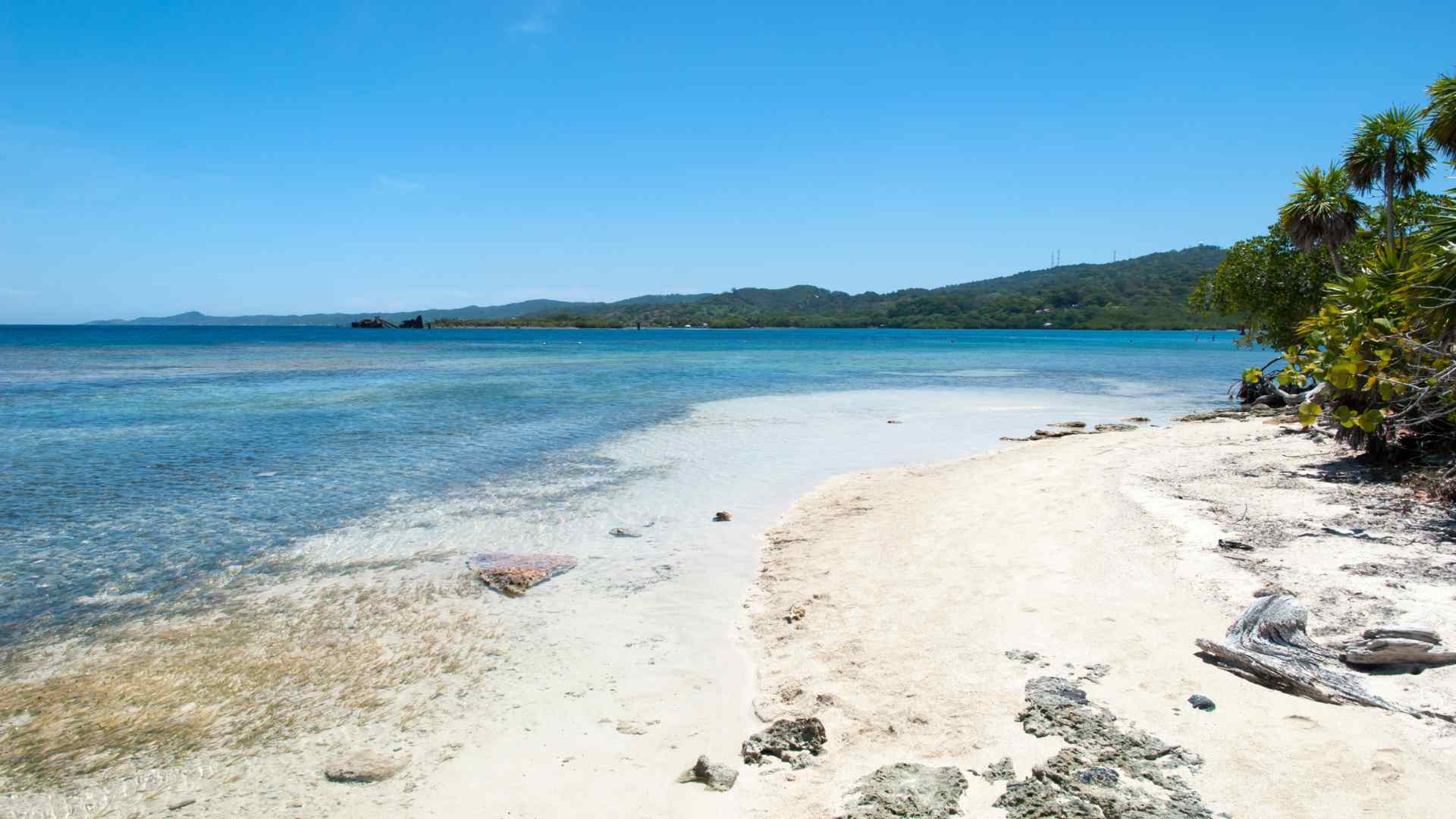
The island beyond it is one of the best snorkeling destinations in the Caribbean, and it takes one taxi ride and a bit of nerve. My wider Caribbean cruise ports roundup shows where a stop like this sits among the busier calls.
If you like comparing purpose-built beach ports, my Harvest Caye guide covers the same idea done by a different cruise line. The formula is familiar, but the details give each one away.
How this guide was researched: Unless a first-hand visit is explicitly identified above, this guide is based on independent research using official port, tourism, transit, government, and attraction sources where available. Logistics and time-sensitive details were reviewed in September 2026; see our Editorial Policy.