Whittier Cruise Port Guide: Alaska Transfers, Tunnel and Glaciers
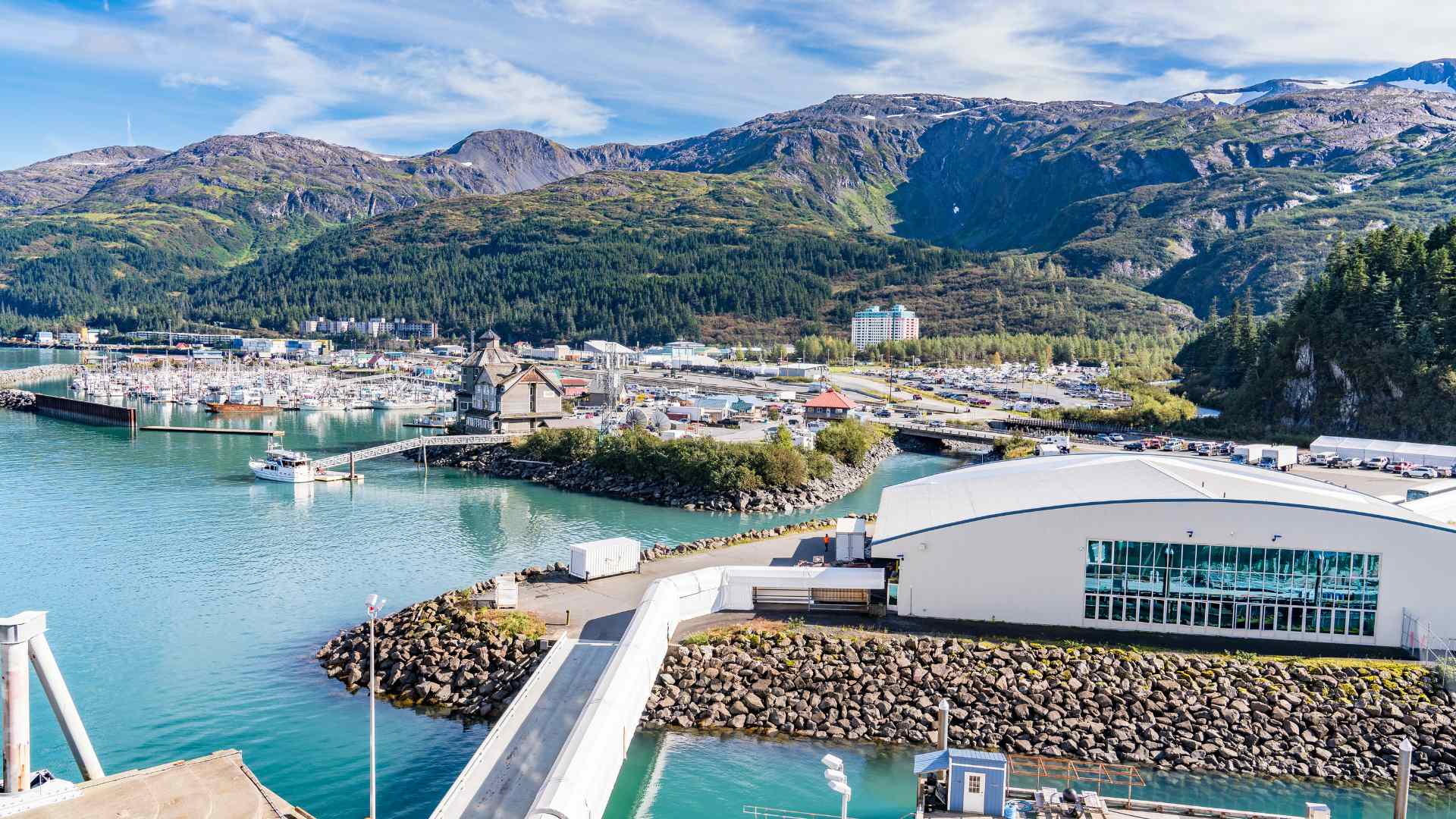
Whittier is one of those ports where the transfer is part of the story. The road reaches town through a scheduled tunnel shared by vehicles and trains, the harbor sits beneath steep green mountains, and Prince William Sound begins almost as soon as you step outside.
Most cruise travelers use Whittier as an embarkation or disembarkation gateway for Anchorage, but rushing straight through misses the point. A few protected hours can hold a glacier cruise, a kayak outing, a harbor walk, or simply seafood and waterfalls before the ship takes over your schedule.
My quick take
The essential Whittier rule is to plan backward from the ship’s check-in cutoff or your airline departure, then build the tunnel, luggage handoff, and weather into the same timeline. The mileage to Anchorage looks manageable, but distance alone tells you almost nothing here.
If your cruise package includes a train or motorcoach, that is usually the lowest-stress choice. Independent travelers can create a wonderful transfer day, but every reservation should acknowledge the tunnel schedule and explain exactly what happens to luggage.
I would add a Prince William Sound excursion when it is designed specifically around a cruise connection. I would not bolt a generic boat tour onto a tight embarkation day and hope that weather, bags, and check-in all cooperate.
Quick Facts
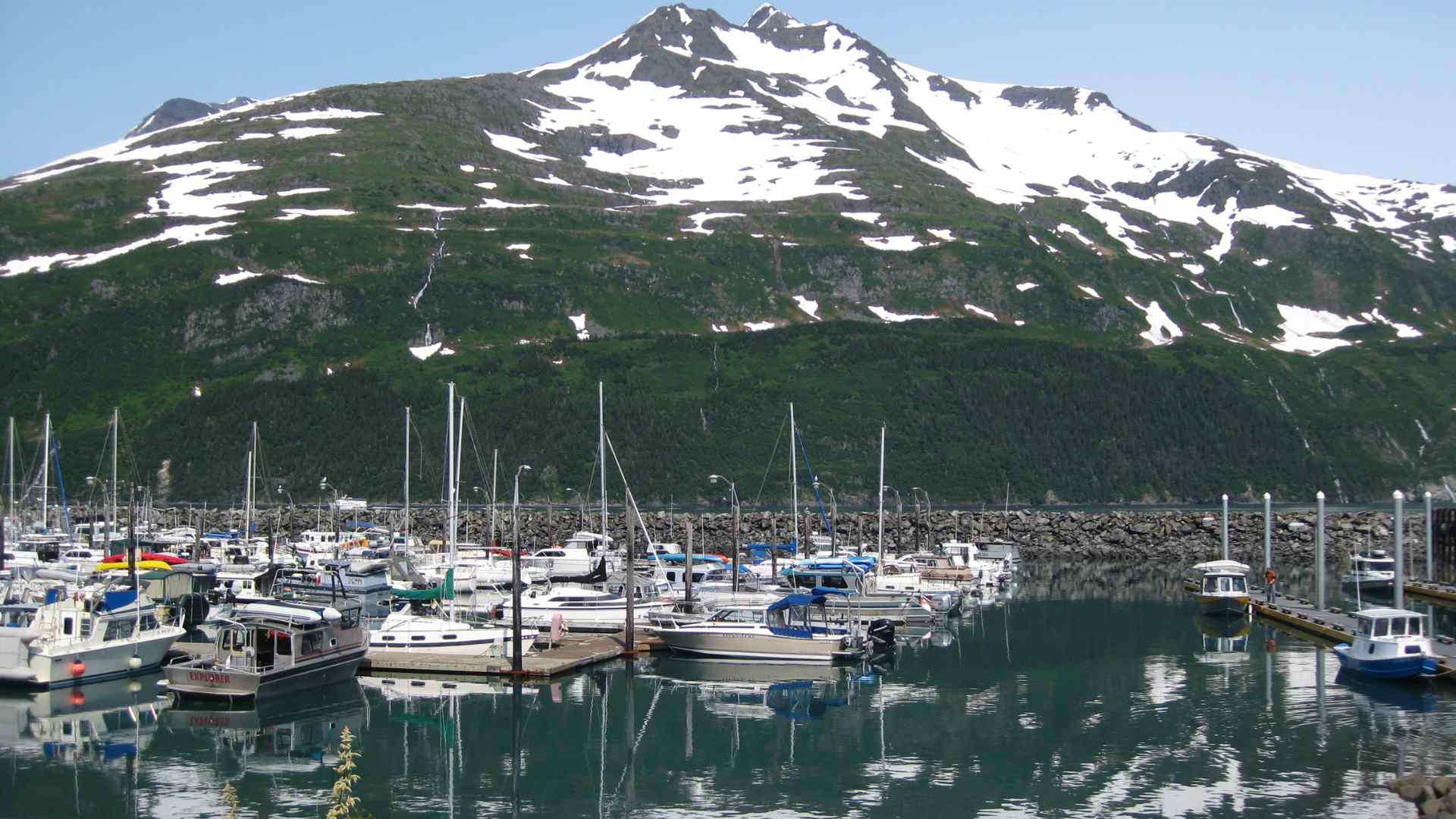
- Port setting: Whittier sits at the head of Passage Canal on Prince William Sound, surrounded by steep mountains and waterfalls.
- Dock or tender: Large cruise ships normally berth alongside at dedicated facilities, with trains and motorcoaches staged for passenger transfers.
- Town access: The harbor, marina, small commercial area, and much of central Whittier are close together, though exact walking distance depends on the assigned facility.
- Anchorage transfer: Road travel is controlled by the Anton Anderson Memorial Tunnel, while seasonal Alaska Railroad service may connect Whittier with Anchorage and other stops.
- Tunnel rule: Check the current Alaska Department of Transportation tunnel information for schedules, tolls, restrictions, and operating notices.
- Best local outing: A Prince William Sound glacier and wildlife cruise is the signature experience when the timing protects your ship or flight.
- Weather: Expect cool, wet, fast-changing coastal conditions even when Anchorage looks dry.
- Best planning question: Ask who holds your luggage and who is responsible for delivering it to the terminal, train, motorcoach, or airport.
Understand the port before booking the day
Whittier is compact, but cruise operations are not one-size-fits-all. Different cruise lines and transfer providers can use distinct check-in areas, rail arrangements, motorcoach staging points, and luggage processes.
Follow the address, map, and arrival instructions in your final cruise documents rather than relying on a generic “Whittier cruise terminal” search result. A reservation made months earlier may not reflect the exact facility or traffic pattern on your sailing date.
The Whittier visitor information for the Chugach Glacier Gateway Cruise Terminal is a useful orientation source, but your cruise line remains the authority for baggage and check-in. Confirm any special assistance before travel day.
What embarkation feels like
Cruise departures bring a sudden concentration of buses, trains, luggage trucks, private transfers, and arriving passengers into a very small town. Whittier handles this rhythm routinely, but that does not mean every curb or counter will feel quiet.
Keep passports, medication, valuables, and a warm waterproof layer in the bag that stays with you. Once checked luggage enters the cruise handling system, assume you will not see it again until it reaches the cabin.
If you arrive early, ask whether the terminal accepts bags before you walk away. Do not leave suitcases with a tour operator or hotel unless the handoff to the cruise line is explicit.
What disembarkation feels like
The reverse process can be even more time-sensitive because many passengers are aiming for Anchorage hotels or flights. Your actual departure from Whittier depends on when you clear the ship, collect bags, locate the correct vehicle, and reach a usable tunnel opening.
A cruise-line transfer simplifies the chain because the operator knows the ship schedule. Independent arrangements can add scenery and flexibility, but they need enough margin to survive a late gangway or tunnel delay.
Do not book an early Anchorage flight simply because the map shows a road connection. Airport check-in, road conditions, tunnel operations, and the transfer itself all sit between the ship and the gate.
The Anton Anderson Memorial Tunnel controls road travel
The Anton Anderson Memorial Tunnel is the defining piece of Whittier logistics. It is a single-lane route shared by road vehicles and trains, so traffic moves in scheduled directions rather than flowing freely at all times.
At roughly two and a half miles, the tunnel is long enough to feel like a true passage beneath the mountain. More importantly for cruise travelers, missing a planned opening can add a meaningful wait before the next opportunity to move.
Use the official Alaska Department of Transportation page for your date, vehicle class, toll, opening pattern, and any maintenance notice. Screenshots from travel groups and old blog timetables are not safe substitutes for the live schedule.
Private transfer companies and cruise motorcoaches build their days around this system. If you are driving, you have to do the same and arrive at the staging area with time to pay, queue, and follow staff directions.
Trains can affect the operating sequence because rail and highway traffic share the tunnel. A schedule is therefore a planning framework, not permission to cut the timing to the last possible minute.
Pedestrians and bicycles cannot simply enter the tunnel, so Whittier is not a place where an independent traveler can fix a missed transfer by walking out. Your confirmed train, motorcoach, car, or private vehicle is essential.
Driving a rental car
A rental car can support stops along Turnagain Arm or near Portage, but one-way inventory into or out of Whittier is limited and company-specific. Confirm the exact location, opening hours, fees, and tunnel compatibility before assuming a normal Anchorage rental will work.
Fuel options and services are also more limited than in a large city. Arrive prepared, keep the vehicle’s documents handy, and understand where it must be returned before you commit to sightseeing.
Taking a motorcoach
Cruise-line and independent motorcoaches are the most straightforward road transfer for many passengers. The key difference is whether the service is tied to your sailing and what protection it offers if the ship or tunnel schedule changes.
Ask about hotel pickup, airport delivery, restroom stops, baggage handling, and the actual destination in Anchorage. “Anchorage transfer” may mean the airport, a downtown stop, or a short list of partner hotels.
Checking road conditions
Alaska road and weather conditions deserve a same-day look, especially early or late in the cruise season. Build enough margin that rain, construction, an incident, or a slower tunnel queue does not become a boarding crisis.
The drive beside Turnagain Arm is scenic, so the transfer can feel like an excursion even without extra stops. Keep your camera accessible, but do not pressure the driver to add viewpoints that threaten the schedule.
The Alaska Railroad option
The Alaska Railroad offers one of the most memorable approaches to Whittier. Its seasonal Glacier Discovery service travels through the Portage area and uses the same mountain corridor that makes the road transfer so distinctive.
Cruise passengers may also encounter chartered or packaged rail arrangements that differ from the public timetable. Confirm the train name, departure point, baggage rules, and whether the ticket is sold independently or through the cruise line.
Rail is not automatically faster than a motorcoach, and speed is not the reason to choose it. The appeal is the scenery, the ease of sitting back, and the way the train delivers a clear beginning or ending to the voyage.
Whittier rail boarding is closely connected to cruise operations, but the exact walk and baggage flow vary. Travelers who need mobility assistance should request it in advance and confirm every transfer point, not just the train seat.
If you are traveling from an Anchorage hotel, determine how you will reach the railroad departure point with luggage. The rail ticket solves the main journey but may not solve the first mile.
On disembarkation day, use the arrival time supplied for your specific service when planning flights. A scenic train should not be paired with an air departure that leaves no recovery margin.
Prince William Sound is the reason to linger
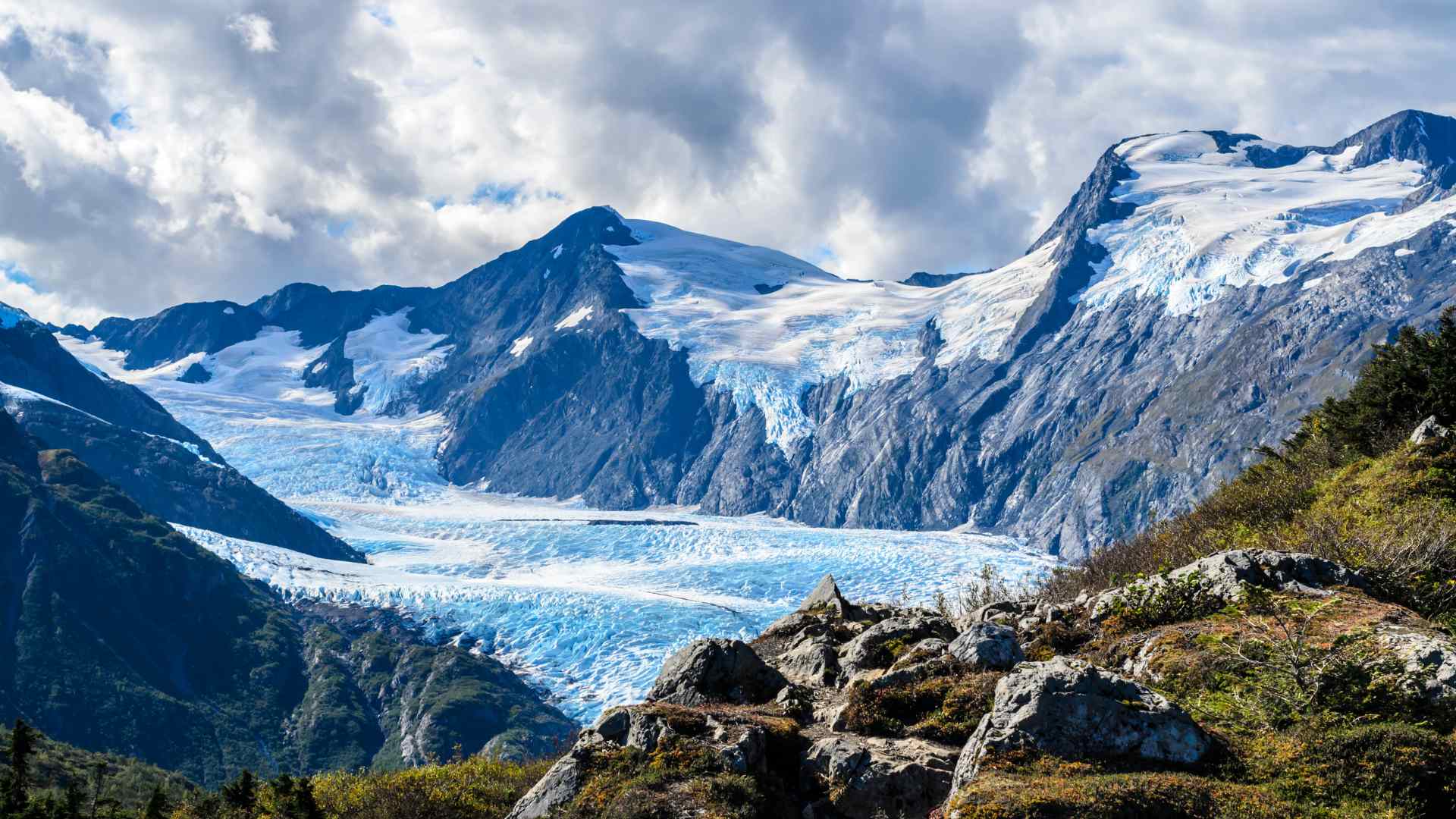
Whittier opens directly onto Prince William Sound, a landscape of glacier-cut waterways, forested shores, tidewater ice, waterfalls, seabirds, and marine mammals. The town may be tiny, but the water beyond it is enormous.
Glacier cruises are the signature outing because they turn limited time into a wide view of the sound. Routes, vessel size, duration, meals, narration, and glacier access vary, and weather can reshape what any boat sees on a particular day.
Compare indoor seating with outdoor deck space, especially if someone in your group gets cold easily. Large windows matter in Whittier because rain should not mean missing the scenery.
Wildlife sightings are possible but never guaranteed. Sea otters, seals, birds, and whales move on their own schedule, so choose a tour for the landscape and regard wildlife as a welcome addition.
A tidewater glacier can be active or quiet during the minutes your vessel is nearby. Keep expectations flexible and follow crew instructions about safe deck areas when ice or weather conditions change.
Making a glacier cruise work with embarkation
The safest option is a package designed for passengers sailing that day. It should explain baggage storage, tour completion, transport to the correct cruise facility, and the response if weather alters the boat schedule.
Get those details in writing before payment. A company saying it often serves cruise guests is helpful, but it is not the same as a guaranteed connection or authorized luggage handoff.
If the tour finishes close to check-in cutoff, choose another day or a shorter outing. Prince William Sound will still be beautiful when viewed from the cruise ship’s sailaway.
Making a glacier cruise work after disembarkation
Post-cruise excursions can be easier because you are no longer protecting a ship departure, but an Anchorage flight may create a tighter deadline. Verify where bags remain and whether the final transfer goes to the airport, downtown, or somewhere else.
A later flight or an Anchorage overnight creates breathing room and lets the excursion be enjoyable. This is one of those destinations where schedule margin improves the experience as much as it reduces risk.
Kayaking, fishing, and smaller adventures
Guided kayaking
A kayak puts you close to the rain-textured water, harbor wildlife, and steep walls around Passage Canal. It is an intimate alternative to a larger boat, but cold water and fast-changing wind make professional guidance especially valuable.
Ask whether beginners are welcome, what clothing and immersion protection are supplied, and how the route changes in poor conditions. A responsible operator may shorten, relocate, or cancel a trip, and that judgment protects you.
A pre-cruise paddle must also solve luggage and shower or changing needs. Cold, wet clothing is not what you want to carry directly into a terminal line.
Fishing charters
Whittier supports fishing trips into Prince William Sound, with target species and regulations varying by season. Ask the operator about licensing, trip length, weather policy, gear, fish processing, and the realistic return time.
If you hope to keep a catch, confirm how it will be packaged, frozen, shipped, or stored. Cruise lines and airlines have their own baggage rules, so a successful fishing day can still create a logistical problem without advance planning.
Hiking and outdoor walks
Short local walks can reveal waterfalls, harbor views, and the dramatic walls enclosing town. Trails and surfaces may be muddy, slick, steep, or affected by snow and seasonal maintenance, so get current local advice before setting out.
Do not treat distance alone as a measure of difficulty. Rain, roots, loose gravel, poor visibility, and bears or other wildlife concerns belong in the plan.
Carry bear-aware judgment appropriate to the location and follow posted guidance. A cruise port visit is not a reason to enter unfamiliar terrain without the equipment or time to return safely.
A slow hour around the harbor
Whittier’s working harbor can fill an hour without a formal attraction. Fishing boats, excursion vessels, water taxis, kayaks, and cruise operations overlap beneath mountains that appear to rise directly from the docks.
Walk only in public areas and respect signs around rail tracks, industrial spaces, and private property. The best photographs do not require crossing a barrier or interrupting people at work.
The waterfront is also the sensible place for a meal when time allows. Local menus often feature Alaska seafood, but ask what is actually available rather than assuming every fish was landed that morning.
Service can become busy when a train, tour boat, and cruise ship turn happen together. Order with enough time to enjoy lunch and still reach your luggage or transfer calmly.
Begich Towers is a residential building and part of a living community, not a theme-park attraction. Learn about Whittier’s unusual history through public interpretation and local businesses while protecting residents’ privacy.
The abandoned Buckner Building also attracts curiosity, but deterioration and restricted access make it something to view only from lawful public areas. Do not enter ruins or cross posted boundaries for a photograph.
Three realistic Whittier plans
A low-stress embarkation day
Take a cruise-aligned train or motorcoach, hand over luggage according to official instructions, and keep the remaining time local. Eat, walk the harbor, watch waterfalls, and check in without layering another hard deadline onto the day.
This is the plan I would choose after a long flight or when traveling with children, older relatives, or anyone who tires easily. The scenery begins before the ship sails, so staying close is not a wasted opportunity.
A protected glacier-cruise day
Book a Prince William Sound trip whose schedule is explicitly designed around your cruise or onward transfer. Confirm luggage, cancellation policy, check-in handoff, and the final drop-off before leaving home.
Wear layers, keep rain protection accessible, and spend time outside when conditions allow. Return with enough time that a small delay remains an inconvenience rather than an emergency.
An independent transfer with stops
Use a private vehicle or motorcoach plan that includes a small number of Turnagain Arm or Portage-area stops. Build the route from the current tunnel schedule backward and agree on what will be skipped if traffic or weather uses the buffer.
A beautifully paced transfer beats a rushed list of viewpoints. The Alaska scenery does not improve when everyone is staring at the clock.
Weather and what to pack
Whittier is notably wet, and the mountains can hold cloud and rain even when nearby communities have different conditions. Expect forecasts to evolve and dress for the harbor rather than the Anchorage hotel lobby.
A waterproof shell with a secure hood is the most useful layer. Add warm insulation, quick-drying clothing, and shoes with traction so a sudden shower does not end the outing.
Protect passports, phones, cameras, medications, and cruise documents inside waterproof pouches or sealed compartments. The short distance between vehicle and terminal is long enough for wind-driven rain to reach an open tote bag.
Bring sunglasses and sunscreen as well because breaks in the weather can be bright on water and ice. Alaska packing works best as a flexible system, not one outfit selected from a single forecast icon.
For boat trips, keep gloves and a warm hat within reach rather than buried in checked luggage. The outdoor deck can feel much colder than the protected harbor.
For kayaking, follow the operator’s clothing instructions exactly. Technical or wool layers manage moisture better than cotton when cold spray or rain becomes part of the day.
Accessibility and comfort
Whittier’s compact scale can be helpful, but rain, ramps, gravel, curb transitions, gangways, and crowded staging areas all affect real-world access. Ask the cruise line about the assigned terminal and the full path from vehicle or train to check-in.
A motorcoach, public train, charter train, small tour boat, and cruise ship may each have a different boarding method. Describe the traveler’s mobility device and transfer needs to every operator in the chain.
Small-boat excursions should explain steps, ramps, restroom layout, indoor seating, and crew assistance before you book. “Accessible” can mean very different things on a vessel designed for glacier viewing.
Kayak trips require their own honest assessment of balance, lower-body mobility, cold tolerance, and emergency exit procedures. A shore-based harbor plan may deliver a better day for someone who would be uncomfortable on the water.
Cold and damp conditions increase fatigue, so schedule a warm indoor break and keep dry layers available. Accessibility is not just whether a wheelchair fits through a door.
Mistakes that cause avoidable stress
The first mistake is building a plan from drive time without consulting the tunnel. Whittier road travel is scheduled, and that fact belongs at the top of the itinerary.
The second is assuming a tour’s luggage storage includes delivery to the ship. Ask for the exact handoff point, claim process, and responsibility if bags are delayed.
The third is booking an early flight after disembarkation. Even a routine morning can include baggage, staging, tunnel, road, and airport queues.
The fourth is treating weather cancellation as bad service. On cold coastal water, a conservative operator is doing the job correctly.
The fifth is turning a living town into a novelty photograph. Respect residences, rail operations, industrial areas, and private property while enjoying the unusual setting.
Finally, do not schedule every minute. A quiet harbor walk beneath waterfalls may be the detail you remember long after a complicated excursion fades.

Quick answers
How do I get from Anchorage to Whittier?
Cruise motorcoaches, private road transfers, rental vehicles, and seasonal rail services may all be options. Choose the one that fits your sailing, baggage needs, and the current tunnel schedule.
Can I drive through the Whittier tunnel whenever I want?
No, traffic moves according to scheduled directions and operating windows, with trains sharing the route. Check the official Alaska Department of Transportation information for your travel date.
Can I walk through the tunnel?
No, pedestrians and bicycles are not allowed to use it as a casual passage. Arrange a vehicle or rail transfer before arriving.
Is Whittier worth extra time?
Yes, especially for a glacier cruise, kayak trip, or unhurried harbor visit. The town’s relationship with Passage Canal, the tunnel, and the mountains gives it a strong sense of place.
Can I take a glacier cruise before embarkation?
Yes when the operator provides a cruise-compatible schedule and explicit luggage arrangements. Avoid any itinerary that reaches the terminal near the last acceptable check-in time.
How early should I fly from Anchorage after a Whittier cruise?
There is no single safe time for every sailing and transfer. Use your cruise line’s guidance, your confirmed transport schedule, tunnel conditions, airline requirements, and a generous recovery buffer.
Does Whittier have enough to do without a tour?
Yes for a few relaxed hours around the harbor and waterfront. For a full day, a boat, kayak, fishing, or guided transfer experience adds much more depth.
The last word
Whittier rewards travelers who respect its constraints. Treat the tunnel, weather, and luggage plan as part of the itinerary, then let the harbor and Prince William Sound provide the wonder.
For the rest of the voyage, my Alaska cruise ports guide connects Whittier with ports such as Juneau and Skagway. Travelers continuing south can also use my Vancouver cruise port guide for the other end of a one-way itinerary.
How this guide was researched: This guide was independently researched using official Alaska transportation, railroad, ferry, local visitor, and cruise-line planning sources. Logistics and time-sensitive details were reviewed in September 2026; see our Editorial Policy.