Vancouver Cruise Port: Canada Place Terminal Guide
Vancouver is one of the easiest places to start an Alaska cruise because Canada Place sits right downtown. The transfer is simple, but U.S. preclearance and embarkation queues mean this is a terminal where I would arrive organized rather than at the last possible minute.
Last Visited: July 2026 aboard Norwegian Jade. I arrived here at the end of my Alaska sailing from Whittier.
My quick take
Vancouver is one of the easiest homeports I know: you dock in the middle of a walkable city with mountains behind you. If you are comparing embarkation cities, I break down the alternatives in my West Coast cruise ports guide and the nearby Seattle cruise port guide.
New to sailing round-trip from a big city? My first-timer cruise ports guide covers the basics of a DIY port day.
The quick facts
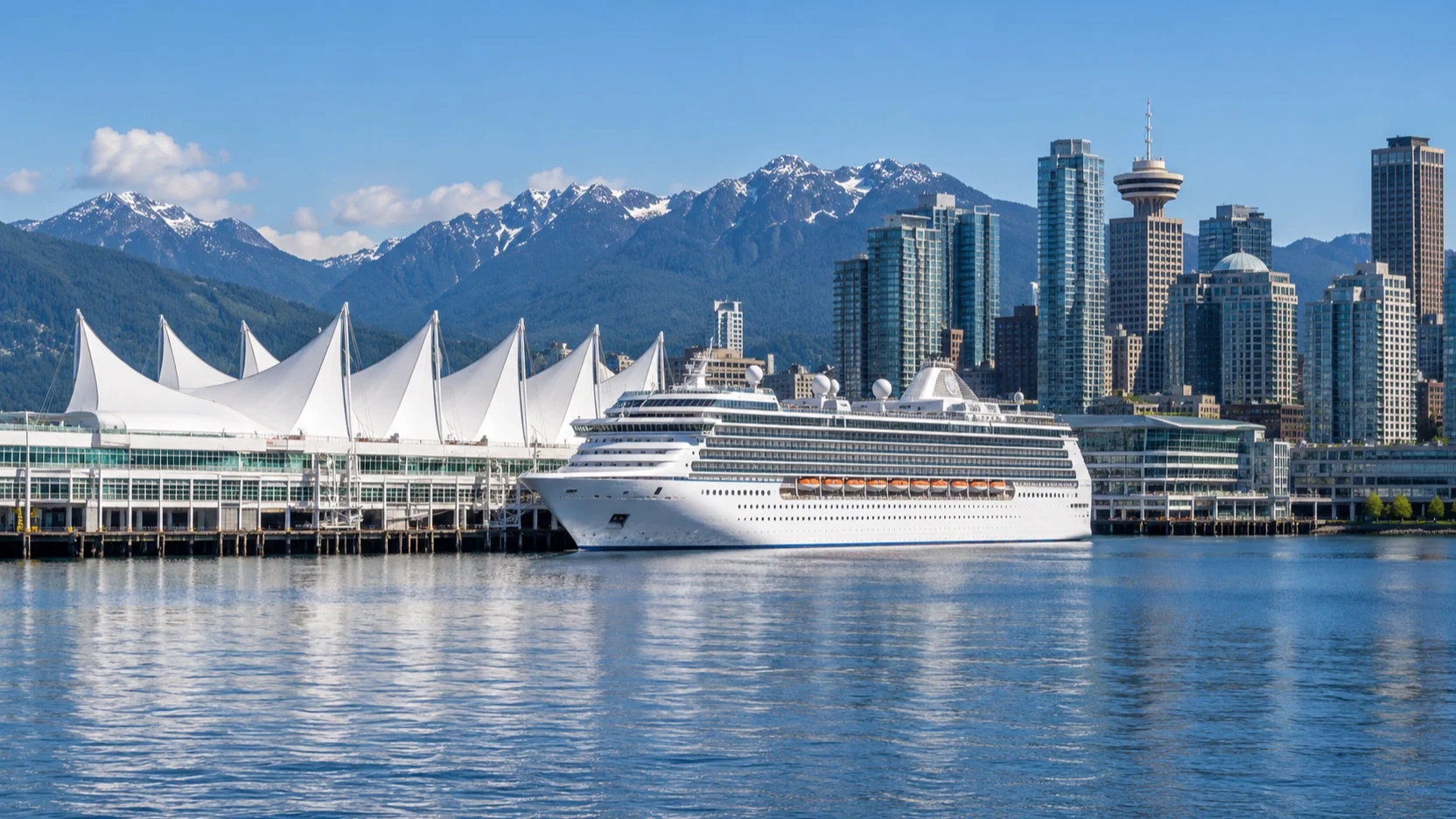
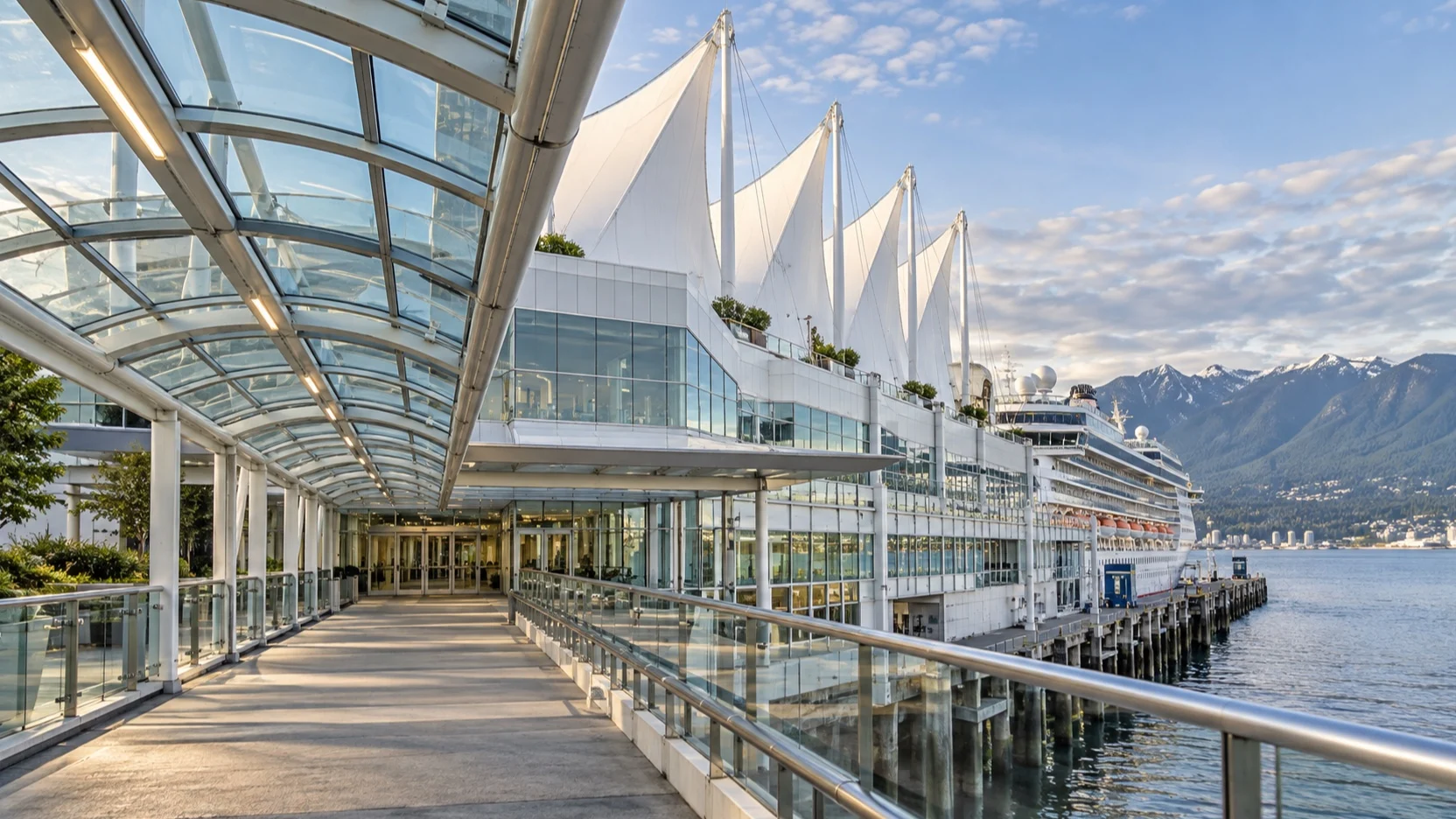
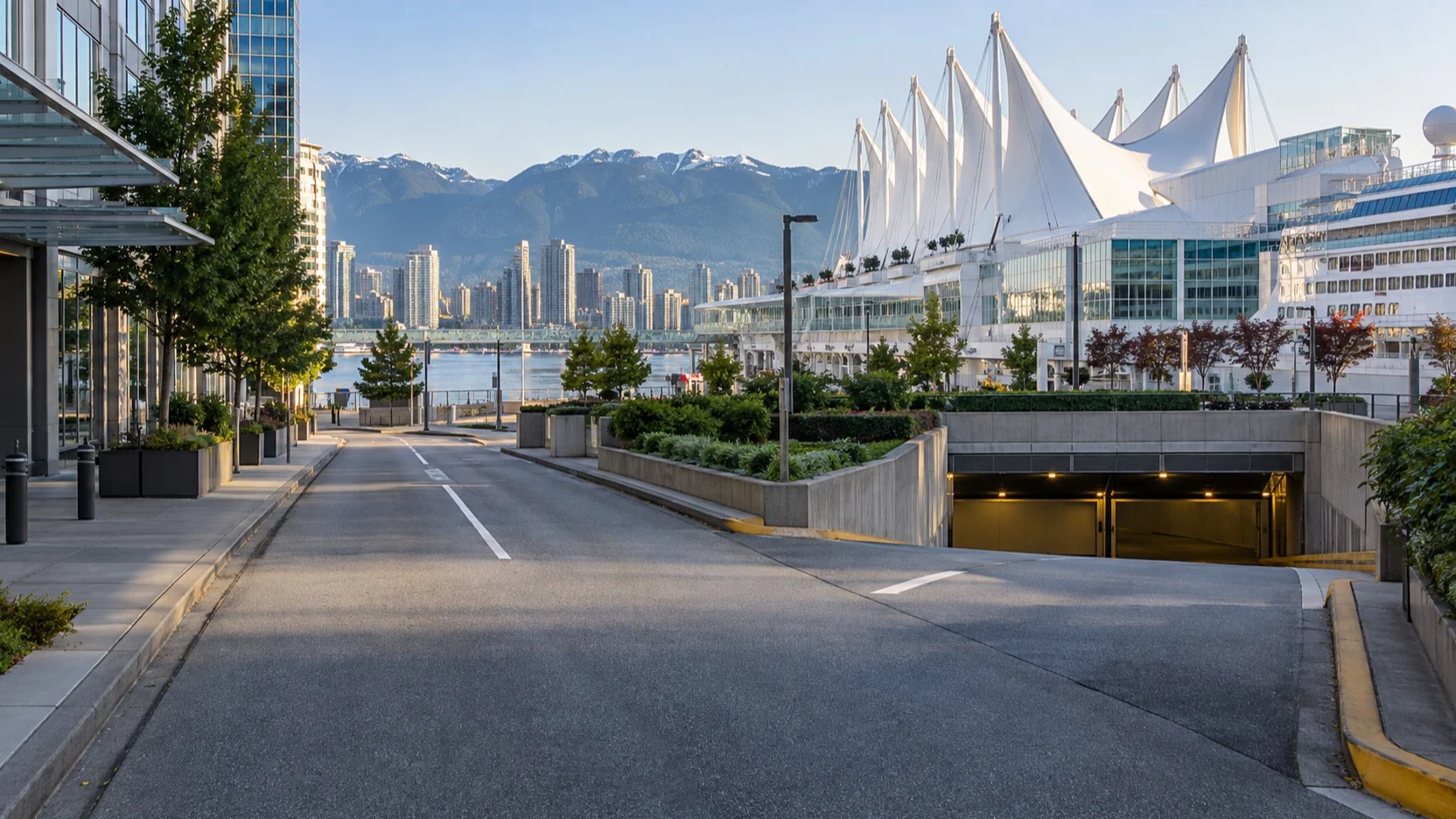
- Where you land: Canada Place at 999 Canada Place, the white-sailed terminal on Burrard Inlet at the foot of Howe and Burrard streets. Check your cruise documents for the final terminal and arrival instructions.
- Dock or tender: Canada Place has alongside berths in a deep, sheltered inlet.
- Into town: You walk.
- Currency and language: Canadian dollars and English. Cards and contactless payment are widely useful, including on transit, so do not depend on stores accepting US cash or giving a favorable exchange rate.
- Time zone: Vancouver stays on Pacific time at UTC−7 year-round following British Columbia’s March 2026 change. Follow the ship’s stated clock for all-aboard.
- How often the call is missed: Low (under 1%): the sheltered berth is rarely limited by local weather.
US customs preclearance, explained
Canada Place sends embarking cruise passengers through U.S. Customs and Border Protection after security as the final step before boarding. Follow the port and cruise line instructions for your sailing, because required documents depend on citizenship, residency, and itinerary.
Keep your passport, boarding documents, and any required ESTA, eTA, or visa with you rather than in checked luggage. This terminal procedure does not replace the documents you needed to enter Canada by air or land.
Getting to the terminal
From YVR airport
The Canada Line SkyTrain station sits between the International and Domestic terminals at YVR, on Level 3. Follow the signs marked Canada Line, or ask a Guest Experience staffer.
Ride to Waterfront Station, then use the signed street-level route for the short walk to Canada Place. TransLink says the trip takes about 25 minutes and adds a CA$6.50 YVR AddFare to the applicable transit fare for trips leaving the airport.
Transit, SeaBus, and taxis
SkyTrain and SeaBus both feed Waterfront Station, a short walk from Canada Place, and taxis and rideshare serve the terminal. West Coast Express also reaches Waterfront, but it is a weekday peak-period commuter train and is not a flexible all-day airport or cruise transfer.
Parking
Parking at Canada Place is run by Indigo Park Canada, with the entry at the foot of Howe Street. Accessible stalls are available, and you can pay by app or at the pay stations.
The stops I’d actually spend time on
Pick one area that suits your available time rather than collecting attractions across the whole city. Downtown and Stanley Park are forgiving on embarkation day, while UBC and the North Shore need a real transport budget.
We rounded up the closest places to stay in our Vancouver cruise port hotels guide.
- Stanley Park: The city’s great seaside park, laced with the seawall path and forest trails. It is an easy add-on to any downtown day.
- Gastown Steam Clock: At 305 Water Street, this 1977 landmark whistles and puffs steam during regular demonstrations. It is fun if you are already walking through Gastown, but I would not wait long enough to sacrifice Stanley Park or a meal.
- Granville Island: A waterfront district best known for its Public Market, artisan stalls, and studios. It is a short trip across False Creek.
- Capilano Suspension Bridge: The bridge stretches about 450 feet across a canyon, roughly 230 feet above the Capilano River. The site also has the Treetops Adventure and the Cliffwalk.
- FlyOver at Canada Place: A flight-simulation ride on a huge dome screen, complete with wind, scents, and mist. It is steps from the ship.
- Vancouver Lookout: A glass elevator climbs about 550 feet for 360-degree views over Stanley Park, Gastown, and the North Shore mountains. It has been a skyline fixture since 1977.
- Museum of Anthropology at UBC: A major collection and research museum with belongings and works from Indigenous communities in British Columbia and around the world. It is on the UBC campus well outside downtown, so allow about half a day for the round trip and museum rather than treating it as a quick Canada Place add-on.
- Grouse Mountain: A North Shore mountain reached by road and an aerial ascent, with views and seasonal activities. Allow for bridge traffic, ticket lines, and the gondola, and skip it in poor visibility unless the mountaintop activities matter more than the view.
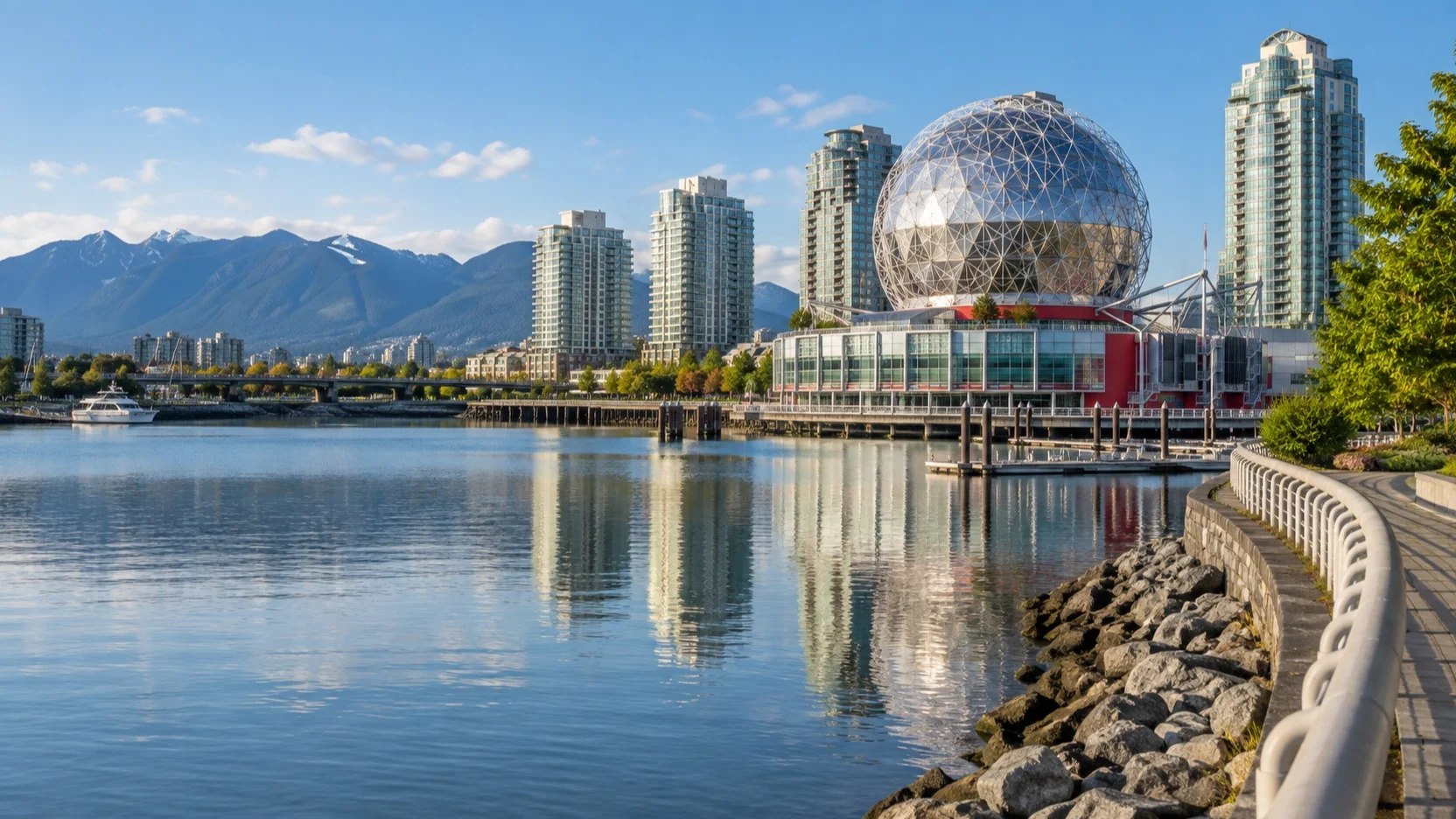
- Science World: A hands-on museum under a landmark geodesic dome at the east end of False Creek. It is a reliable pick with kids.
Heads up: some links below are affiliate links. If you book through one, I may earn a commission at no extra cost to you. It never changes which hotels or tours I recommend. Full disclosure.
How I’d plan the day
Short on time (about 3 hours): Walk from Canada Place into Gastown for the Steam Clock, then ride the Lookout for the view. Both are within a few blocks of the terminal.
Half a day (about 5 hours): Add Stanley Park or a hop over to Granville Island. Keep a buffer to be back before boarding closes.
The day before sailing: Head to Capilano Suspension Bridge, Grouse Mountain, or the Museum of Anthropology, then enjoy downtown without an all-aboard deadline. These are much calmer choices when you are already checked into a hotel.
Embarkation day: Keep luggage, terminal check-in, screening, and U.S. preclearance ahead of sightseeing. I would use any spare time for Gastown or the waterfront rather than cross a bridge or travel to UBC before boarding.
A realistic word on accessibility
Wheelchairs and mobility scooters for cruise use must be pre-booked with one of the third-party vendors listed by the port, which then provides pickup instructions. For help inside the terminal, contact the cruise line before arrival rather than expecting a walk-up rental desk.
Waterfront Station has elevators, but construction or outages can change the best street-level exit, so check TransLink alerts before travel. Needs also vary by ship and gangway setup, and the cruise line controls boarding assistance.
When to go, and the weather
The Alaska cruise season runs roughly May through September, which is also Vancouver’s warmest, driest stretch. Expect cool, wet conditions on the shoulder months, so pack layers and a rain shell.
Quick answers
Which terminal do Vancouver cruises use?
Canada Place, at 999 Canada Place downtown, is the city’s main cruise terminal.
How do I get from YVR to the ship?
Take the Canada Line SkyTrain to Waterfront Station in under 30 minutes, then walk to Canada Place. A Canada Line AddFare applies when leaving the airport.
Do I clear US customs in Vancouver?
Canada Place directs embarking cruise passengers through U.S. Customs and Border Protection before boarding. Bring the documents required for your citizenship and itinerary, and remember that this is separate from the documents needed to enter Canada.


Sources
- Vancouver Fraser Port Authority: Passenger info and FAQs
- Canada Place: Plan your visit
- YVR: Public transportation
- TransLink: Transferring and AddFare
- Destination Vancouver: Attractions
How this guide was researched: Unless a first-hand visit is explicitly identified above, this guide is based on independent research using official port, tourism, transit, government, and attraction sources where available. Logistics and time-sensitive details were reviewed in August 2026. See our Editorial Policy.