Rockland Maine Cruise Port: Tender Landing, Art and Lighthouses
Rockland brings cruise passengers into a working Maine harbor with serious art, lighthouse history, and a granite breakwater that is far tougher than it looks from the ship. Downtown is easy, the museums are excellent, and every outing beyond Main Street needs a clear return plan.
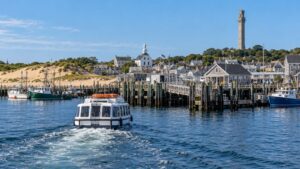
Most larger ships anchor and tender toward Harbor Park, while smaller coastal vessels may receive an operational berth. Let the ship and harbormaster define the landing, then choose one strong theme instead of trying to collect every lighthouse around Penobscot Bay.
Quick facts about Rockland cruise port
- Normal arrival: Larger vessels anchor and tender, while some small ships may berth
- Tender landing: Public Landing beside Harbor Park under current city planning
- Downtown access: Main Street, museums, galleries, and restaurants begin within an easy walk
- Best rainy-day plan: Maine Lighthouse Museum and Farnsworth Art Museum
- Most demanding walk: The mile-long granite breakwater, plus the full return
- Currency: U.S. dollar
- Language: English
- Main risks: Fog, wind, wet granite, scarce taxis, and tender changes
- Return rule: Reach Harbor Park before the final tender queue builds
The city calendar is useful but not a berth promise
The City of Rockland publishes cruise information and links to the current Maine PortCall schedule, while warning that visits can change. Its calendar also excludes American Cruise Lines vessels, so it is not the only source for determining whether a ship is expected.
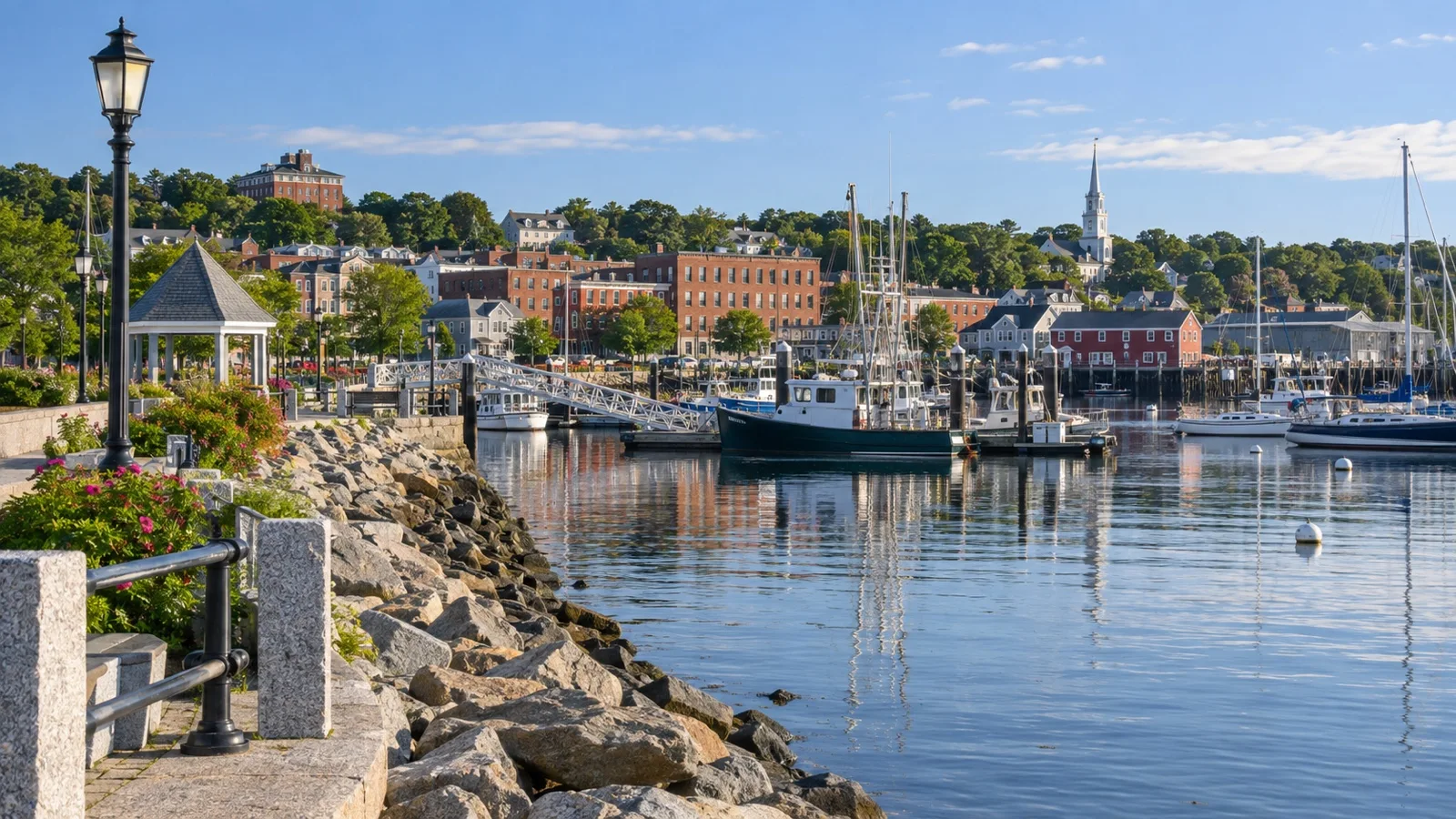
Larger ships generally anchor in Rockland Harbor and tender passengers to the Public Landing beside Harbor Park. A small coastal ship may receive a berth assignment, but the ship’s daily notice and call-day harbor instructions are the only safe basis for your plan.
The harbormaster approves local tender routes and procedures, while the cruise line controls ticketing, passenger priority, mobility limits, and the final boat. Photograph the landing, save the ship contact, and do not arrange a driver at an unrelated marina.
Harbor Park puts the center within reach
The Public Landing sits beside Harbor Park at the southern edge of central Rockland. Main Street, museums, galleries, restaurants, and waterfront views begin close enough that no shuttle is needed for a town day.
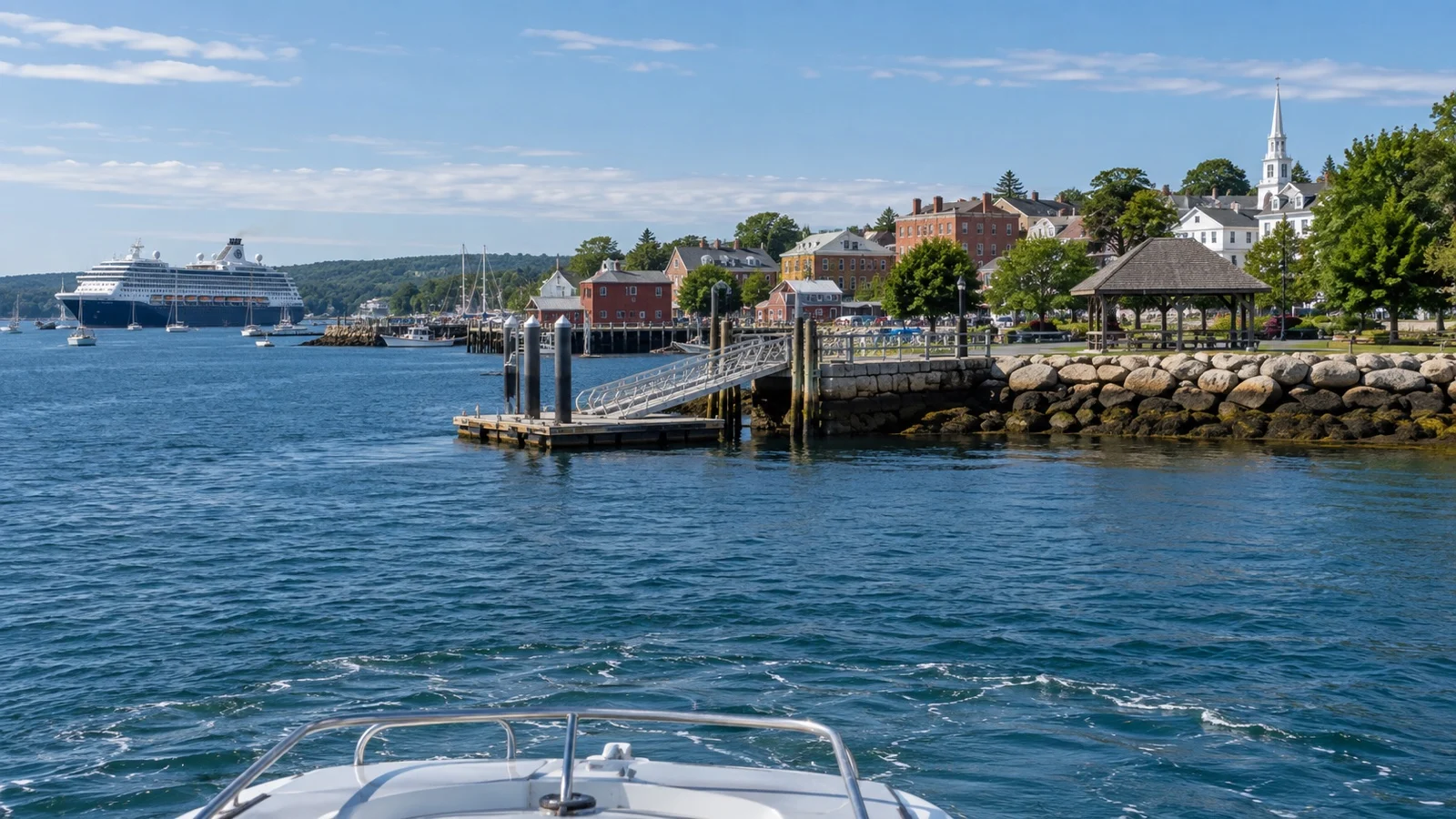
Stay within public areas because the harbor remains a workplace with floats, ramps, fishing equipment, and service traffic. Crews have lines and deadlines that matter more than the perfect angle for a photograph.
Harbor Park is also the best place to end the call, with green space and the tender close by. A final coffee or short waterfront pause protects the return better than squeezing in one more shop several blocks away.
Two museums can carry the entire day
The Maine Lighthouse Museum stands on the downtown waterfront near Harbor Park. Its collections cover lighthouse lenses, lifesaving services, the Coast Guard, and the people behind the structures scattered around the Maine coast.
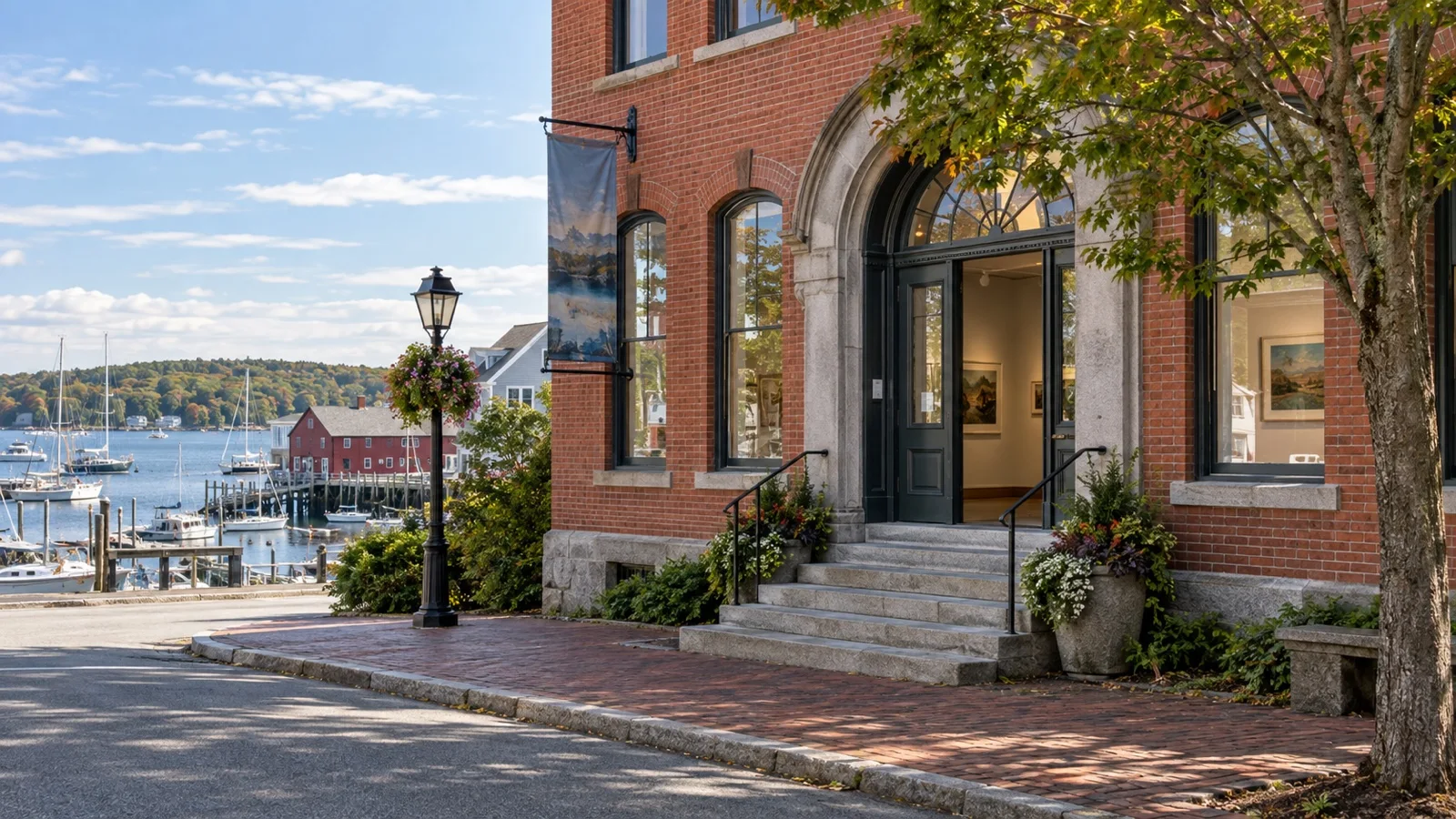
The museum currently advertises daily hours, but every call should verify the official visitor page that morning. A small institution can adjust for staffing, events, or seasonal operations without consulting your ship’s brochure.
The Farnsworth Art Museum celebrates Maine’s role in American art with a nationally recognized collection and changing exhibitions. Its official page lists date-specific hours, admission, accessibility, and tours, including seasonal closures that matter during fall cruise calls.
These museums are not merely shelter from rain. Together they explain why Rockland is both a Coast Guard city and an art center, which is much more interesting than reducing it to a distant lighthouse view.
The breakwater is a real expedition
Rockland Breakwater Light stands at the end of a roughly one-mile granite breakwater on the north side of the harbor. You need ground transportation from downtown to the trailhead, then must walk the same exposed distance back.
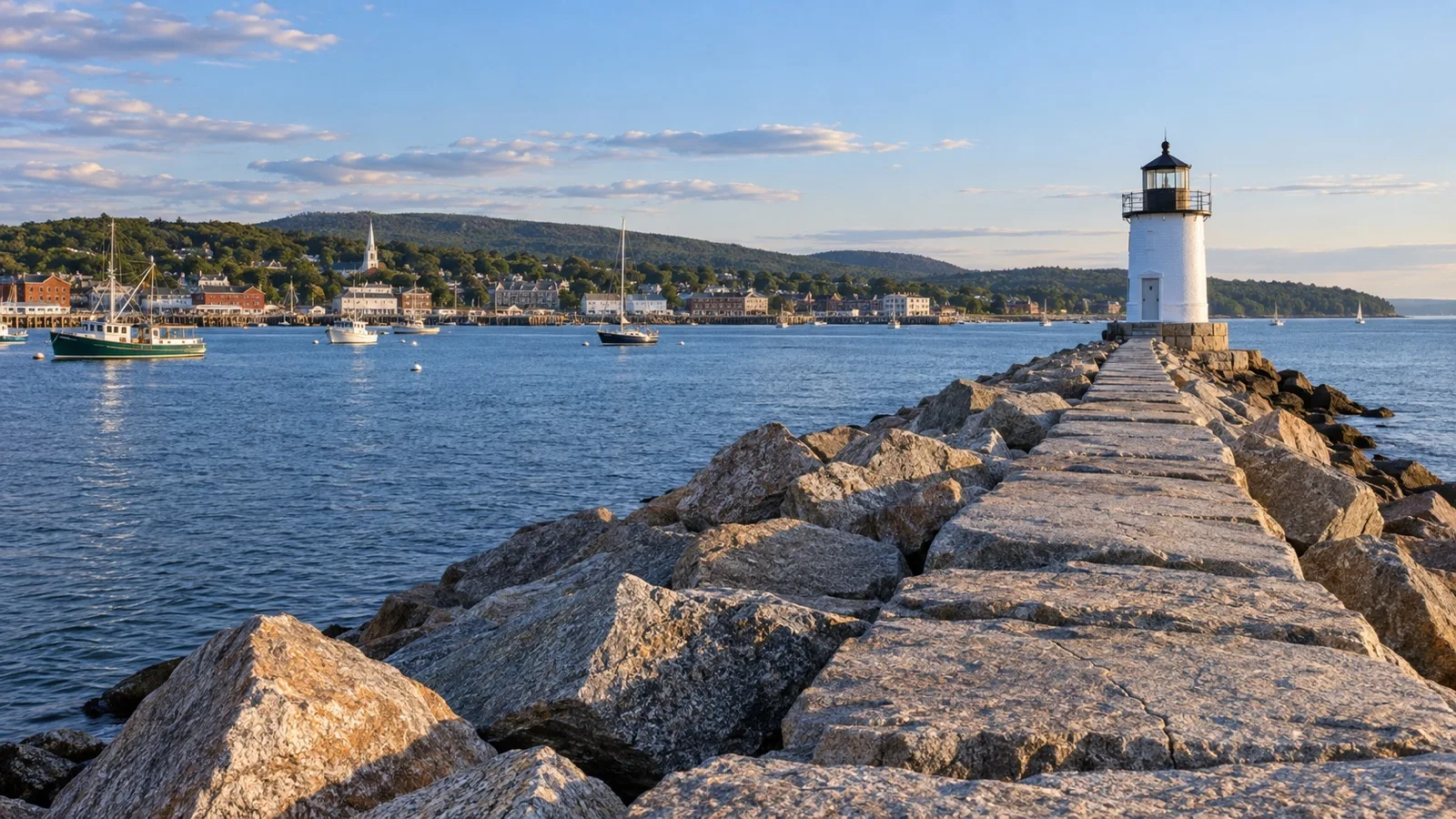
The route crosses large granite blocks with gaps, uneven heights, wet surfaces, wind, spray, and no continuous rail. It is unsuitable for many travelers and can become a poor choice quickly when fog or rain arrives.
Wear shoes with strong traction, keep hands free, and turn around if balance or conditions deteriorate. The lighthouse can be appreciated from shore or harbor viewpoints without treating its interior as guaranteed to open.
Allow several hours for transportation, the complete out-and-back walk, photographs, and a return buffer. Reserve a taxi with a confirmed pickup because the trailhead is not a dependable cab stand.
Camden is the tempting neighbor
Camden lies north of Rockland with a photogenic harbor, compact center, shops, and restaurants. It can pair well with Rockland on a half-day drive, but walking between the towns is not a sensible port plan.
Mount Battie in Camden Hills State Park adds a broad Penobscot Bay view when the auto road and weather cooperate. Check the official state park conditions and arrange a waiting driver because fog can erase the view while access hours change independently of downtown.
A protected excursion is simplest, while an advance taxi booking can work if the driver confirms every stop and the return time. Do not depend on finding a spontaneous car at the summit.
Owls Head offers a southern lighthouse route
Owls Head Light and its coastal setting lie south of Rockland by road. Grounds, parking, stairs, and interior access can vary, so use a tour or waiting taxi rather than treating it as a walk from town.
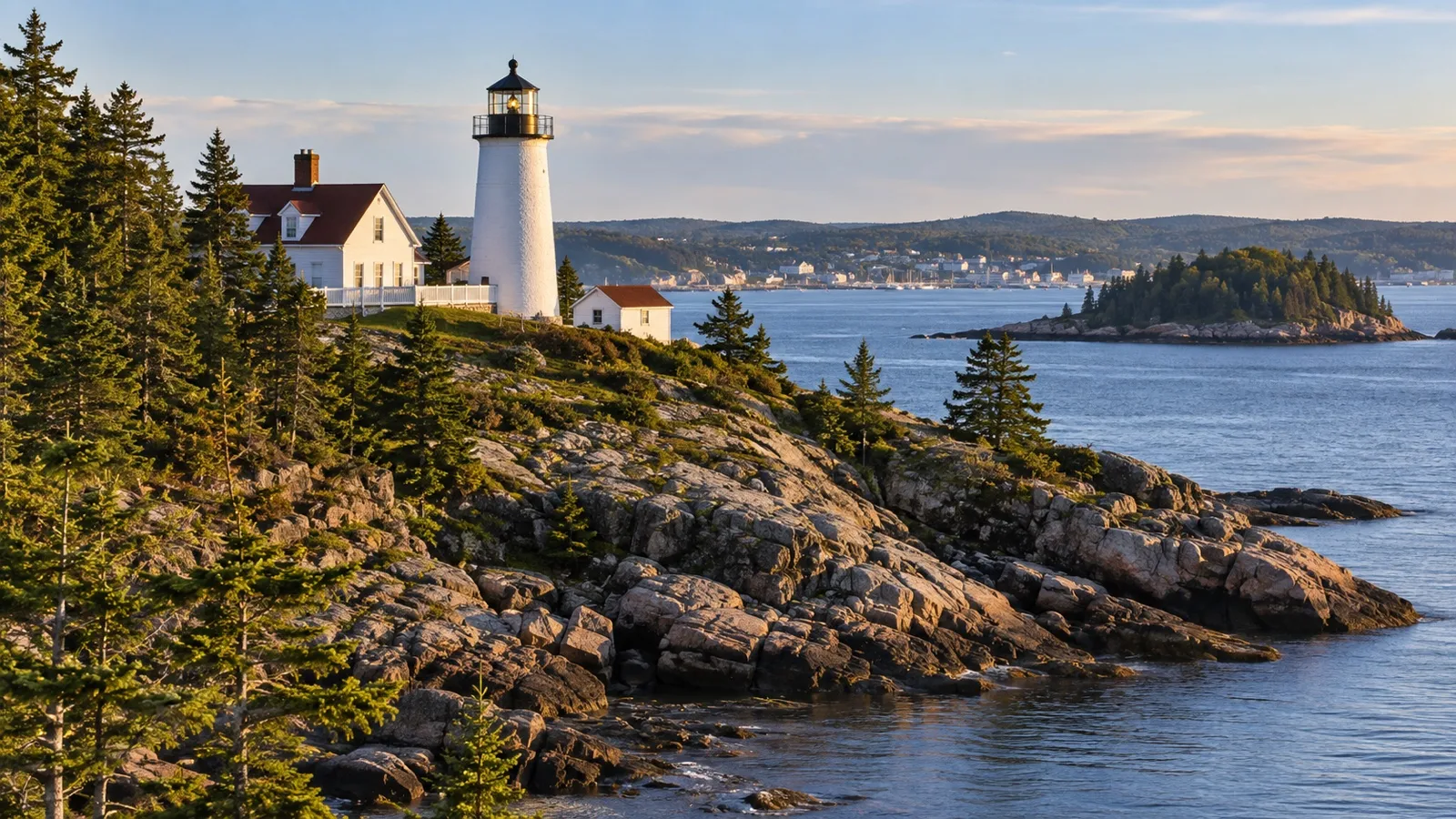
An outing combining Owls Head, the Lighthouse Museum, and Rockland’s waterfront tells a coherent maritime story. Adding the full breakwater walk as well turns a pleasant theme into an endurance test.
Choose one anchor activity
A delayed tender
Stay downtown with one museum, Main Street, Harbor Park, galleries, and lunch. The route remains close enough that a lost first hour does not destroy the plan.
Five to seven useful hours
Choose the breakwater, Camden and Mount Battie, or an Owls Head circuit, then reserve the final portion for downtown. One focused outing gives Rockland room to feel like a place rather than a transfer point.
Cold rain and low cloud
Use the Lighthouse Museum, Farnsworth, galleries, local food, and short waterfront walks between showers. Wet granite and a blank Mount Battie view are easy to skip without losing the character of the town.
Accessibility is strongest downtown
Tender boarding may involve a moving platform, boat steps, narrow seating, and limits on mobility devices. Ask the cruise line about the exact transfer and available assistance before booking anything ashore.
The Public Landing ramp changes angle with the tide, while Harbor Park and central streets provide the shortest distances. Curbs, older entrances, slopes, and wet surfaces still vary, so confirm museum access, restrooms, seating, and route details directly.
The Farnsworth states that the museum is wheelchair accessible and invites visitors to request help. The breakwater is not a mobility-friendly alternative and can challenge even steady walkers in poor weather.
Island ferries create too many connections
State ferries serve Penobscot Bay islands from Rockland, but an island round trip adds tickets, sailing schedules, weather, and a second marine connection. Missing the return ferry can also mean missing the cruise tender.
Attempt one only when a ship excursion controls the movement or an unusually long call leaves multiple official return options. A ferry schedule designed for island residents and overnight visitors is not automatically suitable for a ship passenger.
Transport and local life require planning
Downtown needs no vehicle, but the breakwater, Owls Head, Camden, and Mount Battie do. Reserve a taxi or tour in advance, confirm whether the driver waits, and agree on the exact Public Landing return point.
United States dollars and cards are standard, with small cash useful for tips and modest purchases. Download maps and driver details because cell service can weaken along coastal roads.
Lobster rolls, chowder, seafood, bakeries, and local beer make a town day satisfying without leaving Rockland. Order early enough that a busy kitchen does not become the afternoon’s chief scheduling problem.
Rockland is a community rather than a cruise compound, and the city is actively evaluating visitor management. Spend locally, follow harbor directions, avoid blocking working access, and let ordinary waterfront life continue around the call.
Maine weather rewards layers and humility
Rockland’s cruise season can deliver sun, fog, cool rain, wind, or several of those before lunch. Tender operations, mountain viewpoints, and the breakwater are especially exposed to marine conditions.
Bring a waterproof shell, warm layer, secure hat, and shoes with traction. Autumn color timing varies each year, so treat foliage as a possible bonus rather than a promised feature of the call.
Entry requirements depend on the itinerary
United States passport and entry rules depend on nationality, the voyage route, and where border processing occurs. Follow the cruise line’s written instructions and verify current requirements with the federal government before sailing.
Carry the ship card and identification named in the daily program. A domestic port call does not remove the documentation requirements created by an itinerary that also visits Canada.
Protect the return before the harbor changes
Central Rockland needs the smallest buffer, the breakwater and Owls Head need more, and Camden or Mount Battie need the largest. Add room for rain, fog, traffic, a taxi pickup, and the tender queue.
If the first boats run late, remove the distant stop rather than borrowing from the return margin. The ship’s final tender time overrides every general planning estimate.
Final thoughts
Rockland rewards one deep dive into art, lighthouse history, the breakwater, or Camden. Choose the idea that matches the weather and your legs, then finish beside Harbor Park with the tender comfortably in sight.
CruisePorts.co provides practical, independent planning guidance for cruise travelers. Anchorage, landing points, entry rules, site access, traffic, and weather can change, so verify critical details with official sources and your cruise line before travel.