Kangerlussuaq Cruise Port Guide: Ice Sheet Excursions and Fjord Logistics
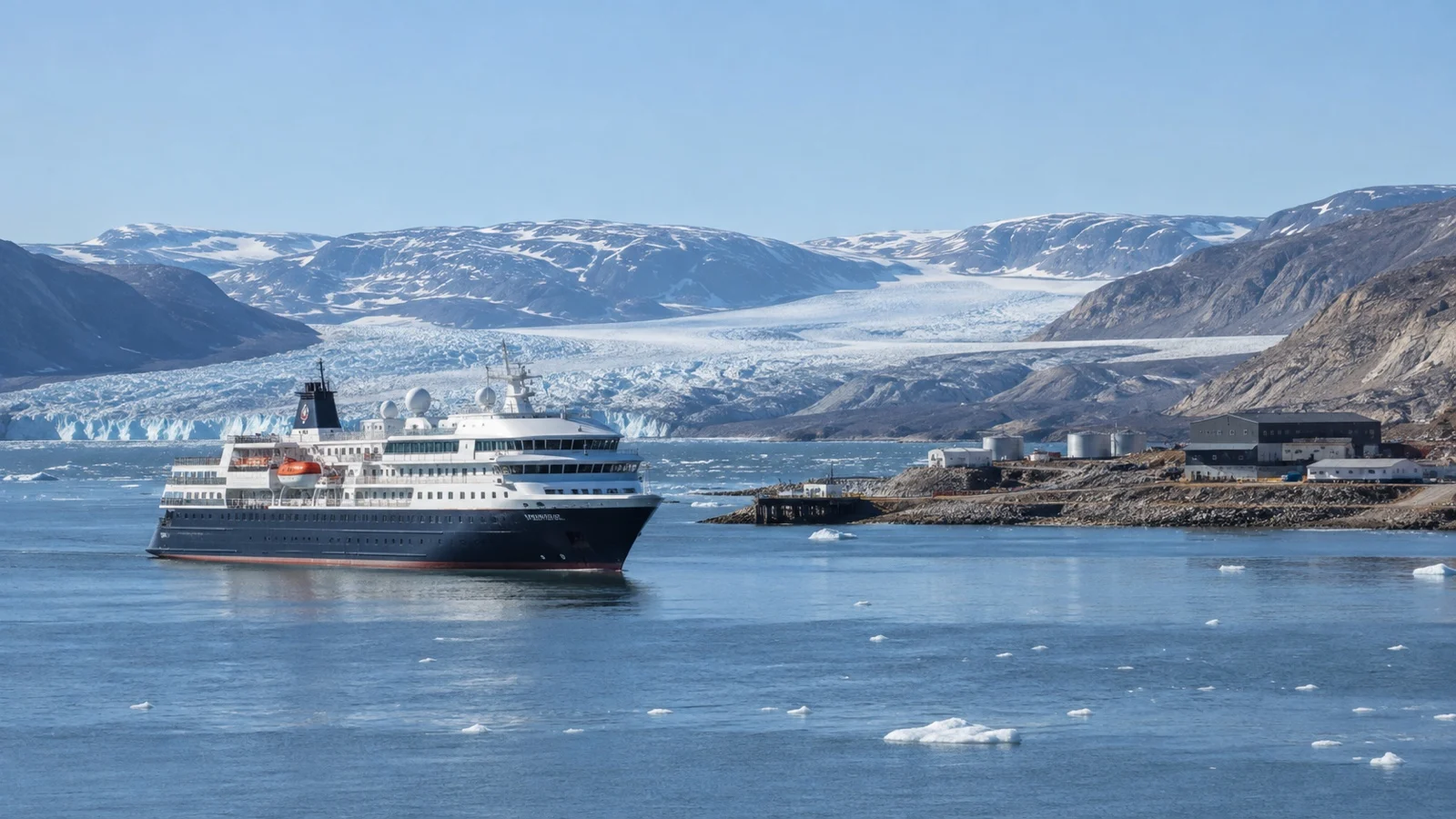
Kangerlussuaq is a Greenland cruise stop built around distance and landscape rather than a colorful waterfront town. Ships travel deep into a long fjord, while the day’s biggest prize is road access toward the Greenland Ice Sheet.
This port requires more logistical planning than the map suggests. The harbor area, airport settlement, glacier viewpoints, and ice-sheet access points are not one compact walkable district.
My quick take
Book a well-timed vehicle excursion if seeing the ice is your priority. Staying near the settlement can still be interesting for aviation history and tundra scenery, but it does not deliver the defining Kangerlussuaq experience.
Point 660 and Russell Glacier are the two names most visitors will see in excursion descriptions. They offer different perspectives, so read the itinerary carefully instead of assuming every ice tour visits both.
Wildlife is an appealing bonus rather than a guarantee. Muskoxen, reindeer, Arctic foxes, and other animals roam open country, and responsible guides keep a safe distance.
Kangerlussuaq quick facts
- Port style: Large passenger vessels generally rely on small-boat transfer arrangements, with the exact landing and transport plan set by the ship.
- Into town: Do not assume the harbor landing is beside the airport settlement. Use the ship’s transfer because distances and local transport are limited.
- Best for: Point 660, Russell Glacier, tundra landscapes, muskoxen, aviation history, and the Arctic Circle Trail gateway.
- Currency: Danish kroner, code DKK. Cards are useful, but Visit Greenland says the local bus requires cash.
- Time: Greenland changed its time-zone rules in recent years, so verify the ship’s local time instead of relying on an old guide.
- Planning: Reserve limited excursion seats early, confirm the final boat time, and expect weather or operational changes.
How the cruise call works
Kangerlussuaq does not have a conventional deep-water cruise terminal. The local seaport handles smaller vessels and cargo activity, while cruise operations depend on the visiting ship’s size and transfer setup.
Expect the line to explain where and how guests board a tender, Zodiac, or other small craft. Never assume that a description from another voyage applies to your vessel because landing plans can change with local conditions.
The fjord is sheltered compared with an open-coast anchorage, but small-boat transfers still depend on wind, visibility, tide, and safe access to the landing. A long approach through the fjord also shapes the ship’s arrival and departure schedule.
Collect any tender ticket early and attend the ship’s briefing. Wear the requested footwear, keep both hands free during boarding, and wait for crew instructions at every transfer.
From the harbor to the settlement
The seaport and the main airport settlement are separated by a meaningful road distance. Cruise passengers should use the transportation arranged by the ship or a confirmed operator rather than planning to walk from the landing.
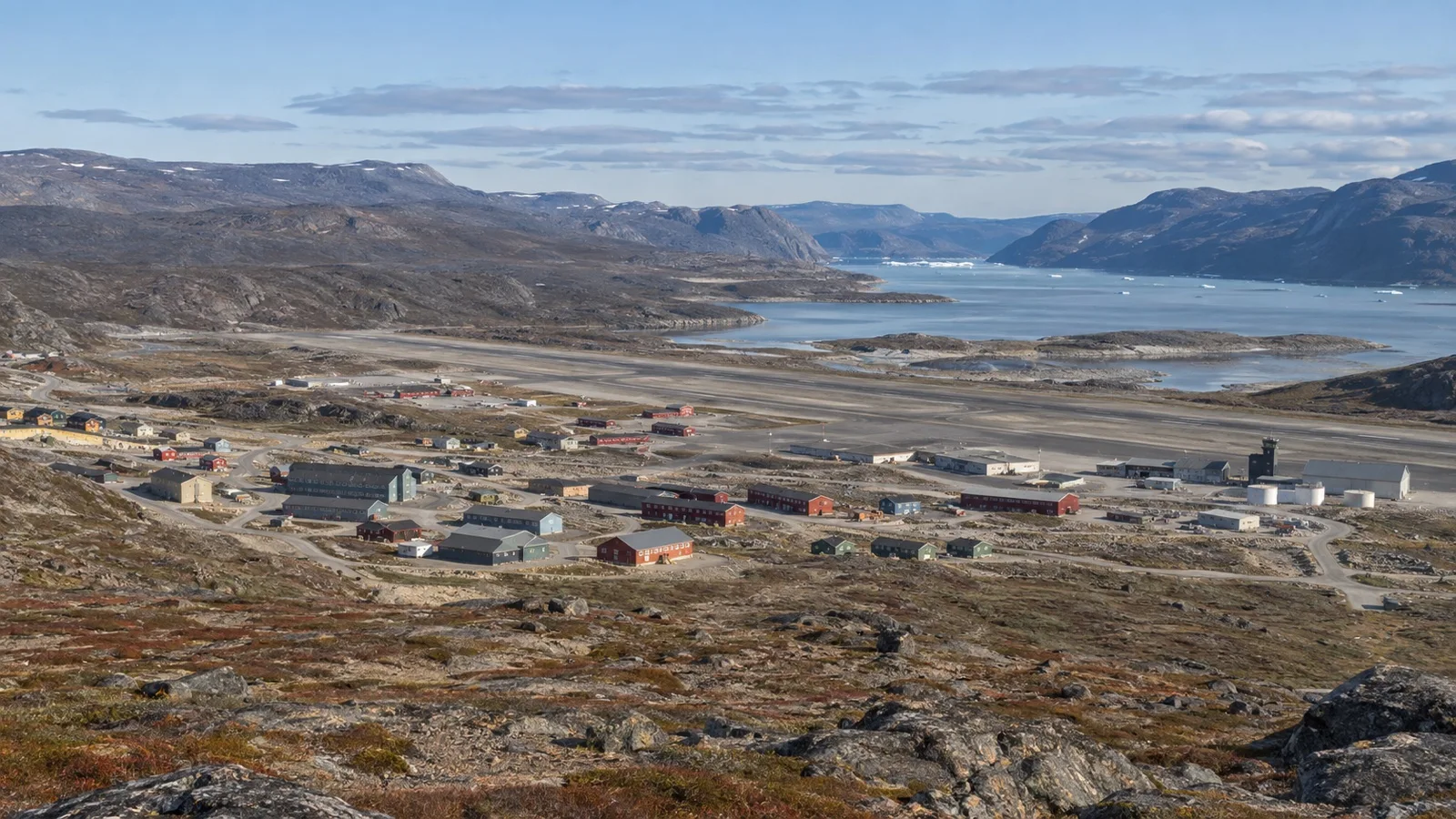
Kangerlussuaq grew around an air base and runway, not around a historic harbor center. That gives the settlement a practical layout with buildings spread on both sides of the airstrip.
Visit Greenland says the local bus serves stops around town roughly every 30 minutes and takes cash only. A cruise visitor should still verify whether public service fits the call before relying on it.
The airport area contains visitor services, souvenirs, lodging, and the most recognizable indoor facilities. Retail and dining remain limited compared with Nuuk or Sisimiut, especially when several groups arrive together.
If your ship offers a simple settlement transfer, confirm how much free time it includes and where the return pickup occurs. Save a photograph of the bus or vehicle and the meeting point because similar utility buildings can make orientation confusing.
Point 660 and the Greenland Ice Sheet
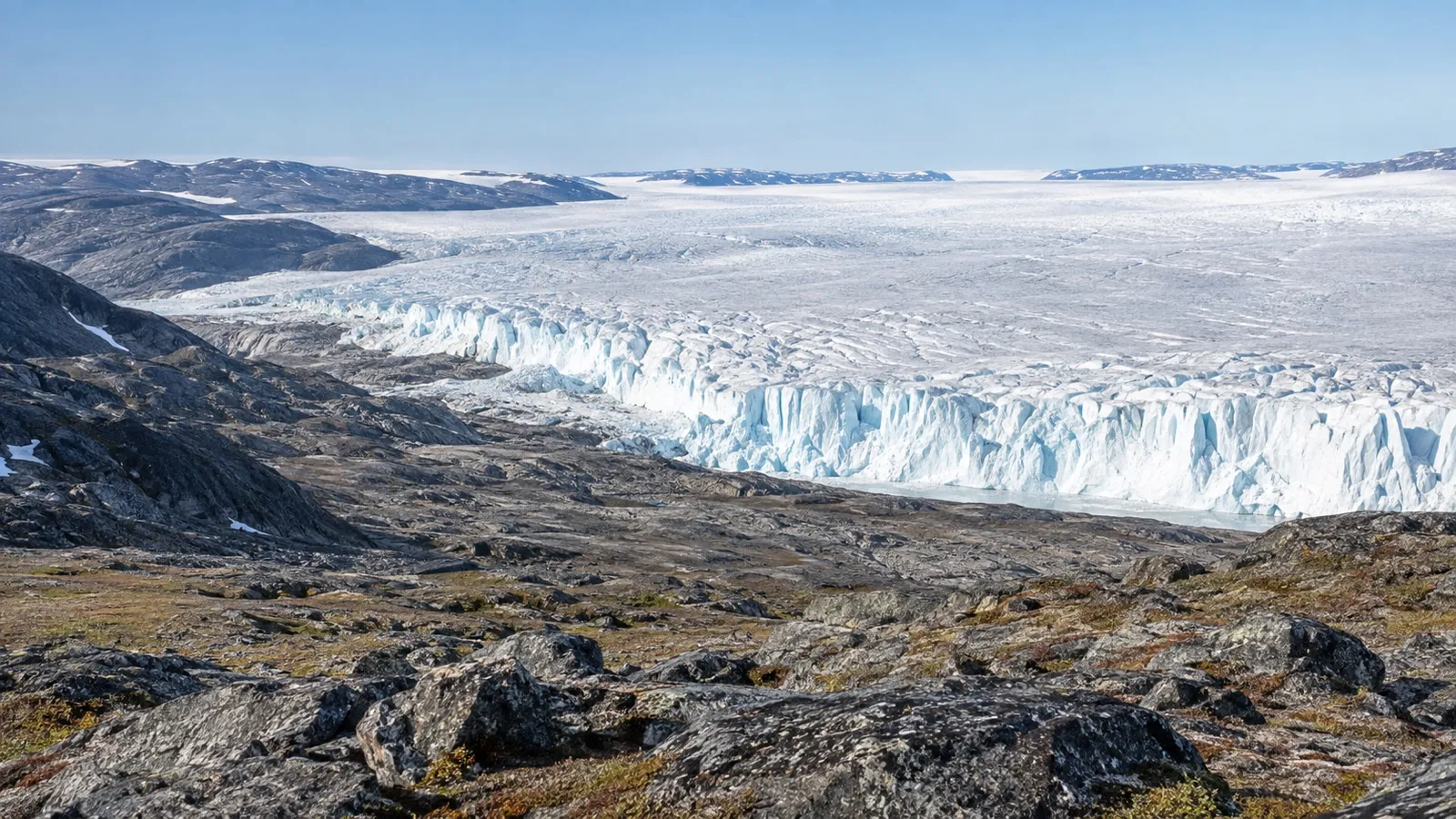
Point 660 is the classic road-access excursion to the edge of the Greenland Ice Sheet. Visit Greenland describes Kangerlussuaq as one of the few places where travelers can get this close to the ice by land.
The route uses a gravel road through broad tundra and glacial terrain. Journey time depends on road condition, stops, vehicle, and weather, so compare the total tour duration rather than an optimistic driving estimate.
Some tours let guests step onto the ice only where the guide considers conditions safe. Crampons or traction equipment may be supplied, but footwear requirements and the amount of walking vary.
Do not leave the guide’s route because meltwater, loose rock, hidden ice, and crevasses are serious hazards. Conditions can change quickly even when the first section looks flat and simple.
Ask whether the tour reaches the ice edge, includes time on the ice, or only offers a distant viewpoint. Those descriptions are not interchangeable, and mobility demands can differ sharply.
Russell Glacier
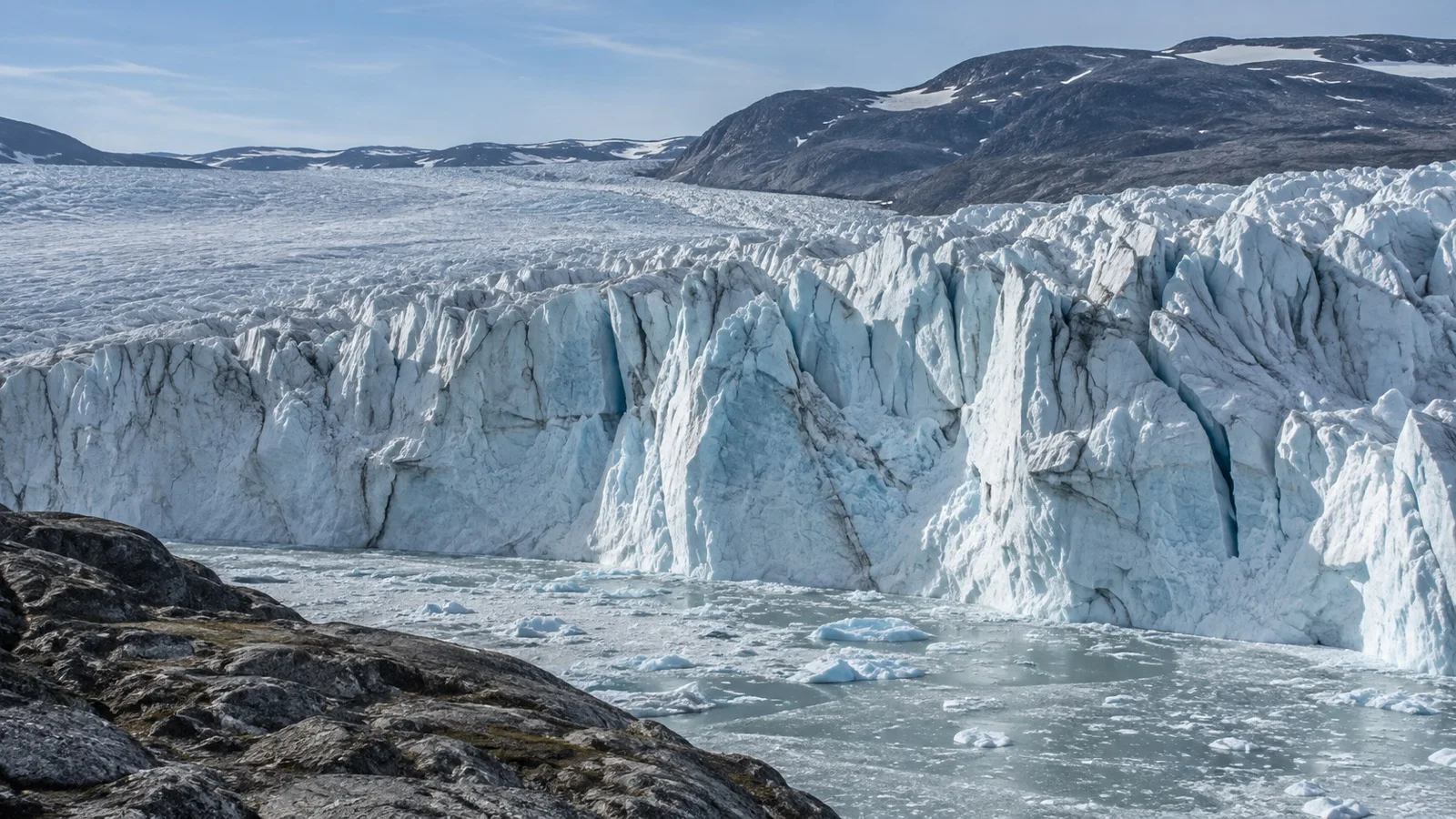
Russell Glacier is another major outing from Kangerlussuaq, with a dramatic ice front that can be viewed from the surrounding land. It offers a more vertical glacier perspective than the broad ice-sheet margin at Point 660.
Tour vehicles follow unpaved roads, and the final viewpoint may involve uneven ground. Ask how close the vehicle gets, how long passengers stand outside, and whether the walk includes steep or loose surfaces.
Ice can crack or calve without warning, so remain within the guide’s designated area. Never approach the face, river, or unstable banks to improve a photograph.
A combined Russell Glacier and Point 660 excursion may fill most of the port day. It is an excellent choice when the schedule is built around the ship, but a poor place for an improvised independent timeline.
Muskoxen and other wildlife
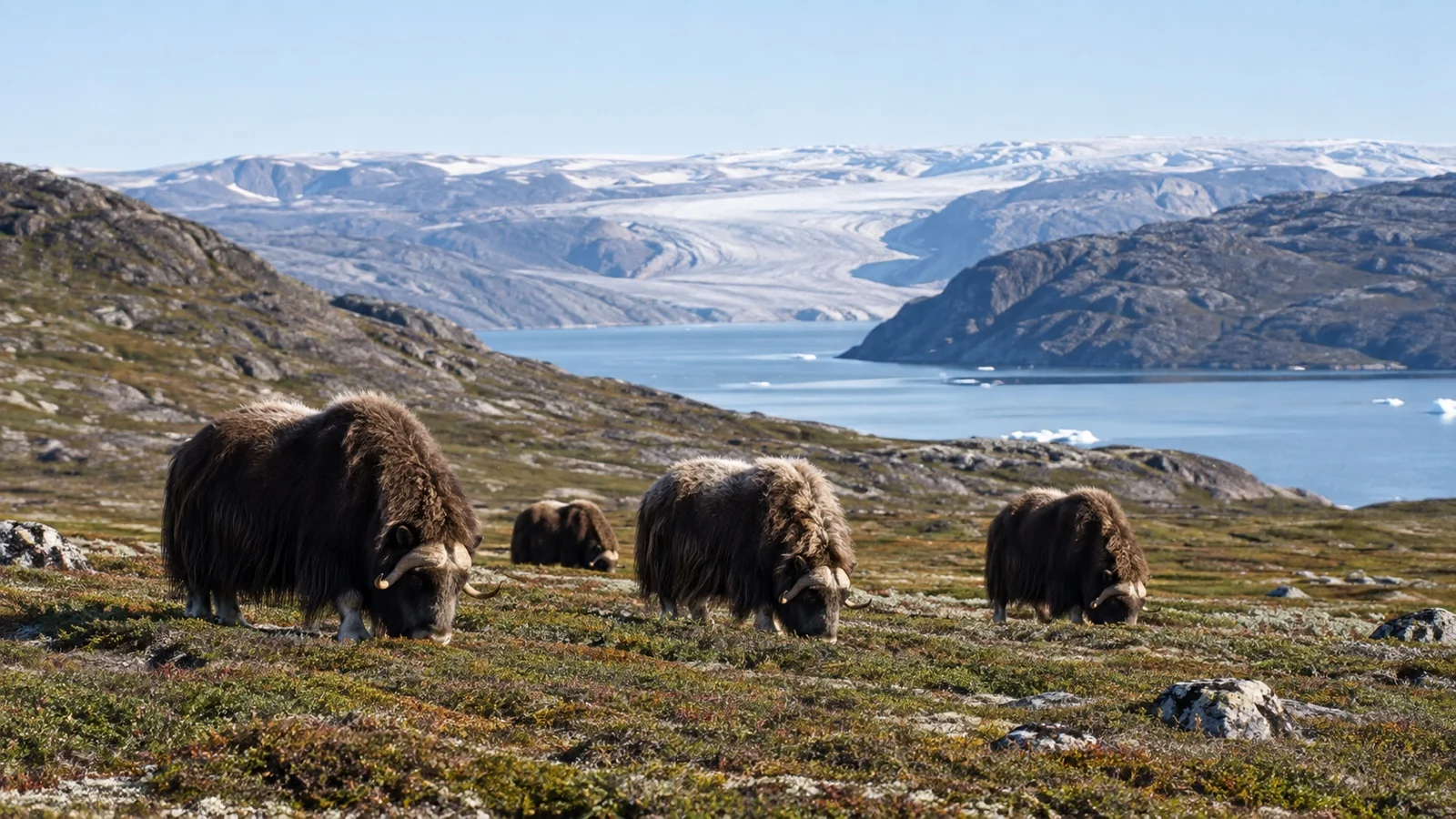
The tundra around Kangerlussuaq supports muskoxen, reindeer, Arctic foxes, and snow hares, according to Visit Greenland. Guides often scan for animals during road trips, but sightings and distance vary.
Bring binoculars and a camera lens with useful reach. A distant, calm sighting is better than pressuring an animal for a close photograph.
Muskoxen are powerful wild animals and can move faster than their heavy appearance suggests. Follow the guide’s spacing rules and never walk between adults and young animals.
Do not ask a driver to leave the approved road or chase wildlife. Responsible viewing protects both the animals and a schedule that already has little room for delay.
Aviation history and the museum
Kangerlussuaq began as a United States air base during the Second World War and remained under American control until 1992. Its runway and practical buildings still make that history visible.
The Kangerlussuaq Museum covers the settlement’s air-base past and later role in Greenlandic transportation. Confirm current opening hours because museum access in small Arctic communities can change by season and staffing.
The airport’s role changed when Nuuk’s expanded airport opened in late 2024. Kangerlussuaq remains active, and Visit Greenland lists direct Copenhagen service twice weekly during much of 2026 plus domestic connections through Nuuk.
That current flight information matters for embarkation and disembarkation plans, but it is not a safety net for missing the ship. Rebooking in Greenland can be expensive and limited by weather and seat availability.
Ship excursion or independent plan?
Book the ship’s excursion when the ice sheet is the reason you chose this itinerary. Vehicles and guides are limited, the roads are remote, and a coordinated return removes a major source of stress.
Visit Greenland and its travel-trade directory list multiple local providers for car tours, excursions, and flightseeing. An independent booking can work when the operator confirms the ship, landing transfer, meeting point, and conservative return time.
Do not expect to hire a taxi at the last minute and negotiate a full ice-sheet tour. Vehicle type, road access, safety equipment, and local knowledge matter more than simply finding a driver.
A self-guided settlement day is possible if the ship provides transportation from the landing. Keep expectations modest and verify the museum, shops, and return pickup before setting out.
Flightseeing offers a different view of the ice but depends heavily on visibility, aircraft availability, and weight limits. Read cancellation terms and make sure the return leaves enough time for ship transfer procedures.
Accessibility and mobility
The first barrier may be the small-boat transfer from the ship. Boarding can involve steps, a moving platform, or the need to transfer between the vessel and an inflatable or tender.
Ask the cruise line whether your mobility device can be handled safely under expected conditions. Crew may make a final decision on the day even after an advance discussion.
Ice-sheet and glacier excursions usually involve high vehicle steps, long rides on rough gravel roads, and uneven outdoor surfaces. Ask for the step height, walking distance, restroom plan, and amount of time standing.
Travelers who cannot join the main outing should ask whether an accessible settlement transfer is available. Do not assume local buses, tour vehicles, museum entrances, or restrooms provide step-free access.
Cold, wind, and vibration can worsen fatigue or pain even when walking is minimal. Bring needed medication, dress in adjustable layers, and tell the guide before the group leaves town.
Weather and what to wear
Kangerlussuaq has a drier continental climate than many coastal Greenland ports. That can mean clearer skies, but conditions near the ice remain cold, windy, and changeable.
Wear a moisture-wicking base layer, warm midlayer, waterproof outer shell, hat, and gloves. Add sturdy footwear with good grip for gravel, rock, mud, or icy surfaces.
Sun protection matters because snow and ice reflect light. Pack sunglasses and sunscreen even on a cool day, then keep a spare warm layer available when cloud or wind arrives.
Summer calls usually bring long daylight rather than reliable northern lights. Visit Greenland places the main aurora period in the darker months from October through April.
Fog may affect marine and aviation plans, while wind can delay small-boat operations. Follow the ship’s updates instead of treating a phone forecast for the airport as a complete picture of conditions in the fjord.
Food, money, and connectivity
Greenland uses Danish kroner, and cards are common at established businesses. Carry some cash because Visit Greenland specifically notes that the local bus accepts cash only.
Dining and shopping choices are limited, especially during a busy call. Eat aboard before a long excursion and carry water plus any ship-approved snack you may need.
Visit Greenland lists a supermarket near the airport and souvenir outlets in or near the terminal. Opening hours and stock can vary, so do not postpone an essential purchase until this stop.
The airport offers limited free Wi-Fi, but mobile coverage can weaken outside the settlement. Save booking confirmations, ship contacts, and meeting details offline.
Protecting your return to the ship
Photograph the last-tender or final-transfer time before leaving the ship. Confirm whether the vessel is using local time and whether a late excursion returns directly to the landing.
Road trips to the ice have limited alternate routes, and vehicle trouble can create a major delay. Independent operators should plan an earlier return than the absolute deadline.
Do not add an unplanned hike or wildlife detour after the main excursion. The harbor transfer may take longer than expected, and the ship must recover every passenger before sailing back through the fjord.
If a delay develops, contact the ship through the number in the daily program while the operator works on the return. A working airport does not make a missed departure simple or affordable.
How Kangerlussuaq fits a Greenland itinerary
Kangerlussuaq provides an inland contrast to Greenland’s coastal towns. Its strengths are road access to the ice, broad tundra, wildlife, and aviation history rather than a traditional harbor district.
Pair it mentally with Ilulissat, where icebergs and the icefjord dominate the visit. Sisimiut adds a more active town center and deeper street-level cultural experience.
Our Greenland cruise ports guide explains how these stops complement one another. The separate Greenland cruise gateways guide helps with embarkation and flight planning.
Some expedition voyages begin or end here because of the runway and access to charter flights. Check the current airline and cruise documents carefully because Greenland’s aviation network has changed since Nuuk became the main international hub.
Quick answers
Do cruise ships dock in Kangerlussuaq?
Do not expect a conventional cruise berth. Large passenger vessels generally use a small-boat transfer plan, with the exact landing set by the ship.
Is the harbor beside town?
No, the harbor area and airport settlement are separated by road distance. Use the ship’s arranged transportation and verify the return pickup.
Can I reach the ice sheet independently?
Only with confirmed transport from a suitable local operator. The route is remote and unpaved, so a spontaneous taxi plan is not appropriate.
Should I choose Point 660 or Russell Glacier?
Choose Point 660 for access to the broad ice-sheet margin and Russell Glacier for a dramatic glacier-front view. A combined tour works when it is timed around the ship.
Will I see muskoxen?
They live in the surrounding tundra, but no sighting is guaranteed. Bring binoculars and follow the guide’s distance rules.
Is Kangerlussuaq still an international airport?
It remains active after Nuuk became Greenland’s main hub in 2024. Visit Greenland lists direct Copenhagen flights twice weekly for much of 2026 plus domestic access through Nuuk.
The last word
Kangerlussuaq is not a port for browsing a waterfront and deciding later. Its best experience depends on securing the right transport, understanding the landing, and protecting enough time for the return.
Plan well and the reward is extraordinary access to the Greenland Ice Sheet and a landscape that feels far beyond the usual cruise route. Let the ship manage the tightest logistics, then enjoy the scale of the place.
How this guide was researched: This guide uses current information from Visit Greenland, its travel-trade cruise resources, Greenland aviation information, and local operator listings. Logistics and time-sensitive details were reviewed in September 2026; see our Editorial Policy.