Pittsburgh River Cruise Port: The Point, Downtown and Inclines
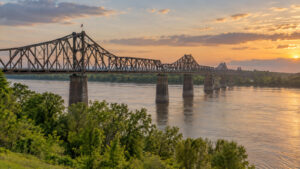
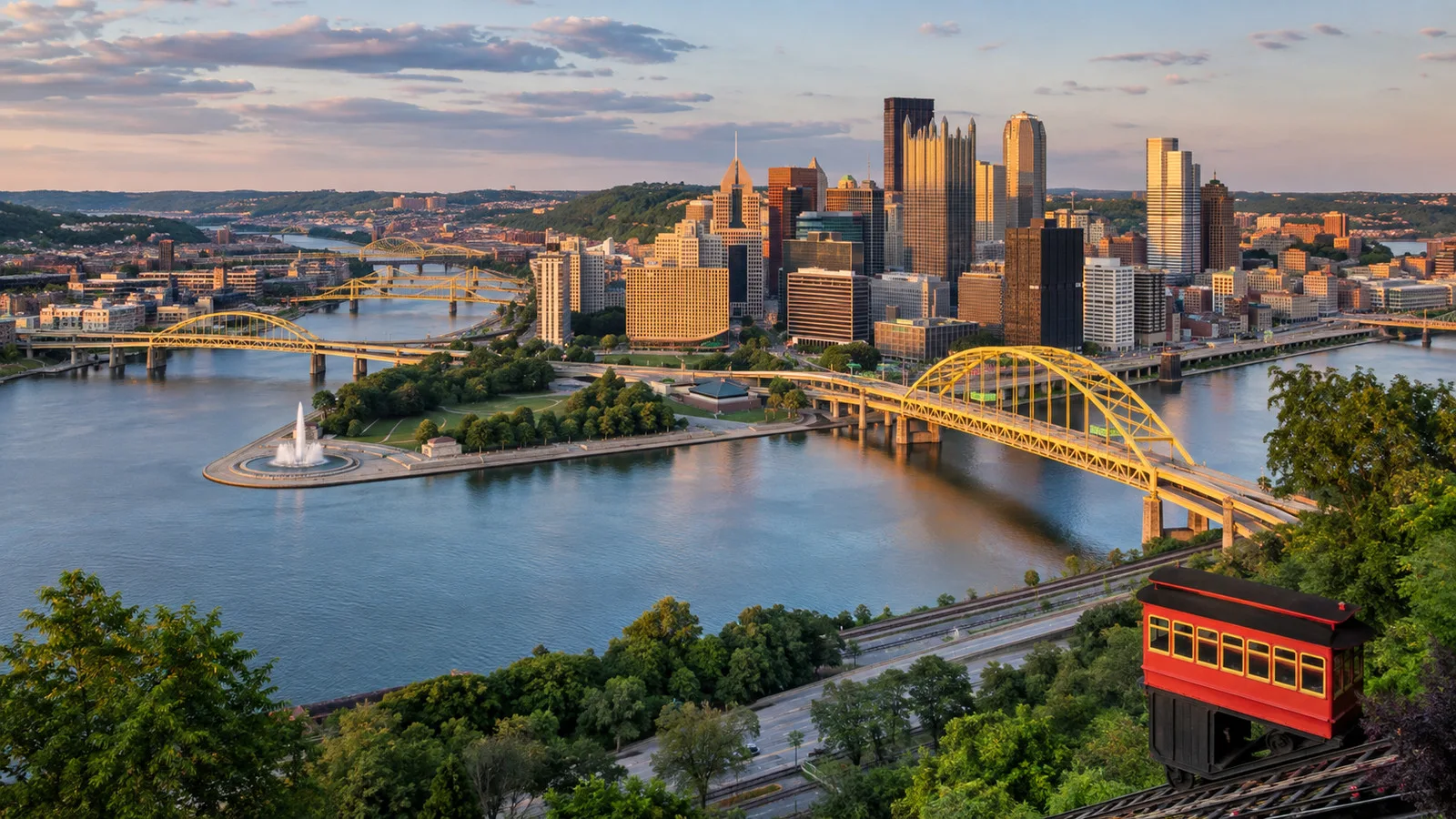
Pittsburgh delivers the geography lesson before anyone reaches for a map. The Allegheny and Monongahela meet at the Point, the Ohio begins, and a remarkable collection of bridges frames the whole scene.
That confluence also makes the city an exciting Ohio River cruise endpoint. It does not, however, turn “near the Point” into one guaranteed piece of quay for every sailing.
Pittsburgh River Cruise Port Quick Facts
Into Town: Ships dock near Point State Park, but the exact quay can shift. Downtown begins beside the park; follow the cruise line’s transfer instructions.
Currency and Language: U.S. dollar. English is the primary visitor language; request interpretation or accessibility accommodations through the cruise line before sailing.
Time Zone: Eastern Time, UTC-5; Eastern Daylight Time, UTC-4, from the second Sunday in March through the first Sunday in November.
Operational Notes: River level, locks, current, fog, berth access, or other operational changes can alter Pittsburgh embarkation.
No cruise operator or public agency publishes an audited Pittsburgh river-cruise cancellation rate. Check the final transfer and landing instructions because a berth or timing change does not necessarily remove Pittsburgh from the itinerary.
Is Pittsburgh an Active River Cruise Port?
Yes. The current American Cruise Lines Ohio River itinerary runs between Louisville and Pittsburgh, with 2027 departures now listed in July and August.
The line describes Pittsburgh as the beginning or conclusion of the journey, depending on direction, and notes that exact itineraries and excursions vary by sailing. Treat the booking confirmation and final travel documents as the authority for your date.
Pittsburgh is generally a turnaround port on this itinerary rather than a leisurely middle-of-cruise call. Airport transfers, hotel arrangements, luggage delivery, and gangway timing matter as much as sightseeing.
Where Do River Cruises Dock in Pittsburgh?
The operator says its ships dock near Point State Park. That is a useful neighborhood-level description, not proof of one permanent pier, street address, or riverbank position.
The Point sits where two rivers meet and a third begins, so “Pittsburgh riverfront” covers more territory than it first appears. Vessel size, current, water level, bridge and lock conditions, another boat, a public event, or operating requirements can influence the final landing.
A ship may also raft alongside another vessel, use a floating stage, or present a different gangway angle than passengers expected. Do not send a taxi to a guessed pin or drag luggage toward a boat you can see across the water.
Use the hotel desk, cruise representative, transfer notice, or embarkation text supplied for the sailing. If instructions change, the newest message wins.
The Point and Pittsburgh’s Three-River Geography
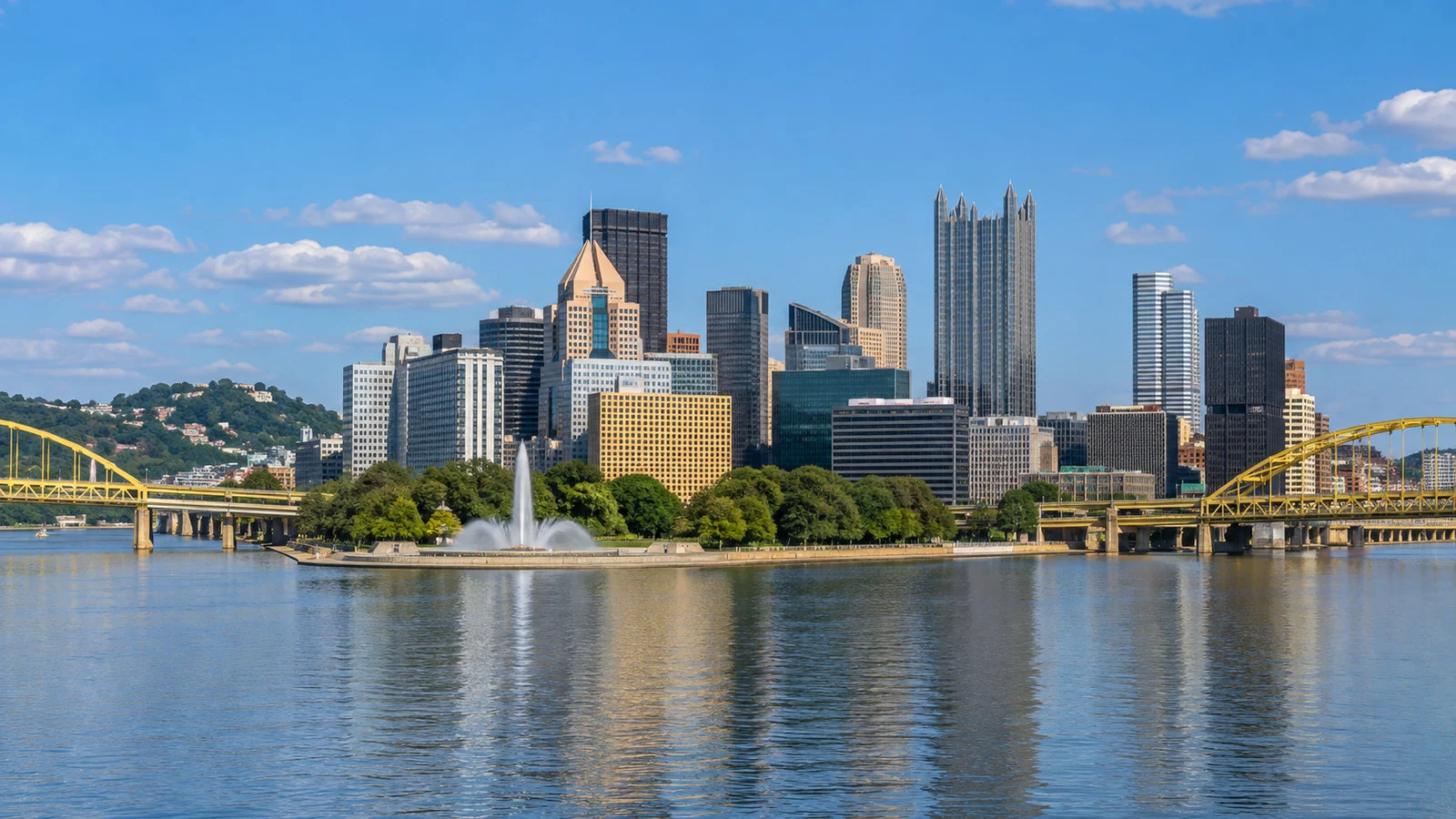
Point State Park occupies 36 acres at the tip of downtown’s Golden Triangle. The official Pennsylvania state park page identifies it as the confluence of the Allegheny and Monongahela rivers, which form the Ohio River.
In plain English, two rivers arrive and one leaves. Pittsburgh still gets to call them the Three Rivers because civic branding has never been frightened by hydrology.
The park’s fountain, lawns, river overlooks, and views of downtown, the North Shore, Mount Washington, and the inclines make it the best short introduction to the city. The park is open daily from sunrise to sunset, although events and maintenance can restrict portions.
Paved promenades include benches and scenic overlooks, and the state describes them as ADA accessible. One mile of the Three Rivers Heritage Trail runs through the park, connecting to a much larger regional trail network.
Allow 45 to 75 minutes for the park, fountain area, and confluence views, an editorial estimate. Add time if temporary security fencing turns a straight line into Pittsburgh’s newest bridge approach.
Fort Pitt Museum: History Without Leaving the Point
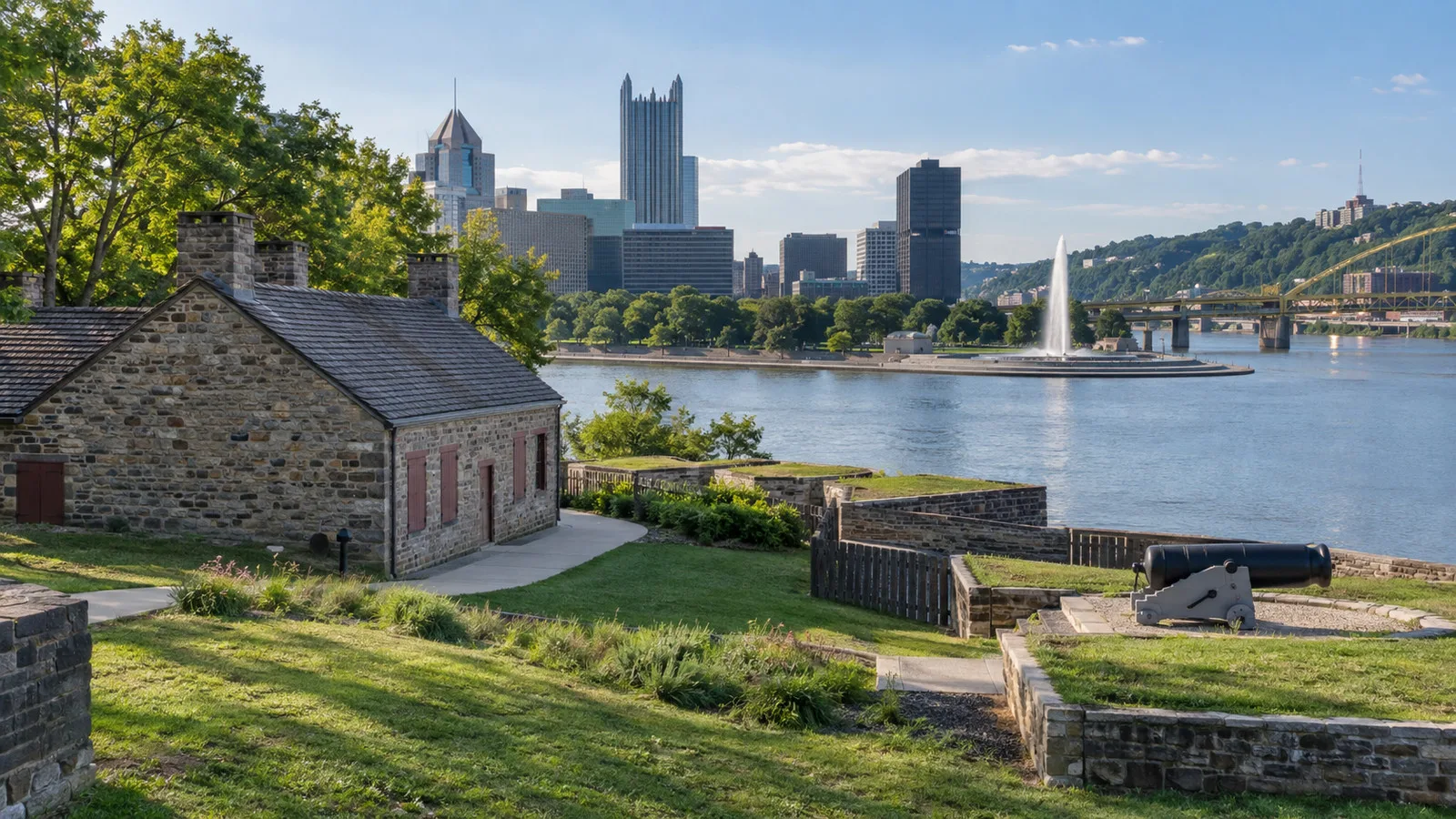
Fort Pitt Museum is inside Point State Park, making it the easiest substantial attraction from a Point-area landing. Its exhibits cover the French and Indian War, the American Revolution, diplomacy and conflict in the Ohio Country, and Pittsburgh’s beginnings.
The official museum page lists daily hours of 10 a.m. to 5 p.m. and an adult ticket of $10, with holiday and event closures possible.
The museum has two floors in a reconstructed fort bastion. Allow 60 to 90 minutes for a useful visit, an editorial estimate, or longer if frontier history is the reason you came.
The nearby Fort Pitt Block House is a separate historic site with its own opening schedule. Never assume the museum’s open door means the Block House is also admitting visitors.
Walking From the Point Into Downtown
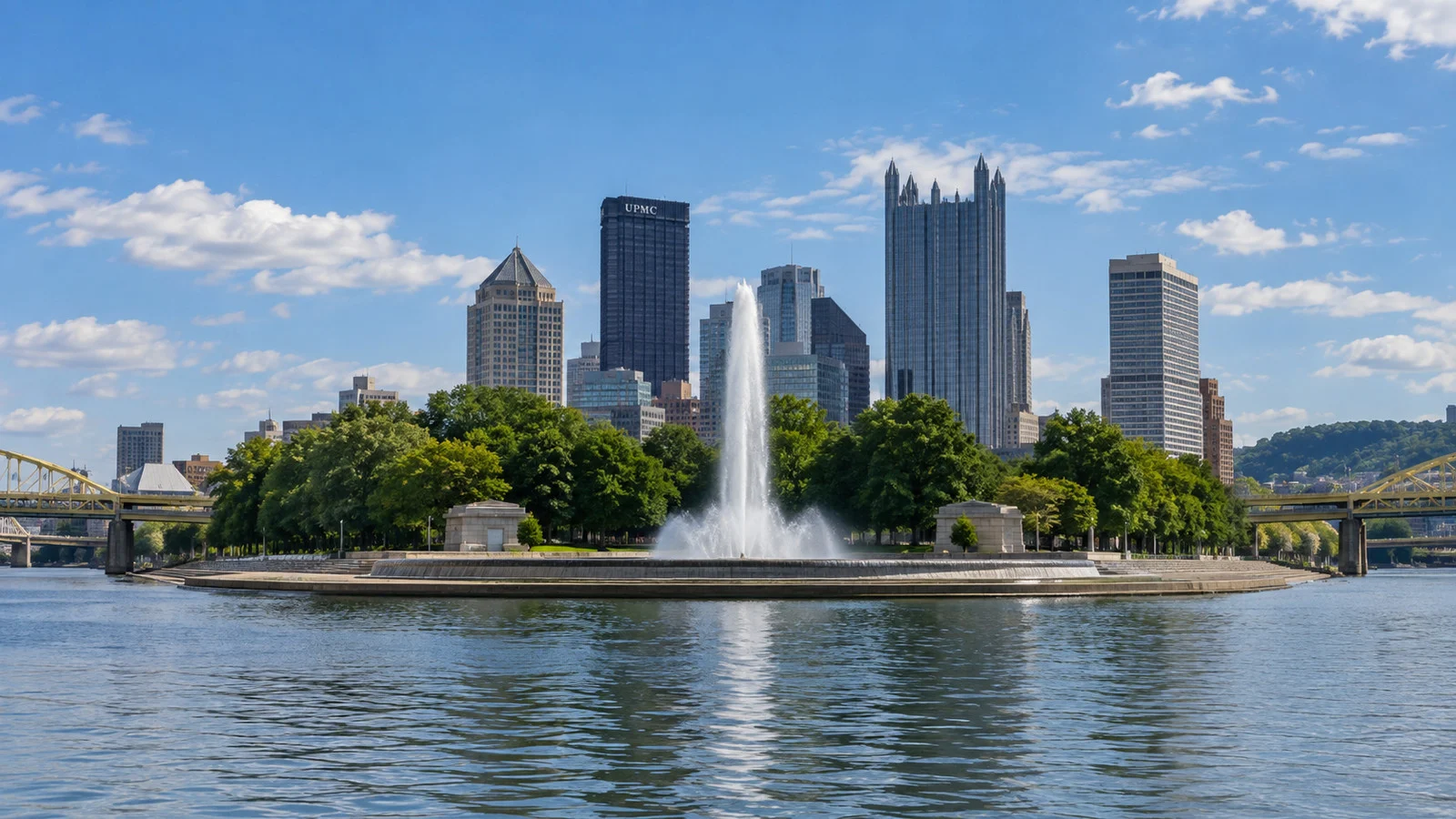
Downtown begins immediately east of the park, but the assigned gangway determines the true starting point. Market Square is roughly a 10 to 20 minute walk from the park entrance, an editorial estimate that varies with crossings, security routes, and pace.
Market Square is a practical lunch and orientation stop, with restaurants and seasonal activity. Continue east for the Cultural District or northeast toward the Strip District if the call provides enough time.
Pittsburgh’s blocks can look flatter on a phone than they feel underfoot, particularly once an itinerary leaves the river plain. Comfortable shoes remain more valuable than optimism.
The light-rail “T” is free between downtown and North Shore stations, according to Pittsburgh Regional Transit. Buses are not free, so do not extend the zero-fare rule to every vehicle with the same agency logo.
Which Pittsburgh Incline Should You Ride?
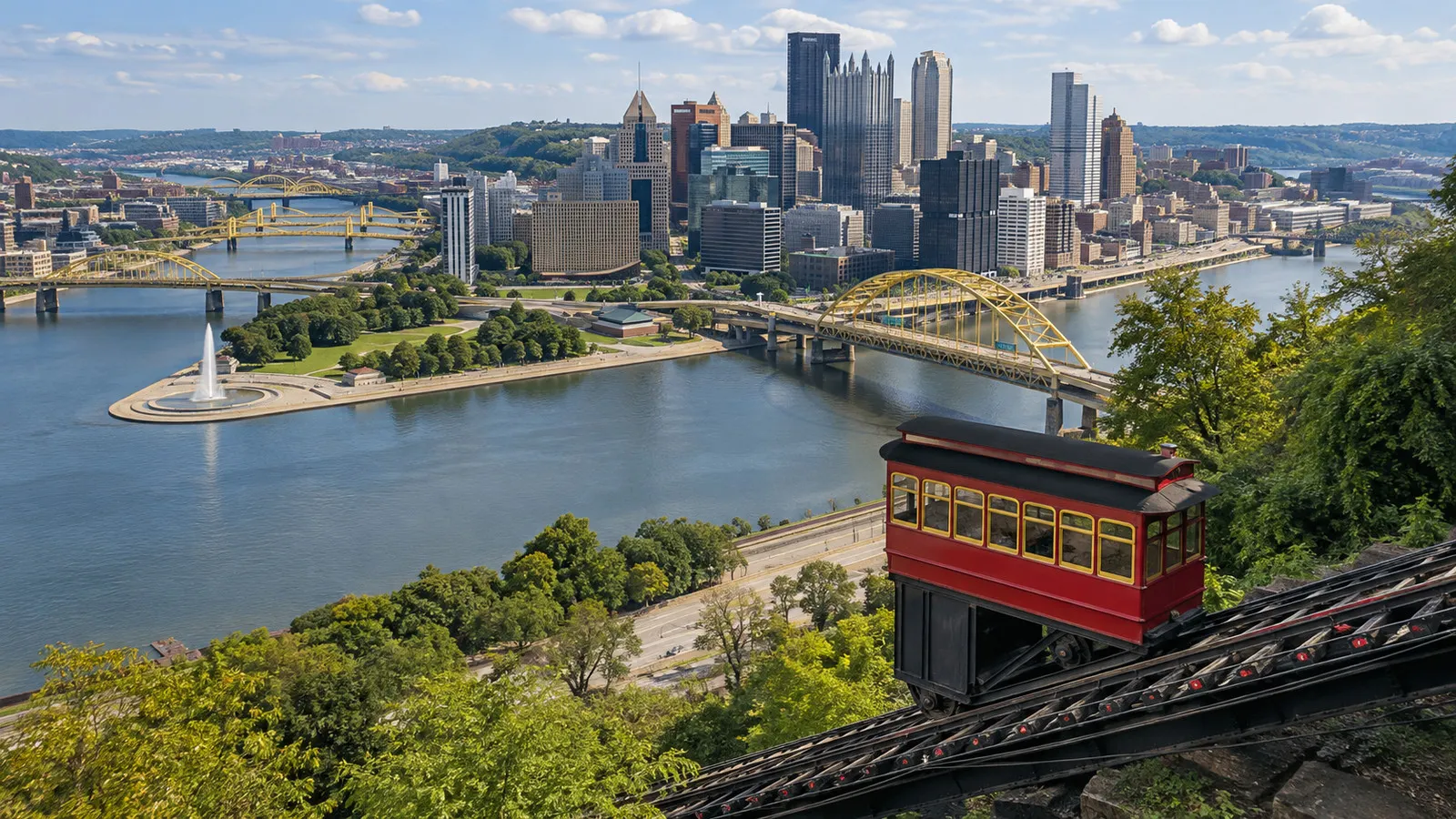
Pittsburgh has two operating funiculars on Mount Washington, and both provide skyline views. They are separate systems with different locations, payment details, operating realities, and accessibility limits.
The Monongahela Incline rises from Station Square near the Smithfield Street Bridge. It is generally the simpler independent choice from central downtown because travelers can use the T to Station Square or walk across the bridge.
Pittsburgh Regional Transit lists current Monongahela Incline hours of 5:30 a.m. to 12:45 a.m. Monday through Saturday, and 8:30 a.m. to midnight on Sundays and holidays. Its standard fare is $2.75 for a three-hour pass, while a day pass is $7.
The Duquesne Incline’s lower station is farther west on West Carson Street, across the Monongahela from the Point. It offers the celebrated postcard angle over the confluence but is a less convenient spontaneous walk.
PRT lists Duquesne Incline service daily from 6:30 a.m. to 12:30 a.m., with cars operating approximately every 15 minutes. Maintenance or service disruptions can override posted hours, so check live notices before crossing the river.
Budget 90 minutes to two hours for one incline from the downtown riverfront, an editorial estimate including travel, waiting, views, and return. Attempting both on embarkation morning is a fine way to become deeply familiar with your watch.
Incline Accessibility Matters
PRT states that all buses, light rail vehicles, and the Monongahela Incline are ADA compliant. On the Mon Incline, the west car is wheelchair accessible.
The Duquesne Incline is wheelchair accessible only from its upper station, and its cars accept wheelchairs no wider than 25 inches. A wheelchair user arriving at the lower station should not assume the visible car is a usable route uphill.
Confirm current elevator, platform, and car status before leaving the ship. “Accessible attraction” is not enough if the route between gangway, transit stop, and entrance contains the problem.
North Shore Museums and Ballparks
The North Shore sits across the Allegheny from downtown and contains PNC Park, Acrisure Stadium, the Andy Warhol Museum, and other attractions. The free downtown-to-North-Shore light-rail zone makes the district easier than the river on a map might suggest.
The Andy Warhol Museum is the strongest independent museum choice for modern art fans. Check its official calendar for current hours, timed programs, and admission because special events can change an otherwise neat port-day plan.
Baseball and football dates reshape pedestrian access, transit demand, security, and restaurant waits. A game can make the waterfront wonderfully lively while reducing the chance of casually acquiring a quick table for six.
Allow two to three hours for one North Shore museum and the round trip, an editorial estimate. Add substantial buffer on game days.
Heinz History Center and the Strip District
The Senator John Heinz History Center is in the Strip District, east of the central riverfront. Its exhibitions span Western Pennsylvania history, industry, sports, immigration, innovation, and everyday life.
This is a large museum rather than a rainy-day afterthought. Plan at least two hours inside plus travel, an editorial minimum, and use a taxi, rideshare, bus, or a longer walk according to mobility and schedule.
The surrounding Strip District adds food markets, restaurants, and shops, particularly earlier in the day. It works best for passengers with a long call or pre-cruise hotel night, not travelers whose luggage briefing begins in an hour.
Can You Explore Pittsburgh Independently?
Yes, especially when the ship or hotel transfer places you near Point State Park. The Point, Fort Pitt Museum, Market Square, downtown, and the free core of the T form a strong independent circuit.
An incline needs more planning, while the Strip District and remote neighborhoods require more time. Fallingwater is far outside Pittsburgh and is not an independent port stroll, however persuasive its photograph may be.
For the broader itinerary, our United States cruise ports guide helps connect Pittsburgh with Louisville, Cincinnati, Maysville, Marietta, and other Ohio River calls.
Embarkation and Disembarkation Logistics
Read the itinerary direction carefully because Pittsburgh may be the start or finish. A pre-cruise hotel stay, cruise-line transfer, baggage collection point, and boarding time can be more important than the riverfront address printed on an old forum post.
Attach the supplied cruise tags only when instructed, keep medication and documents in hand luggage, and photograph checked bags before surrendering them. Do not pack the phone charger needed to receive a revised transfer message.
On disembarkation morning, avoid a tight same-day flight. River progress, locks, final docking, baggage release, road traffic, and airport security all add variables.
Pittsburgh International Airport is west of downtown. Drive time is commonly about 25 to 45 minutes in ordinary traffic, an editorial estimate, but construction, weather, and rush hour can make it longer.
The PRT 28X Airport Flyer links downtown and the airport for the regular $2.75 fare, and passengers handle their own bags. It can be excellent for an independent hotel stay but is not automatically better than the cruise line’s included transfer.
Accessibility From Ship to City
Ask the cruise line about the actual Pittsburgh landing, not merely the ship’s internal elevator. Gangway gradient, railings, landing surface, rafting, tide-like river-level changes, curbs, and distance to the coach can determine whether a route works.
Point State Park’s paved promenades and the accessible public transit network are genuine advantages. A temporary landing, steep gangway, event barrier, or incline restriction can still interrupt a continuous step-free journey.
Our river cruise accessibility guide provides a fuller pre-booking checklist. Ask for dimensions and route details in writing when access is essential.
Weather, River Conditions, and Safety
Summer Ohio River sailings can bring heat, humidity, thunderstorms, and intense sun on exposed promenades. Rain can arrive quickly, while morning fog may affect visibility and vessel timing.
River level, current, lock traffic, debris, and bridge clearance can change operations. A crew barrier beside the river is not an invitation to improvise a shorter route.
Wear shoes with grip, carry water, and use sun and rain protection. Downtown and the major attractions merit normal urban awareness, particularly around crowded events and transit platforms.
Three Sensible Pittsburgh Plans
Easy and close: Walk Point State Park, visit Fort Pitt Museum, and have lunch around Market Square. This is the safest choice when embarkation instructions divide the day.
Classic skyline: Explore the Point, take the T or walk toward the Monongahela Incline, ride once, enjoy the Mount Washington view, and return with a large buffer.
Art and North Shore: Use the free T zone for the Andy Warhol Museum, then walk part of the North Shore riverfront. Check game and museum schedules first.
The practical checks I would make before Pittsburgh
Ask for the exact quay, hotel transfer, baggage meeting point, and final boarding location because near the Point is not one permanent cruise terminal. An endpoint itinerary may use buses and luggage handling rather than invite passengers to walk directly to the vessel.
Point State Park and Fort Pitt Museum make the easiest independent plan, while an incline or North Shore museum adds a river crossing and transit. Pick one farther district, check event traffic, and start back at least 75 minutes before all aboard from the South Side or Strip District.
The Monongahela and Duquesne inclines have different boarding and accessibility arrangements, so verify the specific one rather than asking whether the inclines are accessible. Also check live fares, attraction admission, United States travel documents, river levels, storms, slopes, and gangway access.
Research note
This guide was checked September 12, 2026 against the current cruise operator itinerary, Pennsylvania’s Point State Park information, Pittsburgh Regional Transit fares and accessibility guidance, and official museum sources. It preserves the operator’s useful “near Point State Park” language without inventing one permanent quay.
Walking, driving and visit times are labeled editorial estimates where no port-specific publication exists, and no unverified firsthand visit is claimed. No missed-call percentage is presented without audited data. Our sourcing and corrections process appears in the CruisePorts.co Editorial Policy.
How this guide was researched: This guide was independently checked on September 12, 2026, against official source 1, official source 2, official source 3, official source 4, the official sites linked in the article, and current cruise-line instructions. Reconfirm the landing, gangway, transfer, attraction rules, travel documents, river and weather conditions, accessibility, costs, and all-aboard point because live operations can change.