Dutch Harbor (Unalaska) Cruise Port Guide: Berths, WWII & Weather
Dutch Harbor and Unalaska bring volcanoes, eagles, fishing fleets, Unangax̂ history, and weather that can rewrite the view before lunch. They do not provide a tidy cruise village, so the exact berth, port transfer, and permission to enter historic land matter from the start.
The most rewarding day begins with cultural and wartime context, then adds scenery only when transport and weather cooperate. Reserve any essential vehicle before arrival because limited taxis and tour seats can disappear quickly.
Quick facts about Dutch Harbor cruise port
- Destination names: Unalaska is the city, while Dutch Harbor commonly refers to the port area and itinerary call
- Arrival: An assigned working berth or, when required, anchorage and tender
- Cruise terminal: No purpose-built passenger terminal
- Best cultural stop: Museum of the Aleutians
- Wartime history: Aleutian World War II Visitor Center and authorized Fort Schwatka routes
- Currency: United States dollar
- Languages: English, with Unangam Tunuu the heritage language of the Unangax̂ people
- Main constraints: Weather, industrial security, private land, and scarce transport
- Return rule: Use the ship’s final shuttle or tender time, not a general map estimate
Unalaska and Dutch Harbor share one call
Unalaska is the city spread across Unalaska and Amaknak islands, which are connected by a bridge. Dutch Harbor commonly means the harbor and Amaknak-side port area, although cruise itineraries may use either name for the destination.
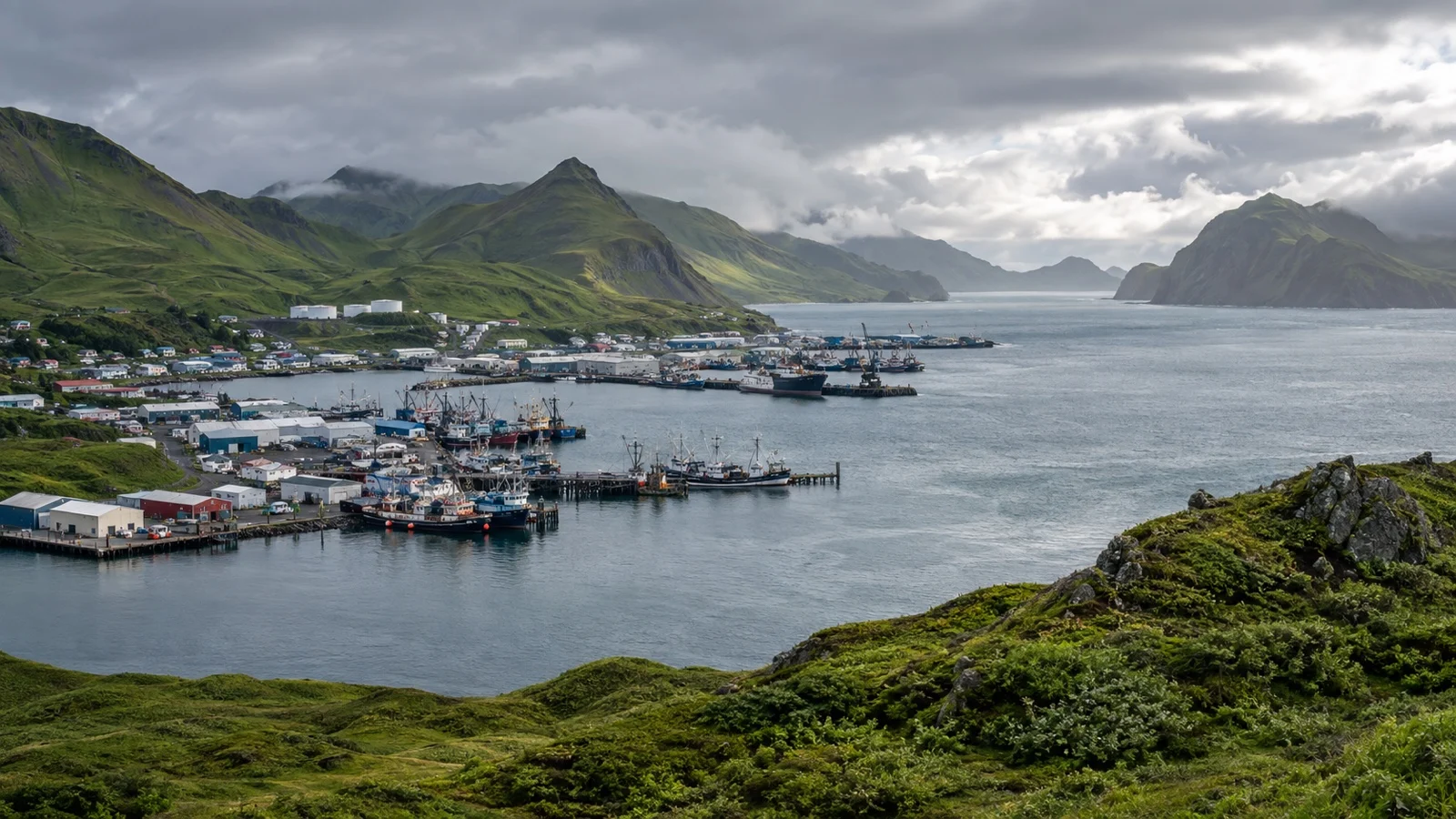
That shared label does not place every attraction beside every berth. Copy the exact facility, shuttle pickup, last return, and all aboard from the daily notice before arranging a driver.
The city schedule does not assign the berth
The City of Unalaska publishes a tentative cruise schedule with ships, dates, and arrival windows. It does not promise a berth for each call, and working cargo operations or weather can still change the plan.
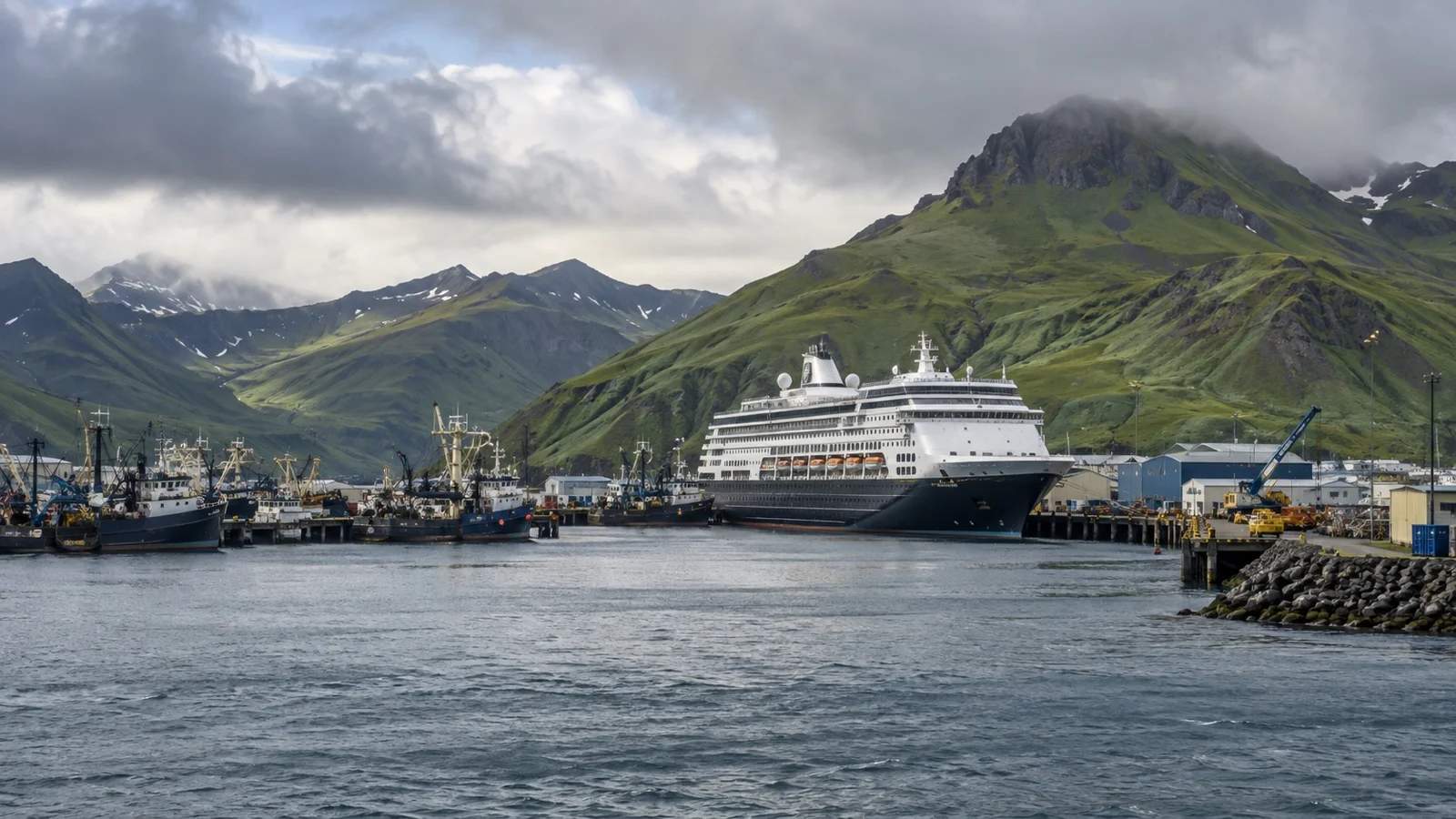
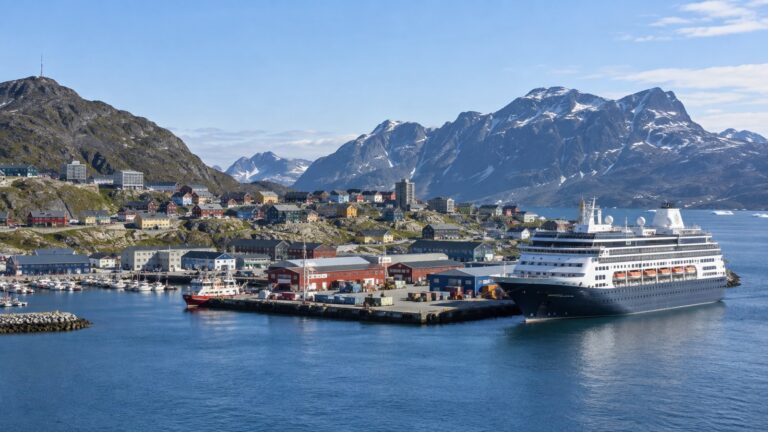
Ships may use an approved industrial dock within the city’s port network or anchor and tender if operations require it. The Unalaska Marine Center often handles large vessels, but no guide should turn a common pattern into a sailing-specific guarantee.
Port security comes before sightseeing convenience at every working facility. Use only the marked passenger route or ship shuttle, and never walk through a restricted gate because a phone map suggests a shortcut.
If the ship tenders, note the actual landing and final boat before leaving the waterfront. Weather can change the transfer even when the day’s shore program appears unchanged.
Begin with Unangax̂ history
Commercial fishing dominates the modern harbor, but the human story begins long before industrial fleets or television crews. The Museum of the Aleutians is the strongest first stop for archaeology, Unangax̂ culture, Russian American history, wartime experience, local art, and community life.
The museum currently lists seasonal hours and notes that special opening may be arranged for cruise ships or the marine ferry. Verify the exact date because a general summer schedule does not automatically match a ship’s arrival.
Give the exhibitions enough time to connect the landscape with the people who have lived here for generations. The forced wartime evacuation and internment of Unangax̂ residents is essential history rather than a footnote beneath military equipment.
The World War II story spans the islands
The Aleutian campaign brought attack, military construction, and profound disruption to the region. The Aleutian Islands World War II Visitor Center occupies a restored wartime aerology building on Amaknak Island.
The National Park Service says the center interprets the campaign and the hardships faced by Alaska Native residents during relocation. Exhibits include a reconstructed radio room and theater, while opening can be seasonal or limited.
Confirm hours and transportation before leaving the ship because the center does not operate like a large urban museum. A closed door is much less disappointing when the Museum of the Aleutians remains the planned anchor.
Fort Schwatka needs authorized access
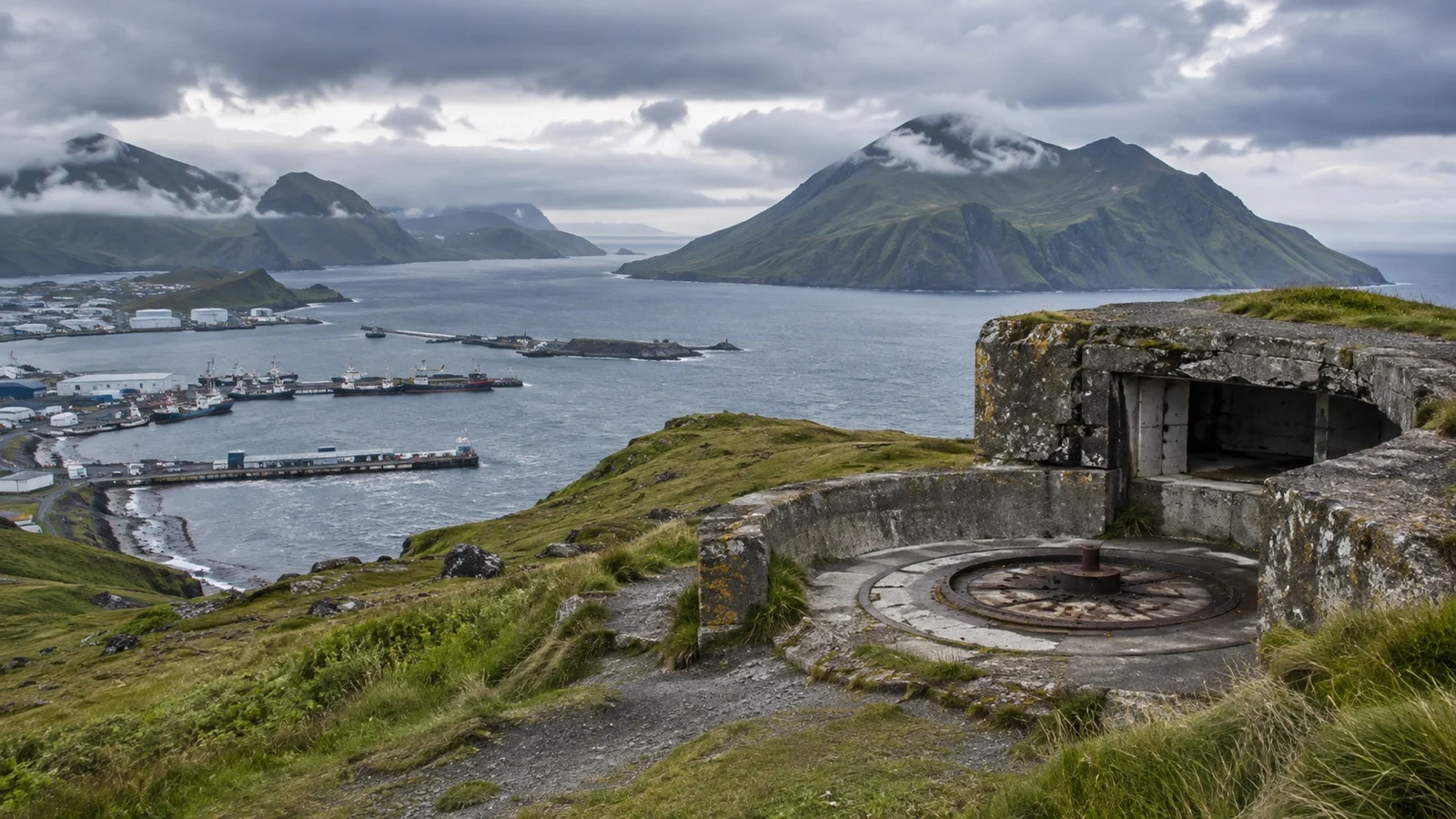
Fort Schwatka and Mount Ballyhoo preserve observation posts, gun positions, and wide harbor views when clouds cooperate. The terrain brings steep roads, exposure, fragile structures, and land rules that cannot be solved by enthusiasm.
The historic area is owned and operated by the Ounalashka Corporation in cooperation with the National Park Service. Use an authorized tour or obtain current permission, and never cross a gate simply because an online route appears public.
Do not enter tunnels, bunkers, or deteriorating structures unless they are explicitly opened and supervised. Falls, unstable material, debris, and remnants of military activity can turn curiosity into a serious emergency.
Holy Ascension Cathedral remains a living church
Holy Ascension Cathedral is one of Unalaska’s defining landmarks and an active Russian Orthodox place of worship. Exterior viewing may be straightforward, while interior visits depend on services, preservation work, and current parish arrangements.
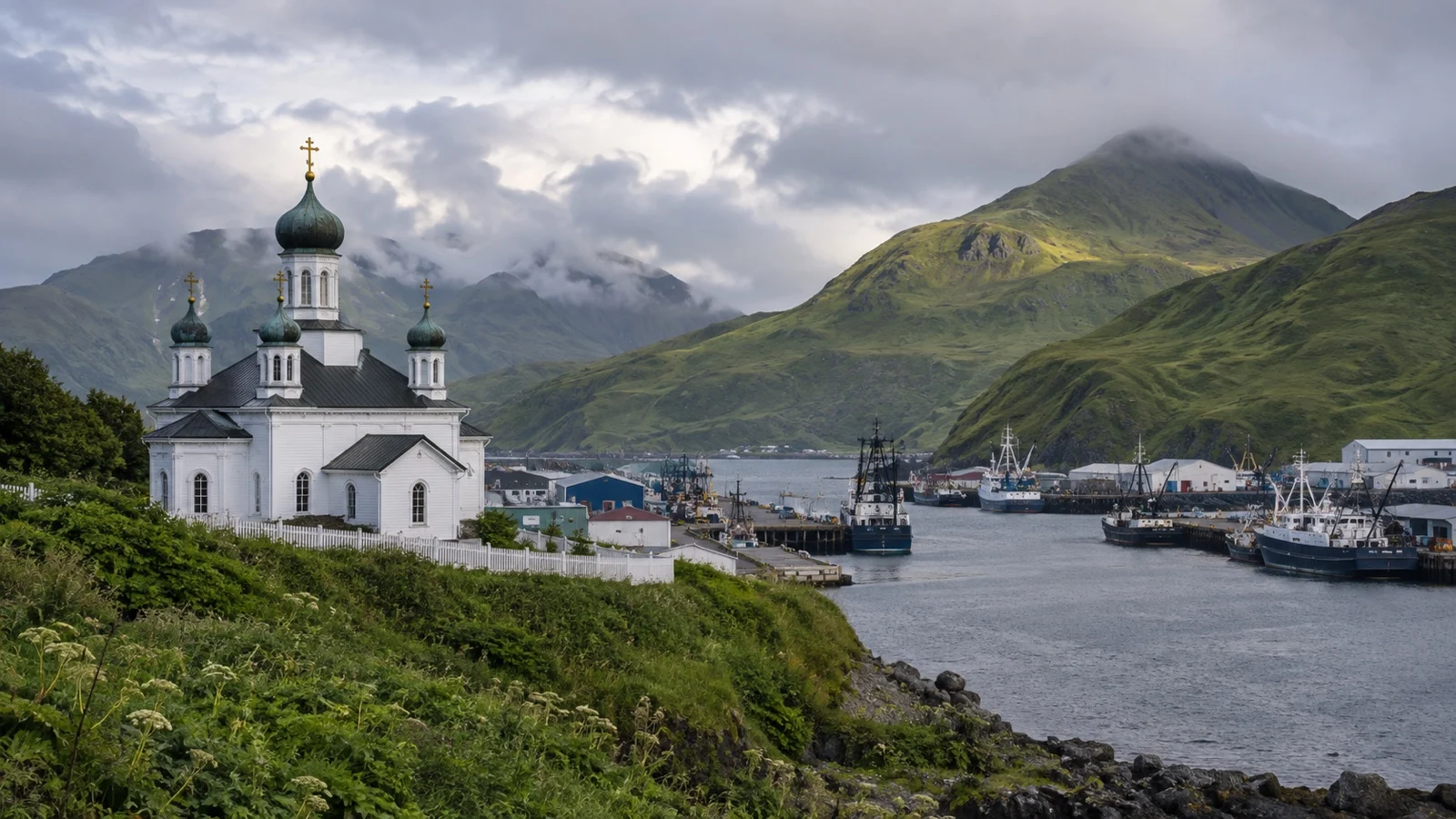
Dress respectfully, keep voices low, and ask before photographing inside. A service or private religious need always outranks a visitor timetable.
The fishing port is still doing the job
Dutch Harbor is a major commercial fishing center, and the active fleet gives the waterfront its character. Watch only from public areas because processors, vessels, forklifts, nets, and fuel operations are not an interactive attraction.
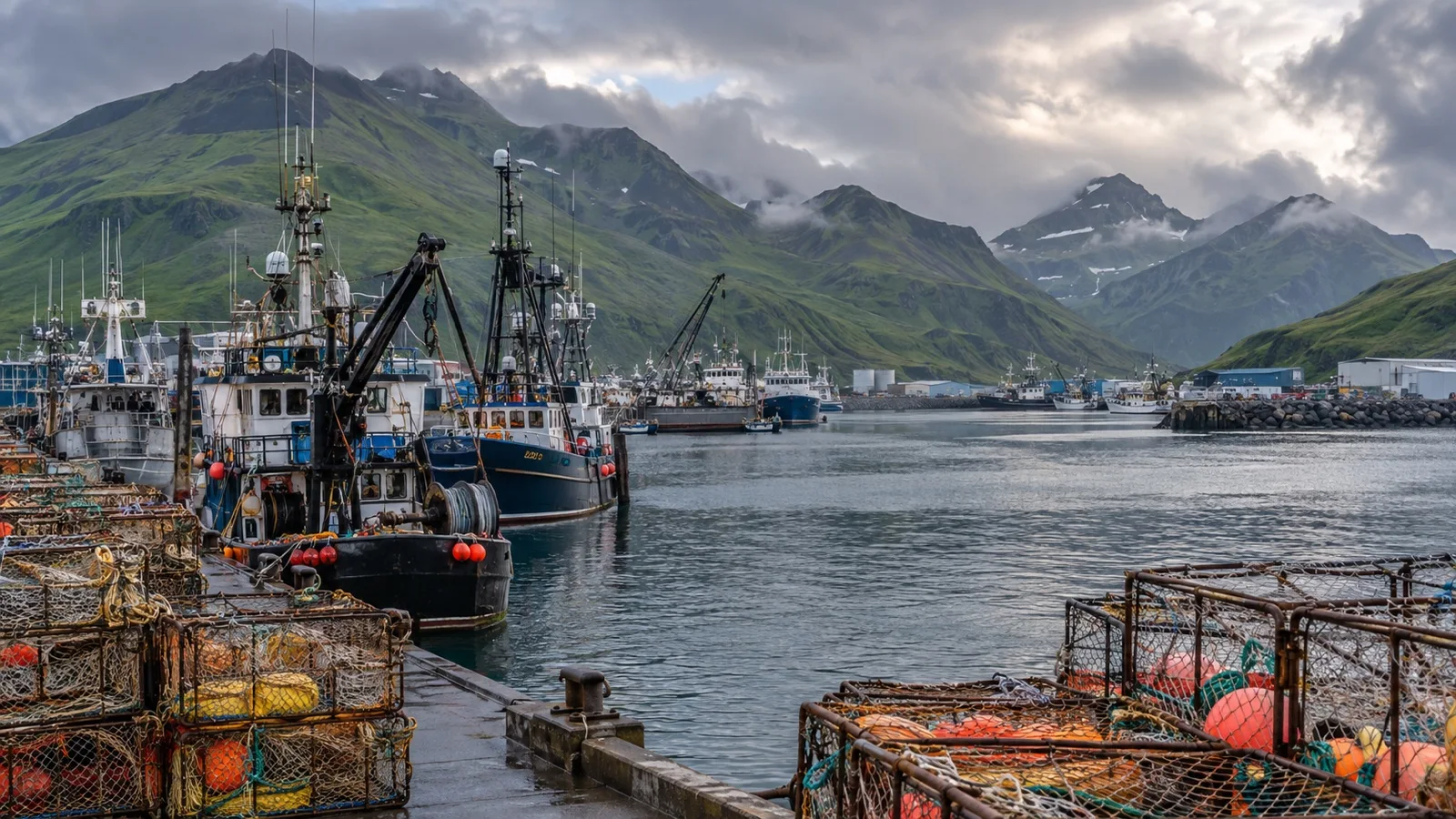
A guided island tour can interpret the industry without placing visitors in a working lane. It also solves the transport problem, which may be reason enough to reserve before the ship arrives.
Wildlife is abundant but never scheduled
Bald eagles are often visible, while seabirds, marine mammals, and other animals depend on season, location, and weather. Observe from a respectful distance, keep food controlled, and never crowd wildlife for a photograph.
Remote birding sites may require private-land permission, a vehicle, or a guide familiar with safe pullouts. Local operators know which routes are open that day, an especially valuable skill when fog has quietly removed the mountain.
Transportation is the scarce resource
Unalaska does not have the frequent public transit network of a large city. Taxis, rental vehicles, shuttle space, and tour seats can be scarce compared with a ship’s passenger count.
Reserve any essential tour or vehicle and confirm where it may legally meet passengers. An industrial berth can require the operator to wait at a shuttle drop rather than beside the gangway.
Save the driver’s number, ship contact, maps, and meeting point offline. Mobile service and visibility can weaken at precisely the moment directions matter most.
Weather has veto power
Fog, rain, wind, and rapid changes are normal in the Aleutians. Air temperature alone understates how cold a harbor, ridge, or small boat can feel once wind and damp arrive.
Pack a waterproof shell, warm layers, hat, gloves, shoes with grip, and a protected bag for medication. A museum-and-history alternative should remain ready if cloud or wind erases the outdoor plan.
Flights and marine outings can be delayed even when the cruise ship reaches port. Book remote activities with clear cancellation terms and never plan an independent flight that returns close to all aboard.
Accessibility needs a sailing-specific answer
An industrial berth may involve a gangway, uneven working surfaces, security transfer, and shuttle. A tender may require steps or a physical transfer between moving vessels, with devices restricted by equipment and sea conditions.
Ask the cruise line about the exact arrival, then confirm shuttle lift capacity, device dimensions, securement, and walking distance. The museum and visitor center are more predictable goals than Mount Ballyhoo’s steep, exposed landscape.
Accessible vehicles are limited, so contact the operator early and describe every transfer need. A broad mobility checkbox does not answer whether the same vehicle can return to the assigned port gate.
Build the day around one anchor
Culture and town
Use the ship shuttle or a confirmed ride for the Museum of the Aleutians, cathedral exterior, and a meal. Add the wartime visitor center only after checking its hours.
The full history day
Book an authorized tour linking the museum, visitor center, and permitted Fort Schwatka viewpoints. This manages land access, limited transport, and weather while providing interpretation.
Scenery and wildlife
Choose a guided road or marine outing with a guaranteed early return and weather alternative. Do not stack it with every historic site because distances and limited vehicles make overplanning fragile.
Entry rules depend on the whole itinerary
United States entry requirements depend on nationality, route, and where border processing occurs. Follow the cruise line’s written instructions and verify current federal rules before sailing.
Carry the ship card and identification named in the daily program. An Alaska port call does not remove documentation requirements created by an itinerary that also visits Canada or another country.
Protect the final shuttle or tender
For a shuttle-based town day, reach the return stop well before the ship’s last vehicle. Scarce transportation makes waiting for the next one a risky plan.
For an independent island tour, preserve a large buffer after the planned return, with more time for marine outings or tender calls. The ship’s final shuttle, tender, and all aboard instructions override every general estimate.
If fog, wind, or a late start shortens the call, remove the distant stop instead of borrowing from the margin. Dutch Harbor remains compelling through its museum, working port, and community story.
Final thoughts
Dutch Harbor is gloriously uninterested in pretending to be a resort. Confirm the berth, secure transport, choose one strong theme, and leave enough space for Aleutian weather to redraw the edges.
CruisePorts.co provides practical, independent planning guidance for cruise travelers. Anchorage, landing points, entry rules, site access, traffic, and weather can change, so verify critical details with official sources and your cruise line before travel.