Baffin Island Cruise Guide: Communities, Zodiac Landings, and Arctic Safety
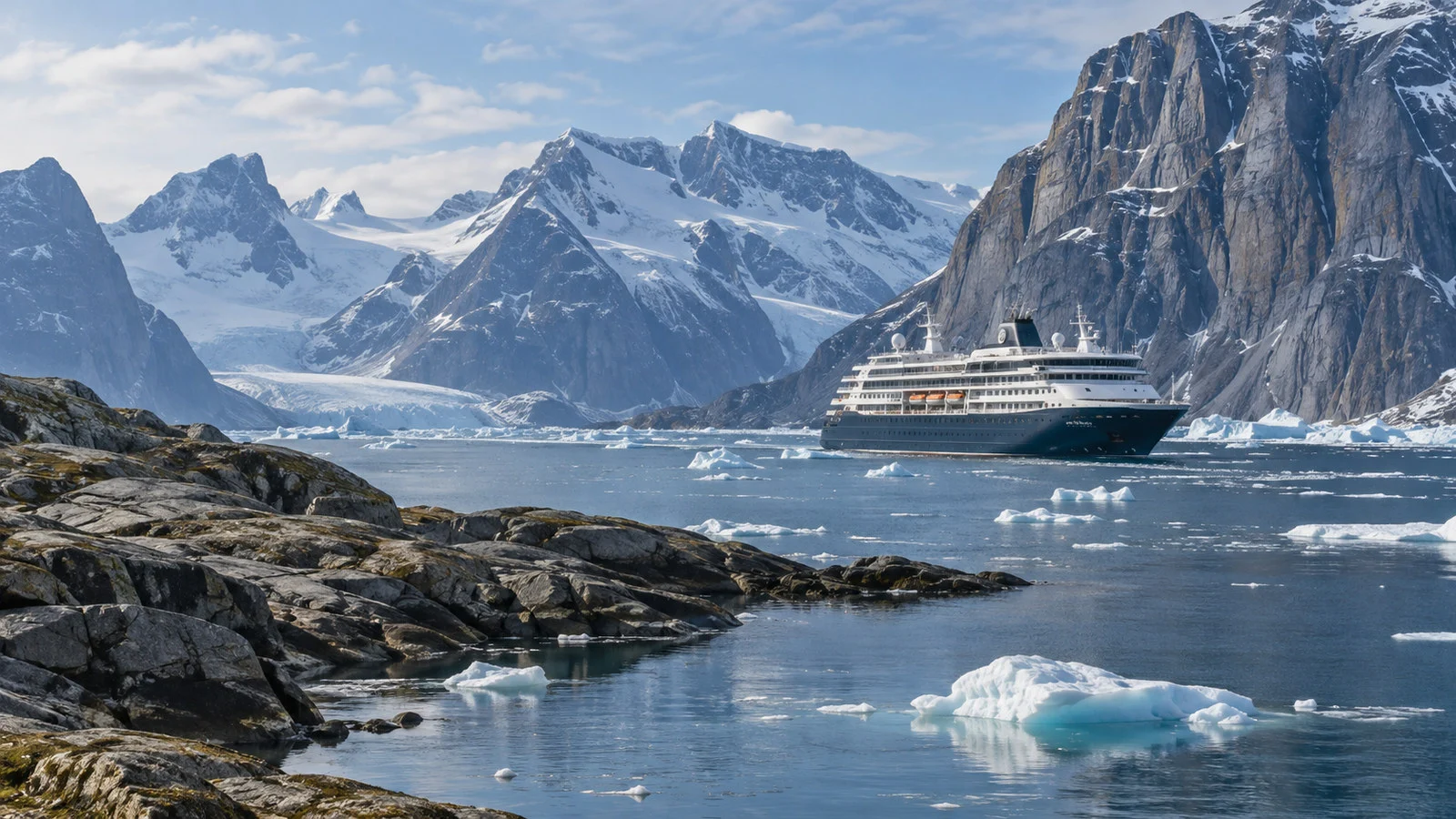
Baffin Island is not one cruise port but a vast Arctic destination with very different communities, fjords, and landing sites. Your actual day depends on the itinerary, local permissions, weather, sea ice, and the expedition team’s safety decision.
My quick take
Come for the scale of the landscape and the chance to learn from Inuit community hosts, not for conventional port infrastructure. A successful visit may be a town walk, an art program, a Zodiac cruise, or simply a wildlife watch from the ship.
Flexibility is not a slogan here. Wind, fog, surf, ice, wildlife, and community needs can change a landing after the printed itinerary is already outdated.
Do not treat Baffin Island as a substitute name for Pond Inlet alone. Cruises may visit Kinngait, Qikiqtarjuaq, Pangnirtung, Iqaluit, Kimmirut, or wilderness sites, and each has different access and shore arrangements.
Baffin Island quick facts
- Arrival style: Many expedition calls use Zodiacs or tenders, but the method varies by community, berth, vessel, tide, and port plan.
- Common calls: Kinngait, Qikiqtarjuaq, Pangnirtung, Iqaluit, Kimmirut, Pond Inlet, and wilderness landing sites may appear on itineraries.
- Currency: Canadian dollar. Carry some cash as a backup, but ask the operator what shopping will be available.
- Time: Confirm ship time and local time daily because a long Arctic itinerary may cross time zones.
- Best for: Inuit culture, Arctic art, fjords, tundra, seabirds, marine mammals, and expedition style cruising.
- Main caution: Every landing is provisional until the expedition leader and local hosts confirm that it is safe and appropriate.
There is no single Baffin Island port
Baffin Island is the largest island in Canada, so a generic port description can be misleading. A call on the south coast has little in common with a landing near the island’s northern fjords.
Many expedition vessels anchor and use small boats to reach shore, particularly at communities without a berth suitable for the ship. Iqaluit has marine infrastructure, including a deep sea port, so the blanket claim that the island has no docks is inaccurate.
Even where a harbor exists, your cruise ship may still anchor because of draft, traffic, tide, or local operating plans. Follow the daily briefing instead of assuming that infrastructure guarantees a gangway landing.
What a Zodiac landing involves
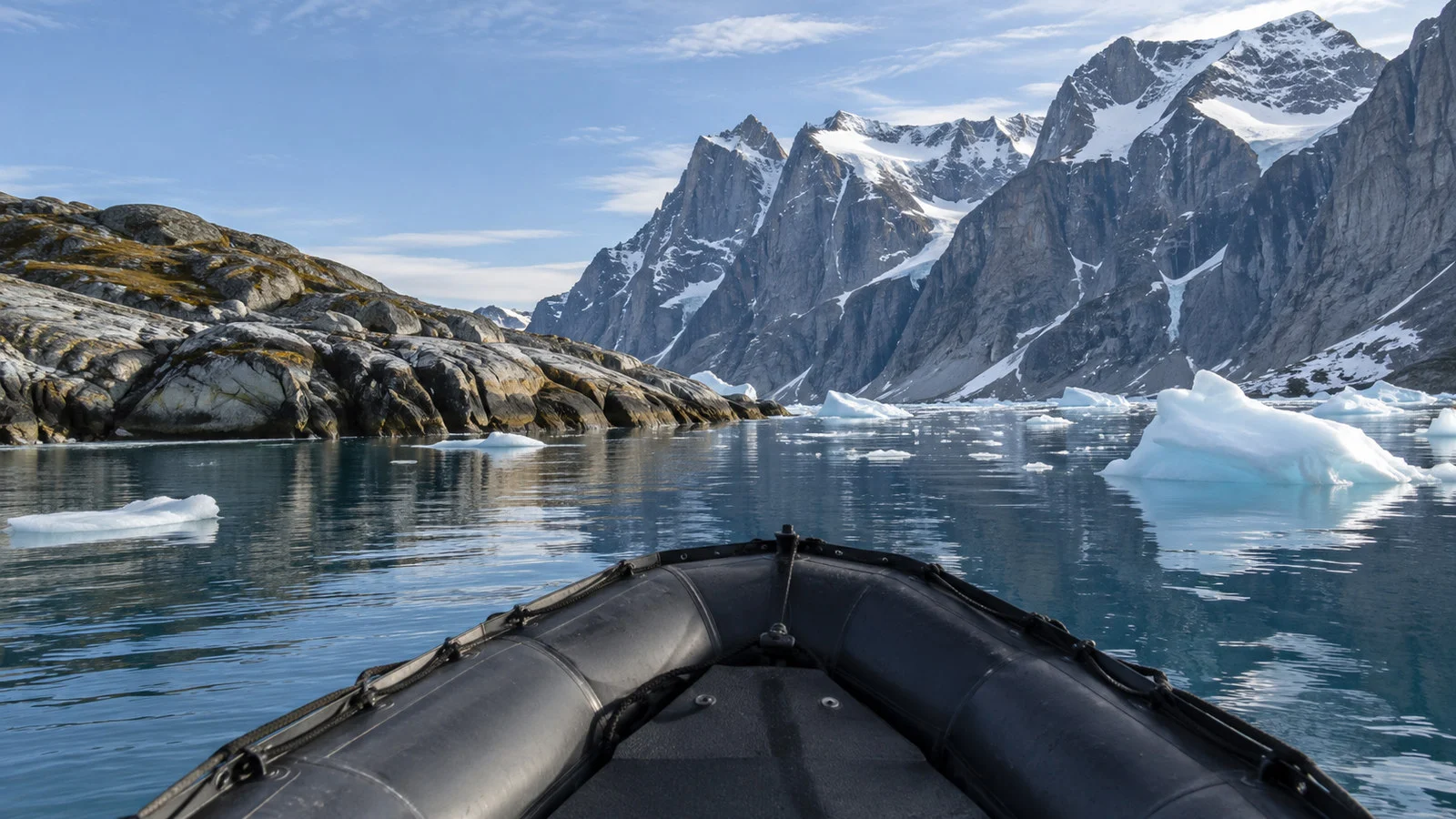
A Zodiac transfer begins with boarding from the ship, usually with crew controlling the timing and passenger flow. The shore end may be a beach, gravel, rock, a small landing, or another surface chosen after a scouting team checks conditions.
Some landings are wet, but not every Baffin Island visit begins with feet in the water. Wear the footwear specified by your operator and keep waterproof pants available when surf or shallow water is possible.
Keep both hands free for the crew and use the sailor’s grip they demonstrate. Secure cameras and phones before stepping into the boat, since cold water and a moving tube make loose equipment easy to drop.
Boarding rules vary by ship, and an operator may restrict participation when a passenger cannot transfer safely. Discuss mobility, balance, weight bearing, and equipment needs before booking, not at the Zodiac door.
Kinngait for Inuit art
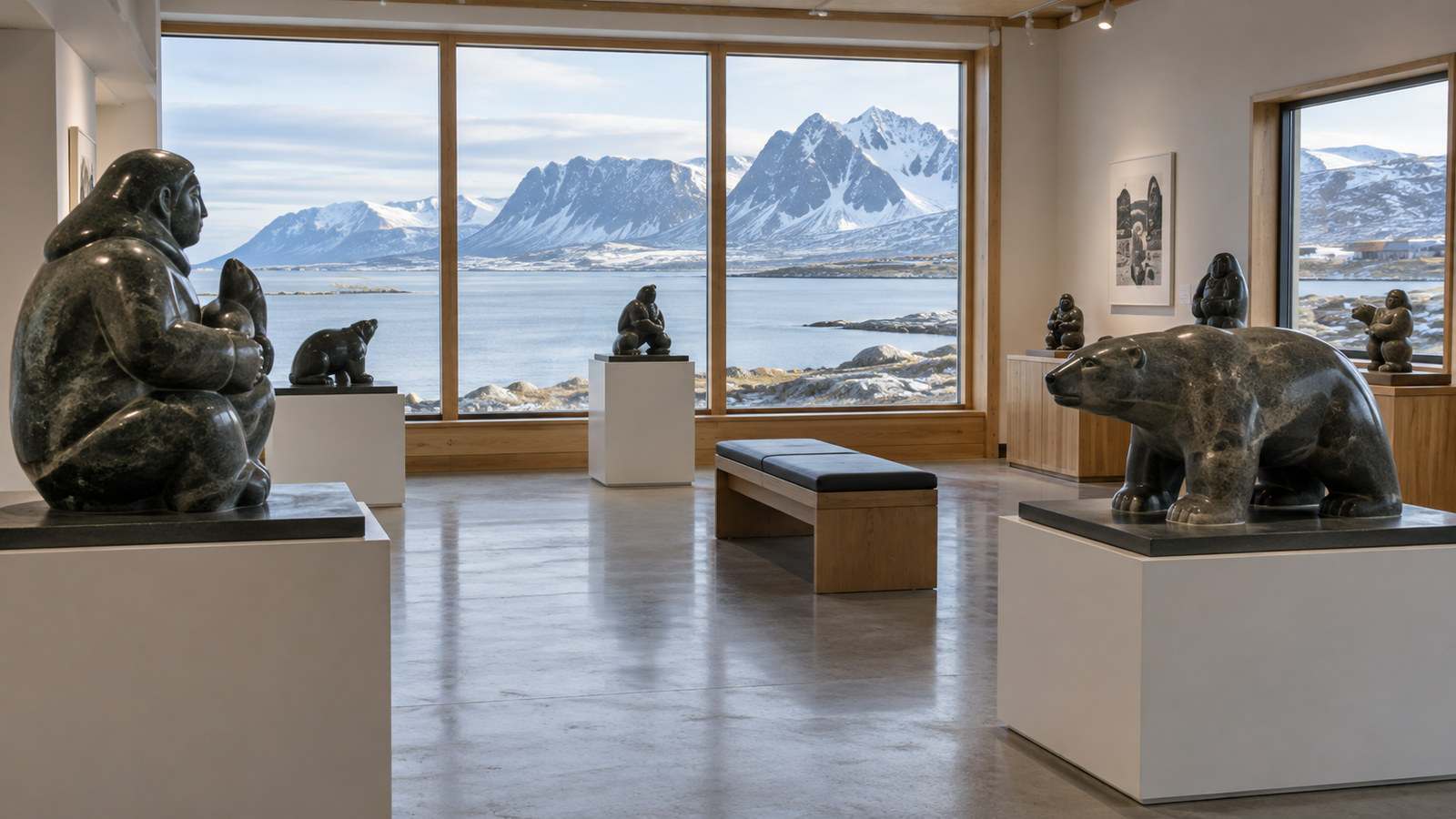
Kinngait, formerly known as Cape Dorset, is one of Canada’s best known centers of Inuit drawing, printmaking, and carving. A community visit may include local interpretation, artist demonstrations, cultural programming, or an opportunity to buy work.
The West Baffin Cooperative, also known as the Kinngait Cooperative, supports artists and is closely associated with Kinngait Studios. Its printmaking operations are housed in the Kenojuak Cultural Centre and Print Shop.
Do not assume that every cruise call includes studio access or direct artist sales. Community schedules, group size, events, and local priorities determine what can be offered.
If buying art, ask for the artist’s name, medium, price, and documentation. Treat the transaction as support for creative work rather than a bargaining exercise.
Qikiqtarjuaq and Pangnirtung
Qikiqtarjuaq and Pangnirtung are the two gateway communities associated with Auyuittuq National Park. They sit on opposite approaches to a landscape of steep fjords, glaciers, river valleys, and the long natural corridor of Akshayuk Pass.
A cruise call near either community does not automatically include a deep trip into the park. Distance, sea state, local boat arrangements, permits, time ashore, and weather determine what is realistic.
Pangnirtung is also known for local arts, including prints and woven work. Qikiqtarjuaq offers a different community setting near the park’s northern access, and both deserve to be understood as living Inuit communities rather than scenic gateways alone.
Auyuittuq National Park
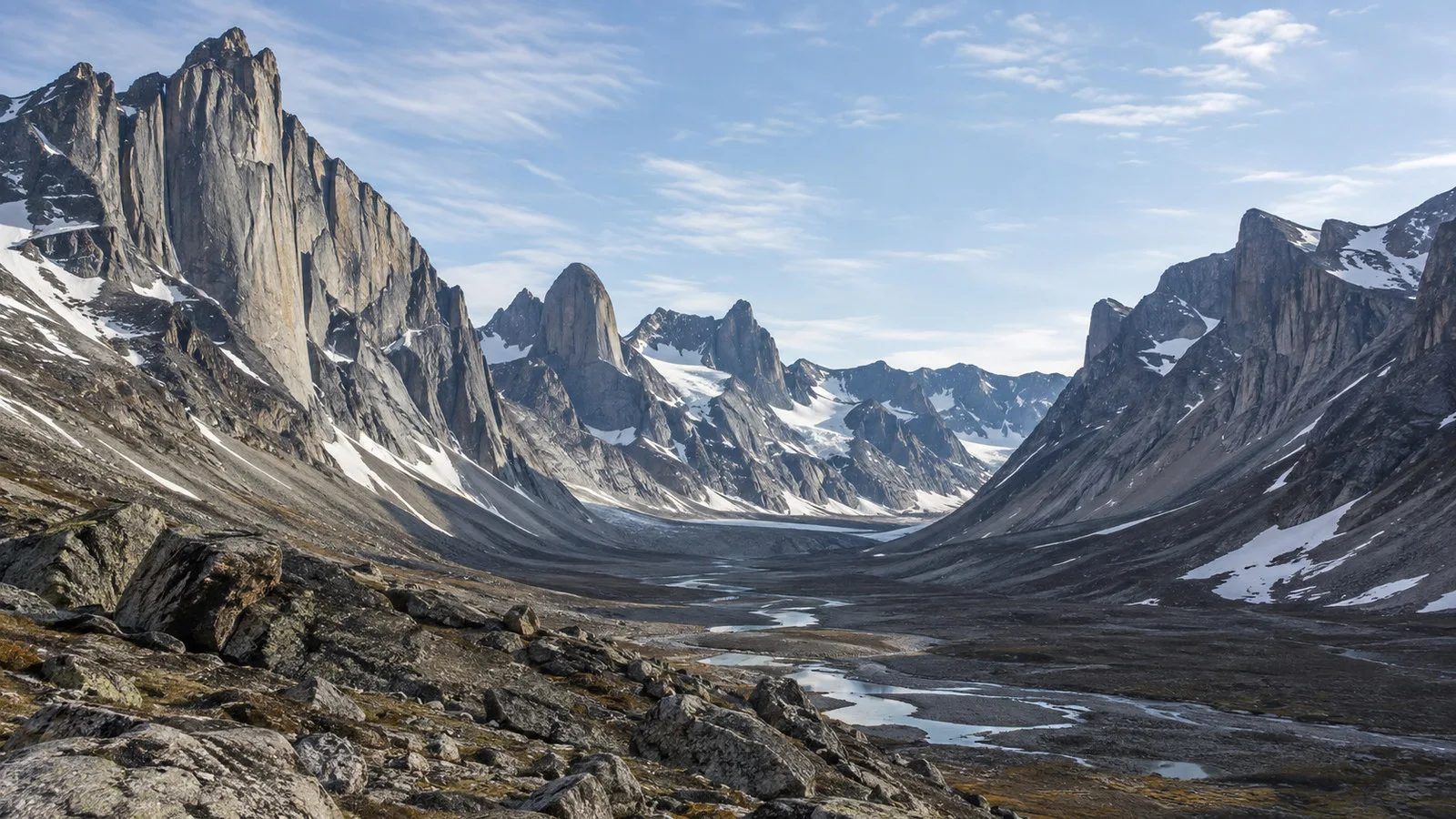
Parks Canada describes Auyuittuq as a southeastern Baffin Island park where the peaks of Akshayuk Pass overlook glaciers, fjords, and river valleys. The Inuktitut name means the land that never melts.
The park is open year round, but visitor logistics are specialized. Parks Canada directs travelers to local guides and outfitters for transportation and guided trips, with offices in Pangnirtung and Qikiqtarjuaq.
Mount Thor is famous for its immense rock face, but a normal cruise stop does not place passengers at its base. Seeing the mountain or entering Akshayuk Pass requires a specific program, suitable weather, and far more planning than a short village visit.
Treat any helicopter, boat, or hiking option as an itinerary specific excursion. Read the physical requirements, cancellation policy, and emergency limitations before committing.
Iqaluit as a gateway and possible call
Iqaluit is Nunavut’s capital and the island’s main air gateway. Some expedition voyages begin or end with charter flights there, while others include a port call or use the city for logistics.
The city has services that smaller communities may not, but it is still remote and disconnected from Canada’s highway network. Flight schedules remain vulnerable to weather, so a same day connection to a separate ticket can be risky.
If the voyage starts or ends in Iqaluit, build flexibility into the travel plan and follow the operator’s luggage rules closely. Keep medication, documents, warm essentials, and one change of clothes in carry on baggage.
Community visits require respect
A Baffin Island hamlet is not an attraction built for cruise passengers. People are welcoming visitors into their home, and the community may set routes, photography rules, group sizes, and areas that are off limits.
Listen to local hosts, ask before photographing people, and never photograph children without clear permission from a responsible adult. Avoid entering buildings, work areas, or private land unless invited.
Food, fuel, staffing, transportation, and indoor space can be limited. Do not expect the range of shopping, restrooms, cafes, or emergency support found in a conventional cruise port.
If a visit is canceled for community reasons, accept the decision without complaint. Local health, funerals, hunting activity, or another priority may matter more than a scheduled tourism program.
Wildlife expectations
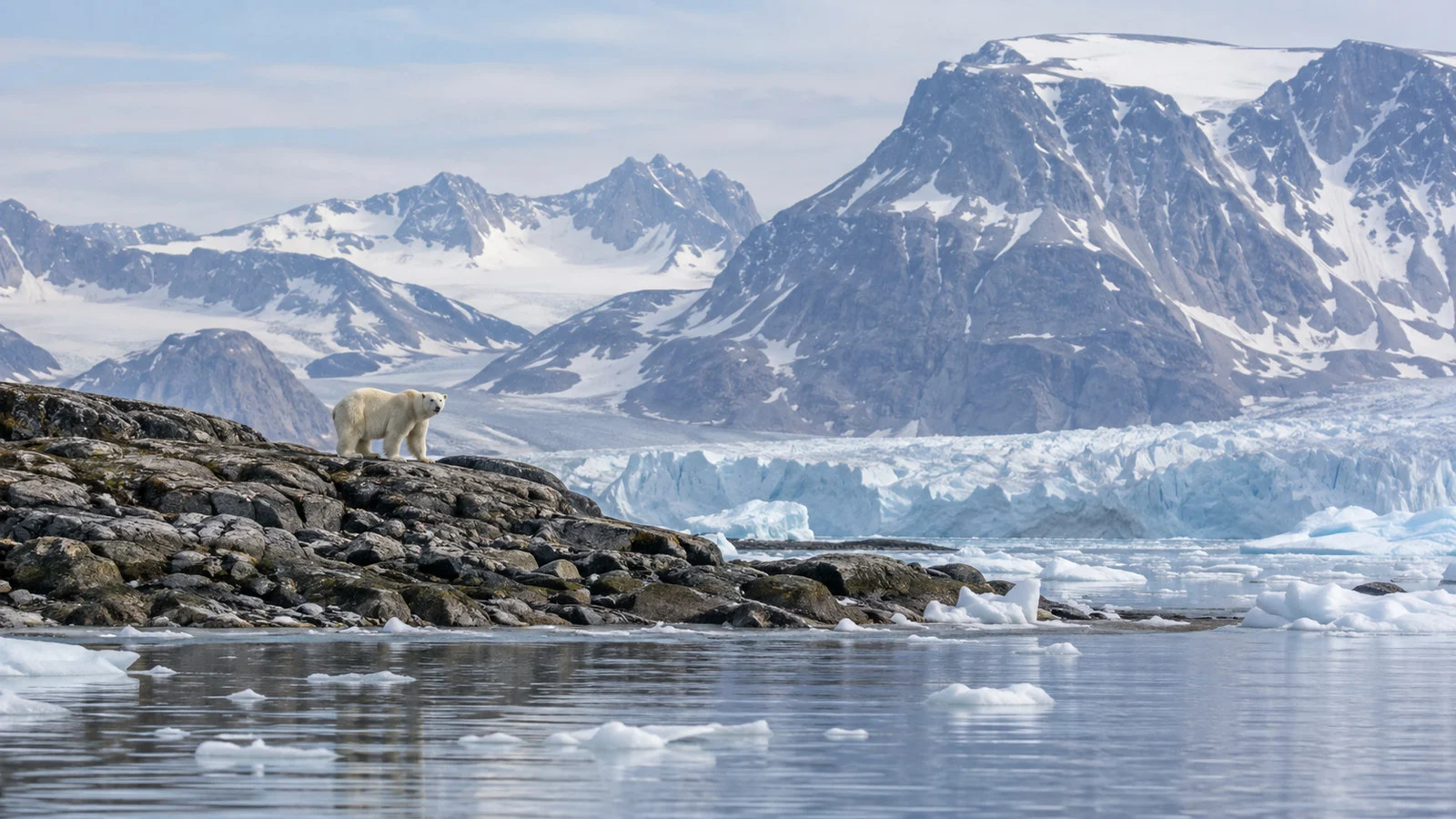
Baffin Island waters and coasts can support polar bears, seals, walrus, bowhead whales, narwhal, beluga, seabirds, and other Arctic wildlife. None of those sightings is guaranteed, and the most responsible trip avoids pressuring animals for a closer view.
Species and concentrations vary with location, season, sea ice, prey, and migration. A voyage focused on northern Baffin may offer different possibilities from one moving through Frobisher Bay or Cumberland Sound.
Bring binoculars and learn the expedition team’s announcement system. Many of the best sightings happen from the ship, where elevated decks and stabilized optics can be more useful than a short shore walk.
Polar bear safety
Polar bears can occur along the coast and inland, so independent wandering is not appropriate unless the expedition team explicitly permits it. Stay inside marked boundaries and return immediately when a guide gives an instruction.
Parks Canada’s polar bear guidance says bears may be encountered anywhere in Auyuittuq at any time of year. It emphasizes planning, group travel, deterrents, and minimizing conflict between people and bears.
Do not approach a bear, leave the group for a photograph, or assume a distant animal will remain distant. The landing can end immediately when a bear is seen near the planned route.
Weather, sea ice, and schedule changes
Arctic weather can change quickly, and conditions at the ship may differ from those at the landing. Wind direction, surf, visibility, ice movement, and tide all affect whether small boat operations are safe.
Sea ice is not the only reason for a cancellation. Fog can stop aircraft, swell can close a beach, and strong wind can make a short Zodiac crossing unacceptable.
No honest guide can provide a reliable percentage for a missed Baffin Island call. The risk differs by site, date, ship, ice year, and the operator’s ability to substitute another landing.
Listen to the evening recap and morning briefing, since those are where revised plans usually appear. Keep clothing and equipment ready even when the destination changes at short notice.
What to wear ashore
Use a layered system with a moisture moving base layer, warm insulation, and a windproof waterproof shell. Conditions can feel much colder in an open boat than on a sheltered deck.
Waterproof boots and pants are essential when the operator expects wet landings. Many expedition lines provide boots, but sizing, sock recommendations, and return rules vary.
Bring warm gloves, a hat that covers the ears, and a secure neck layer. Pack sunglasses and sunscreen too, because glare from water, ice, and pale rock can be intense.
Keep spare gloves and electronics in a dry bag inside the day pack. A small splash can ruin the items most travelers want during a landing.
Accessibility
Baffin Island calls can be challenging for travelers with limited mobility, but the exact barrier depends on the landing. A community harbor, beach transfer, rocky shore, and Zodiac cruise all require different abilities.
Ask the cruise line for the minimum transfer requirement and whether passengers must step, pivot, grip, or bear weight. Also ask whether the crew can carry a mobility aid and whether local transportation is accessible.
A passenger who cannot land may still have a valuable day through deck wildlife watching, lectures, local guests on board, or scenic cruising. Ask whether the operator has a meaningful ship based alternative when the shore program is inaccessible.
Shopping and payments
Shopping may focus on local art, carvings, prints, textiles, or small crafts, but availability varies widely. Never assume a community will stage a market for every ship.
Canadian dollars are the local currency, and cash can be useful when electronic connections are unreliable. Ask the expedition staff about payment expectations before landing, since some organized programs may use cards or arrange sales differently.
Respect Canadian rules for wildlife products and the import laws of your home country. Ask for documentation and do not buy an item if its material or legal status is unclear.
Photography and responsible travel
Ask permission before photographing residents, artists, homes, ceremonies, or workspaces. A telephoto lens does not remove the need for consent when the subject is a person.
Keep a respectful distance from wildlife and follow the guide’s instructions about noise and movement. Never use food, calls, or repeated approaches to influence an animal.
Leave stones, plants, bones, antlers, feathers, and cultural material where they are. Arctic environments recover slowly, and archaeological objects must not be disturbed.
Excursions and independent time
Most Baffin Island shore activity is organized because transport, permissions, wildlife safety, and communications require coordination. Even a simple town walk may have community hosts and a defined visitor route.
Independent time is only appropriate when the expedition leader and local hosts clearly allow it. Confirm the boundary, meeting point, return time, and any restricted areas before separating from the group.
Read optional excursion descriptions carefully. A flightseeing trip, local boat ride, strenuous hike, and cultural program carry very different weather risks and physical demands.
Returning to the ship
Zodiac returns usually operate in groups rather than like a public shuttle. Be at the meeting point when directed, with gear packed and life jacket secured according to crew instructions.
Do not delay the group for one more photograph or purchase. Tide, wind, ice, and visibility can close a safe operating window quickly.
If the team recalls passengers early, return without arguing. An early departure often means the crew is protecting a safe route back to the vessel.
Charter flights and buffer days
Some Arctic itineraries use charter flights through Iqaluit or another northern gateway. Fog, wind, aircraft positioning, and airport operations can delay those flights even when conditions seem calm at the cruise terminal.
Use a buffer day before any separately booked long haul flight. Travel insurance should cover the Arctic itinerary, charter disruptions, medical evacuation limits, and the full nonrefundable trip cost.
Keep medication, documents, electronics, and essential cold weather clothing in carry on baggage. Checked bags can be delayed when aircraft payload or weather forces an operational change.
How Baffin Island fits an Arctic cruise
Baffin Island may form the cultural and landscape heart of a Canadian Arctic itinerary. Northern routes can pair it with Greenland or the Northwest Passage, while southern approaches may include Hudson Strait and Nunavik.
Many voyages include Pond Inlet, and some continue west toward Cambridge Bay. Others focus on southeastern Baffin, Cumberland Sound, and communities closer to Iqaluit.
Do not judge the trip by how many named ports survive unchanged. Expedition cruising is successful when the operator finds a safe, respectful, and worthwhile alternative as conditions evolve.
Quick answers
Is every Baffin Island landing by Zodiac?
No. Many expedition calls use Zodiacs or tenders, but the method depends on the community, vessel, harbor, tide, and daily port plan.
Will I visit Auyuittuq National Park?
Only if the itinerary specifically includes a park program. A call at Pangnirtung or Qikiqtarjuaq does not guarantee entry into Akshayuk Pass or a view of Mount Thor.
Can I buy Inuit art?
Possibly, especially during a Kinngait or Pangnirtung community program. Availability, payment methods, access, and artist participation vary by visit.
Are polar bears guaranteed?
No wildlife sighting is guaranteed. Follow the bear safety boundary even when no animal has been seen.
Do I need Canadian cash?
Some Canadian dollars are useful as a backup, but ask the expedition team what shopping and payment options are expected. Remote connections can make card processing unreliable.
The last word
Baffin Island rewards travelers who arrive curious and stay flexible. The strongest day might center on Inuit art, a community welcome, a fjord, a safe wildlife sighting, or an unplanned landing chosen because the ice opened a better route.
Prepare for small boats, cold weather, limited infrastructure, and changing plans. Then let the people and landscape, rather than a rigid checklist, define the experience.
How this guide was researched: This guide uses official Parks Canada, territorial, tourism, cooperative, and safety sources, with time sensitive details reviewed in September 2026. Recheck community access, landing methods, port arrangements, permits, weather, and accessibility through the expedition operator and local hosts.