Fuerte Amador Cruise Port: New Terminal and Panama City
Fuerte Amador sits at the Pacific entrance to the Panama Canal, where the city skyline, the Bridge of the Americas, working ships, and tropical islands all compete for your attention. The new cruise facilities on the Amador Causeway have changed the arrival experience, but the exact pier or tender plan still belongs to the ship and port authorities.
Panama City offers far more than one port day can hold. Miraflores, Casco Antiguo, the Amador waterfront, Biomuseo, canal history, and rainforest excursions are all realistic choices, yet traffic and heat punish an itinerary that tries to collect them all.
Quick Facts
- Port area: Fuerte Amador on Panama City’s Pacific side
- Modern terminal: Cruise facilities near Perico Island on the Amador Causeway
- Arrival: Pier or tender according to the ship’s confirmed operating plan
- Closest easy area: Amador Causeway waterfront, viewpoints, and restaurants
- Top city choices: Miraflores Visitor Center, Casco Antiguo, and Biomuseo
- Currency: United States dollar and Panamanian balboa at equal value
- Language: Spanish, with English common in many tourism services
- Main planning problem: Panama City traffic can change travel time quickly
- Weather: Hot, humid, and subject to intense rain and thunderstorms
- Return rule: Use all aboard or the last-tender time with a generous traffic buffer
Where ships arrive now
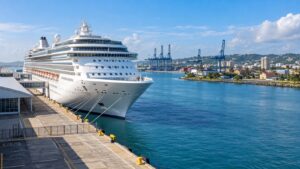
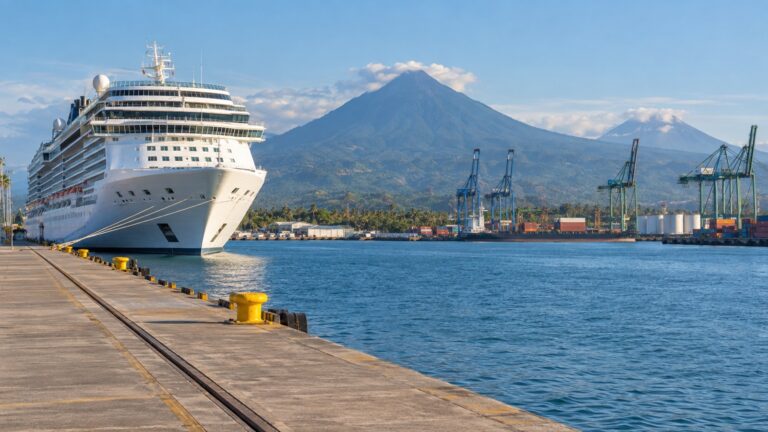
The Panama Cruise Terminal project at Amador created dedicated facilities on the causeway island area, improving the possibility of alongside cruise calls. A particular vessel may still tender because of berth assignment, construction status, scheduling, ship characteristics, or operational conditions.
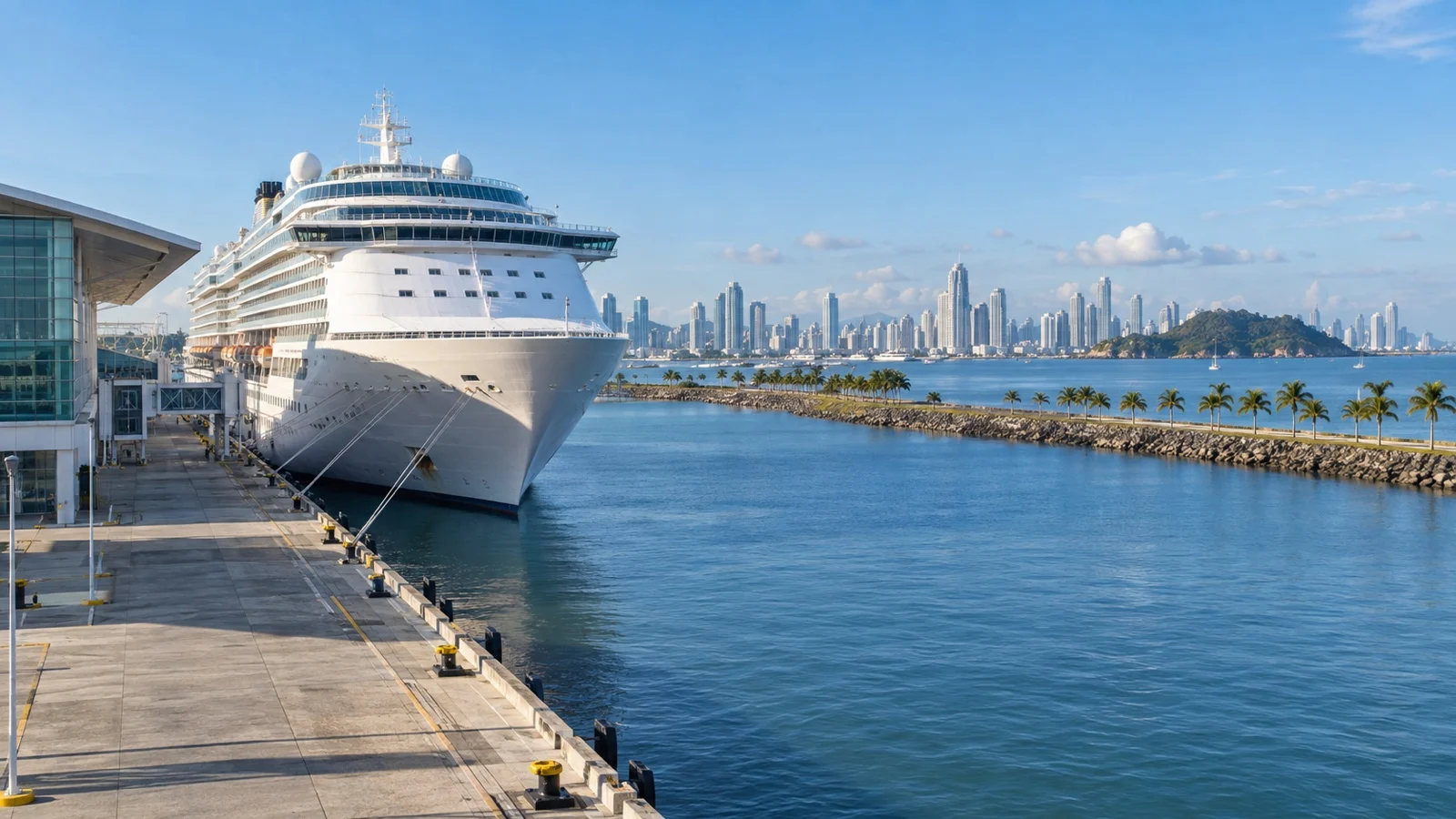
Do not assume a pier simply because recent ships used one, and do not assume the older tender routine still applies to every call. Read the daily program for the confirmed terminal, tender tickets if needed, shuttle information, and final return deadline.
If the ship is alongside, follow the marked pedestrian and transportation route through the terminal. Port areas may remain partly controlled even when restaurants and public causeway spaces are close by.
If the call uses tenders, allow time for queues, boat loading, and a potentially warm wait. Tell any private operator that your actual meeting time depends on ship clearance and tender availability.
Mobility-device users should ask the cruise line whether the assigned gangway or tender can accommodate their equipment. The answer depends on the day’s sea conditions, infrastructure, and crew assessment.
The Amador Causeway
The Amador Causeway connects the mainland with Naos, Culebra, Perico, and Flamenco islands using material excavated during construction of the Panama Canal. Today it combines road, waterfront paths, marinas, restaurants, views, and visitor attractions at the Pacific canal entrance.
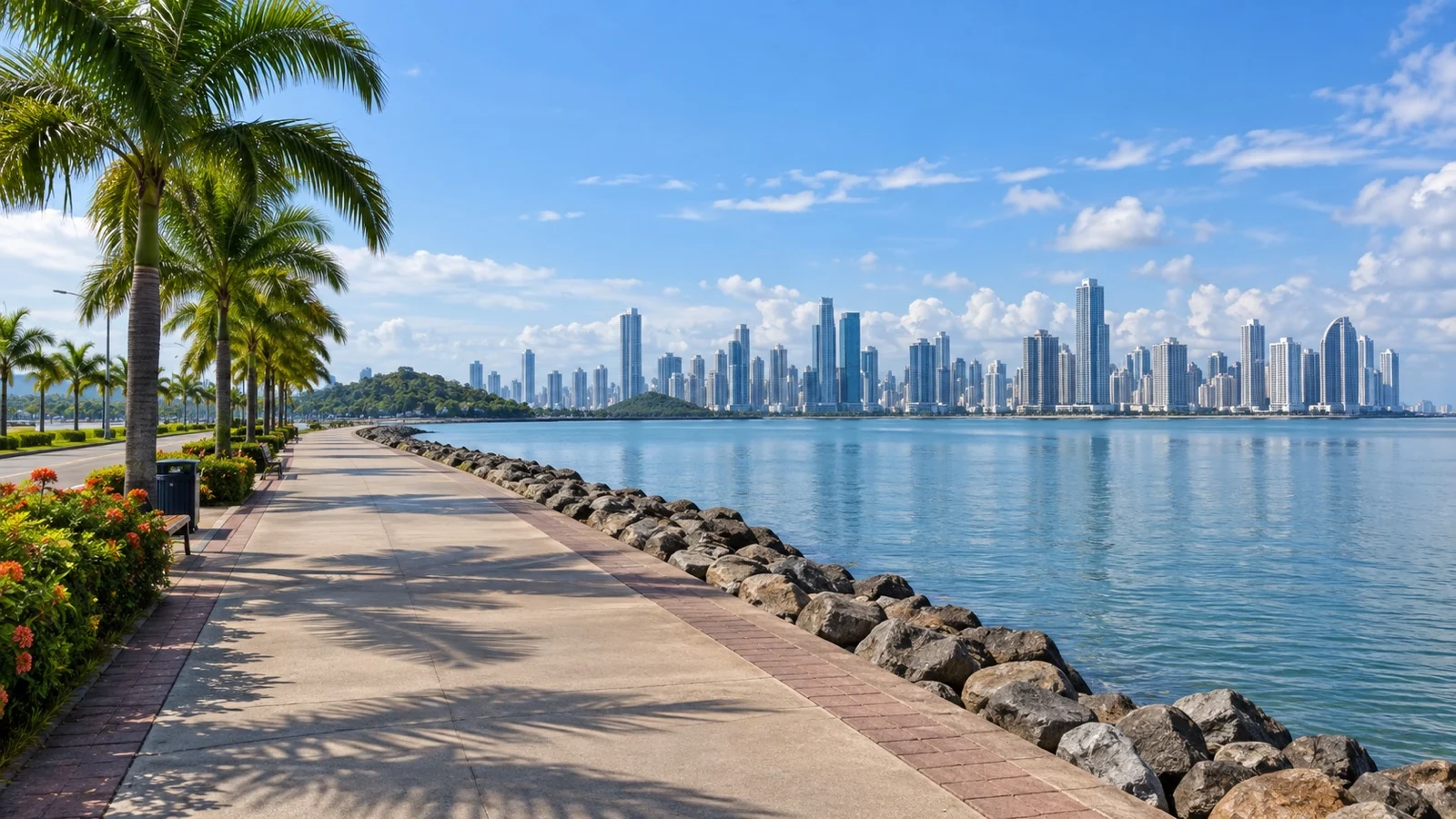
A causeway-only day can be a smart choice for a short call or a traveler who wants minimal traffic risk. You can watch shipping, photograph the skyline, enjoy a meal, and explore a selected attraction without crossing the city.
Distances along the causeway are longer than they appear in the heat. Use a taxi or confirmed shuttle when necessary, carry water, and choose shaded breaks rather than trying to walk the entire route at midday.
Cycling may be available from local businesses, but confirm rental terms, helmet provision, traffic separation, and the return location. Heat, showers, and mixed path users can make a casual ride more demanding.
Biomuseo
Biomuseo, designed by Frank Gehry, stands near the mainland end of the causeway and explores Panama’s biodiversity and the global effects of the isthmus. Its colorful roofline is visible from a distance, but the exhibitions are the reason to allow time inside.
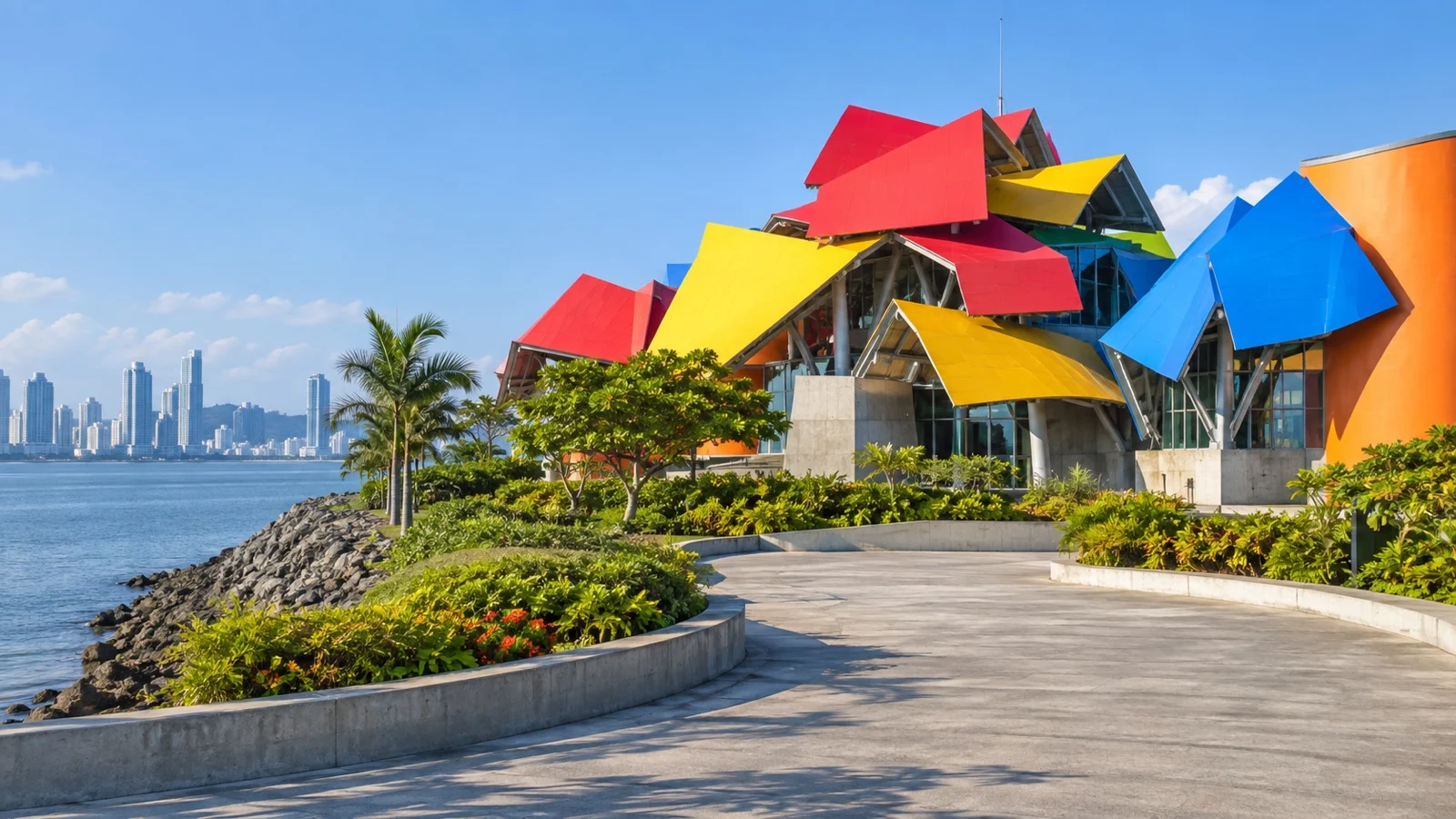
Check the official schedule, ticketing, language options, and current gallery access. Museum hours may not align with an early ship arrival, and special closures or events can change the visit.
The museum can work well for families, rainy periods, and travelers interested in natural history. It also pairs naturally with a causeway viewpoint or a short city drive.
Do not underestimate the journey between the cruise terminal and the museum end of Amador. Confirm the taxi or shuttle route instead of treating the causeway as one compact pier.
Punta Culebra Nature Center
The Smithsonian Tropical Research Institute’s Punta Culebra Nature Center is another Amador-area option when it is open. It focuses on Panama’s marine and coastal environment through outdoor exhibits and interpretation.
Opening days, reservations, admission, and exhibit availability should be checked directly with Smithsonian Tropical Research Institute. Tropical rain, maintenance, or animal care can affect what visitors see.
The site may include slopes, outdoor paths, heat, and wildlife observation rather than a fully air-conditioned museum experience. Ask about accessibility and wear shoes with grip.
Observe animals quietly and follow staff instructions. A wildlife sighting is never a cue to touch, feed, or crowd the animal.
Miraflores Visitor Center
For many travelers, Miraflores is the defining Panama City excursion. The visitor center overlooks the canal’s Pacific locks and offers interpretation, viewing areas, and a film experience according to the current ticket program.
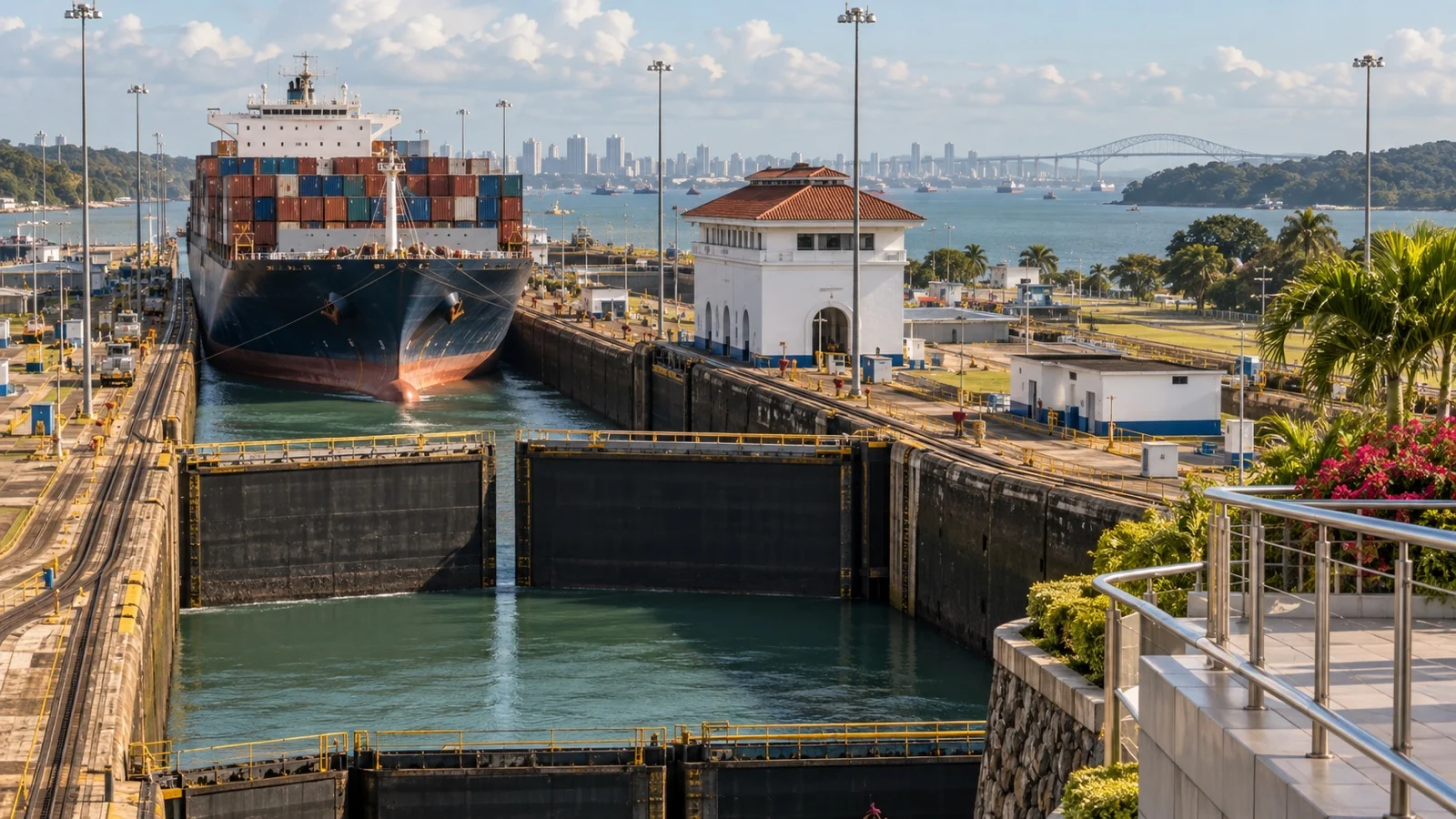
A ship passage is not guaranteed at the exact moment you stand on the terrace. The Panama Canal Authority publishes a daily transit schedule, but vessel movements remain operational and can change.
Check official opening hours, timed tickets, film language, and transit estimates close to your visit. Arriving early can help with crowds, but traffic and the ship’s clearance time still shape the schedule.
Use binoculars if you enjoy watching detailed lock operations. A guide can explain how water levels, gates, locomotion, scheduling, and vessel dimensions come together.
Miraflores lies inland from Amador and requires road transport. The return can be slower than the outbound trip, so protect a traffic buffer even when the route looks short on a map.
Casco Antiguo
Casco Antiguo, also called Casco Viejo, is Panama City’s historic district of plazas, churches, balconies, restaurants, museums, and changing urban life. It rewards walking, but heat, uneven paving, and traffic around the edges can slow the visit.
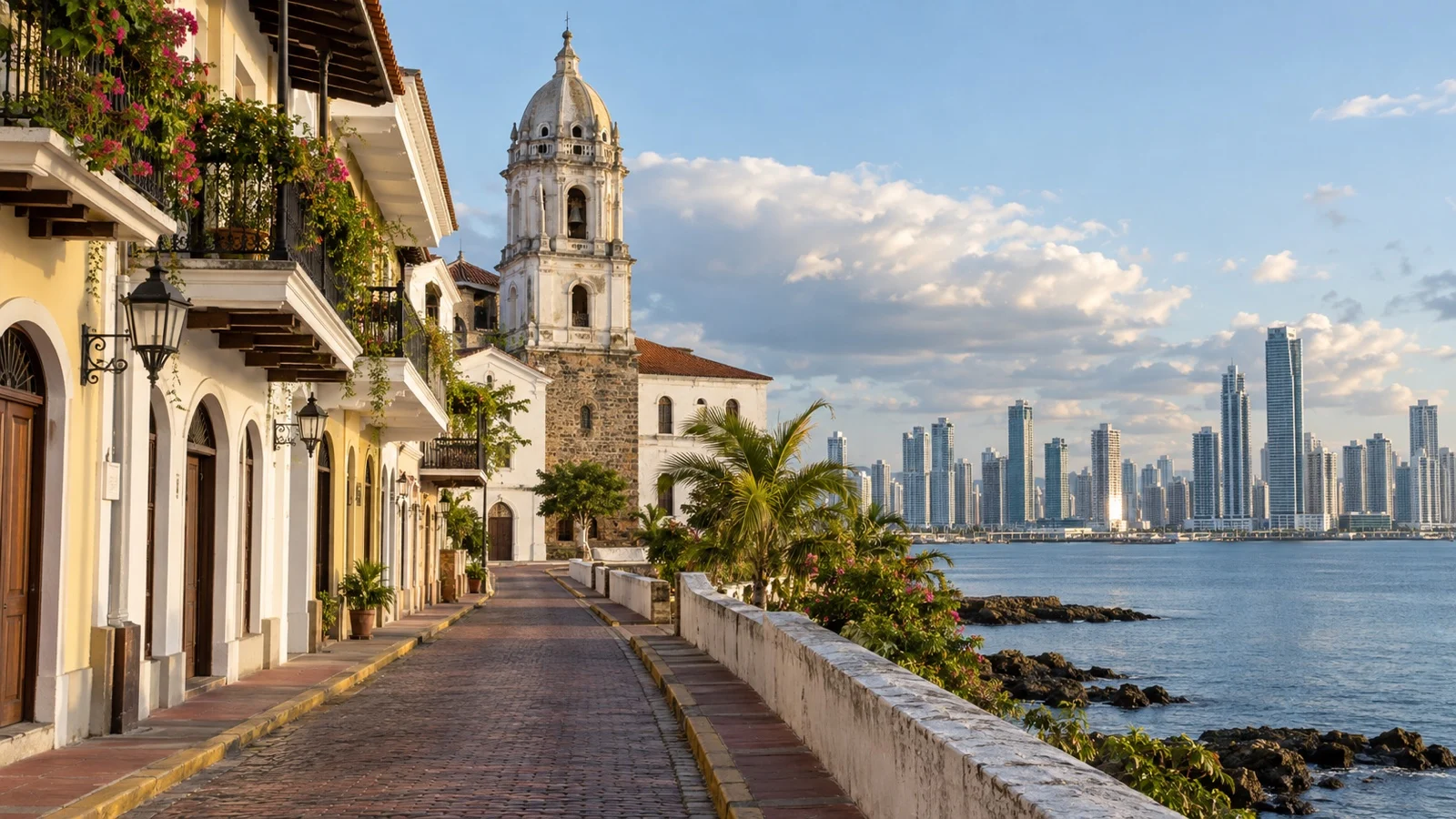
A guided walk adds context about colonial relocation, independence, canal history, architecture, and the neighborhood’s modern transformation. Independent travelers should use a clear drop-off and pickup point rather than asking a driver to find them in a vague plaza later.
The Interoceanic Canal Museum faces Plaza de la Independencia and can deepen the canal story when open. Check current hours, ticketing, and language support before building your route around it.
Active churches require respectful dress and quiet behavior. Keep shoulders covered, follow photography signs, and step aside when worship is taking place.
Casco and Miraflores can be combined on a disciplined tour, but each stop becomes shorter. If you love history, choose enough time for one rather than treating both as quick photo stops.
Panama Viejo and the modern skyline
Panama Viejo preserves the archaeological remains of the city’s first Spanish settlement on the Pacific coast. It is separate from Casco Antiguo, where the city was rebuilt after the earlier settlement was destroyed.
The site and museum require transport across the metropolitan area. Check official opening information and consider traffic before pairing it with a west-side attraction.
A panoramic city drive can connect the old ruins, modern high-rises, canal-zone history, and Amador without long walking. Ask how many stops are included and whether the itinerary spends most of its time in traffic.
Do not use “old town” without confirming whether an operator means Panama Viejo or Casco Antiguo. They are different places with different stories and locations.
Canal-zone history and Ancón
The areas around Ancón and Balboa preserve layers of canal administration, military history, memorials, and twentieth-century planning. A knowledgeable guide can explain the transition from foreign-controlled Canal Zone to full Panamanian control.
The Panama Canal Administration Building and nearby monuments may appear on city tours, though interior access is not guaranteed. Treat them as contextual stops rather than promising a building tour.
Cerro Ancón offers elevated views but requires a separate walking plan and current access information. Heat, incline, wildlife, and return timing make it unsuitable as an impulsive add-on.
Never enter restricted government, port, or canal-operating areas. Follow guards, signs, and your guide’s instructions even when a road looks open.
Rainforest and wildlife excursions
The canal watershed protects important tropical forest and supports a variety of guided nature experiences within driving distance of Panama City. Routes may include boat trips, forest trails, wildlife observation, or visits near canal waterways.
Wildlife is never guaranteed, and responsible guides do not bait or handle animals for photographs. Binoculars, patience, and quiet observation produce a better experience.
Ask exactly where the tour goes, how long the drive takes, what boat or trail surfaces are involved, and where restrooms are available. A generic “rainforest and canal” title can describe very different days.
Rain can make trails slick and boat boarding difficult. Wear closed shoes with grip, carry insect repellent, and keep electronics in a waterproof pouch.
A long nature excursion should be booked with an operator who understands Amador cruise operations. Panama City traffic still matters even after the group leaves the urban core.
Taboga and boat outings
Taboga Island sits in the Gulf of Panama and can be reached by scheduled or excursion boats from the Amador area. It may appeal to travelers who want an island village or beach day without crossing Panama City.
This plan adds another marine schedule to a cruise day. Confirm the departure pier, check-in time, return sailing, weather policy, and the distance from the ferry dock to your ship’s terminal.
Do not take the final available return boat if a missed connection would endanger all aboard. Build room for delays and be ready to cancel the independent plan if the ship arrives late.
Beach conditions in the Bay of Panama vary with tide, weather, and runoff. Follow current local guidance before swimming and never assume a postcard image represents the day’s water conditions.
Traffic is the main logistical risk
Panama City traffic can change quickly with commuting peaks, rain, crashes, construction, and major events. A drive that was easy in the morning may take much longer on the return.
Use an established driver or tour operator who monitors current conditions. Ask for the planned route and the time at which the group will leave the farthest attraction.
If traveling independently, request the return ride before you finish the visit. Ride-hailing and taxis can be useful, but vehicle supply, pickup restrictions, and mobile data should not be your only safety plan.
Protect at least one substantial buffer rather than using every minute for sightseeing. A secured cruise terminal is less forgiving than a hotel when you arrive late.
Weather, heat, and rain
Panama City is hot and humid, with intense sun and heavy tropical rain both possible. Wet-season showers can develop rapidly and may include lightning, reduced visibility, and localized street flooding.
Check the Institute of Meteorology and Hydrology of Panama for current forecasts and official notices. Compare that information with the ship’s local operational update.
Wear breathable clothing, apply sunscreen, carry water, and use a light waterproof layer. An umbrella can help in a plaza, but a hood is easier around wind, traffic, and boat transfers.
Rain can cool the air while making stone, tile, ramps, and gangways slippery. Slow down and choose covered stops rather than racing through a storm.
Heat stress can develop even on a cloudy day. Take shade breaks and tell the guide early if you feel dizzy, weak, or nauseated.
Accessibility and reduced-mobility planning
The modern terminal may improve the alongside experience, but accessibility still depends on the assigned berth and gangway. A tender call introduces a moving boat transfer that can restrict wheelchairs and scooters.
Ask the cruise line about terminal distances, shuttle lifts, gangway slope, tender rules, and accessible taxi pickup. Do not wait until the pier to request a scarce adapted vehicle.
Miraflores, Biomuseo, and major museums may provide accessible routes, but elevators, viewing areas, and transport need current confirmation. A general accessibility symbol does not describe every part of the experience.
Casco Antiguo includes uneven paving, curbs, heat, and occasional steps. Use a vehicle for the first approach and plan a shorter, flatter loop with seated breaks.
Nature boats and forest trails require detailed questions about boarding height, handrails, path surface, restrooms, and walking duration. A panoramic city and canal tour may be a stronger choice for limited stamina.
Families and multigenerational groups
Panama City works well for families because the canal gives the day a clear story. Watching ships rise or descend at Miraflores can make engineering visible even to children who usually lose interest in museums.
Biomuseo and Punta Culebra may add biodiversity and wildlife themes when open. Check the amount of outdoor exposure and carry water for each child.
A city-and-locks combination is usually more manageable than a long rainforest outing with several transfers. Protect time for food, restrooms, and an unhurried return.
Keep children close around port traffic, waterfront edges, historic walls, and busy streets. Tropical heat can make them tired before they recognize it.
Food, money, and connectivity
Panama City offers everything from quick local meals to polished waterfront restaurants. Rice, beans, seafood, plantains, soups, ceviche, and regional dishes can fit a cruise day if service time is clear.
Panama uses the United States dollar alongside the balboa at equal value, with balboa coins circulating with United States currency. Large notes can be difficult for small vendors, so carry smaller denominations.
Cards are widely used in established businesses, but a backup card and cash are sensible. Ask whether a taxi fare is fixed, metered, or app-based before setting out.
Mobile coverage is generally useful in the city, yet roaming, dead batteries, and pickup-zone restrictions can still cause trouble. Download maps, tickets, ship details, and Spanish destination names before leaving.
Restaurant checks may include tax or service details that differ from home. Review the bill and ask politely before adding another gratuity.
Shopping and local etiquette
Casco and Amador offer crafts, gifts, clothing, coffee, and Panama-themed souvenirs. For Indigenous-made textiles or art, buy from sellers who can identify the maker and community rather than treating culture as a generic pattern.
Ask before photographing artisans or market vendors. A purchase does not automatically include permission to record someone.
Spanish is the official language, and a polite greeting goes a long way. English is common in many tourism settings but should not be assumed with every driver or small business.
Dress respectfully for churches and government sites. Follow posted security and photography rules around canal, port, and official facilities.
How to protect your return
Begin with all aboard or the last-tender time, then work backward through terminal processing, causeway traffic, city traffic, and pickup time. Do not use the ship’s sailing time as the target for reaching Amador.
Tell every guide or driver whether the ship is at the new terminal or using tenders. The meeting point and final handoff differ, and “Fuerte Amador” alone may not be specific enough.
Keep the cruise card, required identification, daily program, and port-agent contact details with you. Save them offline and carry a small paper backup.
If rain or congestion develops, shorten the final stop instead of spending the buffer. One missed museum room is better than one missed ship.
Simple plans for different call lengths
Short call
Stay on Amador for causeway views, a meal, and one nearby attraction that is confirmed open. Avoid crossing the city unless transportation is organized around the ship.
Medium call
Choose Miraflores or Casco as the main destination, then add a brief Amador stop if traffic allows. Do not force both when the call is short.
Long call
A structured tour may combine Miraflores, Casco, and a city overview, or support a focused rainforest outing. Protect the return buffer even when the ship stays late.
Common Fuerte Amador planning mistakes
The first mistake is assuming every call uses the new pier. Confirm whether your ship is alongside or tendering.
The second is underestimating traffic because attractions look close on a map. Build the schedule around current road conditions, not distance alone.
The third is expecting to see a vessel in Miraflores at any random moment. Check the Panama Canal Authority’s daily transit information without treating it as an absolute guarantee.
The fourth is trying to combine locks, old town, rainforest, museum, and beach in one day. Choose one main story and let the rest be optional.
Frequently asked questions
Do ships dock at Fuerte Amador?
Many calls can use the modern cruise terminal, while another ship may tender according to the confirmed port plan. Follow the daily program.
Can I walk from the terminal to Panama City?
No practical sightseeing plan should treat central Panama City as a simple walk from the cruise facilities. Use a taxi, shuttle, or organized tour.
Can I see ships at Miraflores?
Often, but vessel timing is operational and changes daily. Check the official transit schedule close to the visit.
Can I visit Casco and Miraflores together?
A well-run tour can combine them when the call is long enough. Traffic and time at each site determine whether the result feels worthwhile.
Is the Amador Causeway enough for a port day?
Yes, especially for a short call or a traveler avoiding traffic. Views, food, and selected museums or nature attractions can fill several hours.
What currency do I need?
United States dollars circulate alongside Panamanian balboas at equal value. Bring small notes and a backup card.
What should I wear?
Choose breathable clothes, sun protection, comfortable shoes, and a light rain layer. Carry a cover for churches and a dry pouch for documents.
My take on Fuerte Amador
Fuerte Amador is one of those ports where logistics and wonder sit side by side. You can watch the canal’s working world from the causeway, study it at Miraflores, or step into the layered streets of Casco Antiguo.
I would choose one defining experience, leave far more traffic time than seems elegant, and finish with the Pacific view near the ship. Panama rewards curiosity, but it also rewards restraint.
Planning sources include the Panama Maritime Authority, the Panama Canal Authority’s official visitor site, Visit Panama, Smithsonian Tropical Research Institute, and the Institute of Meteorology and Hydrology of Panama. Confirm the pier or tender plan, terminal transport, attraction access, weather, traffic, and return deadline close to sailing.