Colón Cruise Port: Terminals, Canal Locks and Caribbean Days
Colón is the Caribbean gateway to the Panama Canal, but the port day is more varied than a single lock view. You can watch enormous ships rise through Agua Clara, explore Gatún Lake rainforest, trace Spanish trade history at Portobelo or San Lorenzo, or cross the isthmus toward Panama City.
The winning plan begins with your exact terminal and a realistic return buffer. Colón’s working-port geography, tropical rain, bridge or highway traffic, and controlled terminal access reward a focused excursion more than improvisation.
Start with the terminal on your daily program
Cruise itineraries may use names such as Colón, Colón 2000, Cristóbal, or a specific terminal within the port complex. These labels can refer to different berths and passenger facilities around the city, so the ship’s printed location and gangway announcement are more useful than a generic map pin.
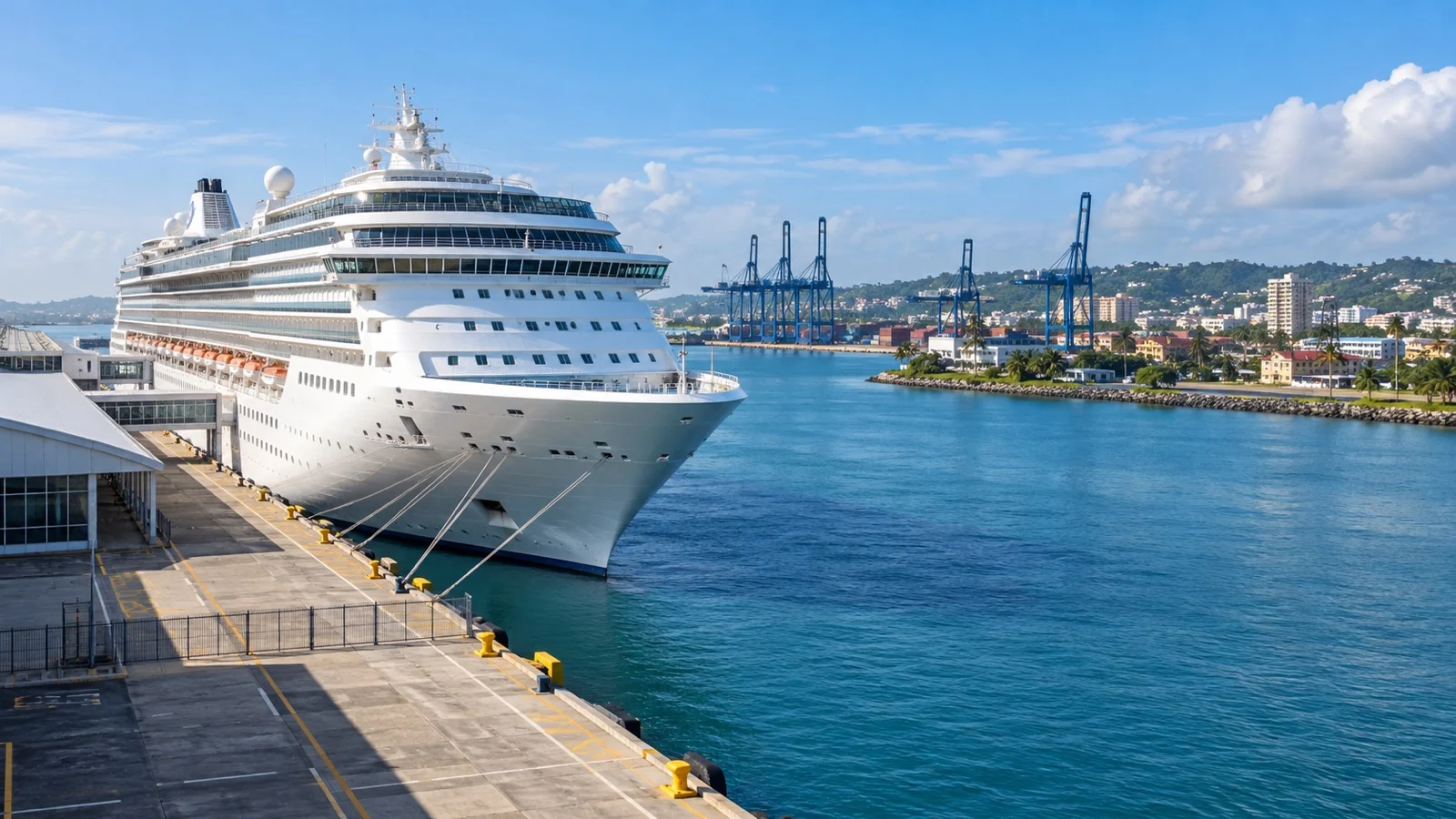
Cruise ships normally berth alongside in this major commercial harbor. That makes tendering unlikely on a standard call, but it does not mean passengers can wander through working cargo areas or switch between terminals on foot.
Some terminal areas connect directly to controlled shopping or pickup zones, while others require a shuttle or escorted route to the public side. Confirm the authorized tour meeting point, independent driver access, and final security cutoff before making plans.
If your ship is transiting the canal rather than making a conventional port call, shore access may follow a completely different schedule. Treat the onboard program as the operational source for whether you can disembark, rejoin elsewhere, or remain aboard.
Quick Facts
- Port style: normally alongside at an assigned berth in a secure commercial harbor
- Terminal rule: use the exact name and pickup instructions on the ship’s daily program
- Closest signature sight: Agua Clara Visitor Center at the canal’s Atlantic side
- Wildlife option: guided Gatún Lake boat trip or nearby rainforest experience
- Historic alternatives: Portobelo and Fort San Lorenzo
- Cross-isthmus choices: organized railway or road excursion to Panama City
- Independent walking: keep it to the terminal’s approved public area unless local guidance says otherwise
- Currency: Panamanian balboa and United States dollar circulate at equal value
- Weather: hot, humid, and rainy conditions can occur throughout the cruise season
- Return rule: protect extra time for highway, bridge, train, boat, and port-security delays
Agua Clara offers the clearest canal experience
The Agua Clara Visitor Center overlooks the Atlantic side of the expanded canal and its larger lock complex. It is the most direct choice when your priority is understanding how modern ships move between ocean and Gatún Lake.
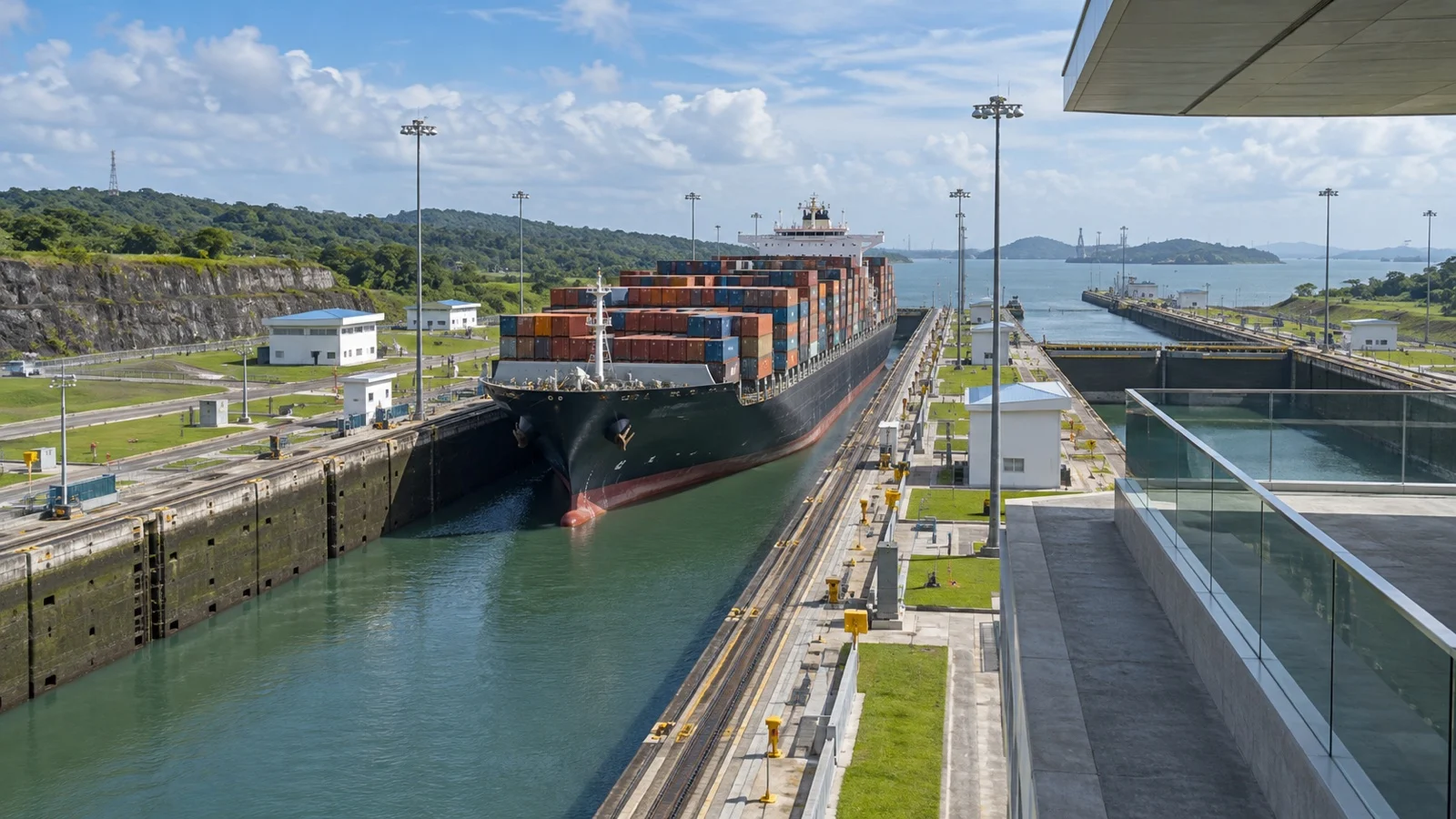
Ship movements are real operations rather than a timed attraction. You may see an extraordinary transit, a vessel waiting, or a quieter stretch, so use the exhibits and views to understand the system even when no ship is in the most photogenic position.
The Panama Canal Authority is the primary source for canal operations and visitor links. Check its official visitor information close to your call because opening schedules, ticket procedures, and access arrangements can change.
Agua Clara is usually the cleanest fit for a shorter Colón stop. It still requires road transport and a return margin, but it avoids the much longer cross-isthmus commitment of Panama City.
Gatún Lake turns engineering into rainforest
Gatún Lake is both a core part of the canal system and a vast tropical habitat. A guided small-boat outing can reveal islands, forest edges, canal traffic, monkeys, birds, and reptiles within the same visual field.
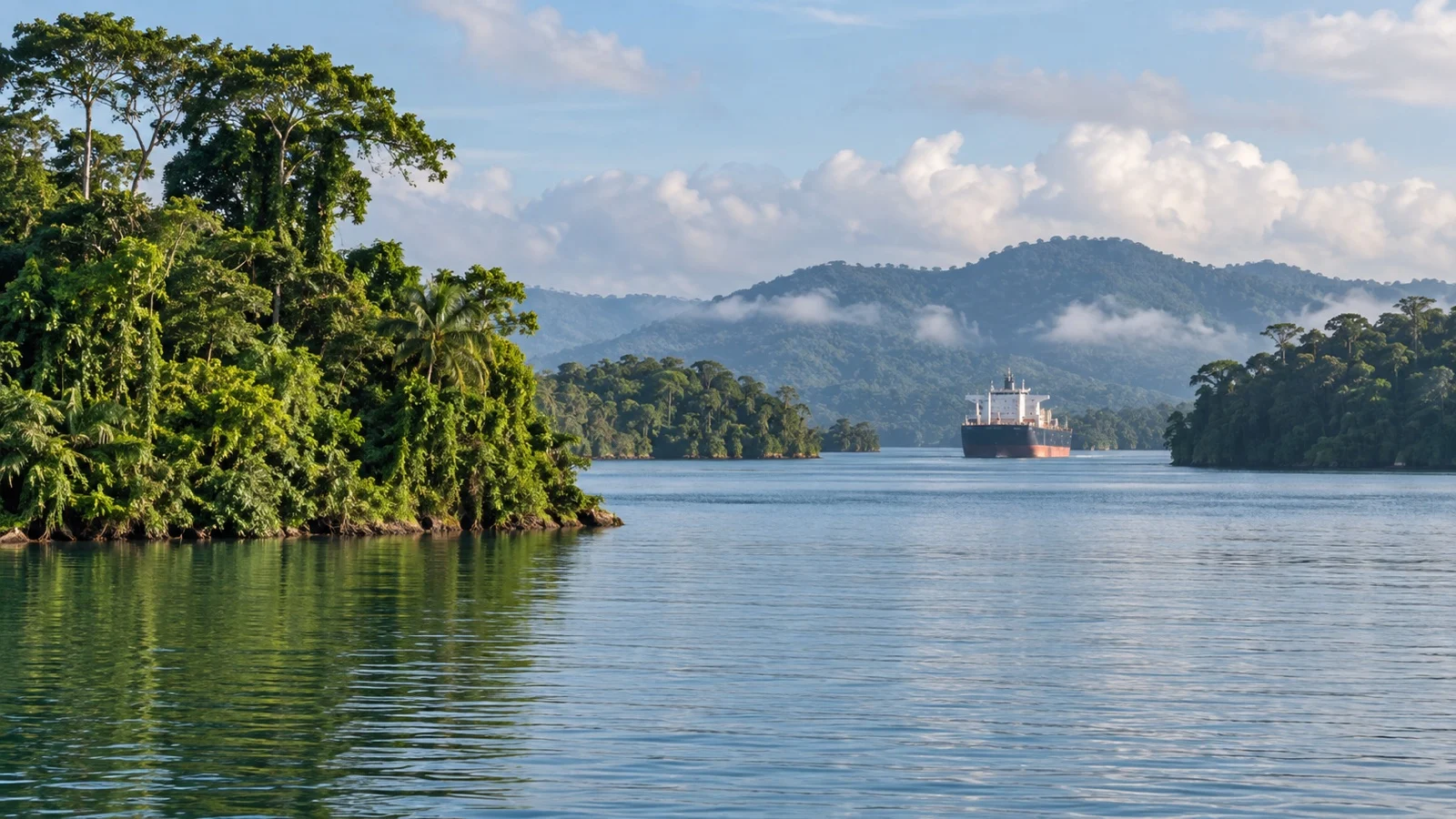
Wildlife remains unpredictable, and a responsible guide will not chase or feed animals. Ask whether the operator keeps a respectful distance, provides life jackets in suitable sizes, and has shade or rain protection.
Boat boarding is the accessibility hinge. Travelers should confirm steps, handrails, dock stability, seating, restroom availability, and whether the route involves a vehicle transfer over uneven ground.
Water levels and canal operations matter beyond scenery because Gatún is part of a managed system. The Canal Authority publishes water indicators and operational notices, while your excursion operator should translate current conditions into a realistic passenger plan.
Portobelo and San Lorenzo tell different chapters
Portobelo faces the Caribbean east of Colón and combines fortifications, a historic harbor, Afro Panamanian culture, and the Church of the Black Christ. It works well for travelers who want human history and community context rather than a day centered only on canal machinery.
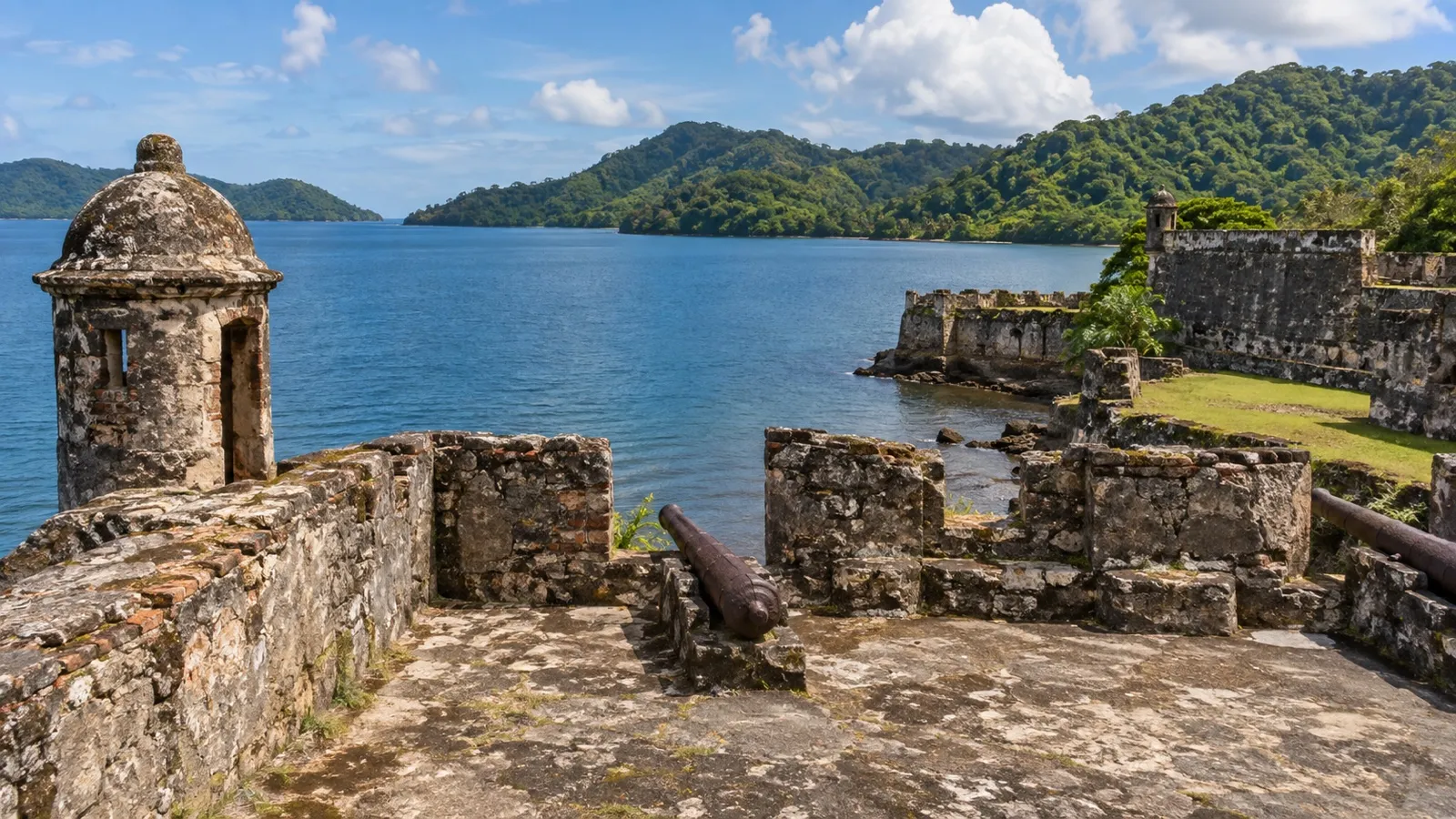
Fort San Lorenzo stands near the mouth of the Chagres River and feels more isolated, with forest surrounding dramatic ruins and views. The approach may involve longer road segments, bridge timing, and uneven surfaces, so it needs a well organized vehicle plan.
Together, the fortifications of Portobelo and San Lorenzo form a UNESCO World Heritage property created by the Spanish Crown to protect transatlantic trade. Their significance is shared, but they are separate places and should not be treated as a quick two-stop walk.
Current conservation work or site controls may limit particular areas. Respect barriers, avoid climbing fragile masonry, and let a local guide connect the forts with the people and trade routes that shaped the Caribbean coast.
The railway is an excursion, not a commuter shortcut
The Panama Canal Railway crosses the isthmus between the Atlantic and Pacific sides, following stretches of canal and lake scenery. For cruise passengers, it is usually offered as a coordinated excursion rather than a turn-up-and-ride local service.
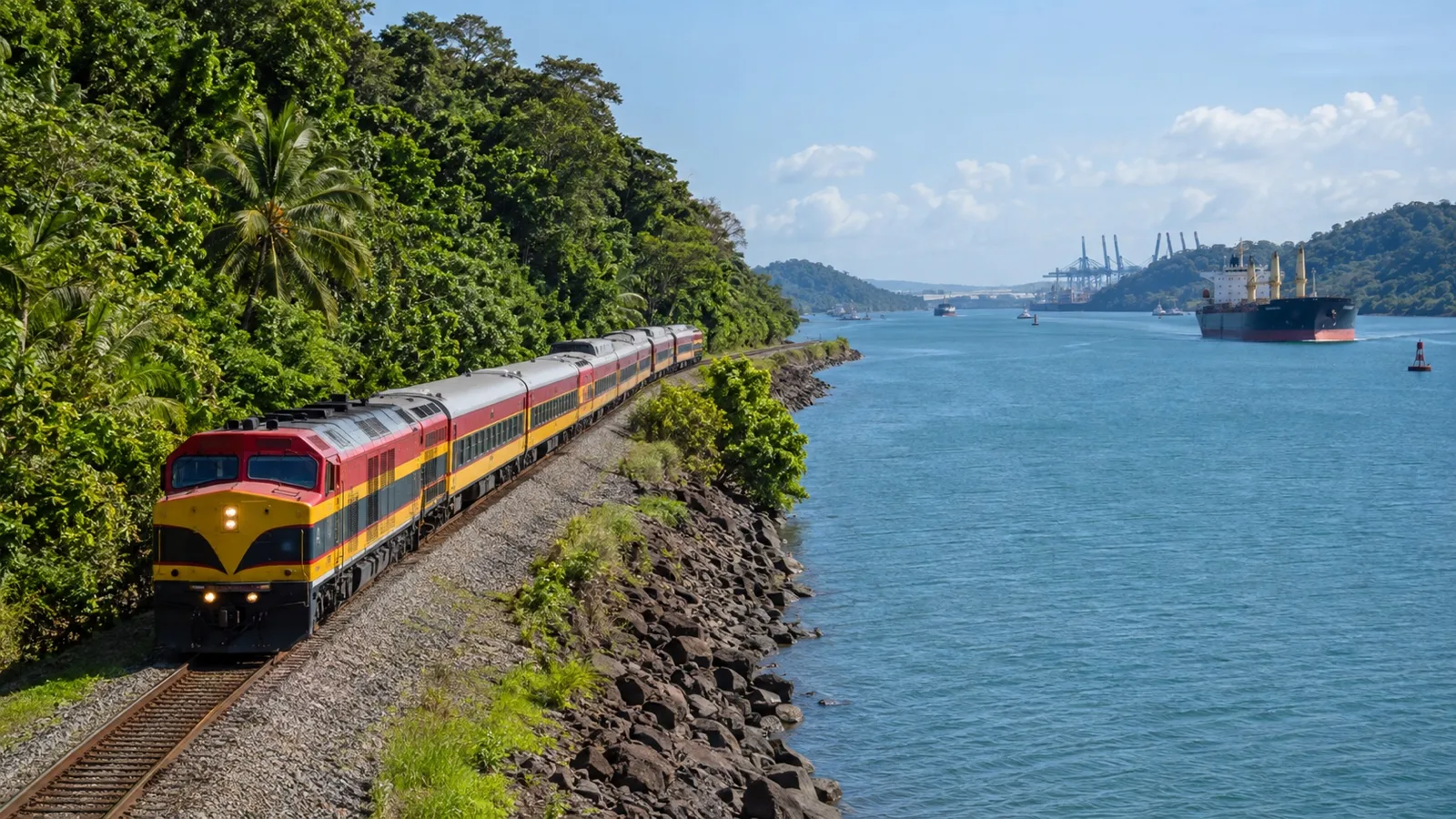
Schedules may prioritize freight or organized groups and can change independently of your ship. Never assume an old timetable creates a safe independent route to Panama City and back.
A one-way train paired with a bus return can be a satisfying way to see both the canal corridor and the capital. Confirm which direction uses rail, where the group boards, and how delays are handled.
Should you go all the way to Panama City
Panama City offers the Pacific skyline, Casco Antiguo, museums, the Amador Causeway, and another perspective on the canal. It is an ambitious day from Colón because every attraction sits beyond the cross-isthmus transfer.
Traffic can turn a comfortable outline into a hurried loop, especially if the itinerary promises both city sightseeing and a lock visit. I would choose one or two meaningful stops with a cruise focused operator rather than a bus tour packed with photo pauses.
If the ship later calls at Fuerte Amador or Balboa, save Panama City for that port and use Colón for Agua Clara, Gatún, or Caribbean history. Repeating the same long transfer from the wrong side of the isthmus rarely improves the trip.
Four sensible ways to shape the day
A short canal call
Make Agua Clara the headline and leave room for the terminal area afterward. This plan gives the canal a clear place in the day without betting your return on distant highways.
A nature focused day
Choose a Gatún Lake boat and one nearby rainforest component. Wildlife will fill the experience more naturally when the guide is not racing between several far apart sites.
A Caribbean history day
Select Portobelo or San Lorenzo based on your interests and mobility. Combining both may be possible on a longer call, but only if travel conditions and site access support it.
A cross-isthmus day
Use a ship sponsored or genuinely cruise focused railway and city excursion. Treat shopping, an extra museum, or a final viewpoint as optional once the return journey begins.
Accessibility depends on the whole chain
An alongside berth is helpful, but gangway slope and terminal routing still vary with the ship and water level. Ask the cruise line whether a wheelchair can remain assembled and whether accessible port transport will operate.
Agua Clara may be easier than a forest or fort, yet the exact visitor path, elevator status, viewing levels, and restroom access should be confirmed. A destination described as accessible can still become unusable if the excursion vehicle has high steps.
Gatún boats introduce transfers onto a moving platform, while historic fort sites can have grass, broken stone, heat, and limited shade. Request route-specific details rather than accepting a general label such as moderate activity.
Travelers with back, neck, balance, or motion sensitivity should also ask about road quality and boat speed. The most comfortable Colón day is often the one with the fewest vehicle changes.
Rain belongs in the itinerary math
Colón is warm, humid, and famously wet, with sudden downpours possible even when the morning looks bright. A breathable rain layer, water, sun protection, and shoes with grip belong in the same small bag.
Heavy rain can slow traffic, obscure views, raise boarding risk, and reshape an outdoor visit. Let the guide change the order rather than insisting on a brochure sequence that no longer fits the conditions.
Electronic devices need protection from both rain and humidity. Keep passports and medication in a sealed inner pouch, not in an open tote under a bus seat.
Safety and independent movement
Colón is a real port city with busy commercial districts and areas that are not designed for casual cruise wandering. Use authorized transport, keep valuables discreet, and follow current ship and terminal advice about where independent walking is appropriate.
Do not accept an unsolicited ride simply because the driver knows your ship’s name. Confirm identity, destination, fare, and return point through the terminal taxi system or your booked operator.
Historic and natural areas bring different risks, including heat, slick stone, insects, boat transfers, and limited facilities. Carry essential medication and tell the guide about mobility or health constraints before leaving the terminal.
Return timing by destination
Agua Clara usually needs a road buffer plus time for terminal security. A Gatún Lake outing adds boat docking and group transfer time, while Portobelo and San Lorenzo add longer roads and site logistics.
Panama City and railway combinations need the widest reserve because they cross the country and may depend on multiple vehicles. A disruption on one segment can ripple through the entire afternoon.
Tell every independent operator your all aboard time, not only the sailing time. Set a target for reaching the terminal earlier than that and protect it from one last photo stop.
Money, documents, and connectivity
Panama uses the balboa alongside the United States dollar at equal value, with paper currency generally in dollars. Cards work in many established tourism settings, but small cash is useful for modest purchases and tips.
Entry and document rules depend on nationality, itinerary, and whether the ship is beginning, ending, or transiting in Panama. Follow the cruise line’s current instructions and consult Panama’s official travel requirements rather than relying on another traveler’s past experience.
Download tickets, maps, operator contacts, and the port agent number before leaving the ship. A phone signal is helpful, but it is not a return plan.
How to choose your Colón day
Pick the story that matters most: canal engineering, rainforest wildlife, Caribbean forts, or a cross-country journey. Then check transport time, physical demands, weather alternatives, and return protection before adding anything else.
Use the Panama Canal Authority for canal information, Visit Panamá for official destination planning, and UNESCO for the context of Portobelo and San Lorenzo. Your ship remains the final authority for berth, gangway, meeting point, and all aboard time.
Colón works beautifully when geography wins over ambition. Stay on the Caribbean side for depth, or cross the isthmus with one coordinated plan and enough space for Panama to behave like a living country rather than a checklist.
Choose one strong experience and protect the route back to the ship. That calm decision leaves room for locks, rainforest, and Caribbean history to feel as big as they truly are.