Greenland Cruise Ports: The Complete Guide to Every Stop
Greenland cruise itineraries are shaped by ice, weather, distance, and small-community capacity more than almost any conventional port schedule. Ilulissat, Sisimiut, and Tasiilaq each offer a distinct Arctic experience, while calls at Nuuk, Qaqortoq, Nanortalik, and smaller settlements add even more variation.
The printed itinerary is a plan rather than a promise. A good Greenland traveler chooses the route for its overall region and expedition quality, then treats every successful landing, harbor call, hike, and cultural visit as part of a flexible journey.
Quick facts about Greenland cruise ports
- Best first visit: Ilulissat for ice and a developed visitor base
- Best west-coast town: Sisimiut
- Best east-coast gateway: Tasiilaq
- Best capital stop: Nuuk
- Most common arrival: Tender, Zodiac, shuttle boat, or limited berth access
- Main planning constraint: Weather, ice, sea state, and local capacity
- Currency: Danish krone
- Essential attitude: Flexibility with respect for small communities
Ilulissat cruise port
Ilulissat is Greenland’s headline cruise destination because the nearby icefjord creates one of the Arctic’s most dramatic landscapes. The town combines colorful buildings, museums, restaurants, marked walks, boat trips, and views of enormous icebergs.
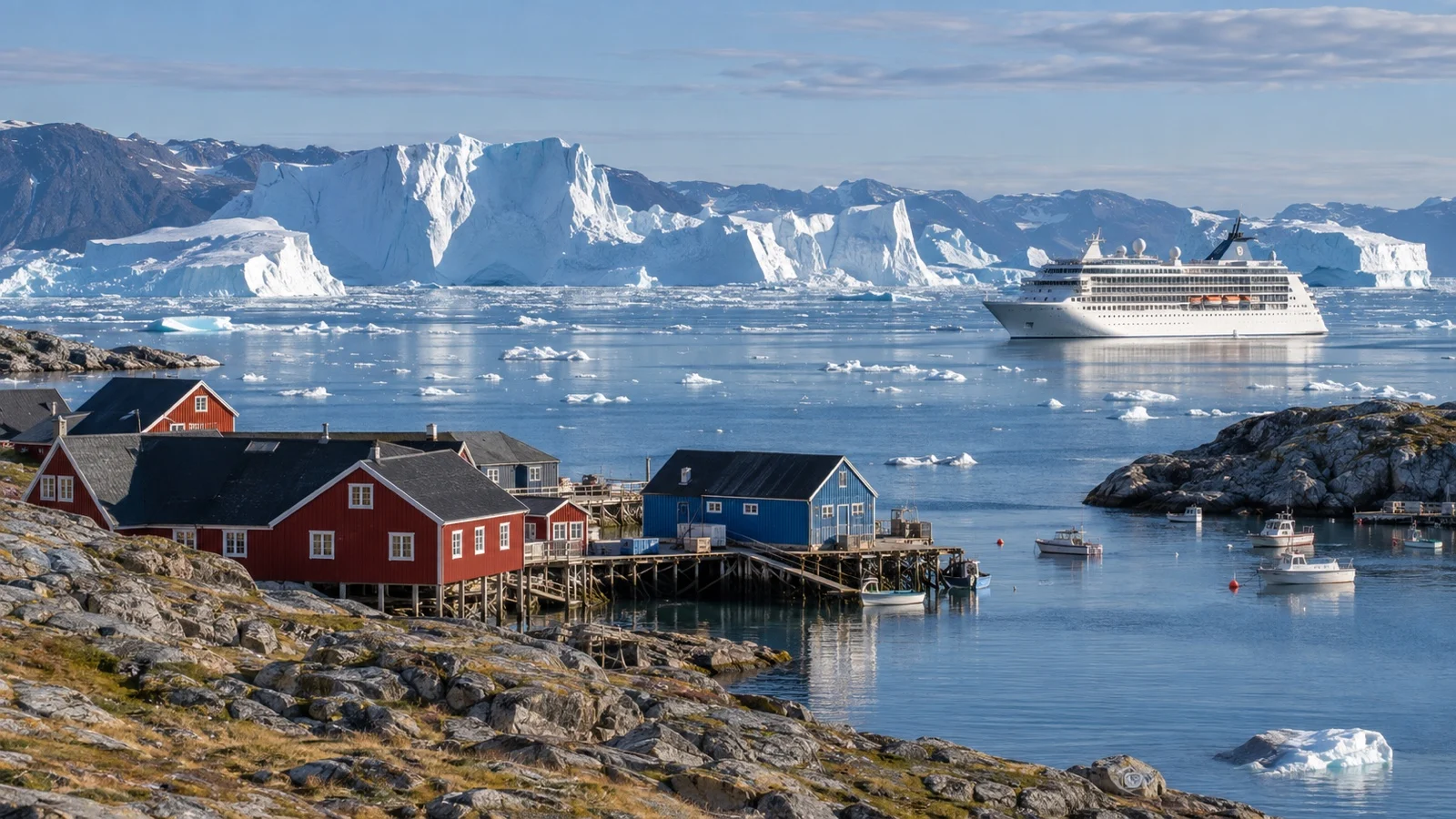
Harbor capacity is limited and many ships move guests by tender or expedition craft. Ice, fog, wind, and traffic can change the landing point or cancel operations, so keep independent plans flexible.
Icefjord walks
The marked routes near Sermermiut provide extraordinary icefjord views without requiring a boat. Surfaces include rock, boardwalk, gradients, and exposed sections, making supportive footwear and layered clothing essential.
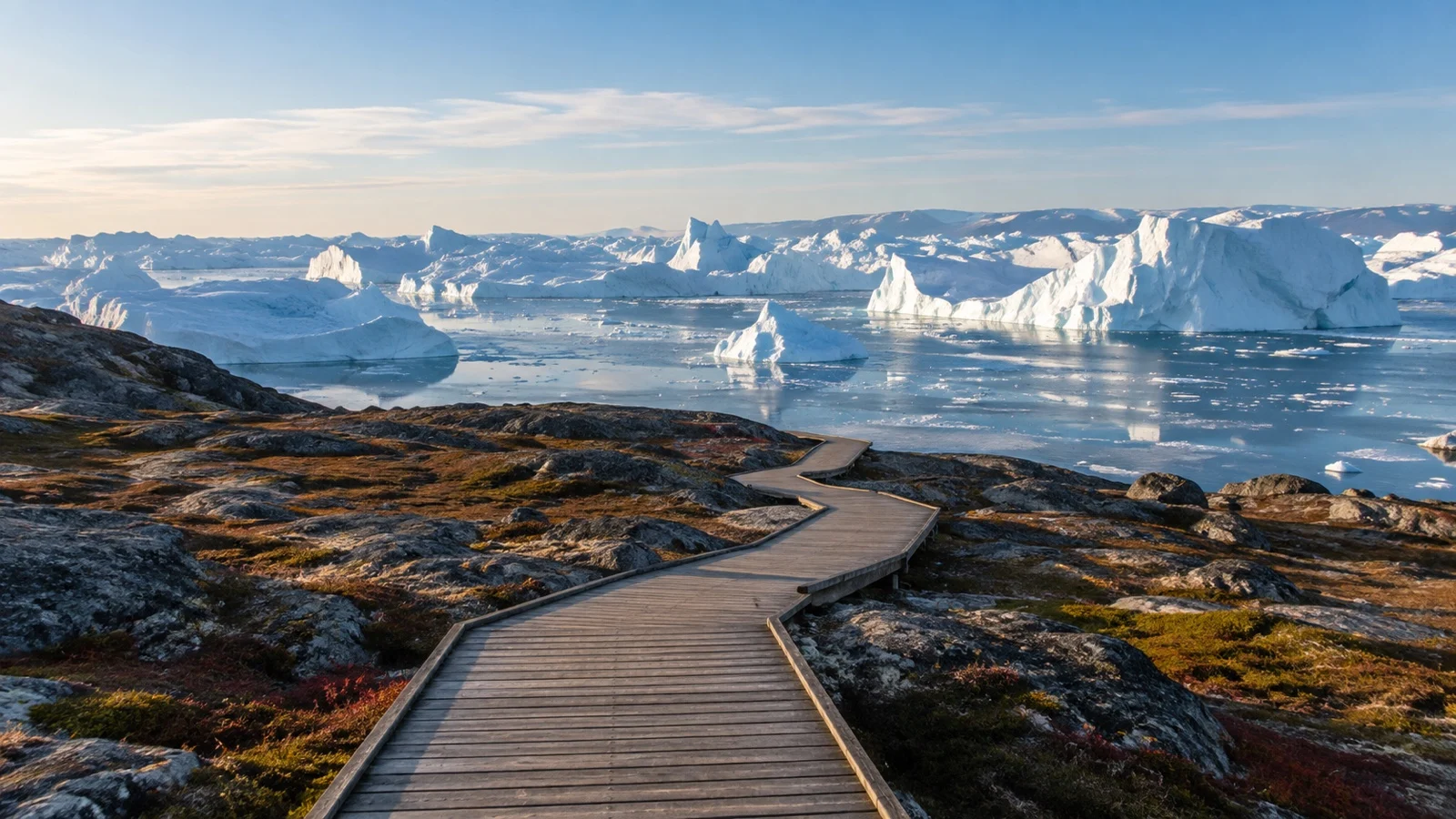
Walk only as far as your time and mobility comfortably support. Fog can reduce visibility quickly, and the return route deserves more time than an optimistic outbound pace.
Boat and flightseeing excursions
Small-boat trips bring a different scale to the ice, while flightseeing can reveal the wider fjord and ice sheet. Both depend on weather, operator rules, weight limits, and strict timing.
Book through a reputable operator or the ship, understand the cancellation terms, and never expect a wildlife or visibility guarantee. A canceled excursion is disappointing, but unsafe conditions are not negotiable.
Sisimiut cruise port
Sisimiut is Greenland’s second-largest city and a rewarding west-coast stop with a working harbor, colorful hillside neighborhoods, cultural sites, and direct access to rugged terrain. It feels lived-in and active rather than arranged solely for visitors.
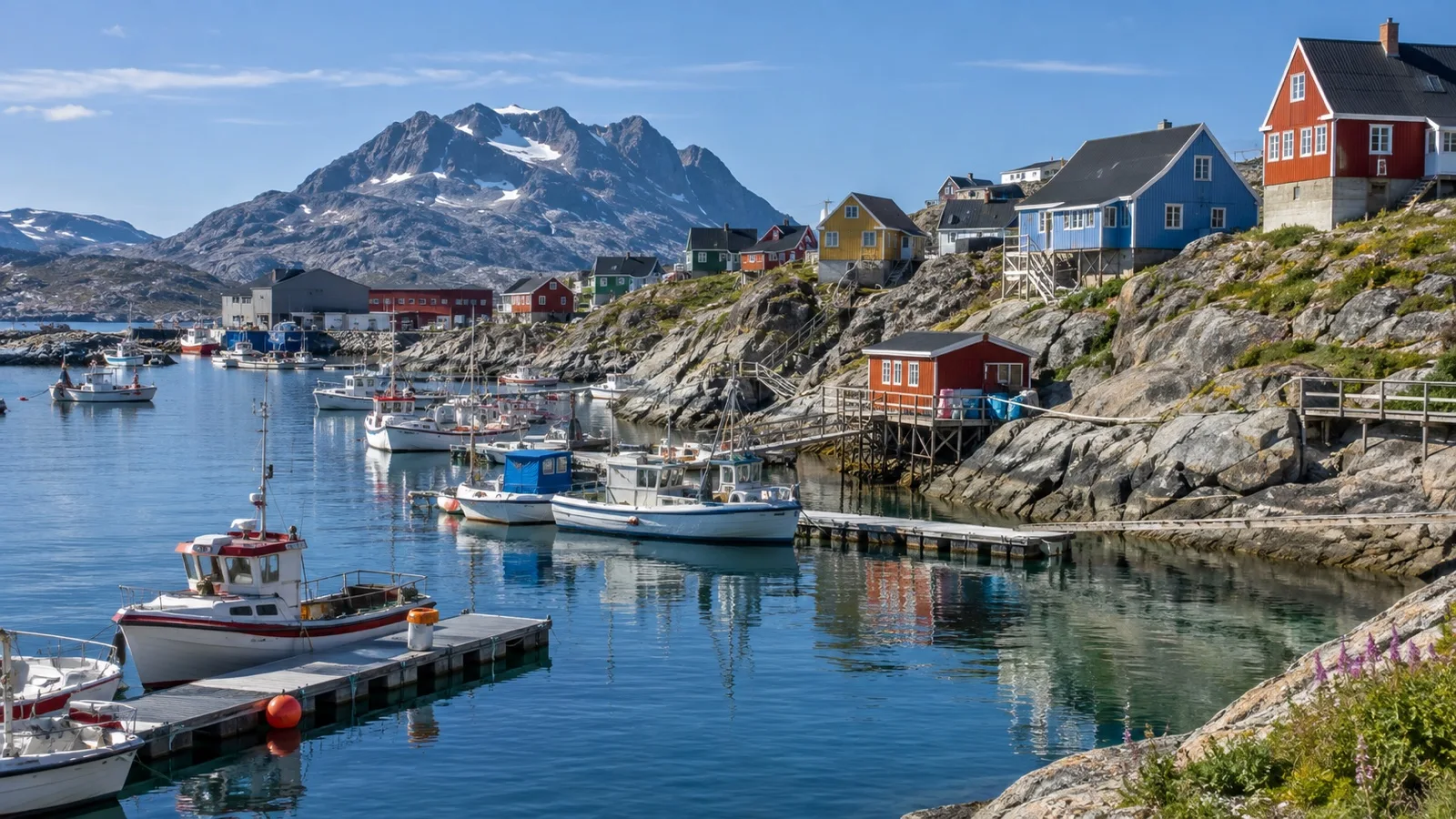
The central museum area and waterfront can support independent exploration, though steep roads and changing surfaces require care. Longer hikes, boat trips, and cultural experiences should be booked with local operators who understand ship timing.
Culture and everyday life
Visit museums and cultural venues with curiosity about Greenlandic history, contemporary life, fishing, hunting, art, and the effects of rapid change. Avoid reducing the community to colorful houses or treating residents as photo subjects.
Buy locally made work from artists and shops that can explain its origin. Materials from wildlife may face export or import restrictions, so ask for documentation and understand your home country’s rules before purchasing.
Tasiilaq cruise port
Tasiilaq is East Greenland’s principal town and one of the most striking calls on an expedition itinerary. Mountains, fjords, ice, colorful homes, and a smaller visitor infrastructure create a port day that feels remote even by Greenlandic standards.
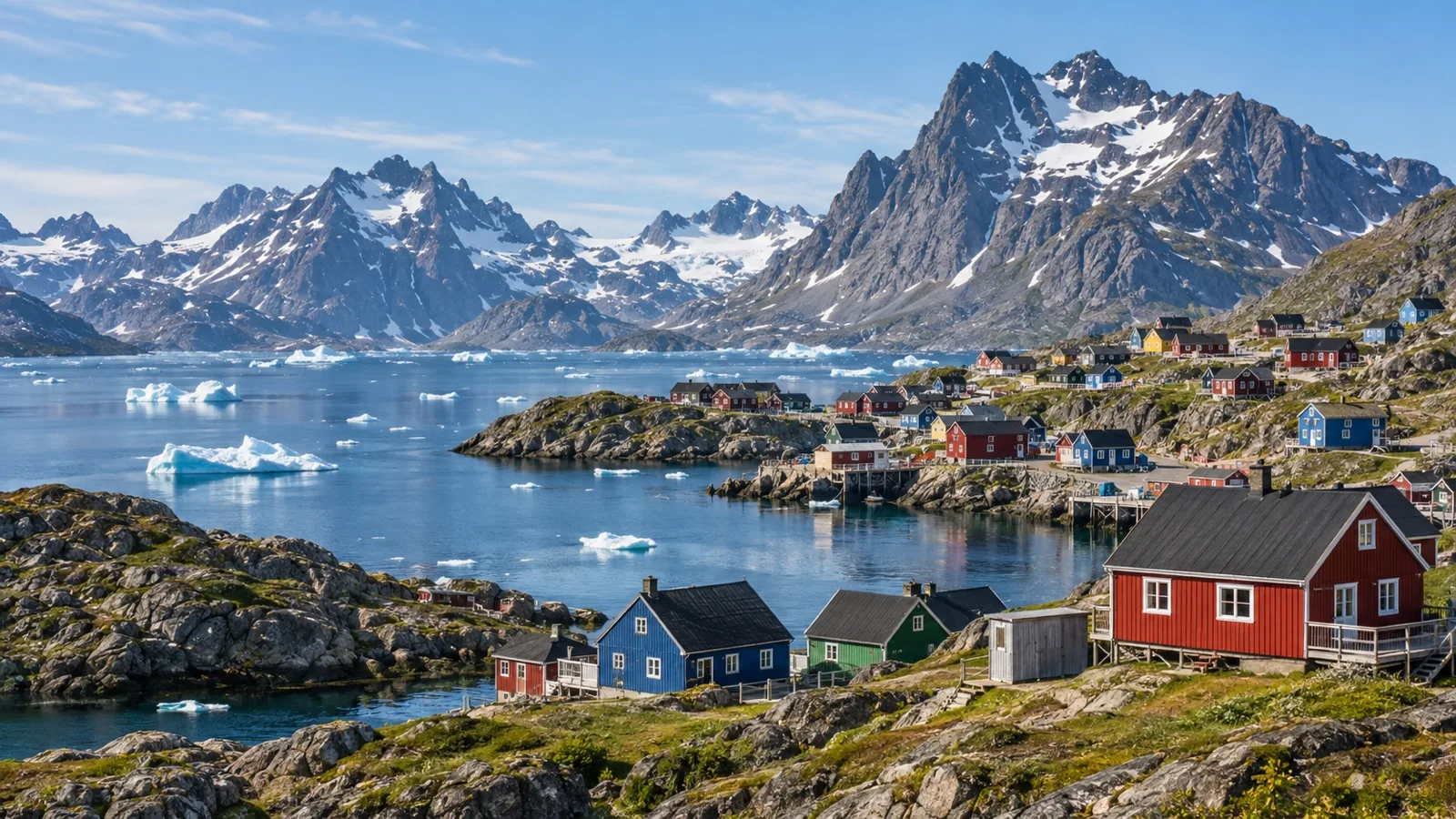
Ships usually depend on small-boat operations, and access can change with swell, wind, fog, or ice. Do not create tightly timed independent bookings unless the operator coordinates directly with the vessel.
A respectful Tasiilaq day
Walk the town at a quiet pace, visit cultural facilities when open, and choose an organized hike or boat experience appropriate to the conditions. Small communities can be overwhelmed when a ship lands many guests at once.
Follow local guidance about photography, private property, dogs, wildlife, and trails. Never approach tethered sled dogs, and give working residents space to continue daily life.
Other major Greenland cruise calls
Nuuk
Nuuk is Greenland’s capital and the best port for understanding its contemporary national life. The city combines a working harbor, museums, cultural institutions, cafés, architecture, fjord excursions, and a population far larger than most Greenland calls.
Berth and shuttle arrangements vary, making the ship’s daily information essential. A city-and-museum plan works in uncertain weather, while fjord trips require operational flexibility.
Qaqortoq
Qaqortoq is a colorful South Greenland town known for art, nearby Norse history, walking routes, and a relatively gentle town-center experience. Many ships tender, and simultaneous calls can place pressure on local boats and facilities.
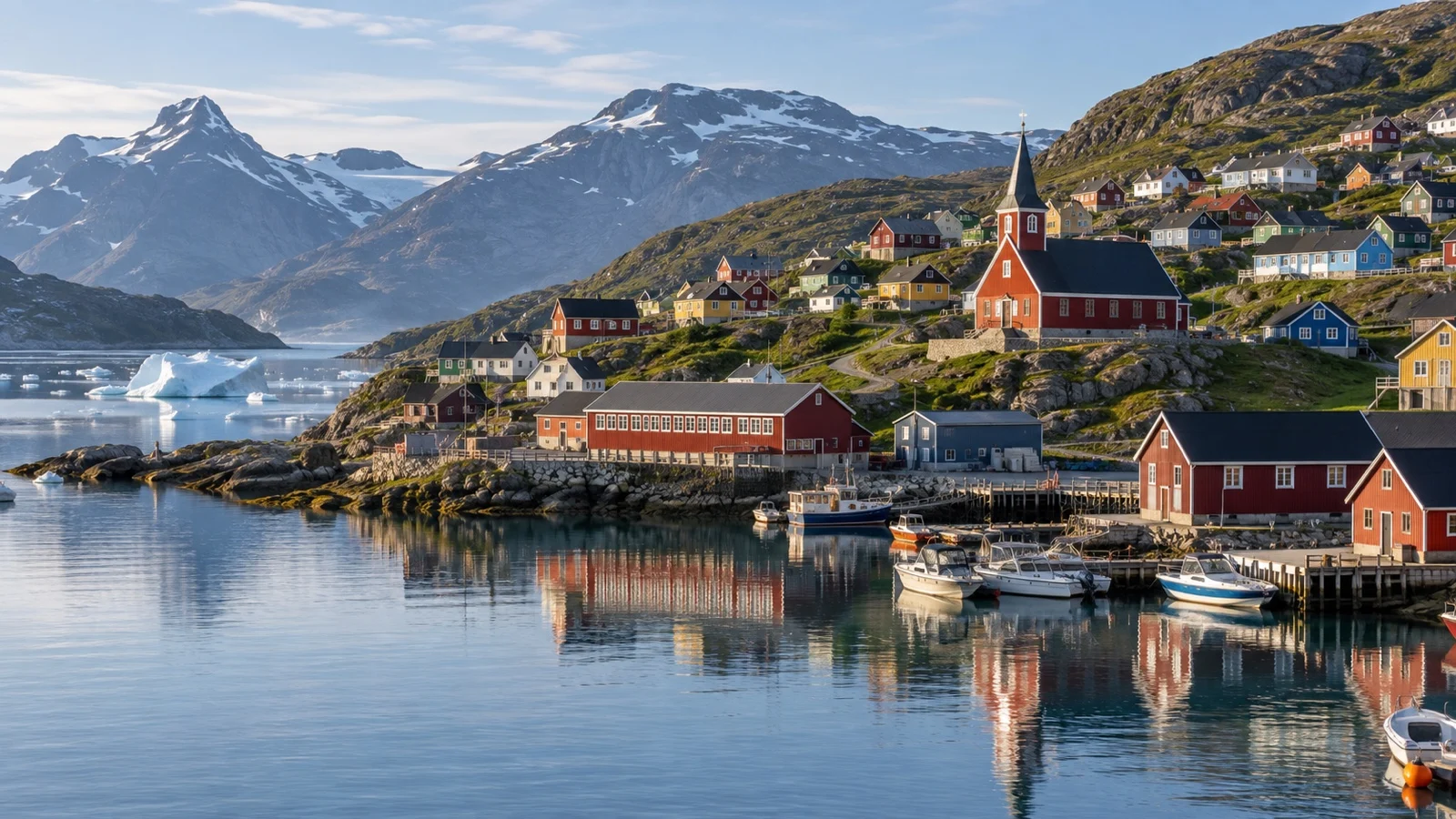
Explore the public art and harbor independently or reserve a longer history or nature excursion. Leave time for the tender queue because the final return is controlled by weather and ship operations.
Nanortalik and South Greenland
Nanortalik offers a small-town landing surrounded by sharp mountains and complex waterways. Cultural presentations, museum visits, local walks, and boat excursions can make the day, but every activity depends on community scale and conditions.
Calls elsewhere in South Greenland may involve remote landing sites, farms, Norse ruins, or tiny settlements. Follow expedition-team instructions and never wander beyond the agreed boundaries or schedule.
Docking, tenders, and expedition craft
Some Greenland ports can berth certain ships, but many visits depend on tenders or Zodiacs. Gangways, floating docks, beach landings, rocks, steps, and swell may all appear within one voyage.
The captain and expedition team may change the order, timing, or location to protect safety and reduce community pressure. Listen to briefings, attend mandatory sessions, and keep waterproof outerwear ready even on a bright morning.
Weather, clothing, and packing
Greenland weather can change quickly, with wind and damp conditions making the temperature feel much colder. Dress in adjustable layers with a waterproof and windproof shell, warm hat, gloves, and footwear suited to wet uneven ground.
Sun protection still matters because water, ice, and long daylight reflect ultraviolet exposure. Carry sunglasses, sunscreen, medication, and a small dry bag for electronics.
Accessibility and lower-energy planning
Greenland can be challenging for wheelchair users and travelers with limited mobility because tender steps, steep town roads, rough surfaces, and small vehicles are common. Ask the cruise line for port-by-port landing details, knowing that final conditions are decided on the day.
A harbor viewpoint, museum, café, and short town route can still create a meaningful visit without a strenuous hike. Save energy for the small-boat transfer and never feel pressured to match the group’s fastest walkers.
Wildlife and environmental responsibility
Wildlife sightings are never guaranteed, and responsible operators maintain appropriate distances from whales, birds, seals, and terrestrial animals. Never feed, chase, call, or crowd wildlife for a photograph.
Follow biosecurity procedures for boots, clothing, and equipment before landings. Stay on durable surfaces, carry out every item of waste, and avoid moving stones, plants, bones, or cultural material.
Money, connectivity, and local capacity
Cards are widely useful, but connectivity can fail and small businesses may have limited systems. Carry some Danish kroner, bring more than one payment method, and never assume a tiny settlement can break a large note.
Internet and mobile coverage vary outside towns, so download maps, tickets, and ship contacts. Small cafés, shops, restrooms, and tour vehicles can fill quickly when a vessel arrives, making patience part of responsible travel.
How I would choose a Greenland itinerary
Choose a west-coast itinerary for the broadest mix of towns, ice, culture, and visitor infrastructure. Choose East Greenland for remoteness, sharp mountain scenery, and a more expedition-dependent journey.
Look beyond the port list to the ship’s ice capability, expedition team, small-boat capacity, included activities, clothing provision, and contingency planning. The operator’s ability to create a good alternate day matters as much as the published names.
Hiking, boats, and personal safety
Even a short Greenland walk can cross loose rock, wet boardwalk, snow, mud, steep roads, or exposed terrain. Tell someone your route, stay within marked boundaries, carry water and layers, and turn back before weather or fatigue becomes a problem.
On expedition landings, follow the guide spacing and never step beyond wildlife or safety markers. Remote medical response is limited, which makes conservative choices far more important than finishing a viewpoint trail.
Small-boat passengers should keep hands inside, remain seated when instructed, and use the provided flotation equipment correctly. Protect cameras with straps and dry bags, leaving both hands available during boarding and landing.
Food, water, and daily comfort
Local cafés and restaurants can be limited and may fill as soon as a ship arrives. Eat an early or late lunch, carry a ship-approved snack, and never assume a remote landing has food, water, or restrooms.
Greenlandic food traditions reflect the Arctic environment, fishing, hunting, imported supplies, and regional preferences. Approach unfamiliar dishes respectfully, ask questions, and recognize that availability can change with seasons and transport.
Dry indoor air and cold wind can be dehydrating even when you do not feel thirsty. Drink regularly, protect exposed skin, and keep a spare pair of dry gloves in your day bag.
Final thoughts
Greenland rewards travelers who arrive curious, prepared, and flexible enough to let conditions lead. Choose the region carefully, listen to local and expedition guidance, and measure the trip by the quality of each experience rather than the number of landings.
CruisePorts.co provides practical, independent planning guidance for cruise travelers. Ice, weather, landing access, community rules, and schedules can change, so verify critical details with the operator and cruise line before travel.