Provincetown Cruise Port: MacMillan Pier, Town and Cape Beaches
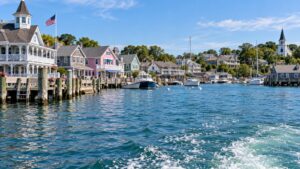
Provincetown sits at the curled tip of Cape Cod, where a compact harbor town meets miles of dunes and Atlantic beach. Cruise passengers arrive beside the heart of town, making Commercial Street, the Pilgrim Monument, galleries, restaurants, and the waterfront easy to combine without a formal tour.
The arrival may involve a tender, and the beaches of Cape Cod National Seashore require transit, cycling, or a vehicle. Confirm the marine operation first, then decide whether your day belongs to town or the outer shore.
Provincetown cruise port quick facts
- Arrival area: Provincetown Harbor near MacMillan Pier
- Common cruise operation: Anchor and tender, depending on ship size and harbor plan
- Town access: Commercial Street begins at the base of MacMillan Pier
- Best landmark: Pilgrim Monument and Provincetown Museum
- National seashore choices: Race Point and Herring Cove
- Seasonal local transit: Provincetown and North Truro Shuttle
- Currency: United States dollar
- Main planning risk: Tender queues, wind, fog, and seasonal transportation
My quick take on Provincetown
For a first visit, I would explore Commercial Street, climb or visit the Pilgrim Monument complex, and then take the shuttle to Herring Cove or Race Point if time allows. The town is interesting enough that a shortened tender call does not need a distant backup plan.
Provincetown is also a place where wandering works. Art, maritime history, LGBTQ+ culture, fishing heritage, and Cape landscapes meet in a small area that changes block by block.
Where cruise passengers arrive
MacMillan Pier extends from the center of Provincetown into the harbor and serves commercial vessels, including scheduled passenger ferries, fishing boats, and research or educational craft. The Town’s official harbor guidance says a dinghy dock for small tenders is on the east side of the pier.
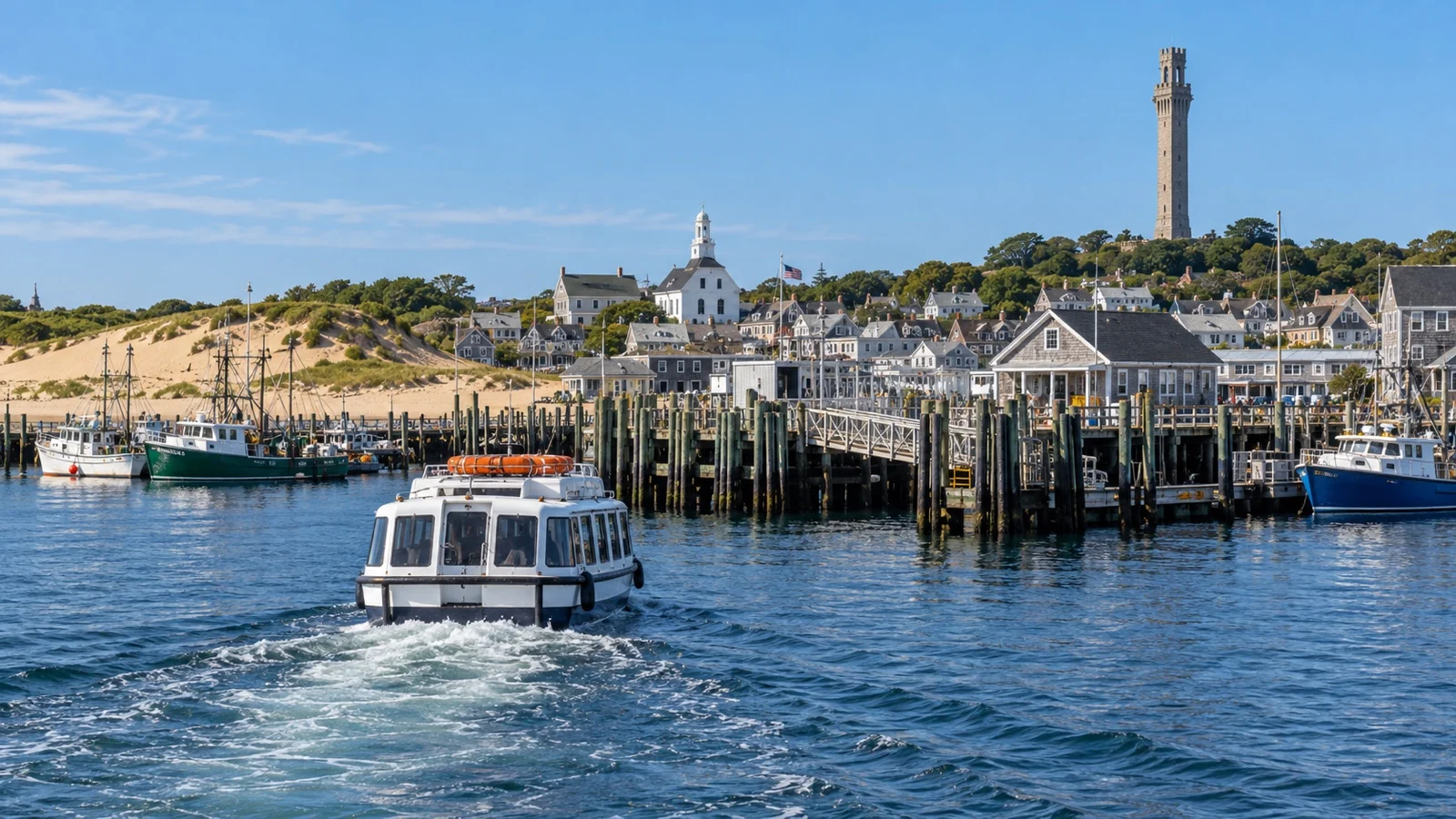
Cruise ships too large for the harbor infrastructure anchor offshore and use their tenders under a ship-specific plan. Smaller vessels may have different arrangements, so follow the daily instructions rather than assuming every call lands at the same float.
The harbor has a tidal range of about 10 feet, according to the Town. Tides and weather can change the slope, motion, and ease of transferring between a tender and floating dock.
How tendering changes the day
A tender call begins with ticketing, boarding, the boat ride, and unloading, and the process repeats on return. Wind, fog, harbor traffic, and sea conditions can slow the schedule or cancel the landing.
Ask when open tendering begins and whether passengers on ship excursions receive priority. The last tender is the deadline that matters, and it may leave well before the vessel sails.
Review my guide to how tendering changes usable time ashore before purchasing a timed activity. A flexible town day is the safest response to a delayed landing.
MacMillan Pier facilities
The Town confirms that public restrooms are located beside the Harbormaster’s Office on MacMillan Wharf. Ferry ticket booths, whale-watch operators, charter boats, parking, and visitor services also cluster around the pier and Lopes Square.
Commercial marine traffic makes the area lively but demands attention. Follow staff directions, watch for vehicles, and do not block working sections while taking photographs.
Commercial Street
Commercial Street is Provincetown’s main walking spine, running through galleries, cafes, restaurants, shops, historic buildings, and residential sections. Around Lopes Square it can feel busy, while the East and West Ends reveal quieter layers of the town.
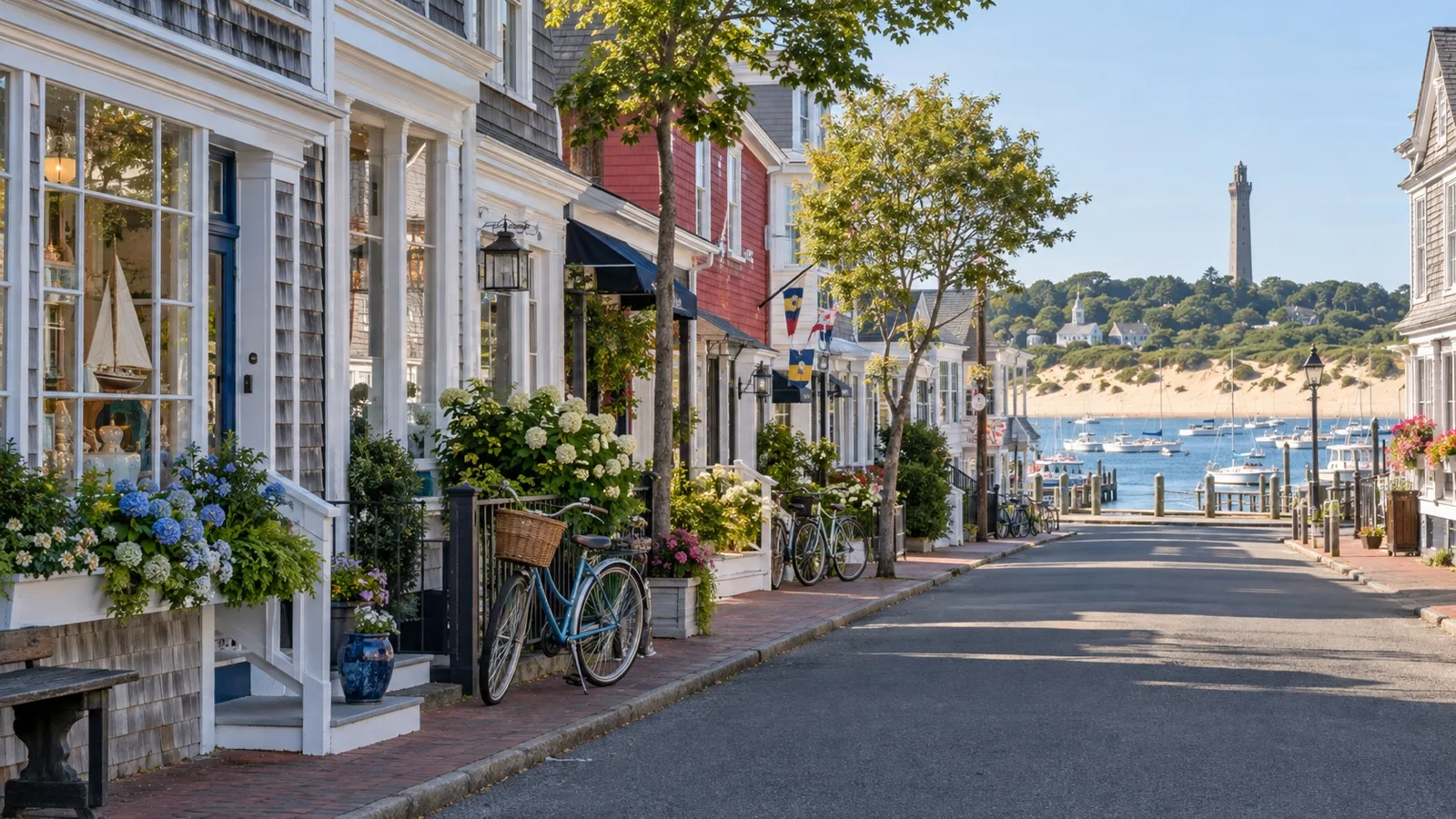
The street is narrow and often shared with bicycles, delivery vehicles, and pedestrians. Walk predictably, keep groups from blocking doorways, and remember that many charming buildings are private homes.
Pilgrim Monument and Provincetown Museum
The Pilgrim Monument and Provincetown Museum preserves stories connected to the Mayflower’s first landing in 1620 and the town’s wider past and present. Exhibits explore maritime history, community life, and Provincetown’s evolving cultural identity.
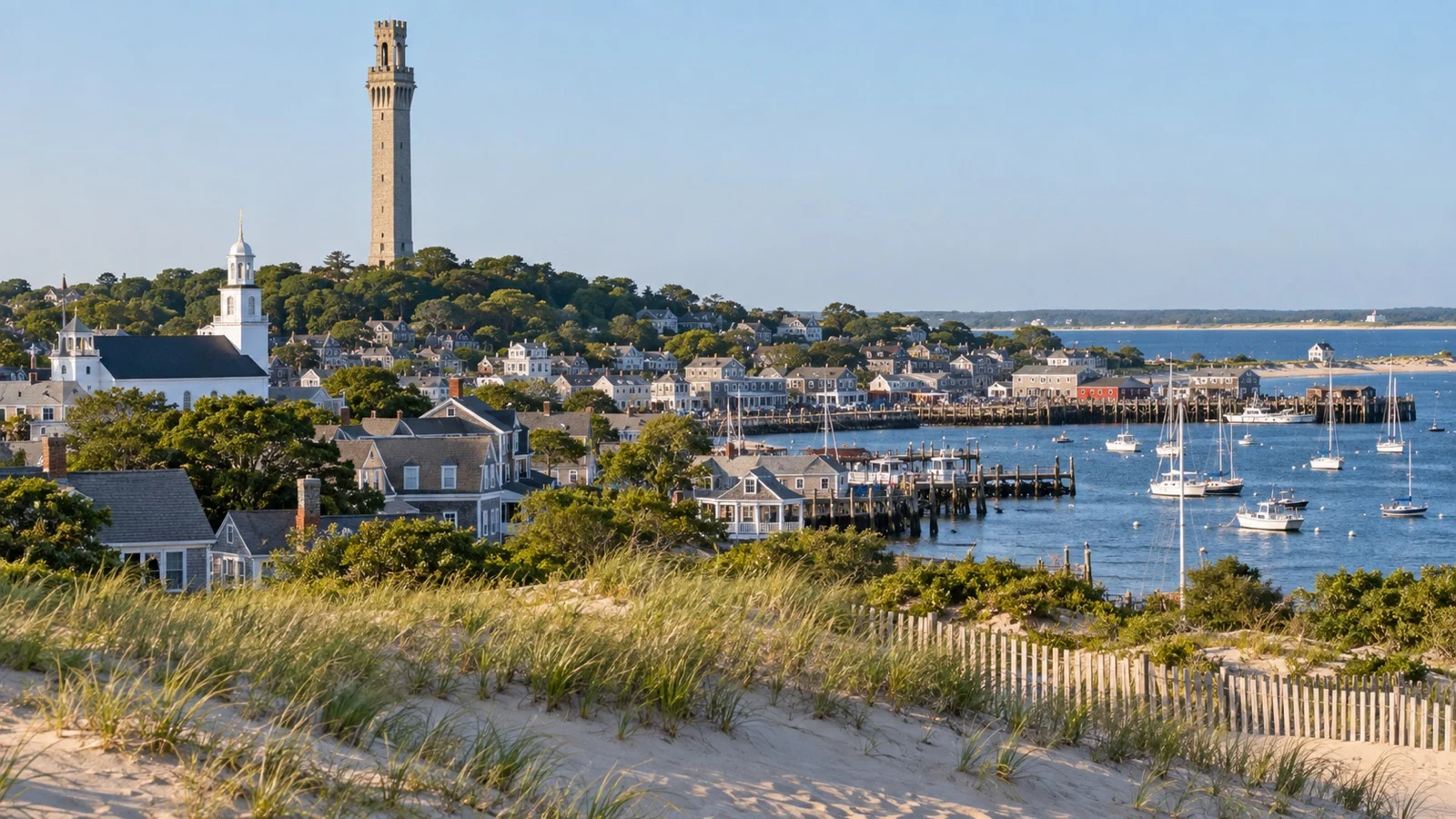
The monument stands on High Pole Hill and offers the defining view over town, harbor, dunes, and Cape Cod Bay. Reaching the top requires climbing inside the tower, although an inclined elevator connects Bradford Street with the museum grounds and reduces the uphill approach.
Check the official site for current hours, elevator status, tickets, and weather-related closures. The museum remains worthwhile even if climbing the monument is not comfortable.
Provincetown’s art and cultural life
Provincetown has attracted artists, writers, performers, and independent thinkers for generations. Galleries along Commercial Street range from accessible contemporary spaces to small studios that reward an unhurried look.
The town is also an important LGBTQ+ destination, and that living culture shapes its businesses, events, nightlife, and welcoming public character. Treat Provincetown as a community rather than a theme and support local organizations and artists when possible.
Cape Cod National Seashore
Cape Cod National Seashore protects the outer beaches, dunes, ponds, trails, and cultural landscapes beyond central Provincetown. Race Point and Herring Cove are the most practical seashore destinations from the pier.
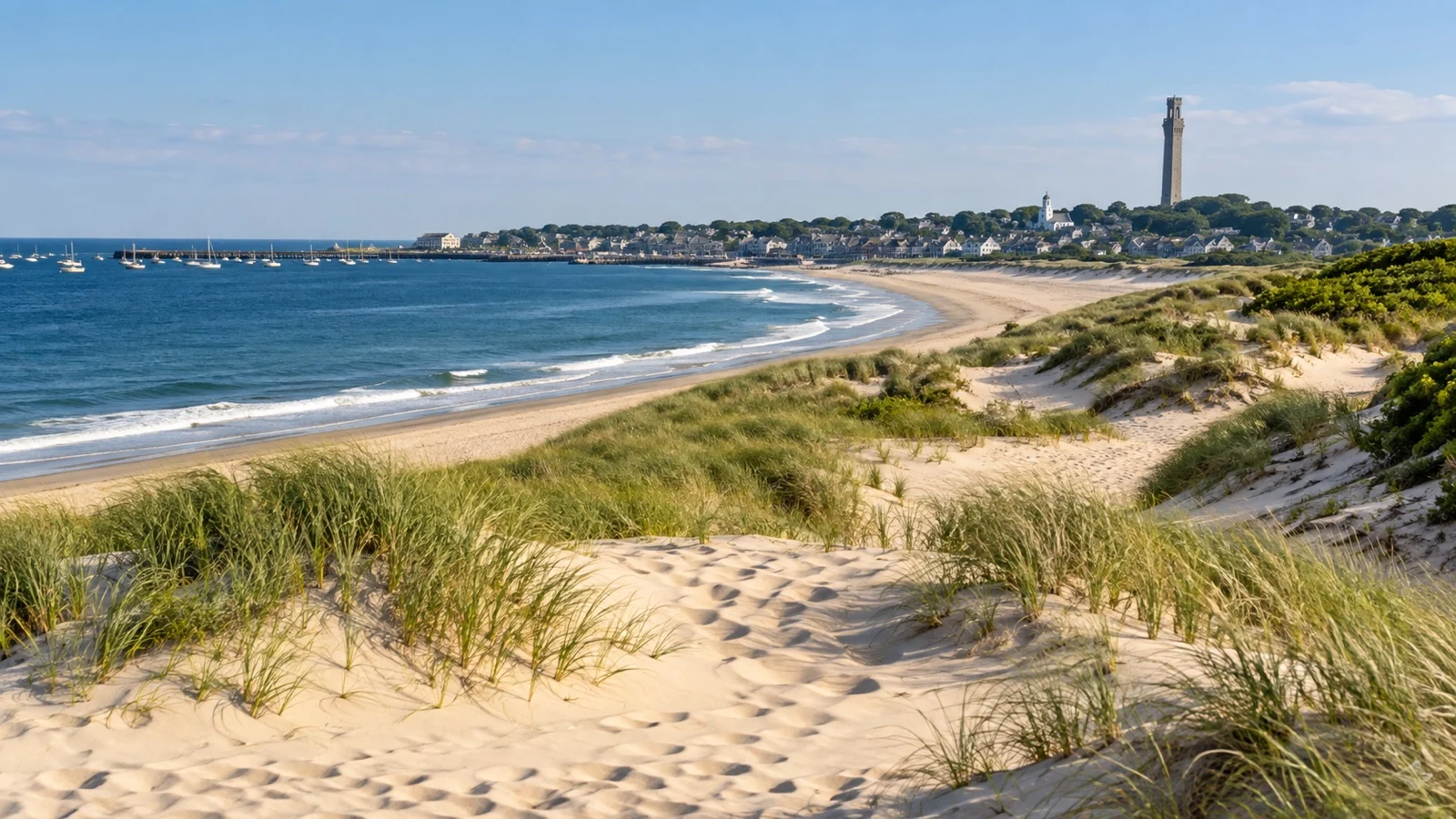
Race Point faces the open Atlantic and feels broad, exposed, and wild. The National Park Service lists seasonal restrooms, showers, and changing rooms, with the Old Harbor Life-Saving Station and Province Lands Visitor Center nearby.
Herring Cove faces more toward Cape Cod Bay and is often chosen for easier access and calmer-feeling scenery. Actual surf, currents, wind, and water temperature vary, so follow lifeguards and posted warnings at either beach.
Using the Provincetown shuttle
The Cape Cod Regional Transit Authority operates the seasonal Provincetown and North Truro Shuttle. Its route serves MacMillan Pier, Beech Forest, Race Point, Herring Cove, the Province Lands Visitor Center, the airport, and other local stops.
Check the current CCRTA shuttle schedule on your call date because service is seasonal. Summer passengers may board at scheduled stops or flag the bus along the route where it is safe to stop.
Use an earlier return than the last possible bus when you must catch a tender. Crowds, road congestion, and a full vehicle can erase a small buffer.
Biking the Province Lands
Bicycling is a classic way to experience the dunes, beaches, and wooded sections around Provincetown. The Province Lands bike trail is scenic but includes curves, hills, and busy crossings that demand more fitness and attention than a flat waterfront ride.
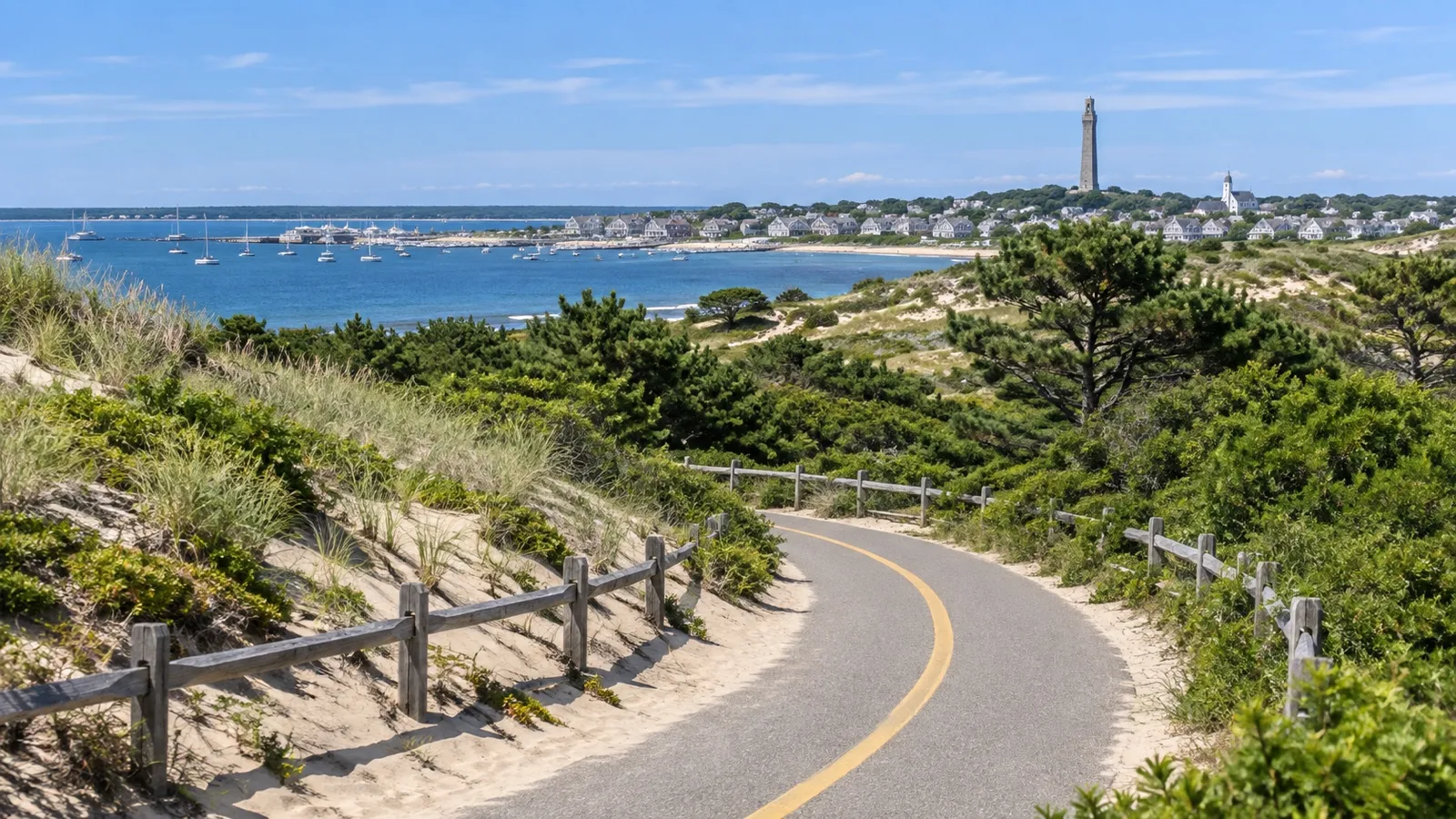
Rent only from a reputable operator, wear a helmet, carry water, and confirm the return deadline. Sand, wind, heat, and mixed rider speeds can make the route slower than expected.
Whale watching cautions
Provincetown is a major whale-watch departure point, and operators leave from around MacMillan Pier. A cruise passenger must compare the excursion’s full duration and check-in cutoff with the ship’s final tender time.
Wildlife sightings are never guaranteed, and weather can change departure or return times. A ship-sponsored whale watch provides the strongest timing protection on a short or tender-dependent call.
Three realistic Provincetown port-day plans
Plan one: town and monument
Walk Commercial Street, visit the Pilgrim Monument and museum, and explore galleries through the East or West End. Finish with lunch and the harbor before joining the tender line.
Plan two: seashore and town
Take the seasonal shuttle to Race Point or Herring Cove in the morning and return on an early service. Use the remaining time for Commercial Street and Lopes Square.
Plan three: active Cape day
Rent a bicycle or join an organized outdoor excursion through the Province Lands. Keep a conservative turnaround because wind, sand, and hills make exact travel times unreliable.
Accessibility
Tender transfer is the first accessibility issue, and the cruise line makes the final safety decision based on the vessel, equipment, and sea state. Floating docks and tidal changes can create steep or moving transitions.
Commercial Street is generally low and walkable, but narrow passages, crowds, uneven surfaces, and shared traffic require patience. The monument complex’s inclined elevator improves access from Bradford Street, while the tower climb remains a separate challenge.
CCRTA publishes accessibility information for its services, and major seashore facilities have designated access features. Confirm the specific vehicle and beach setup before travel, using my limited-mobility port guide as a planning checklist.
Weather and what to wear
Outer Cape weather changes quickly, with wind, fog, bright sun, cool marine air, and rain all possible. Dress in layers and carry a wind-resistant waterproof jacket even when inland Massachusetts feels warm.
Sun reflects from water and pale sand, while Atlantic water remains cold enough to demand caution. Bring sunscreen, water, and shoes suited to both pavement and beach paths.
Money and connectivity
Provincetown uses United States dollars, and cards are accepted at most established businesses. Small cash is useful for tips, minor purchases, and a backup during a network interruption.
Mobile service is usually available in town but can vary in the dunes and on the water. Download shuttle details, maps, tickets, and the final tender time before leaving the ship.
Returning to the ship
A town walk keeps MacMillan Pier close, but seashore visits, bike rides, and whale watches need larger buffers. Return before the last possible shuttle or excursion end time so a single delay does not threaten the final tender.
Use the cruise line’s final-tender time as the controlling deadline. My guide to how early to return to a cruise ship can help you choose a sensible margin.
Frequently asked questions
Do cruise ships dock in Provincetown?
Many cruise calls anchor and use tenders because MacMillan Pier primarily serves local commercial marine traffic. Smaller vessels may have different arrangements, so confirm the day’s operation aboard.
Is Provincetown walkable from the pier?
Yes, Lopes Square and Commercial Street begin at the base of MacMillan Pier. Most central sights are within a compact walking area.
Can I reach the national seashore without a car?
The seasonal CCRTA shuttle serves Race Point, Herring Cove, and the Province Lands Visitor Center. Check whether it operates on your exact call date.
Can I visit Boston from Provincetown?
Scheduled fast ferries connect Provincetown and Boston in about 90 minutes each way, but this is not a sensible independent cruise-day side trip. Compare Provincetown with the Boston cruise port guide instead.
Which beach is best for a short call?
Herring Cove is often the easiest relaxed choice, while Race Point offers a more exposed Atlantic setting. Choose according to the live shuttle, wind, beach flags, and your tender deadline.
Final thoughts on Provincetown cruise port
Provincetown gives you a walkable town full of character and a national seashore just beyond its streets. Confirm the tender first, choose between culture and coast, and return early enough to enjoy MacMillan Pier without a final sprint.