Wrangell Cruise Port Guide: Dock, Tenders & Things to Do
Wrangell is Alaska at human scale: one compact waterfront town, one famously wild river, and enough bear country to make “just wing it” a poor excursion strategy. Your first job is simpler: find out whether your ship is docking or tendering.
Wrangell cruise port quick facts
- Where you land: City Dock, at the seaward end of Front Street and effectively in the middle of town, or a tender landing on the same waterfront. The City and Borough of Wrangell port information covers the berths.
- Dock or tender: Ships may dock or tender, depending on ship size.
- Into town: About a 2 minute walk from City Dock to Front Street, with the Nolan Center, Chief Shakes Island.
- Currency and language: US dollars, English spoken.
- Time zone: Alaska Daylight Time (AKDT, UTC−8) through the May to September cruise season, Alaska Standard Time (AKST, UTC−9) in winter.
- How often the call is missed: Low (roughly 1 to 2%): the sheltered berth is rarely limited by local weather.
Will your ship dock or tender in Wrangell?
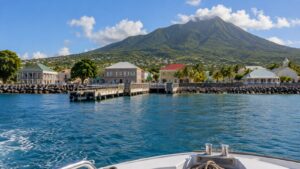
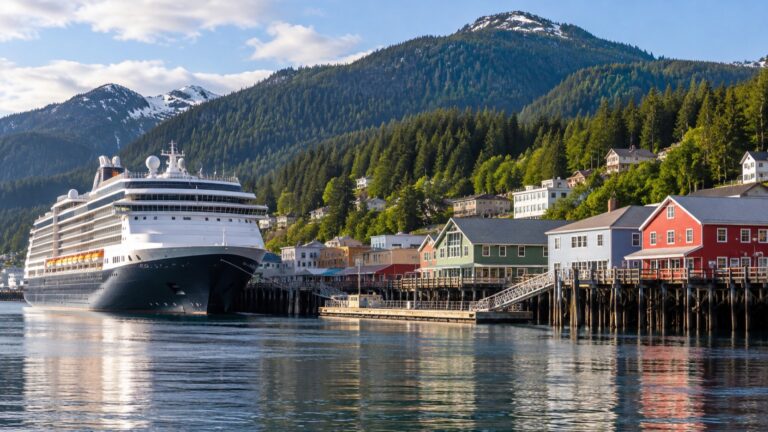
Both are real possibilities. The City and Borough of Wrangell’s port information says smaller cruise ships can berth at City Dock, while larger ships may anchor offshore and bring guests in by lighter or tender.
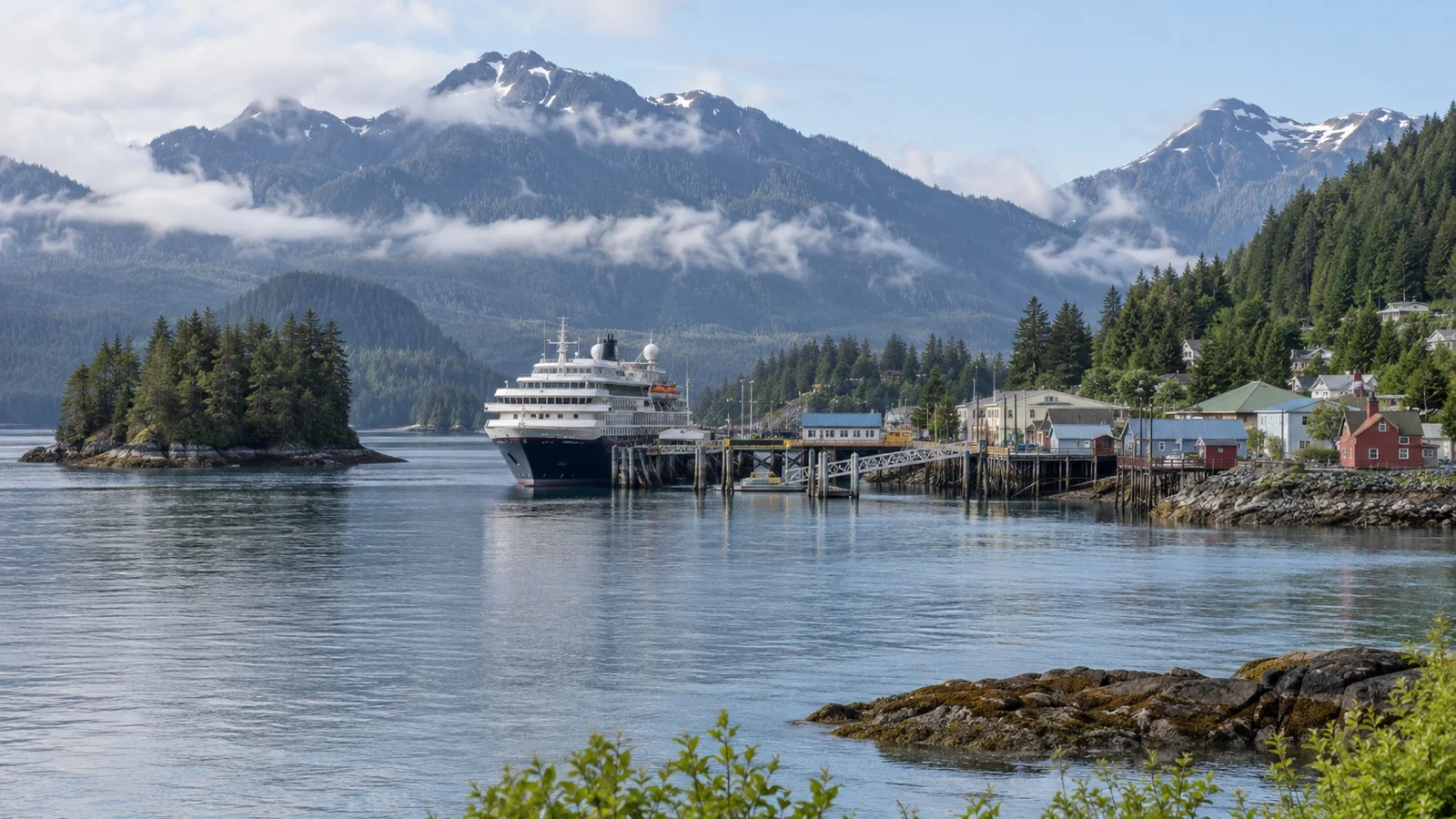
City Dock sits at the seaward end of Front Street, beside the heart of town. An alongside arrival therefore produces the rare and lovely cruise-port equation of gangway plus a few steps equals coffee, museum, and actual local streets.
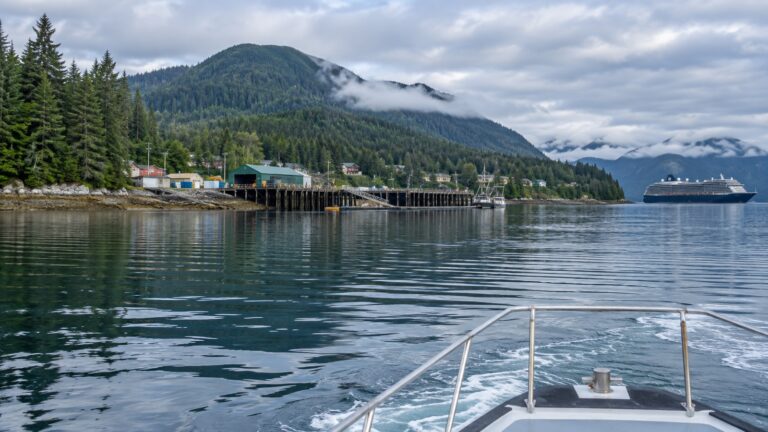
A tender call changes the arithmetic because you must wait for a boat, cross the channel, and possibly wait in line again for the return. Read our guide to how tendering changes your time ashore before booking an independent tour with a razor-thin meeting time.
Check the city’s current cruise ship calendar before sailing, then check your cruise line’s app or daily program on the ship. Waterfront expansion projects are being discussed and developed, but planned facilities are not the same thing as your operating berth in 2026.
A town that rewards walking slowly
Wrangell does not need a frantic checklist. Front Street, the waterfront, the Nolan Center, and the Chief Shakes area make a satisfying little circuit, with enough time left to notice fishing boats, carved details, and clouds rearranging themselves over the islands.
Start with the Nolan Center and Wrangell Museum
The museum gives valuable context for Tlingit culture, the fur trade, gold-rush traffic, fishing, and the people who built modern Wrangell. Opening days and hours can shift outside the main summer season, so verify locally rather than building a minute-perfect plan around an old directory listing.
Walk respectfully around the Chief Shakes area
Chief Shakes Island and its tribal house are culturally significant, not a themed attraction assembled for ships. Public access, tours, and opening arrangements vary, so look for current local guidance and never assume a closed door is an invitation to improvise.
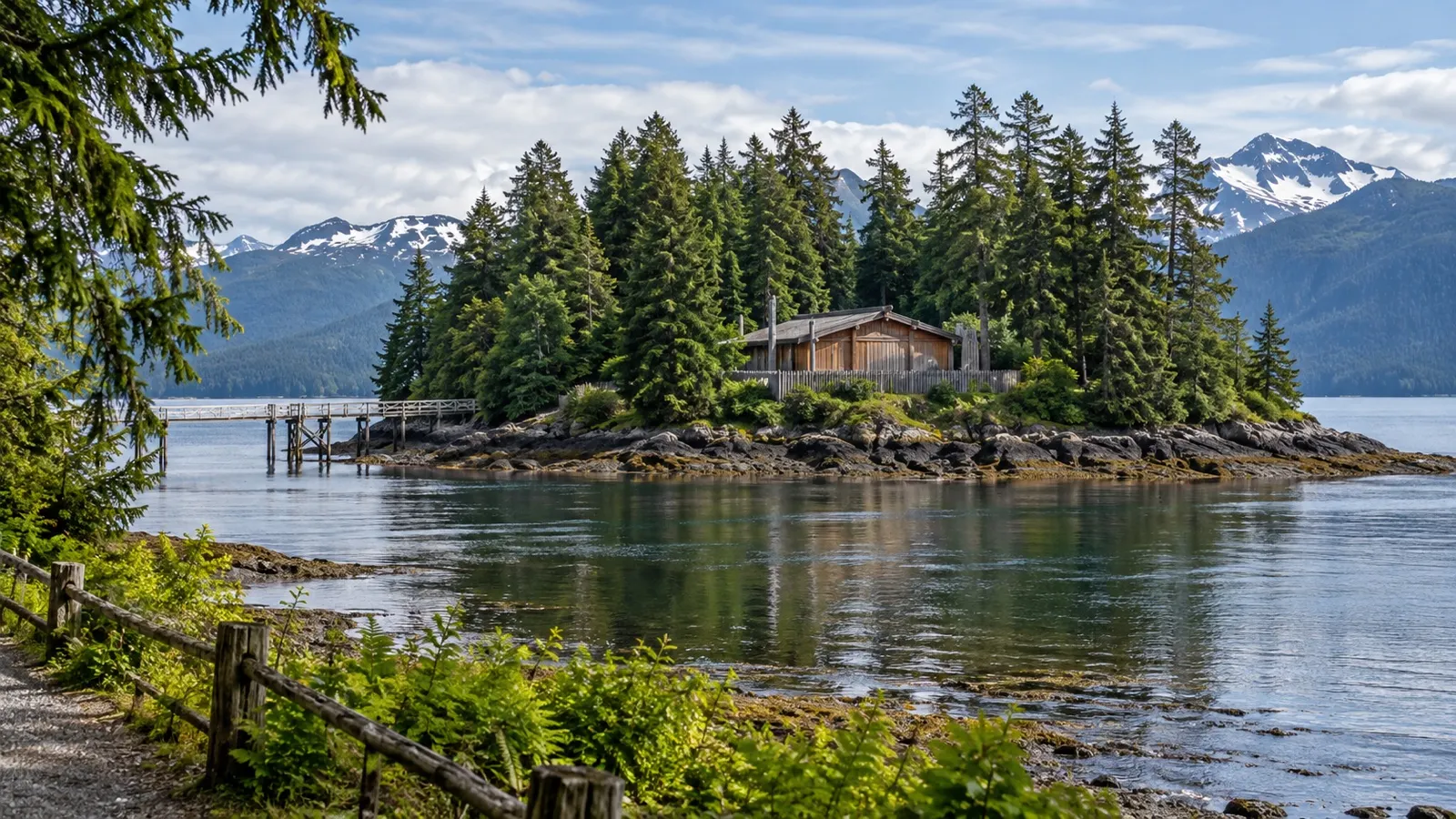
Totem Park and waterfront viewpoints can still make the walk worthwhile when an interior visit is unavailable. If Southeast Alaska’s history is a priority, pair the day mentally with our Sitka cruise port guide, where the Russian and Tlingit chapters unfold differently.
Climb Mount Dewey if the trail agrees
Mount Dewey’s forest trail delivers a viewpoint without consuming the whole port call. Wet boards, roots, and steep sections can be slippery, so this is a shoes-with-grip outing rather than a victory lap for smooth-soled deck loafers.
Petroglyph Beach: tide, texture, and tact
Petroglyph Beach State Historic Site is roughly a mile north of downtown and makes an excellent independent objective. The Alaska State Parks guide describes an accessible boardwalk to a viewing deck, but the beach surface itself is not accessible.
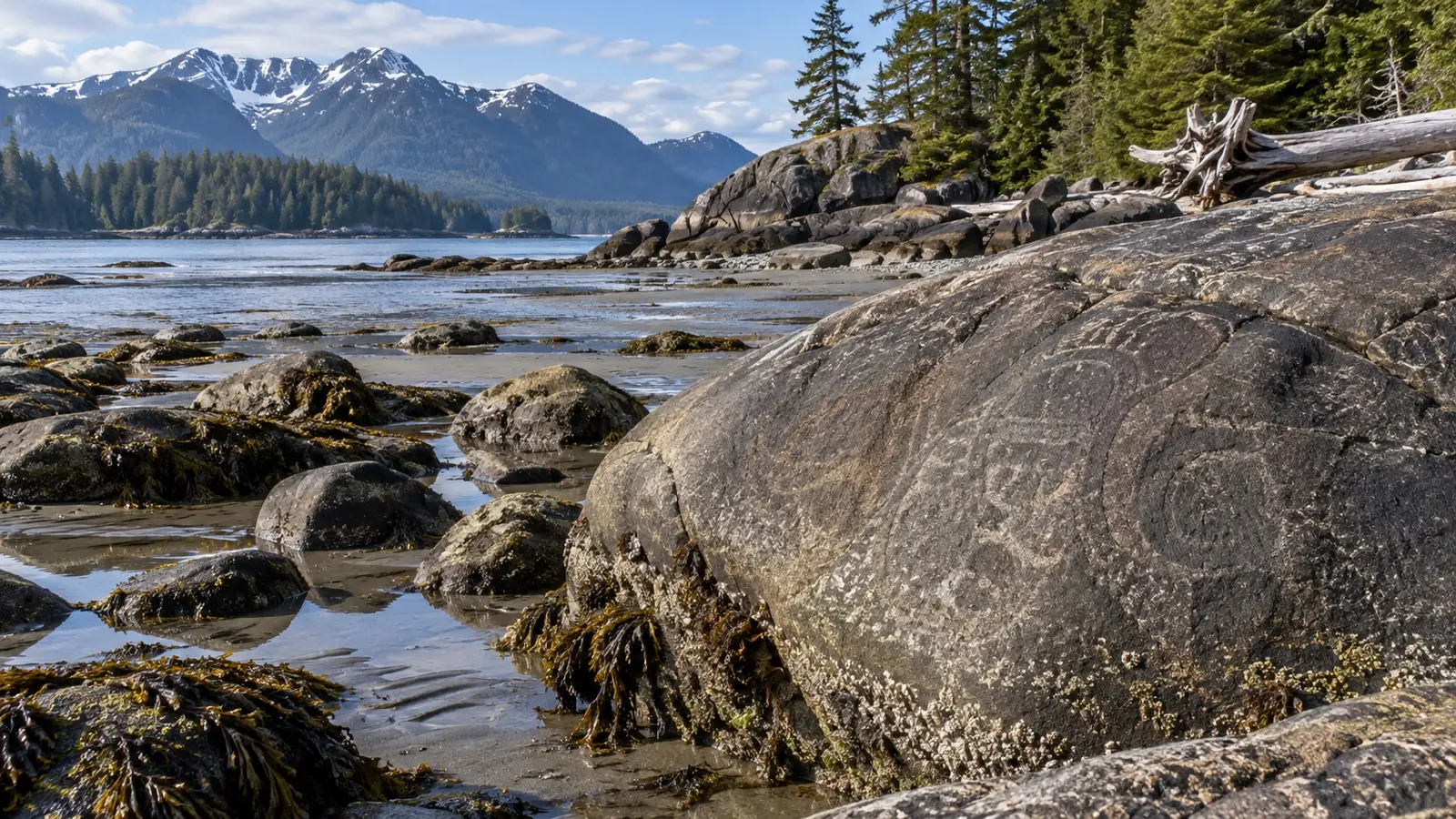
Lower tide generally exposes more shoreline, although visibility is never guaranteed. Do not touch, chalk, trace, or stand on the carvings, because “I was only getting a better photo” is not conservation.
Allow at least 75 to 90 minutes for a relaxed round trip from the center, longer if anyone walks slowly or the weather is lively. A taxi can reduce distance if one is available, but Wrangell’s small supply means advance arrangements beat curbside optimism.
The Stikine River is the big wild-card adventure
The Stikine is a huge, braided river system of channels, wetlands, mountains, and shifting sandbars. The official Travel Wrangell overview of the Stikine River explains why jet boats are such a signature excursion here.
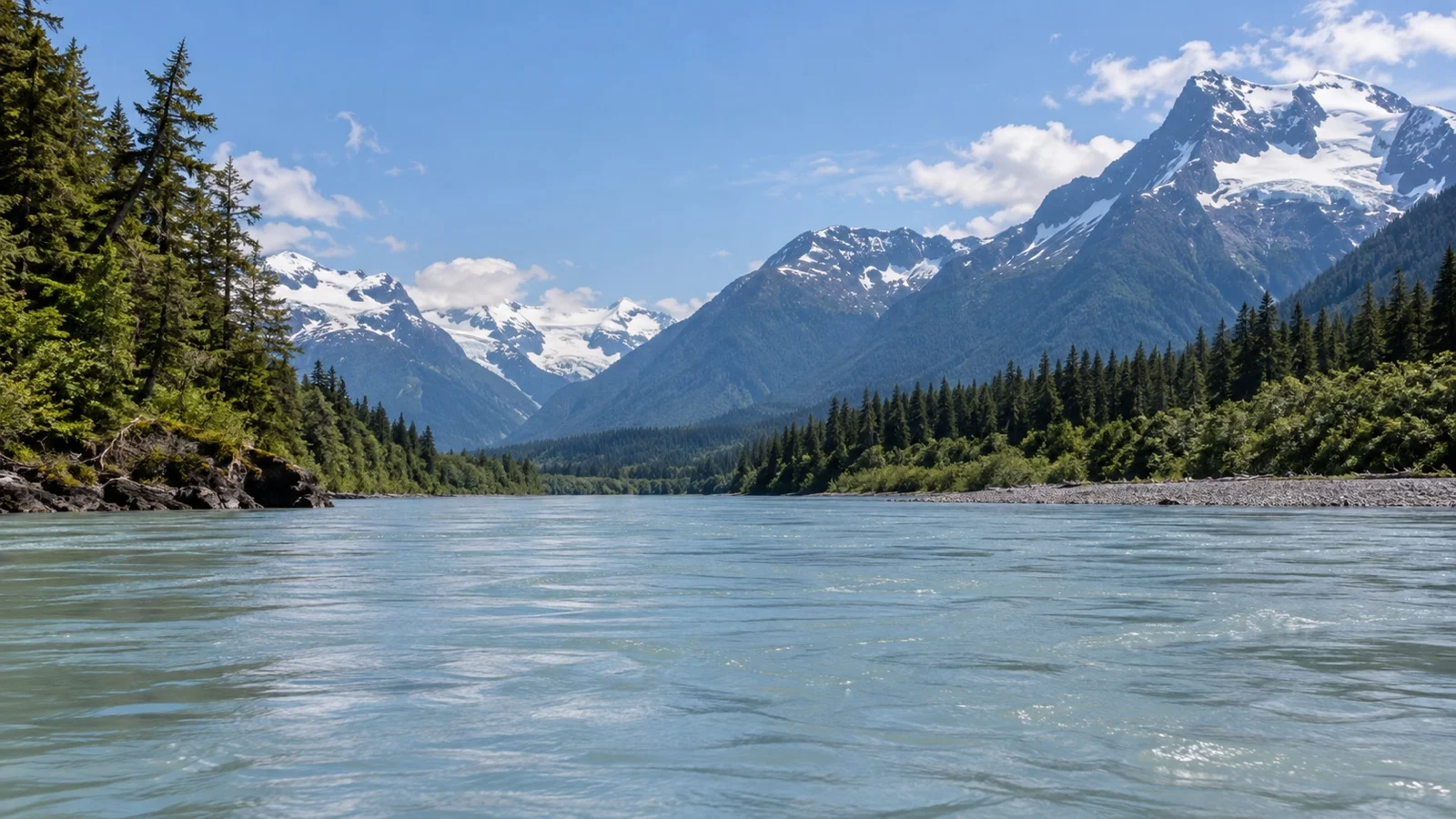
Routes depend on water level, weather, wildlife, operator judgment, and the time your ship actually allows. That variability is part of the appeal, but it also means the tour description is a menu of possibilities rather than a legally binding appointment with one particular glacier.
Book with a cruise-aware operator and provide the ship name, arrival method, and all-aboard time. Keep at least 90 minutes between an independent boat’s expected return and all aboard, or two hours when tendering, because river delays and tender lines do not negotiate.
Anan Wildlife Observatory requires a real plan
Anan is one of the region’s exceptional bear-viewing areas, but it is not a trail you casually reach after lunch. The US Forest Service’s Anan guidance says access is by boat or floatplane, and permits are required during the peak July 5 through August 25 season.
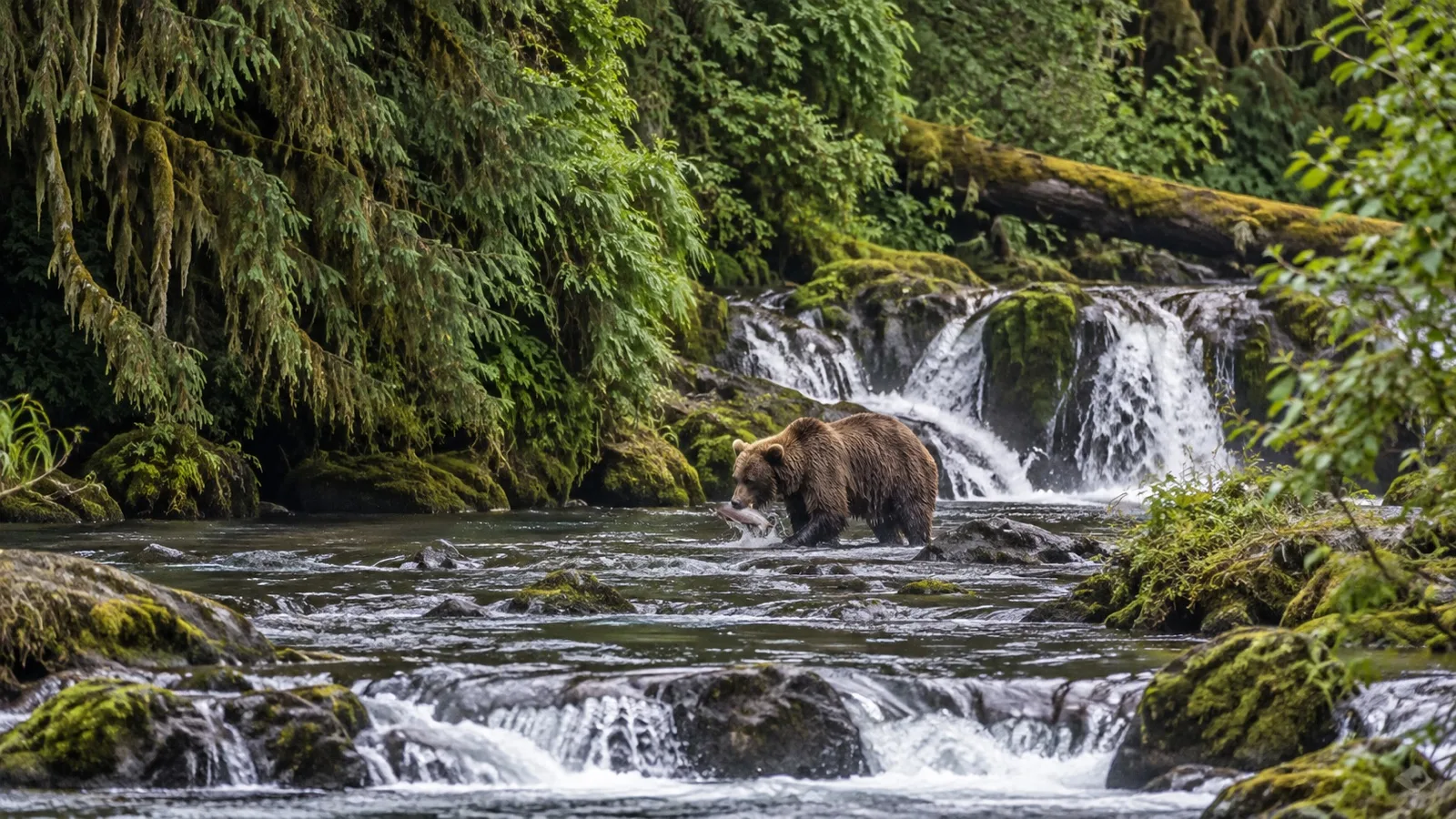
Visitor numbers are controlled, most cruise guests go with guides, and the outing involves marine transport plus a forest trail. A ship excursion or a reputable local operator that explicitly guarantees ship-time coordination is the sensible choice.
Bear sightings are never guaranteed because the residents have not read your brochure. Follow every guide instruction, keep food secured, stay with the group, and disclose mobility limitations before paying.
Getting around without renting a personality-changing SUV
Downtown Wrangell is genuinely walkable from City Dock, and most central sights fit into a compact loop. The equation becomes less tidy from a tender landing or for Petroglyph Beach, so ask the ship where passengers land and whether a shuttle is provided.
Taxis and tour vehicles exist in limited numbers, especially when a ship is in. Reserve any essential ride, and save the operator’s phone number offline because mobile service can become patchy away from town.
Wrangell is a refreshing place to skip an expensive excursion, too. Our practical look at enjoying Alaska without costly tours helps decide where a self-guided town day makes sense.
Accessibility is different at the deck and on the beach
An alongside ship still may use a sloped gangway whose angle changes with tide. Ask the cruise line whether crew can accommodate your wheelchair or scooter, and do not infer that “docked” automatically means level access.
Tenders can impose stricter mobility-device and transfer rules based on sea conditions and boat design. Get the cruise line’s answer in writing before booking a nonrefundable accessible tour.
The central streets are relatively manageable, but surfaces, curb cuts, and entrances vary. At Petroglyph Beach, the viewing deck is the accessible component, while descending onto sand and rock is not.
Three ways to spend the call
The easy local loop
Visit the museum, walk the waterfront and Chief Shakes area, have lunch, then add Mount Dewey or nearby shops. This plan flexes beautifully if rain arrives sideways or the tender operation starts late.
The tide-aware town day
Check the tide, make Petroglyph Beach your farthest point, and work back through downtown sights. Leave the beach 75 minutes before all aboard when walking, with more margin for a tender return.
The wilderness headline
Choose one major outing, usually the Stikine or Anan, and let it own the schedule. Trying to bolt a long bear trip, a river run, the museum, and a leisurely lunch onto one call is how vacations acquire spreadsheets and stress rashes.
Weather, safety, and the return clock
Rain is normal in Southeast Alaska, and wind can affect boats even when the town feels merely damp. Pack a waterproof outer layer, warm midlayer, grippy shoes, and a dry place for medication and electronics.
Stay on marked routes, respect private and tribal property, and follow bear-aware guidance outside the center. Near working docks, give forklifts, lines, and fishing gear the dignified distance they deserve.
For a local walking day, begin moving toward the landing 60 to 75 minutes before all aboard. Use 90 minutes for independent vehicle or boat trips, and two hours for tender calls or remote excursions unless the operator provides stronger ship-return protection.
Treat Anan and the Stikine as controlled wilderness
The Forest Service requires Anan permits during the July 5 through August 25 peak period and controls visitor capacity. Use the current Forest Service process and a permitted, cruise-aware operator because boat or floatplane transport, the forest trail, and the observatory time are one linked reservation.
Follow every food, bear-distance, group, and guide instruction, and never approach an animal for a clearer photograph. Ask about the trail surface, stairs, restroom, shelter, mobility demands, and what happens if weather cancels the marine transfer.
Stikine River routes also change with water level, debris, visibility, and operator judgment, so a named glacier or wildlife stop is not guaranteed. Keep the Nolan Center and downtown loop as the fallback, especially when a tender arrival shortens the day.
Wrangell cruise port FAQs
Is Wrangell a tender port?
Sometimes. Smaller cruise ships may berth at City Dock, while larger vessels may anchor and tender, so confirm the current arrangement with your cruise line.
Can you walk into Wrangell from the ship?
Yes from City Dock, which is at the end of Front Street and close to central sights. Tender passengers should follow their ship’s landing and transfer instructions.
Can you visit Anan independently?
It is technically possible to arrange permitted access, but cruise visitors need boat or floatplane transport, timed permits in peak season, and reliable ship coordination. A protected excursion is the much safer planning choice.
What is the best free thing to do?
Walk the waterfront, downtown, and Chief Shakes area, then add Mount Dewey if conditions suit. Petroglyph Beach is also inexpensive, but tide and mobility affect the experience.
How early should you return?
Plan to reach the landing 60 to 75 minutes before all aboard after a town day, with 90 minutes after an independent road or boat trip. Add more margin when your ship is tendering.
One final Wrangell rule
Do not measure this port by how many attractions you can collect. Get the dock assignment right, choose town or one serious wilderness outing, and Wrangell will feel wonderfully unmanufactured.
Operational details change with weather, tide, ship, and season. See how Cruise Ports checks those details in our Editorial Policy, then confirm your own call in the cruise line’s daily notice.
How this guide was researched: Berth, tender, transport, protected-area, wildlife, health, safety, booking, and accessibility details were checked against current official sources on September 10, 2026, including the City and Borough of Wrangell, Alaska State Parks, the US Forest Service, and current local operators. Schedules, permits, wildlife, weather, access, and ship operations can change, so confirm the sailing-specific details before travel; see our Editorial Policy.