Columbia and Snake River Cruise Ports: Portland to Clarkston
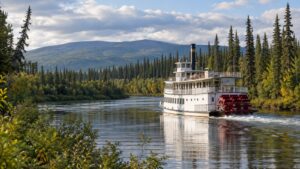
A Columbia and Snake River cruise climbs through eight navigation locks between the lower river and Lewiston, Idaho. Those chambers shape the route, ship design and timing as much as the scenery does.
Lock dimensions and bridge clearances limit ship length, width and height. That helps keep vessels on this route smaller than many European river ships.
The quick take
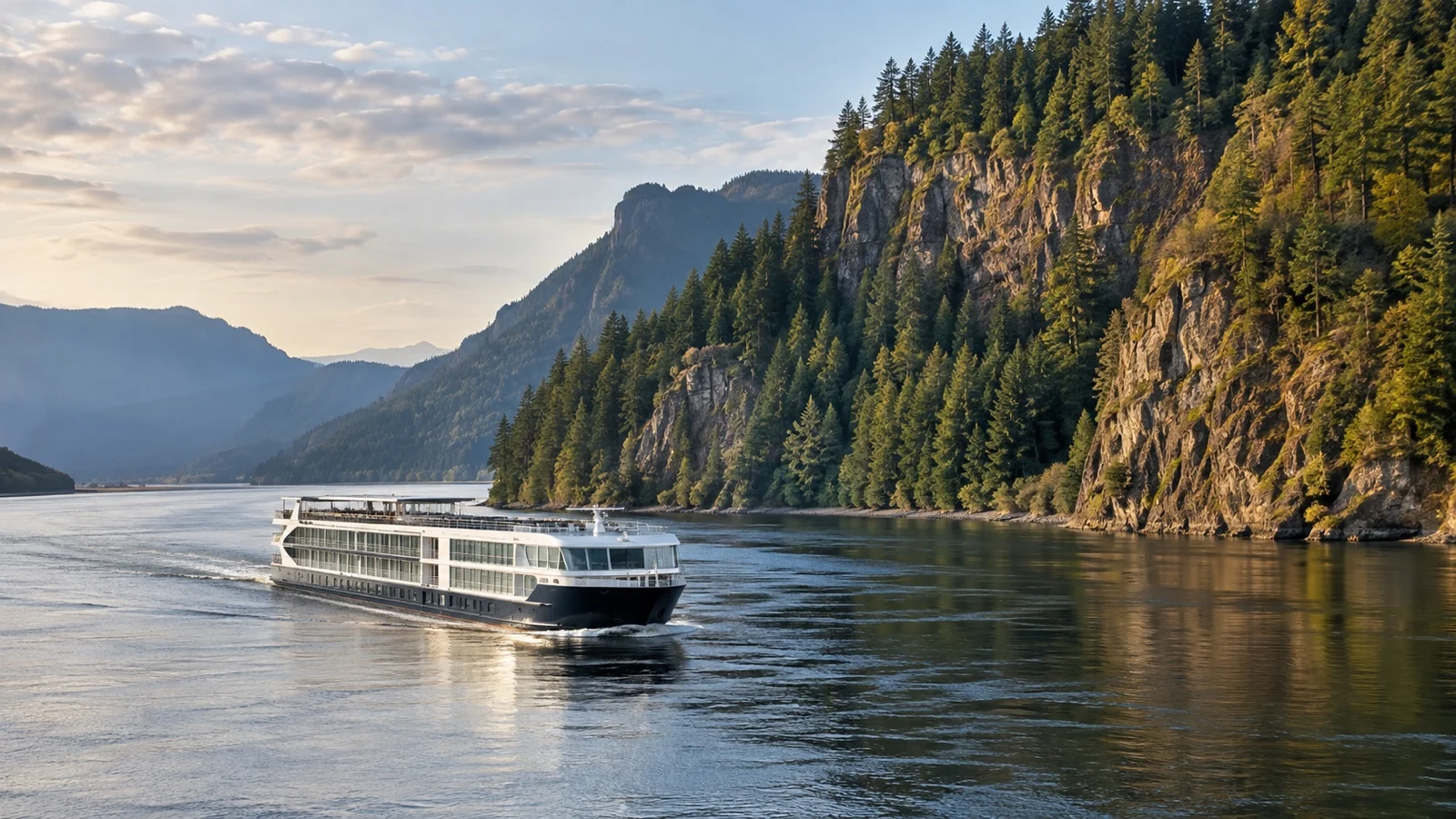
This itinerary combines Lewis and Clark history with working locks, basalt cliffs and a rapid shift from the wet coast to dry inland canyon country. The landscape change is one of the route’s strongest features.
An upriver sailing makes the change from coastal green to dry interior especially easy to follow. It also places the Hells Canyon jetboat near the end of many itineraries.
Do not treat this as a scenery-only cruise. Several major sights require motorcoach excursions beyond the small riverfront towns.
The quick facts
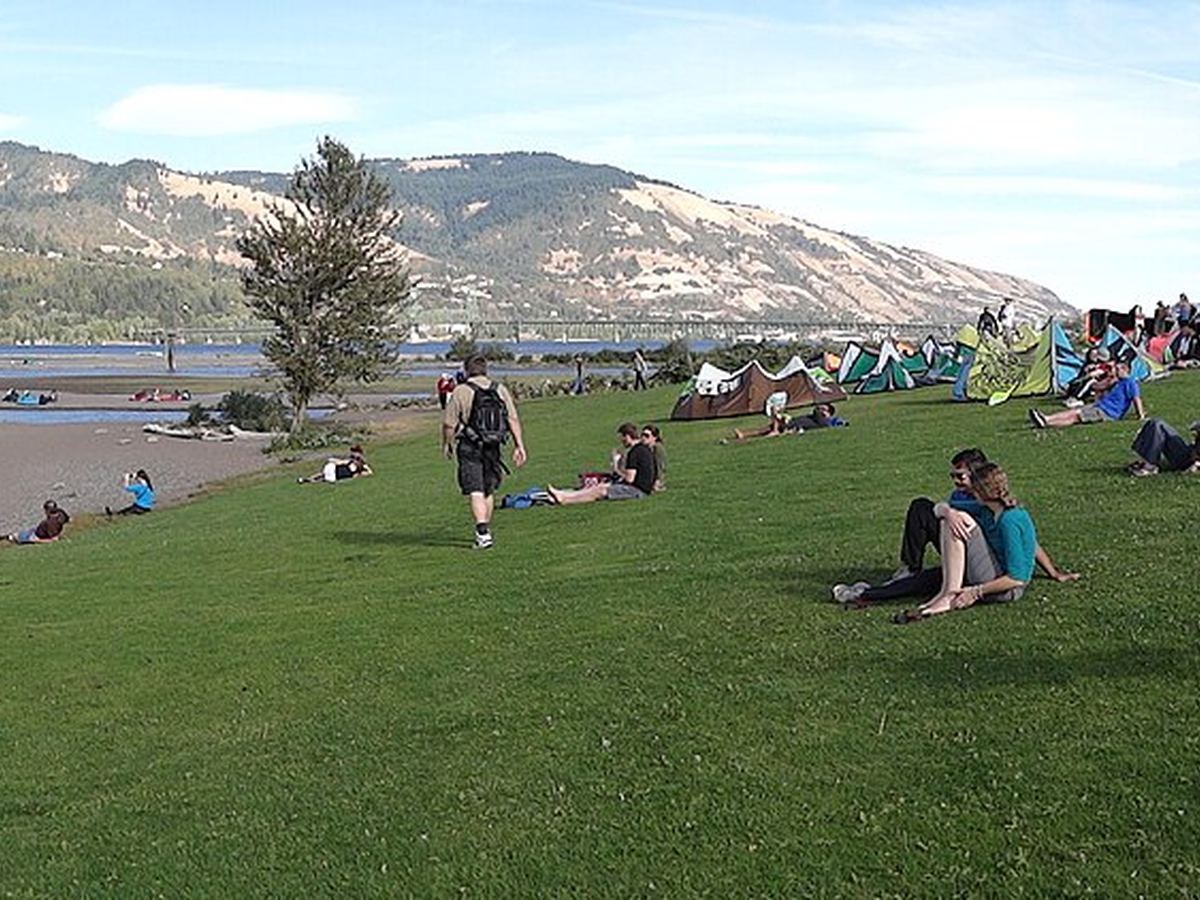
- Where you land: most sailings turn around at the Portland and Vancouver end and run to Clarkston, Washington, or the reverse. Calls in between typically include Astoria, Stevenson or Cascade Locks, The Dalles, and Umatilla or Richland.
- How you get ashore: every call is a gangway walk-off onto a quay or a floating dock, because these ships never tender. Rafting two deep happens when two boats overlap at a small-town dock, so you occasionally cross another vessel to reach land.
- Into town: Several docks are close to their riverfront towns, but distance, slope and surface vary by berth. Confirm the current docking point with the operator.
- Currency and language: US dollars and English on both banks and in Idaho.
- Getting around cost: transit and taxi availability is limited or inconsistent at several calls. For sights outside town, use the ship’s motorcoach or reserve independent transportation well ahead.
- Time zone: Pacific time the whole way.
- How often the call is missed: no reliable route-wide percentage is published. Weather, wildfire smoke, lock maintenance and river operations can change a call or excursion.
Eight locks, and why every ship here is small
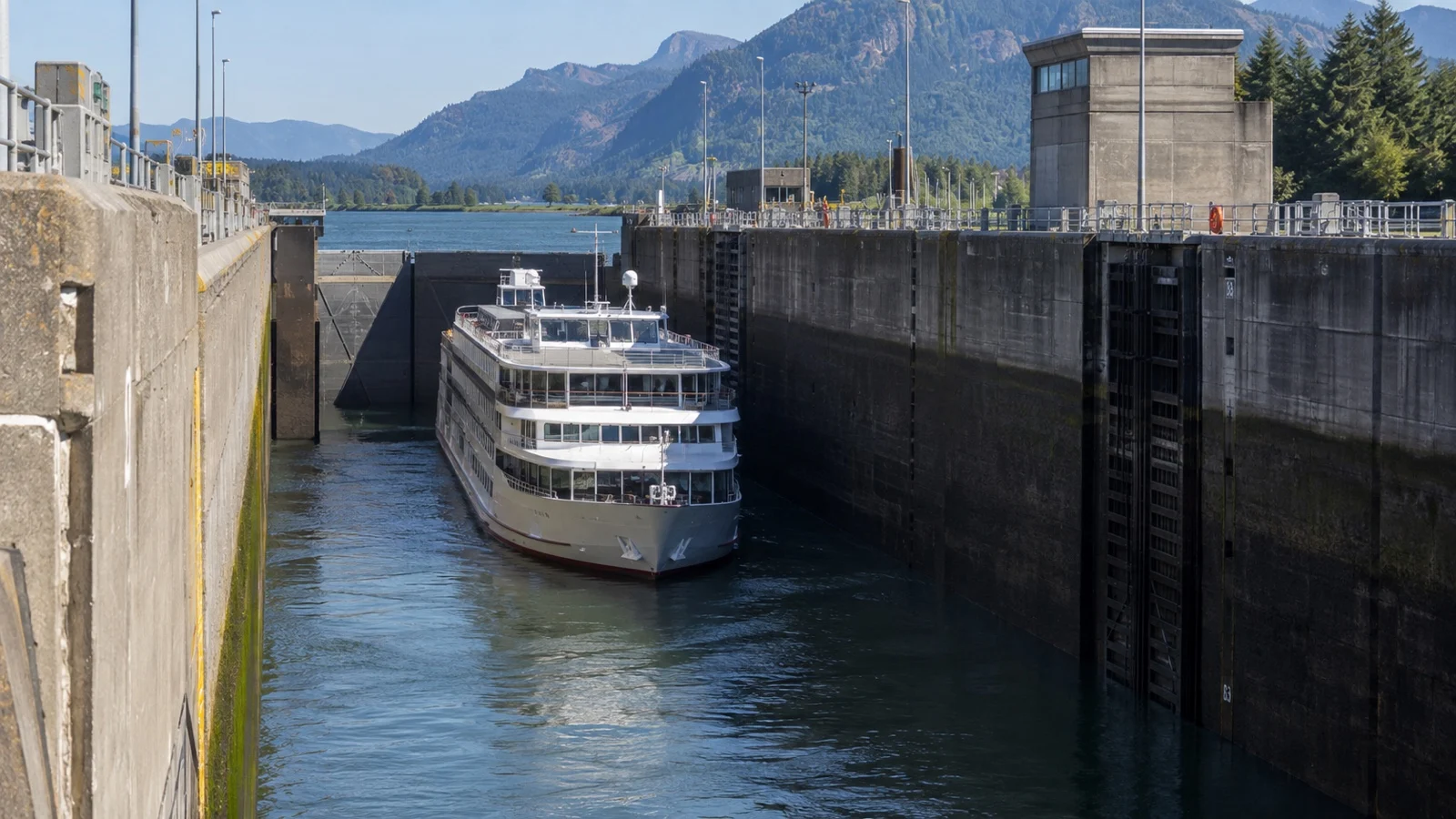
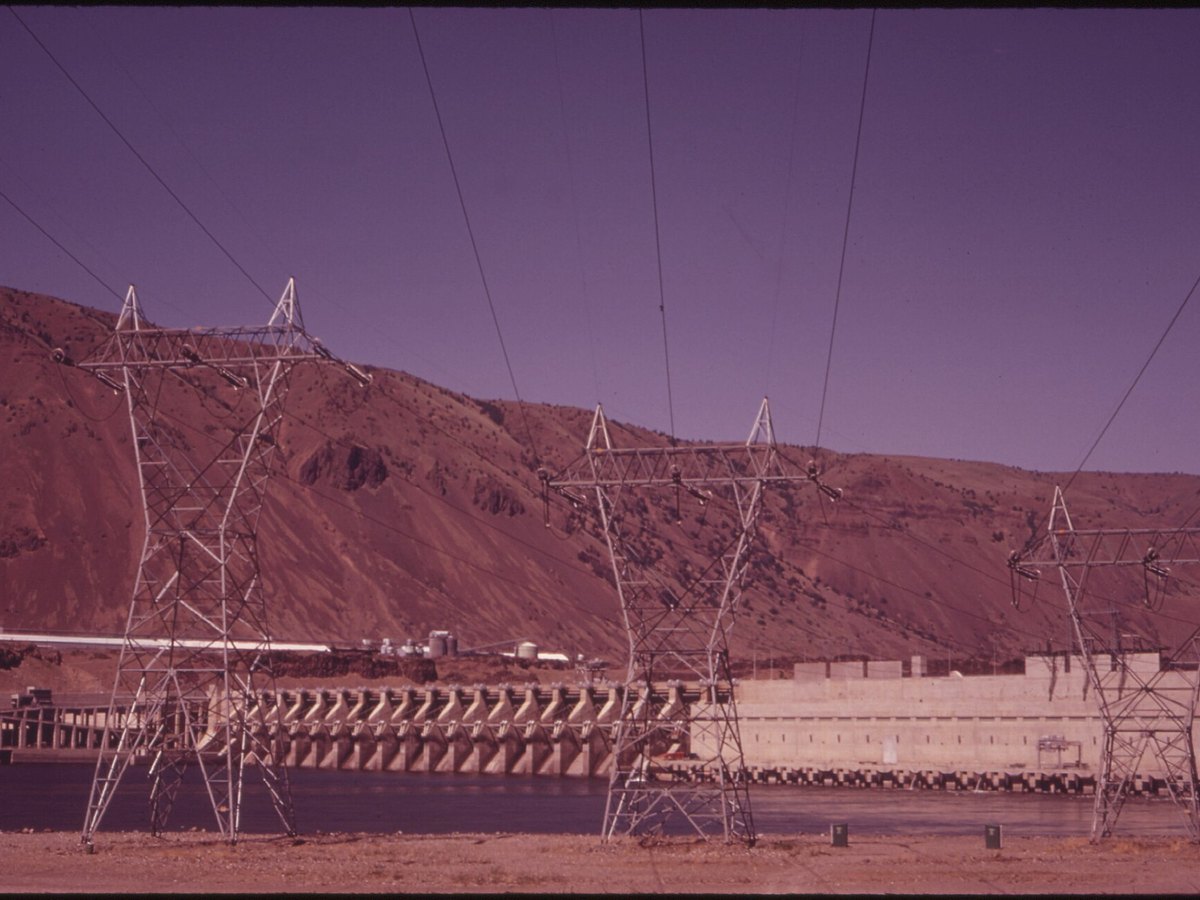
Going upriver you pass Bonneville, The Dalles, John Day and McNary on the Columbia, then Ice Harbor, Lower Monumental, Little Goose and Lower Granite on the Snake. Eight each way, the same eight in reverse coming down.
The numbers are the interesting part. The US Army Corps of Engineers Walla Walla District publishes usable lock dimensions of 650 feet by 84 feet at McNary and at all four Snake River locks.
Air draft is the underrated constraint. The same table lists normal height restrictions of 67 feet at Ice Harbor and 65 feet at Lower Monumental, so a tall wheelhouse or a fixed mast will not clear the elevator gate and the bridge.
The elevators are large by any standard. Walla Walla District gives maximums of 83 feet at McNary, 103 at Ice Harbor and Lower Monumental, 101 at Little Goose and 105 at Lower Granite in one chamber.
John Day, on the Columbia, is the one crews will tell you is the deepest single lift on the run. I could not find a lift figure published on the Corps’ Portland District project page, so treat the number announced over the PA as the crew’s rather than the Corps’.
If the engineering interests you, our explainer on the lock rule that dictates river ship size covers the European version of the same problem. The Columbia is the more extreme case, which is why the fleet here is so small.
Astoria, the Column, and the Goonies problem
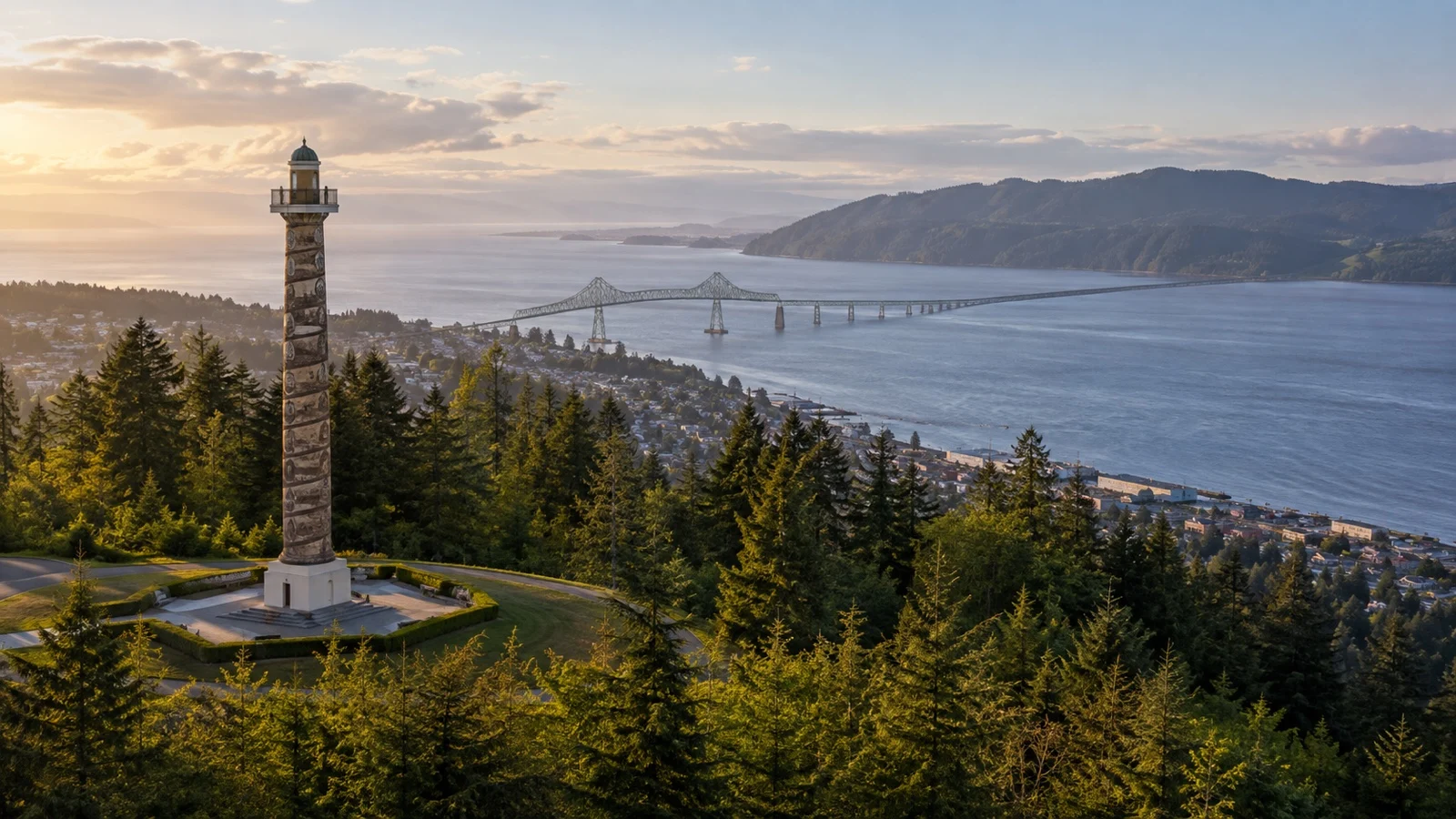
Astoria is where the river ends and the bar begins, and it is the one call with real town character. It still looks like a working fishing port that got a coat of paint.
The Astoria Column stands on Coxcomb Hill above town, wrapped in a painted spiral frieze, with an internal staircase to a viewing platform. The hill is steep, so check shuttle or tour options if the climb from town is not practical.
The Goonies connection is real and Astoria leans into it hard. The 1985 film was shot here and the Oregon Film Museum occupies the old Clatsop County Jail from the opening sequence, though the house itself is private property.
The Columbia River Maritime Museum gives more context than a quick film-location stop. Its exhibits focus on the Columbia Bar, navigation, rescue and the region’s working-waterfront history.
Fort Clatsop, part of Lewis and Clark National Historical Park, sits a few miles south of town and is where the expedition spent the winter of 1805 to 1806. Astoria also takes ocean ships, and our separate guide to Astoria as an ocean cruise port covers that berth and the day it gives you.
The Gorge: Stevenson, The Dalles and the motorcoach days
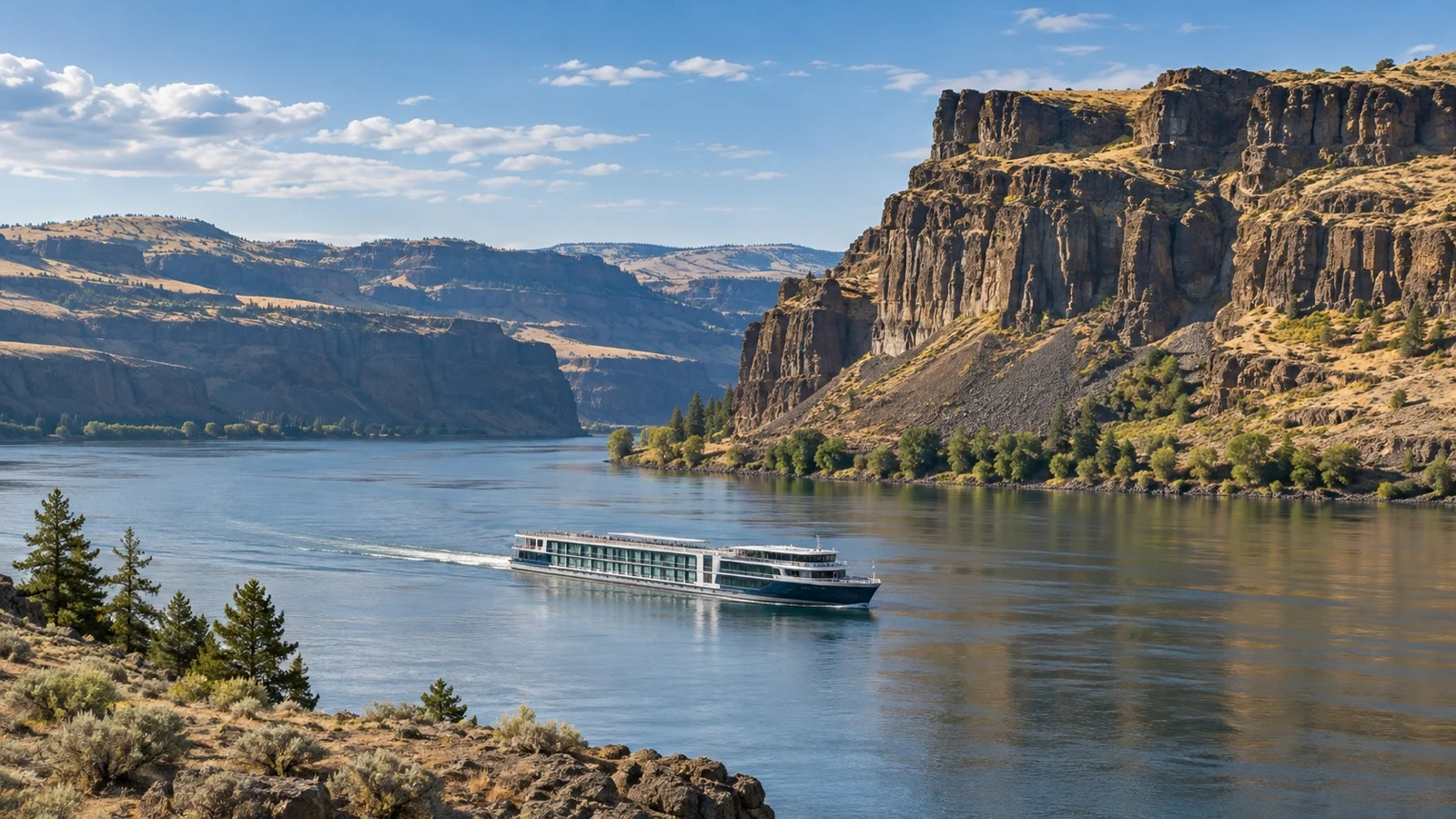
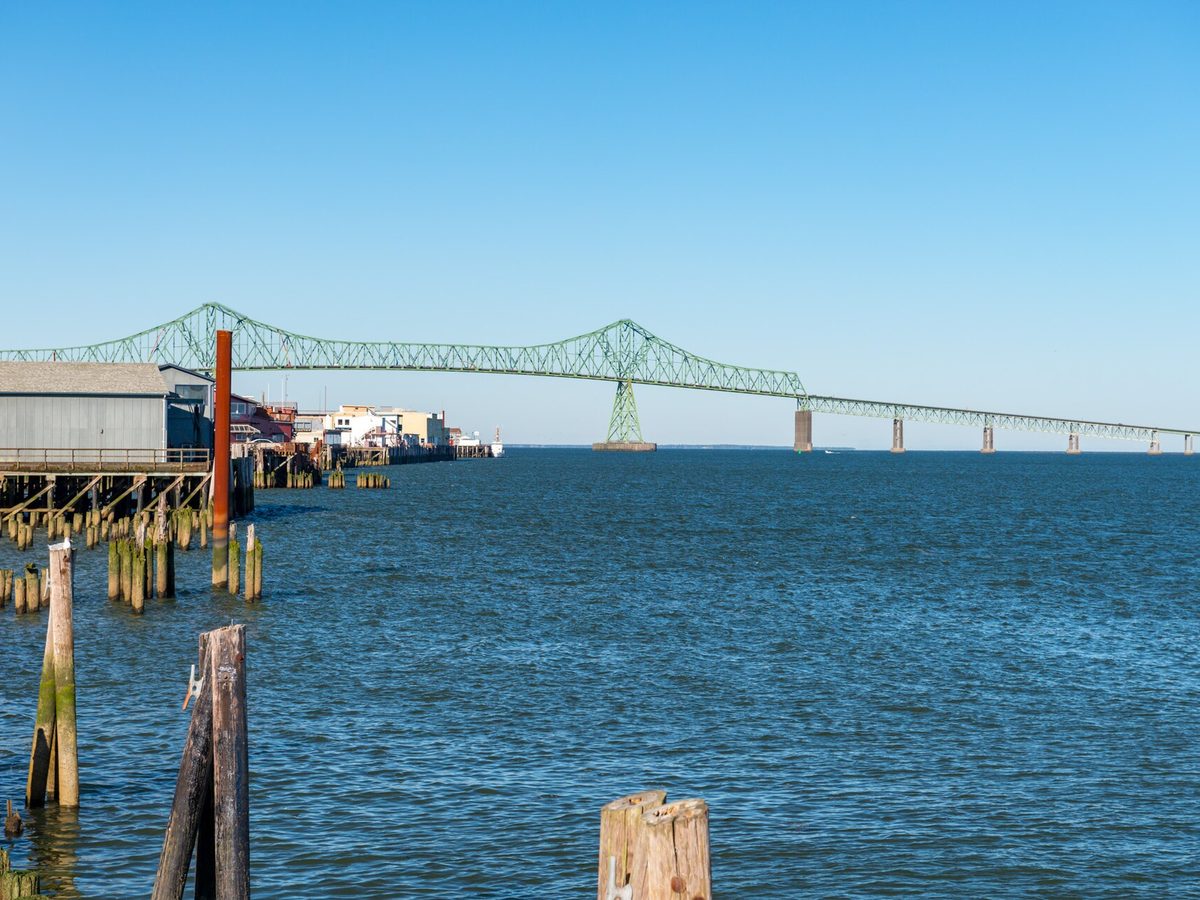
The Columbia River Gorge is the best scenery on the itinerary and also where motorcoach excursions do the heavy lifting. Stevenson, on the Washington side, is the usual base, and what you are really there for is Multnomah Falls, Bonneville Dam and the Historic Columbia River Highway, all a motorcoach ride away on the Oregon bank.
Multnomah Falls is heavily visited, and access or reservation rules can change by season. A ship excursion can simplify transportation, but confirm the current stop and viewing time.
Bonneville is worth doing properly if locks interest you at all. The Corps’ Bonneville Lock and Dam pages note that the original 1938 lock was replaced by a larger one in 1993, and the visitor centers have underwater windows onto the fish ladders.
The Dalles is the dry side of the gorge and the change is abrupt. You go from mossy basalt and waterfalls to bare golden hills in under an hour of sailing, because the Cascades wring the rain out on the western side.
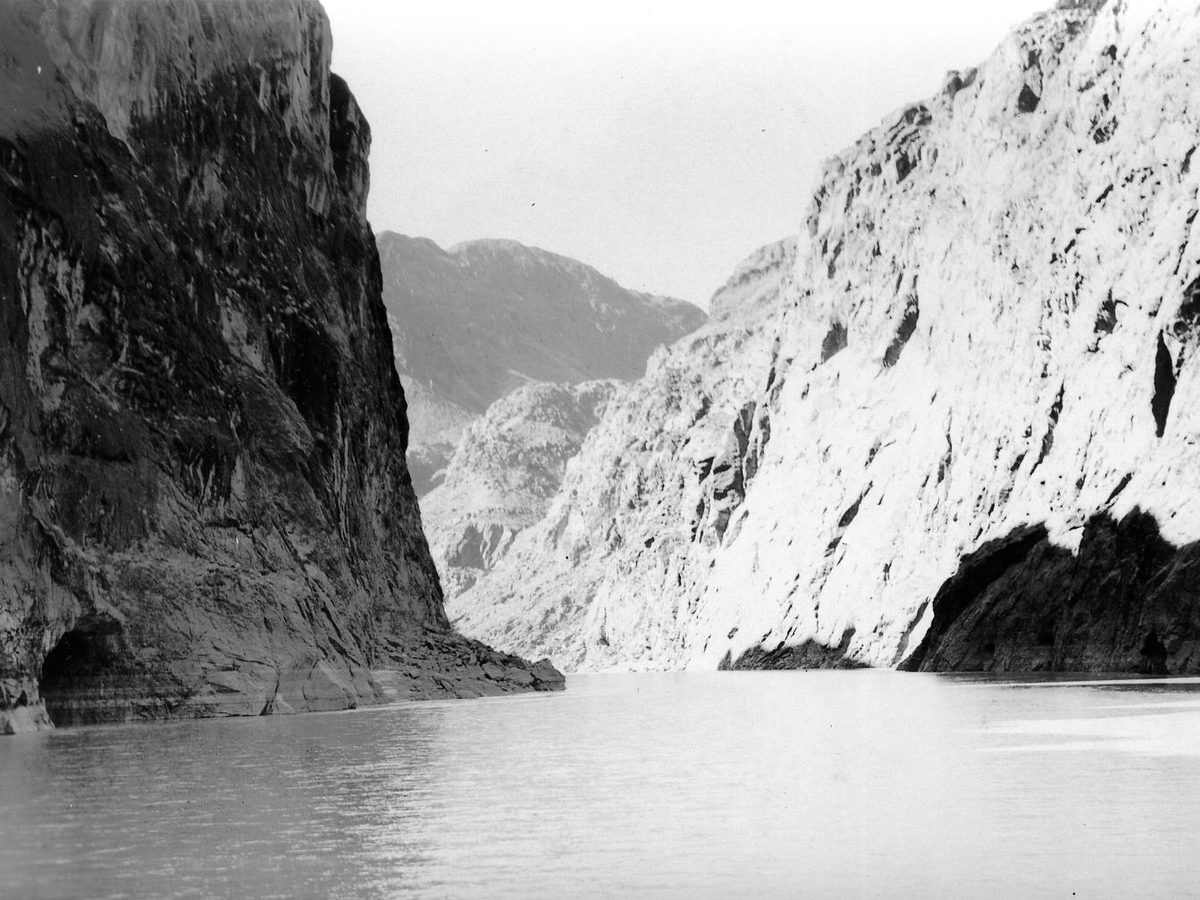
The dam also changed a culturally important stretch of river. The Corps’ The Dalles Lock and Dam page says the project was completed in 1957, 192 miles upriver from the mouth, and its reservoir inundated Celilo Falls.
Clarkston, Hells Canyon and the top of the river
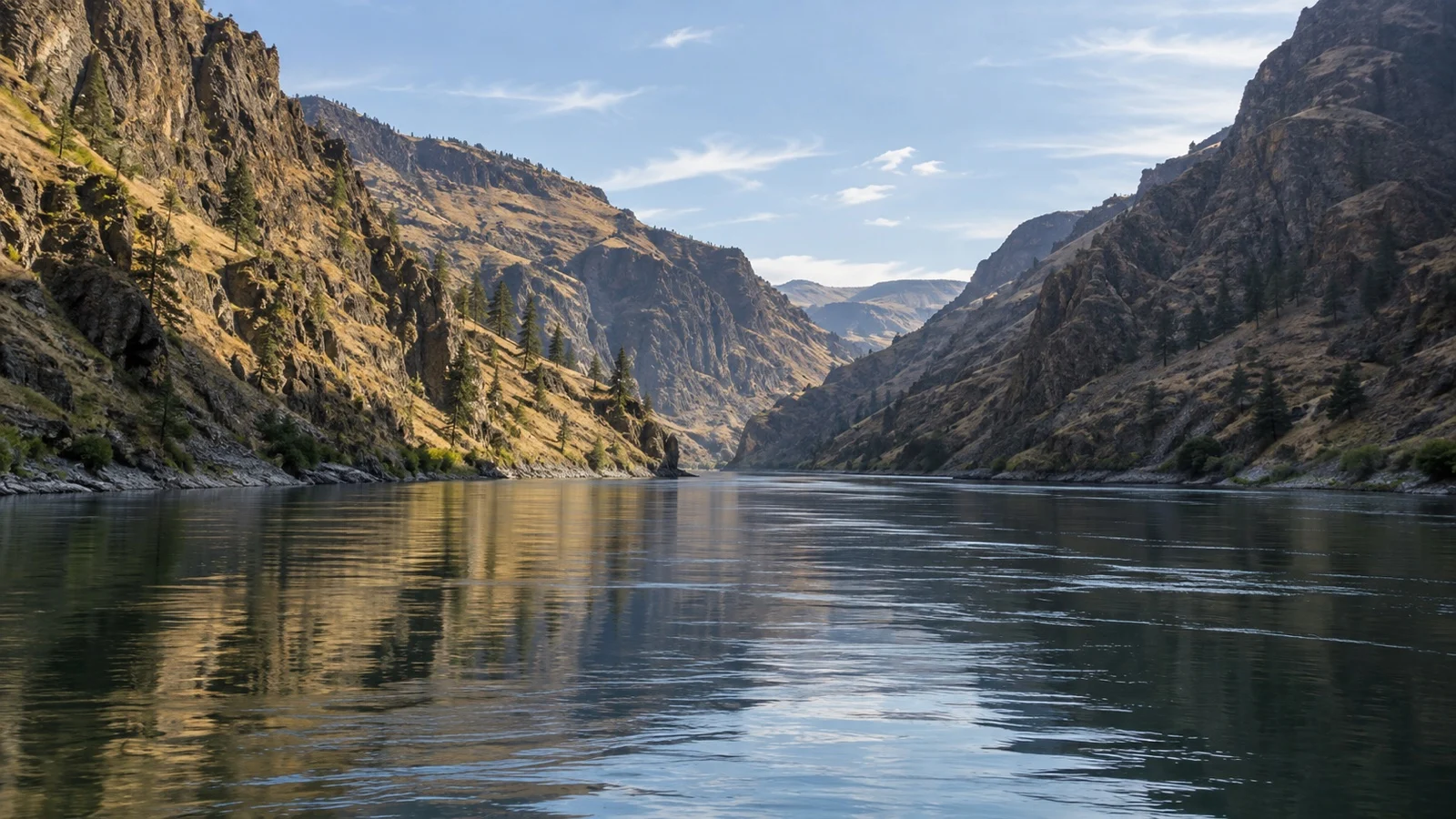
Clarkston, Washington, and Lewiston, Idaho, face each other across the Snake at the head of navigation. The Corps describes its locks as providing a navigable waterway 465 miles inland from Astoria, and this is where those miles run out.
Clarkston is the base for jetboat trips into Hells Canyon National Recreation Area. Tour routes and wildlife sightings vary, so compare duration, turnaround point and included stops.
The jetboat can be a long, physically jarring day with noise, spray and repeated impacts. Travelers with back, neck or mobility concerns should review the operator’s restrictions before booking.
If your itinerary includes Kalama or Longview instead of a Snake River run, that is the Mount St Helens day. Road access on the north side has been disrupted by damage on the Spirit Lake Highway, so ask which viewpoint the motorcoach actually reaches before you buy it.
Stops worth planning around
- Columbia River Maritime Museum, Astoria: a strong indoor stop focused on the Columbia Bar and regional maritime history. Allow enough time to see the main exhibits and any vessel access available that day.
- Astoria Column: the hilltop setting and spiral frieze are the main draws. The interior staircase is optional, and the grounds still offer broad views.
- Fort Clatsop: a reconstructed winter camp within Lewis and Clark National Historical Park. Check the National Park Service schedule for current programs.
- Multnomah Falls: a popular Gorge stop where seasonal access rules and crowds matter. Confirm whether the tour includes only the base viewpoint or additional walking time.
- Bonneville Lock and Dam: visitor facilities can include fish-viewing windows and navigation exhibits. Opening hours and security procedures vary, so check the current Corps information.
- Hells Canyon jetboat from Clarkston: a signature full-day excursion on many itineraries. Capacity is limited, so reserve early if it is a priority.
Fun fact: the Corps’ Walla Walla District reports that its five navigation locks passed about 15.3 million tons of cargo in 2020. Wheat and rye products accounted for 81.7 percent of that total.
How to plan the day
Separate walkable town calls from sights that require a motorcoach. Verify the current berth and transportation options before assuming any stop can be handled independently.
Watch the sailing schedule for lock transits and plan to observe more than one. The lift varies by lock and river level, with the Walla Walla District listing maximum lifts from 83 to 105 feet at its five locks.
Check whether the sailing runs upriver or downriver, then review when Hells Canyon falls in the schedule. An early excursion may leave little recovery time after arrival.
A realistic word on accessibility
Accessibility varies by ship, cabin and operator. Ask for the exact elevator coverage, accessible-cabin layout and emergency procedures on the assigned vessel.
The docks are the harder part. Water levels in these pools shift with dam operations, so gangway angles vary from flat to noticeably steep, and floating docks at the smaller towns can change gradient through the day.
Excursions can introduce additional barriers. Ask about jetboat boarding, seating, restroom access, walking surfaces and the hill at the Astoria Column.
Ask the line for the specific gradient and surface on each tour rather than accepting the easy, moderate and strenuous labels, which vary wildly between operators. Our roundup of wheelchair-friendly cruise ports covers how to interrogate those descriptions.
When to go, and the weather
The season runs roughly from spring to late fall. Ask your line for exact dates, because the shoulder weeks move around.
Summer inland can be hot and dry, especially east of The Dalles and along the Snake River. Check the National Weather Service forecast for each excursion day and carry water.
Astoria is cooler and damper than the inland ports, and wind on the water can make it feel colder. Pack layers for the coast even when inland forecasts are hot.
Early September can bring warm inland days with fewer hours of peak summer heat, while late spring often brings stronger waterfall flow. Smoke, heat and wind vary each year, so current forecasts matter more than averages.
Practical checks before the Columbia and Snake
Confirm the actual hotel, ship, and transfer point because Portland, Vancouver, Clarkston, and Lewiston are not interchangeable labels. Lock maintenance, wildfire smoke, wind, and river operations can alter port order, so keep independent travel flexible at both ends.
Hells Canyon is the excursion to reserve early, but the boat ride can be long, exposed, and physically jarring. Ask for boarding steps, seating, restroom access, meal timing, cancellation rules, and the exact ship-return margin rather than relying on a broad activity rating.
Petroglyphs, archaeological sites, tribal lands, and protected recreation areas should be visited only on authorized routes, with no touching or collecting. For independent outings, aim to be back at the published meeting point at least 45 minutes before all aboard because the vessel can move between ports while a tour is ashore.
Quick answers
How many locks are there on a Columbia and Snake River cruise:
Eight in each direction: Bonneville, The Dalles, John Day and McNary on the Columbia, then Ice Harbor, Lower Monumental, Little Goose and Lower Granite on the Snake. A round trip means sixteen transits.
Why are the ships so small on this river:
The lock chambers are the limit. The Corps lists usable dimensions of 650 by 84 feet, plus air draft restrictions as low as 65 feet at Lower Monumental.
Which direction is better, Portland to Clarkston or the reverse:
Upriver makes the transition from the wet coast to the dry interior easy to follow. Downriver may place Hells Canyon earlier, so compare the day-by-day schedule.
Do I need a car or public transport at these ports:
Not for an included excursion program, but independent options vary by berth. Reserve transportation ahead for sights outside town.
Is the Hells Canyon jetboat worth the money:
It can be a highlight if you are comfortable with a long, noisy and physically jarring boat ride. Review the route, seating and medical restrictions before booking.
The last word
This route rewards people who like understanding how a place works. The dams, the locks, the grain barges and the drowned falls are one story, and once you see it the scenery stops being wallpaper.
Smaller ships can make docks and public spaces feel less crowded, though passenger capacity varies by vessel. That is part of the general case for small-ship cruise ports, and the Columbia makes it by force of concrete rather than by choice.
For where this sits among the country’s other options, our overview of United States cruise ports puts it in context. The eight-lock passage gives this itinerary a distinctive engineering focus.
How this guide was researched: This guide was independently checked on September 12, 2026, against official source 1, official source 2, official source 3, the official sites linked in the article, and current operator instructions. Reconfirm the berth, ship, transfer, attraction access, weather, waterway status, entry rules, accessibility, and all-aboard time because live operations can change.