Majuli and Nimati Ghat River Cruise Port: Island Landing Guide
Majuli is a large inhabited island in the Brahmaputra, while Nimati Ghat is the mainland ferry point near Jorhat. The island’s satras, villages, workshops, wetlands, and fields spread far beyond any single landing.
A river cruise may use Neamati infrastructure, a smaller launch, a public ferry connection, or another safe bank selected for the day. The captain’s current plan matters more than a permanent-looking map pin.
Quick Facts
- Destination: Majuli Island and Nimati Ghat in Assam, India
- River: Brahmaputra, designated National Waterway 2
- Mainland point: Nimati Ghat near Jorhat, also spelled Neamati in official waterway documents
- Island connections: Kamalabari, Afalamukh, and other ghats depending on operations
- Main experiences: Satras, mask making, weaving, villages, wetlands, and river landscapes
- Currency: Indian rupee
- Time zone: India Standard Time, UTC plus 5 hours 30 minutes
- Typical cruise season: October through April for established overnight operators
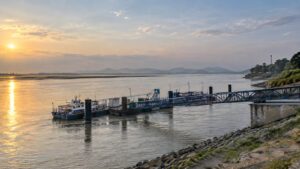
- Landing conditions: Pontoons, launches, ferries, sand, mud, steps, or natural banks
- Accessibility: Often challenging and dependent on the exact landing and vehicle sequence
- Planning rule: Follow the captain, expedition leader, and local guide when the route changes
Majuli, Nimati, and Neamati explained
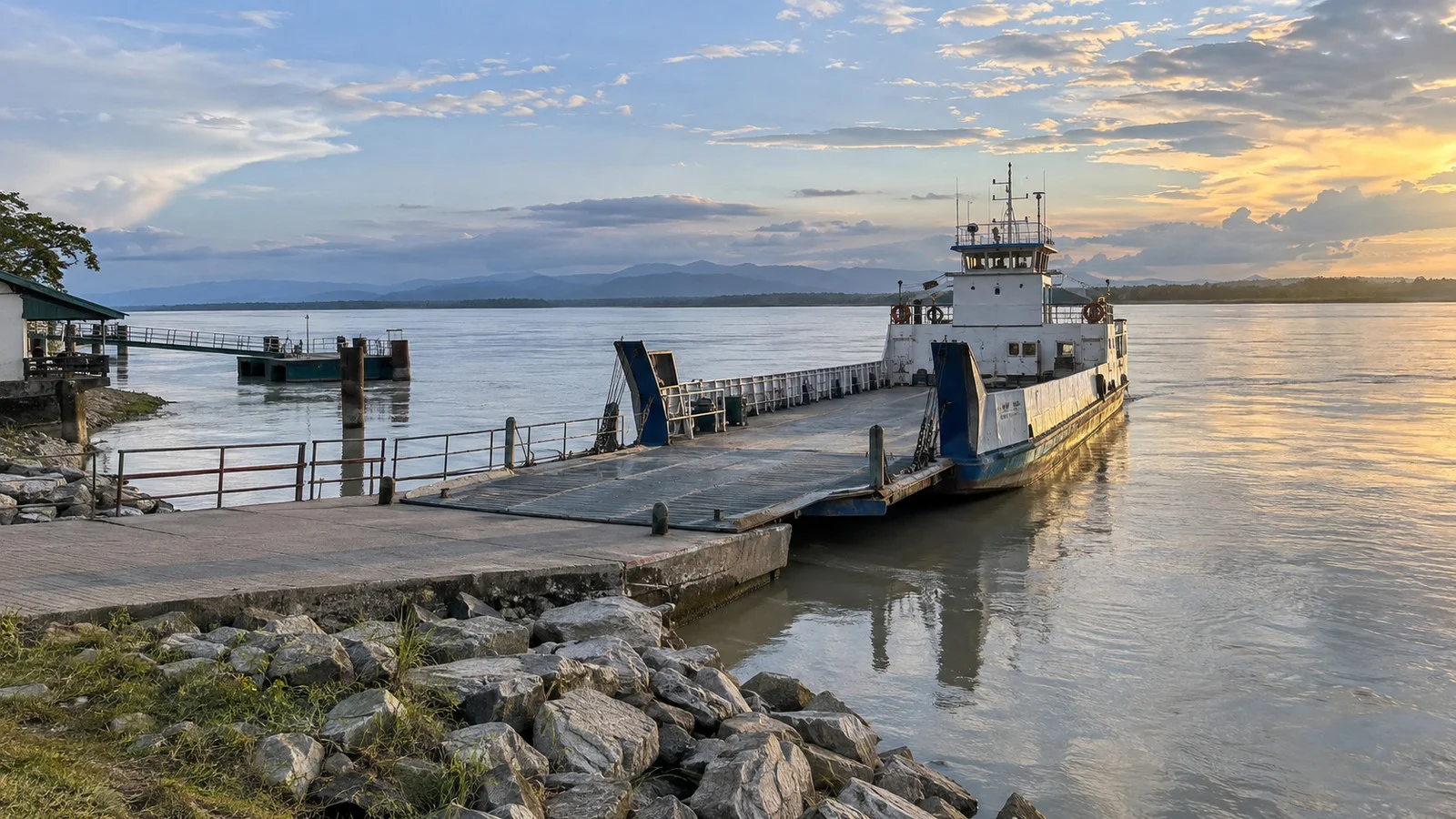
Majuli is the island district and cultural destination in the Brahmaputra. Nimati Ghat is on the mainland near Jorhat, and central government waterway documents commonly use the spelling Neamati.
Both Nimati and Neamati can refer to the same general mainland ferry area, but keep the cruise operator’s exact spelling, contact, and map pin together. Similar search results can lead to different ramps or meeting points along a changing riverbank.
A 2026 Press Information Bureau update lists Majuli Island and Neamati Ghat among the floating jetties and landing points on National Waterway 2. It also identifies Neamati as one of four Assam locations with a dedicated jetty for cruise vessels.
That infrastructure is real, but it does not guarantee the same gangway for every ship and date. A vessel may use the cruise jetty, anchor nearby, launch guests to another landing, or adjust the visit for safe navigation.
How cruise guests reach Majuli
The simplest ship program uses a smaller launch to reach an island bank, followed by a vehicle and guided walk. Other itineraries may disembark at Nimati, use a ferry, or land directly against a firm seasonal sandbank.
Each version creates a different sequence of steps, surfaces, transfer times, restrooms, and mobility demands. Ask for the expected sequence before sailing, while accepting that the captain may revise it for safety.
The Majuli district visitor page says travelers coming from Jorhat cross the Brahmaputra from Nimati Ghat to Kamalabari Ghat or Afalamukh Ghat. It recommends advance booking for passengers and vehicles through Assam’s inland water transport system.
The district page publishes frequent service during festival periods, but ferry schedules remain conditional. River level, fog, mechanical issues, demand, and local orders can change service after a cruise itinerary is printed.
Do not leave the organized group to try a public ferry on your own. A missed connection on a broad river can create a serious return problem even when the ship is visible.
Why the landing can move
The Brahmaputra is a braided river carrying immense quantities of sediment. Channels, sandbars, and banks shift, while erosion and deposition continually reshape the approach to Majuli.
Waterway authorities maintain navigation channels, marks, hydrographic information, and floating facilities, but a fixed map still cannot show tomorrow’s safest small-boat landing. Local pilots and the ship’s officers make that decision with current information.
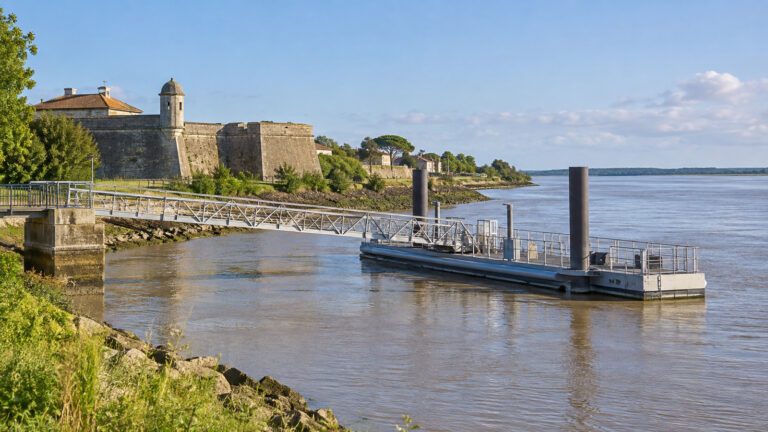
A landing may involve a pontoon gangway, narrow launch, plank, temporary matting, soft sand, mud, or a natural bank. Closed shoes, a free hand, and patience are more useful than elegant luggage and white trousers.
Listen closely to the briefing even if yesterday’s landing looked easy. Water level, wind, vessel position, and the angle of a temporary ramp may have changed overnight.
Is Majuli an active cruise stop?
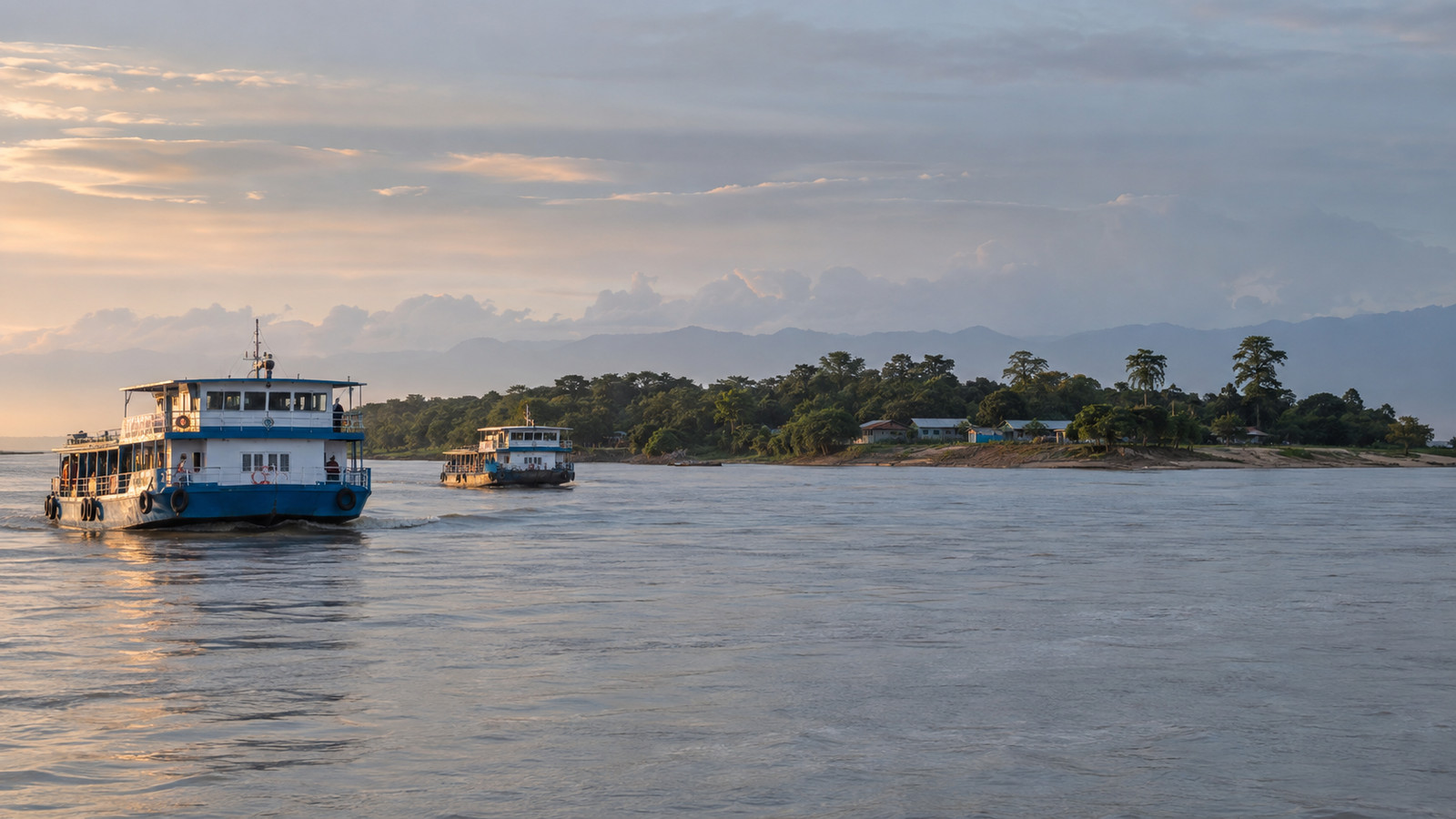
Yes, Majuli appears on established Brahmaputra cruise itineraries during the normal operating season. Assam Bengal Navigation currently publishes a River Island Cruise that visits Majuli and its monastic communities.
The operator describes Brahmaputra journeys running between October and April. Summer high water and monsoon conditions fall outside that regular cruise season, even though communities and local transport continue year-round.
Exact villages, satras, performances, and landing methods vary by sailing. A change of ghat or cultural stop is normal operational flexibility on this river, not evidence that the destination disappeared.
Read the final itinerary for the direction of travel and embarkation point. Some longer programs begin or end near Jorhat, while others include Majuli as a visit during an extended cruise.
Satras and Majuli’s cultural life
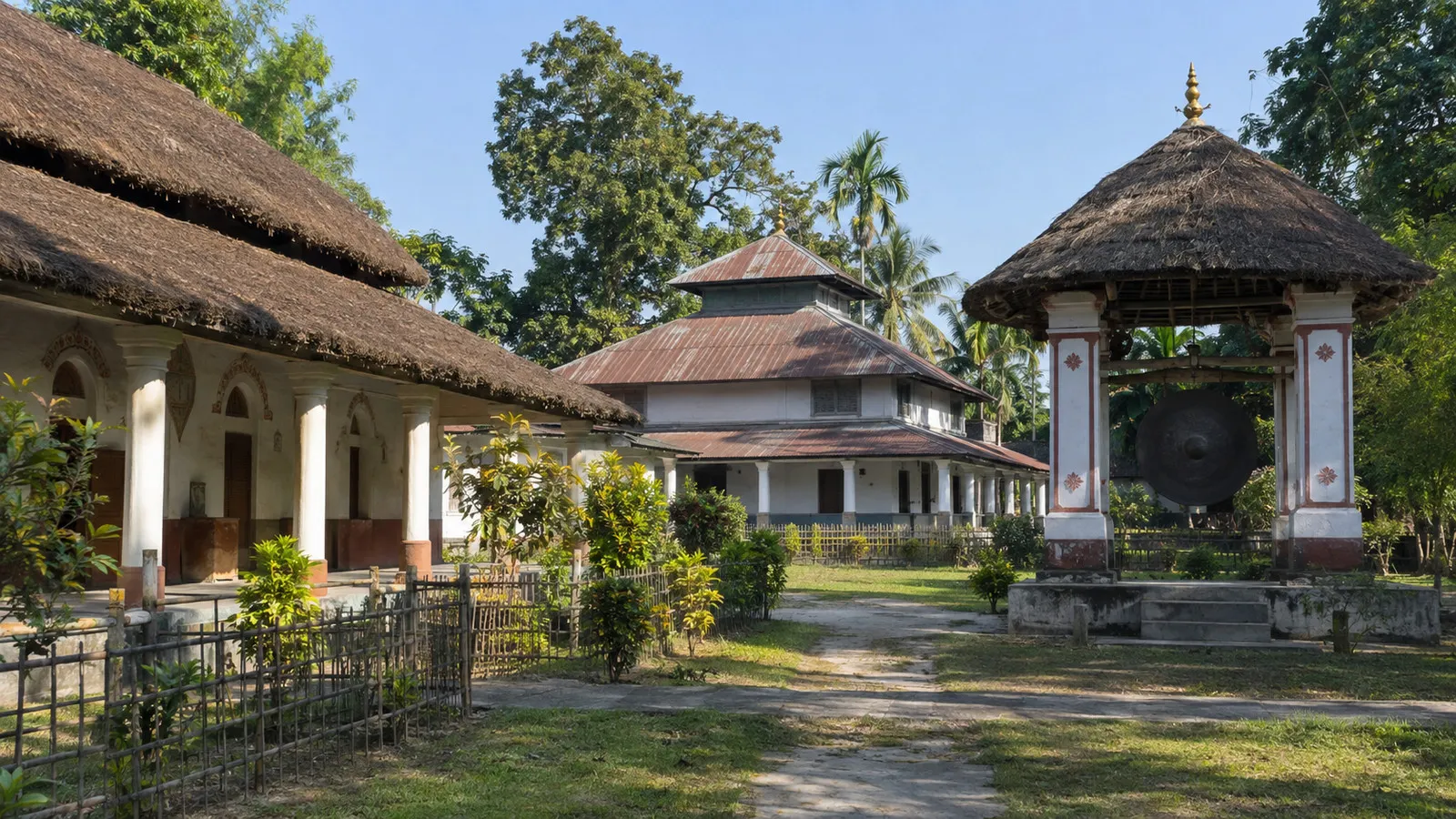
Majuli’s satras are Assamese Neo-Vaishnavite religious and cultural institutions, not museums arranged around a gift shop. They sustain worship, music, dance drama, manuscripts, teaching, art, craft, and community life.
The district government identifies Auniati, Dakhinpat, Garamur, Kamalabari, Samaguri, and other satras among the island’s places of interest. A cruise may visit one or more, but no single institution should be promised across every departure.
Festivals, worship, road conditions, group size, and host availability influence the program. Follow the local guide when a visit changes or a normally accessible space is closed.
Dress modestly, remove shoes where requested, and speak quietly. Ask before photographing residents, worship, performances, manuscripts, masks, or private interiors.
A performance arranged for guests deserves full attention. Arrive on time, silence phones, and avoid wandering out midway because the craft stall suddenly looks urgent.
Mask making and devotional theater
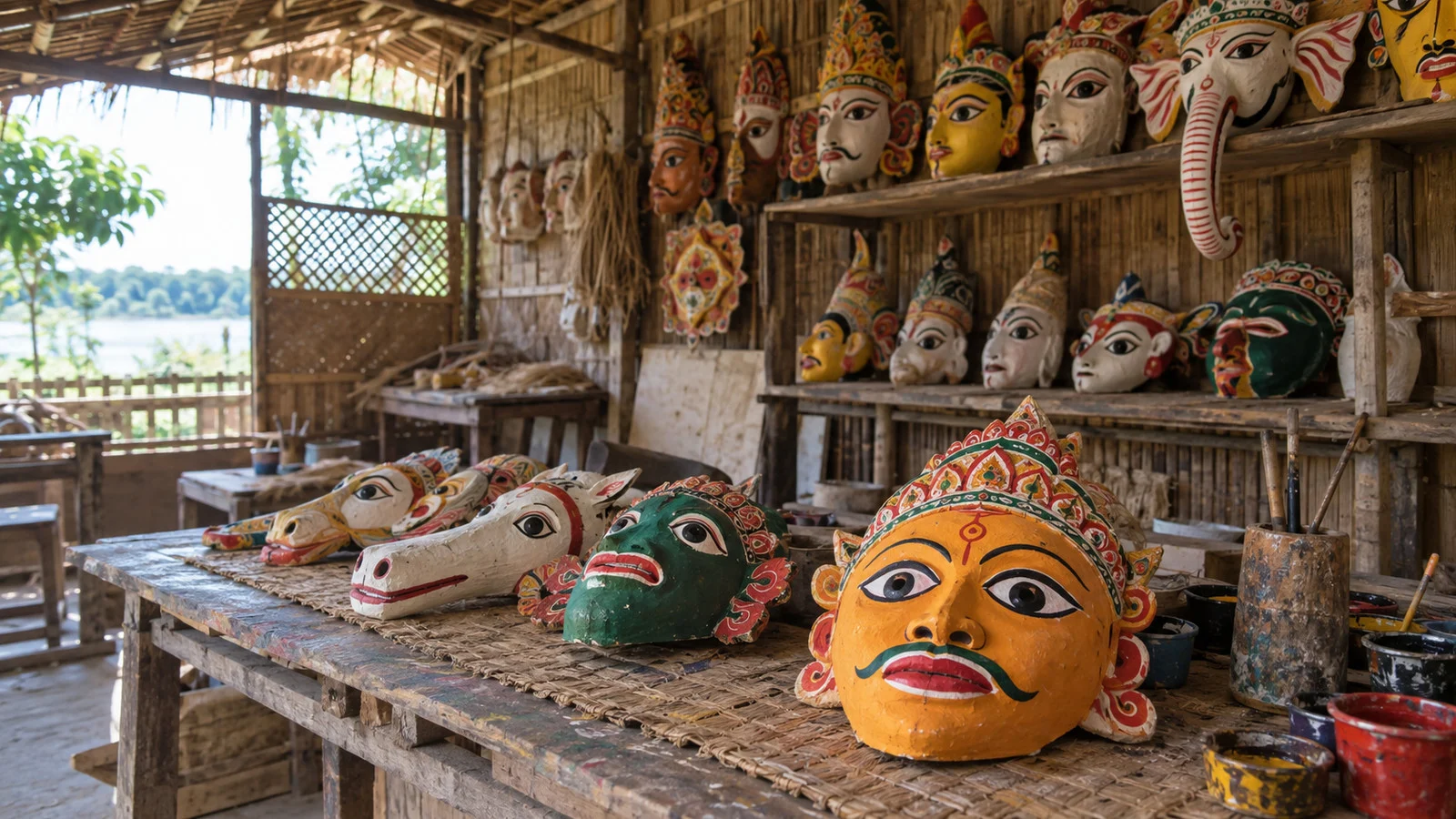
Majuli is known for mask-making traditions connected with devotional theater, including work associated with Samaguri Satra. A demonstration can explain bamboo, cloth, clay, paint, character, and performance rather than reducing the mask to a photogenic object.
Watch how the maker describes movement and expression, since many masks are designed to perform rather than hang flat. Ask permission before recording the artisan or handling a work in progress.
Buying directly from a workshop can support local skills and income. Confirm the material, size, packing, and airline restrictions before purchasing a large piece.
A full mask may develop a surprisingly complicated personality at airport security. Smaller work can be easier to transport without diminishing its meaning.
Village visits, textiles, and daily life
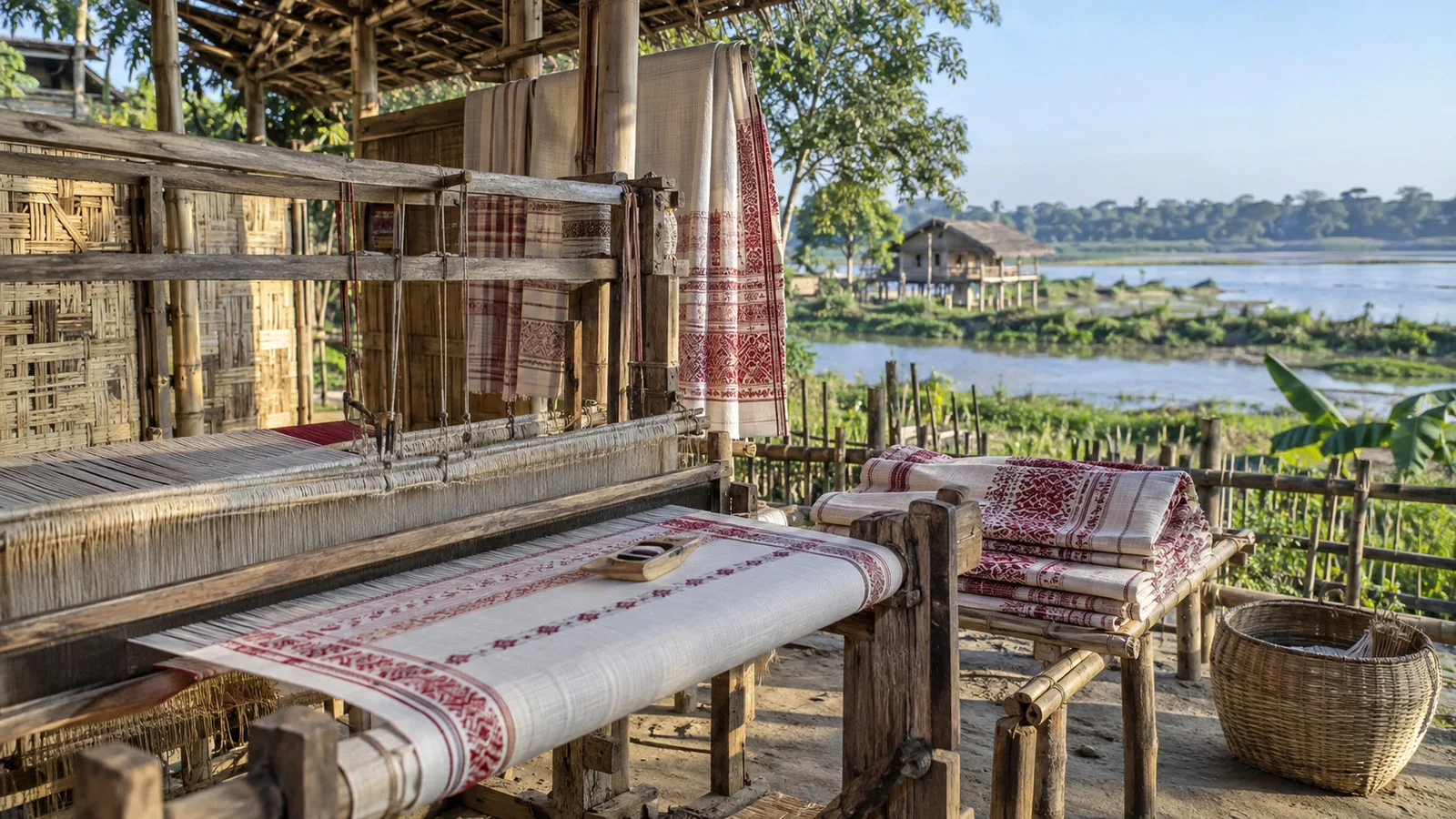
Mising, Deori, and other community visits may introduce raised houses, weaving, agriculture, food, fishing, and adaptation to river conditions. These are living places rather than open-air exhibits.
Stay with the guide, use paths, and ask before entering a home. Never photograph children or residents closely without clear permission.
Weaving demonstrations can reveal the skill behind textiles that appear effortless on a finished cloth. If you buy something, ask who made it and how to care for it.
Village programs should be approached as hosted encounters. Listen more than you stage, and let local people decide what they want to share.
Transfers across Majuli
Majuli is much larger than a compact walking district, and major satras can be far from the chosen ghat. Cruises normally use small buses, vans, sport utility vehicles, or local transport between visits.
Roads may be paved, broken, dusty, muddy, narrow, or temporarily rerouted. The cruise team may change the order of stops to coordinate a performance, ferry, lunch, or road condition.
Keep a hat, water, insect repellent, and light rain protection in a small day bag. Large bags are awkward during repeated vehicle changes and may be unsafe in a small launch.
Do not judge distance by a straight line across the island. Seasonal routes, bridges, soft ground, and the selected ghat can make a short-looking transfer much longer.
Jorhat and Nimati transfers
Jorhat is the mainland city and airport reference, while Nimati is the river access area. Some itineraries use Jorhat as regional shorthand, but an independent driver needs the precise meeting point.
If a cruise begins or ends here, use the included hotel or airport transfer when possible. Arrive one night early and save the cruise manager’s phone number offline.
A same-day tight flight connection is a poor match for variable road and river operations. Fog, festival traffic, ferry queues, road work, and a changed ghat can all extend the journey.
Keep travel documents, medication, valuables, sun protection, and a change of clothing in hand luggage. Checked bags may move separately between a hotel, vehicle, launch, and ship.
Accessibility and mobility
Majuli can be physically demanding because the route may combine a floating pontoon, launch steps, soft sand, a natural bank, uneven roads, vehicle transfers, thresholds, and shoe removal. Accessible restrooms can be limited outside larger hotels or designated facilities.
Ask whether the launch can accept your wheelchair or scooter without lifting. Also confirm gangway width, step height, crew-assistance limits, and whether the vehicle can secure the device.
Request the walking distance, surfaces, number of steps, seating, restroom plan, and shoe-removal expectations at each proposed satra. A general promise that help is available does not answer these specific questions.
Travelers who cannot use the planned landing should ask about an onboard program or mainland alternative. That may be a safer and more dignified choice than an improvised carry across unstable ground.
Conditions can change after an accessible plan is agreed. Ask the expedition leader for an updated assessment on the morning of the visit.
Weather and cruise season
Dry-season mornings can be cool and foggy, while afternoons may become warm and bright. Pack layers, sun protection, insect repellent, closed shoes, and lightweight rain gear.
Established overnight operators publish Brahmaputra departures from October through April. That pattern avoids the main swollen-river and monsoon period, but conditions still vary within the season.
Early departures can encounter lingering high water or damaged roads. Later departures may face lower water and longer walks across sand.
Fog can delay a launch or ferry even when the hotel courtyard looks calm. Follow the ship’s announcements instead of pressing a local driver to outrun a safety decision.
Money and shopping
Carry Indian rupees in small denominations because cards and mobile payments may be unreliable in villages. Keep larger amounts discreet and ask the guide about appropriate tipping.
Buying crafts directly can support local makers, but avoid bargaining as though the object has no labor behind it. Ask about materials, care, packing, and whether the maker receives the sale proceeds.
Do not expect an ATM at a temporary landing. Obtain cash before the river journey and keep a backup payment method for hotels or larger businesses.
Health and safety
Drink sealed or properly treated water and carry essential medication with extra supply. Consult a qualified travel-health professional before departure about routine vaccines and personal mosquito precautions.
Use insect repellent, sun protection, and hand hygiene after shore visits. Keep cuts covered when walking near mud, livestock, or river water.
Never swim from an unsupervised sandbank or ghat. Strong current, soft drop-offs, vessel traffic, poor underwater visibility, and changing depth make the river more powerful than its broad surface suggests.
Use handrails and accept crew assistance during transfers. Keep both hands available rather than filming the entire climb between a launch and pontoon.
Three sensible Majuli plans
For a short visit, follow the ship’s launch and vehicle plan for one satra plus a craft or village stop. Do not add a public-ferry experiment when the vessel already has a coordinated return.
For a full day, combine two cultural visits with lunch and a guided village program. Leave generous time for transfers and expect the order to change around local conditions.
For embarkation, travel from Jorhat with the supplied driver and arrive at the stated meeting time. The ship may be at a cruise jetty, a ferry area, or another safe bank chosen that day.
Common questions
Are Nimati and Neamati the same place?
They are alternate spellings used for the mainland ghat area near Jorhat. Use the exact location and contact supplied by the cruise operator rather than relying on spelling alone.
Will the ship dock directly on Majuli?
It may, but no single landing should be assumed. The itinerary can involve a jetty, launch, ferry, sandbank, or another safe seasonal bank.
Can you walk to the satras from the landing?
Usually not as a complete plan. The island is large, and most cruise programs use vehicles between the ghat and cultural sites.
Is Majuli suitable for limited mobility?
It can be difficult because landing conditions and vehicles vary. Request exact information about every transfer and ask for an onboard or mainland alternative if the day requires lifting or unstable surfaces.
The last word
Majuli is not a tidy pier-side attraction, and that is part of its character. A successful visit depends on current river knowledge, patient transfers, respectful cultural engagement, and a willingness to let the itinerary adapt.
Follow the ship’s landing plan, travel lightly, and listen closely to local hosts. The reward is a glimpse of island life shaped by faith, craft, community, and one of the world’s great rivers.
Research note
No firsthand visit is claimed. This guide was independently checked September 12, 2026, against current information from India’s Press Information Bureau, the Majuli District Government, inland waterways authorities, and Assam Bengal Navigation.
Landings, ferries, roads, cultural programs, accessibility, and seasonal conditions can change, so confirm final arrangements with the ship and local authorities before travel.