Mayapur River Cruise Port: ISKCON Temple and Landing Guide
Mayapur is one of the most spiritually focused river stops in West Bengal, and the atmosphere can shift from quiet devotion to extraordinary festival energy within the same temple complex. Bells, chanting, gardens, pilgrims, construction activity, and the broad river landscape all shape the visit.
The practical side deserves equal attention. Your day begins at a working river landing, continues through traffic and crowds, and enters a sacred campus where respectful behavior matters more than sightseeing speed.
My quick take
For a first visit, I would use the cruise line’s transfer to the ISKCON campus, spend time in the main worship areas and gardens, and treat any access to the Temple of the Vedic Planetarium as a current-day bonus rather than a promise. This approach respects both the spiritual purpose of Mayapur and the uncertainty of construction, ceremonies, and crowd control.
Independent exploration is possible during a long call, but the river landing and local traffic make improvisation risky. Confirm the exact ghat, vehicle plan, footwear arrangements, and return time before stepping ashore.
Quick Facts
- Port type: Mayapur is a river landing destination, and the exact ghat, gangway, and transfer arrangement depend on the vessel and river conditions.
- Main attraction: The ISKCON Mayapur campus is a major Gaudiya Vaishnava pilgrimage center with active worship, gardens, shrines, accommodations, and visitor services.
- TOVP status: The Nrsimhadeva Wing opened in 2024, while the wider Temple of the Vedic Planetarium remains under construction with its grand opening scheduled to begin November 2, 2027.
- Temple etiquette: Dress modestly, remove shoes where directed, speak quietly, and follow current photography and entry rules.
- Getting around: Organized transfers, prearranged vehicles, cycle rickshaws, and electric rickshaws may be used, but availability and traffic are variable.
- Weather: Heat, humidity, heavy rain, mud, and high water can materially change the landing and walking experience.
- Return rule: Use the ship’s official all-aboard time and retain a generous buffer for traffic, crowds, and river access.
Where river ships land
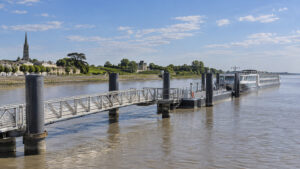
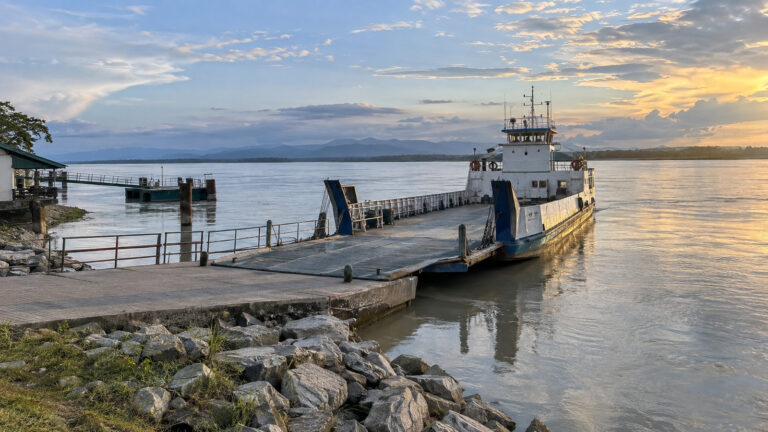
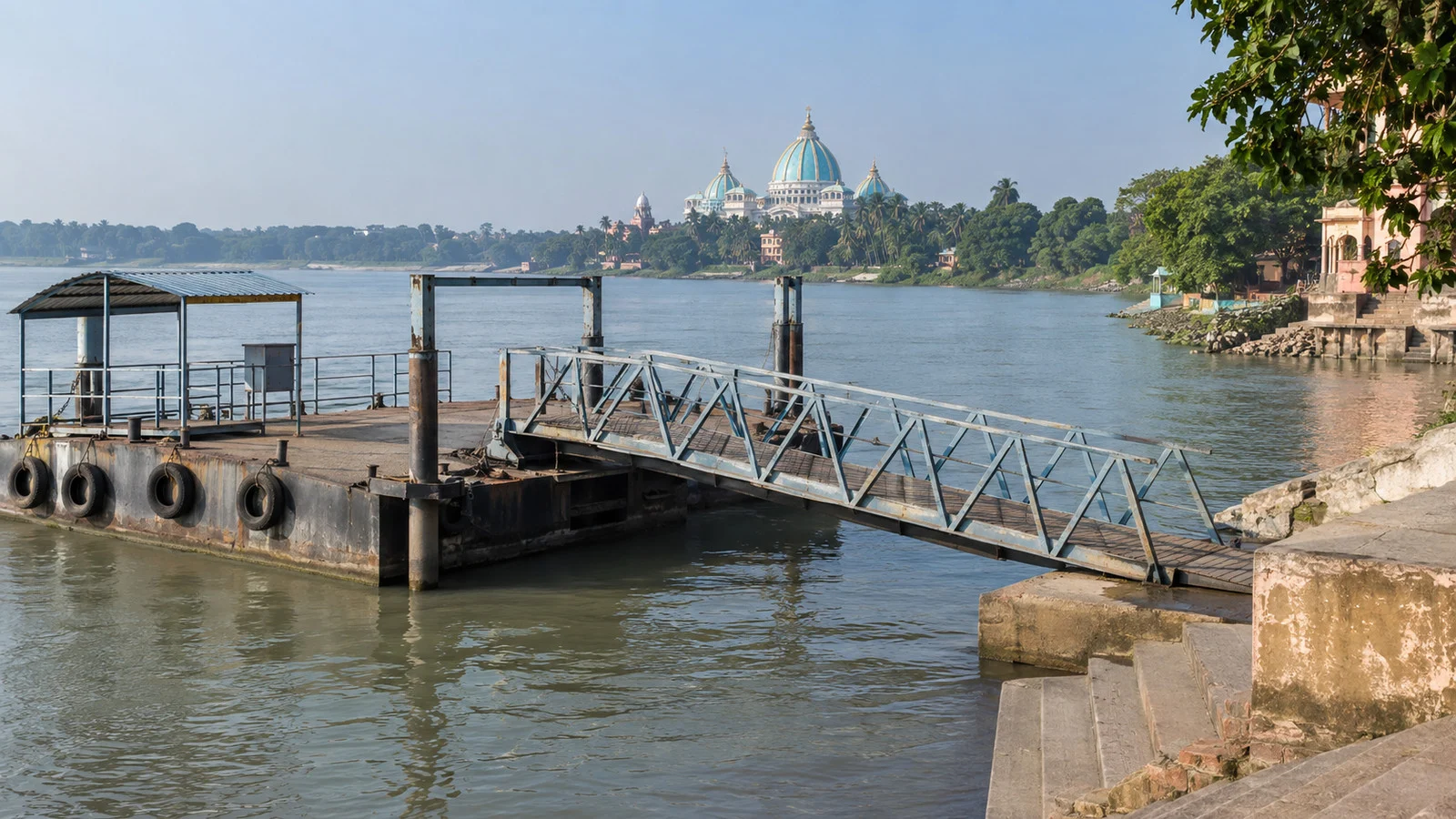
Mayapur does not have one standardized cruise terminal with a universal gangway. River vessels may use a local ghat or temporary landing arrangement chosen for water level, current, bank condition, vessel draft, and local operations.
A photograph or map pin from another sailing may show the wrong access point. Ask the cruise director for the exact landing name, transfer method, and whether the ship is expected to remain in place.
The gangway can lead to steps, packed earth, uneven paving, mud, or a narrow approach before you reach a vehicle. Monsoon conditions and changing river levels can make the same landing feel completely different from one visit to the next.
Keep both hands available while disembarking and use crew assistance as directed. Loose scarves, open bags, and camera straps can catch on rails or make balance harder during a moving river transfer.
From the ghat to the temple campus
Most cruise programs arrange a vehicle transfer because the distance and route depend on the landing used that day. Traffic may include pedestrians, bicycles, rickshaws, electric rickshaws, motorcycles, animals, buses, and local vehicles sharing limited road space.
Do not assume that a short map distance produces a predictable drive time. Festival crowds, market activity, rain, road work, and the location of your vehicle can all slow the journey.
If traveling independently, agree on the destination and price before departure and keep the ship’s local contact information. Photograph the vehicle or note an identifying detail if the driver is expected to wait.
Use the official transfer when your port time is limited or mobility support matters. A guide can coordinate entrances, footwear, group movement, and the return in a way that a spontaneous ride cannot.
Understanding Mayapur’s religious importance
Mayapur is a major pilgrimage center for followers of Gaudiya Vaishnavism and is closely associated in the tradition with Chaitanya Mahaprabhu. ISKCON has developed a large international campus here, drawing devotees and visitors from India and around the world.
Approach the campus as an active sacred place rather than an architectural attraction alone. Worship, chanting, devotional study, pilgrim routines, and community life continue whether or not a tour group is present.
You do not need to share the faith to visit respectfully. Observe before acting, follow posted guidance, and let your guide explain practices without reducing them to a photo opportunity.
What to see at the ISKCON campus
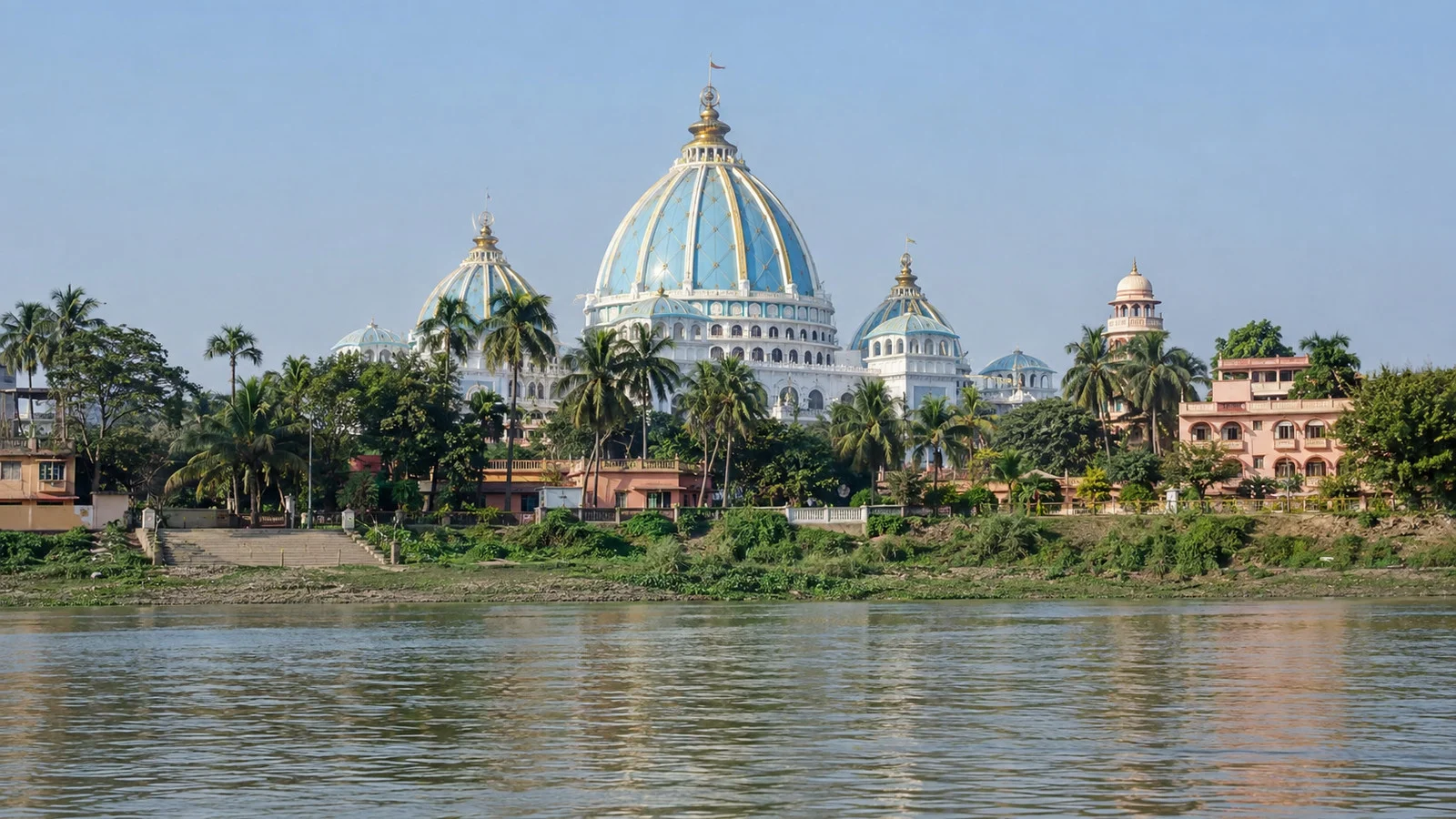
The campus includes active temple spaces, memorial and devotional areas, gardens, accommodations, food services, shops, and the expanding Temple of the Vedic Planetarium project. The exact route available to visitors may change with ceremonies, maintenance, construction, and crowd levels.
Start with the area your guide identifies as the main worship focus for the day. Aarti, kirtan, or darshan can shape movement through the building, and some entrances may operate differently during busy periods.
Allow a few quiet minutes rather than rushing between landmarks. The chanting, floral offerings, movement of devotees, and rhythm of worship communicate more than a list of building names.
Gardens and open areas can provide relief from dense interior crowds, but shade is not continuous. Keep water with you if permitted and avoid sitting in a space reserved for worship or circulation.
Temple etiquette
Wear clothing that covers shoulders and knees, with a modest neckline and fit. A light scarf or wrap is useful, but secure it near fans, vehicles, and gangways.
Remove shoes wherever signs, staff, or your guide instruct. Wear socks if hot paving or hygiene is a concern, and carry your footwear only when the site permits rather than assuming a personal bag is acceptable.
Move clockwise only where local practice or signage requests it, and do not step over offerings, prayer items, or people seated on the floor. Give worshippers space even when the best camera angle appears to be behind them.
Public affection, loud conversation, and joking during rituals can feel intrusive. Keep your phone silent and avoid taking calls inside sacred spaces.
Food practices on the campus follow devotional standards. Ask before bringing outside food into temple areas and follow the rules for dining spaces, waste, and handwashing.
Photography and personal boundaries
Photography policies can differ between buildings, altars, rituals, and special events. Ask before using any camera, and treat a no-photo instruction as complete even if another visitor ignores it.
Never use flash near worship, touch an object to improve the composition, or block a line of devotees. Avoid close photographs of children, monks, pilgrims, or people praying unless you have clear permission.
A wide view of architecture or gardens is usually less intrusive than a close portrait. If the crowd is moving, step aside before composing a photograph rather than stopping in an entrance.
Temple of the Vedic Planetarium status
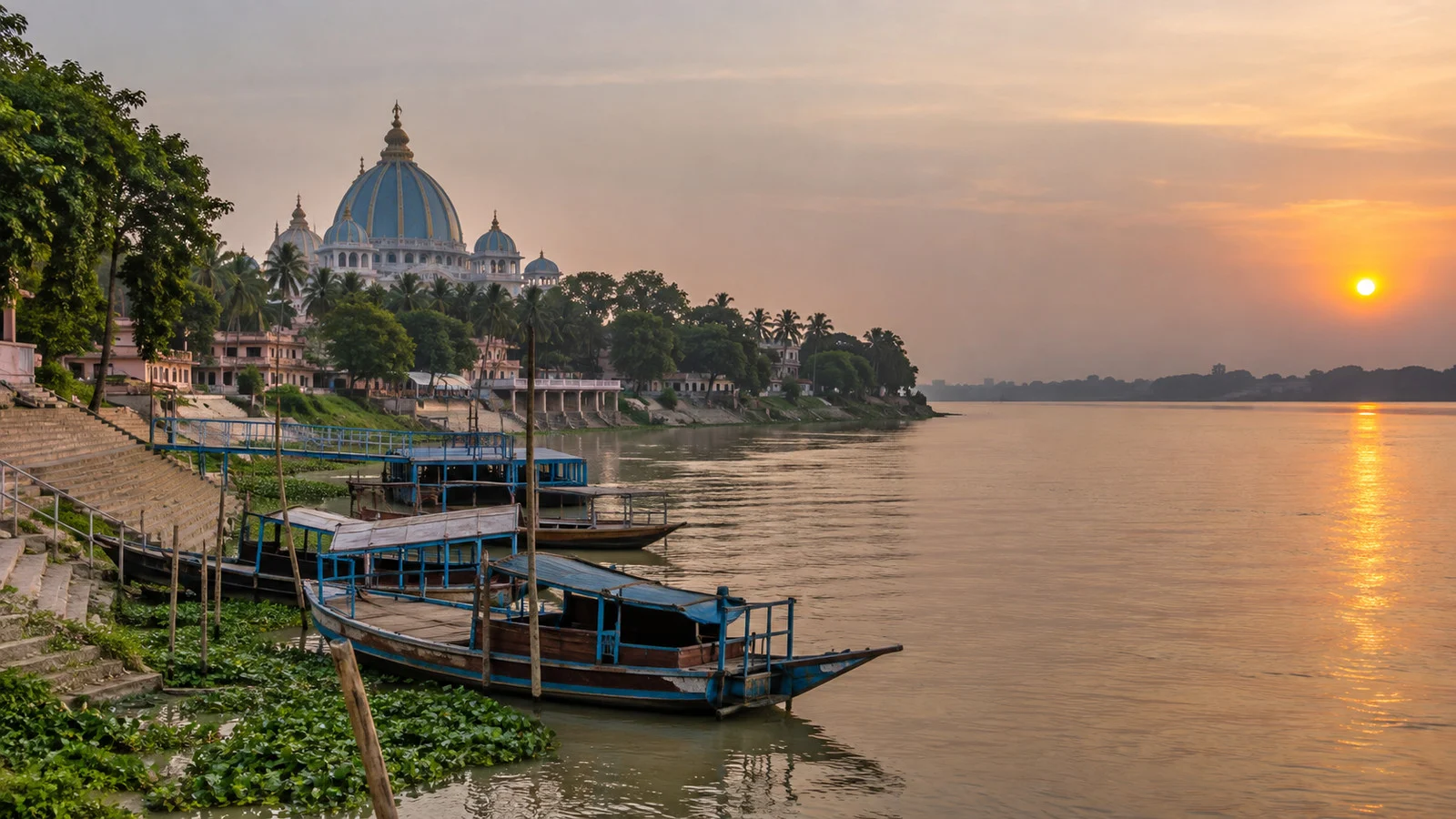
The Temple of the Vedic Planetarium is the vast domed project that dominates many recent images of Mayapur. Its scale makes it tempting to treat the building as fully complete, but construction milestones and visitor access have changed repeatedly.
The project’s official site announced the opening of the completed Nrsimhadeva Wing in 2024. It now schedules the wider TOVP grand-opening celebration to begin November 2, 2027, so visitors should not assume every gallery, worship area, exhibit, or planetarium element is operating yet.
Check the official Temple of the Vedic Planetarium website and ask your cruise operator what is actually included on your date. Avoid relying on an old grand-opening forecast because major projects can move through phased access.
Construction zones require extra caution. Follow barriers, wear any required protection, and do not enter a partially open area because someone else appears to be inside.
Festivals and crowd levels
Gaura Purnima is one of the most important periods in Mayapur, and other religious festivals can also draw very large numbers of pilgrims. The atmosphere can be extraordinary, but transport, queues, footwear storage, security, and walking pace may all become more demanding.
A festival-day visit should be arranged through the ship or an experienced local operator. Independent travelers need a firm meeting point, a backup communication plan, and much more return time than on a quiet weekday.
Crowds can separate groups within seconds. Keep your guide in sight, agree on a regrouping landmark, and write down the local contact number in case your phone loses service.
Travelers sensitive to sound or dense crowds should ask whether a quieter route or earlier visit is possible. A garden pause or less central devotional area may provide a better experience than pushing toward the busiest altar.
Accessibility and mobility
Mayapur’s accessibility begins with the river landing, not the temple entrance. A smooth campus path cannot compensate for a steep gangway, muddy bank, unstable step, or transfer vehicle that requires a high climb.
Ask for the full route from cabin to sanctuary, including the tender or gangway, ghat surface, vehicle step, walking distance, stairs, ramps, elevators, seating, and accessible restrooms. Conditions can change with the river and crowd management.
Wheelchair users should confirm whether the vehicle can carry the chair without folding it and whether the passenger must transfer to a seat. Powered devices require separate confirmation for weight, dimensions, lifting, and battery rules.
Some worship areas may require shoe removal, floor seating, or movement through narrow lines. Ask whether an alternate viewing position is available and whether a companion can remain with the traveler.
A cane or walking stick can help on uneven ground, but it must be managed respectfully inside sacred spaces. Follow staff guidance about where it may be used or stored.
Heat, humidity, and monsoon rain
Mayapur can be hot and humid, and the combination becomes exhausting in dense crowds. Drink safe water regularly, use sun protection, and pace yourself before you feel unwell.
Monsoon rain can arrive heavily and turn landing approaches, roadside edges, and unpaved ground muddy. A compact umbrella helps in open areas, while a breathable rain layer is safer around vehicles and crowded entrances.
Choose shoes that grip well and are easy to remove. Expensive or delicate footwear is a poor choice when storage areas are busy and the ground may be wet.
Carry essential medication in a small protected bag. Travelers with heat sensitivity should tell the guide before the group enters a crowded area so rest options can be identified early.
Food and drinking water
The ISKCON campus is known for vegetarian food connected with its devotional culture. Dining arrangements, meal times, coupons, and visitor access can change, especially during festivals.
Use designated dining spaces and follow local instructions for queues, handwashing, seating, and cleanup. Do not bring food into worship areas or feed animals around the campus.
Drink sealed, treated, or ship-provided water rather than experimenting during a short call. Ice, raw garnishes, and foods held at uncertain temperatures deserve the same caution you would use elsewhere in tropical travel.
If your excursion includes a meal, tell the operator about allergies and dietary needs before arrival. Vegetarian does not automatically mean free from dairy, nuts, gluten, or cross-contact.
Money, donations, and shopping
India uses the Indian rupee, and small purchases may be easier with local cash even when cards or digital payments are accepted. Connectivity and foreign-card compatibility can vary.
Donate only through clearly identified official counters or channels. A respectful refusal is enough when approached by an unofficial guide, vendor, or collector.
Books, devotional items, clothing, snacks, and souvenirs may be available on the campus. Keep receipts for higher-value purchases and check customs rules before buying food, seeds, wood, or plant products.
Accommodation scams and imitation booking channels have been reported around Mayapur. If you are extending your stay, verify reservations through the official Mayapur visitor booking portal rather than a link forwarded through an unknown message.
Nabadwip and river crossings
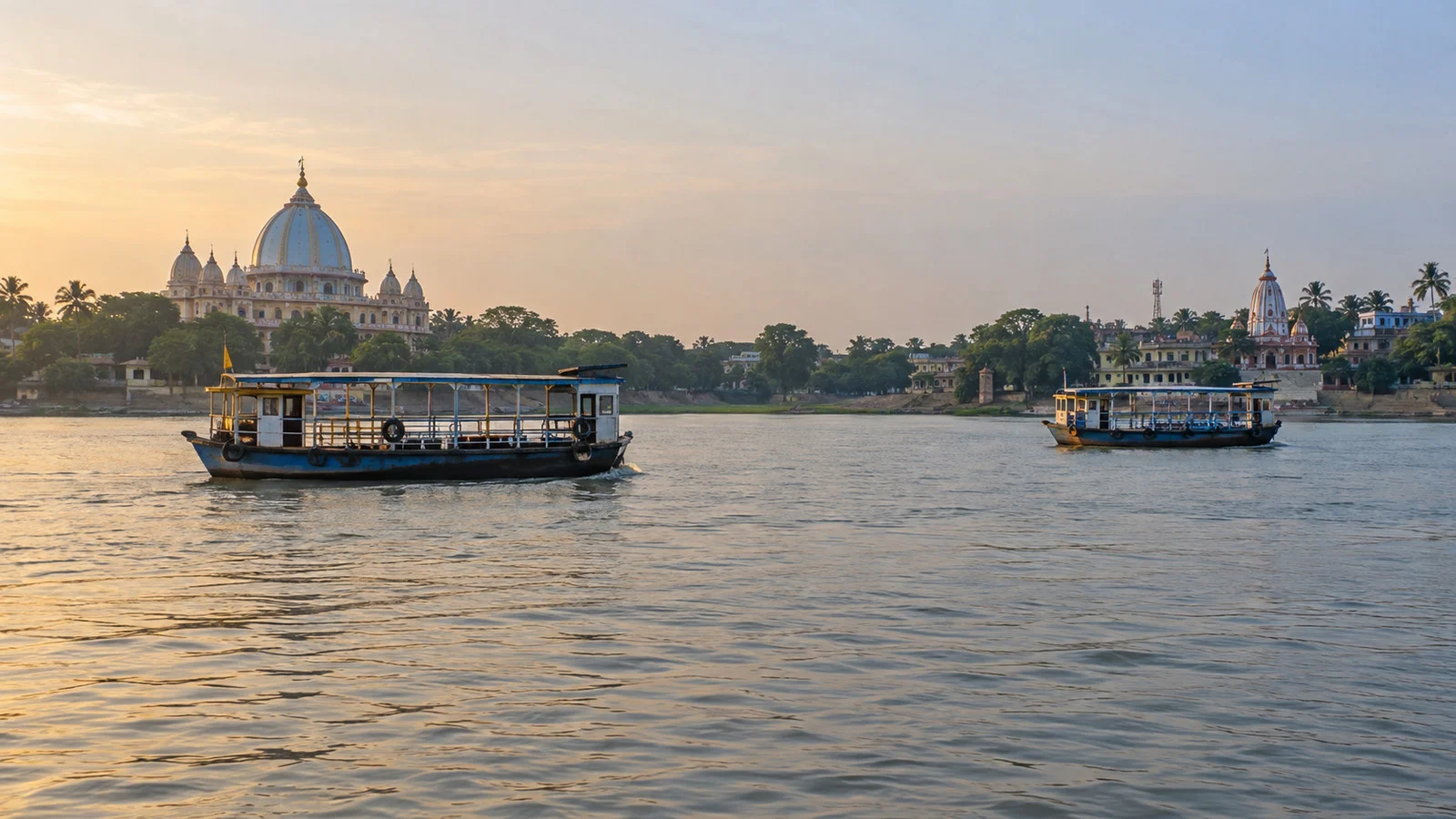
Nabadwip and Mayapur are linked culturally and geographically, with local boats and road routes forming part of everyday movement in the area. A casual map glance can hide the time needed to reach the correct ghat, wait, cross, and find onward transport.
Do not add a Nabadwip visit to a short cruise call unless the ship’s excursion specifically manages it. Local ferries do not operate around your all-aboard time, and crowding or weather can delay the crossing.
If your program includes several sacred sites, confirm whether shoes must be removed repeatedly and whether the vehicle waits at each stop. Carry fewer belongings so transitions remain manageable.
River conditions and seasonal changes
The Bhagirathi and nearby waterways are dynamic, with water level, current, sediment, and bank condition affecting navigation and landings. A crew decision to alter the ghat or shorten shore time is a safety measure, not a minor inconvenience.
Heavy rain upstream can affect the river even when the sky over Mayapur is clear. Listen for announcements throughout the visit and keep the ship’s contact number available.
Dust can be a problem in drier conditions, while mud and standing water dominate after rain. Pack a cloth for shoes and a waterproof pouch for your phone, passport copy, and medication.
Mosquito activity varies with season and time of day. Use an appropriate repellent on exposed skin and follow medical travel advice for West Bengal.
A practical half-day plan
Take the organized transfer from the assigned ghat to the ISKCON campus, beginning with a guide-led orientation. Visit the principal worship area open that day, pause in the gardens, and view the Temple of the Vedic Planetarium only through the access route officially available.
Use a scheduled restroom and water stop before leaving the campus. Return with the group rather than attempting a separate rickshaw shortcut to the river.
If time remains near the landing, enjoy the river view without wandering into another ghat. The final gangway approach may take longer than expected when several groups return together.
A longer independent stay
With an overnight visit, you can experience early worship, quieter campus hours, additional sacred sites, and the surrounding river culture at a more respectful pace. You can also build proper travel time for Nabadwip rather than treating it as an add-on.
Book accommodation only through verified channels and confirm whether the room is inside or outside the main campus. Ask about check-in documents, meal arrangements, transport, air conditioning, backup power, and accessibility.
Arrange a licensed guide when religious context matters to you. Good interpretation clarifies the difference between devotional tradition, local history, institutional claims, and what a visitor is actually observing.
Common planning mistakes
The first mistake is assuming that Mayapur has one fixed cruise terminal. River conditions and vessel operations determine the landing, so use the ship’s instructions.
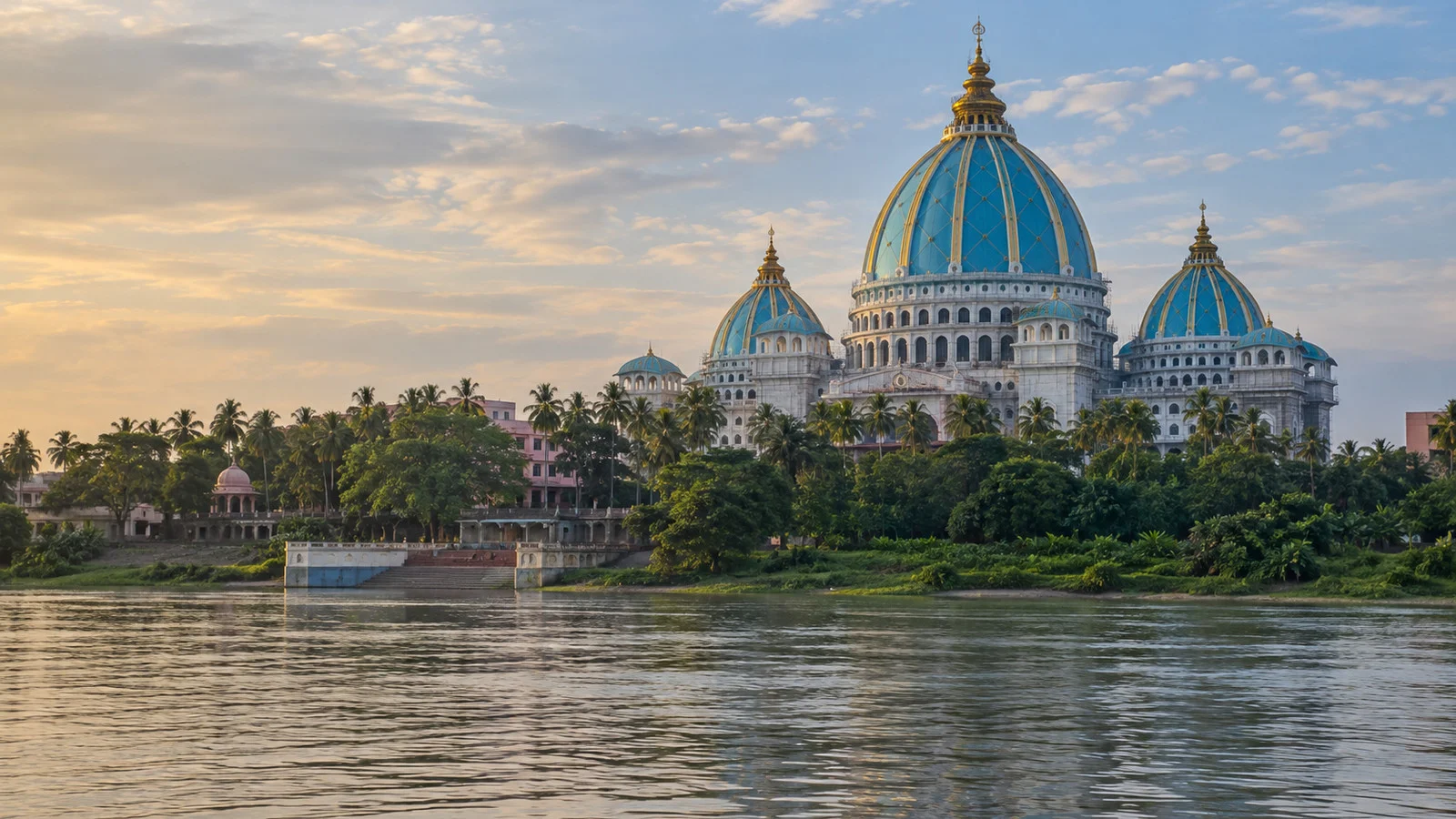
The second is presenting the entire Temple of the Vedic Planetarium as fully open based on an old forecast. Confirm current access and distinguish the opened Nrsimhadeva Wing from the wider project’s evolving status.
The third is treating an active temple like a museum. Clothing, shoes, photography, food, sound, and movement all carry religious meaning here.
Travelers also underestimate heat, mud, crowds, and traffic. A simple campus visit can become physically demanding when several conditions combine.
Finally, do not spend the return buffer on shopping or one more shrine. River ships follow operating plans that may not allow them to wait.
Quick answers
Can I walk from the landing to ISKCON Mayapur?
The practical answer depends on the ghat used that day, weather, traffic, and your mobility. Most cruise visitors should use the organized transfer rather than assume a walk.
Is the Temple of the Vedic Planetarium open?
The Nrsimhadeva Wing opened in 2024, while the wider project remains under construction ahead of a grand opening scheduled to begin November 2, 2027. Check the official project site and your operator for your exact date.
Do I have to remove my shoes?
Expect to remove shoes in designated temple areas. Follow staff instructions and choose footwear that is secure, comfortable, and easy to take off.
Can I take photographs?
Only where current rules permit. Ask before photographing altars, rituals, devotees, children, or construction areas, and never use flash when prohibited.
Is Mayapur suitable for limited mobility?
It can be challenging because the river landing, transfer vehicle, crowds, shoe removal, and temple route all matter. Request a condition-specific accessibility description from the cruise line.
Should I visit Nabadwip too?
Only on a program with enough time and managed transport. A separate river crossing or road journey adds risk to a short port call.
Final word
Mayapur is most rewarding when you slow down enough to recognize it as a living pilgrimage center. The architecture is impressive, but the deeper experience comes from observing devotion respectfully and understanding why people have traveled there.
Let the ship manage the uncertain landing, keep your temple etiquette thoughtful, and treat construction status as something to confirm rather than predict. That combination creates a calmer visit and protects the return to the river.
Research note
This guide was checked on September 12, 2026 against official ISKCON Mayapur resources, the Temple of the Vedic Planetarium project, West Bengal tourism resources, and current regional transport and visitor information. Landing conditions, temple access, worship schedules, construction phases, festivals, weather, traffic, and photography rules can change, so reconfirm them for your sailing.