Tennessee and Cumberland River Cruise Ports: Five-Stop Guide
A cruise between Nashville and Chattanooga is not one tidy river with five evenly spaced docks. It is a wonderfully crooked lesson in American geography involving the Cumberland, Tennessee, Ohio, connected reservoirs, working locks, and at least one city that appears under the wrong river in rushed travel copy.
This guide covers Nashville, Clarksville, Dover, Paducah, and Chattanooga, all active on published 2026 overnight river itineraries. It also separates a real commercial berth from a public boat ramp, because riverfront concrete is not automatically an invitation for a 300-foot ship.
Tennessee and Cumberland River cruise ports quick facts
- Into Town: Nashville, Paducah, and Chattanooga have walkable waterfront districts; Clarksville is manageable, while Dover depends heavily on the assigned landing and motorcoach.
- Currency and Language: U.S. dollar. English is the primary visitor language; Spanish is also commonly used in larger cities and tourism settings.
- Time Zone: Nashville, Clarksville, Dover, and Paducah use Central Time; Chattanooga uses Eastern Time. Daylight saving time applies.
- Schedule risk: Flooding, low water, lock delays, fog, storms, and dock availability can alter individual calls; no authoritative route-wide cancellation percentage is published.
Use the operator’s daily program for each landing and excursion pickup. A delayed or changed call can still preserve the main visit by motorcoach, but the exact response depends on conditions and the itinerary.
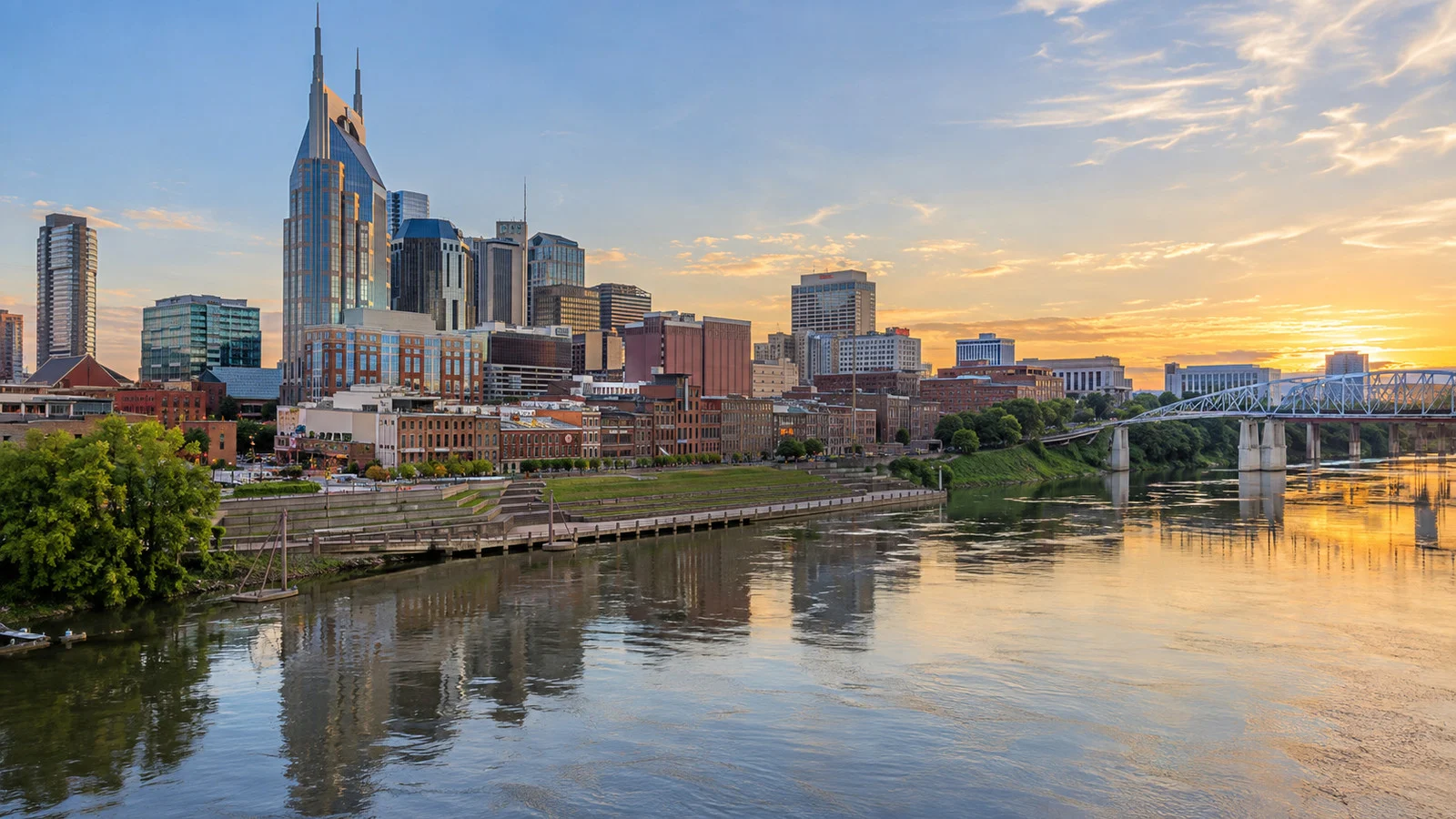
Five River Cruise Ports at a Glance
- Nashville, Tennessee: The city sits on the Cumberland River, and commercial east or west riverfront assignments can vary. Downtown music and museums are the best port-day focus.
- Clarksville, Tennessee: This Cumberland River stop centers on the McGregor Park area, but the current landing still needs confirmation. The riverwalk and local history make a sensible short call.
- Dover, Tennessee: This is a small Cumberland River call where access is often excursion-dependent. Fort Donelson National Battlefield is the main reason to stop.
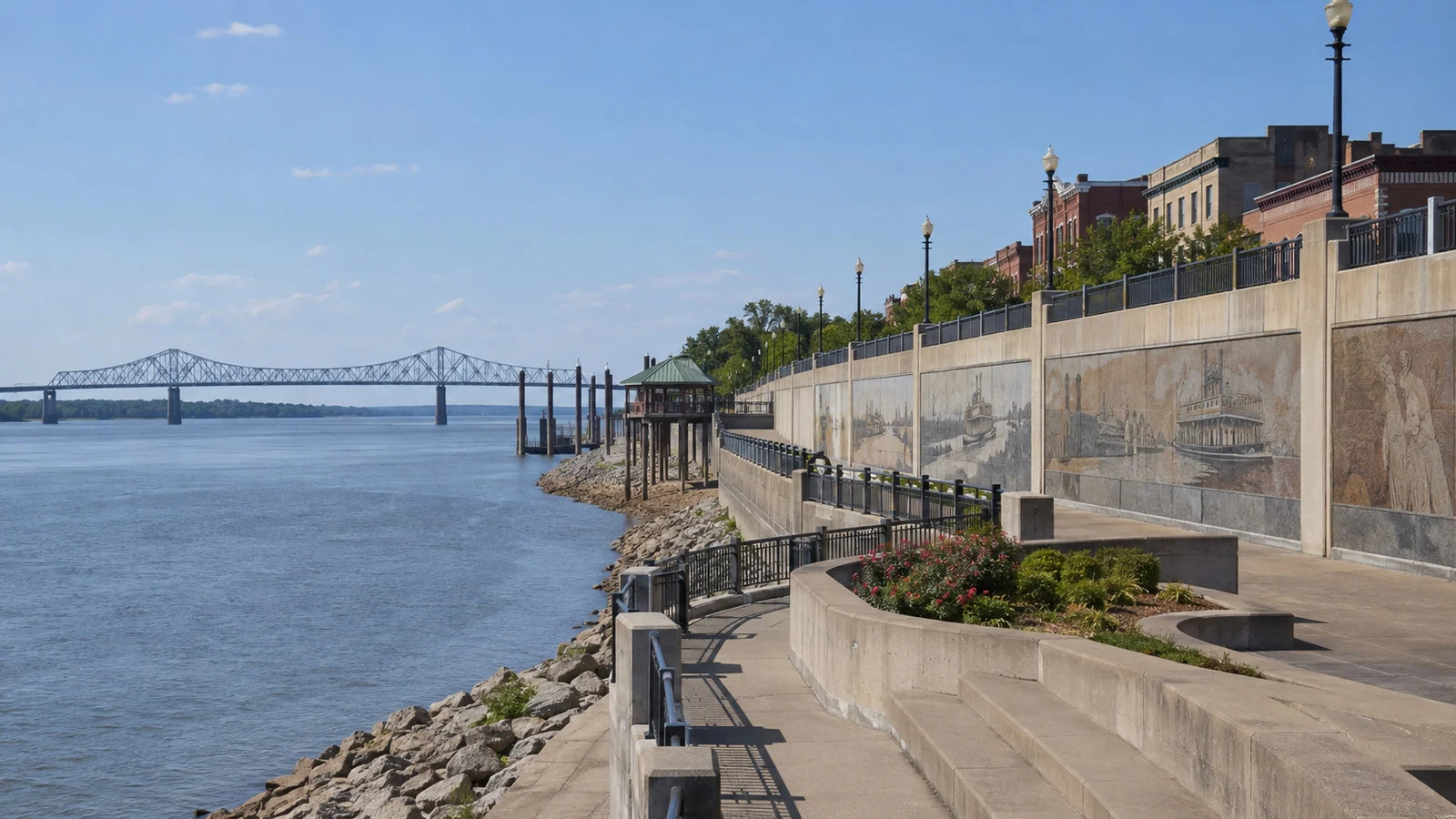
- Paducah, Kentucky: The downtown waterfront faces the Ohio River near the Tennessee confluence, and the city transient dock is not a promised commercial-cruise berth. Prioritize the National Quilt Museum and floodwall murals.
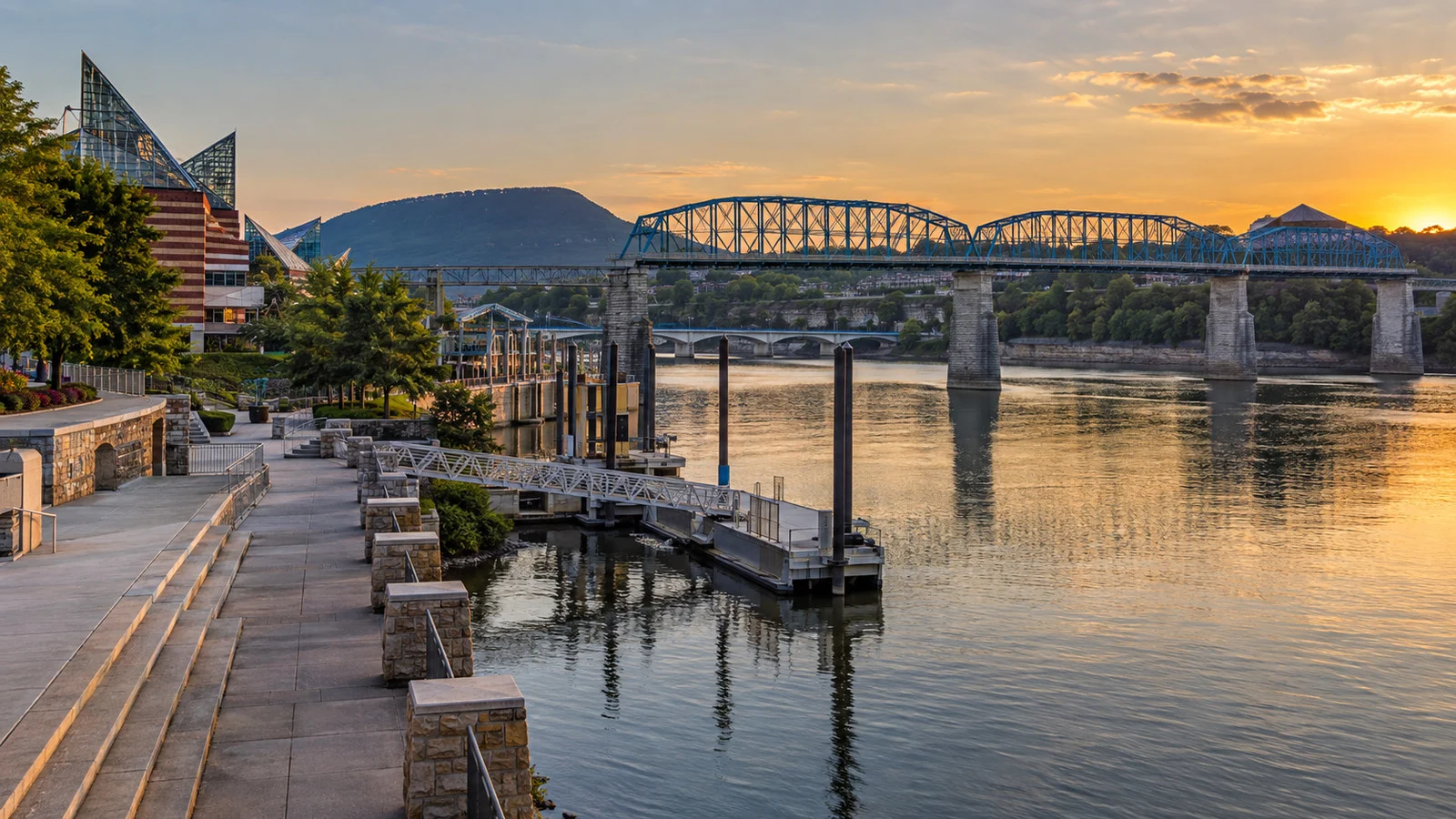
- Chattanooga, Tennessee: The useful Tennessee River district is around Ross’s Landing, but the operator supplies the final pier. The aquarium, pedestrian bridges, and Bluff View are the strongest choices.
This list describes the useful port district, not a promise that every ship uses the same gangway. Final cruise documents and onboard announcements outrank any map pin saved months earlier.
Which Rivers Does the Cruise Actually Use?
Nashville, Clarksville, and Dover sit on the Cumberland River. Chattanooga sits on the Tennessee River, while Paducah’s downtown waterfront faces the Ohio River just upstream of the Tennessee River’s mouth.
Current Nashville-to-Chattanooga itineraries can travel down the Cumberland through Lake Barkley, cross the short Barkley Canal into Kentucky Lake, and continue on the Tennessee River. Music Cities itineraries instead connect the Cumberland with the Ohio and Mississippi, which is why Paducah fits more than one route.
Locks and reservoirs make these rivers navigable, but they also create operational dependencies. Waiting in line, maintenance, high water, low water, debris, and traffic can alter the schedule without making the entire cruise impossible.
American Cruise Lines currently publishes both a 2026 Tennessee Rivers itinerary and a Music Cities itinerary. The first links Chattanooga and Nashville through Paducah, while the second lists Paducah, Dover, Clarksville, and Nashville between Memphis and the Cumberland.
Nashville River Cruise Port
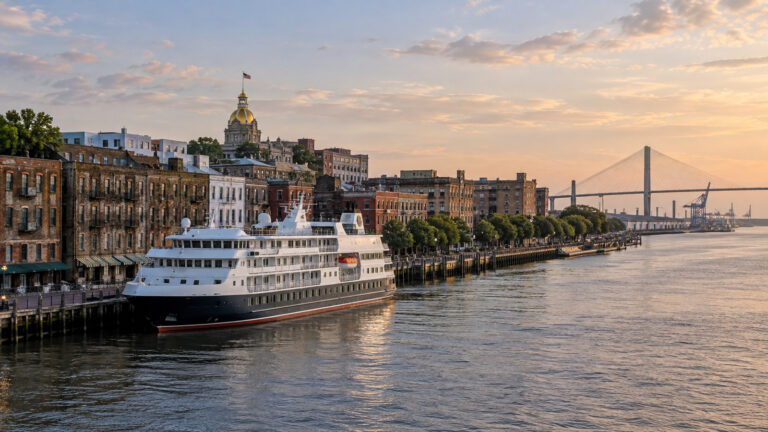
Nashville’s official municipal riverfront system includes east-bank and west-bank commercial docks on the Cumberland. The city’s current dockage page specifically says it works with American Cruise Lines and other large operators, with commercial capacity up to 325 feet.
That is excellent evidence of an active river-cruise port, but not evidence that your ship will use one particular bank. Events, closures, vessel length, river conditions, and scheduling can change the assignment.
The official Nashville riverfront dockage page also says the west-bank transient dock is currently out of commission, a detail that matters to private boaters more than cruise guests. Commercial and transient facilities are not interchangeable.
From a west-bank commercial landing, Lower Broadway and the riverfront historic area can be within roughly 5-15 minutes walking, an editorial estimate that depends on the gangway exit. An east-bank landing can require crossing the John Seigenthaler Pedestrian Bridge or using provided transport.
Fort Nashborough is the easiest riverside history stop, and Metro Nashville lists free self-guided access daily from 9 a.m. to 4 p.m. The Country Music Hall of Fame and Museum, Ryman Auditorium, National Museum of African American Music, and Broadway venues turn downtown into a choose-your-own-soundtrack problem.
Reserve timed museums or tours, especially around concerts, conventions, and football weekends. Broadway is lively during the day, but crowded sidewalks, loud interiors, and late-night drinking make awareness and a simple meeting point useful.
For embarkation, follow the cruise line’s hotel and baggage plan rather than carrying luggage directly to an assumed dock. Nashville International Airport is usually a 20-35 minute drive from downtown in ordinary traffic, an editorial estimate that can expand sharply at rush hour.
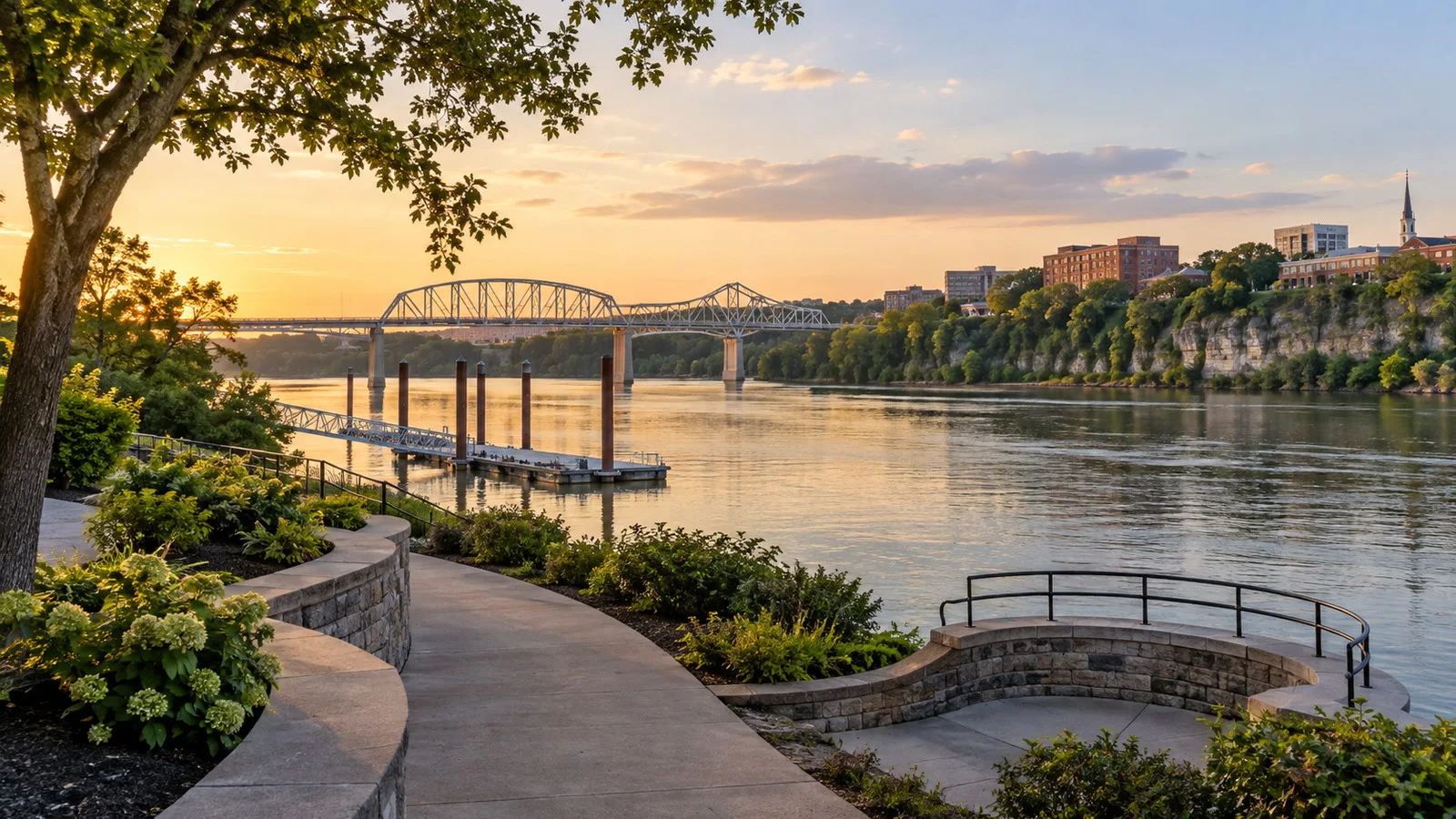
Clarksville River Cruise Port
Clarksville’s McGregor Park stretches along the Cumberland River at North Riverside Drive. The city lists a one-mile walking trail, restrooms, an accessible playground, a river-history museum, picnic areas, and a boat ramp.
The city has previously documented overnight riverboats docking at the McGregor Park ramp, so the area has genuine cruise-call history. That archived event does not guarantee the same landing in 2026, and the current itinerary or onboard announcement remains the authority.
The City of Clarksville’s McGregor Park page is useful for current amenities, not a cruise schedule. High-water advisories have closed the park and its docks before, which is exactly why river conditions belong in the day plan.
The waterfront trail and As the River Flows Museum create an easy short call. Downtown attractions such as the Customs House Museum sit inland and uphill, so allow about 20-30 minutes walking from McGregor Park or take the cruise shuttle, an editorial estimate.
Dunbar Cave State Park requires a vehicle and advance tour planning for cave access. It is a poor last-minute gamble when the ship’s departure depends on a working river schedule.
Dover River Cruise Port
Dover is a small Cumberland River call whose main purpose is Fort Donelson National Battlefield. Public sources confirm the active 2026 itinerary stop, but they do not publish one dependable cruise-ship berth that should be promised across all sailings.
Use the included motorcoach or shuttle, because the battlefield covers multiple sites rather than one compact museum. The river batteries, national cemetery, visitor center, and Dover Hotel tell different parts of the 1862 battle and surrender.
The National Park Service Fort Donelson guide says no timed entry or entrance fee is required. The visitor center and Dover Hotel are generally open 8:30 a.m. to 4 p.m., while park-road hours vary seasonally and holiday closures apply.
NPS describes the tour as self-guided by automobile and walking, with interpretive stops and parking along the route. The visitor center is accessible, but individual outdoor overlooks, paths, and motorcoach steps still need separate evaluation.
Allow at least two to three hours for a useful visit, an editorial estimate. Dover has local services, but this is not the stop for wandering away from the excursion and hoping a rideshare appears beside the battlefield.
Paducah River Cruise Port
Paducah belongs in this guide, but its downtown faces the Ohio River at mile 935, also identified by the city as Tennessee River mile zero. The city sits at the Ohio-Tennessee confluence, not several miles upstream on the Tennessee.
Paducah operates a 340-foot transient dock beside Schultz Park, yet its rules say the facility is not for commercial or charter use. Do not assume an overnight cruise ship uses that dock just because it looks perfect on a map.
The City of Paducah transient-dock page remains valuable for understanding the waterfront, seasonal utility limits, approach hazards, and nearby attractions. Your cruise operator must supply the actual commercial landing.
Once ashore in the central riverfront district, Paducah is the easiest independent stop in this group. The floodwall murals, downtown shops, LowerTown arts area, and National Quilt Museum are close enough to combine without a motorcoach when the assigned landing is central.
The National Quilt Museum’s official visitor page lists hours of 10 a.m. to 5 p.m. Monday through Saturday and 1 p.m. to 5 p.m. Sunday as checked September 12, 2026. It also lists full wheelchair access to galleries and complimentary wheelchairs.
Allow 60-90 minutes for the museum, an editorial estimate, then add the floodwall and a meal if time permits. Quilt Week and major events can increase traffic, timed-tour demand, and restaurant waits.
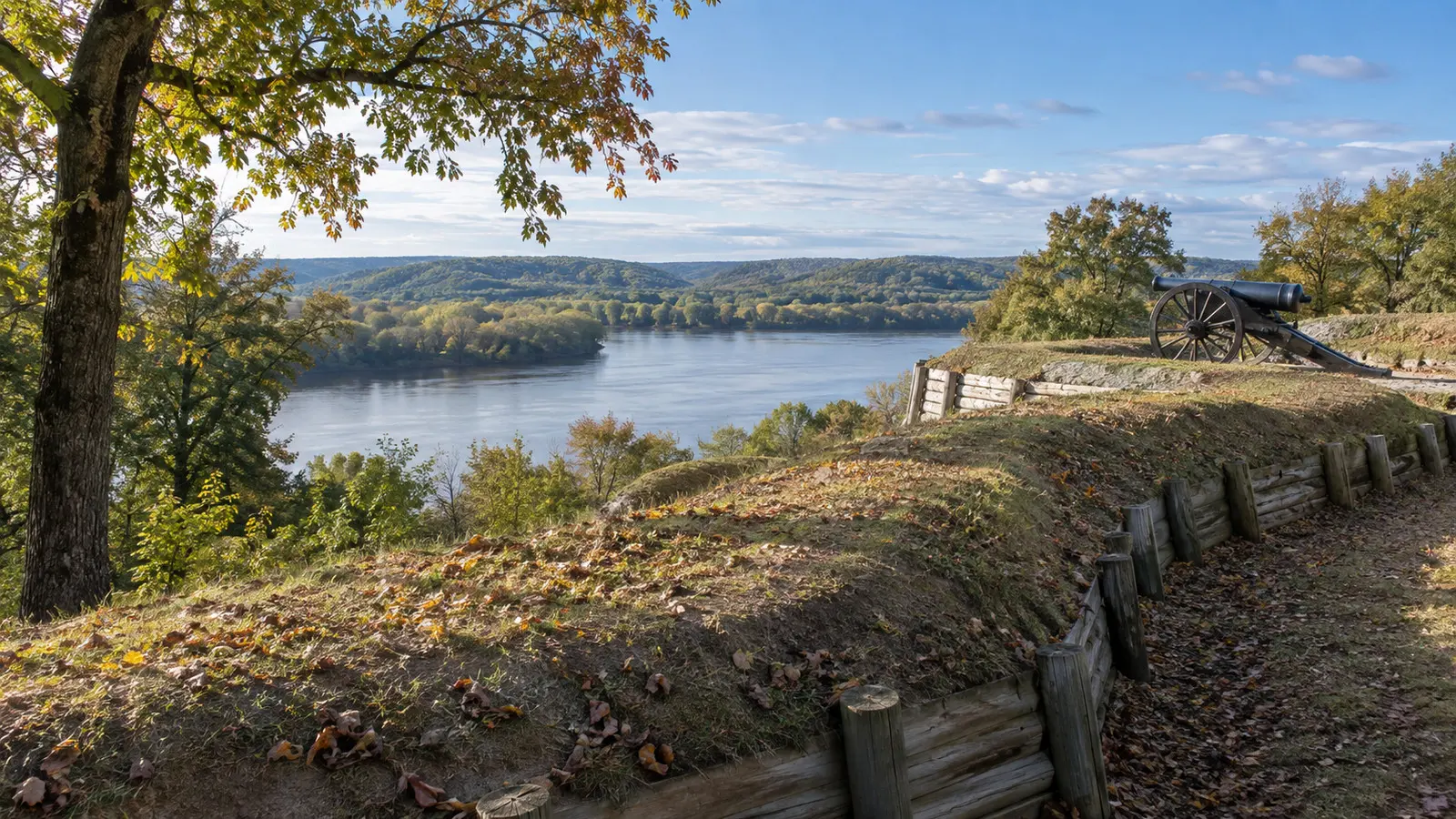
Chattanooga River Cruise Port
Chattanooga is the eastern anchor on the Tennessee River, and current 2026 itineraries use it as an embarkation or disembarkation city. Ross’s Landing is the downtown riverfront focus, but the final operator paperwork should identify the precise pier and baggage process.
The City of Chattanooga’s Ross’s Landing page lists a river pier, marina, boat launch, broad walkways, an accessible playground, and the Tennessee Aquarium beside the park. This is a far more walkable arrival than an industrial berth, assuming the ship uses the central landing.
The aquarium is the obvious half-day choice, while the Walnut Street pedestrian bridge, Hunter Museum area, and Bluff View Art District suit an independent walk. Riverfront grades and bridge approaches can add effort even when distances look small.
Lookout Mountain attractions, Chickamauga and Chattanooga National Military Park, and the Tennessee Valley Railroad Museum require transport and more time. Choose one excursion cluster rather than stacking a mountain, battlefield, train, and aquarium into a single farewell morning.
Chattanooga Metropolitan Airport is usually about 20-30 minutes from downtown by road, an editorial estimate. Remember that Chattanooga uses Eastern Time while Nashville and the other ports in this guide use Central Time, so flight planning receives one last little geography quiz.
Accessibility Across These River Ports
A vessel may have elevators and accessible cabins while the gangway remains steep because of river level. Floating docks, bank stairs, rafting, motorcoach steps, uneven battlefield paths, and long museum routes must be checked call by call.
Ask whether each stop uses a fixed dock, floating dock, or alternate landing, and whether the operator can carry your mobility device. Also confirm the distance from motorcoach drop-off to the entrance, accessible restrooms, seating, and the number of unavoidable steps.
Paducah’s central museums and Chattanooga’s Ross’s Landing district offer strong documented options, while Fort Donelson’s vehicle-based tour can reduce walking. Our river cruise accessibility guide gives a fuller checklist for ships and shore excursions.
Where Independent Exploring Works Best
Paducah is the simplest independent day when the ship lands centrally because its museum, murals, restaurants, and shops cluster near the river. Chattanooga also works well on foot around Ross’s Landing, the aquarium, Walnut Street Bridge, and Bluff View.
Downtown Nashville is wonderfully walkable after reaching the correct bank, although reserved museum entries and event crowds reward planning. Clarksville offers an easy riverwalk, but uphill sights need more time or transportation.
Dover is the call to take the organized excursion, since Fort Donelson’s stops spread across roads and historic ground. At every port, confirm whether the ship moves during excursions and whether guests rejoin at the same landing.
Weather, River Conditions, and Safety
Spring can bring heavy rain and high water, while summer is hot, humid, and storm-prone. Fall is usually milder, but fog, dry spells, remnants of tropical systems, and rapidly changing fronts can still affect navigation.
Locks may create delays even in pleasant weather, and commercial tow traffic has priority and momentum. Follow crew instructions near gangways and never step around a closed dock gate for a better photo.
Wear grippy shoes, carry water, and bring rain protection. In entertainment districts, use normal city awareness, keep valuables controlled, and use reputable transportation after dark.
Travelers connecting through Memphis or the Mississippi can continue with our Mississippi River cruise ports guide. Our United States cruise ports guide puts these inland calls in the broader small-ship network.
How this guide was researched: This desk-researched guide uses American Cruise Lines itineraries, municipal dock and park pages, the National Park Service, and official attraction sources. It separates public waterfront facilities from confirmed commercial cruise berths and does not claim a firsthand visit.
Logistics and time-sensitive details were reviewed on September 12, 2026; walking, driving, and visit times are labeled as estimates. See our Editorial Policy.