Tasiilaq Cruise Port: A Cruiser’s Guide to East Greenland’s Iceberg Coast
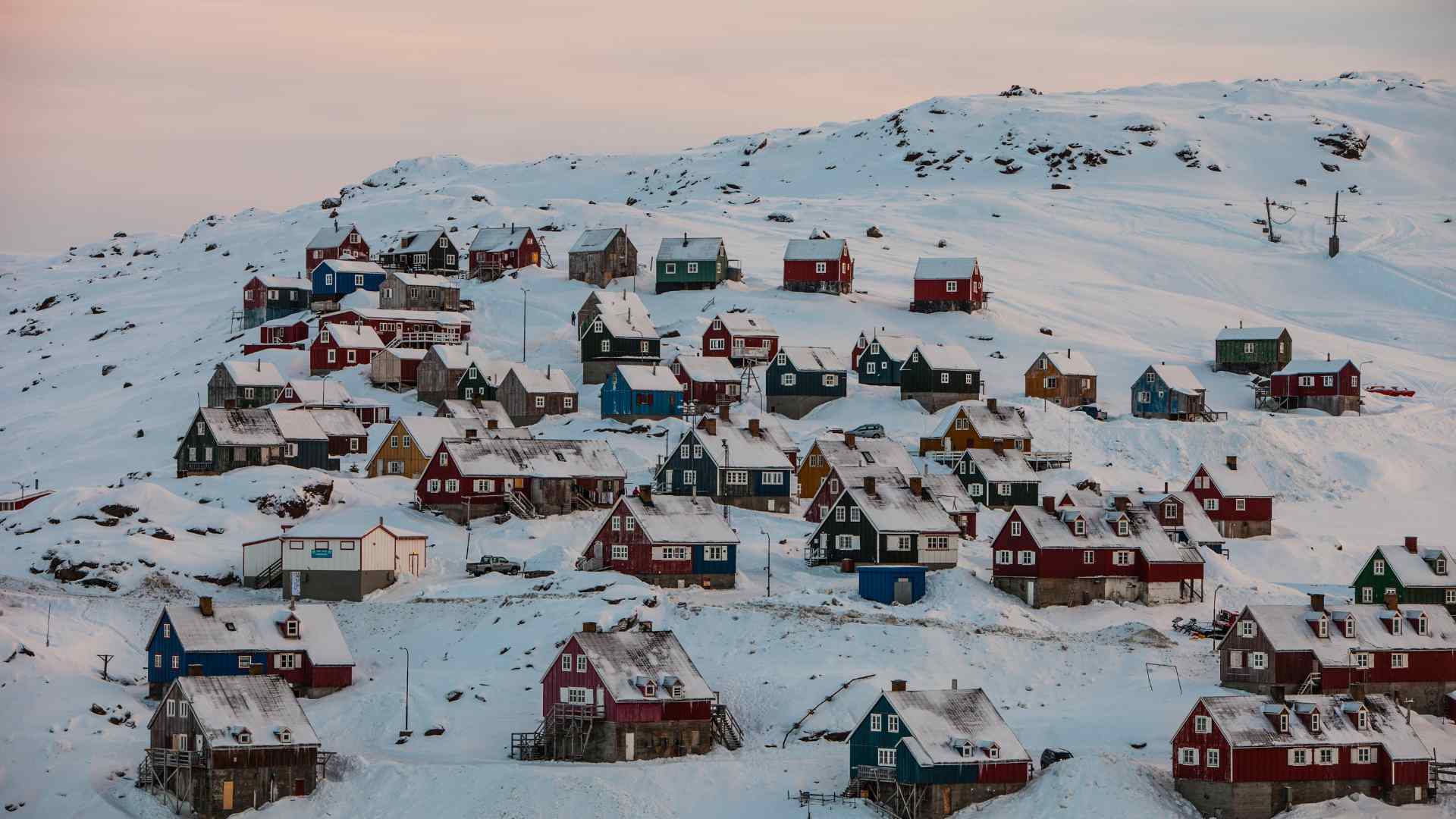
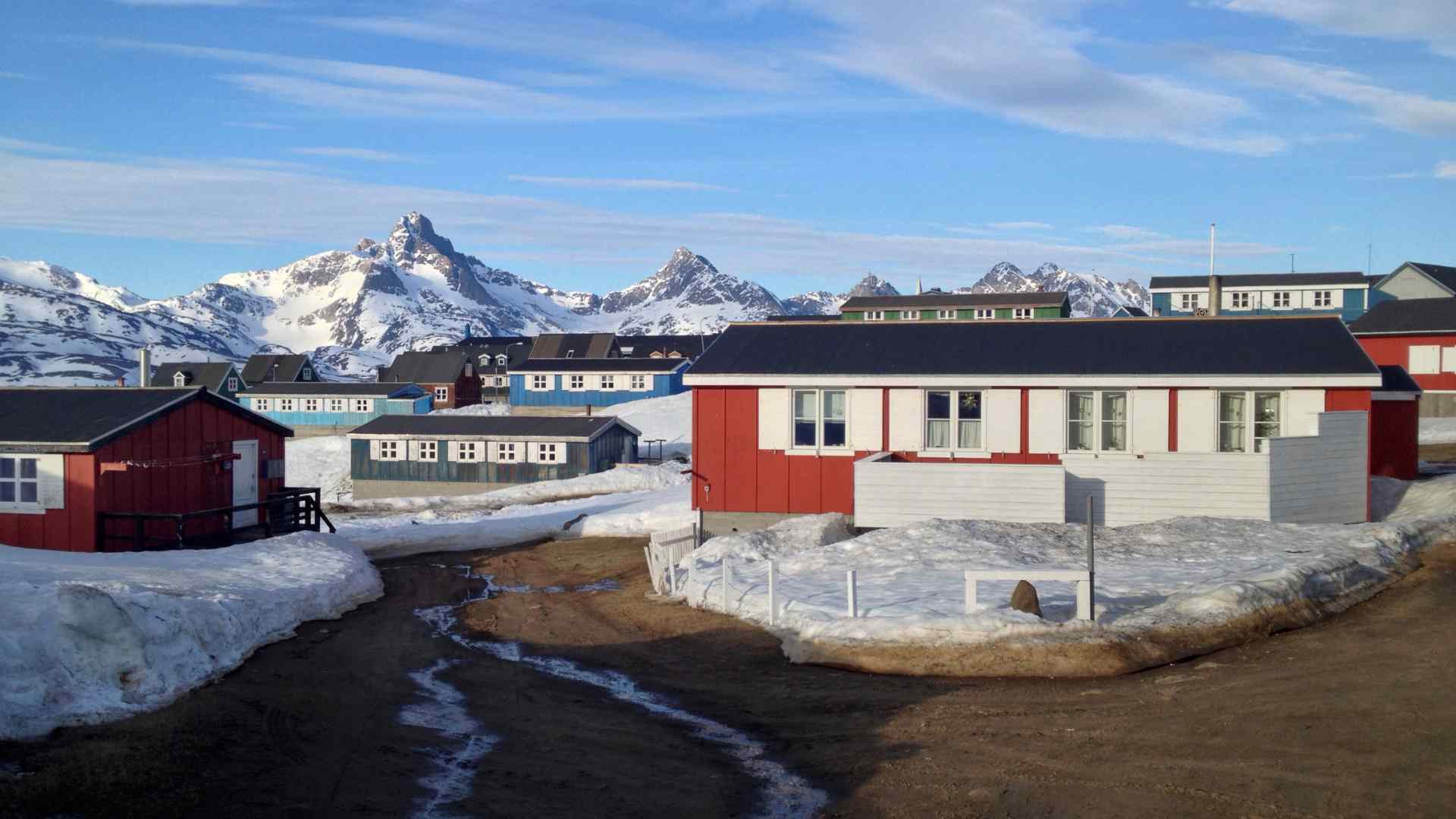
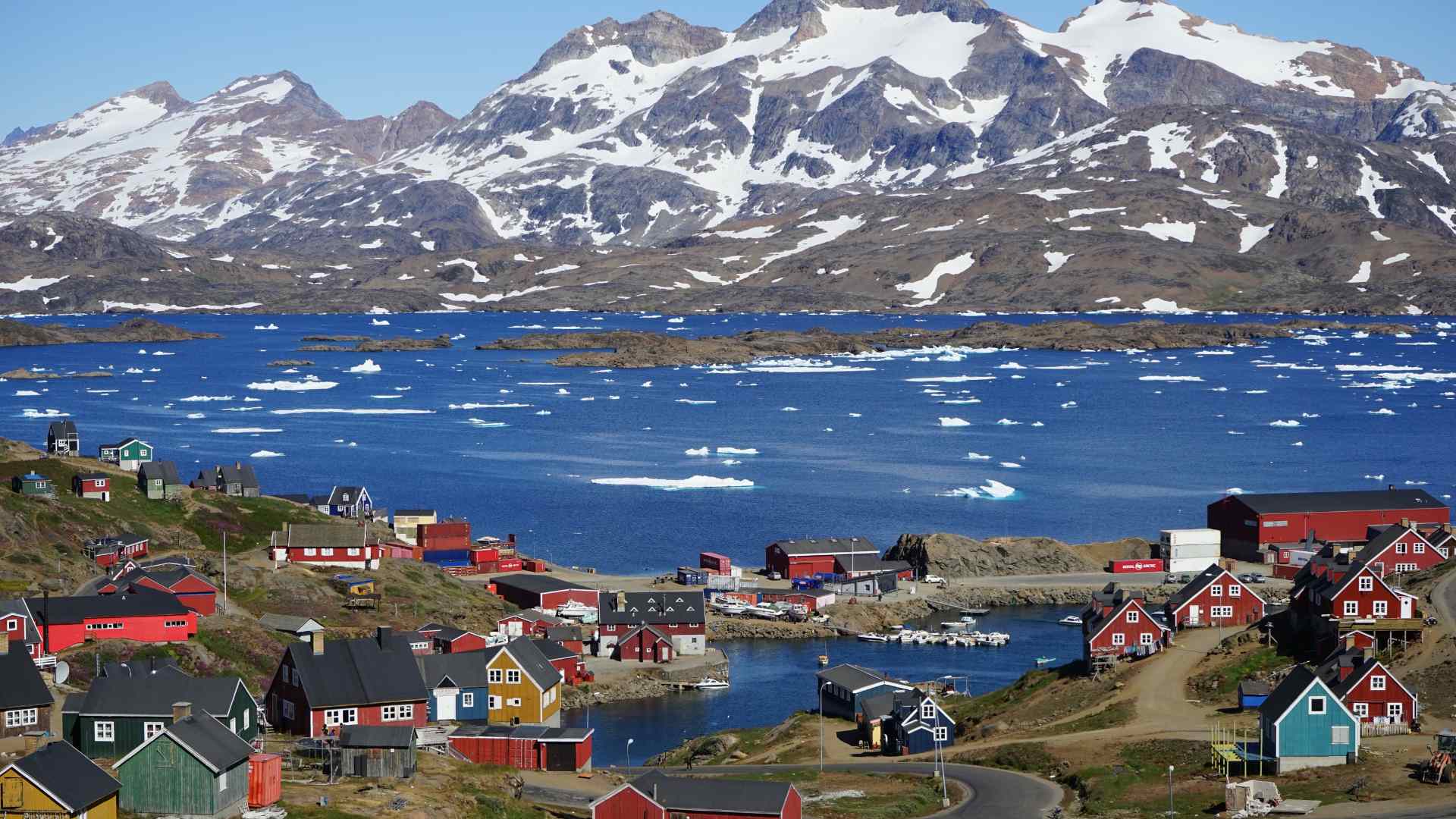
Tasiilaq is East Greenland’s largest town, yet it remains a small, hilly place reached by sea in summer and air through Kulusuk. Painted houses rise above a harbor where ice, fog, wind, and local operations decide what a cruise day can become.
The town, museum, artisan workshop, and Flower Valley can reward a simple visit. Boat trips and longer hikes require qualified local planning, while any expedition landing or small-craft operation remains conditional.
Lock the operating plan before you leave the ship
Visit Greenland says self-guided hiking is limited because a polar-bear encounter is a small but real possibility, and it strongly recommends a locally qualified guide with appropriate safety and navigation equipment for routes farther afield. Stay on the expedition team’s approved town route and do not copy another group’s landing or hiking plan.
Town: best after a delayed landing, with the museum, artisan workshop, church exterior, harbor, and approved viewpoints providing a complete visit.
Flower Valley: use only the current recommended route, share a turnaround time, carry an offline map, and return if fog or animal advice changes.
Boat trip: book through the ship or a recognized local provider and confirm flotation gear, enclosed shelter, boarding steps, toilet, ice limits, and cancellation terms.
Remote hike or glacier activity: requires a qualified local guide, suitable clothing and footwear, participant screening, emergency communication, and explicit ship-timing approval.
Tasiilaq has a hospital, but advanced care or evacuation can be weather dependent and very far from the ship’s next port. Bring essential medication ashore, declare medical and mobility limits honestly, and carry insurance that covers expedition activities and evacuation rather than assuming the cruise fare does.
Let the expedition team define the arrival
Tasiilaq is not a conventional cruise terminal with one guaranteed berth. Ships may anchor and use tenders or Zodiacs under arrangements that depend on vessel, ice, weather, harbor activity, and operator coordination.
Read the daily program for the landing place, group call, personal flotation device, first and last boats, and any local excursion meeting point. Announcements on the morning override an itinerary printed months earlier.
Fog, wind, swell, and floating ice can pause or cancel boat transfers. Leave a generous return buffer and carry the ship’s contact information when ashore.
Connectivity varies by business too, and do not assume cash withdrawal will be convenient during a short call.
There is no road connection from Tasiilaq to other Greenlandic towns. Summer movement beyond the settlement is by boat or air, which makes independent improvisation a poor substitute for a confirmed local operator.
The CruisePorts.co tender guide provides general small-boat context. Expedition craft, cold-water gear, polar conditions, and local instructions add requirements that an ordinary Mediterranean tender does not.
Tasiilaq Cruise Port Quick Facts
- Where you land: there is no cruise berth. Ships anchor in Kong Oscar Havn, the bay in front of the town, and land people by tender or Zodiac at the tourist pontoon in the harbor. The small Atlantic Quay is far too short for a cruise ship. Visit Greenland’s Tasiilaq guide is the best source for what is open ashore.
- Dock or tender: Ships normally use tenders or Zodiacs when an authorized landing operates; ice, weather, harbor activity, and local coordination can also make the call scenic-only or cancel it.
- Into town: You land in the town, so there is nothing to travel.
- Currency and language: The Danish krone and Greenlandic; the local East Greenlandic form is Tunumiisut.
- Time zone: West Greenland Summer Time (WGST, UTC−1) during the cruise season, WGT (UTC−2) in winter.
- Weather and operations: This is an exposed expedition landing, so fog, ice, wind, and harbor coordination can delay or cancel tender operations.
A town day is not a consolation plan
Tasiilaq climbs steeply from the water on roads, gravel, steps, and paths. Begin slowly, note the return route, and let the harbor view improve as altitude does its persuasive work.
Visit Greenland’s Tasiilaq guide recommends the museum, artisan workshop, church, bay, Flower Valley, conservation area, and local viewpoints. These give the town day enough substance without inventing an independent wilderness expedition.
Stunk, the artisan workshop, offers a chance to see local carving and purchase work directly when open. Ask the maker or seller about material, authorship, export restrictions, and care rather than treating every figure as an interchangeable souvenir.
East Greenlandic tupilak figures have cultural and artistic context that deserves explanation. Buying from recognized local makers supports the community and gives the object a story more accurate than whatever a distant gift shop might invent.
Tasiilaq’s modern church is another quiet central stop when no service or private event is underway. Ask before photographing interiors or people, and give worshippers the space owed in any living religious building.
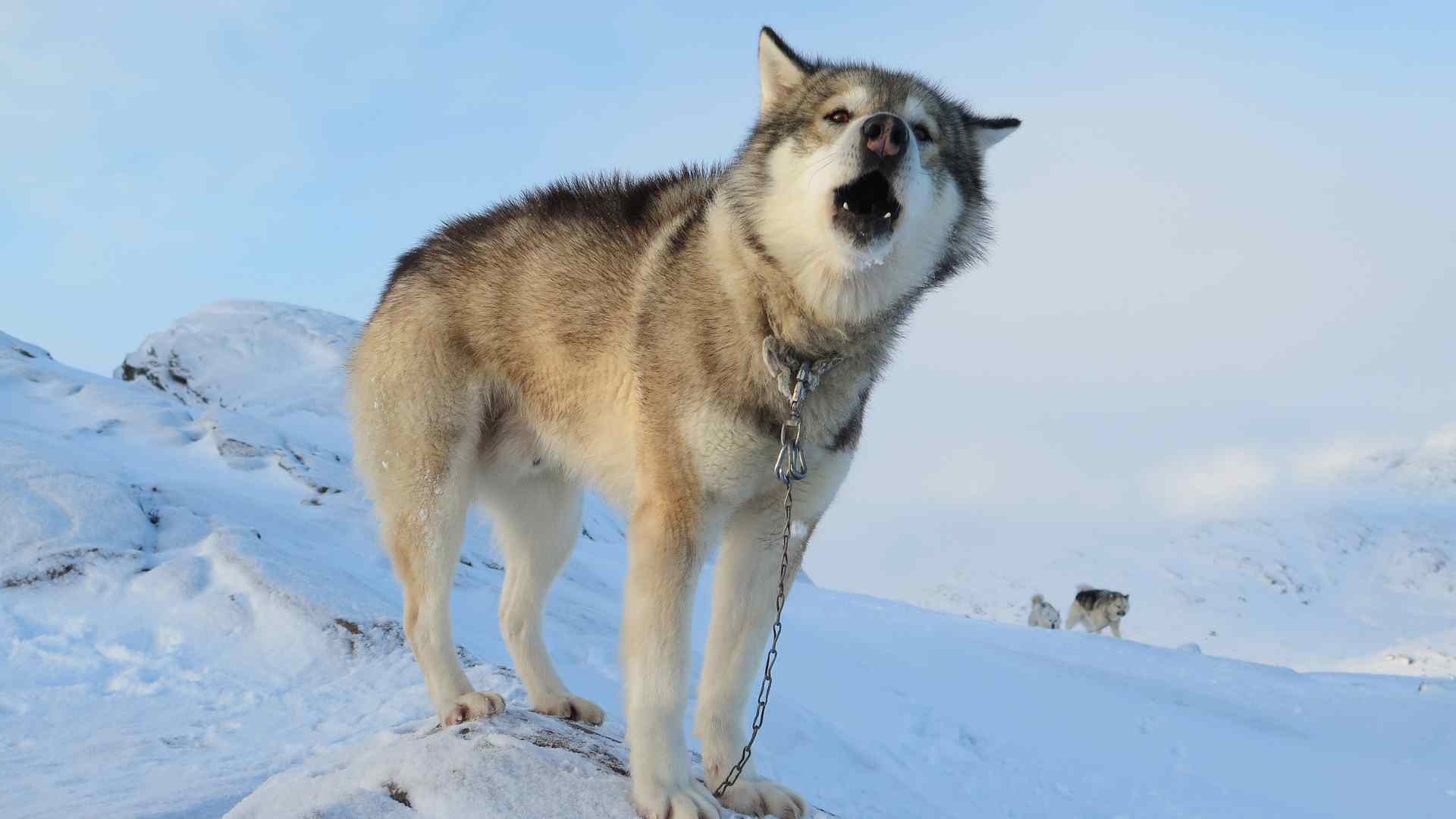
Harbor and upper-town viewpoints can reveal houses, mountains, water, and drifting ice in one frame. Stay on public routes, respect private homes, and never enter dog areas or approach chained sled dogs.
Sled dogs are working animals, not a public petting display. Keep distance, control children, and follow local warnings even if a dog looks calm.
This plan is flexible when marine excursions fail. Its downside is steep terrain and limited indoor space, so cold rain may shorten even a modest loop.
Ammassalik Museum deserves real time
The official Ammassalik Museum listing places the museum in Tasiilaq’s first church, consecrated in 1908. It opened as a museum in 1990 and the building was later listed.
The permanent exhibition includes East Greenlandic masks, tupilak figures, works by local artists, kayaks, sleds, and decorated utility objects. A reconstructed peat-walled house and traditional umiaq may also form part of the summer experience, subject to current access.
Check opening information directly because a cruise arrival does not guarantee that every component is available. Small museums can have limited staffing or event-related changes.
The collection should frame the rest of the day, especially hunting, travel, art, housing, and the maritime knowledge required in this environment. Move slowly enough to read interpretation rather than treating artifacts as atmospheric props.
Ask permission before photographing where rules are unclear. Sensitive cultural objects, temporary exhibitions, and other visitors deserve more consideration than a camera’s default setting.
The museum is near the harbor compared with upper viewpoints, but Tasiilaq remains hilly and surfaces can be uneven. Contact the museum or excursion team for current mobility details.
Flower Valley is the sensible independent walk
Visit Greenland lists Flower Valley among the safer self-guided options close to Tasiilaq. It offers streams, lakes, seasonal plants, mountain views, and a route that stays tied to town rather than pushing deep into trail-free terrain.
“Safer” does not mean effortless or risk-free. Weather changes rapidly, path conditions vary, navigation can become difficult in fog, and hikers need appropriate footwear, layers, water, and turnaround discipline.
Tell somebody the plan and return time, use current local advice, and keep the walk inside the ship’s schedule. Do not rely solely on a phone whose battery and map may dislike cold and poor connectivity.
The route length should be chosen after asking about current conditions. Snow, mud, stream levels, maintenance, and construction can affect what a guidebook described last year.
Flowers vary through the short Arctic summer, so the valley does not promise a particular botanical display. The broader reward is a close landscape walk from town without needing a boat.
Visitors who want a more ambitious hike should hire a qualified local guide. The small but real polar-bear risk and trail-free terrain are explicit reasons not to wander independently beyond recommended areas.
The polar-bear sentence matters
Visit Greenland states that self-guided hiking is limited by the small but real chance of encountering a polar bear. Take that literally, follow local recommendations, and do not frame a sighting as an exciting objective for a walk.
Never leave the recommended town-adjacent routes because another passenger says bears are unlikely. Probability is not the same thing as safety planning, and local expertise outranks confidence acquired over breakfast.
Guides may carry safety equipment and use local knowledge of terrain, animals, ice, and weather. Guests must still follow group spacing, clothing, and instructions rather than assuming the guide makes every personal choice harmless.
If an expedition leader or local authority closes a route, the closure ends the discussion. A museum and harbor walk are infinitely better than becoming the day’s emergency briefing.
The CruisePorts.co Northwest Passage guide offers wider Arctic expectations, though East Greenland has its own communities, language, geography, and operating context. Treating every northern call as interchangeable erases what makes Tasiilaq worth visiting.
Boat trips need local control
Summer excursions may explore nearby fjords, ice, glaciers, settlements, or wildlife habitat. Routes depend on ice, visibility, wind, sea, vessel, and operator, so no specific destination should be treated as guaranteed.
Book through the ship or a recognized local provider whose departure and return match the call. Ask about cabin shelter, toilet, flotation gear, boarding steps, cold-weather clothing, group size, and cancellation policy.
Icebergs can roll, break, and shed pieces, while glacier fronts can calve. The skipper controls distance, and passengers should never encourage a closer approach for photographs.
Whales, seals, and seabirds may be seen without being promised. Ethical operators observe quietly, avoid chasing wildlife, and let animals control the encounter.
A visit toward Sermilik or a neighboring settlement can consume most of the call. Choose one boat excursion and leave the town or Flower Valley as a modest addition rather than planning two remote trips.
Weather can cancel after the group has geared up. Accept the decision promptly and pivot to the museum, workshop, church, and viewpoints, because safety is not an optional enhancement to the tour.
Three realistic versions of the call
Three hours
Visit Ammassalik Museum if open, stop at the artisan workshop, and take a careful harbor or town viewpoint loop. Remain close enough to adjust quickly if tender operations change.
This is a true Tasiilaq day, not a reduced version of a boat tour. Cultural context and town geography can fill the short window well.
Five to six hours
Choose a short operator-confirmed boat excursion or a guided nature walk, then add the museum. Keep enough spare time for changing ice and a slow tender rotation.
Independent walkers can substitute an appropriately sized Flower Valley route after taking current advice. Turn around by time, not by the next attractive bend.
A full expedition day
Take one major locally operated fjord outing, then spend remaining time in town. Do not expect a village transfer, glacier approach, wildlife sighting, museum, and long hike to coexist neatly.
The CruisePorts.co best tender ports guide helps compare other boat-based arrivals. Tasiilaq is less easy than many because ice, Arctic weather, polar-bear context, and steep ground all matter.
Accessibility and practical comfort
Tender or Zodiac transfer can involve a moving platform, steps, tube crossing, and cold exposure. Ask the cruise line about weight-bearing requirements, wheelchair handling, assistance, and the specific vessel before booking.
Town roads are hilly, with gravel, steps, variable surfaces, and limited curb infrastructure. A local vehicle or tour may reduce climbing if available, but it must be arranged rather than assumed.
The museum occupies a historic building and related summer structures have their own thresholds and surfaces. Contact the provider for current access and toilet details.
Dress in layers with waterproof and windproof outer clothing, warm hat, gloves, and sturdy shoes. Even a mild air temperature can feel much colder in wind or a small boat.
Carry essential medication, water, and a protected phone, but travel light enough to board safely. There are fewer facilities than in a conventional port, and public restrooms or cafes cannot be assumed along a walking route.
My verdict
First-time visitors should pair Ammassalik Museum and the artisan workshop with either Flower Valley or one recognized boat trip. Choose the land option for flexibility and the boat for bigger fjord scenery, while accepting that weather gets the final vote.
Do not hike beyond recommended town routes without a qualified local guide. Tasiilaq rewards curiosity, but it deserves the kind that listens before setting off uphill.
How this guide was researched: Unless a first-hand visit is explicitly identified above, this guide is based on independent research using official port, tourism, transit, government, and attraction sources where available. Logistics and time-sensitive details were reviewed September 11, 2026; see our Editorial Policy.