Haines Cruise Port: Eagles, Fort Seward & Real Alaska
Haines feels different from Alaska’s busiest cruise ports almost immediately. The mountains press close to the water, the town still moves at local speed, and a walk from the ship can lead into Fort Seward history rather than a corridor of matching souvenir stores.
Its quiet scale does not mean the day plans itself. Eagle habitat, bear viewing, river trips, ferries, and glacier excursions all depend on season, weather, transport, and wildlife behavior, so one carefully chosen experience beats a rushed checklist.
Quick Facts
- State: Alaska, United States
- Main cruise berth: Port Chilkoot Dock near Fort Seward
- Town access: Walkable for active visitors, with local transport varying by call
- Currency: United States dollar
- Language: English
- Signature wildlife: Bald eagles, with the largest gathering later in the year
- Top historic area: Fort William H. Seward
- Main excursion corridor: Haines Highway and the Chilkat Valley
- Best planning rule: Choose one outdoor priority and keep a weatherproof town backup
Where cruise ships dock
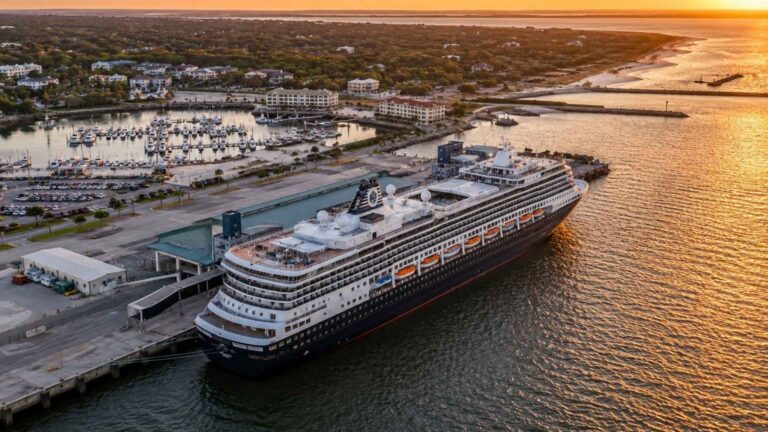
Many cruise calls use Port Chilkoot Dock below the Fort Seward historic district. The gangway position and port route vary with tide, vessel, and operations, so follow the signs and crew directions for the day.
This is normally a docked call rather than a tender port. Smaller vessels and marine services may use other facilities, which makes the current berth notice more reliable than a generic map.
Walking into Haines
Active visitors can walk from the cruise dock through Fort Seward and toward the downtown center. The route includes grades and weather exposure, while exact distance depends on the berth exit and destination.
A local shuttle may operate for some ship calls, but service should never be assumed. Confirm stops, hours, accessibility, and the final return before relying on it.
Fort William H. Seward
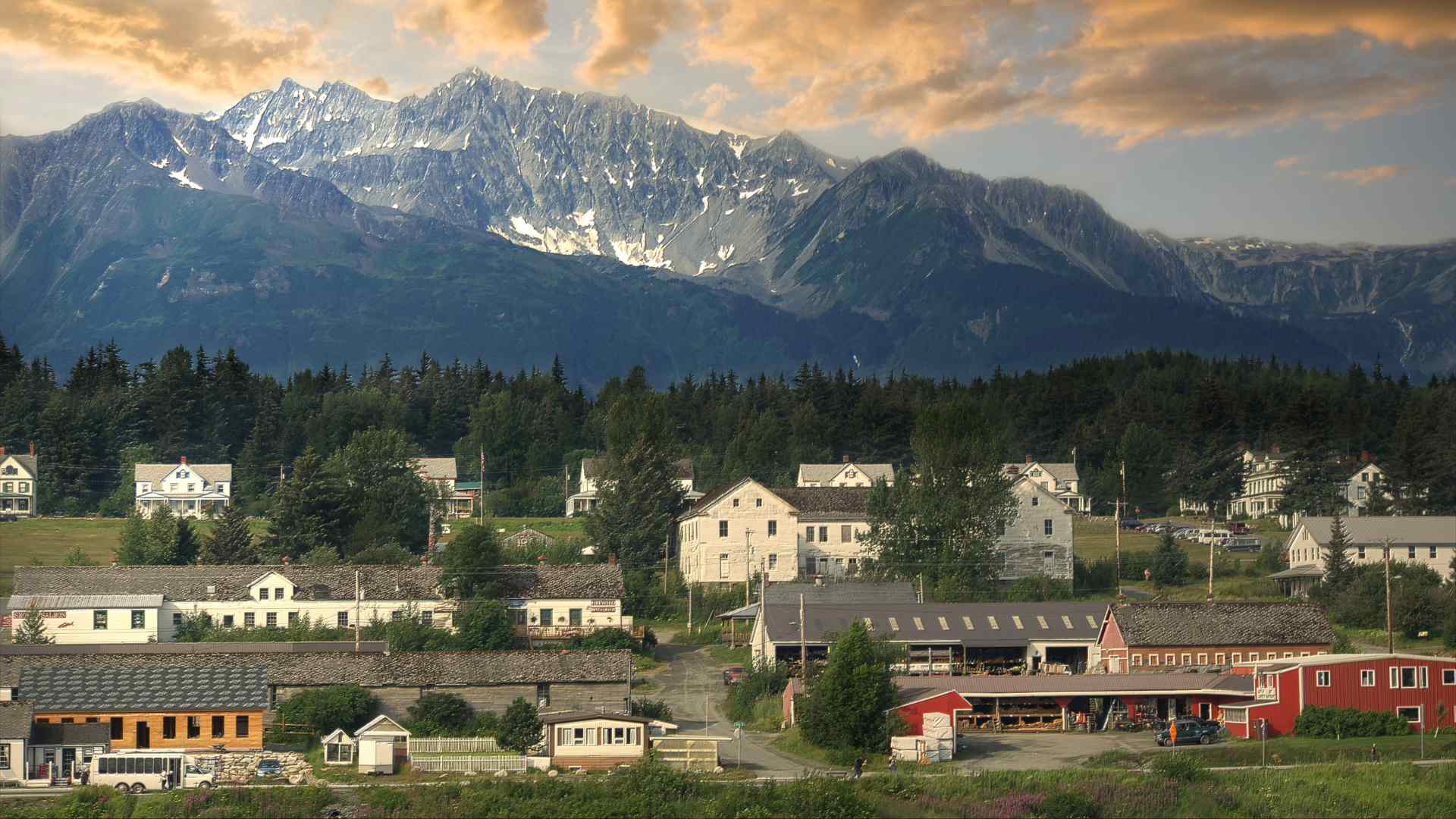
Fort Seward occupies the hillside above Port Chilkoot and preserves officers’ houses, barracks, parade grounds, and other traces of an early United States Army post. Today the district blends history with homes, lodging, studios, and businesses.
It is not a single gated museum with one admission. Walk respectfully on public routes, remember that some buildings are private, and use local interpretation to understand what you are seeing.
A gentle first hour
Fort Seward is a smart place to begin because it is close to the berth and easy to shorten. Explore the public area, enjoy the views, then decide whether weather and energy support continuing downtown.
Roads and lawns may be uneven or steep. Travelers with limited mobility should ask the visitor center about the smoothest current route.
Downtown Haines
Haines has a compact center with cafes, local shops, galleries, visitor services, and museums. It feels more like a working Southeast Alaska community than a large cruise complex.
Opening hours can be seasonal and several businesses may close earlier than a cruise schedule suggests. Check current hours before saving shopping or a museum for the end of the day.
Sheldon Museum and Cultural Center
The Sheldon Museum interprets the Chilkat Valley through Indigenous, social, artistic, and community history. It is a valuable stop for understanding that Haines is far more than a wildlife gateway.
Confirm current opening hours, exhibitions, and access arrangements directly. Small museums can alter schedules for staffing, events, or seasonal transitions.
Hammer Museum
The Hammer Museum is exactly what its name promises, with tools and stories drawn from trades, industry, domestic life, and inventive problem solving. Its unusual focus makes it an engaging rainy day stop.
Check the current season and admission information. The museum can be combined with a downtown meal without creating a difficult transport plan.
American Bald Eagle Foundation
The American Bald Eagle Foundation provides interpretation related to bald eagles, natural history, and the region’s wildlife. Program format, animal care, exhibits, and public hours should be verified through the organization.
A facility visit is not the same as seeing a wild eagle in the preserve. It can still provide the context needed to observe wildlife more responsibly outdoors.
Alaska Chilkat Bald Eagle Preserve
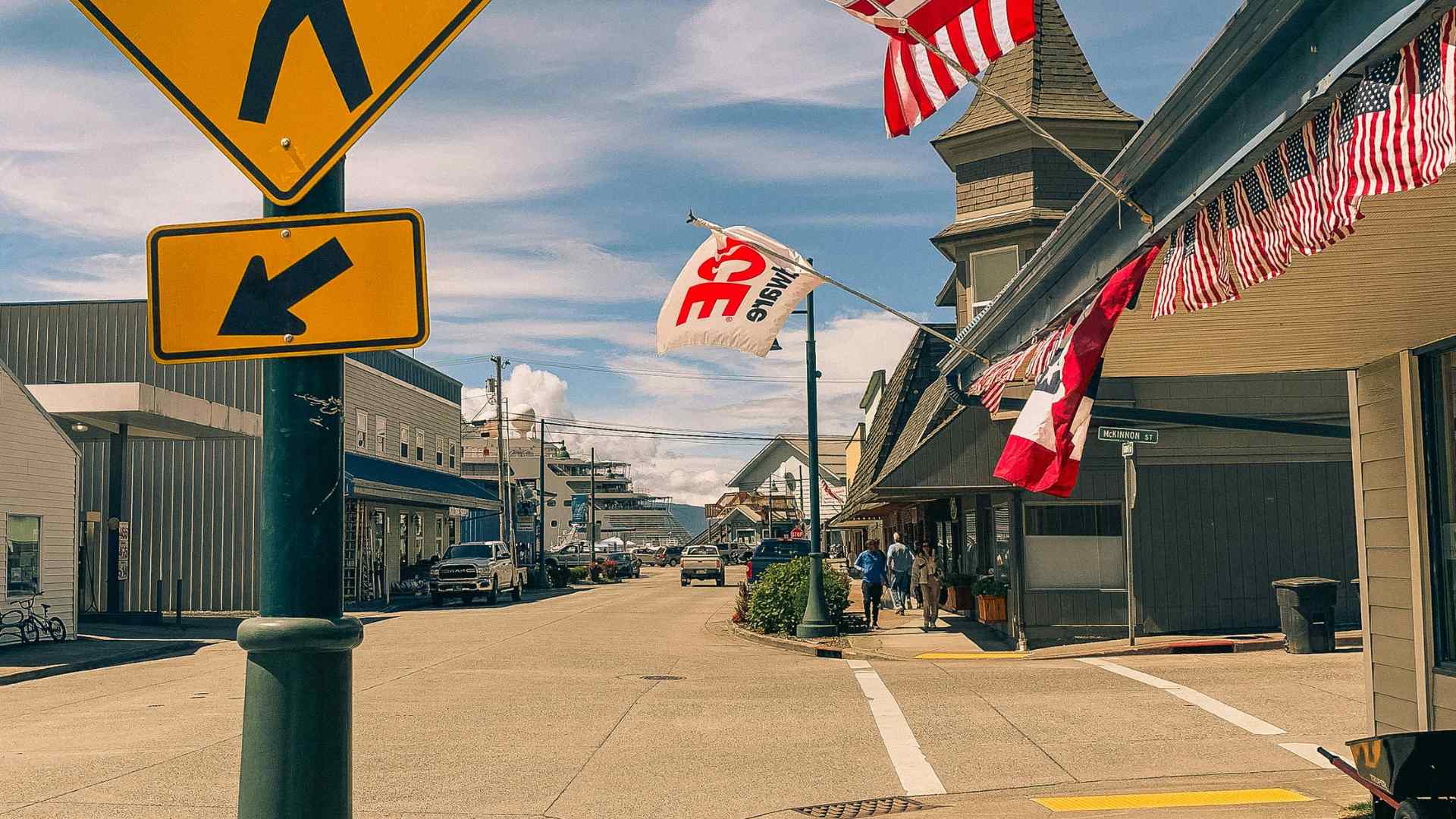
The Alaska Chilkat Bald Eagle Preserve protects river habitat along the Chilkat, Klehini, and Tsirku systems north of Haines. The area’s open water and salmon runs support an extraordinary eagle concentration later in the year.
Most summer cruise visitors should expect eagles rather than the immense autumn gathering shown in seasonal photographs. Wildlife numbers change with food, water, weather, and migration.
How to visit
The preserve covers a broad landscape rather than one fenced viewing enclosure. Guided river trips, wildlife tours, and vehicle routes along Haines Highway provide different perspectives.
Use established pullouts and operator access, never stop unsafely on the highway, and keep out of sensitive river areas. Binoculars produce a better encounter than trying to move closer.
Photography etiquette
Use a long lens, keep voices low, and let the bird control the distance. Do not bait, call, crowd, or approach a nest.
A perched eagle may take flight because of your presence even when it does not appear distressed. Back away at the first sign of changed behavior.
Chilkat River rafting
A guided float through the Chilkat Valley can combine braided river scenery, eagle habitat, and views that cannot be reached on foot. The experience is usually calmer than whitewater rafting, but cold water and shifting channels still require professional operation.
Ask about flotation, waterproof gear, seating, restroom stops, mobility requirements, and how guests enter the raft. Wildlife sightings remain possibilities rather than guarantees.
Chilkoot River and Chilkoot Lake
The Chilkoot corridor north of town is known for water, salmon, eagles, and seasonal bear activity. It is also a sensitive area where vehicles, anglers, photographers, and wildlife may compete for limited space.
Visit with a guide or current local safety information, obey closures, and never approach a bear. Keep food controlled, remain out of the animal’s travel path, and follow Alaska wildlife guidance.
Bear viewing reality
A bear can appear quickly near riverbanks or vegetation, and a crowd does not make the situation safe. Stay inside the location directed by a qualified guide and retreat calmly if instructed.
Do not stop traffic, surround an animal, or move closer for a phone photograph. If no bear appears, the guide has still protected the habitat by refusing to manufacture an encounter.
Davidson Glacier
Davidson Glacier excursions may combine road transport, boat travel, paddling, or walking depending on the operator. The route, distance from the ice, and activity level differ substantially between products.
Read the complete description for boat transfers, cold exposure, beach landing, and uneven surfaces. Glaciers are dynamic environments, and operators must adjust to weather and water conditions.
Kroschel Wildlife Center
The Kroschel Wildlife Center is a privately operated wildlife experience outside town that is commonly offered through guided tours. It requires road transport and should be evaluated by current operating information, animal welfare practices, accessibility, and time at the site.
Do not assume walk up admission or immediate taxi availability. Confirm the reservation and return arrangement before leaving the cruise dock.
Klukwan and Tlingit culture
Klukwan is a Tlingit community in the Chilkat Valley with deep cultural and artistic traditions. Visitor experiences should be arranged through authorized local programs that control access, timing, photography, and interpretation.
A community is not an open air attraction. Follow host guidance, ask before photographing people or cultural objects, and support local artists respectfully.
Haines Highway
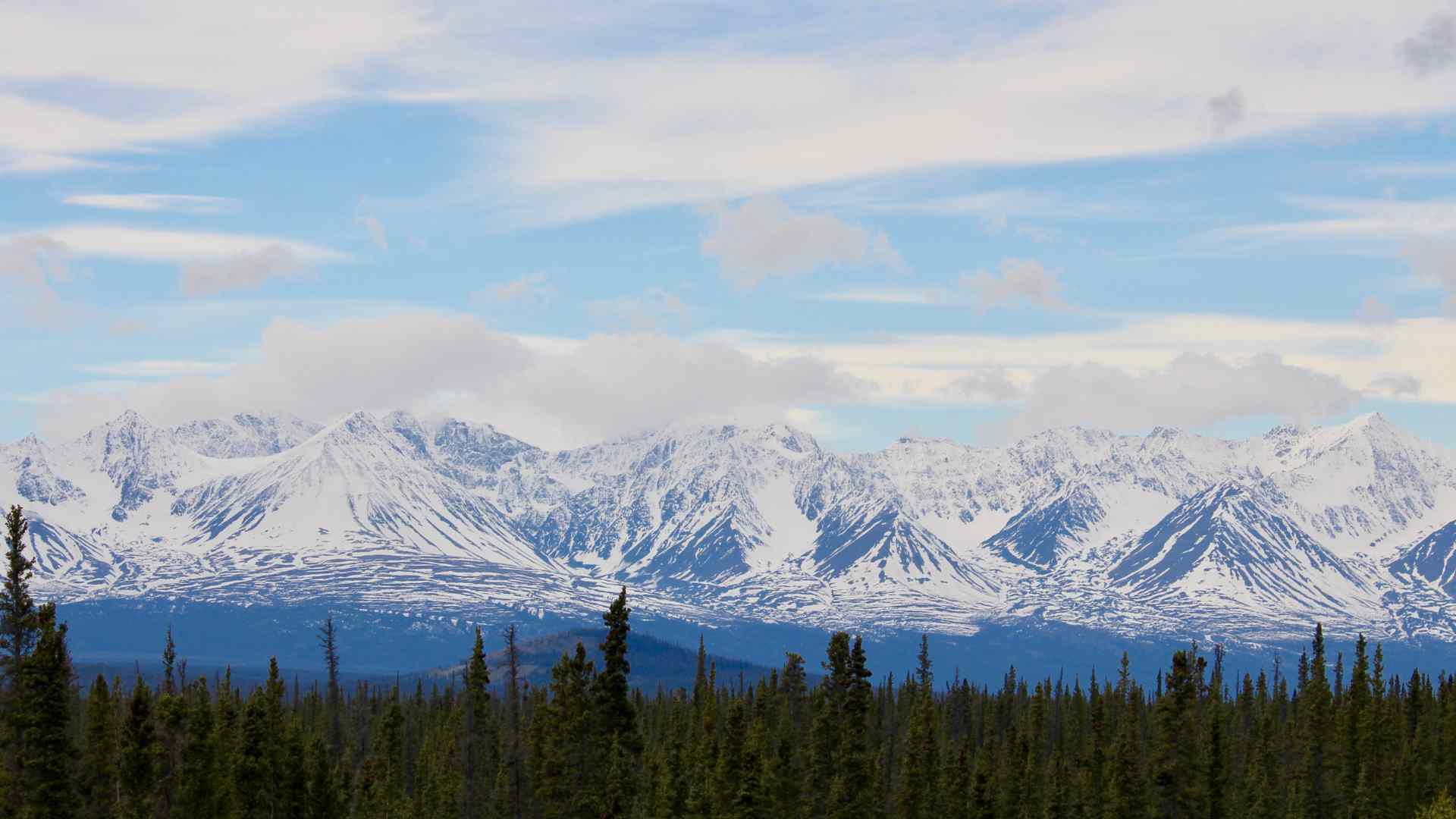
The Haines Highway follows the Chilkat Valley toward the Canadian border and mountain country beyond. Viewpoints, river habitat, and dramatic peaks make a guided drive rewarding even without a single headline stop.
Longer routes may cross into British Columbia or continue toward Yukon destinations, which introduces border documents and more road time. Carry the identification required by the cruise line and governments for the exact itinerary.
Driving independently
Rental inventory is limited and should be confirmed well before arrival. Check fuel, insurance, roadside coverage, border permission, road conditions, and the ship deadline.
Wildlife and weather can slow the drive without warning. Turn around at the planned time even when the next viewpoint sounds tempting.
Fast ferry to Skagway
Seasonal fast ferry service can connect Haines and Skagway across Lynn Canal, but schedules, weather, and cruise demand vary. Adding a separate ferry creates another fixed return that must align with the ship.
Use only an official current timetable and buy the correct round trip when the call is long enough. For most first time visitors, staying in Haines offers a richer and less fragile day.
Hiking
Local trails range from short forest walks to demanding routes with steep, wet, or remote terrain. Battery Point and other nearby options can be rewarding, but distance and condition need current verification.
Carry water, layers, bear awareness, and a downloaded route. Tell someone your plan and turn back early enough to account for a slower wet descent.
Cycling
A bicycle expands access along local roads, but rain, wind, hills, narrow shoulders, and wildlife require confidence. An electric bicycle adds range while making battery management and breakdown support important.
Wear a helmet and high visibility layer, follow Alaska road rules, and secure the bike. Choose a turnaround point that leaves enough energy for the dock approach.
Fishing
Haines offers freshwater and saltwater fishing opportunities regulated by Alaska rules. Licenses, seasons, species limits, equipment, and guide requirements must be checked for the actual date.
Book through a licensed operator who explains what is included and how catch handling works. Do not plan to bring fish aboard without confirming cruise line and customs rules.
Weather
Southeast Alaska weather can shift among rain, low cloud, wind, and bright sun during one call. Conditions in the Chilkat Valley may differ from those at Port Chilkoot.
Wear waterproof outer layers, warm insulation, and shoes with grip. A small dry bag protects medication, tickets, and electronics during river or boat trips.
Visibility
Low cloud can hide glaciers and mountain peaks without making the day a loss. Forest, river, cultural, and museum experiences become stronger choices when flightseeing or distant views are limited.
Ask the operator about its weather decision and refund policy. Never pressure a pilot or boat captain to operate outside safe conditions.
Accessibility
A docked call avoids tender transfer, but gangway slope and the route from Port Chilkoot still vary. Hills, gravel, wet surfaces, and limited adapted transport can make independent movement difficult.
Ask the cruise line about gangway assistance and each operator about vehicle steps, lift availability, wheelchair securement, restrooms, and walking surfaces. Provide device dimensions and weight before booking.
A lower effort day
Fort Seward, a confirmed shuttle, a museum, and a seated meal can create a rewarding day close to the ship. A private adapted drive through the valley is another option when an appropriate vehicle is secured.
River rafts, beach landings, and small boats require individual assessment. Low activity labels do not guarantee wheelchair access.
Families
Families can combine Fort Seward, one museum, a wildlife program, and open space without spending hours in transport. Older children may enjoy a guided float when they meet the operator’s age and safety requirements.
Keep children beside an adult around docks, roads, rivers, and wildlife. Bring waterproof clothing, snacks, and a quiet backup for weather delays.
Food and shopping
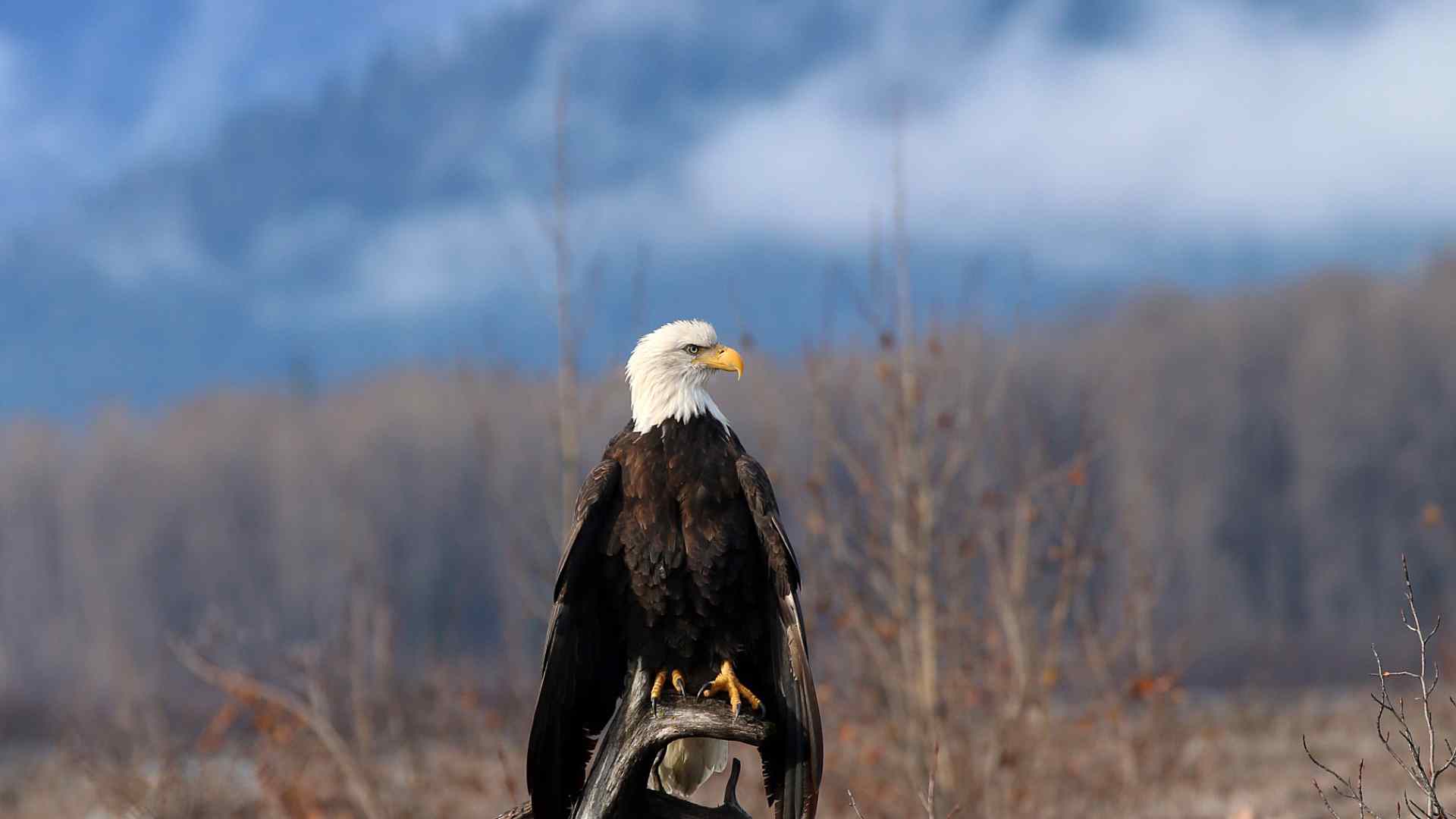
Haines has cafes, restaurants, breweries, galleries, and locally made art, though hours are seasonal. Eat before a long excursion if the operator does not include food.
Ask artists about the work and understand rules for wildlife materials before purchasing. Keep receipts and do not assume every natural object can cross an international border.
Money and connectivity
The United States dollar is used, and cards are accepted at many visitor businesses. A small amount of cash and a second card are sensible backups.
Mobile coverage can weaken along highways, rivers, and remote coast. Download tickets, maps, operator contacts, and the ship schedule before leaving town.
A short call plan
For a short call, explore Fort Seward, walk into downtown, visit one museum, and enjoy lunch. This provides real Haines character without a distant vehicle commitment.
Add a local wildlife or scenic drive only when it returns comfortably early. Do not use a separate ferry on a narrow schedule.
A full day plan
With a long call, choose one major outdoor experience such as the Chilkat River, Chilkoot corridor, Davidson Glacier, or Haines Highway. Return for a Fort Seward walk and meal if time remains.
Avoid stacking a river trip, wildlife center, border drive, and Skagway ferry. Each connection makes the day more fragile.
Return timing
Use ship time and the all aboard deadline in the current daily program. Remote tours should finish early enough to absorb wildlife stops, road work, or weather.
Return to Port Chilkoot before the final rush and keep the port agent details with you. Any spare time can be enjoyed around Fort Seward within sight of the route back.
Frequently asked questions
Can I walk from the ship into Haines?
Often yes from Port Chilkoot, though grades, weather, and mobility affect the experience. Confirm the exact berth and route on the day.
Will I see hundreds of eagles?
The enormous gathering is associated with the later salmon season, not every summer cruise date. Eagles are possible year round, but no count is guaranteed.
Can I see bears independently?
Wild bears require distance, current local guidance, and disciplined behavior. A qualified tour is the safer choice for most cruise visitors.
Is Skagway an easy side trip?
It requires a separate ferry whose schedule and weather must fit the ship. Stay in Haines unless the call is long and the round trip has a generous buffer.
Do tours operate in rain?
Many do when conditions remain safe, while flights and boats may change. Wear suitable layers and check the operator’s policy.
What is the easiest independent day?
Fort Seward, downtown museums, local shops, and a meal form the easiest low risk route. It can expand or shrink with weather and energy.
My take on Haines
Haines is most memorable when you let it remain small. The close mountains, Fort Seward, local museums, and wildlife habitat tell a richer story than a day spent racing toward every name on the excursion list.
Choose one valley or water experience, respect the animals, and keep a town backup. The result feels like real Alaska because it leaves room for the place to set the pace.
Before arrival, confirm berth and local services with the Haines Borough and current visitor information with Visit Haines. Check wildlife and park guidance from Alaska State Parks, then follow your cruise line’s final gangway and all aboard instructions.